广告
加载中

政策力推“平台+产业带” 工业品供应链的“生态协同”时代开启

龚作仁 2026-06-30 13:36
龚作仁 2026/06/30 13:36

邦小白快读

EN
全文速览

本文核心干货是七部门联合出台《促进平台经济大中小企业协同发展行动方案(2026—2028年)》,正式开启工业品供应链的生态协同时代,核心重点信息如下

1. 政策核心内容:本次政策明确平台经济从野蛮生长步入协同共赢新阶段,以大中小企业协同为主线,部署强化创新协同引领、健全生态协同体系、深化开放协同联动三大任务,设定了明确目标:到2028年,发布3批平台开放清单,遴选不少于100个平台资源开放场景试点项目,培育一批平台经济领域制造业单项冠军企业。

2. 行业实践参考:深耕工业品领域三十余年的鑫方盛,已经提前落地政策倡导的平台+产业带模式,搭建了数智化体系和智能仓储,给行业提供了成熟的实践样本。

本次政策给工业品品牌带来了明确的政策红利和发展机遇,相关干货内容整理如下

1. 政策支持方向:本次政策明确倡导通过平台+产业带模式扶持优质产品,打造更多特色品牌,同时支持头部企业建设工业互联网平台,为中小品牌上平台用平台提供服务,给品牌发展提供了官方背书和渠道支持。

2. 现成对接机会:头部平台鑫方盛已经搭建了成熟的生态体系,目前已经合作超8000个知名品牌,拥有覆盖全国的庞大履约仓储网络,服务超过30万家企业客户,90%商品为厂商直供,品牌入驻后可直接借助平台的渠道、数智化能力触达客户,还能依托平台的大数据体系实现需求预测、智能选品、库存优化,有效降低运营成本,扩大市场份额。

本次政策和行业实践给工业品卖家明确了政策方向,也带来了新的增长机会,核心干货整理如下

1. 政策解读:本次政策明确平台经济已经进入协同共赢的新阶段,核心发展主线是大中小企业协同,明确提出引导头部平台开放技术、数据、算力等要素给中小企业,还提出要培育一批平台经济领域的制造业单项冠军企业,给中小工业品卖家提供了明确的政策扶持方向。

2. 机会与可学习点:政策倡导的平台+产业带模式是明确的风口,卖家可对接头部工业互联网平台,获得流量、仓储、技术等多方面支持,鑫方盛打造的工品云链采购协同系统,可帮助卖家提升供应链协同效率,降本增效,还能借助平台的数智化采购方案适配不同客户场景,拓展客户群体,降低自身运营压力。

本次政策和行业实践给工业品生产工厂带来了明确的商业机会和数字化转型启示,核心干货整理如下

1. 商业机会:政策大力推动平台+产业带模式,支持优质工厂产品依托平台打开销路,打造特色品牌,当前头部平台鑫方盛的供应链体系中,90%的商品都来自制造厂商直供,工厂可跳过多重中间环节,直接对接平台的超30万家企业客户,依托平台覆盖全国的20+中心仓、50+城市仓以及智能履约网络完成交付,有效扩大销路,提升利润空间。

2. 数字化转型启示:工厂可抓住政策机遇,参与平台的发榜揭榜协同创新,依托头部平台开放的技术、数据资源,提升自身数智化运营水平,还能借助平台的需求数据调整生产和设计,开发更符合市场需求的产品,提升自身市场竞争力。

本文清晰展现了工业品供应链服务领域的发展趋势、客户痛点和可落地的解决方案,核心干货整理如下

1. 行业发展趋势:政策推动下,工业品供应链已经正式进入平台+产业带的生态协同新时代,平台经济从过去的野蛮生长转向协同共赢,打造工业品供应链数智化基础设施,发展新质生产力是行业未来的核心发展方向,市场对生态协同类服务的需求会持续增长。

2. 行业核心痛点:当前行业普遍存在创新链资源错配问题,大企业拥有技术资源但缺应用场景,中小企业有创意和项目但缺资源支持,同时传统供应链上下游协同效率低,仓储拣选误差大、效率低,无法匹配大规模企业客户的采购需求。

3. 可行解决方案:可参考鑫方盛的落地路径,打造分层数智化平台体系,对接不同规模客户需求,联合头部技术服务商融合技术,搭建智能供应链体系,同时升级智能仓储提升履约效率。

本次政策给工业互联网平台明确了发展方向,也提供了成熟可参考的运营管理经验,核心干货整理如下

1. 市场与政策需求:当前政策和市场都要求工业互联网平台开放技术、数据、算力等核心要素给上下游中小企业,走生态协同共赢的发展路线,政策明确支持有能力的头部平台建设工业互联网平台,平台+产业带是平台未来的核心发展方向。

2. 可参考的运营经验:头部企业鑫方盛的成熟实践可作为参考,在供应商端,搭建自研的工品云链采购协同系统,实现大容量供应商群的高效协同,提升供应链效率;技术端,和腾讯云等头部技术平台合作,融合双方技术打造大模型和大数据体系,优化需求预测、选品、库存管理;履约端,搭建智能仓储,大幅提升存储和拣选效率,解决传统运营的误差问题。

3. 风向提示:平台要锚定成为工业品供应链数智基础设施的方向,开放资源赋能上下游,符合政策导向也能打开更大增长空间。

本文展现了当前平台经济与工业品供应链领域的最新产业动向,抛出了产业现存问题,也提供了创新商业模式样本,核心研究干货整理如下

1. 产业最新动向:政策层面,七部门联合出台2026-2028年行动方案,明确平台经济从过去的野蛮生长进入协同共赢的新阶段,将大中小企业协同发展作为核心主线,部署三大核心任务,正式开启工业品供应链的生态协同时代,政策风向已经明确。

2. 产业现存核心问题:当前产业存在明显的创新链资源错配问题,部分大企业掌握技术资源但缺乏应用场景,大量中小企业拥有创新创意但缺乏资源支持,导致大中小企业创新发展不协调,传统工业品供应链也存在协同成本高、履约效率低的老问题。

3. 创新商业模式样本:头部企业已经探索出成熟的平台+产业带生态协同商业模式,企业从传统贸易商转型为集数据、技术、场景于一体的工业品供应链数智基础设施,向上赋能中小供应商提升数智化效率,向下赋能采购客户实现透明采购,向内升级履约能力,实现多方共赢。

返回默认

声明:快读内容全程由AI生成,请注意甄别信息。如您发现问题,请发送邮件至 run@ebrun.com 。

我是 品牌商 卖家 工厂 服务商 平台商 研究者 帮我再读一遍。

Quick Summary

This article focuses on a key policy update: seven Chinese government departments have jointly released the *Action Plan for Promoting Collaborative Development of Micro, Small, Medium and Large Enterprises in the Platform Economy (2026–2028)*, which officially ushers in an era of ecological collaboration for the industrial supply chain. Key takeaways are as follows:

1. Core policy content: The plan marks that China’s platform economy has moved beyond its unregulated growth phase into a new stage of collaborative win-win development. Taking the collaboration of large, small and medium-sized enterprises as its core主线, it rolls out three major tasks: strengthening innovation-driven collaboration, improving the ecological collaboration system, and deepening open connected collaboration. It also sets clear targets: by 2028, three batches of platform opening lists will be released, no less than 100 pilot projects for open platform resource scenarios will be selected, and a number of manufacturing single-champion enterprises in the platform economy sector will be cultivated.

2. Industry practice reference: Xinfangsheng, a player with over 30 years of deep roots in the industrial products sector, has already implemented the "platform + industrial belt" model advocated by the policy in advance. It has built a digital intelligence system and smart warehousing network, providing a mature practice sample for the industry.

This policy brings clear policy dividends and development opportunities for industrial product brands. Key takeaways are organized below:

1. Policy support direction: The policy explicitly supports high-quality products and the development of distinctive local brands through the "platform + industrial belt" model, while encouraging leading enterprises to build industrial internet platforms that provide services for small and medium-sized brands to access and utilize platform resources. This offers official endorsement and channel support for brand growth.

2. Ready-to-access collaboration opportunities: Leading industrial product platform Xinfangshen has built a mature ecological system. It already partners with more than 8,000 well-known brands, operates a large fulfillment warehousing network covering the whole of China, serves more than 300,000 corporate clients, and sources 90% of its products directly from manufacturers. After moving onto the platform, brands can directly leverage the platform’s channels and digital intelligence capabilities to reach customers, and use the platform’s big data system for demand forecasting, smart product selection and inventory optimization, effectively cutting operational costs and expanding market share.

This policy and corresponding industry practices clarify the development direction for industrial product sellers and bring new growth opportunities. Key takeaways are as follows:

1. Policy interpretation: The policy confirms that the platform economy has entered a new stage of collaborative win-win development, with collaboration between large, small and medium-sized enterprises as the core development主线. It explicitly guides leading platforms to open resources including technology, data and computing power to small and medium-sized enterprises, and proposes to cultivate a group of manufacturing single-champion enterprises in the platform economy sector, providing clear policy support direction for small and medium-sized industrial product sellers.

2. Opportunities and best practices: The "platform + industrial belt" model advocated by the policy is a clear growth opportunity. Sellers can partner with leading industrial internet platforms to gain support in traffic, warehousing, technology and other aspects. Xinfangsheng’s Gongpin Yunlian procurement collaboration system helps sellers improve supply chain collaboration efficiency, cut costs and boost productivity. It also allows sellers to adapt to different customer scenarios through the platform’s digital intelligence procurement solutions, expand their customer base and reduce operational pressure.

This policy and industry practices bring clear business opportunities and digital transformation inspiration for industrial product manufacturers. Key takeaways are as follows:

1. Business opportunities: The policy strongly promotes the "platform + industrial belt" model, and supports quality manufacturers to expand sales and build distinctive brands via platforms. Currently, 90% of products in leading platform Xinfangsheng’s supply chain are sourced directly from manufacturers. By partnering with Xinfangsheng, factories can bypass multiple intermediate links and directly connect to the platform’s more than 300,000 corporate clients, with delivery handled via the platform’s 20+ central warehouses, 50+ urban warehouses and smart fulfillment network across China. This effectively expands sales channels and improves profit margins.

2. Digital transformation inspiration: Factories can seize the policy opportunity to participate in the platform’s collaborative "problem releasing-problem solving" innovation initiatives, improve their own digital operation level by leveraging the technology and data resources opened by leading platforms, and adjust production and product design based on the platform’s demand data to develop products that better match market demand and enhance their market competitiveness.

This article clearly outlines the development trends, core pain points and actionable solutions for the industrial supply chain service sector. Key takeaways are organized below:

1. Industry development trend: Driven by policy, the industrial supply chain has officially entered a new era of ecological collaboration centered on the "platform + industrial belt" model. The platform economy has shifted from unregulated growth to collaborative win-win development. Building digital intelligence infrastructure for the industrial supply chain and developing new quality productive forces are the core future directions of the industry, and market demand for ecological collaboration-related services will continue to grow.

2. Core industry pain points: The industry currently suffers from widespread mismatch of innovation chain resources: large enterprises hold technical resources but lack application scenarios, while small and medium-sized enterprises have ideas and projects but lack resource support. In addition, traditional upstream and downstream supply chains have low collaboration efficiency, and suffer from high error rates and low productivity in warehousing and picking, which cannot meet the procurement needs of large-scale corporate clients.

3. Actionable solution: Industry players can refer to Xinfangsheng’s implementation path: build a layered digital intelligence platform system to match the needs of customers of different scales; partner with leading technology service providers to integrate technologies and build a smart supply chain system; and upgrade smart warehousing to improve fulfillment efficiency.

This policy clarifies the development direction for industrial internet platforms and provides mature, referenceable operation and management experience. Key takeaways are as follows:

1. Market and policy requirements: Current policy and market conditions both require industrial internet platforms to open core resources including technology, data and computing power to upstream and downstream small and medium-sized enterprises, and pursue a development path of ecological collaborative win-win. The policy explicitly supports capable leading platforms to build industrial internet platforms, and "platform + industrial belt" is the core future development direction for platforms.

2. Referenceable operation experience: The mature practice of leading player Xinfangsheng can serve as a reference. On the supplier side, Xinfangsheng has built a self-developed Gongpin Yunlian procurement collaboration system to achieve efficient collaboration for large-scale supplier groups and improve supply chain efficiency. On the technology side, it partners with leading technology platforms such as Tencent Cloud to integrate technologies and build large model and big data systems that optimize demand forecasting, product selection and inventory management. On the fulfillment side, it has built smart warehouses that greatly improve storage and picking efficiency and solve the error problem plaguing traditional operations.

3. Trend guidance: Platforms should anchor the direction of becoming digital intelligence infrastructure for the industrial supply chain, open resources to empower upstream and downstream players, which aligns with policy guidance and unlocks greater growth space.

This article presents the latest industry developments in platform economy and industrial supply chain, points out existing industrial problems, and provides an innovative business model sample. Key research takeaways are as follows:

1. Latest industry developments: On the policy front, seven Chinese government departments have jointly released the 2026–2028 action plan, confirming that China’s platform economy has moved beyond its unregulated growth phase into a new stage of collaborative win-win development, takes the collaborative development of large, small and medium-sized enterprises as the core主线, and deploys three core tasks. This officially ushers in the era of ecological collaboration for the industrial supply chain, with clear policy direction.

2. Core existing industrial problems: The industry currently faces a prominent problem of innovation chain resource mismatch: some large enterprises hold technical resources but lack application scenarios, while a large number of small and medium-sized enterprises have innovative ideas but lack resource support, leading to uncoordinated innovation and development among enterprises of different sizes. Traditional industrial supply chains also face long-standing problems including high collaboration costs and low fulfillment efficiency.

3. Innovative business model sample: Leading enterprises have explored a mature "platform + industrial belt" ecological collaborative business model, where enterprises transform from traditional traders into digital intelligence infrastructure for the industrial supply chain that integrates data, technology and scenarios. They empower small and medium-sized upstream suppliers to improve digital efficiency, empower downstream procurement clients to achieve transparent procurement, and upgrade internal fulfillment capabilities, achieving multi-party win-win results.

Disclaimer: The "Quick Summary" content is entirely generated by AI. Please exercise discretion when interpreting the information. For issues or corrections, please email run@ebrun.com .

I am a Brand Seller Factory Service Provider Marketplace Seller Researcher Read it again.

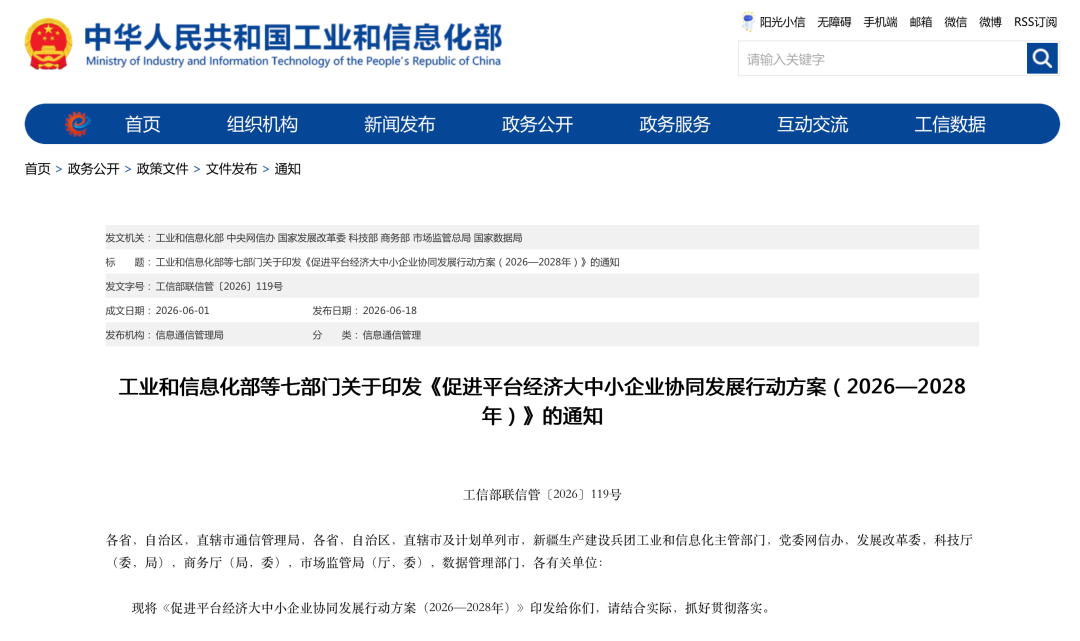
2026年6月,工业和信息化部、中央网信办、国家发展改革委等七部门联合印发《促进平台经济大中小企业协同发展行动方案(2026—2028年)》(以下简称《行动方案》)。这份重磅文件明确提出,支持行业内有能力的头部企业建设工业互联网平台,为上下游中小企业上平台用平台提供服务;同时倡导通过“平台+产业带”模式扶持优质产品,打造更多特色品牌。

政策信号清晰而强烈——平台经济正从“野蛮生长”步入“协同共赢”的新阶段。而这一切,正与一家深耕工业品供应链三十余年的企业使命不谋而合——打造工业品生态圈,引领行业进步与发展

01政策划重点:大中小企业协同成主线

翻阅这份《行动方案》,“协同”二字被重点着墨。工业和信息化部信息通信管理局相关负责人表示,我国平台经济发展正处于转型升级的关键时期,迫切需要把握“十五五”新形势新要求,加快构建创新、融通、健康、高效的发展生态

方案围绕三大方向部署重点任务

一是强化创新协同引领。 开展协同创新领航行动,引导平台企业加强通用大模型、行业大模型和智能体等人工智能领域创新布局,支持平台企业“发榜”、中小企业“揭榜”。

二是健全生态协同体系。 开展生态协同提质行动,支持龙头企业建设工业互联网平台,为上下游中小企业上平台用平台提供服务;通过“平台+产业带”模式扶持优质产品。

三是深化开放协同联动。 开展开放协同拓展行动,引导平台企业加快技术、数据、算力等要素与中小企业开放共享,制定平台开放清单。

方案还设定了具体目标:到2028年,发布3批平台开放清单,遴选不少于100个平台资源开放场景试点项目,培育一批平台经济领域制造业单项冠军企业。

02鑫方盛的角色:用实力定义“行业领先”

政策鼓励有实力的平台企业发挥带动作用。而鑫方盛,早已用一组硬核数据奠定了行业领先的身位——

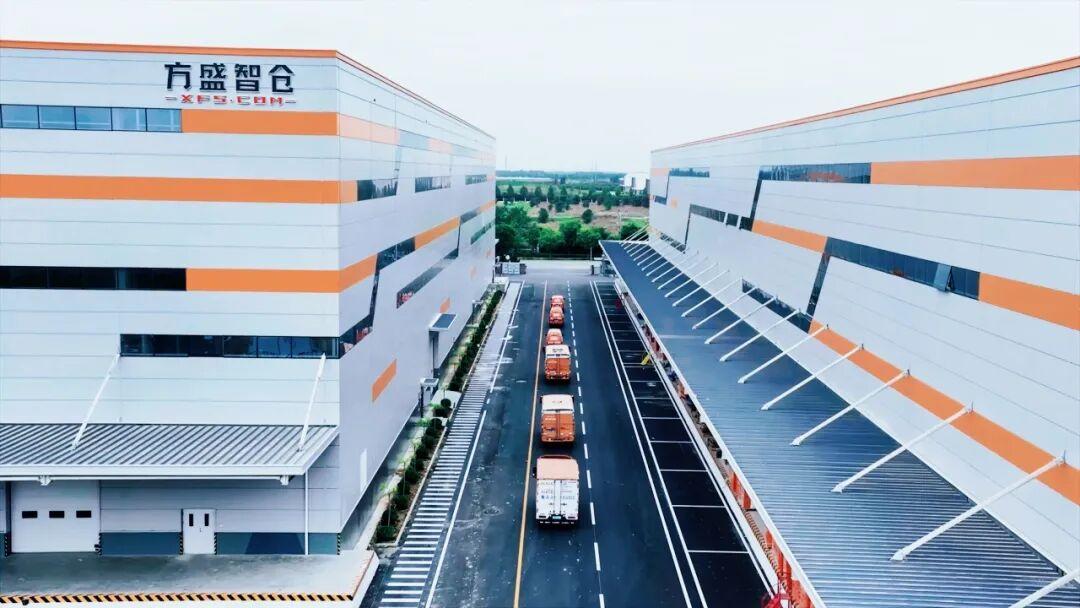
服务超过30万家企业客户,合作知名品牌超8000个,商品SKU超1000万,90%的商品由制造厂商直供。这背后是覆盖全国的20+区域公司500+服务中心20+中心仓50+城市仓、超10亿现货仓储构成的庞大履约网络。

更重要的是,鑫方盛早已跳出传统贸易商角色,跃升为集数据技术场景于一体的工业品供应链基础设施。早在2018年,鑫方盛就开始搭建数字化平台,针对不同客户需求,构建了四个平台体系,在服务大型央国企的同时,也满足了不同类型中小微企业的数智化需求。从轻量采购到深度集成,数智化采购方案适配不同客户场景,智采、慧采被自有商城客户广泛应用。

这一切的底层动力,来自鑫方盛坚守的使命——打造工业品生态圈,引领行业进步与发展。正是这份使命驱动,让鑫方盛在每一次行业变革中始终走在探索前沿,也让它与《行动方案》提出的“引导平台企业加快技术、数据、算力等要素与中小企业开放共享”形成了深度共振。

03赋能上下游:“平台+产业带”的鑫方盛实践

政策倡导的“平台+产业带”模式,鑫方盛已在实践中形成了一套成熟的打法——这不仅是商业拓展,更是其“打造工业品生态圈”使命的具体落地。

在供应商端,鑫方盛自主研发的工品云链采购协同系统,实现了大容量供应商群的高效协同。该平台基于大数据管理、标准商品库管理、数据协同管理等功能优势,可显著提升供应链协同效率,推动采购战略执行,为上下游产业链客户降本增效,扩大合作商机

在技术赋能上,鑫方盛与腾讯云达成全面战略合作,聚焦数智供应链协同、全域用户连接和智能数据决策。腾讯云开放领先的云计算、大数据、人工智能技术,与鑫方盛的“方盛AI+”大模型和“鑫智鲸”大数据体系深度融合,构建更精准的需求预测、智能选品、库存优化模型。

这正是“生态圈”的题中之义——大企业在能力开放中获得生态活力,中小企业在要素流通中释放创新潜能

04智能仓储:看得见的“新质生产力”

在政策强调“新质生产力”的背景下,鑫方盛的智慧仓储体系提供了一个生动的样本。

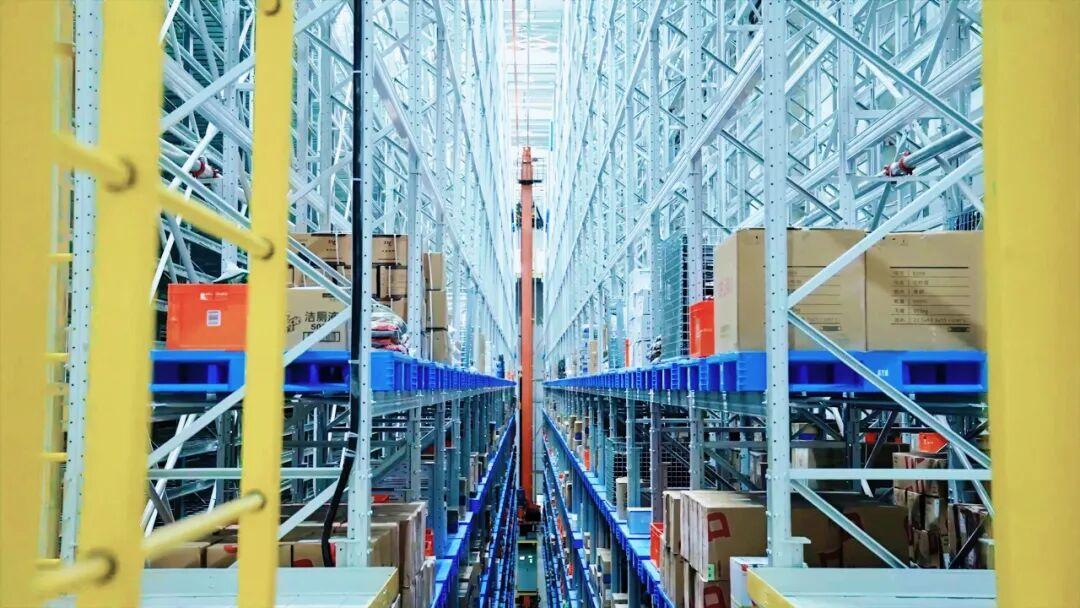
位于济南的“方盛智仓-东方一号”是亚洲最大的工业品智能仓之一:“鑫立方”堆垛机库13000个托盘位、“鑫巢”料箱库12万个料箱位,智能存储能力是传统仓库的3到5倍;智能库的拣选效率提升10倍以上,每小时可发1500箱。

“擎天柱”堆垛机、“幻影”穿梭车、“八爪鱼”分拨线…… 这些充满未来感的自动化设备,让“人找货”变成“货找人”,不仅解决了传统操作中易出现的数据漏采、录单失误等问题,更实现了商品全链路溯源管理。

从“交易平台”到“产业基建”:一种更厚重的角色转换

中国信息通信研究院院长余晓晖评价《行动方案》时指出:“部分大企业有技术无场景、一些小企业有创意无资源的局面,导致了‘创新链’上的资源错配。行动方案将有利于破解大中小企业创新发展不协调的难题。 ”

鑫方盛用三十余年的行业深耕,践行着“打造工业品生态圈,引领行业进步与发展”的使命。这份使命落到实践中,就是三件事:向上,通过工品云链帮助中小供应商提升数智化运营效率;向下,通过鑫方盛数智化采购解决方案帮助大客户实现阳光透明采购;向内,通过方盛AI+鑫智鲸大数据体系和智能仓储提升自身履约效率。

当政策东风与产业使命交汇,鑫方盛正走向更宏大的目标——成为工业品供应链的“数智基础设施”。 而这,正是平台经济服务实体经济最务实的注脚。

注:文/龚作仁,文章来源:Laborer,本文为作者独立观点,不代表亿邦动力立场。

文章来源:Laborer

广告
微信
朋友圈

这么好看,分享一下?

朋友圈 分享

APP内打开

+1
+1
微信好友 朋友圈 新浪微博 QQ空间
关闭
收藏成功
发送
/140 0