广告
加载中

SHEIN首份完整财报:收入下降5.9%净利增长26.8% 加快推进欧洲本地履约

韩笑 2026-11-26 19:17
韩笑 2026/11/26 19:17

邦小白快读

EN
全文速览

总:SHEIN首份完整财报的核心数据与经营变化值得关注。

1. 第三季度净收入102.71亿美元,同比下降5.9%;经营利润7.43亿美元,同比增长17.4%;净利润46.48亿美元,同比增长654.5%;经调整净利润7.90亿美元,同比增长26.8%,占净收入7.7%。

2. 已履约订单2.64亿单,去年同期2.72亿单;过去12个月活跃消费者2.91亿人,高于去年同期的2.65亿人。

3. 美国净收入23.69亿美元,同比下降9.4%;欧洲29.77亿美元,同比下降27.6%;其他地区49.25亿美元,同比增长17.7%。

4. 欧洲受贸易政策影响后提价、营销按ROI重新分配,并推进小额快备本地履约,已覆盖欧洲消费者40%以上配送量,年底约50%,2027年下半年覆盖大部分;美国调整已度过最困难阶段,收入降幅逐月收窄。

5. 营销费用同比下降41.5%,技术及内容费用同比增长22.7%;战略重点是丰富价格带、提升品质与合规、优化消费者沟通。

总:品牌营销、定价与消费趋势是这份财报的关键信息。

1. 欧洲贸易政策调整后,SHEIN上调价格以覆盖新增成本,营销投入按ROI重新分配,并减少欧洲市场线上广告,营销费用同比下降41.5%。

2. 财报预计提价短期影响消费者购买,但持续提供差异化且具竞争力的商品,消费者中长期会回归;公司相信欧洲市场规模中长期将回到并超越此前最高销售金额。

3. 品牌赋能业务表现良好,KIZN、AiiRZ等品牌收入同比强劲增长,丰富中价格带产品组合。

4. 消费环境判断是生活成本上升,消费者更看重性价比,并将消费集中于设计、品质与价格组合最优的选择;SHEIN继续发挥按需设计、小批量生产和即时返单的供应链优势。

5. 品牌策略继续推进丰富价格带、提升产品品质与合规水平、优化消费者沟通三大优先事项。

总:欧洲政策压力下的应对措施与市场机会值得卖家关注。

1. 欧洲贸易政策调整导致SHEIN欧洲净收入同比下降27.6%,公司提价覆盖新增成本、按ROI重新分配营销、加快本地履约;短期购买受影响,但公司对中长期恢复有信心。

2. 美国净收入同比下降9.4%,但履约订单总量同比小幅增长,差距主要来自平台业务订单占比上升;公司判断美国调整已度过最困难阶段,净收入同比降幅逐月收窄。

3. 其他地区净收入同比增长17.7%,拉丁美洲表现突出,中东受区域局势影响需求受抑。

4. 可学习点是小额快备本地履约的转化率和单件盈利显著优于跨境履约,已覆盖欧洲消费者40%以上配送量,年底约50%,2027年下半年覆盖大部分。

5. 机会包括拉美等增长市场、中价格带品牌合作、合规商品与本地履约;风险包括欧洲提价影响消费、贸易政策变化、中东需求抑制。SHEIN还通过商家准入、商品资质管控、实物稽查加强合规。

总:供应链、产品品质与本地履约带来生产和设计启示。

1. SHEIN继续发挥按需设计、小批量生产和即时返单的供应链优势,满足消费者对时尚、丰富度与性价比的需求。

2. 公司推进丰富价格带、提升产品品质与合规水平,深化与供应链上下游供应商合作,推动产品品质提升和价格带向上延伸。

3. 工厂可关注本地履约小额快备模式:已覆盖欧洲消费者40%以上配送量,较第二季度增长一倍以上,年底约50%,2027年下半年覆盖大部分;该模式转化率和单件盈利显著优于跨境履约。

4. 本地履约持续投资自动化、需求预测和路由技术,对生产响应、备货效率和数字化能力提出更高要求。

5. 商家准入、商品资质管控、实物稽查等措施强化合规,意味着生产和设计需更重视品质与合规;技术及内容费用同比增长22.7%,用于提升消费者体验和系统能力。

总:跨境电商本地履约与技术服务是服务商应关注的趋势。

1. 客户痛点包括欧洲贸易政策调整、成本上升和跨境履约压力;SHEIN通过提价覆盖新增成本、营销按ROI重新分配、减少欧洲线上广告来应对。

2. 解决方案是加快推进欧洲本地履约小额快备,已覆盖欧洲消费者40%以上配送量,较第二季度增长一倍以上,年底约50%,2027年下半年覆盖大部分。

3. 该模式转化率和单件盈利显著优于跨境履约,SHEIN将继续扩大本地履约能力,并持续投资自动化、需求预测和路由技术。

4. 技术及内容费用2.65亿美元,同比增长22.7%,主要用于提升消费者体验和增强系统能力;履约费用46.90亿美元,同比下降4.8%,受成本优化、部分关税退还及订单量下降影响。

5. 行业趋势是本地履约、数字化供应链、按需设计、小批量生产、即时返单和合规管理;服务商可围绕本地仓配、需求预测、路由优化、系统能力与合规服务寻找机会。

总:平台业务、本地化运营与风向规避是平台商关注重点。

1. 第三季度服务收入9.02亿美元,同比下降19.0%,占净收入8.8%;下降主要与欧洲业务中商城模式占比下降有关。

2. 美国净收入低于去年同期,但履约订单总量同比小幅增长,差距主要是平台业务订单占比上升带来的;美国调整已度过最困难阶段,净收入同比降幅逐月收窄。

3. 平台做法包括按ROI重新分配各市场广告预算、减少欧洲线上广告、加快欧洲本地履约小额快备,覆盖40%以上配送量,年底约50%,2027年下半年覆盖大部分。

4. 运营管理上,SHEIN推进丰富价格带、提升产品品质与合规、优化消费者沟通;通过商家准入、商品资质管控、实物稽查加强合规;品牌赋能业务KIZN、AiiRZ收入强劲增长。

5. 风向规避需注意欧洲贸易政策、提价短期影响购买、中东区域局势抑制需求;机会在拉美等增长市场、中价格带品牌、本地履约与合规商品。

总:这份财报呈现跨境电商产业新动向、政策影响与商业模式变化。

1. SHEIN上市后首份完整季度业绩显示,第三季度净收入102.71亿美元,同比下降5.9%;经调整净利润7.90亿美元,同比增长26.8%;欧洲贸易政策变化是影响最集中的外部因素。

2. 区域结构变化明显:美国净收入23.69亿美元,同比下降9.4%;欧洲29.77亿美元,同比下降27.6%;其他地区49.25亿美元,同比增长17.7%,拉美突出,中东受区域局势抑制。

3. 新问题包括贸易政策调整后提价短期抑制消费、欧洲商城模式占比下降导致服务收入占比下降、平台业务订单占比上升拉低美国净收入。

4. 商业模式上,SHEIN发挥按需设计、小批量生产、即时返单的供应链优势;推进欧洲本地履约小额快备,转化率和单件盈利优于跨境履约,覆盖40%以上配送量,年底约50%。

5. 政策与经营启示是本地履约、自动化、需求预测、路由技术、合规管理、丰富价格带和品质提升;品牌赋能KIZN、AiiRZ增长,营销按ROI分配,技术及内容费用同比增长22.7%。

返回默认

声明:快读内容全程由AI生成,请注意甄别信息。如您发现问题,请发送邮件至 run@ebrun.com 。

我是 品牌商 卖家 工厂 服务商 平台商 研究者 帮我再读一遍。

Quick Summary

Summary: SHEIN's first full financial report offers key data and operating changes worth noting.

1. Q3 net revenue was $10.271 billion, down 5.9% YoY; operating profit was $743 million, up 17.4%; net profit was $4.648 billion, up 654.5%; adjusted net profit was $790 million, up 26.8%, or 7.7% of net revenue.

2. Fulfilled orders were 264 million, versus 272 million in the prior-year period; active consumers over the past 12 months reached 291 million, up from 265 million a year earlier.

3. US net revenue was $2.369 billion, down 9.4%; Europe was $2.977 billion, down 27.6%; other regions were $4.925 billion, up 17.7%.

4. After trade policy effects in Europe, SHEIN raised prices, reallocated marketing by ROI, and advanced small-batch, rapid-replenishment local fulfillment. This now covers more than 40% of delivery volume to European consumers, about 50% by year-end, and most by H2 2027. In the US, the adjustment has passed its hardest phase, with the YoY revenue decline narrowing month by month.

5. Marketing expenses fell 41.5% YoY, while technology and content expenses rose 22.7%. Strategic priorities are to broaden price tiers, improve quality and compliance, and optimize consumer communication.

Summary: Brand marketing, pricing, and consumer trends are the key takeaways from this report.

1. After European trade policy adjustments, SHEIN raised prices to cover added costs, reallocated marketing investment by ROI, and reduced online advertising in Europe; marketing expenses fell 41.5% YoY.

2. The report expects price increases to weigh on purchases in the short term, but SHEIN's continued provision of differentiated, competitive products should bring consumers back over the medium to long term. The company believes the European market will return to and exceed its previous peak sales over the medium to long term.

3. The brand empowerment business performed well, with strong YoY revenue growth at KIZN and AiiRZ, enriching the mid-price product mix.

4. SHEIN's view of the consumer environment is that rising living costs are making consumers more value-conscious and concentrating spending on the best combination of design, quality, and price. SHEIN continues to leverage supply chain advantages in on-demand design, small-batch production, and immediate replenishment.

5. Brand strategy continues to prioritize broadening price tiers, improving product quality and compliance, and optimizing consumer communication.

Summary: Responses to European policy pressure and market opportunities are worth sellers' attention.

1. European trade policy adjustments pushed SHEIN's Europe net revenue down 27.6%. The company raised prices to cover added costs, reallocated marketing by ROI, and accelerated local fulfillment. Purchases are affected in the short term, but the company is confident in a medium- to long-term recovery.

2. US net revenue fell 9.4%, but total fulfilled orders rose slightly YoY; the gap mainly reflects a higher share of platform business orders. SHEIN judges that the US adjustment has passed its hardest phase, with the YoY net revenue decline narrowing month by month.

3. Other regions saw net revenue rise 17.7%, with Latin America standing out, while Middle East demand was suppressed by the regional situation.

4. A key lesson is that small-batch, rapid-replenishment local fulfillment has significantly better conversion and per-unit profitability than cross-border fulfillment. It now covers more than 40% of delivery volume to European consumers, about 50% by year-end, and most by H2 2027.

5. Opportunities include growth markets such as Latin America, mid-price brand partnerships, compliant products, and local fulfillment. Risks include the impact of European price increases on consumption, trade policy changes, and suppressed Middle East demand. SHEIN also strengthens compliance through merchant admission, product qualification controls, and physical inspections.

Summary: Supply chain, product quality, and local fulfillment offer production and design implications.

1. SHEIN continues to leverage supply chain advantages in on-demand design, small-batch production, and immediate replenishment to meet consumer demand for fashion, breadth, and value.

2. The company is broadening price tiers, improving product quality and compliance, and deepening cooperation with upstream and downstream suppliers to drive quality improvements and extend the price range upward.

3. Factories should watch the small-batch, rapid-replenishment local fulfillment model: it covers more than 40% of delivery volume to European consumers, more than doubled from Q2, about 50% by year-end, and most by H2 2027. Its conversion and per-unit profitability are significantly better than cross-border fulfillment.

4. Continued investment in local fulfillment includes automation, demand forecasting, and routing technology, raising requirements for production response, stocking efficiency, and digital capabilities.

5. Merchant admission, product qualification controls, and physical inspections strengthen compliance, meaning production and design must place greater emphasis on quality and compliance. Technology and content expenses rose 22.7% YoY to improve consumer experience and system capabilities.

Summary: Cross-border e-commerce local fulfillment and technology services are trends service providers should watch.

1. Client pain points include European trade policy adjustments, rising costs, and cross-border fulfillment pressure. SHEIN responds by raising prices to cover added costs, reallocating marketing by ROI, and reducing European online advertising.

2. The solution is to accelerate small-batch, rapid-replenishment local fulfillment in Europe. It now covers more than 40% of delivery volume to European consumers, more than doubled from Q2, about 50% by year-end, and most by H2 2027.

3. This model has significantly better conversion and per-unit profitability than cross-border fulfillment. SHEIN will continue to expand local fulfillment capacity and invest in automation, demand forecasting, and routing technology.

4. Technology and content expenses were $265 million, up 22.7% YoY, mainly to improve consumer experience and strengthen system capabilities. Fulfillment expenses were $4.690 billion, down 4.8%, due to cost optimization, partial tariff refunds, and lower order volume.

5. Industry trends include local fulfillment, digital supply chains, on-demand design, small-batch production, immediate replenishment, and compliance management. Service providers can seek opportunities in local warehousing and distribution, demand forecasting, routing optimization, system capabilities, and compliance services.

Summary: Platform business, localized operations, and risk avoidance are key focus areas for marketplace sellers.

1. Q3 service revenue was $902 million, down 19.0% YoY and equal to 8.8% of net revenue. The decline was mainly related to a lower share of the marketplace model in the European business.

2. US net revenue was below the prior-year level, but total fulfilled orders rose slightly YoY; the gap mainly reflects a higher share of platform business orders. The US adjustment has passed its hardest phase, with the YoY net revenue decline narrowing month by month.

3. Platform practices include reallocating advertising budgets across markets by ROI, reducing European online advertising, and accelerating small-batch, rapid-replenishment local fulfillment in Europe, covering more than 40% of delivery volume, about 50% by year-end, and most by H2 2027.

4. In operations, SHEIN is broadening price tiers, improving product quality and compliance, and optimizing consumer communication. It strengthens compliance through merchant admission, product qualification controls, and physical inspections. Brand empowerment businesses KIZN and AiiRZ delivered strong revenue growth.

5. Risk avoidance requires attention to European trade policy, the short-term impact of price increases on purchases, and the Middle East regional situation suppressing demand. Opportunities lie in growth markets such as Latin America, mid-price brands, local fulfillment, and compliant products.

Summary: This report reveals new trends in cross-border e-commerce, policy effects, and business model changes.

1. SHEIN's first full quarterly results after listing show Q3 net revenue of $10.271 billion, down 5.9% YoY; adjusted net profit of $790 million, up 26.8%; and European trade policy changes as the most concentrated external factor.

2. Regional structure shifted markedly: US net revenue was $2.369 billion, down 9.4%; Europe was $2.977 billion, down 27.6%; other regions were $4.925 billion, up 17.7%, with Latin America standing out and the Middle East suppressed by the regional situation.

3. Emerging issues include price increases after trade policy adjustments dampening consumption in the short term, a lower share of the European marketplace model reducing service revenue share, and a higher share of platform business orders lowering US net revenue.

4. On the business model, SHEIN leverages supply chain advantages in on-demand design, small-batch production, and immediate replenishment. It is advancing small-batch, rapid-replenishment local fulfillment in Europe, where conversion and per-unit profitability are better than cross-border fulfillment, covering more than 40% of delivery volume and about 50% by year-end.

5. Policy and operational implications include local fulfillment, automation, demand forecasting, routing technology, compliance management, broadening price tiers, and quality improvement. Brand empowerment businesses KIZN and AiiRZ are growing, marketing is allocated by ROI, and technology and content expenses rose 22.7% YoY.

Disclaimer: The "Quick Summary" content is entirely generated by AI. Please exercise discretion when interpreting the information. For issues or corrections, please email run@ebrun.com .

I am a Brand Seller Factory Service Provider Marketplace Seller Researcher Read it again.

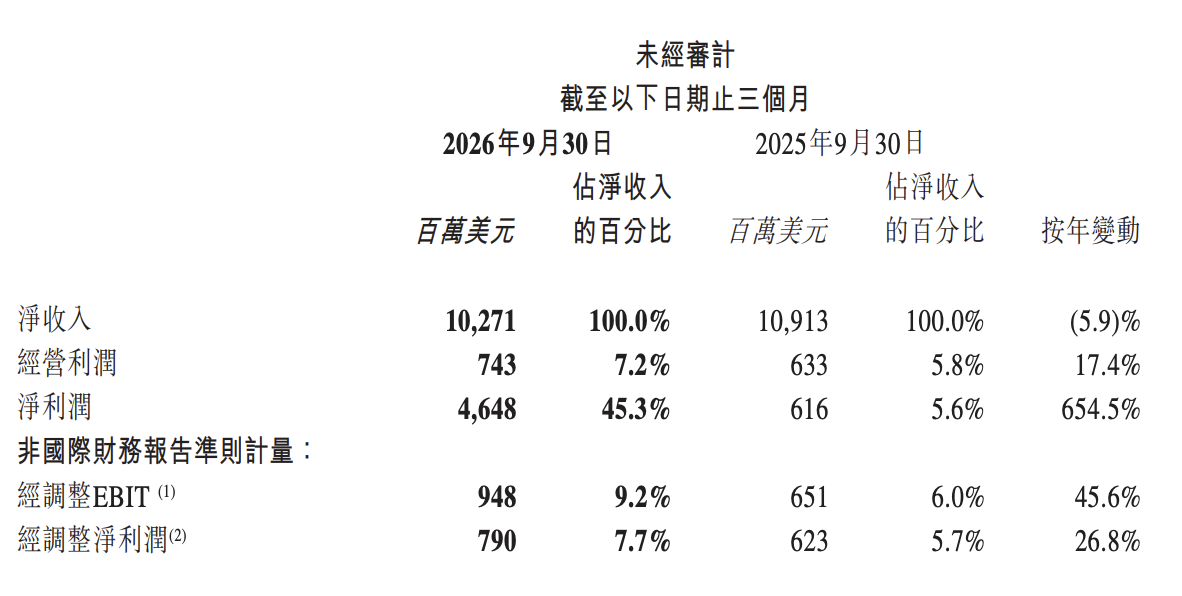
【亿邦原创】日前,SHEIN发布2026年第三季度业绩公告。财报显示,第三季度公司实现净收入102.71亿美元,同比下降5.9%;经营利润7.43亿美元,同比增长17.4%;净利润46.48亿美元,同比增长654.5%;经调整净利润7.90亿美元,同比增长26.8%,占净收入的7.7%。

第三季度,SHEIN已履约订单总数为2.64亿单,去年同期为2.72亿单;截至2026年9月30日的过去12个月,活跃消费者数量达到2.91亿人,高于去年同期的2.65亿人。

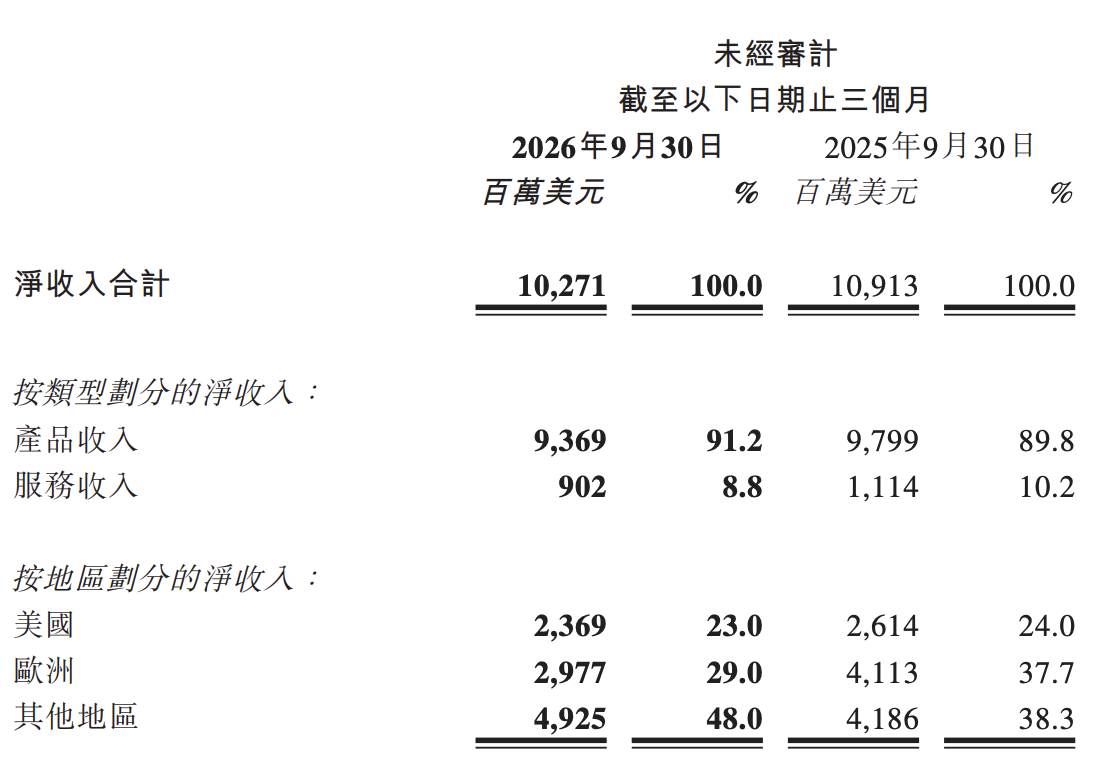
分地区来看,第三季度SHEIN来自美国的净收入为23.69亿美元,同比下降9.4%,占总收入的23.0%;来自欧洲的净收入为29.77亿美元,同比下降27.6%,占总收入的29.0%;其他地区净收入为49.25亿美元,同比增长17.7%,占总收入的48.0%。

欧洲市场仍是SHEIN本季度业绩承压的主要原因。财报解释,受欧洲市场贸易政策调整营销,公司已经上调价格以覆盖新增成本,营销投入也按ROI 重新分配,并加快本地履约布局。

财报预计,售价提升会在短期内影响消费者购买,但只要持续提供差异化且具竞争力的商品,消费者将在中长期回归 SHEIN 品牌。“我们相信欧洲市场规模在中长期内将回到并超越此前的最高销售金额。”

在履约方面,SHEIN正在加快推进欧洲本地履约方案“小额快备”,可以带来更好的用户体验、更快的配送和更低的成本。目前,该模式已覆盖欧洲消费者40%以上的配送量,较第二季度增长一倍以上,预计到2026年底覆盖率将达到约50%,并计划于2027年下半年覆盖大部分配送。

财报表示,通过“小额快备”履约的商品,在转化率和单件盈利方面均显著优于跨境履约。SHEIN 将继续扩大本地履约能力,持续投资于自动化、需求预测和路由技术,确保“小额快备”模式持续成功和优化。

美国市场方面,财报表示,履约订单总量同比小幅增长,虽然净收入仍低于去年同期,但这一差距主要是平台业务订单占比上升带来的。SHEIN 判断,“美国市场的调整已度过最困难的阶段”,第三季度净收入同比降幅逐月收窄,改善趋势明确。

此外,世界其他地区继续保持强劲增长,其中,拉丁美洲表现尤为突出,受区域局势影响,中东地区需求受到一定抑制。

SHEIN在财报中直言,“2026年第三季度对SHEIN而言是一个特殊的季度:这是我们上市后发布的首份完整季度业绩,也是外部政策变化影响最为集中的季度。我们承受了欧洲贸易政策变化带来的压力,但美国市场持续复苏,世界其他地区也保持健康增长。”

按收入类型划分,第三季度,SHEIN产品收入为93.69亿美元,同比下降4.4%,占净收入的91.2%,高于去年同期的89.8%;服务收入为9.02亿美元,同比下降19.0%,占净收入的8.8%,低于去年同期的10.2%。财报解释,服务收入占比下降,主要与欧洲业务中商城模式占比下降有关。

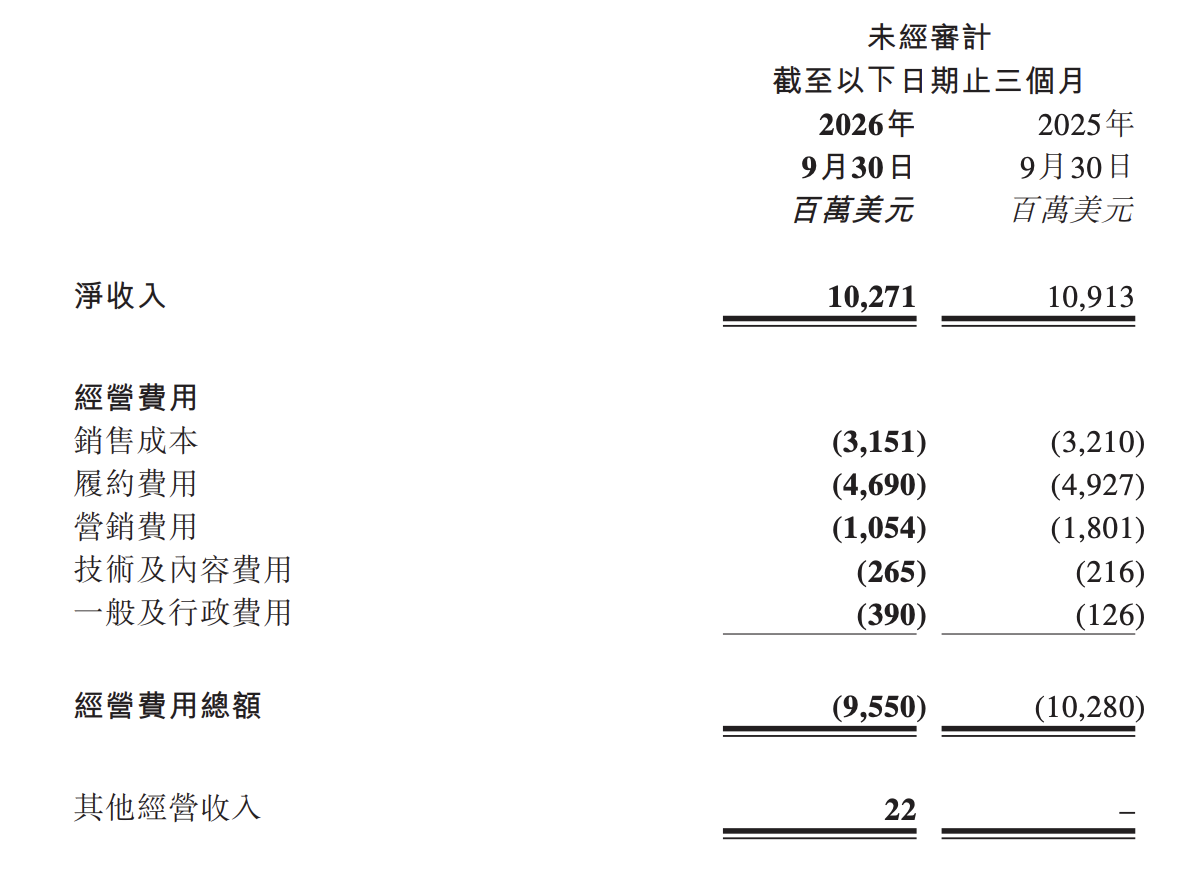
从经营费用来看,第三季度SHEIN经营费用总额为95.50亿美元,同比下降7.1%,占净收入的比例由去年同期的94.2%下降至93.1%。其中,销售成本31.51亿美元,同比下降1.8%;履约费用46.90亿美元,同比下降4.8%;营销费用10.54亿美元,同比下降41.5%;技术及内容费用为2.65亿美元,同比增长22.7%。

财报解释,营销费用大幅下降,主要由于公司重新分配各市场广告预算,尤其是减少欧洲市场线上广告投入。履约费用下降也受到成本优化、部分已缴纳关税退还及订单量下降等因素影响。技术及内容费用增长主要用于提升消费者体验和增强系统能力。

在战略上,SHEIN继续推进丰富价格带、提升产品品质与合规水平、优化消费者沟通三大优先事项。同时,SHEIN正在深化与供应链上下游供应商的合作,推动产品品质提升和价格带向上延伸,并通过商家准入、商品资质管控、实物稽查等措施加强平台合规管理。此外,品牌赋能业务保持良好表现,KIZN、AiiRZ等品牌收入同比强劲增长,进一步丰富了公司的中价格带产品组合。

SHEIN 在财报中也对消费环境的变化做出了判断:在全球生活成本持续上升的背景下,消费者更加看重性价比,并将消费集中于设计、品质与价格组合最优的选择。SHEIN将继续发挥按需设计、小批量生产和即时返单的供应链优势,以灵活高效的供应链体系满足消费者对时尚、丰富度与性价比的需求。


本文首发于 亿邦动力 官方网站

文章来源:亿邦动力

广告
微信
朋友圈

FAQ回顾

SHEIN 2026年第三季度业绩表现如何?

2026年第三季度,SHEIN实现净收入102.71亿美元,同比下降5.9%;经营利润7.43亿美元,同比增长17.4%;经调整净利润7.90亿美元,同比增长26.8%,占净收入的7.7%。当季已履约订单总数2.64亿单,低于去年同期的2.72亿单;截至2026年9月30日的过去12个月活跃消费者达2.91亿人,高于去年同期的2.65亿人。

SHEIN欧洲市场收入为什么下滑?

欧洲市场是SHEIN第三季度业绩承压的主要原因。受欧洲贸易政策调整影响,公司上调价格以覆盖新增成本,并将营销投入按ROI重新分配,减少欧洲线上广告投入,同时加快本地履约布局。第三季度欧洲净收入29.77亿美元,同比下降27.6%,占总收入29.0%。公司预计提价短期内会影响购买,但中长期欧洲市场规模将回到并超越此前最高销售金额。

SHEIN在欧洲推行的“小额快备”履约模式是什么?

“小额快备”是SHEIN加快推进的欧洲本地履约方案,目标是带来更好的用户体验、更快的配送和更低的成本。该模式目前已覆盖欧洲消费者40%以上的配送量,较第二季度增长一倍以上,预计2026年底覆盖约50%,2027年下半年覆盖大部分配送。财报称通过该模式履约的商品在转化率和单件盈利上均显著优于跨境履约。

SHEIN美国市场恢复情况如何?

第三季度SHEIN美国净收入23.69亿美元,同比下降9.4%,占总收入的23.0%,但履约订单总量同比小幅增长,净收入同比降幅逐月收窄。公司表示这一差距主要来自平台业务订单占比上升,并判断美国市场的调整已度过最困难的阶段,改善趋势明确。

这么好看,分享一下?

朋友圈 分享

APP内打开

赞 +1
+1
微信好友 朋友圈 新浪微博 QQ空间
关闭
收藏成功
发送
/140 0