广告
加载中

谁在把“仅退款”当提款机?

文华 2026-11-27 09:36
文华 2026/11/27 09:36

邦小白快读

EN
全文速览

总1 先看懂事件和规则边界

1.西安案件:29岁女子三年在盒马下单四百余次,以口味不好、不新鲜申请仅退款且不退货,造成1.7万余元损失,涉嫌诈骗被刑拘;榴莲商家190.71元订单两次往返1600公里、自费约5000元,买家伪造霉变图片被行拘7日;陈某恶意下单2700多次、金额1000余万元,因破坏生产经营罪获刑一年六个月。

2.仅退款2021由拼多多推出,本用于生鲜易坏、低价退货运费高于货值的场景,以退款不退货降低维权门槛,本质是效率换信任;缺少精细化风控就会变成套利工具。

总2 实操看平台和商家怎么防

1.淘宝商家可用旺旺一键反馈虚假凭证,24小时内审核;异常订单一键拒退可跳过协商直接拒绝。

2.拼多多申诉优赔采用商家申诉加平台介入双通道,平台主动识别异常退款并补偿货款运费,商家无需额外举证,异常账号会被风控标识、信用降级和权限限制。

3.虚拟商品要留存交付记录;法律咨询等消费前应明确服务内容、响应时长和资质,减少落差。

总1 规则滥用直接冲击品牌信任与渠道成本

1.盒马案例显示生鲜品牌遭遇三年四百余次仅退款、损失1.7万余元,说明品牌履约和退款规则被少数用户系统性利用。

2.生鲜、低价商品退货物流成本高于货值,是仅退款设计初衷;但伪造霉变图片、空包退款会放大渠道损耗和价格竞争压力。

总2 品牌营销应把透明和服务标准前置

1.消费趋势上,仅退款逻辑正从实体商品向在线教育、法律咨询、情感陪伴等虚拟服务渗透,用户对交付确定性更敏感。

2.品牌应在消费前标注价格、计费单位、服务内容、响应时长、资质等级,心理测评区分免费付费、自动续费主动授权可关闭。

3.情感陪伴平台测测以双向立场兼顾用户和达人权益,对签约达人设服务规范,禁止夸大宣传、制造焦虑、诱导消费,说明品牌渠道建设要把供给端信任纳入治理。

总1 风险提示:仅退款滥用会让卖家钱货两空

1.实体案例中买家伪造霉变图片骗退款,商家驱车往返1600公里自费约5000元;虚拟商品中买家35元录音确认收货保存文件后申请仅退款,平台未核实交付记录便退款。

2.知识付费定制方案案例中,平台先全额退2000元,商家申诉失败后起诉,法院认定商家已履约、买家不当利用规则;但商家要先承受钱货两空和诉讼成本。

总2 应对与机会:用平台工具、留存证据、前置说明

1.淘宝有旺旺一键反馈虚假凭证、异常订单一键拒退;拼多多申诉优赔由平台主动识别并补偿,商家无需额外举证,异常账号会被风控标识、信用降级和权限限制。

2.卖家应保存发货和交付记录,虚拟商品明确交付即不可无理由退;消费前写清服务内容、响应时长、资质和收费,降低主观不满意争议。

3.监管已将仅退款规则滥用列为纠治对象,并要求平台公平设定举证责任,卖家可关注申诉通道和合规维权。

总1 产品设计与生产要减少主观不满意和凭证缺失

1.生鲜易坏、低价商品退货运费高于货值,是仅退款适用背景;工厂做电商要考虑产品标准化、保鲜和包装,降低口味不好、不新鲜等争议。

2.虚拟服务交付后无法退货,实体商品同样要留存发货、签收和质检凭证,便于应对伪造图片、空包退款等异常订单。

总2 数字化和电商启示:订单风控与信息透明

1.平台正从被动退款转向主动拦截,淘宝异常订单一键拒退、旺旺一键反馈虚假凭证,拼多多申诉优赔用技术和人工审核识别异常退款并补偿商家。

2.工厂推进电商可学习前置透明:在页面标明价格、规格、服务标准和售后边界;虚拟商品要能识别已交付事实。

3.商业机会在于围绕交付记录、风控标识、信用降级和权限限制做配套管理,减少钱货两空。

总1 行业趋势:仅退款滥用从实体商品渗透到虚拟服务

1.在线教育、法律咨询、情感陪伴的交付物是文档、课程、咨询,发出即无法退货,平台若不能识别已交付事实,卖家容易钱货两空。

2.黑猫投诉案例显示35元虚拟商品经网盘交付后仍被仅退款;情感陪伴按时间计费,咨询师时间和注意力付出无法退回。

总2 客户痛点与解决方案

1.痛点包括平台未核实交付记录、平台与法院规则相反、商家先退款再诉讼、举证责任不清。

2.解决方案有淘宝旺旺一键反馈虚假凭证和异常订单一键拒退;拼多多申诉优赔双通道,平台主动识别异常退款并补偿货款运费,异常账号风控标识、信用降级、权限限制。

3.服务商可关注AI与在线人工结合、资质审查、统一认证测试、周度和月度质量回溯、末位二次考核,以及价格公示和收费说明前置。

总1 平台要回答退款键偏向谁、谁承担判错成本

1.仅退款初衷是效率换信任,跨品类复制后被少数人系统性利用;虚拟服务交付物是链接或服务,平台需识别已交付事实。

2.知识付费案例中平台判退款、法院判付款,法院指出平台并非买卖合同相对方、无权解除合同。

总2 最新做法与风向规避

1.淘宝用旺旺一键反馈虚假凭证、异常订单一键拒退,把判责扳机部分交还商家;拼多多申诉优赔用商家申诉加平台介入双通道,主动识别异常退款并补偿,单日申诉单量百万级、单日补偿超千万元、年度可达数十亿元。

2.运营管理要把信息前置:标注咨询单价和计费单位、区分免费付费、自动续费主动授权可关闭;对达人做资质审查、认证测试、质量回溯和末位二次考核。

3.监管上,2025专项整治已将仅退款规则滥用列为纠治对象,2026年2月《办法》要求平台公平设定纠纷各方举证责任。

总1 产业新动向:规则滥用跨品类迁移与平台治理分化

1.仅退款2021由拼多多推出,从生鲜低价商品扩展到在线教育、法律咨询、情感陪伴,出现伪造凭证、恶意下单2700多次金额1000余万元等系统性利用。

2.平台治理分化:淘宝转向主动拦截和商家举证,拼多多用申诉优赔和平台补偿,虚拟服务则暴露交付事实识别难。

总2 新问题与政策启示

1.平台判退款与法院判付款冲突,法院认定平台非买卖合同相对方、无权解除合同,提示平台处理结果与合同效力需区分。

2.监管已划底线:2025专项整治纠治规则滥用,2026年2月《办法》要求公平设定举证责任;人民日报评论强调源头破局、精准施策、精细治理。

3.商业模式上,信息前置、双向立场、AI与人工结合、资质审查和质量回溯可作为从源头治理的样本;核心命题是效率换信任如何不被套利侵蚀。

返回默认

声明:快读内容全程由AI生成,请注意甄别信息。如您发现问题,请发送邮件至 run@ebrun.com 。

我是 品牌商 卖家 工厂 服务商 平台商 研究者 帮我再读一遍。

Quick Summary

Summary 1: First understand the incidents and rule boundaries

1. Xi'an case: a 29-year-old woman placed more than 400 orders on Hema over three years, repeatedly applied for refund-only without returning goods on grounds of poor taste or lack of freshness, causing losses of more than RMB17,000, and was criminally detained on suspicion of fraud. A durian merchant's RMB190.71 order involved two round trips of 1,600 km and about RMB5,000 in out-of-pocket costs; the buyer forged moldy images and was administratively detained for 7 days. Chen placed more than 2,700 malicious orders worth over RMB10 million and was sentenced to one year and six months for disrupting production and business operations.

2. Refund-only was launched by Pinduoduo in 2021, originally for fresh goods prone to spoilage and low-priced goods where return shipping costs exceed the value of the goods. It lowers the threshold for consumer rights protection by refunding without returns; in essence, it trades efficiency for trust. Without refined risk control, it becomes an arbitrage tool.

Summary 2: Practical prevention by platforms and merchants

1. Taobao merchants can use Aliwangwang to report false evidence with one click, with review within 24 hours; abnormal orders can be refused with one-click refund rejection, skipping negotiation and directly refusing the refund.

2. Pinduoduo appeal compensation uses a dual channel of merchant appeal plus platform intervention. The platform proactively identifies abnormal refunds and compensates for goods and shipping; merchants need no additional evidence. Abnormal accounts are flagged by risk control, have their credit downgraded, and face permission restrictions.

3. Virtual goods should retain delivery records; before purchases such as legal consulting, service content, response time, and qualifications should be clearly stated to reduce gaps in expectations.

Summary 1: Rule abuse directly hits brand trust and channel costs

1. The Hema case shows a fresh brand facing more than 400 refund-only orders over three years and losses of more than RMB17,000, indicating that fulfillment and refund rules were systematically exploited by a small number of users.

2. For fresh and low-priced goods, return logistics costs exceeding the value of the goods is the original design rationale for refund-only; however, forged moldy images and empty-package refunds amplify channel losses and price competition pressure.

Summary 2: Brand marketing should front-load transparency and service standards

1. In terms of consumption trends, refund-only logic is spreading from physical goods to virtual services such as online education, legal consulting, and emotional companionship, and users are more sensitive to delivery certainty.

2. Brands should disclose before purchase the price, billing unit, service content, response time, and qualification level. Psychological assessments should distinguish free from paid services, and auto-renewal should require active authorization and be switchable off.

3. Emotional companionship platform Cece balances user and creator rights with a two-sided stance and sets service standards for contracted creators, prohibiting exaggerated claims, anxiety creation, and induced consumption. This shows that brand channel building must incorporate supply-side trust into governance.

Summary 1: Risk alert: abuse of refund-only can leave sellers with neither money nor goods

1. In a physical-goods case, a buyer forged moldy images to obtain a refund, and the merchant drove 1,600 km round trip at about RMB5,000 in out-of-pocket costs. In a virtual-goods case, a buyer paid RMB35 for an audio recording, confirmed receipt and saved the file, then applied for refund-only; the platform refunded without verifying the delivery record.

2. In a knowledge-paid customized solution case, the platform first fully refunded RMB2,000. After the merchant's appeal failed and it filed a lawsuit, the court found that the merchant had performed its obligations and the buyer had improperly used the rules. However, the merchant first had to bear the loss of both money and goods plus litigation costs.

Summary 2: Response and opportunities: use platform tools, retain evidence, and front-load disclosures

1. Taobao has Aliwangwang one-click reporting of false evidence and one-click rejection of abnormal orders; Pinduoduo appeal compensation has the platform proactively identify and compensate, with merchants needing no additional evidence. Abnormal accounts receive risk-control flags, credit downgrades, and permission restrictions.

2. Sellers should keep shipping and delivery records. Virtual goods should clearly state that no unconditional return is allowed after delivery. Before purchase, sellers should specify service content, response time, qualifications, and fees to reduce disputes over subjective dissatisfaction.

3. Regulators have listed abuse of refund-only rules as a target for correction and require platforms to set the burden of proof fairly. Sellers can monitor appeal channels and compliant rights protection.

Summary 1: Product design and production must reduce subjective dissatisfaction and missing evidence

1. Fresh goods spoil easily, and for low-priced goods return shipping costs exceed the value of the goods; this is the context for refund-only. Factories doing e-commerce should consider product standardization, preservation, and packaging to reduce disputes over taste and freshness.

2. Virtual services cannot be returned after delivery, and physical goods must also retain shipping, receipt, and quality inspection records to handle abnormal orders such as forged images and empty-package refunds.

Summary 2: Digitalization and e-commerce lessons: order risk control and information transparency

1. Platforms are moving from passive refunds to proactive interception: Taobao offers one-click rejection of abnormal orders and Aliwangwang one-click reporting of false evidence, while Pinduoduo appeal compensation uses technology and manual review to identify abnormal refunds and compensate merchants.

2. Factories advancing e-commerce can learn from front-loaded transparency: state price, specifications, service standards, and after-sales boundaries on pages; virtual goods must be able to identify the fact of delivery.

3. Business opportunities lie in supporting management around delivery records, risk-control flags, credit downgrades, and permission restrictions to reduce the loss of both money and goods.

Summary 1: Industry trend: refund-only abuse is spreading from physical goods to virtual services

1. Deliverables in online education, legal consulting, and emotional companionship are documents, courses, and consultations; once sent, they cannot be returned. If platforms cannot identify the fact of delivery, sellers can easily lose both money and goods.

2. A Black Cat complaint case shows that a RMB35 virtual good delivered via cloud drive was still refund-only. Emotional companionship is billed by time, and the counselor's time and attention cannot be returned.

Summary 2: Customer pain points and solutions

1. Pain points include platforms failing to verify delivery records, platform and court rules conflicting, merchants refunding before litigation, and an unclear burden of proof.

2. Solutions include Taobao Aliwangwang one-click reporting of false evidence and one-click rejection of abnormal orders; Pinduoduo appeal compensation dual channel, under which the platform proactively identifies abnormal refunds and compensates goods and shipping, and abnormal accounts receive risk-control flags, credit downgrades, and permission restrictions.

3. Service providers can focus on AI combined with online human support, qualification review, unified certification tests, weekly and monthly quality retrospectives, last-place secondary assessment, and front-loaded price disclosure and fee explanations.

Summary 1: Platforms must answer whom the refund button favors and who bears the cost of wrong judgments

1. The original intent of refund-only was to trade efficiency for trust. After cross-category replication, it was systematically exploited by a small number of people. Virtual service deliverables are links or services, and platforms need to identify the fact of delivery.

2. In the knowledge-paid case, the platform ordered a refund while the court ordered payment. The court noted that the platform is not a counterparty to the sales contract and has no right to rescind the contract.

Summary 2: Latest practices and avoiding regulatory headwinds

1. Taobao uses Aliwangwang one-click reporting of false evidence and one-click rejection of abnormal orders, partly returning the judgment trigger to merchants. Pinduoduo appeal compensation uses a dual channel of merchant appeal plus platform intervention, proactively identifying abnormal refunds and compensating. Daily appeal volume is in the millions, daily compensation exceeds RMB10 million, and annual compensation can reach billions of RMB.

2. Operations management should front-load information: label consultation unit price and billing unit, distinguish free from paid, and make auto-renewal require active authorization and be switchable off. For creators, conduct qualification review, certification tests, quality retrospectives, and last-place secondary assessment.

3. On regulation, the 2025 special campaign has listed abuse of refund-only rules as a target for correction, and the February 2026 Measures require platforms to set the burden of proof fairly among parties to disputes.

Summary 1: New industry dynamics: cross-category migration of rule abuse and divergence in platform governance

1. Refund-only was launched by Pinduoduo in 2021 and expanded from fresh low-priced goods to online education, legal consulting, and emotional companionship. Systematic exploitation has appeared, including forged evidence and malicious orders more than 2,700 times worth over RMB10 million.

2. Platform governance is diverging: Taobao is shifting toward proactive interception and merchant-provided evidence, while Pinduoduo uses appeal compensation and platform compensation. Virtual services expose the difficulty of identifying the fact of delivery.

Summary 2: New issues and policy implications

1. There is a conflict between platform refund rulings and court payment rulings. The court found that the platform is not a counterparty to the sales contract and has no right to rescind the contract, suggesting that platform handling results and contract validity need to be distinguished.

2. Regulators have set a bottom line: the 2025 special campaign corrects rule abuse, and the February 2026 Measures require fair setting of the burden of proof. A People's Daily commentary emphasizes breaking the cycle at the source, precise measures, and refined governance.

3. In terms of business models, front-loaded information, a two-sided stance, AI combined with human support, qualification review, and quality retrospectives can serve as samples for source governance. The core question is how efficiency-for-trust can avoid being eroded by arbitrage.

Disclaimer: The "Quick Summary" content is entirely generated by AI. Please exercise discretion when interpreting the information. For issues or corrections, please email run@ebrun.com .

I am a Brand Seller Factory Service Provider Marketplace Seller Researcher Read it again.

2026年11月,西安警方通报的一起案件让“仅退款”成为公共议题。据报道,一名29岁女子三年内在盒马下单四百余次,以“口味不好”“不新鲜”等理由申请仅退款,货物从未退回,累计造成商家损失达1.7万余元,最终因涉嫌诈骗被刑事拘留。

实际上,盒马的遭遇并非孤例。从河南榴莲商家驱车千里追索190元订单,到江阴法院以破坏生产经营罪判处恶意下单者有期徒刑,规则被系统性利用的迹象已经不容忽视。

这套在实体电商中屡遭滥用的逻辑,正在向在线教育、法律咨询、情感陪伴等虚拟服务领域渗透。

此时,“仅退款”从保护消费者的便利工具,异化为少数人零成本获取商品或服务的通道,平台该如何重新校准天平?

01 规则的迁移:从生鲜榴莲到虚拟商品

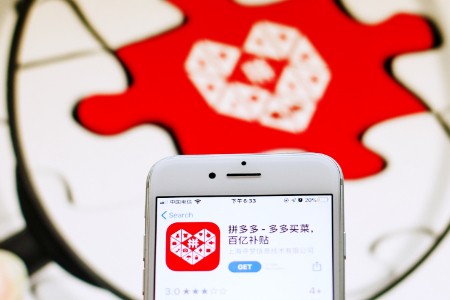
“仅退款”服务,2021年由拼多多最先推出,“消费者完成网购交易后,可直接选择退款而无需退货,通常适用于产品质量问题较大的情况”,此后逐渐发展为行业惯例。其设计初衷并不难理解,生鲜易坏、低价商品退货物流成本高于货值,平台以“退款不退货”来降低消费者维权门槛,本质是用效率换取信任。

但规则一旦缺乏精细化的风控约束,便成为“套利工具”。

河南濮阳榴莲商家为一笔190.71元的订单两次驱车往返1600公里,自费约5000元,最终警方查明买家伪造霉变图片骗取退款,行政拘留7日;江阴法院的判例更为极端,陈某恶意下单“仅退款”2700多次,下单金额累计1000余万元,最终以破坏生产经营罪获刑一年六个月。

实体商品的教训尚未消化,同样的行为模式已经在虚拟服务品类中出现。虚拟服务的特殊性在于交付的产品是一份文档、一段课程、一次咨询,一旦发出便无法“退货”。

黑猫投诉平台2026年5月13日有一条投诉记录显示,投诉人自称某二手交易平台卖家,出售“人生理论内部直播录音”虚拟商品,售价35元,通过网盘交付。投诉内容是:买家确认收货并保存文件后申请仅退款,平台未核实交付记录便同意退款,卖家钱货两空。

卖家在投诉中援引《消费者权益保护法》第二十五条,指出“在线下载的数字化商品不适用无理由退货;平台相关规范亦明确,虚拟商品交付后不应支持无理由仅退款。”

情感陪伴类平台面临的结构性难题与此相似。以按时间计费的语音连麦为主要交付形态的平台,咨询师的时间与注意力一旦付出,无法像实体商品那样“退回”。

这样的现实也暴露出一个普遍问题:当交付物是一串链接或服务而非实物时,“已交付”的事实如何被平台系统识别?

02 平台治理,各显神通

面对规则滥用,不同品类的平台走出了不同的治理路径。实体电商的治理重心大多落在退款键按下之后,而虚拟服务与知识付费平台,则不得不把一部分功夫花在退款键被按下之前。

实体电商的治理工具正在从“被动退款”转向“主动拦截”。

淘宝在2025年上线的四项能力中,“旺旺一键反馈虚假凭证”针对的是买家提交网图或P图骗取退款的情形,商家在聊天窗口即可一键提交反馈,24小时内完成审核;若买家申请平台介入而商家举证真实有效,平台将不支持退款申请。同一批上线的“异常订单一键拒退”则允许商家对系统识别有风险的订单跳过协商环节直接拒绝,试点期间已覆盖全量商家。

这套逻辑把判责的扳机部分交还给商家,让举证能力更强的一方在流程中拥有更多话语权。

拼多多选择了另一条路。其在2026年11月升级的“申诉优赔”服务,采取“商家申诉+平台介入”双通道,平台通过技术手段和人工审核主动识别异常退款订单,核实后直接补偿商家货款与运费损失,商家无需额外提供举证材料。

上海证券报的报道显示,拼多多这项服务单日处理申诉单量达百万级,单日补偿金额超过千万元,年度补偿规模可达数十亿元。对经核实的异常退款账号,平台同时进行风控标识、信用降级与权限限制。

知识付费与虚拟服务领域的治理困境则呈现另一种形态。

新疆乌鲁木齐天山区法院2026年审理的一起案件显示,周某在电商平台定制薪酬绩效方案,商家交付初稿并按其意见修改后,周某以“不满意”为由申请仅退款,平台将2000元全额退还。

商家申诉失败后起诉,法院认定商家已履约完毕,周某未能举证证明稿件存在质量问题,其行为构成不当利用规则。法院同时指出,电商平台并非买卖合同相对方,无权解除合同,平台的处理结果不发生合同解除的法律效力。平台判了退款,法院判了付款,两套规则在同一笔交易上给出了相反的答案,而夹在中间的商家,需要先承受一次钱货两空,再花时间和诉讼成本去纠正。

针对这一现实,监管层面也划出底线。市场监管总局在2025年的专项整治中已将“仅退款”规则滥用列为纠治对象;2026年2月的《办法》进一步要求平台公平设定纠纷各方的举证责任。

03 规则可被信任的起点

在服务体验高度主观的领域,退款争议有一个容易被忽略的特征:用户发起退款的触发点,往往不是服务没有交付,而是“交付的东西和我以为的不一样”。这种落差感的来源,很大程度上是消费前的信息不对称。

比如在法律咨询平台的投诉,消费者抱怨的焦点很少是“律师没回答问题”,而是“付了钱才发现回复只有三句话”,或者“回答都是再付费才能解答”。如果平台在付费前明确标注服务内容、响应时长、律师资质等级,部分争议可能在源头就被消解了。当然,这无法拦截蓄意的“仅退款”,但它至少让诚实用户的不满有了可追溯的参照。

情感服务平台的实践提供了另一个样本。比如像测测这类情感陪伴平台,其采用的“双向立场”,既要保障用户享受到合适满意的服务,也要保障签约情感达人的权益。相当于说,它没有把退款键预设为无条件偏向任何一方。

在外界看来,这家需要达人供给来运转的平台,如果服务者的劳动可以被随意否定,供给端的信任同样也会流失。因为一个只有消费者敢下单、服务者不敢接单的平台,最终受损的仍然是消费者。当然,对于提供服务的一方,其也推出了较为有力的措施。如对签约达人有明确的服务规范与行为准则,明令禁止夸大宣传、制造焦虑、诱导消费,若发现违规可举报处理。

同时,其在治理上采取了一套把信息尽可能前置的做法。如文字咨询、语音咨询、连麦咨询的单价与计费单位直接在消费页面标注,心理测评板块区分免费与付费内容,自动续费需用户主动授权且可随时关闭。在达人端,平台对入驻咨询师设置资质审查与统一认证测试,并以周度、月度质量回溯对服务进行评估,末位者面临二次考核,不通过则限制服务。

这些表态虽然需要时间和公开数据来检验其执行力度,但方向本身值得关注:治理的功夫如果只花在退款键被按下之后,就永远在追赶问题,而不是预防问题。

《人民日报》在评论“仅退款”滥用时提出:若恶意“仅退款”乱象屡禁不止,撕裂的是电商交易中的“信任”纽带。因此,整治恶意“仅退款”乱象,不能止步于个案处置、被动补救,必须从源头破局,坚持精准施策、精细治理。

这意味着前置透明的价值在上升,而非下降。当造假变得容易,那些在消费前就把价格、资质、服务标准写清楚的平台,至少在争议发生时不必从零开始自证清白。

综观像测测这类情感陪伴平台,“收费透明、公开公正”一定是平台治理的重要原则之一。行业的普遍共识是,要达成较好的治理效果,还需要看具体的做法。

从测测的做法来看,其主要从三个方面搭建治理的基本盘。其一,依托AI与在线人工相结合,形成了相对完备的情绪陪伴、心理测评与社区互动功能体系;其二,通过签约达人与咨询师网络、咨询师端产品以及持续强化的服务管理要求,逐步推动服务规范化;其三,围绕价格公示与收费说明,确保用户在使用前获取更充分的信息。

在「创业最前线」看来,其从根源上设立底线的做法,本质是对《人民日报》“从源头破局”的响应与落地。

04 结语

“仅退款”的初衷从来不是让任何人免费获得商品或服务,而是在特定场景下用效率换取信任。当这套机制被跨品类复制、被少数人系统性利用,它就从消费者的盾牌变成了平台的考题:规则的默认值究竟应该偏向谁,以及由谁来承担判错的成本?

注:文/文华,文章来源:创业最前线(公众号ID:chuangyezuiqianxian),本文为作者独立观点,不代表亿邦动力立场。

文章来源:创业最前线

广告
微信
朋友圈

FAQ回顾

仅退款规则为什么容易从消费者保障变成套利工具?

“仅退款”2021年由拼多多推出,本意是降低生鲜、低价商品退货物流成本。规则缺乏精细化风控时,部分买家可不退货获得商品或服务;盒马一女子三年下单400余次致损1.7万元、榴莲买家伪造霉变图片等案例已暴露风险。

虚拟服务和知识付费为什么难防“仅退款”滥用?

虚拟服务交付的是文档、课程、咨询或语音连麦,发出后无法像实物退货,平台也难识别“已交付”事实。35元直播录音被保存后申请仅退款、2000元薪酬绩效方案遭全额退款,均暴露交付记录核验与判责难题。

电商平台可以用哪些机制治理恶意仅退款?

淘宝2025年上线“旺旺一键反馈虚假凭证”和“异常订单一键拒退”,24小时内审核并允许商家拒绝高风险订单;拼多多2026年11月升级“申诉优赔”,主动识别异常退款并补偿商家,同时进行风控标识、信用降级和权限限制。

消费者权益保护法对虚拟商品仅退款是怎么规定的?

《消费者权益保护法》第二十五条规定,在线下载的数字化商品不适用无理由退货;平台规范也明确,虚拟商品交付后不应支持无理由仅退款。35元直播录音投诉即援引该条,卖家保存文件后申请退款导致钱货两空。

情感陪伴平台如何平衡用户与达人权益?

情感陪伴平台需兼顾用户与达人权益。测测采用“双向立场”,付费前标注文字、语音、连麦咨询单价与计费单位,区分免费付费测评,自动续费需用户授权;对签约达人审查资质并进行周度、月度质量回溯,末位者二次考核。

这么好看,分享一下?

朋友圈 分享

APP内打开

赞 +1
+1
微信好友 朋友圈 新浪微博 QQ空间
关闭
收藏成功
发送
/140 0