广告
加载中

刘强东血拼香港 京东疯狂砸钱开超市

赵云合 2026-06-15 09:35
赵云合 2026/06/15 09:35

邦小白快读

EN
全文速览

本文核心讲京东近期大手笔加码香港零售市场布局,同时多家内地头部电商都在抢滩香港,将其作为全球化出海的跳板,核心干货信息和可感知的福利如下:

1. 目前京东收购香港佳宝超市后不到一年,门店已经扩张到100间,近期推出全港全品类民生商品全场8折优惠,线上线下都可参与;京东APP还在香港推出无门槛0运费一件包邮,部分商品最快4小时达,购物更划算便捷。

2. 香港首家京东MALL将于6月18日在湾仔开业,支持家电现场试用体验,选品适配香港小户型,提供上午11点前下单当日配送、窗式冷气机即送即装、七天无理由退货的服务,购物体验优于传统商场。

3. 目前多家内地电商都已经跑通香港市场玩法,未来会依托香港拓展全球市场,普通消费者未来买内地和全球商品会更便宜、选择更多、配送更快。

当前香港已经成为内地品牌和电商企业出海的核心试炼场,关于品牌布局和消费趋势的干货如下:

1. 消费端特征:香港线上零售渗透率不足9%,社区生鲜等高频刚需场景更依赖线下,消费者对高性价比内地民生商品需求旺盛,商圈消费偏好体验式场景,家电家居类需要适配小户型的产品,需求特征清晰。

2. 渠道建设经验:收购本土品牌后保留原有本地化运营、采购和核心团队,设置过渡期平稳过渡,能最大程度降低品牌动荡带来的客流流失风险;整合头部平台供应链优势,跳过中间批发商,商品售价可降20%-30%,能大幅提升价格竞争力。

3. 战略机会:依托香港“超级联系人”的区位优势,跑通适配境外的运营模式后可复制到全球市场,京东未来三年计划携手1000个头部品牌布局香港,给品牌提供了现成的渠道增长机会。

当前香港零售市场仍有较大增长空间,给各类卖家带来了新的出海机会,相关干货整理如下:

1. 市场机会:香港线上零售渗透率不足9%,纯线上电商履约短板明显,线上线下融合的模式还有很多增量空间;京东未来三年计划在香港布局超过200家线下门店,携手1000个头部品牌,给卖家提供了现成的合作和增长通道。

2. 可借鉴的运营经验:进入本地市场要保留本地化运营体系,充分利用本土已有门店资源作为前置仓,补齐履约短板,打通社区消费最后一公里;可依托京东的内地直供供应链,拿到更低进货成本,提升价格竞争力。

3. 风险提示:跨境进入香港市场如果盲目替换本土核心团队,容易引发品牌动荡,导致本土客流流失,需要设置合理的过渡期平稳过渡;同时要针对香港市场做本地化选品和服务适配,才能迎合本地消费者需求。

京东等头部平台加速布局香港市场,给内地工厂带来了新的商业机会,也给出海工厂数字化转型提供了启示,干货整理如下:

1. 产品生产设计需求:香港本地居住空间偏小,家电、家居类产品需要适配小户型设计,才能符合本地消费需求;民生类商品消费者对价格敏感度高,质优价低的内地蔬菜、冻肉、水产等商品在香港竞争力很强,需求稳定。

2. 商业机会:京东已经搭建好了直供香港的完整供应链体系,内地商品可以12-24小时内冷链直达香港,跳过多层本地批发商,能让商品售价降低20%-30%,打开了销量空间,例如2025年大闸蟹季就卖出19万只,登顶香港销量第一,工厂可以依托京东渠道快速进入香港市场,拓展新的增量市场。

3. 数字化启示:工厂拓展境外市场,可以依托现有本土线下网络做前置仓,结合自身生产供应链优势,走线上线下融合路线,有效降低履约成本,提升消费者购物体验。

当前中国电商出海进入新的阶段,香港作为核心试炼场,行业呈现出新的发展趋势,也暴露出明确的客户痛点,对应解决方案也逐步成熟,干货整理如下:

1. 行业发展趋势:香港已经成为内地电商企业出海的试验场,各大平台都在香港布局跑通模式,之后再复制到全球市场,“借港出海”已经成为清晰的行业新动向,不同玩家差异化布局,未来会催生大量针对出海的配套服务需求,市场空间广阔。

2. 核心客户痛点:纯线上电商在香港存在获客难、末端配送成本高的问题,难以覆盖社区生鲜这类高频刚需场景;本土传统零售存在供应链成本高、商品供给不足、数字化履约能力弱的问题,市场竞争优势不足。

3. 可参考的解决方案:采用线上线下能力互补的模式,保留原有本土线下运营体系,整合头部平台的供应链和数字化能力,将线下门店改造为前置仓补齐履约短板,采用差异化业态布局高低搭配,覆盖全消费场景。

各大内地平台抢滩香港市场的过程中,总结出了很多适合出海平台布局的经验,也明确了平台未来的发展方向,干货整理如下:

1. 出海平台的核心需求:出海平台需要解决境外市场的本地化适配问题,需要搭建本地化的线下履约网络,需要先跑通一套可复制的标准化境外零售闭环模式,才能支撑后续的全球化规模化扩张。

2. 风险规避经验:收购本土零售品牌后,不要盲目替换本土核心团队,要设置足够长的运营过渡期,完整保留原有本地化运营、采购、管理体系,能有效降低品牌动荡带来的客流流失风险,保障业务平稳过渡。

3. 平台布局的最新经验:采用差异化业态布局,打造高低搭配的线下矩阵,比如佳宝超市做社区民生前置仓,京东MALL做商圈高端体验店,覆盖不同消费层级和全场景;依托香港区位优势做全球化试验,跑通模式后再复制到全球,目前京东未来三年计划布局200家门店,招商1000个头部品牌,扩张计划清晰。

当前中国电商出海出现了全新的发展路径,借港出海的新模式成为产业新动向,相关研究干货整理如下:

1. 产业新动向:香港凭借连接内地与全球的区位优势,已经成为内地电商巨头的全球化试炼场,各大头部平台都纷纷布局,差异化特征明显:京东走重资产全渠道路线,美团聚焦外卖赛道跑通模式后复制海外,阿里发力线上跨境生态,差异化布局将塑造中国企业出海的全新格局。

2. 创新商业模式:新的借港出海模式,核心是先依托香港市场做本地化试验,整合本土既有线下资产和内地平台的线上流量、供应链、数字化能力,形成能力互补,跑通适配境外市场的线上线下融合零售闭环,形成标准化方案后再批量复制到全球其他市场,比直接出海风险更低。

3. 研究启示:中国企业出海已经转变为先试验再复制的路径,香港的试炼效果直接影响企业全球化扩张的进度,目前已有美团成功跑通该模式,将香港经验复制到中东、巴西市场,该模式对后续中国企业出海有重要的参考研究价值。

返回默认
声明:快读内容全程由AI生成,请注意甄别信息。如您发现问题,请发送邮件至 run@ebrun.com 。

我是 品牌商 卖家 工厂 服务商 平台商 研究者 帮我再读一遍。

Quick Summary

This article focuses on JD.com’s recent large-scale expansion of its retail footprint in Hong Kong. Multiple leading Chinese mainland e-commerce players are now entering the market, using Hong Kong as a springboard for global expansion. Key takeaways and consumer benefits include:

1. Less than a year after acquiring local supermarket chain ParknShop (Jiabao Supermarket), JD has expanded its store network to 100 locations. It recently launched a 20% off promotion across all daily necessity categories, valid both online and offline. The JD app also offers free shipping on all single orders with no minimum spend, with eligible orders delivered in as fast as 4 hours, making shopping more affordable and convenient.

2. Hong Kong’s first JD MALL is set to open in Wanchai on June 18. The venue will allow in-person trials of home appliances, with product selections tailored to Hong Kong’s compact apartment layouts. It offers same-day delivery for orders placed before 11AM, instant installation for window air conditioning units, and 7-day no-reason returns, delivering a superior in-store shopping experience compared to traditional department stores.

3. Multiple mainland e-commerce firms have already proven viable business models in Hong Kong, and will expand globally from this base. For consumers, this means lower prices, a wider selection of both mainland and global goods, and faster delivery in the long run.

Hong Kong has emerged as a key testing ground for mainland Chinese brands and e-commerce companies going global. Below are key insights on market entry and consumer trends:

1. Consumer characteristics: Hong Kong’s online retail penetration remains below 9%, with high-frequency, daily needs such as community groceries still dominated by offline channels. Local consumers have strong demand for cost-effective daily necessities from mainland China, and prefer experience-focused offerings in commercial districts. Home appliance and furniture products need to be tailored for small living spaces, creating clear demand patterns.

2. Channel development best practices: Retaining local operations, procurement and core teams after acquiring a local brand, and implementing a smooth transition period, minimizes customer churn caused by brand disruption. Integrating supply chain advantages from leading mainland platforms allows brands to cut out middleman wholesalers, reducing product prices by 20% to 30% and significantly improving price competitiveness.

3. Strategic opportunities: Leveraging Hong Kong’s unique position as a "super-connector" between the Chinese mainland and global markets, brands can refine their overseas operating model in Hong Kong before scaling globally. JD plans to partner with 1,000 leading brands to expand its Hong Kong footprint over the next three years, offering brands ready access to new channel growth.

Hong Kong’s retail market still holds significant untapped growth potential, creating new cross-border expansion opportunities for sellers of all types. Key insights are as follows:

1. Market opportunities: With online retail penetration below 9% and clear fulfillment gaps for pure-play online e-commerce, an omni-channel online-offline model still has substantial room for growth. JD plans to open more than 200 offline stores and partner with 1,000 leading brands in Hong Kong over the next three years, providing sellers with ready-built collaboration and growth pathways.

2. Actionable operating lessons: When entering the local market, retain existing local operating systems, repurpose existing local store networks as forward fulfillment warehouses to close fulfillment gaps, and complete the last-mile delivery for community consumers. Sellers can also access lower sourcing costs through JD’s direct mainland supply chain to boost price competitiveness.

3. Risk warnings: Blindly replacing core local teams when entering the Hong Kong market easily triggers brand disruption and customer churn, so a reasonable transition period is required for a smooth handover. Sellers also need to adjust product selection and services to fit local consumer preferences to match local demand.

Leading platforms including JD are accelerating their expansion into Hong Kong, creating new business opportunities for mainland Chinese factories and offering insights for digital transformation for cross-border manufacturing. Key takeaways are as follows:

1. Product design requirements: Hong Kong’s compact residential spaces mean home appliances and furniture must feature small-space-friendly designs to fit local consumer demand. For daily necessities, consumers are highly price-sensitive. High-quality, affordable mainland products such as vegetables, frozen meat and seafood have strong competitiveness and stable demand in Hong Kong.

2. Business opportunities: JD has built a complete end-to-end supply chain for direct delivery to Hong Kong, allowing cold-chain goods from mainland China to reach consumers within 12 to 24 hours. By cutting out multiple layers of local wholesalers, product prices are reduced by 20% to 30%, opening up significant volume growth. For example, JD sold 190,000 hairy crabs during the 2025 season, topping Hong Kong’s sales rankings. Factories can leverage JD’s channel to enter the Hong Kong market quickly and tap into new incremental growth.

3. Digital transformation insights: When expanding into overseas markets, factories can leverage existing local offline networks as forward warehouses, combine their own production and supply chain advantages, and pursue an omni-channel online-offline model to effectively reduce fulfillment costs and improve consumer experience.

Chinese e-commerce’s global expansion has entered a new phase, with Hong Kong serving as a core testing ground. The industry is seeing new development trends, clear customer pain points, and increasingly mature targeted solutions. Key insights are as follows:

1. Industry trends: Hong Kong has become a testing ground for mainland Chinese e-commerce companies going global. Major platforms are refining their business models in Hong Kong before replicating them globally, making "launch via Hong Kong" a clear new industry trend. Differentiated positioning among different players will generate substantial demand for supporting cross-border services, creating broad market opportunities.

2. Core customer pain points: Pure-play online e-commerce firms in Hong Kong face high customer acquisition costs and expensive last-mile delivery, making it difficult to serve high-frequency daily needs such as community groceries. Meanwhile, traditional local retailers face high supply chain costs, insufficient product selection, and weak digital fulfillment capabilities, eroding their competitive edge.

3. Proven solutions: An complementary online-offline model addresses these gaps: retain existing local offline operating systems, integrate the supply chain and digital capabilities of leading mainland platforms, convert offline stores into forward warehouses to close fulfillment gaps, and use differentiated formats for a tiered positioning that covers all consumer scenarios.

As leading mainland platforms enter Hong Kong, they have accumulated valuable experience for cross-border platform expansion and clarified future development directions. Key takeaways are as follows:

1. Core requirements for cross-border platforms: Going global requires platforms to solve localization adaptation challenges and build a local offline fulfillment network. First, they must refine a replicable, standardized closed-loop retail model for overseas markets to support large-scale global expansion.

2. Risk mitigation lessons: After acquiring a local retail brand, avoid hastily replacing core local teams. Instead, implement a sufficiently long transition period and fully retain the original local operating, procurement and management systems. This effectively reduces the risk of customer churn from brand disruption and ensures a smooth business transition.

3. Latest expansion best practices: Adopt differentiated format positioning to build a tiered offline network. For example, Jiabao Supermarket operates as a community-focused daily necessity forward warehouse, while JD MALL serves as an experience-focused flagship store in central commercial districts, covering all consumer segments and scenarios. Leverage Hong Kong’s geographic advantages as a global testing ground, then replicate proven models globally. JD currently has a clear expansion plan to open 200 stores and onboard 1,000 leading brands over three years.

Chinese e-commerce is pursuing a brand-new global expansion path, with the "launch via Hong Kong" model emerging as a new industry trend. Key research insights are as follows:

1. New industry trends: Leveraging its geographic advantage as a bridge between the Chinese mainland and global markets, Hong Kong has become a global testing ground for major mainland e-commerce giants, with all leading players establishing a local presence with differentiated strategies: JD pursues a full-channel, asset-heavy route; Meituan focuses on refining its food delivery model in Hong Kong before replicating it overseas; Alibaba focuses on building an online cross-border ecosystem. This differentiated positioning will shape a brand-new landscape for Chinese firms going global.

2. Innovative business model: The core of the new "launch via Hong Kong" model is to first conduct localization testing in the Hong Kong market, integrate existing local offline assets with the online traffic, supply chain and digital capabilities of mainland platforms to create complementary strengths, and build a proven closed-loop omni-channel retail model adapted for overseas markets. This standardized model can then be replicated to other global markets at scale, carrying lower risk than direct entry into untested overseas markets.

3. Research takeaways: Chinese firms now follow a "test first, scale later" expansion path, and the success of testing in Hong Kong directly impacts the pace of global expansion. Meituan has already successfully implemented this model, replicating Hong Kong-derived experience to markets in the Middle East and Brazil. This model carries significant research and reference value for future Chinese firms going global.

Disclaimer: The "Quick Summary" content is entirely generated by AI. Please exercise discretion when interpreting the information. For issues or corrections, please email run@ebrun.com .

I am a Brand Seller Factory Service Provider Marketplace Seller Researcher Read it again.

东哥魄力十足,撸起袖子就开干。

出品 | 电商头条 作者 |赵云合

刘强东正在香港下一盘大棋。

香港作为连接内地与全球市场的“超级联系人”,凭借独特的地理位置、成熟的国际贸易体系以及国际化的消费群体,成为各大电商巨头的必争之地。

阿里、美团、京东、小红书等平台均已深耕香港市场:购物业地产、落地线下门店、搭建物流网络等等,各家布局路径各有侧重,却无一不彰显出抢占香港市场的坚定决心。

一众玩家中,京东近期就在持续加码香港业态布局,动作频频。比如,佳宝超市和京东MALL就在加速扩张。刘强东对香港的野心,已经展露无遗。

佳宝超市门店增至100间

开启全场8折优惠活动

去年8月,京东收购香港佳宝食品超级市场,并成立零售-佳宝业务部,委任香港佳宝创始人林晓毅先生出任该业务部负责人。这意味着,京东将佳宝现成的90家门店以及超1000名员工收入囊中。

彼时,京东在佳宝超市开启为期三天的全场8折活动。不仅客流暴涨,全港门店销售额环比激增超过2倍。实打实的数据,证明本次收购,于双方而言都是正确的选择。

近日,官方消息显示,截至今年6月,佳宝超市门店数量已迅速增至100间。不到一年的时间,门店数量净增10间,扩张步伐显著。

为庆祝达成百店里程碑,佳宝超市要在全港所有实体门店及网上商店推出全场8折优惠活动,且促销涵盖肉类蔬果、米油酱醋、饮品杂粮等全品类民生商品,诚意十足。本次活动,或将掀起新一轮的购物狂欢。

为什么佳宝超市的扩张速完成收购后,设置了3年的运营过渡期,并完整保留原有香港本地化运营、采购、门店管理体系,不替换本土核心人员。

此举是为了最大程度延续原有经营节奏、消费服务风格与本地消费者认知,以此平稳消化收购带来的变动,有效降低品牌动荡引发的本土客流流失风险,保障门店经营稳定过渡。

更关键的是,京东超级供应链所发挥的作用。

佳宝超市上线了超100款京东自有品牌商品,丰富了商品供给,消费者的选择也更加多元化。

内地蔬菜、水产、冻肉等商品,能在12到24小时内直采整车冷链直达香港,跳过了多层本地批发商,售价普遍低20%–30%,吸引大批消费者购买。其中,2025年大闸蟹季累计卖出19万只,登顶香港大闸蟹零售商第一。

今年5月,佳宝京东旗舰店、会员小程序同步上线,消费者能在线上直接下单采购。依托京东物流及最快4小时上门配送服务,带来全新的购物体验。

京东手握成熟线上流量渠道与数字化履约能力,而佳宝扎根香港多年,有丰富的线下实体门店网络。二者资产与能力高度互补,形成协同增益的组合格局。

从香港本地市场环境来看,当地线上零售渗透率不足9%,纯线上电商难以触达社区生鲜这类高频刚需消费场景,线上获客、末端配送均存在天然短板。

而佳宝的100家线下门店能作为京东的前置仓网点,补齐其在港线下履约短板,打通社区消费的“最后一公里”,实现线上线下融合。

京东加速布局香港市场

京东在香港的线下零售布局,除了佳宝超市外,还有京东MALL。

京东MALL是京东推出的线下零售创新业态,以“家场景”为核心,融合家电、家居、数码3C等品类,打造沉浸式体验式购物空间。截至2026年618,京东MALL在全国已开设30家门店,覆盖多个城市。

如今,刘强东将京东MALL开到了香港。香港首家京东MALL将于6月18日在湾仔正式开业,并在未来三年拓展至6到8家,优先布局沙田、旺角、屯门等热门商圈。

京东MALL在香港的落地,将为消费者带来全新的消费体验。

区别于香港传统商场的纯货架陈列,京东MALL提供沉浸式 “先玩后买”的体验,全部家电通电通水,支持现场试用、对比、套购。同时,京东MALL主推本地化选品,适配香港小户型,同时覆盖国际大牌。

此外,京东MALL还为香港提供了专属服务体系。市民上午11点前在门店下单即可享当日极速配送、窗口式冷气机即送即装;支持七天无理由退货。

不难看出,京东MALL的定位是商圈高端体验店,而佳宝超市的定位是社区民生前置仓。二者业态分工明确,形成了“高低搭配、全域互补”线下矩阵,覆盖不同消费层级与日常消费场景。

当然,京东对香港的野心不止于此。京东黑板报透露,目前京东在港投资额已超350亿港元,涵盖多个业务,要将香港好物“卖本地、卖内地、卖全球”。

与此同时,京东官宣未来三年要在香港携手1000个头部品牌、布局超过200家线下门店、带动超过10000个就业岗位。

618大促期间,京东还升级了一系列在港服务,要为香港市民带来“线上线下都能逛”的618购物新体验。

其中,京东首次在香港推出“0运费、无门槛、全场一件包邮”政策。目前,京东APP在香港已实现部分商品“最快4小时达”、亿万级商品“最快次日达”,消费者足不出户即可轻松选购来自内地、香港乃至全球的商品。

京东在香港动作频频,足以看出刘强东对香港的重视。

京东集团副总裁、首席经济学家沈建光表示:“京东希望通过线上APP、佳宝超市以及京东MALL的全面布局,让香港市民无需奔波,在本地就能满足购物需求,进一步巩固香港本地的供应链与消费。”

实际上,这不单单是在抢占香港市场,而是在抢未来的全球化通道。待完整跑通适配境外市场的线下零售闭环模式后,这套标准化运营方案便能批量复制至海外各地,支撑其全球化规模化扩张。

内地巨头纷纷押注香港

不止京东,阿里、美团、拼多多等内地玩家都在布局香港,核心逻辑均是依托香港完成 “借港出海”。深耕香港的成功与否,影响着这些玩家能否从香港,真正走向全球。实际上,已经有玩家跑通完整的香港试验、海外复制路径。

美团旗下的Keeta于2023年上线香港外卖市场,仅花费10个月的时间,就登顶香港第一外卖平台,这意味着其跑出了一套成熟的商业模式。

2024年,Keeta将其在香港的经营模式复制到中东,随后落地巴西,完成“借港出海”的闭环。

阿里则仍在深耕香港市场,并于近日有了新动作。

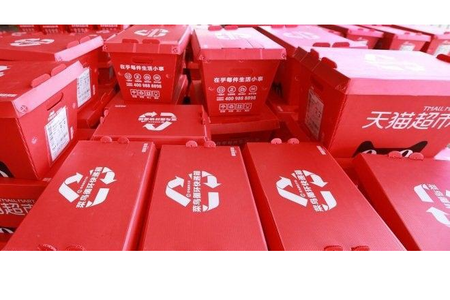
6月1日,天猫超市正式登陆香港,主打高频日常消费。首批上架8 万 + 生鲜、母婴、家清刚需品;在香港设立本地前置仓,能实现“明日达”,进一步提升了履约效率。

此外,淘宝香港的发展相对成熟,早在去年618就推出“全球包邮计划”,全港铺设有约1200个自提点。

细看这些巨头在香港的落子布局,战略路径各有侧重,打法差异化鲜明。

京东走重资产全渠道路线,依托佳宝超市、京东MALL完善线下网络;美团聚焦本地外卖赛道,以香港为样板向中东复制成熟运营模式;阿里发力跨境物流与线上生态,通过淘宝香港、天猫超市HK打通国货本地供给链路。

香港俨然成为各大巨头的全球化试炼场,差异化的布局博弈之下,将塑造中国企业出海的全新格局。

注:文/赵云合,文章来源:电商头条(公众号ID:ecxinwen),本文为作者独立观点,不代表亿邦动力立场。

文章来源:电商头条

广告
微信
朋友圈

这么好看,分享一下?

朋友圈 分享

APP内打开

+1
+1
微信好友 朋友圈 新浪微博 QQ空间
关闭
收藏成功
发送
/140 0