广告
加载中

拥有40000+店的零售巨头 官宣进场抢餐饮生意

红餐编辑部 2026-06-04 11:38
红餐编辑部 2026/06/04 11:38

邦小白快读

EN
全文速览

本文核心是拥有超4万家门店的“中国便利店之王”美宜佳,正在筹划推出鲜食占比超40%的全新餐饮型门店,瞄准消费者全时段就餐需求,升级便利店为即时餐饮场所,目前项目处于测试阶段,接下来会逐步推开,对于普通消费者来说,未来就餐多了一个高性价比的新选择,核心干货信息如下:

1.全新店型已经在多个城市测试,现有测试店主打“鲜食·便利”,空间更大,鲜食区约占三分之一陈列面积,目前暂未设置堂食区,产品覆盖一日六餐,拥有近百个SKU,还会结合区域口味做本地化调整,比如河南卖胡辣汤、湖北卖小龙虾拌粉。

2.产品定价亲民,现煮粉面7元起,多数产品单价不超过10元,每个时段都推出对应优惠套餐,比如早餐4.5元小笼包、9.9元拌面配牛肉丸的午晚餐套餐,出餐速度快,整个过程不超过3分钟,比外卖更便宜快捷,很适合学生、上班族解决刚需就餐。

3.目前测试阶段不同门店表现差异大,高校、写字楼附近门店客流好复购高,商业街门店因为竞争大、损耗高,部分暂时暂停进货,整体模式还在优化中。

本文披露了本土头部便利店美宜佳布局鲜食餐饮的完整战略,对零售品牌跨界做餐饮拓展有很多可参考的干货信息,具体如下:

1.消费趋势层面:当前消费者对全时段、高性价比、快捷方便的刚需简餐需求旺盛,学生、上班族等群体对价格和效率敏感度高,这个赛道还有很大的增长空间。

2.运营策略层面:产品端做全时段覆盖加本地化差异化,近百个SKU满足一日六餐需求,用预包装半成品实现标准化快速出餐;定价端走亲民路线,7元起售,通过多时段优惠套餐、满减券等方式前端让利,培养消费者“到店吃饭”的习惯;渠道端依托现有4万家门店,以开新店加翻新老店的方式逐步推进,对加盟商提供设备补贴、万元激励降低试错成本。

3.当前成果与待解决问题:目前深圳区域鲜食销售占比已经突破25%,鲜食品类毛利率达45%,打法已经初步验证,但也存在不同区位表现差异大、食材损耗难控制等问题,还需要跨越供应链、品控等多道门槛。

美宜佳依托4万门店网络大规模入局鲜食简餐赛道,对中小小吃快餐卖家来说,既需要警惕风险也可以从中获得启发,核心干货如下:

1.风险提示:美宜佳的目标客群就是对价格和效率敏感的学生、上班族,和街边小吃快餐店的核心客群高度重合,待全新店型成规模铺开后,会分流大量刚需客流,中小店需要提前应对竞争变化。

2.可学习借鉴的经验:美宜佳全时段SKU布局、本地化调整产品、高频促销培养用户消费习惯、标准化操作压缩出餐时间的打法,都值得中小卖家参考优化自身运营。

3.机会与风险应对:美宜佳抢占的是快捷刚需简餐市场,不会冲击社交型、体验型正餐,中小卖家可以通过打造特色口味、优化就餐场景做差异化竞争,避开正面交锋;同时也要注意控制食材损耗,美宜佳都出现了商圈店损耗过大难盈利的问题,中小卖家更要结合自身区位调整进货量,降低滞销损耗。

美宜佳大规模布局鲜食餐饮,给预包装食品生产加工工厂带来了新的商业机会,也提出了明确的能力要求,核心干货如下:

1.产品生产与设计需求:美宜佳的鲜食产品全部为预包装半成品,要求工厂能生产标准化程度高、方便门店快速加工的产品,保证门店3分钟以内就能出餐;同时需要支持本地化差异化产品开发,能根据不同区域的口味需求定制产品,比如河南区域的胡辣汤、湖北区域的小龙虾拌粉。

2.商业机会:美宜佳现有超4万家门店,规划中全新店型的鲜食占比要超过40%,对预包装鲜食半成品的需求量非常大;而且美宜佳作为头部品牌的布局,会带动整个本土便利店行业的鲜食升级浪潮,会释放出大量稳定的订单需求,给工厂带来长期增量。

3.发展启示:工厂需要提升自身的标准化生产能力和品控控制能力,同时还要打造柔性生产体系,满足小批量多品类的定制化需求,还要配套提升冷链存储运输能力,保障产品新鲜度,帮助品牌方控制终端损耗,才能获得更多合作机会。

本土便利店行业正在掀起鲜食餐饮升级浪潮,这个过程中衍生出大量新需求,给各类零售餐饮服务商带来了新的机会,核心干货如下:

1.行业发展趋势:过去便利店只是顺带售卖鲜食,现在已经转向布局鲜食占比超40%的专业餐饮型门店,整个赛道目前日系品牌走在前面,本土便利店还处于爬坡阶段,未来还有很大的增长空间,会持续释放各类服务需求。

2.核心客户痛点:当前布局鲜食的品牌方存在几个核心痛点:一是不同区位门店销售差异大,食材损耗控制难度高,滞销浪费会大幅压缩利润;二是对稳定的供应链、冷链配送、标准化产品研发的需求很强,本土品牌之前在这部分能力积累不足;三是加盟商试错成本高,需要设备、运营、产品方面的支持,降低转型门槛。

3.市场机会:服务商可以针对性开发解决方案,比如针对损耗痛点开发数字化进销存管理工具,针对冷链需求推出定制化城配服务,针对加盟商需求推出设备租赁、运营培训等服务,抓住行业升级的红利。

美宜佳布局全新餐饮型门店的实践,给零售便利店平台做业态升级提供了很多可参考的经验,也明确了需要规避的风险,核心干货如下:

1.商家对平台的核心需求:平台做鲜食业态升级,需要总部输出供应链支持、产品研发支持,还要给下游加盟商提供补贴和激励,帮助降低转型试错成本,同时总部需要解决损耗控制、标准化品控等共性难题。

2.可参考的平台做法:可以依托现有门店网络做升级,通过开新店加改造老店的方式逐步推进,降低转型成本;前端对消费者让利,用优惠套餐、满减券等方式培养消费习惯;后端对加盟商提供设备补贴、销售激励、本地化产品支持,降低加盟商的试错压力;产品端做全时段覆盖加本地化差异化,适配不同区域消费者的口味需求。

3.风险规避要点:要注意不同区位的适配性,优先在高校、写字楼这类客流精准、需求旺盛的区域推,对餐馆密集的商圈要调整SKU和进货量,提前做好损耗控制方案,同时要提前升级总部的供应链、冷链、品控能力,避免出现能力跟不上扩张的问题。

本文呈现了中国便利店行业的最新发展动向,对于研究零售业态融合、餐饮竞争格局变化都有很高的参考价值,核心干货如下:

1.产业新动向:中国便利店行业已经进入业态升级的新阶段,从原来的顺带售卖鲜食,转向打造鲜食占比超40%的专业餐饮型门店,便利店的定位从日用零售场所升级为满足刚需的即时餐饮场所,目前赛道中日系品牌走在前面,本土头部品牌已经开始发力,整个行业进入新的发展阶段。

2.创新商业模式:美宜佳这次升级不是单点产品创新,而是依托现有4万+门店的规模优势,做整体经营质量升级,采取“前端让利获客,后端补贴加盟商”的打法,目前已经初步验证了可行性,深圳区域鲜食占比突破25%,毛利率达到45%,为本土便利店做鲜食升级提供了可参考的模式。

3.待研究的新问题:本土品牌大规模做鲜食,仍然需要解决食材损耗控制、口味稳定性、加盟商执行力、供应链品控等核心问题,美宜佳成规模布局后,会如何改变现有小吃快餐行业的竞争格局,都值得后续深入研究。

返回默认
声明:快读内容全程由AI生成,请注意甄别信息。如您发现问题,请发送邮件至 run@ebrun.com 。

我是 品牌商 卖家 工厂 服务商 平台商 研究者 帮我再读一遍。

Quick Summary

This article covers Meiyijia, China's "king of convenience stores" with over 40,000 locations, which is developing a new restaurant-style convenience store format with fresh food accounting for over 40% of offerings. Designed to meet consumers' all-day dining needs and reposition convenience stores as on-demand dining destinations, the new format is currently in testing and will roll out gradually, bringing consumers a new cost-effective dining option. Key takeaways:

1. The new format is already being tested in multiple cities. Test locations focus on "fresh food and convenience" with larger floor plans, where fresh food sections take up around one-third of display space. No in-store dining area is offered for now. The product range covers six meals a day with nearly 100 SKUs, and is localized to regional tastes—for example, spicy soup is sold in Henan, and crayfish mixed noodles in Hubei.

2. Products are priced affordably: cooked noodles start at 7 yuan, most items cost less than 10 yuan, and time-specific discounted套餐 are offered across the day, such as 4.5-yuan steamed buns for breakfast and a 9.9-yuan套餐 of noodles with beef balls for lunch or dinner. Order preparation takes under 3 minutes, making it cheaper and faster than food delivery, ideal for students and office workers needing quick, no-frills meals.

3. Performance varies widely across test stores: locations near universities and office buildings see strong foot traffic and high repeat purchases, while some stores in commercial streets have paused stock replenishment temporarily due to intense competition and high food waste. The overall business model is still being optimized.

This article discloses the full strategy of leading domestic convenience store chain Meiyijia for entering the fresh food dining sector, offering valuable takeaways for retail brands expanding into food service. Key details:

1. Consumer trend: There is robust unmet demand for all-day, affordable, convenient quick meals. Students and office workers are particularly sensitive to price and efficiency, leaving significant room for growth in this segment.

2. Operating strategy: On the product side, Meiyijia offers all-day coverage plus localized differentiation, with nearly 100 SKUs covering six daily meals, and uses pre-packaged semi-finished products to enable standardized, fast order preparation. On pricing, it adopts an affordable approach with items starting at 7 yuan, and offers time-specific discounted套餐 and coupons to incentivize consumers and build the habit of dining in-store. On the channel side, it leverages its existing 40,000-store network, rolling out the new format gradually through new store openings and existing store renovations, and offers equipment subsidies and performance bonuses to franchisees to lower their trial costs.

3. Current results and unresolved challenges: Fresh food already accounts for over 25% of sales in the Shenzhen region, with a 45% gross margin for the fresh food category, meaning the approach has been preliminarily validated. However, the chain still faces challenges including uneven performance across locations, difficulty controlling food waste, and needs to clear multiple hurdles including supply chain optimization and quality control.

Meiyijia's large-scale entry into the quick fresh food segment leveraging its 40,000-store network brings both risks and insights for small and medium-sized snack and quick meal vendors. Key takeaways:

1. Risk warning: Meiyijia targets price- and efficiency-sensitive students and office workers, which overlaps heavily with the core customer base of street-side small snack and meal stores. Once the new format scales up, it will divert a large volume of core demand, so small stores need to prepare for shifting competition in advance.

2. Actionable insights: Meiyijia's strategies—including all-day SKU coverage, localized product adjustments, frequent promotions to build consumer habits, and standardized operations to cut order preparation time—are all valuable references for small and medium sellers to optimize their own operations.

3. Opportunities and risk mitigation: Meiyijia is targeting the quick, no-frills quick meal market, and will not disrupt social, experience-focused full-service dining. Small and medium sellers can differentiate by building signature flavors and optimizing dining experiences to avoid direct competition. They should also prioritize food waste control: even Meiyijia has struggled with excessive waste and low profitability in commercial district locations, so small sellers must adjust inventory based on their specific location to reduce waste from unsold stock.

Meiyijia's large-scale expansion into fresh food dining brings new business opportunities for pre-packaged food processing factories, along with clear capability requirements. Key takeaways:

1. Production and design requirements: All of Meiyijia's fresh food products are pre-packaged semi-finished goods. The chain requires factories to produce highly standardized products that are easy for stores to process quickly, enabling order preparation in under 3 minutes. Factories must also support localized, differentiated product development to customize offerings for regional taste preferences, such as Henan-style spicy soup and Hubei-style crayfish mixed noodles.

2. Business opportunities: Meiyijia already operates over 40,000 stores, and fresh food will account for more than 40% of offerings in the new format, creating huge demand for pre-packaged fresh food semi-finished products. Furthermore, as a leading brand's move, Meiyijia's expansion will drive a wave of fresh food upgrades across China's domestic convenience store industry, unlocking large, stable order volume and long-term growth for factories.

3. Strategic implications: To win more partnership opportunities, factories need to improve their standardized production and quality control capabilities, build flexible production systems to meet the demand for small-batch, multi-category customized products, and upgrade cold chain storage and transportation capacity to preserve product freshness and help the brand control end-to-end waste.

China's domestic convenience store industry is seeing a wave of fresh food and dining upgrades, generating substantial new demand and opening up opportunities for all types of retail and food service providers. Key takeaways:

1. Industry trends: Where convenience stores once sold fresh food as a side offering, the sector is now shifting to purpose-built restaurant-style stores where fresh food makes up over 40% of total offerings. Japanese brands currently lead the segment, while domestic players are still scaling up, leaving significant room for future growth and ongoing demand for third-party services.

2. Core client pain points: Brands expanding into fresh food face three key challenges: first, uneven sales across locations makes food waste hard to control, and unsold stock heavily erodes profits; second, there is strong unmet demand for stable supply chains, cold chain delivery, and standardized product R&D, capabilities that domestic brands have historically underinvested in; third, franchisees face high trial costs for the transformation, and need support in equipment, operations, and products to lower the barrier to entry.

3. Market opportunities: Service providers can develop targeted solutions to capture the growth from industry upgrading: for example, build digital inventory management tools to address food waste, offer customized city distribution services to meet cold chain demand, and provide equipment leasing and operations training to serve franchisee needs.

Meiyijia's rollout of its new restaurant-style convenience store format offers valuable lessons for retail convenience store platforms pursuing format upgrading, and clarifies risks to avoid. Key takeaways:

1. Core franchisee demands from platforms: To deliver a successful fresh food format upgrade, platform headquarters need to provide supply chain and product R&D support, offer subsidies and incentives to downstream franchisees to lower their trial and transformation costs, and solve common pain points including waste control and standardized quality control.

2. Recommended best practices: Platforms can leverage their existing store networks for upgrading, rolling out gradually through new openings and existing store renovations to lower transformation costs. They can offer consumer-facing discounts via套餐 and coupons to build consumption habits, provide franchisees with equipment subsidies, performance incentives and localized product support to reduce trial pressure, and design product offerings with all-day coverage and localized differentiation to fit regional taste preferences.

3. Risk mitigation: Platforms should pay close attention to location fit, prioritizing rollout in high-demand, high-traffic areas such as near universities and office buildings. For restaurant-dense commercial districts, they should adjust SKU and inventory levels and put waste control plans in place in advance. They also need to upgrade headquarters capabilities in supply chain, cold chain and quality control ahead of expansion to avoid being unable to support scaled growth.

This article outlines the latest developments in China's convenience store industry, offering high reference value for research on retail format integration and shifting food service competitive dynamics. Key takeaways:

1. New industry trends: China's convenience store industry has entered a new stage of format upgrading: from selling fresh food as a side offering, players are now building dedicated restaurant-style stores where fresh food accounts for over 40% of offerings. Convenience stores are repositioning from daily goods retail outlets to on-demand dining destinations for core meal demand. Japanese brands currently lead the segment, but leading domestic players have started to scale up, marking the entry of the entire industry into a new growth phase.

2. Innovative business model: Meiyijia's upgrade is not a single product innovation, but a holistic operating upgrade leveraging its scale advantage of over 40,000 existing stores. Its strategy of "front-end price cuts to acquire customers, back-end subsidies for franchisees" has been preliminarily validated: fresh food accounts for over 25% of sales in Shenzhen, with a 45% gross margin, providing a replicable model for fresh food upgrades among domestic convenience store chains.

3. Open questions for future research: Domestic brands still need to solve core challenges including food waste control, flavor consistency, franchisee execution, and supply chain quality control when scaling fresh food offerings. How Meiyijia's large-scale expansion will reshape the competitive landscape of China's existing quick snack and meal industry is a key topic that merits further in-depth research.

Disclaimer: The "Quick Summary" content is entirely generated by AI. Please exercise discretion when interpreting the information. For issues or corrections, please email run@ebrun.com .

I am a Brand Seller Factory Service Provider Marketplace Seller Researcher Read it again.

现煮粉面7元起,美宜佳要开“餐厅”了?

本文由红餐网(ID:hongcan18)原创首发作者:邱邱;编辑:王秀清。

“中国便利店之王”要对“卖饭”这件事动真格了。

近日,美宜佳透露正在筹划一种全新的餐饮型门店。按照规划,这类门店的鲜食餐饮占比将超过40%,瞄准早餐、咖啡、午餐、下午茶、晚餐、夜宵的“一日六餐”需求组织商品。

根据品牌披露的信息,这类店型强调出餐稳定、标准化复制,意在将便利店升级为真正的即时餐饮场所。

接下来,这个拥有超40000家门店的便利店巨头,要跟街边的快餐店、小吃店抢生意了。

近百个鲜食SKU,

粉面7元起

美宜佳方面透露,本轮调整“本质上不是做某一个单点创新”,而是围绕现有门店规模基础上的经营质量提升。目前新店型仍处于测试优化阶段,尚未正式定型,将以开新店和翻新老店两种方式逐步推进。

事实上,美宜佳对鲜食的试水已有一段时间。在广州城区,红餐网走访了多家门头标有“鲜食·便利”的Pro餐饮店,发现它们呈现出几个特点:

1.空间更大,餐饮区成为视觉重心

与常见的美宜佳店型不同,这些门店的门头上打上了“鲜食·便利”标识,店内面积40-50平方米,专门划出了白瓷砖砌墙的鲜食区和明档操作台,整体装修简约明亮风格,更大、更亮堂。

冷藏柜、关东煮锅、烤肠机、蒸包柜一字排开,部分门店的鲜食区域占据了大约三分之一的陈列面。但尚未配备桌椅,未设置专门的堂食区域。红餐网在现场看到,不少消费者进店后直奔鲜食区,而非饮料和零食货架。

2.SKU近百种,覆盖全时段用餐需求

产品种类方面,除了茶叶蛋等常规选品,包子、烤肠、车仔面、关东煮等热食成为主打,选择丰富。

红餐网现场看到,从经典鱼蛋、萝卜到各种丸类,关东煮的选择多达20余种,价格在1.5-3.5元/串不等;烤物区有炸鸡块、鲜虾排、烤肉串等多个种类,售价基本不超过8元/串;早餐有各种包点、馒头、饭团、玉米、糯米鸡等30+种类可选,均价在3-4元;

午晚餐更丰盛,除车仔面、乌冬面等传统单品外,还有原汤牛肉桂林米粉、鲜肉馄饨、南昌拌粉、刀削面、竹升面等多元现煮中式简餐,面、粉价格在7-15元间,馄饨、饺子均在10元以下。这些产品多为预包装的半成品,店员现场加热或水煮即可出餐,整个过程不超过3分钟。

据了解,美宜佳还结合区域口味做差异化供给,在不同城市售卖本地化的产品,例如在河南门店卖胡辣汤、在湖北门店卖小龙虾拌粉。

下午6点左右,红餐网在广州大学城某门店内看到,包点产品已售卖一空,部分烤串产品也已经无货。一位正在挑关东煮的学生向红餐网表示:“晚上不想吃食堂,这里9.9元四串,比外卖便宜,而且快。”社交平台上,美宜佳的茶叶蛋和乌冬面也常年被夸。从早餐到宵夜,这类门店几乎把全时段的用餐需求都安排上了。

3. 促销力度大,明显在培养消费习惯

红餐网走访期间,门店正推行限时套餐活动。以早餐为例,4.5元能买到6个小笼包或蒸饺,6元可搞定“包子+茶叶蛋+豆浆”的套餐;午晚餐期间,能买到9.9元的拌面配牛肉丸、12.9元的鱼蛋拌面加柠檬茶。

从早餐的包子豆浆组合,到午餐的拌面套餐,再到关东煮和烤物的特价,几乎每个时段都有对应的优惠套餐。两家客流较好的门店,傍晚的下课、下班时段收银台前陆续有人排队结账,关东煮和烤物的补货速度明显快于其他品类。

门口的促销海报上印着几款套餐的活动价,新开业的门店还有专人宣传扫码进入小程序可领到“满10-2优惠券”。店员透露,活动期间鲜食的复购率明显提升,“很多人早上买了包子,中午又来买乌冬面,下午过来买炸串当下午茶的人也多了。”

4. 并非所有店都热卖,损耗是现实难题

不过,不同区域的门店表现差异明显。位于高校和写字楼附近的门店,傍晚时分客流不断,但某家位于某商业街的门店,鲜食货架却空空荡荡,大部分锅具甚至已被收起,只有几根烤肠还在售卖。

该店主告诉红餐网,附近正餐、特色菜馆太多,门店卖不完的当天就要全部扔掉,“损耗太大,这段时间先缓缓,不进货了。”他表示,过段时间还会继续卖,“毕竟公司有要求,而且鲜食确实能带客流”。

快餐店的对手,

不止是隔壁粉面店

美宜佳入局餐饮的时间算是晚的,过去两年,便利店做餐饮已经不是“顺手卖个关东煮”了这么简单了。

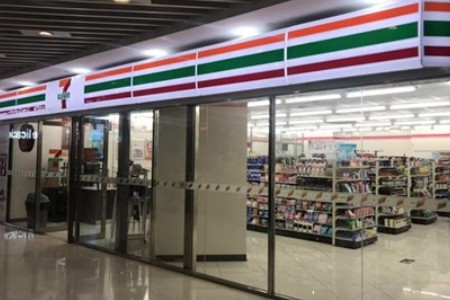
截至今年3月,7-Eleven在广东已开出超过340间“小食堂”门店。这类门店在原有便利店基础上,放大热食区域并增设堂食区,提供咖喱饭、车仔面等现制鲜食套餐,价格最低9.9元,最高不过20元出头。罗森甚至在机场推出“烧烤小屋”档口,主打现点现炸的炸串、烤串,试图用烟火气吸引年轻人。

在便利店鲜食这条赛道上,日系品牌走在前面,本土便利店还处于爬坡期。

结合红餐网走访情况和品牌官方披露信息来看,美宜佳对鲜食的布局是“前端让利、后端补贴”。对消费者,用9.9元套餐、满减券、开学季折扣等培养“到店吃饭”的习惯;对加盟商,提供鲜食设备补贴、超万元激励、本地化产品支持,降低试错成本。这套打法正在见效,据其透露,深圳区域美宜佳鲜食销售占比已突破25%,鲜食品类毛利率达45%。

对小吃快餐店而言,美宜佳的大规模入局带有几分挑战意味。

便利店卖饭不会直接冲击正餐餐厅,因为它解决的是消费者对快捷、便宜的需求,与社交型餐饮、体验型餐饮并不在同一战场。但当美宜佳的全新店型成规模开出,甚至上万家门店都变成一个微型食堂时,一部分人的就餐习惯可能会因此改变,尤其是学生、上班族等对价格和效率敏感的人群。

当然,挑战依然存在。鲜食不是把商品摆上货架那么简单,它要求总部具备更强的供应链、研发、冷链、品控和门店执行能力。食材损耗、口味稳定性、加盟商执行力,都是美宜佳必须跨越的门槛。

当美宜佳真正开出鲜食占比超40%的餐饮型门店时,中国便利店的鲜食生意可能才算到达一个新的起点。到那时,做小吃快餐生意的餐饮老板们或许会发现,最紧迫的竞争对手,不止有隔壁的餐厅,还有便利店。

注:文/红餐编辑部,文章来源:红餐网(公众号ID:hongcan18),本文为作者独立观点,不代表亿邦动力立场。

文章来源:红餐网

广告
微信
朋友圈

这么好看,分享一下?

朋友圈 分享

APP内打开

赞 +1
+1
微信好友 朋友圈 新浪微博 QQ空间
关闭
收藏成功
发送
/140 0