广告
加载中

为什么企业的AI投入会打水漂?

胡镤心 2026-06-04 10:52
胡镤心 2026/06/04 10:52

邦小白快读

EN
全文速览

这篇文章核心解答了当前很多企业AI投入打水漂的原因,也给出了企业落地AI的可行思路与方案,干货如下:

1. 当前企业用AI的普遍现状,三年来大模型能力快速迭代提升,但企业一线落地情况并不乐观,多数AI只是被零星使用,始终无法融入核心业务流程,企业焦虑已经从“怕不用AI”转为“怕乱用AI”,乱用AI会带来敏感数据泄露、越权操作、误操作等安全合规问题。

2. 企业AI落地从试点走向规模化生产,必须跨越五大断层:知识断层、数据断层、流程断层、治理断层、价值断层,当前大模型能力已经逐渐趋同,企业落地AI的核心竞争力,是能否把AI变成能持续交付可靠结果的AI员工。

3. 目前已有成熟落地方案,网易智企跑通了四类AI员工应用场景,推出了全链路管理AI的企业级平台,可帮助企业实现AI可靠落地,把AI能力转化为实际生产力。

这篇文章为品牌商落地AI提效、避免投入浪费,提供了清晰的方向和可参考的落地方案,干货如下:

1. 品牌商落地AI的普遍痛点,很多品牌投入大量资金布局AI却没得到对应回报,核心问题不是大模型能力不足,而是品牌缺乏一套管理AI的完整基础设施,多数品牌的AI仅做零散应用,还面临员工乱用AI带来的安全合规风险,AI无法融入营销、销售等核心业务。

2. 品牌可优先落地的AI场景,AI销售能自动完成客户记录、拜访总结、日报周报,还能辅助新人培训,让普通销售快速达到高水平销售的业务能力;AI私域助理可以解决私域运营“规模与精细不可兼得”的矛盾,基于用户标签自动生成千人千面话术,实现精细化运营的规模化交付,很适合品牌私域运营落地。

3. 落地AI的核心要点,要提前梳理解决知识未结构化、数据孤岛、流程不通、安全治理缺失等五大断层问题,搭建完整的AI管理体系,才能让AI真正产出价值,避免投入打水漂。

这篇文章给想要布局AI提效的卖家梳理了落地AI的痛点、风险,也给出了明确的机会方向和落地建议,干货如下:

1. 当前卖家布局AI的常见风险,不少卖家投入大量资金引入AI却没得到增长,核心问题不是AI模型能力不够,而是缺乏配套的AI管理体系,常见问题包括员工乱用AI带来敏感数据泄露、越权操作等合规风险,AI只能处理碎片化工作无法融入核心业务流程,投入看不到回报。

2. 卖家可抓住的AI落地机会,目前已经有成熟可复用的AI应用场景,除了上述的AI销售、AI私域助理外,还有符合规范的AI开发、AI安全治理场景,能帮助卖家降低人力成本,提升运营效率,解决私域、销售等核心环节的痛点。

3. 卖家落地AI的实用建议,要优先解决知识、数据、流程等五大落地断层,可借助成熟的第三方企业级AI管理平台,搭建完整的AI管理闭环,保障AI可靠运行,把AI能力转化为实际业务增长,拉开和同行的竞争差距。

这篇文章给工厂推进数字化转型、落地AI提供了清晰的启示,也指出了落地要避开的坑,干货如下:

1. 当前工厂数字化转型落地AI的普遍痛点,很多工厂投入资金引入AI技术却没能转化为实际产能,核心瓶颈不是AI模型能力不足,而是工厂缺乏管理AI的完整基础设施,普遍存在企业知识没有结构化、内部数据孤岛没有打通、AI无法融入全生产流程、缺乏安全合规治理、无法持续产出可靠结果等问题,导致AI只能作为展示用途,无法创造实际价值。

2. 工厂落地AI必须先跨越五大断层,分别是知识断层、数据断层、流程断层、治理断层、价值断层,在当前大模型能力逐渐趋同的背景下,工厂落地AI的核心竞争力,是能否搭建一套让AI可靠产出的管理体系。

3. 可参考的落地思路,工厂可以参考“把AI当员工管理”的思路,借助成熟的第三方企业AI管理平台,实现AI全链路的安全管控、流程对接,让AI真正融入研发、生产、销售等核心业务,把AI能力转化为实际生产力,避免AI投入打水漂。

这篇文章梳理了当前企业AI服务行业的发展趋势,明确了客户的核心痛点,也给出了可行的解决方案方向,干货如下:

1. 当前企业AI服务行业的发展趋势,经过三年多的发展,大模型能力迭代速度极快,整体能力已经趋近饱和,不同厂商的模型能力逐渐趋同,企业客户的需求已经从“获得大模型能力”转向“获得能可靠落地、持续产出价值的AI落地方案”,市场对能管理AI的完整基础设施服务需求强烈。

2. 企业客户的核心痛点,当前企业客户对AI的焦虑已经从“员工不愿意用AI”转为“员工乱用AI”,AI落地普遍面临五大断层问题:企业知识未结构化、数据孤岛未打通、AI只能干碎片化工作、缺乏安全合规治理、无法持续交付可靠价值,这些痛点都是AI服务商的机会。

3. 可行的解决方案方向,可以参考网易智企的方法论,核心是“把AI当员工来看待和管理”,围绕“可靠”的标准打造产品,推出覆盖AI部署、岗位定义、安全审查、绩效调优全流程的企业级AI管理平台,满足企业客户的落地需求,帮助客户把AI能力转化为生产力。

这篇文章梳理了当前企业对AI平台的核心需求,给出了AI平台的可行发展方向和需要规避的风险,干货如下:

1. 当前企业对AI平台的核心需求已经发生变化,早期企业只需要平台提供大模型调用能力,现在企业更需要平台提供一套完整的、能管理AI的基础设施,解决AI落地过程中的安全合规、流程融入、持续产出价值等问题,帮企业避免AI投入打水漂。

2. AI平台可参考的最新运营方案,网易智企推出的帝王蟹企业级AI员工管理平台的做法值得参考,该平台支持从云端到本地的一键部署,集成了技能资产中心、AI算力网关等核心模块,形成了从模型接入、岗位定义、安全审查到绩效优化的完整管理闭环,还能动态调整模型的“岗位”,保证企业始终用到最适配的AI能力。

3. AI平台需要规避的发展风向,不要一味只比拼模型参数和能力,忽略企业落地AI的实际需求,要聚焦帮企业把AI能力转化为实际生产力,搭建完整的AI管理工程体系,才能真正获得企业客户的认可,创造长期价值。

这篇文章呈现了当前企业AI落地领域的最新产业动向,提出了新的核心问题与落地模式,对产业研究有较高的参考价值,干货如下:

1. 产业发展最新动向,GPT-3.5问世近三年来,大模型迭代速度极快,能力快速提升,AI已经从面向个人的工具阶段,走向融入企业组织生产的阶段,企业对AI的态度也发生了本质变化,焦虑从“怕不用AI”彻底转向“怕乱用AI”,标志着AI企业落地进入深水区。

2. 产业界发现的新核心问题,当前很多企业AI投入打水漂,核心原因并不是模型能力不足,而是企业缺乏一套管理AI的基础设施,AI落地普遍存在五大断层,大模型能力逐渐趋同后,企业落地AI的核心竞争力已经转为把AI改造成可靠员工的管理能力。

3. 新的商业模式方向,产业界提出了“把AI当员工管理”的全新落地模式,围绕这一模式衍生出了企业级AI员工管理平台这一新的产品形态,实现了AI从接入到运维优化的全生命周期管理,帮助企业完成从AI能力涌现实干兑现生产力的转变,是值得研究的全新产业方向。

返回默认

声明:快读内容全程由AI生成,请注意甄别信息。如您发现问题,请发送邮件至 run@ebrun.com 。

我是 品牌商 卖家 工厂 服务商 平台商 研究者 帮我再读一遍。

Quick Summary

This article explains why so many corporate AI investments fail to deliver returns, and outlines actionable strategies and solutions for successful enterprise AI implementation. Key takeaways:

1. Despite three years of rapid iteration in large model capabilities, real-world enterprise AI adoption remains underwhelming. Most deployments are scattered, disconnected from core business processes. Corporate anxiety has shifted from "fear of missing out on AI" to "fear of misusing AI"—unregulated AI use brings security and compliance risks including sensitive data leaks, unauthorized access and operational errors.

2. To scale AI from pilot projects to full production, enterprises must bridge five critical gaps: knowledge, data, process, governance and value. As large model capabilities have largely converged across vendors, the core competitive advantage for enterprises now lies in their ability to turn AI into "AI employees" that deliver consistent, reliable results.

3. Mature implementation solutions are already available. NetEase Smart Business has validated four common "AI employee" use cases, and launched an enterprise-grade end-to-end AI management platform that helps enterprises deploy AI reliably and convert AI capabilities into real productivity.

This article provides clear direction and actionable implementation solutions for brands looking to leverage AI for efficiency gains and avoid wasted investment. Key takeaways:

1. Many brands have poured significant capital into AI without seeing proportional returns. The core problem is not insufficient large model capability, but the lack of a complete infrastructure to manage AI. Most brands only use AI for scattered tasks, and face security and compliance risks from unregulated employee AI use, while AI fails to integrate into core business functions such as marketing and sales.

2. Brands can prioritize these high-impact AI use cases: AI Sales automatically completes customer record-keeping, visit summaries and daily/weekly reports, and assists new hire training to help average salespeople quickly match the performance of top performers; AI Private Domain Assistant resolves the tradeoff between scale and granularity in private domain operations, generating personalized messaging for each user based on their tags to deliver granular operations at scale, making it ideal for brand private domain use cases.

3. To deliver real value from AI and avoid wasted investment, brands must proactively address the five gaps—including unstructured enterprise knowledge, data silos, disconnected workflows and missing security governance—and build a complete AI management system.

This article breaks down the pain points and risks of AI adoption for sellers looking to boost efficiency with AI, and outlines clear opportunities and implementation advice. Key takeaways:

1. Many sellers have invested heavily in AI without driving growth. The core issue is not insufficient model capability, but the lack of a supporting AI management system. Common problems include compliance risks such as sensitive data leaks and unauthorized access from unregulated employee AI use, AI being limited to fragmented tasks disconnected from core business processes, and no visible return on investment.

2. Mature, reusable AI application scenarios are already available. Beyond the AI Sales and AI Private Domain Assistant mentioned above, compliant AI development and AI security governance solutions are also ready to use, helping sellers cut labor costs, improve operational efficiency, and solve core pain points in private domain operations, sales and other key links.

3. For successful AI implementation, sellers should first address the five critical gaps in knowledge, data, process and other areas. Leveraging a mature third-party enterprise-grade AI management platform can help you build a complete closed-loop AI management system, ensure reliable AI operation, convert AI capabilities into real business growth, and gain a competitive edge over peers.

This article offers clear insights for factories advancing digital transformation and AI implementation, and highlights pitfalls to avoid. Key takeaways:

1. Many factories have invested in AI technology without seeing gains in actual production capacity. The core bottleneck is not insufficient AI model capability, but the lack of complete infrastructure to manage AI. Common issues include unstructured enterprise knowledge, unbroken data silos, failure to integrate AI into full production workflows, lack of security and compliance governance, and inability to deliver consistent reliable results. These leave AI as nothing more than a demonstration tool that creates no real value.

2. For successful AI implementation, factories must first bridge five critical gaps: knowledge, data, process, governance and value. With large model capabilities increasingly converging across vendors, the core competitive advantage for AI implementation now hinges on building a management system that enables AI to deliver reliable output.

3. Factories can adopt the "manage AI as employees" implementation framework, and use a mature third-party enterprise AI management platform to achieve end-to-end security control and process integration for AI. This allows AI to truly integrate into core business functions including R&D, production and sales, convert AI capabilities into actual productivity, and avoid wasted AI investment.

This article outlines current development trends in the enterprise AI service industry, clarifies core customer pain points, and points to actionable solution directions. Key takeaways:

1. After more than three years of extremely rapid iteration, large model capabilities have largely matured, with capabilities across different vendors converging. Enterprise client demand has shifted from "access to large model capabilities" to "access to AI solutions that can be reliably deployed and deliver sustained value", creating strong market demand for complete infrastructure services to manage AI.

2. Enterprise anxiety around AI has shifted from "employees are unwilling to use AI" to "employees misuse AI". AI implementation commonly faces five critical gaps: unstructured enterprise knowledge, unaddressed data silos, AI limited to fragmented tasks, lack of security and compliance governance, and inability to deliver consistent reliable value. All these pain points represent opportunities for AI service providers.

3. Providers can reference the methodology from NetEase Smart Business, which centers on "treating and managing AI as employees". By building products around the core standard of reliability and launching an enterprise AI management platform covering the full workflow of AI deployment, role definition, security review and performance optimization, providers can meet enterprise clients' implementation needs and help clients convert AI capabilities into productivity.

This article breaks down the core enterprise demand for AI platforms, outlines viable development directions for AI platforms and highlights risks to avoid. Key takeaways:

1. Core enterprise demand for AI platforms has shifted. Early on, enterprises only needed platforms to provide large model access; today, they increasingly require a complete set of AI management infrastructure to address challenges including security and compliance, integration into business processes and sustained value delivery, and help them avoid wasted AI investment.

2. The approach behind NetEase Smart Business's King Crab enterprise-grade AI employee management platform offers a useful reference. The platform supports one-click deployment from cloud to on-premise, integrates core modules including a skill asset center and AI computing gateway, and forms a complete closed management loop from model access, role definition, security review to performance optimization. It also supports dynamic adjustment of AI "roles" to ensure enterprises always use the best-matched AI capabilities.

3. AI platforms should avoid the pitfall of only competing on model parameters and capabilities while ignoring the actual demand for enterprise AI implementation. To win long-term recognition from enterprise clients and create sustained value, platforms must focus on helping enterprises convert AI capabilities into actual productivity and build a complete AI management engineering system.

This article presents the latest industry developments in enterprise AI implementation, proposes new core challenges and implementation models, and offers high reference value for industry research. Key takeaways:

1. In the nearly three years since the launch of GPT-3.5, large models have iterated extremely rapidly with major capability gains. AI has moved beyond the phase of being a personal productivity tool, and entered the stage of integration into enterprise organizational production. Enterprise attitudes toward AI have also fundamentally shifted, with anxiety moving completely from "fear of not adopting AI" to "fear of misusing AI", marking that enterprise AI implementation has entered a deep-water phase.

2. The core reason so many enterprise AI investments deliver no return is not insufficient model capability, but the lack of an AI management infrastructure, with five common gaps in implementation. As large model capabilities converge across vendors, the core competitive advantage for enterprise AI implementation has shifted to the management capability required to transform AI into reliable AI employees.

3. The industry has proposed a new implementation model centered on "managing AI as employees", which has spawned a new product category: the enterprise-grade AI employee management platform. This platform delivers full lifecycle management from AI onboarding to operation and optimization, helping enterprises convert available AI capabilities into tangible productivity, and represents a new industrial direction worthy of in-depth research.

Disclaimer: The "Quick Summary" content is entirely generated by AI. Please exercise discretion when interpreting the information. For issues or corrections, please email run@ebrun.com .

I am a Brand Seller Factory Service Provider Marketplace Seller Researcher Read it again.

【亿邦原创】2026年6月,距离GPT-3.5问世已过去近三年。三年里,大模型以令人眩晕的速度迭代——从Claude Opus 4.7到4.8,只隔了短短六周。模型能力屡破天花板,Agent技术百花齐放,AI似乎已经准备好“上岗”干活的架势。

然而,在企业真正的一线战场,现实却不那么乐观:有的公司员工把AI当玩具,有的则因安全合规不敢触碰,更常见的是——AI被零星使用,却始终无法融入核心业务流程。焦虑从“怕不用”转向“怕乱用”,事故频发,管理真空。AI足够聪明了,但企业为什么还是用不好它?

在近期的网易智企“智行合一”创新企业大会上,网易副总裁、网易智企总经理阮良给出自己的看法:当下企业AI落地的瓶颈不再是模型能力,而是缺乏一套管理AI员工的基础设施。

阮良观察到,2023到2024年,企业焦虑的是员工不愿意用AI;到了2026年,焦虑反了过来——员工“乱用AI”。

所谓“乱用”,不是浪费Token,而是AI在敏感数据、权限边界、安全合规上频频踩坑。AI Agent误操作、越权调用、误删文件等案例屡见不鲜,这是AI从个人工具走向“组织员工”的必然阵痛。

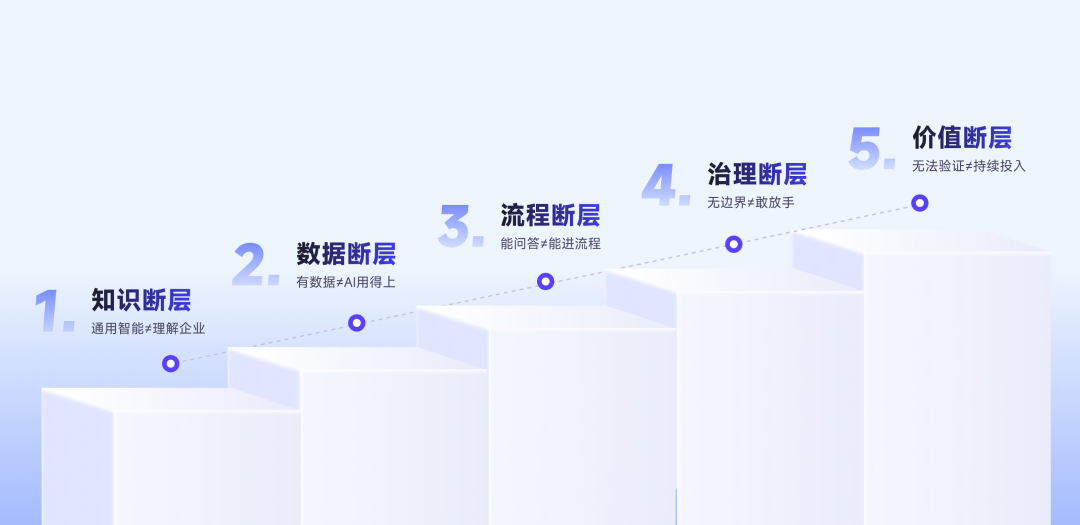
基于服务百万家企业的实践,网易智企提炼出AI从试点走向生产必须跨越的五大断层:知识断层(企业知识未结构化)、数据断层(数据孤岛未打通)、流程断层(AI只能干片段)、治理断层(安全合规缺失)、价值断层(无法持续交付可靠结果)。阮良指出,大模型能力正在趋同,企业真正的竞争力,在于能否把AI变成“可持续交付、能产出可靠结果的AI员工”。

网易智企的核心方法论是“把AI当员工来看待和管理”,评价标准只有一个词——“可靠”。围绕这一标准,公司已跑通四类AI员工:

AI销售能够自动完成客户记录、拜访总结、日报周报,同时瞬间记忆公司全部SKU,陪练新人,让普通销售快速拥有销售冠军七八成功力。

AI私域助理可以破解私域“规模与精细”的矛盾。基于用户标签和画像自动生成千人千面话术,实现精细化运营的规模化交付。

AI Coding摒弃了“Vibe Coding”的个人英雄主义模式,转向SDD(Spec-Driven Development)。让AI先读懂需求,在统一规范下开发,项目资产自动沉淀复用,避免技术栈漂移。

AI安全治理覆盖提示词注入、敏感数据泄露、越权调用等新型安全风险,实现事前预防、事中拦截、事后审计全链路可控,让企业“敢把关键业务交给AI”。

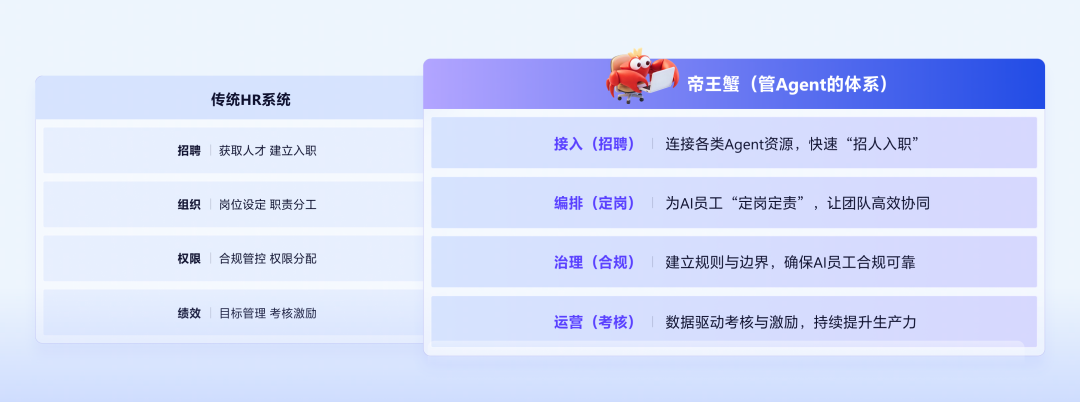
既然把AI当员工,就必须有管理AI的HR系统。阮良比喻:“绝大多数公司今天用AI的方式,相当于招了一堆人却没有HR。”网易智企推出的企业级AI员工管理平台“帝王蟹”,提供从云端到本地的一键部署,集成技能资产中心、AI算力网关等核心模块,形成一个完整管理闭环:接入哪个模型、用什么AI;每个Agent有岗位描述(职责、性格、边界)和协作节点;每一步都有安全审查和事后审计持续Benchmark,绩效好者多干活,掉链子者再培训。

帝王蟹还将模型从“采购对象”变成“在岗员工”。当某个模型某项能力下滑时,系统会自动调岗、重新竞聘,确保企业始终用到最适配的AI员工。

“AI不是用来展示的,是用来‘上岗’的。”阮良在演讲最后表示,模型会趋同,能力会饱和,最终拉开企业差距的是把AI变成靠谱员工的能力——是知识沉淀、数据治理、流程贯通、安全合规、价值验证。从“能力涌现”到“生产力兑现”,中间隔着的不是一个更强的模型,而是一整套让AI能上岗、能交付、能被信任的工程体系。这正是网易智企立下的新使命:以可靠的AI技术,释放企业生产力,共创美好世界。

文章来源:亿邦动力

广告
微信
朋友圈

这么好看,分享一下?

朋友圈 分享

APP内打开

+1
+1
微信好友 朋友圈 新浪微博 QQ空间
关闭
收藏成功
发送
/140 0