广告
加载中

Payful AI Skill正式上线:对话式开发 让API接入更简单

龚作仁 2026-06-02 14:11
龚作仁 2026/06/02 14:11

邦小白快读

EN
全文速览

本文核心介绍Payful新上线的Payful卡API AI Skill工具,解决了支付API接入长期存在的高门槛痛点,核心干货如下:

1. 原有的支付接入痛点:不管是常规还是跨境支付接入,都需要开发者查文档、写接口、调试webhook,跨境卡支付场景一旦细节出错,就会导致交易失败、回调异常,甚至影响项目正式上线,对开发人员来说门槛很高。

2. 新产品的核心能力:AI Skill提供四项核心能力,分别是开卡类型智能选型、示例代码智能检索、接入质量评估、接口问题智能排障,能全程辅助开发者完成支付接入,把复杂流程简化,让接入更简单高效,目前该支付能力已经覆盖广告投放、电商消费等多个海外支付场景。

本文对布局出海业务的品牌商,在支付能力建设层面提供了不少参考干货:

1. 消费趋势和产品参考:当前出海多场景都存在全球支付需求,包括广告投放、电商消费、留学缴费、航旅预订、海外SaaS订阅等都需要稳定的虚拟卡支付支持,Payful卡支持VISA/万事达双卡组、10种以上主流币种,支持线上秒开、批量开卡,能满足品牌出海的全球支付与资金管理需求。

2. 技术落地参考:如果品牌需要自主开发接入支付能力,新上线的AI Skill能大幅降低接入门槛,还能提前排查潜在问题,降低上线后出问题的概率,帮助品牌更快完成支付能力搭建,减少技术投入成本,保障支付环节的稳定性。

对于做跨境业务的卖家,本文给出了支付环节降本提效的新机会和实用参考:

1. 机会提示:如果卖家需要自主搭建全球支付能力,满足广告投放、海外采购、跨境电商付费等需求,Payful推出的AI Skill能解决传统支付接入流程繁琐、出错率高的痛点,帮助卖家缩短开发周期,更快上线支付功能,抢占市场机会。

2. 风险提示和可学习点:跨境支付接入很容易因为细节问题导致交易失败、影响正常业务,AI Skill能在上线前完成接入质量全检查,提前发现加密逻辑、回调处理等环节的问题,还能快速排障解决接口报错问题,有效降低支付环节的业务风险,卖家可以借助这类工具减少开发和运营成本。

对于布局出海业务、推进数字化电商转型的工厂,本文带来了商业机会和数字化建设的启示:

1. 商业机会:当前跨境多个场景都对便捷的全球虚拟卡支付有旺盛需求,工厂如果开展跨境B2B业务、跨境B2C独立站业务,或是需要做海外广告引流、海外供应商付费,都需要稳定的全球支付能力,Payful卡API配合AI Skill,可以帮助工厂快速完成自有支付能力的搭建,满足各类出海支付需求。

2. 数字化转型启示:工厂推进自有业务数字化、搭建电商系统的时候,常会受限于技术开发能力不足,AI工具能大幅降低复杂功能的接入门槛,借助成熟的智能化第三方工具,可以缩短系统上线周期,减少技术问题对业务的影响,适合工厂轻量化推进数字化转型。

对于支付技术服务、开发者服务领域的服务商,本文透露了行业发展趋势、客户痛点和可参考的解决方案:

1. 客户痛点总结:当前开发者对接支付API,尤其是跨境虚拟卡支付API,普遍存在四个核心痛点:一是开卡类型选型难,新手容易选错适配场景;二是找示例代码、确认参数耗时间,占了开发流程很大一部分精力;三是很多问题开发阶段不暴露,上线后才出现;四是接口报错错误码复杂,排障难度大,这些都是服务商可以挖掘的客户需求。

2. 行业趋势和解决方案参考:随着AI IDE和Agent开发模式的普及,支付API接入正在向智能化方向发展,通过AI覆盖接入全流程的辅助服务,能有效解决上述痛点,提升客户体验,这种AI赋能To B技术服务的模式值得服务商参考借鉴。

对于做开放平台、支付服务平台、开发者服务平台的平台商,本文带来了用户需求分析和运营优化的参考:

1. 用户需求梳理:平台的开发者客户对降低API接入门槛有非常强烈的需求,尤其是支付这类对稳定性要求极高的场景,传统接入模式依赖开发者自己读文档、排错,不仅效率低,还容易出问题影响客户业务上线,这是平台服务优化的核心方向。

2. 运营优化参考:平台可以参考Payful AI Skill的模式,在开放API能力之外,新增AI智能化全流程辅助能力,覆盖选型、开发、测试、排障全环节,既能提升平台对开发者的吸引力,还能降低平台自身的技术支持和客服成本;同时上线前接入质量评估的功能,能提前规避问题,降低平台的口碑风险。

对于研究支付产业、To B技术服务创新的研究者,本文展现了产业的新动向和商业模式创新的新样本:

1. 产业新动向:当前AI技术正在渗透到开发全流程,随着AI IDE和智能Agent开发方式逐渐普及,支付API接入这类传统的高门槛技术环节,也开始落地AI应用,解决行业长期存在的痛点,这是AI赋能产业数字化的典型新动向,也反映出跨境支付领域对降本提效的迫切需求。

2. 商业模式创新参考:传统开放API服务的模式,大多只提供能力文档和基础客服支持,Payful将AI能力下沉到接入开发的全流程,从选型到排障全程提供智能化辅助,既提升了产品的附加值,也更好的满足了客户需求,这种创新模式为To B开放服务的升级提供了新的研究样本,具备一定的参考价值。

返回默认

声明:快读内容全程由AI生成,请注意甄别信息。如您发现问题,请发送邮件至 run@ebrun.com 。

我是 品牌商 卖家 工厂 服务商 平台商 研究者 帮我再读一遍。

Quick Summary

This article introduces Payful's newly launched tool, Payful Card API AI Skill, which addresses the long-standing pain point of high barriers to payment API integration. Key takeaways are as follows:

1. Traditional payment integration pain points: Whether for domestic or cross-border payment integration, developers are required to review documentation, build interfaces, and debug webhooks. In cross-border card payment scenarios, even minor detail errors can lead to transaction failures, abnormal callbacks, and even delayed project launches, creating a high barrier for development teams.

2. Core capabilities of the new product: AI Skill offers four core functions: intelligent card type selection, smart example code retrieval, integration quality assessment, and intelligent interface troubleshooting. It assists developers through the entire payment integration process, simplifies complex workflows, and makes integration faster and more efficient. Currently, its payment capabilities cover multiple overseas use cases including advertising and e-commerce consumption.

This article provides actionable insights for brands with global expansion plans on building payment capabilities:

1. Consumer trends and product reference: Growing global payment demand exists across multiple outbound scenarios, including advertising, e-commerce transactions, overseas education payments, travel bookings, and global SaaS subscriptions, all of which require stable virtual card payment support. Payful Card supports both VISA and Mastercard networks, over 10 major currencies, and offers instant online issuance and bulk card creation, meeting the global payment and cash management needs of brands expanding overseas.

2. Technical implementation reference: For brands that need to build and integrate payment capabilities in-house, the newly launched AI Skill significantly lowers integration barriers, enables pre-launch identification of potential issues, reduces the probability of post-launch problems, helps brands complete payment infrastructure deployment faster, cuts technology investment costs, and ensures payment stability.

This article outlines new opportunities and practical guidance for cross-border sellers to cut costs and improve efficiency in payment processes:

1. Opportunity insight: For sellers looking to build in-house global payment capabilities to meet demands for advertising, overseas procurement, and cross-border e-commerce payments, Payful's new AI Skill solves the pain points of traditional integration: cumbersome workflows and high error rates. It helps sellers shorten development cycles and launch payment functions faster to capture market opportunities.

2. Risk mitigation and takeaways: Cross-border payment integration easily leads to transaction failures and business disruptions from minor detail errors. AI Skill conducts full integration quality checks before launch, identifies issues with encryption logic, callback processing and other links in advance, and quickly resolves interface error reports, effectively reducing business risk in payment links. Sellers can leverage tools like this to cut both development and operating costs.

This article shares business opportunities and digital transformation insights for factories expanding overseas and pursuing digital e-commerce transformation:

1. Business opportunity: Robust demand for convenient global virtual card payments exists across multiple cross-border scenarios today. Whether factories operate cross-border B2B business, cross-border B2C independent sites, need to launch overseas advertising campaigns, or pay overseas suppliers, they all require stable global payment capabilities. Payful Card API paired with AI Skill helps factories quickly build in-house payment capabilities to meet all types of outbound payment demands.

2. Digital transformation insight: When factories digitize their operations and build e-commerce systems, they often face limited in-house development capacity. AI tools can drastically lower the barrier to integrating complex functions. Leveraging mature intelligent third-party tools shortens system launch cycles and reduces the impact of technical issues on business operations, making it ideal for factories to pursue lightweight digital transformation.

This article outlines industry trends, customer pain points and actionable solutions for service providers in the payment technology and developer service sectors:

1. Summary of customer pain points: Developers integrating payment APIs, especially cross-border virtual card payment APIs, commonly face four core pain points: first, difficulty selecting the correct card type for their use case, with new developers often choosing misaligned options; second, searching for example code and confirming parameters is time-consuming, taking up a large share of development effort; third, many issues remain hidden during development and only emerge after launch; fourth, complex error codes for interface issues make troubleshooting extremely difficult. All of these represent unmet customer demand for service providers to address.

2. Industry trend and solution reference: With the growing adoption of AI IDEs and Agent-based development models, payment API integration is shifting toward intelligent automation. Offering AI-powered assistance across the entire integration workflow effectively addresses the pain points above and improves customer experience. This AI-enabled B2B technology service model is a valuable reference for service providers.

This article shares user demand analysis and operational optimization guidance for open platforms, payment service platforms and developer service platforms:

1. User demand overview: Developer customers of platforms have extremely strong demand for lower barriers to API integration, especially in use cases like payment that require extremely high stability. Traditional integration relies on developers to read documentation and debug errors independently, which is inefficient and prone to issues that delay business launches. This is the core priority for platform service optimization.

2. Operational optimization reference: Platforms can learn from the Payful AI Skill model: in addition to offering open API capabilities, add end-to-end AI-powered assistance covering selection, development, testing, and troubleshooting. This not only makes the platform more attractive to developers, but also reduces the platform's own technical support and customer service costs. Meanwhile, pre-launch integration quality assessment identifies issues in advance and reduces reputational risk for the platform.

This article presents new industry developments and a new business model innovation sample for researchers studying the payments industry and B2B technology service innovation:

1. New industry development: AI technology is now permeating the entire development workflow. As AI IDEs and intelligent Agent-based development methods gain adoption, AI applications are beginning to be deployed in traditional high-barrier technical links such as payment API integration to solve long-standing industry pain points. This is a typical new trend of AI-enabled industrial digitalization, and it also reflects the urgent demand for cost reduction and efficiency improvement in the cross-border payment sector.

2. Business model innovation reference: Traditional open API service models mostly only provide documentation and basic customer support. Payful has integrated AI capabilities into the entire integration development workflow, providing intelligent assistance from selection through troubleshooting. This not only increases product value-add, but also better meets customer demand. This innovative model provides a new research sample for the upgrading of B2B open services, with notable reference value.

Disclaimer: The "Quick Summary" content is entirely generated by AI. Please exercise discretion when interpreting the information. For issues or corrections, please email run@ebrun.com .

I am a Brand Seller Factory Service Provider Marketplace Seller Researcher Read it again.

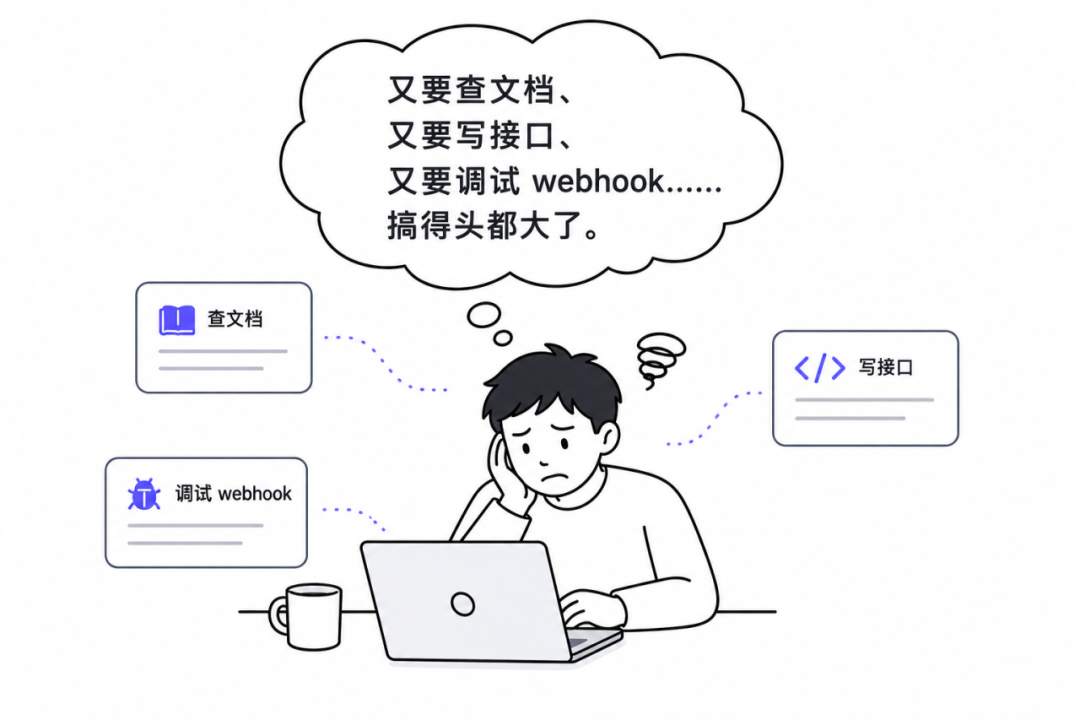
API支付接入,

为什么总是这么麻烦?

要查文档、写接口、又要调试webhook…对于很多开发者来说,支付接入一直是一件“高门槛”的事。

尤其是跨境交易和卡支付场景,任何一个细节遗漏,都可能导致交易失败、回调异常,甚至影响正式上线。

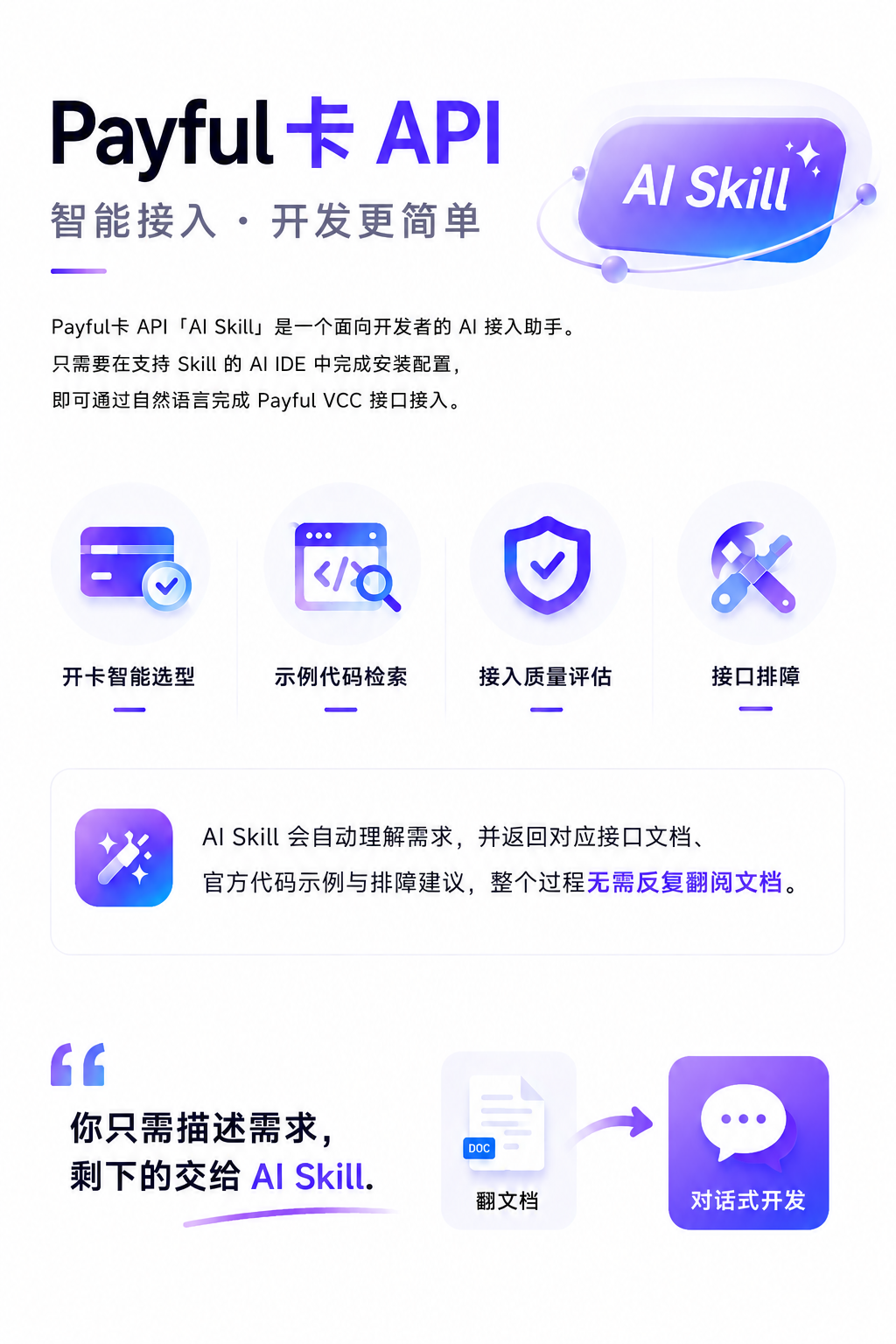
现在,Payful推出Payful卡API「AI Skill」:

关于Payful卡API

作为全球支付虚拟卡产品,Payful卡支持:

VISA/ MasterCard双卡组

10+ 主流币种

Payful账户余额直付

线上秒开卡

批量开卡

帮助企业更高效完成全球支付与资金管理。

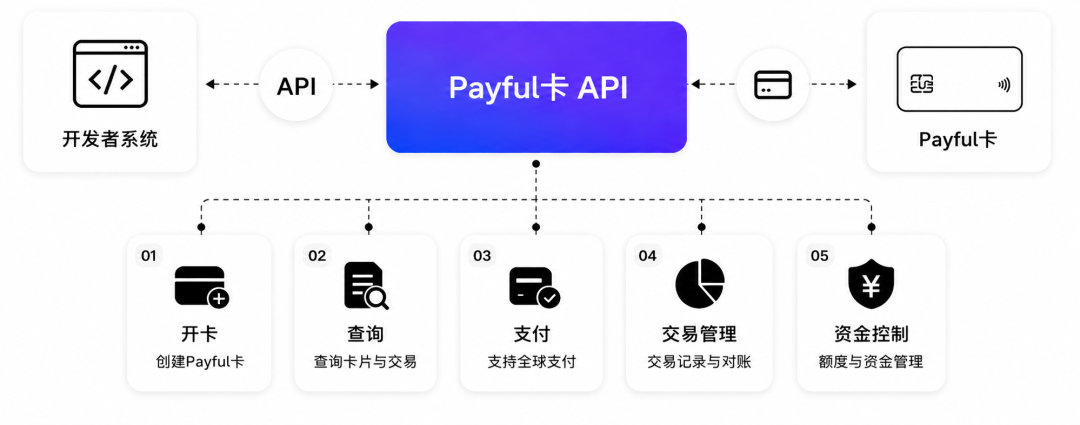
Payful卡API基于Payful卡能力开放,帮助开发者快速完成全球支付能力接入。

支持开发者通过API快速完成:开卡→查询→支付→交易管理→资金控制等能力接入。

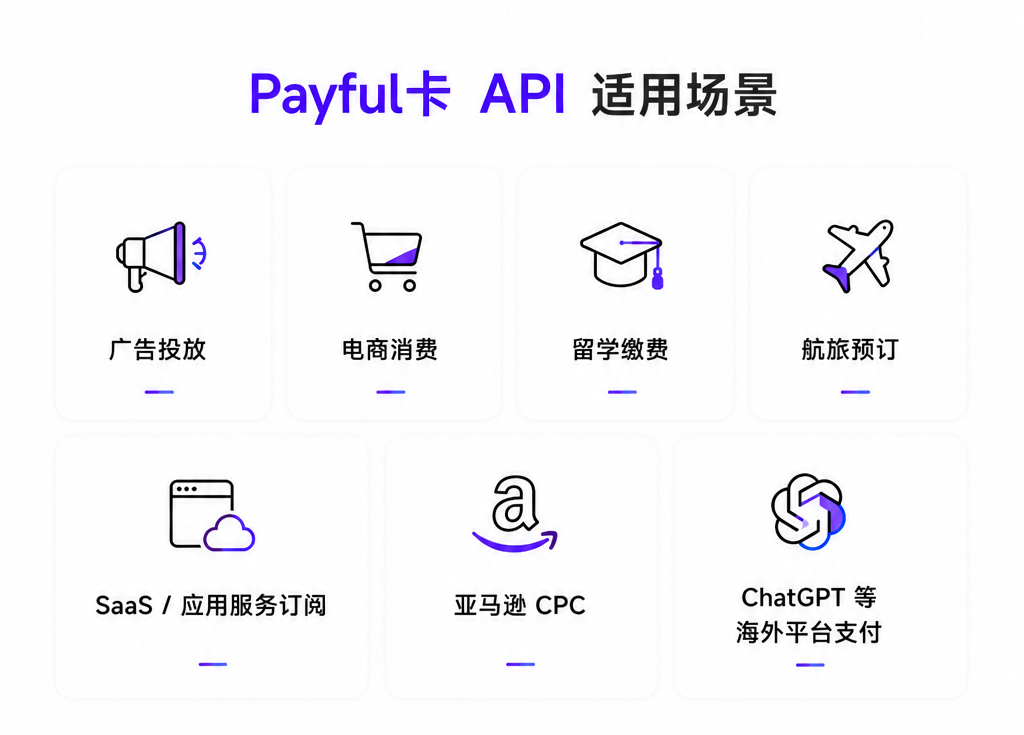
目前,Payful卡API已广泛应用于:广告投放、电商消费、留学缴费、航旅预订、SaaS/ 应用服务订阅等海外平台支付场景。

Payful卡API「AI Skill」核心能力

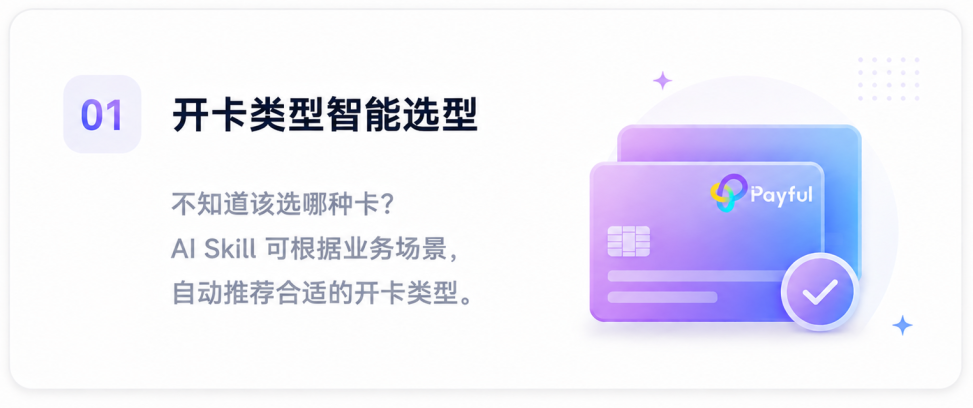
01. 开卡类型智能选型

很多开发者第一次接入Payful卡时,会不确定该用哪种开卡类型:

我到底应该使用哪种卡?

共享卡?常规卡?

不同场景如何选择?

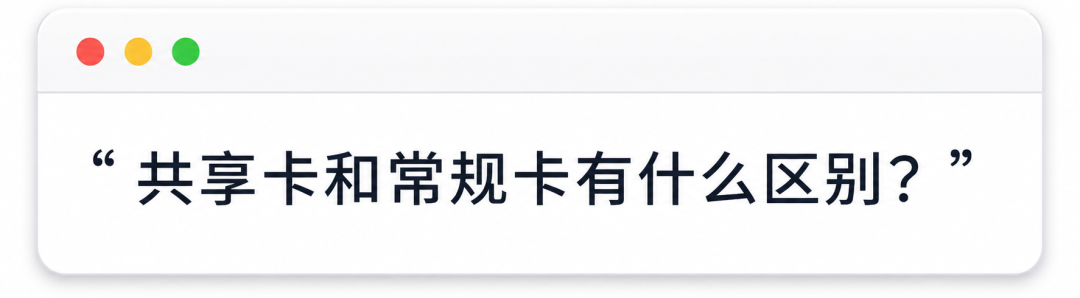
现在,你可以直接描述你的场景或直接询问区别。

示例提问:

💡AI Skill会直接给出类型对比与选型建议。

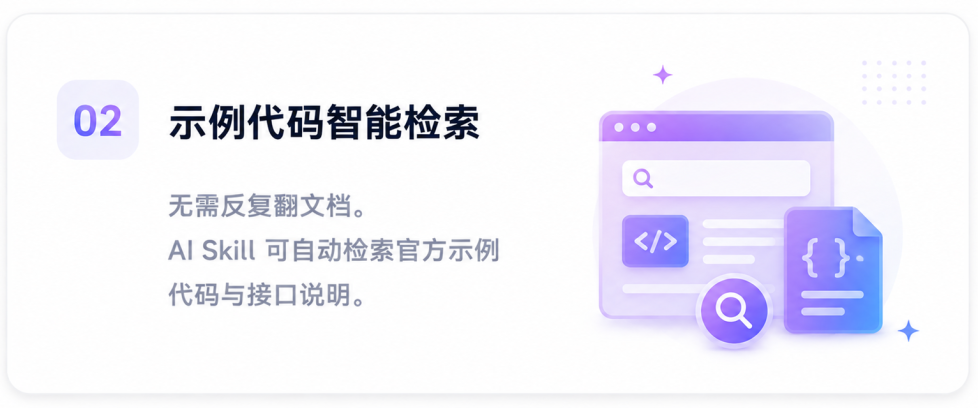
02. 示例代码智能检索

传统支付接口接入里,最耗时间的往往不是“写代码”,而是“找代码”。开发者需要反复翻文档、确认参数结构、检查签名逻辑,甚至还要自己拼接webhook处理流程。

现在,这一步可以直接交给AI Skill。

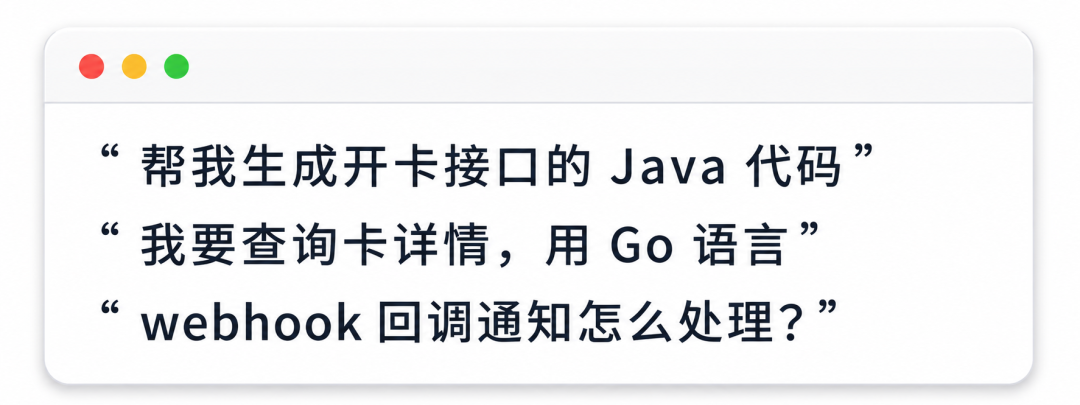
示例提问:

💡 开发者提出需求后,AI Skill会自动识别开发语言,并从官方代码仓库中检索对应接口。

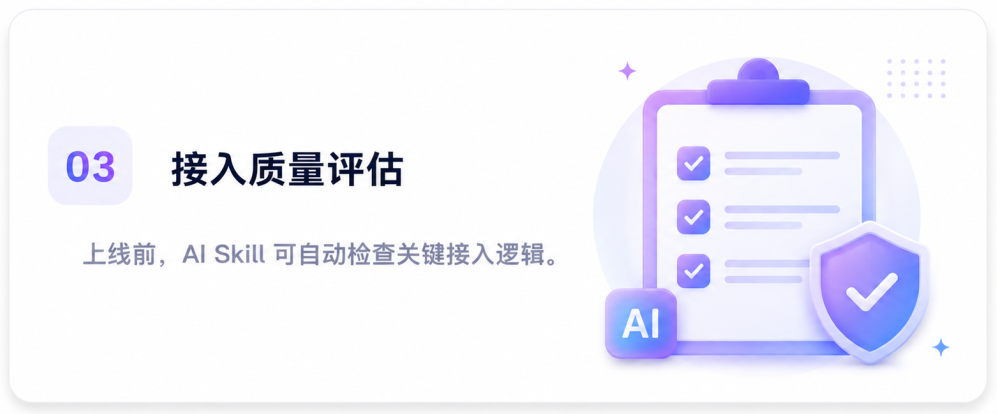
03. 接入质量评估

很多接口问题,并不会出现在开发阶段。而是在正式上线后,才因为签名异常、回调处理遗漏或状态同步问题暴露出来。

因此,Payful卡AI Skill还支持上线前质量评估。

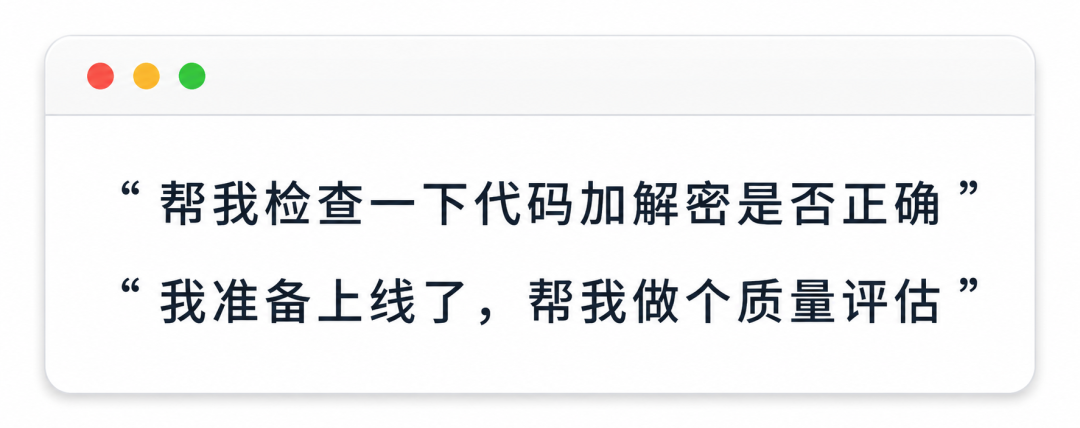
示例提问:

💡AI Skill会做一次全面检查,包括:加密/解密是否按标准实现、业务逻辑是否完整、回调处理是否规范。帮助开发者提前发现潜在风险,降低正式环境问题率。

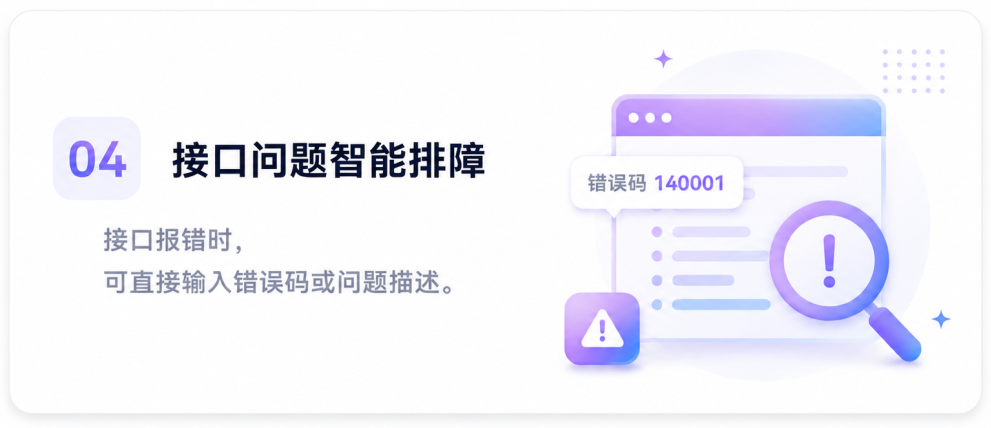
04. 接口问题智能排障

接口报错,往往是开发过程中最影响效率的环节。

尤其是跨境支付与虚拟卡场景中:错误码复杂、回调链路长、状态同步逻辑多,很多问题并不能快速定位。

现在,开发者只需要输入错误码或问题描述,AI Skill就会帮你解决问题。

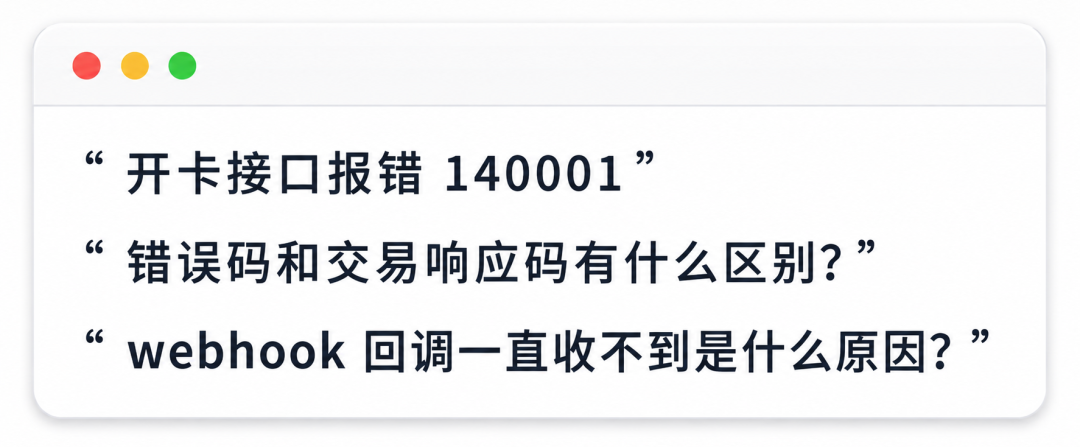
示例提问:

💡 AI Skill会自动匹配对应排查方案,并给出:

常见原因分析

修复建议

对应文档位置

后续优化建议

随着AI IDE与 Agent开发方式逐渐普及,支付接口接入也正在进入更智能的阶段。

Payful卡API「AI Skill」

让Payful卡API接入,

变得更简单、更高效。

注:文/龚作仁,文章来源:Laborer,本文为作者独立观点,不代表亿邦动力立场。

文章来源:Laborer

广告
微信
朋友圈

这么好看,分享一下?

朋友圈 分享

APP内打开

赞 +1
+1
微信好友 朋友圈 新浪微博 QQ空间
关闭
收藏成功
发送
/140 0