广告
加载中

乐其创新SmallRig:以“一件产品也做”为创新支点 撬动影像生态的全球大赛道

龚作仁 2026-05-28 18:04
龚作仁 2026/05/28 18:04

邦小白快读

EN
全文速览

这篇文章分享了出海品牌乐其创新SmallRig(斯莫格)的高价值出海经验,核心是坚持“一件产品也做”,通过用户共创撬动全球影像赛道增长,干货如下:

1. 可落地的用户共创实操方法:要打造五大支撑机制,包括公益化机制让小需求不被错过,社区化机制邀请用户做外部产品经理,柔性供应链实现21天内快速交付,组织化机制设立专门事业部并建立分润体系,搭配数字化系统并联全流程,把偶然创新变成稳定的“创新流水线”。

2. 深度全球化的实践方向:斯莫格海外营收占比85%,目前提出要走深度全球化路线,从区域再平衡、地区再深耕、平台再协同、创新全球化四个方向布局实现长效增长,目前已经推出近5000款产品,保持每天迭代2.5款新品的速度。

本文给想要出海的品牌商提供了高价值出海的完整实践路径,围绕产品研发、品牌全球化布局、消费趋势给出了可参考的干货,内容如下:

1. 产品研发端:不要将短期ROI作为筛选用户需求的唯一标准,很多被忽略的微小细分痛点,未来可能成长为大众刚需;要搭建系统化的用户共创机制,把用户共创从口号变成可落地的常态化创新能力,构建差异化的产品护城河。

2. 品牌全球化布局:当前粗放式铺货的全球化已经过时,品牌需要走深度全球化路线,做好四件事:布局多元新兴市场摆脱对单一市场的依赖,深耕不同区域的用户差异化需求,和全球化平台做好全链路协同降低履约成本,汇聚全球需求推动创新全球化反哺本地化。

3. 消费趋势提示:当前全球内容创作领域存在大量未被满足的个性化需求,是品牌差异化突围的好方向。

本文给出海卖家分享了乐其创新SmallRig的成功出海经验,对于想要转型高价值出海的卖家有很多可参考的干货,内容如下:

1. 机会提示:当前全球影像创作领域存在大量被行业忽略的细分个性化需求,只要能接住这类需求就能打造差异化竞争力,避开红海价格战,单一用户的定制需求也有可能成长为大众刚需品类。

2. 可学习的创新商业模式:不把短期ROI作为需求筛选的唯一标准,搭建公益化、社区化、柔性供应链、组织化加数字化的共创机制,实现常态化快速创新,可做到产品立项后21天内交付,维持每天2.5款新品的迭代速度。

3. 布局方向提示:粗放铺货的增长模式已经不适用当前环境,卖家要走深度全球化路线,避免过度依赖单一成熟市场,深耕本地用户需求,和平台做好全链路协同降低成本,构建综合组织能力才能实现长期增长。

本文给想要转型出海、对接品牌需求的中国工厂提供了很多值得参考的启示,围绕生产需求、商业机会、数字化转型给出了实践经验,干货如下:

1. 产品生产需求变化:当前全球市场越来越多规模化个性需求出现,传统大规模标准化生产已经不能适配新需求,工厂需要转型为“小批量、多批次、高频次、多品类、半定制”的快制造模式,才能跟上品牌创新的节奏。

2. 新商业机会挖掘:很多细分拍摄场景的微小痛点需求被主流品牌忽略,从单一用户的定制需求切入,未来有可能发展成一个大品类的刚需,工厂可以对接这类细分需求打开新的增长空间。

3. 数字化转型启示:工厂需要搭建对应的数字化系统,将用户需求洞察、研发进度和生产网络并联推进,才能适配高频次创新的节奏,同时要建立柔性化的生产能力,适配品牌用户共创、半定制的业务模式。

本文梳理了当前中国出海品牌行业的发展趋势、核心痛点,给出海服务商的业务方向提供了很多参考,干货如下:

1. 行业发展趋势:中国出海已经从早期粗放铺货的低价值增长阶段,进入到高价值品牌出海的新阶段,企业越来越关注长期增长和用户价值,对柔性供应链、用户运营、数字化系统、全球履约配套的需求大幅提升。

2. 客户核心痛点:大部分想要做用户共创的出海品牌,最难的痛点是供应链无法满足小批量快交付的个性化需求,其次是不知道如何把用户共创从理念落地为稳定的内部机制,此外深度全球化过程中,全链路履约成本过高也是普遍痛点。

3. 业务解决方案方向:服务商可以针对品牌需求,开发适配小批量快交付的柔性供应链服务,帮助品牌搭建用户共创社区与数字化创新管理系统,也可以围绕深度全球化需求,提供区域合规、全球履约等配套服务。

本文从出海品牌的发展需求出发,给全球化跨境平台的运营、招商、生态建设提供了新的方向,干货如下:

1. 品牌对平台的新需求:当前品牌走深度全球化路线,需要平台在全球分货、合规、履约、交付、仓储物流等全链路环节提供更高效率的协同支持,帮助降低创新产品出海的综合履约成本,同时需要平台打破地域语言壁垒,助力品牌汇聚全球不同区域的真实用户需求。

2. 平台招商与运营方向:平台可以重点引入斯莫格这类走高价值创新、用户共创路线的品牌,丰富平台的高价值品牌生态,同时可以举办创新论坛这类行业交流活动,汇聚行业经验赋能品牌成长,还要不断完善全链路基建,满足品牌深度全球化的协同需求。

3. 风向提示:粗放铺货的增长模式已经不可持续,平台需要引导生态向高质量高价值方向转型,才能维持长期的增长活力,规避行业增长见顶的风险。

本文呈现了当前中国跨境出海产业的最新动向,总结了高价值出海的新商业模式,提供了鲜活的企业实践样本,给产业研究带来很多干货,内容如下:

1. 产业新动向:中国跨境出海已经从早期的爆款铺货、低价走量模式,转向品牌化、高价值、深度全球化的新阶段,用户共创替代流量思维成为新的核心增长驱动范式,长期主义替代短期ROI思维成为行业新的共识。

2. 新商业模式总结:斯莫格打造的“用户共创创新流水线”模式,通过公益化、社区化、柔性供应链、组织化加数字化五大支撑,实现了个性化需求的规模化满足,打破了只有标准化规模化才能盈利的传统行业认知,走出了一条差异化的中国品牌出海路线。

3. 研究方向启示:本文的实践案例给产业研究提供了新的命题,后续研究可以重点关注用户共创机制的落地路径、柔性供应链适配个性化创新的方法、深度全球化的实施框架等,丰富中国品牌出海的研究成果。

返回默认

声明:快读内容全程由AI生成,请注意甄别信息。如您发现问题,请发送邮件至 run@ebrun.com 。

我是 品牌商 卖家 工厂 服务商 平台商 研究者 帮我再读一遍。

Quick Summary

This article shares high-value insights from the global expansion journey of Leqi Innovation’s D2C brand SmallRig. At the core of SmallRig’s success is its principle of "building every product, even for niche demand", driving growth in the global imaging equipment space through user co-creation. Key takeaways:

1. Actionable user co-creation framework: SmallRig has built five supporting mechanisms to turn ad-hoc innovation into a stable "innovation pipeline": a public-benefit-style mechanism that captures every small user demand, a community system that turns users into external product managers, a flexible supply chain that delivers new products within 21 days, a dedicated business unit with a profit-sharing structure, and a digital system that connects the entire end-to-end innovation process.

2. Deep globalization practice: With 85% of its revenue coming from overseas markets, SmallRig is pursuing a deep globalization strategy to drive long-term growth across four focus areas: regional rebalancing, localized market deepening, cross-platform collaboration, and globally distributed innovation. Today, the brand offers nearly 5,000 products, and maintains an iteration pace of 2.5 new products per day.

This article offers a complete, actionable framework for brands looking to expand globally, with practical insights on product development, global brand strategy, and emerging consumer trends:

1. Product development: Brands should not use short-term ROI as the sole filter for user demands. Many overlooked, niche pain points can evolve into mass-market needs over time. Building a systematic user co-creation mechanism turns this strategy from a buzzword into a sustained, embedded innovation capability, and creates a differentiated product moat.

2. Global brand strategy: The old era of low-cost mass distribution is over. Brands must shift to deep globalization, which requires four key steps: diversifying into emerging markets to reduce reliance on a single market, deepening understanding of differentiated user needs across regions, collaborating end-to-end with global platforms to cut fulfillment costs, and aggregating global demand to power innovation that feeds back into local markets.

3. Consumer trend insight: The global content creation space still has a large number of unmet personalized demands, which presents a clear opportunity for brands to stand out through differentiation.

This article shares the successful global expansion experience of Leqi Innovation’s SmallRig, offering valuable insights for sellers looking to transition to high-value global expansion:

1. Opportunity outlook: The global imaging and content creation space has no shortage of niche, personalized demands that are overlooked by the industry. Capturing these demands allows sellers to build differentiated competitiveness, avoid red ocean price wars, and even turn a single user’s custom demand into a mass-market product category.

2. Replicable innovative business model: By not relying solely on short-term ROI to filter demands, and building a co-creation system that combines a public-benefit demand capture mechanism, user community engagement, flexible supply chain, dedicated organization and digital infrastructure, SmallRig achieves sustained, rapid innovation: it delivers new products within 21 days of project approval, and maintains an iteration pace of 2.5 new products per day.

3. Strategic direction: The old growth model of mass distribution is no longer viable in the current market. Sellers need to adopt a deep globalization strategy: reduce over-reliance on a single mature market, deepen understanding of local user needs, collaborate end-to-end with platforms to cut costs, and build comprehensive organizational capabilities to achieve long-term growth.

This article offers valuable takeaways for Chinese factories looking to expand globally or serve brand clients, with practical lessons on production requirements, new business opportunities, and digital transformation:

1. Shifts in production demand: The global market is seeing growing demand for scaled personalized products, and traditional large-scale standardized production can no longer meet these new needs. Factories need to transition to a "fast manufacturing" model that supports small batches, multiple runs, high frequency, diverse product lines, and semi-customization, to keep up with the pace of brand innovation.

2. Unlocking new business opportunities: Many small pain points in niche filming scenarios are ignored by mainstream brands. Starting with custom demands from individual users can evolve into a large product category of mass-market needs, and factories that tap into these niche demands can open up new growth avenues.

3. Lessons for digital transformation: Factories need to build dedicated digital systems to align user demand insight, R&D progress, and production networks in parallel, to adapt to the pace of high-frequency innovation. They also need to build flexible production capabilities to support the user co-creation and semi-customization business models of brand partners.

This article outlines the latest development trends and core pain points of China’s cross-border brand ecosystem, offering guidance on service direction for global expansion service providers:

1. Industry trends: China’s cross-border expansion has shifted from the early low-value growth phase of mass distribution to a new phase of high-value brand building. Companies now prioritize long-term growth and user value, leading to surging demand for flexible supply chains, user operations, digital systems, and end-to-end global fulfillment support.

2. Core client pain points: For most cross-border brands pursuing user co-creation, the biggest challenge is that supply chains cannot meet the small-batch, fast-delivery requirement for personalized products. The second common pain point is turning the concept of user co-creation into a stable internal operating mechanism. Additionally, high end-to-end fulfillment costs are a widespread pain point during the deep globalization process.

3. Guidance for service development: Service providers can build targeted offerings aligned with brand needs: develop flexible supply chain services that support small-batch fast delivery, help brands build user co-creation communities and digital innovation management systems, and offer supporting services such as regional compliance and global fulfillment to meet deep globalization needs.

This article offers new direction for global cross-border platforms in operations, merchant recruitment, and ecosystem building, based on the actual needs of expanding cross-border brands:

1. Evolving brand needs: As brands pursue deep globalization, they need platforms to provide more efficient collaborative support across the entire end-to-end process: global inventory distribution, compliance, fulfillment, delivery, and warehousing logistics, to reduce the overall fulfillment cost of innovative products going global. Brands also need platforms to break down geographic and language barriers to help them aggregate authentic user demand from all regions around the world.

2. New direction for recruitment and operations: Platforms can prioritize recruiting high-value innovation-focused brands like SmallRig that follow a user co-creation path, to enrich their ecosystem of high-value brands. They can also host industry events such as innovation forums to share experience and empower brand growth, and continue improving end-to-end infrastructure to meet the collaborative needs of brands pursuing deep globalization.

3. Strategic insight: The mass distribution growth model is no longer sustainable. Platforms need to guide their ecosystem to transition toward high quality and high value to maintain long-term growth momentum and avoid the risk of industry growth stagnation.

This article presents the latest developments in China’s cross-border expansion industry, summarizes new business models for high-value global expansion, and offers a vivid case study of corporate practice for industry research:

1. New industry trends: China’s cross-border expansion has shifted from the early model of hit-product distribution and low-margin volume sales to a new phase of branding, high value, and deep globalization. User co-creation has replaced traffic-focused thinking as the core growth paradigm, and long-term thinking has replaced short-term ROI as the new industry consensus.

2. New business model summary: The "user co-creation innovation pipeline" model built by SmallRig, supported by five pillars: public-benefit demand capture, community engagement, flexible supply chain, dedicated organization, and digital infrastructure, enables scaled delivery to meet personalized demand. It upends the traditional industry assumption that only standardized large-scale production can be profitable, and charts a differentiated path for Chinese brands going global.

3. Implications for research direction: This case study opens up new research agendas for the industry. Future research can focus on the implementation path of user co-creation mechanisms, how flexible supply chains adapt to personalized innovation, and the implementation framework for deep globalization, to enrich research outcomes on Chinese brand global expansion.

Disclaimer: The "Quick Summary" content is entirely generated by AI. Please exercise discretion when interpreting the information. For issues or corrections, please email run@ebrun.com .

I am a Brand Seller Factory Service Provider Marketplace Seller Researcher Read it again.

“‘共创’最先不是一个商业方法,而是来自为用户创造价值的初心。”在日前举行的2026亚马逊创新领袖论坛上,乐其创新SmallRig联合创始人高海燕围绕用户驱动型创新分享的战略思考,为当前正在寻求破局的出海企业提供了一个全新的观察视角。在全球跨境贸易迈向高质量发展的周期,企业究竟该如何构建自身的核心护城河?乐其创新SmallRig给出的答案是:拒绝让短期的ROI成为需求被看见的唯一标准,坚持“一件产品也做”,去回应全球影像创作者最细微的呼唤。这一观点不仅为中国品牌“高价值出海”提供了全新视角,也引发了现场关于长期主义出海范式的深度思辨。

本次主题为“中国创新引领价值出海”的论坛由亚马逊全球开店在深圳主办。汇聚了亚马逊高层、行业专家及多位出海卖家代表,围绕跨境电商高质量发展、品牌全球化等前沿议题展开深入交流。

作为开创全球影像场景产品生态领域的企业,乐其创新SmallRig联合创始人高海燕受邀出席本次闭门会议。高海燕在现场发表了主题演讲并参与圆桌讨论,通过聚焦“共创驱动的高质量产品创新、全球化战略与供应链协同实践”分享了企业从“生而全球化”到“深度全球化”的战略演进,以及如何通过构建“共创机制”驱动长期增长、锚定用户价值的实践与思考。

乐其创新SmallRig联合创始人高海燕受邀出席亚马逊创新领袖论坛并进行中国品牌的创新进阶之路主题分享

机制胜过灵感:如何把“偶然”变成“创新流水线”

“用户不是没有需求,他是需求没有被满足或者被识别。”高海燕指出,当品牌敏锐地捕捉并识别出这些真实需求后,通过与用户深度共创,不仅能实现品牌与用户之间的价值连接,更将其转化为一种长期主义的战略选择。

“共创好说不好做,不能仅仅只有想法和愿景,还必须有机制。”高海燕介绍,乐其创新SmallRig的“共创”实践始于为用户“一件也做”的初心——从捕捉到海外用户因找不到合适配件用胶带将电池绑在摄影脚架上的微小痛点开始,并逐步构建起包含公益化、社区化、柔性供应链及组织化在内的核心机制:

公益化机制,让小需求有机会被看见: ROI不是需求被看见的唯一标准。当一个痛点被甄别出在市场上并不存在、但场景真实且确实有特定的价值,即便暂时看不清市场价值,SmallRig(斯莫格)也会尽力去解决。正如高海燕所说:“有时候,一个人的需求也可能是更多人的需求。”今天是一个人的特需(如为坐轮椅的德国摄影师定制拓展套件),明天随着某种拍摄场景的兴起,就可能演变成一类人的刚需。

社区化机制,把用户看作是“外部产品经理”: SmallRig(斯莫格)打造的社区并非推销、打折的营销渠道,而是一个纯粹的技术讨论场。在这个社区里,2万多名专业用户讨论产品想法、使用场景、解决方案,甚至直接把半成品的工业设计方案送到品牌面前,让创新触角直接延伸到了全球内容创作的最前线。

柔性供应链机制,满足“规模化的个性需求”: 个性化需求落地的最大难关在供应链。SmallRig(斯莫格)倒逼中后台供应链进化,形成了“小批量、多批次、高频次、多品类、半定制”的快制造模式。目前,SmallRig(斯莫格)能够实现产品立项后21天内交付,部分极端情况下可压缩至一周。

组织化机制,让“共创”持续发生: 内部设立专门的共创事业部,负责外部研发整合,形成了Co-Design(联名共创)、DreamRig(用户定制)、Co-Create(产业共创)等体系。并且在做了内外部创新拆分的同时建立了层层转化的流程机制。以及建立多方共赢的分润机制,让有创造性贡献的环节都能分享创新价值,从而确保共创动作能在企业内部持续、稳定地发生。

除了上述四个机制,SmallRig(斯莫格)还特别强调了数字化机制。通过数字化系统,将用户洞察、研发进度与柔性供应链网络并联推进,确保创新不会因为规模扩大而卡壳。

正是在这套数字化与四大机制的并联驱动下,SmallRig(斯莫格)至今已向全球市场投放了近5000个产品,并保持着每天迭代创新2.5款产品的惊人速度。回看其成长路径,高海燕坦言:“当一根胶带把我们跩进了这个行业……这尽管是一个偶然,但是只有深耕价值和建设能力才能把偶然变成必然。”

高价值创新如何实现“深度全球化”

在论坛的圆桌讨论环节,亚马逊全球开店副总裁邱胜、亚马逊全球开店战略卖家管理团队总监龚恩泽、千岸科技创始人&CEO何定等嘉宾,围绕“高价值创新产品如何在全球化的格局下加速发展”展开深入对话。讨论涵盖了从识别瓶颈、寻求资源、压力测试,到经验复盘与下一步方向的战略校准全流程。

2026亚马逊创新领袖论坛:“高价值创新产品如何在全球化的格局下加速发展”圆桌论坛

高海燕结合乐其创新SmallRig的实践,分享了企业在不同发展阶段所做出的关键决策,以及对产品创新护城河的审慎评估。他强调,用户共创不仅是产品创新的源泉,也是品牌在全球市场持续保持韧性的核心机制之一。

然而,当用户共创机制高效跑起来之后,企业随之迎来下一个更宏大的商业命题:如何让这些从真实场景里长出来的个性化产品,在全球市场释放出更大的长效价值?

作为一个海外营收份额占比85%、第一个产品便卖向海外的品牌,SmallRig(斯莫格)自创立之初便带有“生而全球化”的基因。在当前的国际贸易环境下,全球化早已不再是“把一个爆款平铺上架到更多站点”的粗放代名词。SmallRig(斯莫格)如今更关注的是“深度全球化”——不仅要卖过去,还要真正扎下去,让产品、运营和品牌在全球不同的土壤里拥有生命力。

基于此,高海燕在现场提炼了SmallRig(斯莫格)迈向下一阶段全球化长效增长的四个核心关键词:区域再平衡: 告别对单一成熟市场的过度依赖,在更多新兴和多元区域寻找结构性增长机会;地区再深耕: 深刻理解不同国家创作者(如手机直播生态与专业电影机生态)的差异化习惯,让产品定义、品类备货与内容表达更贴近当地用户的文化场景;平台再协同:在全球分货、合规、履约、交付及仓储物流等全链路环节,与全球化平台实现更高效率的协同,用底层基建的咬合降低创新产品走向世界的综合履约成本;创新和品牌全球化: 打破地域与语言界限,让全球不同语境下的真实痛点在同一个平台上汇聚,从而推动创新全球化,反哺本地化。

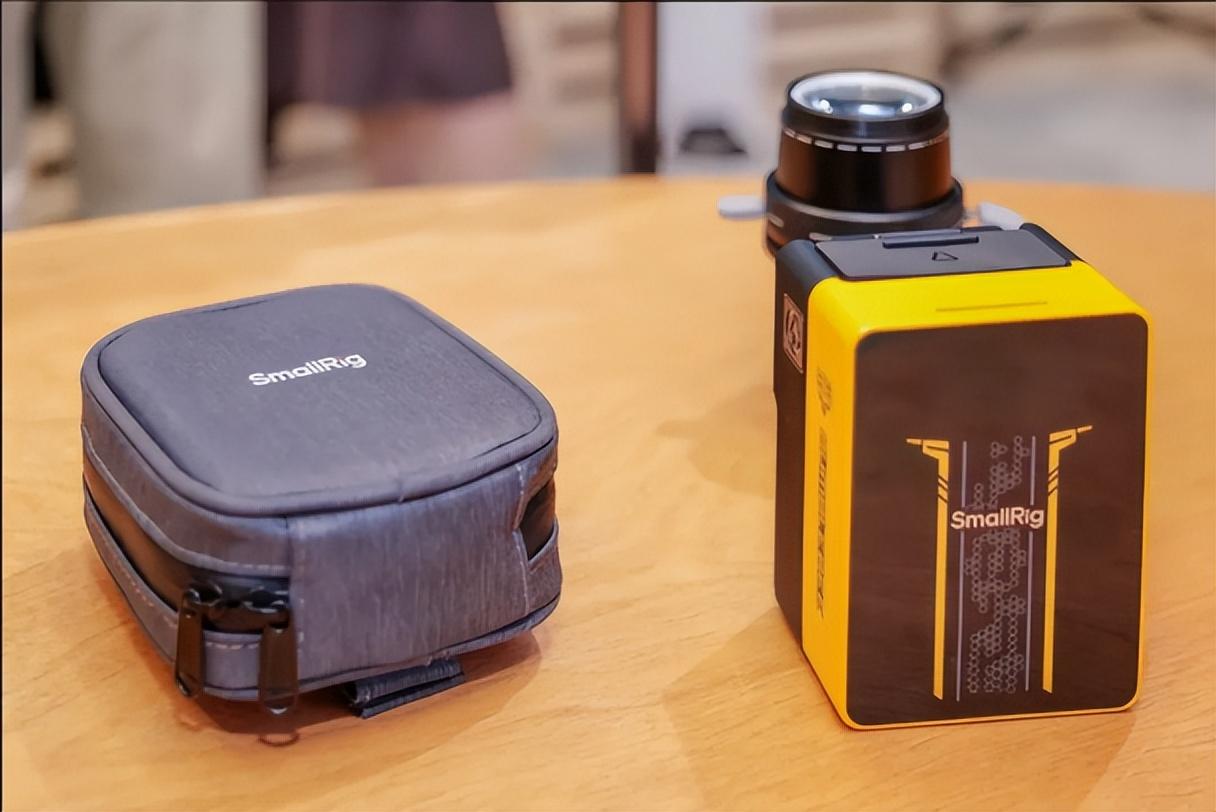
SmallRig(斯莫格)产品在亚马逊“艾拉小屋”展示

高价值出海不是一个单点动作,而是一套综合组织能力

SmallRig(斯莫格)从一根胶带里长出全球生意的商业实践,给当前正在寻求转型升级的中国出海企业带来了一个深刻的启示:高价值出海不是一个单点动作,而是一套综合组织能力。

听见用户“真需求”是起点,做出产品是及格线,而建立一套让用户、企业、产业、供应链共同进化的生态机制,才是真正竞争力。

正如高海燕在论坛结语中所延伸的理念:“共创是起点,共创也是发展;共创不是一时,共创是一世。”在各行各业都在追求标准化、规模化的时代,谁能率先俯下身子,用严密的组织机制去接住那些被行业忽略的、具体而微的真实痛点,谁就拿到了通往高价值品牌出海的入场券。

注:文/龚作仁,文章来源:Laborer,本文为作者独立观点,不代表亿邦动力立场。

文章来源:Laborer

广告
微信
朋友圈

FAQ回顾

SmallRig(斯莫格)如何通过“一件产品也做”来驱动创新?

SmallRig通过建立“公益化机制”,不单纯以ROI为标准,主动识别并满足用户微小但真实的痛点(如为特殊摄影师定制配件),将个人特需视为潜在市场刚需,从而驱动产品创新。

SmallRig的“共创机制”具体包含哪些核心部分?

包含四大核心机制:1. 公益化机制,让小需求被看见;2. 社区化机制,将用户视为“外部产品经理”;3. 柔性供应链机制,实现小批量、多批次快速生产;4. 组织化机制,设立共创事业部并建立分润机制,确保创新持续。

SmallRig提出的“深度全球化”战略包含哪些关键要素?

包含四个核心关键词:区域再平衡(拓展新兴市场)、地区再深耕(理解本地用户习惯)、平台再协同(与全球平台高效协同物流履约)、创新和品牌全球化(汇聚全球痛点推动创新)。

这么好看,分享一下?

朋友圈 分享

APP内打开

赞 +1
+1
微信好友 朋友圈 新浪微博 QQ空间
关闭
收藏成功
发送
/140 0