广告
加载中

短途出行机器人QUORRA X5出海欧美

亿邦动力 2026-05-19 14:14
亿邦动力 2026/05/19 14:14

邦小白快读

EN
全文速览

本文披露了国产短途出行机器人QUORRA X5出海欧美的最新行业动态,核心干货信息如下:

1. 产品层面:该产品定位解决3公里生活服务场景短途出行问题,技术上可通过生成式场景重建预测三维环境交互,实现自主决策修正路线,已经完成-35℃极寒测试,以车规级安全标准打造,具备面向全球批量交付的能力。

2. 企业布局层面:该产品由北京正奇未来智能打造,企业已在国内外多个核心城市布局,形成研发、营销、生产、销售完整闭环,计划覆盖国内20+城市同时辐射欧美,和全球多地种子用户共创产品,以用户需求驱动迭代。

3. 团队与资本层面:创始人吴书林曾任百度智能驾驶业务副总裁、华为业务总经理,资方包括鼎晖投资、线性资本等顶级财务资方,还有宁德时代系为代表的头部产业资本。

本文对布局智能出行领域的出海品牌有较高参考价值,核心干货总结如下:

1. 品牌全球化布局策略:该品牌选择首个产品量产即开启全球化,优先完成欧美核心国家城市的销售策略部署,定位向全球输出3公里生活出行服务基础设施解决方案,兼顾国内市场布局同步辐射欧美,这种切入全球市场的打法值得品牌参考。

2. 产品研发与市场适配:品牌围绕用户需求做产品,和全球多个城市种子用户共创体验迭代产品,针对3公里出行痛点打磨复杂环境全域处理技术,严格对标车规级安全标准,提前完成极端环境测试,具备批量交付能力适配全球化订单需求,贴合全球智能短途出行的消费新趋势。

3. 资源整合思路:品牌核心团队来自头部科技企业,同时引入顶级财务资本加头部车圈产业资本,支撑全产业链闭环布局,为品牌全球化打下基础。

这款短途出行机器人出海项目,给做出海品类的卖家带来了新的合作机会和模式参考,核心干货如下:

1. 市场机会:智能短途出行机器人是当前出海赛道的增长品类,欧美市场对3公里生活服务出行有明确需求,该产品已经完成欧美核心区域的销售策略部署,首批规模化订单已经启动,具备成熟的批量交付能力,有大量的合作对接空间。

2. 产品优势:产品技术成熟,通过了-35℃极寒环境测试,可以适配欧美高纬度区域的使用要求,车规级安全标准符合当地市场准入要求,项目有头部科技团队背景和顶级资本背书,市场接受度更高。

3. 模式参考:该品牌采用和当地种子用户共创,以用户需求驱动产品迭代的模式,卖家可以参考这种打法,快速适配海外本地市场的需求,降低新品出海的试错成本。

这款短途出行机器人出海项目,给智能出行相关生产工厂带来了新的商业机会和发展启示,核心干货如下:

1. 产品生产与设计需求:当前全球市场对3公里短途智能出行产品有明确需求,产品要求满足复杂场景自主决策、极端环境适配、车规级安全等硬性标准,产品设计研发需要紧扣3公里短途生活服务场景的实际痛点,不能脱离用户需求。

2. 商业合作机会:该项目已经启动规模化量产,面向欧美市场的首批订单已经部署,全球化布局已经落地核心区域,对稳定、高品质的产能配套有明确需求,国内相关工厂可以对接获取合作机会。

3. 发展启示:工厂可以参考该项目的思路,在量产阶段同步布局全球市场,主动对接头部研发团队和产业资本,推进自身的数字化智能化升级,紧贴全球用户需求调整生产设计。

本文为智能出行出海领域的相关服务商展示了行业新趋势和潜在机会,核心干货如下:

1. 行业发展新趋势:国产智能短途出行机器人已经从概念阶段进入量产出海阶段,3公里生活出行服务场景的全球化需求正在持续释放,国产智能出行产品批量出海成为产业新动向,相关服务商可以提前布局这个新赛道。

2. 出海品牌的核心痛点:智能出行出海品牌需要完成全球多区域研产销全链条布局,需要适配不同区域的环境标准、安全规范,还需要链接本地种子用户完成产品验证和迭代,这一系列需求对服务商的配套服务提出了新要求。

3. 服务商的潜在机会:服务商可以围绕出海智能出行品牌的需求,开发针对性的配套服务,比如海外渠道落地、本地用户测试运营、供应链配套对接、合规服务等,对接品牌方的全球化布局需求,拓展自身客户群体。

这款短途出行机器人出海的布局,给做出海业务的平台商带来了新的招商和运营方向,核心干货如下:

1. 品牌方对平台的核心需求:智能出行出海品牌对全球化销售渠道布局有明确需求,该品牌已经完成欧美核心区域的销售策略部署,需要平台对接本地流量、用户资源,帮助品牌完成种子用户测试和市场落地。

2. 平台招商机会:该项目背景实力突出,核心团队来自百度、华为等头部科技企业,有顶级财务资本和宁德时代系头部产业资本背书,产品已经完成测试具备批量交付能力,属于优质的智能科技出海项目,平台可以引入这类项目丰富自身的品类结构,打造差异化招商优势。

3. 平台运营优化方向:平台可以针对智能科技出海产品,优化配套运营服务,帮助品牌对接本地种子用户支持产品共创迭代,同时完善合规管控体系,帮助品牌满足欧美市场的安全标准要求,降低出海合规风险。

本文披露了国产智能短途出行机器人出海的全新案例,为产业研究提供了新的样本,核心干货如下:

1. 产业新动向:国产智能短途出行机器人已经完成技术验证进入量产出海阶段,打破了此前智能出行机器人只停留在概念测试阶段的印象,该项目选择首个量产产品就开启全球化布局,瞄准全球3公里短途出行服务场景,开辟了国产智能硬件出海的新赛道。

2. 创新商业模式:该项目采用全球跨区域布局+本地种子用户共创产品的模式,早早打通研发、营销、生产、销售完整业务闭环,同时创新资本结构,整合顶级财务投资机构和头部车圈产业资本,背靠来自头部科技企业的核心团队,支撑全球化落地。

3. 研究方向参考:该项目引出了多个值得研究的新问题,比如国产智能服务机器人如何切入成熟海外市场,如何在量产阶段就搭建全球化运营体系,新的出行范式如何重构本地生活服务,这类新动向为智能出行产业全球化研究提供了全新的样本。

返回默认

声明:快读内容全程由AI生成,请注意甄别信息。如您发现问题,请发送邮件至 run@ebrun.com 。

我是 品牌商 卖家 工厂 服务商 平台商 研究者 帮我再读一遍。

Quick Summary

This article covers the latest industry update: Chinese-built short-distance mobility robot QUORRA X5 is expanding into European and North American markets. Key takeaways are as follows:

1. Product: The robot is positioned to solve short-distance travel needs within 3-kilometer daily life service scenarios. Technically, it leverages generative scene reconstruction to predict 3D environmental interactions and enable autonomous route adjustment. It has passed extreme cold testing at -35°C, built to automotive-grade safety standards, and is ready for mass global delivery.

2. Corporate footprint: Developed by Beijing Zhengqi Future Intelligence, the company has established offices in multiple core cities across China and abroad, building a full closed loop of R&D, marketing, production and sales. It plans to cover more than 20 domestic cities while expanding to Europe and North America, co-creating the product with seed users around the world to drive user-centric iteration.

3. Team and capital: Founder Wu Shulin previously served as Vice President of Baidu's Intelligent Driving Business and General Manager of a Huawei business unit. Backers include top financial investors such as CDH Investments and Linear Capital, as well as leading industrial capital represented by the CATL ecosystem.

This article offers valuable insights for smart mobility brands pursuing global expansion. Key takeaways are as follows:

1. Global brand strategy: This brand launched its first mass-produced product with an immediate global push, prioritizing sales deployment in core European and North American cities. It positions itself as a global provider of 3-kilometer daily mobility infrastructure solutions, balancing domestic market expansion with simultaneous outreach to Europe and North America. This go-to-global approach is a useful reference for other brands.

2. Product R&D and market adaptation: The brand builds its product around user needs, co-creating and iterating with seed users across multiple global cities. It has refined full-coverage complex-environment processing technology to address pain points of 3-kilometer travel, meets strict automotive-grade safety standards, completed extreme environment testing ahead of schedule, and supports mass delivery to meet global order demands, aligning with the new global consumer trend for smart short-distance mobility.

3. Resource integration: The brand's core team hails from leading tech companies, and it has brought together top-tier financial capital and leading automotive industrial capital to support its full industrial chain closed-loop layout, laying a solid foundation for global expansion.

This overseas expansion project of a short-distance mobility robot brings new collaboration opportunities and strategic references for cross-border sellers. Key insights are as follows:

1. Market opportunity: Smart short-distance mobility robots are a fast-growing category in the current cross-border track, with clear demand for 3-kilometer daily mobility services in European and North American markets. This product has completed sales strategy deployment in core European and North American regions, with the first batch of large-scale orders already launched and mature mass delivery capabilities, leaving abundant room for collaboration.

2. Product advantages: The product features mature technology, has passed -35°C extreme cold testing to meet the use requirements of high-latitude regions in Europe and North America, and its automotive-grade safety standards comply with local market access requirements. Backed by a leading tech team and top-tier capital, the product is poised for higher market acceptance.

3. Strategic reference: The brand adopts a model of co-creation with local seed users, driving product iteration based on user needs. Sellers can adopt this approach to quickly adapt to local overseas market demands and reduce trial-and-error costs for new product expansion.

This overseas expansion project of a short-distance mobility robot brings new business opportunities and development insights for smart mobility-related manufacturing factories. Key takeaways are as follows:

1. Product manufacturing and design requirements: The global market now has clear demand for 3-kilometer short-distance smart mobility products, which require meeting hard standards including autonomous decision-making in complex scenarios, extreme environment adaptation, and automotive-grade safety. Product design and R&D must focus on the actual pain points of 3-kilometer short-distance daily service scenarios, rather than deviating from user needs.

2. Business collaboration opportunities: This project has launched large-scale mass production, with the first batch of orders for the European and North American markets already arranged and global布局 settled in core regions. It has clear demand for stable, high-quality production capacity supporting, so relevant domestic factories can connect to access cooperation opportunities.

3. Development insights: Factories can learn from this project's approach by rolling out global布局同步 with mass production, proactively partnering with leading R&D teams and industrial capital, advancing their own digital and intelligent upgrades, and adjusting production and design based on global user demands.

This article outlines new industry trends and potential opportunities for service providers in the smart mobility cross-border space. Key insights are as follows:

1. New industry trends: Chinese-built smart short-distance mobility robots have moved beyond the conceptual phase to mass production and global expansion. Global demand for 3-kilometer daily mobility service scenarios continues to grow, and mass overseas expansion of Chinese smart mobility products has emerged as a new industry trend. Relevant service providers can布局 this new track in advance.

2. Core pain points for cross-border brands: Smart mobility brands expanding overseas need to build a full R&D, production and sales chain across multiple global regions, adapt to different regional environmental and safety regulations, and connect with local seed users for product validation and iteration. This set of demands raises new requirements for supporting services from providers.

3. Potential opportunities for service providers: Service providers can develop targeted supporting services to meet the needs of cross-border smart mobility brands, such as overseas channel launch, local user testing and operation, supply chain matching and connection, and compliance services. They can align with brands' global expansion needs to expand their own customer base.

The global expansion of this short-distance mobility robot brings new sourcing and operation directions for cross-border marketplace operators. Key insights are as follows:

1. Core brand demands for marketplaces: Smart mobility brands expanding overseas have clear demand for global sales channel layout. This brand has completed sales strategy deployment in core European and North American regions, and needs marketplaces to connect it with local traffic and user resources to support seed user testing and market launch.

2. Sourcing opportunities: This project has outstanding backing: its core team comes from leading tech companies including Baidu and Huawei, it is backed by top financial capital and leading industrial capital from the CATL ecosystem, and the product has completed testing and is ready for mass delivery. As a high-quality smart tech cross-border project, it can be introduced by marketplaces to enrich their category mix and build differentiated sourcing advantages.

3. Directions for operation optimization: Marketplaces can optimize supporting operation services specifically for cross-border smart tech products, helping brands connect with local seed users to support co-creation and iteration, while improving compliance management systems to help brands meet European and North American safety standards and reduce cross-border compliance risks.

This article presents a new case of Chinese smart short-distance mobility robot expansion, offering a fresh sample for industry research. Key takeaways are as follows:

1. New industry trend: Chinese smart short-distance mobility robots have completed technical validation and entered the phase of mass production and global expansion, breaking the perception that smart mobility robots remain stuck in conceptual testing. This project launched global expansion with its very first mass-produced product, targeting the global 3-kilometer short-distance mobility service scenario and opening up a new track for Chinese smart hardware expansion overseas.

2. Innovative business model: The project adopts a model of global cross-regional layout + local seed user co-creation, and has built a full closed loop of R&D, marketing, production and sales from an early stage. It also features an innovative capital structure that integrates top financial investors and leading automotive industrial capital, paired with a core team from leading tech companies, to support global execution.

3. References for research directions: This project raises multiple new questions worth exploring, including how Chinese smart service robots can enter mature overseas markets, how to build a global operation system at the mass production stage, and how new mobility paradigms will reshape local daily life services. These new developments offer a fresh sample for research on the globalization of the smart mobility industry.

Disclaimer: The "Quick Summary" content is entirely generated by AI. Please exercise discretion when interpreting the information. For issues or corrections, please email run@ebrun.com .

I am a Brand Seller Factory Service Provider Marketplace Seller Researcher Read it again.

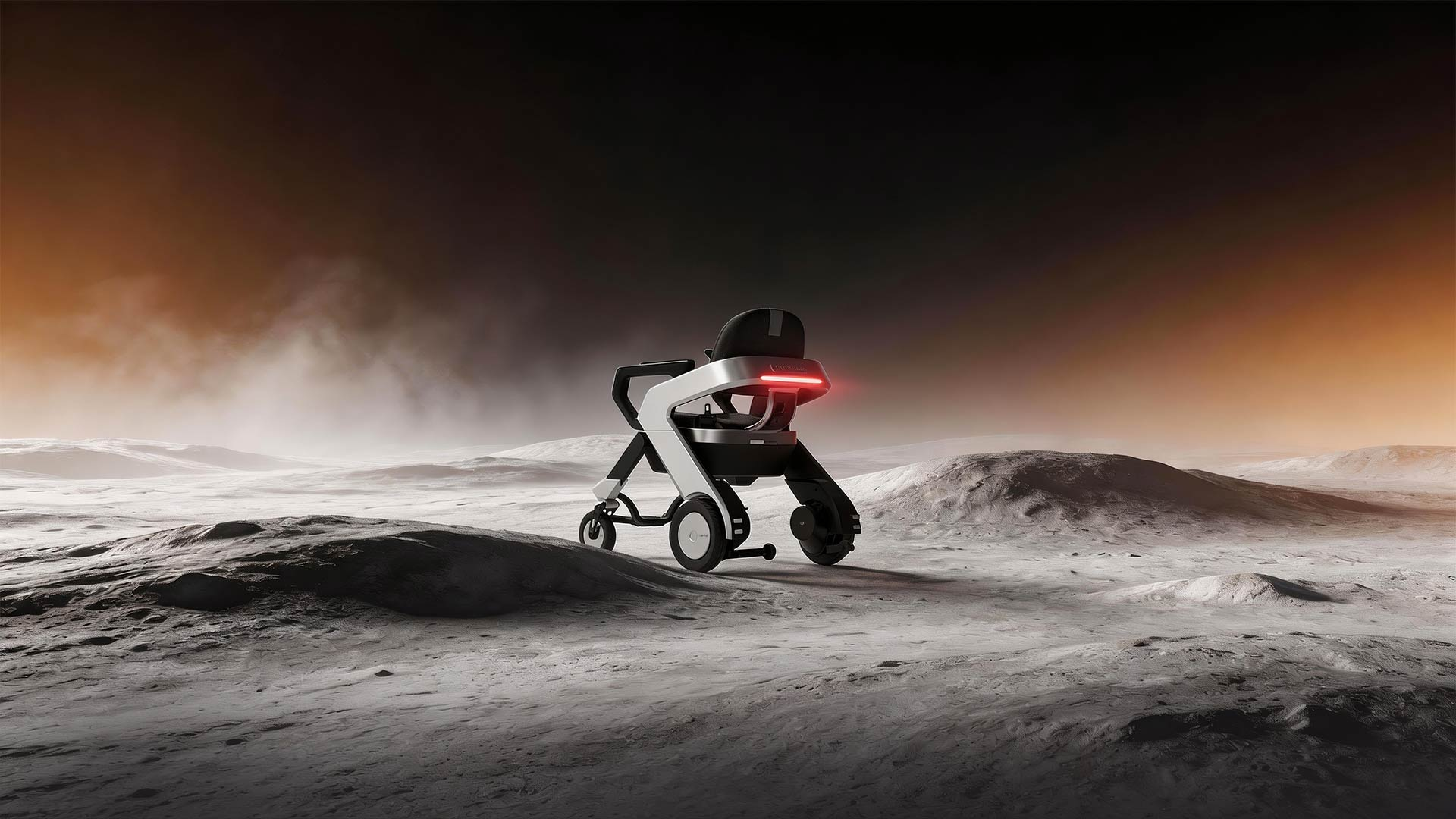
【亿邦原创】亿邦动力获悉,短途出行机器人QUORRA X5已完成欧美核心国家、城市销售策略部署,首批规模化订单剑指海外,首个产品量产即开启全球化布局。QUORRA品牌旗下系列产品正在向全球输出附近3公里空间生活服务基础设施解决方案。

据悉,该品牌的产研团队致力于打造具备感知、决策、执行、服务的全链条闭环载人产品,重构短途随身出行范式,重点解决对附近3公里空间生活服务场景的复杂出行环境全域泛化处理与自主决策能力。其系统可基于生成式场景重建,提前推演预测三维空间环境交互预期,自主决策并持续修正执行。产品已于去年在海拉尔完成 -35℃极寒环境测试。产品以车规级安全标准重构短途出行体验,具备面向欧美乃至全球市场批量交付的能力。

短途出行机器人QUORRA X5由北京正奇未来智能科技有限公司打造,据悉,该公司已在北京、上海、深圳、苏州、美国、德国多地核心布局,形成“研发+营销+生产+销售”完整业务闭环。市场将覆盖全国20+城市,并辐射欧洲、北美,且与全球多个城市的种子用户共创体验,以用户需求驱动产品迭代。

其创始人吴书林曾任百度智能驾驶业务副总裁、华为业务总经理,资方主要为鼎晖投资、线性资本等顶级财务投资机构,以及以宁德时代系为代表的一系列头部车圈产业资本。

文章来源:亿邦动力

广告
微信
朋友圈

这么好看,分享一下?

朋友圈 分享

APP内打开

+1
+1
微信好友 朋友圈 新浪微博 QQ空间
关闭
收藏成功
发送
/140 0