广告
加载中

万华化学:构建采购智慧大脑PIB,AI大模型引领核价革命

亿邦智库 2026-10-28 10:00
亿邦智库 2026/10/28 10:00

邦小白快读

EN
全文速览

总1:文章核心干货是万华化学用PIB采购智慧大脑和AI大模型改造采购核价与供应商协同。

1.平台集成全球市场情报、内部历史交易、生产成本模型和外部宏观指数,形成多维数据底座;AI可解析大量非标报价单,结合原材料、汇率、能源成本智能核价,效率较人工提升300%以上。

2.数据治理完成商品治理3万个以上,沉淀标准商品5000余个,拦截超价商品5000余件,识别价格异常795件,价格异常拦截率100%,审核效率提升40%,场景决策覆盖率90%。

总2:采购体系和数智化推进路径也给出可操作信息。

1.供应商管理覆盖注册准入、绩效画像、风险预警,关键原料有多源供应模拟仿真。

2.需求提报统一平台使需求及变更100%可追溯,沟通协同效率提高80%,试点工厂供应链计划敏捷度提升60%。

3.战略分2019至2022标准化自动化、2023至2025数字化智能化两阶段推进。

总1:文章对品牌商的价值集中在采购数字化支撑成本、价格竞争力与供应链稳定。

1.AI核价结合原材料走势、汇率变动、能源成本等因子分析成本构成,提升核价效率300%以上,并识别异常报价,为价格谈判提供数据支撑。

2.平台拦截超价商品5000余件,价格异常拦截率100%,有助于控制采购成本、维护价格竞争力。

总2:供应商与质量管理数字化可支撑产品供应和全球竞争。

1.供应商全生命周期管理含资质自动核验、绩效动态画像、风险预警,关键原料多源供应模拟仿真保障生产基地连续稳定。

2.数智化与质量管理融合,产业链端到端流程贯通,实现上下游信息协同,赋能质量和效率双提升。

3.2026年以提质增效为主题,加快AI赋能生产与管理升级。文中未直接涉及消费趋势和用户行为,品牌商可重点借鉴成本、供应稳定与效率提升。

总1:文章提供的机会在于学习AI核价与供应商风险管理,并提示采购环境中的价格与供应风险。

1.痛点包括大宗商品价格波动剧烈、化工原料规格繁多、全球寻源难度大;平台用AI识别异常报价,价格异常拦截率100%。

2.关键原料建立多源供应模拟仿真系统,可在突发状况下推荐替代方案,保障全球生产基地连续稳定运行。

总2:合作方式和可学习模式较明确。

1.万华与阿里巴巴签署云采购平台项目合作共建协议,提出采购全过程线上化、建立采购生态体系。

2.生态圈协作平台通过云采、电商、物流等项目与生态伙伴集成,覆盖客户、供应商、承运商、海关、保险、税局、银行等广义客户。

3.可学习点是采购智慧大脑、AI大模型核价、商品治理和供应商千人千面管理;文中未提扶持政策。

总1:文章对工厂的启示主要在物料标准化、生产协同和数字化推进。

1.平台以物料类目识别、物料属性识别、商品类目识别、商品属性识别、规则识别等采购垂直领域AI大模型为内核,覆盖物料申请审批、采购执行对账、商品上架选购、开标定标等流程,有利于生产物料和采购物料标准化。

2.关键原料有多源供应模拟仿真,突发状况下推荐替代方案,保障生产基地连续稳定运行。

总2:生产和数字化实践给出参考。

1.生产领域构建线上供应链计划协同平台,试点工厂供应链计划敏捷度提升60%;需求提报统一平台使需求及变更100%可追溯,沟通协同效率提高80%。

2.质量管理与5G、人工智能、大数据、物联网融合,产业链端到端流程贯通。

3.数字化路径从SAP的ERP与SRM,到与阿里共建云采购平台,再到AI智能化PIB,强调API串联业务应用、能力中心与功能中心。

总1:文章呈现的行业趋势是从信息化、云化走向AI智能化,采购平台成为决策智能中枢。

1.新技术包括采购垂直领域AI大模型、API串联业务应用能力中心与功能中心、多维数据底座、数字孪生、时序大模型、智能巡检和设备预防维护。

2.客户痛点是大宗商品价格波动、化工原料规格繁多、全球寻源难、非标报价单解析难、异常报价识别难。

总2:解决方案可拆为核价、治理、协同三层。

1.AI引擎自动解析非标报价单,结合原材料走势、汇率、能源成本智能核价与成本构成分析,效率较人工提升300%以上。

2.数据治理沉淀标准商品、拦截超价商品、识别价格异常,审核效率提升40%,场景决策覆盖率90%。

3.供应商全生命周期管理、多源供应模拟仿真、云采电商物流生态集成,支撑全球采购协同。

总1:文章对平台商的干货是采购平台如何以数据和AI提升运营管理与风险规避。

1.平台集成全球市场情报、内部历史交易数据、生产成本模型和外部宏观指数,形成多维数据底座;AI大模型作为内核,通过API串联业务应用、能力中心与功能中心,覆盖物料申请审批、采购执行对账、商品上架选购、开标定标全流程。

2.数据治理完成商品治理3万个以上,沉淀标准商品5000余个,拦截超价商品5000余件,识别价格异常795件,价格异常拦截率100%,审核效率提升40%,场景决策覆盖率90%。

总2:供应商运营和生态协同做法可借鉴。

1.供应商注册准入资质自动核验、绩效动态画像、风险预警,实现千人千面管理;关键原料多源供应模拟仿真。

2.生态圈协作平台通过云采、电商、物流集成,覆盖客户、供应商、承运商、海关、保险、税局、银行等广义客户。

3.需求提报统一平台使需求及变更100%可追溯,沟通协同效率提高80%。

总1:文章提供化工新材料龙头采购数智化的产业新动向。

1.万华从2008年基于SAP建设ERP与SRM,2017年与阿里签署云采购平台项目合作共建协议,再到PIB采购智慧大脑,体现从信息化、云化到AI智能化的演进。

2.PIB以物料类目、物料属性、商品类目、商品属性、规则识别等采购垂直领域AI大模型为内核,通过API串联业务应用、能力中心与功能中心,覆盖全流程业务场景。

总2:新问题、可持续启示和商业模式可供研究。

1.新问题包括大宗价格波动、原料规格繁多、全球寻源难、非标报价解析和异常报价识别;数据治理给出商品治理3万个以上、标准商品5000余个、价格异常拦截率100%等量化结果。

2.可持续方面,万华是首家加入TfS倡议的中国企业,CSR承诺覆盖率100%,廉洁协议签订率100%,TfS测评覆盖率从2018年51%、2019年60%提升至2020年64%,2025年目标80%。

3.商业模式体现为决策智能中枢、生态圈协作平台和云采电商物流集成。

返回默认
声明:快读内容全程由AI生成,请注意甄别信息。如您发现问题,请发送邮件至 run@ebrun.com 。

我是 品牌商 卖家 工厂 服务商 平台商 研究者 帮我再读一遍。

Quick Summary

Summary 1: The core takeaway is that Wanhua Chemical is using the PIB procurement smart brain and AI large models to transform procurement pricing and supplier collaboration.

1. The platform integrates global market intelligence, internal historical transaction data, production cost models and external macroeconomic indices to form a multidimensional data foundation. AI can parse large volumes of non-standard quotations and conduct intelligent pricing based on raw material, exchange-rate and energy costs, improving efficiency by more than 300% versus manual work.

2. Data governance has covered more than 30,000 products, established more than 5,000 standard products, blocked more than 5,000 overpriced items, identified 795 price anomalies, achieved a 100% interception rate for price anomalies, raised review efficiency by 40% and reached 90% scenario-based decision coverage.

Summary 2: The procurement system and digital-intelligence roadmap also provide actionable information.

1. Supplier management covers registration and admission, performance profiling and risk alerts, with multi-source supply simulation for key raw materials.

2. A unified demand submission platform makes demands and changes 100% traceable, raises communication and collaboration efficiency by 80% and improves supply chain planning agility at pilot plants by 60%.

3. The strategy advances in two phases: standardization and automation from 2019 to 2022, and digitalization and intelligence from 2023 to 2025.

Summary 1: The value to brands centers on how procurement digitalization supports cost, price competitiveness and supply chain stability.

1. AI pricing analyzes cost structures using factors such as raw material trends, exchange-rate movements and energy costs, improving pricing efficiency by more than 300% and identifying anomalous quotes to provide data support for price negotiations.

2. The platform has blocked more than 5,000 overpriced items and achieved a 100% interception rate for price anomalies, helping control procurement costs and maintain price competitiveness.

Summary 2: Digitalization of supplier and quality management can support product supply and global competition.

1. Full lifecycle supplier management includes automatic qualification verification, dynamic performance profiling and risk alerts. Multi-source supply simulation for key raw materials helps ensure continuous and stable operation of production bases.

2. Digital intelligence is integrated with quality management, with end-to-end processes connected across the industrial chain to enable upstream and downstream information collaboration and dual improvements in quality and efficiency.

3. 2026 is themed around quality and efficiency improvement, with accelerated AI-enabled upgrades in production and management. The article does not directly address consumer trends or user behavior; brands can focus on cost, supply stability and efficiency gains.

Summary 1: The opportunity lies in learning from AI pricing and supplier risk management, while the article highlights price and supply risks in the procurement environment.

1. Pain points include sharp commodity price volatility, numerous chemical raw material specifications and difficult global sourcing. The platform uses AI to identify anomalous quotes and achieves a 100% interception rate for price anomalies.

2. A multi-source supply simulation system for key raw materials can recommend alternatives in emergencies and ensure continuous and stable operation of global production bases.

Summary 2: The cooperation approach and learnable models are relatively clear.

1. Wanhua signed a co-construction agreement with Alibaba for a cloud procurement platform project, proposing to move the entire procurement process online and build a procurement ecosystem.

2. The ecosystem collaboration platform integrates with ecosystem partners through projects such as cloud procurement, e-commerce and logistics, covering broad clients including customers, suppliers, carriers, customs, insurance, tax authorities and banks.

3. Learnable elements include the procurement smart brain, AI large-model pricing, product governance and personalized supplier management. The article does not mention support policies.

Summary 1: The implications for factories lie mainly in material standardization, production collaboration and digitalization.

1. The platform uses procurement-specific AI large models for material category recognition, material attribute recognition, product category recognition, product attribute recognition and rule recognition as its core, covering processes such as material application approval, procurement execution and reconciliation, product listing and selection, and bid opening and award. This helps standardize production and procurement materials.

2. Key raw materials have multi-source supply simulation, which can recommend alternatives in emergencies and ensure continuous and stable operation of production bases.

Summary 2: Production and digitalization practices offer reference points.

1. In production, an online supply chain planning collaboration platform has been built, improving supply chain planning agility at pilot factories by 60%. The unified demand submission platform makes demands and changes 100% traceable and raises communication and collaboration efficiency by 80%.

2. Quality management is integrated with 5G, artificial intelligence, big data and the Internet of Things, with end-to-end processes connected across the industrial chain.

3. The digitalization path runs from SAP ERP and SRM, to co-building a cloud procurement platform with Alibaba, and then to AI-intelligent PIB, emphasizing the use of APIs to connect business applications, capability centers and function centers.

Summary 1: The industry trend presented is a shift from informatization and cloudization to AI intelligence, with the procurement platform becoming an intelligent decision-making hub.

1. New technologies include procurement-specific AI large models, APIs connecting business applications, capability centers and function centers, multidimensional data foundations, digital twins, time-series large models, intelligent inspection and preventive equipment maintenance.

2. Customer pain points are commodity price volatility, numerous chemical raw material specifications, difficult global sourcing, hard parsing of non-standard quotations and hard identification of anomalous quotes.

Summary 2: The solution can be divided into three layers: pricing, governance and collaboration.

1. An AI engine automatically parses non-standard quotations and combines raw material trends, exchange rates and energy costs for intelligent pricing and cost structure analysis, improving efficiency by more than 300% versus manual work.

2. Data governance establishes standard products, blocks overpriced items and identifies price anomalies, raising review efficiency by 40% and reaching 90% scenario-based decision coverage.

3. Full lifecycle supplier management, multi-source supply simulation and cloud procurement, e-commerce and logistics ecosystem integration support global procurement collaboration.

Summary 1: The key takeaway for platform operators is how procurement platforms use data and AI to improve operational management and risk avoidance.

1. The platform integrates global market intelligence, internal historical transaction data, production cost models and external macroeconomic indices to form a multidimensional data foundation. AI large models serve as the core, connecting business applications, capability centers and function centers through APIs and covering the full process of material application approval, procurement execution and reconciliation, product listing and selection, and bid opening and award.

2. Data governance has covered more than 30,000 products, established more than 5,000 standard products, blocked more than 5,000 overpriced items, identified 795 price anomalies, achieved a 100% interception rate for price anomalies, raised review efficiency by 40% and reached 90% scenario-based decision coverage.

Summary 2: Supplier operations and ecosystem collaboration practices are worth learning from.

1. Supplier registration and admission include automatic qualification verification, dynamic performance profiling and risk alerts to enable personalized management; key raw materials have multi-source supply simulation.

2. The ecosystem collaboration platform integrates cloud procurement, e-commerce and logistics, covering broad clients such as customers, suppliers, carriers, customs, insurance, tax authorities and banks.

3. The unified demand submission platform makes demands and changes 100% traceable and raises communication and collaboration efficiency by 80%.

Summary 1: The article provides a new industry development signal on digital-intelligent procurement at a leading chemical new materials company.

1. Wanhua built ERP and SRM based on SAP in 2008, signed a co-construction agreement with Alibaba for a cloud procurement platform project in 2017, and then moved to the PIB procurement smart brain, reflecting an evolution from informatization and cloudization to AI intelligence.

2. PIB uses procurement-specific AI large models for material category, material attribute, product category, product attribute and rule recognition as its core, connecting business applications, capability centers and function centers through APIs and covering full-process business scenarios.

Summary 2: New issues, sustainability implications and business models are available for research.

1. New issues include commodity price volatility, numerous raw material specifications, difficult global sourcing, parsing of non-standard quotations and identification of anomalous quotes. Data governance provides quantitative results such as more than 30,000 products governed, more than 5,000 standard products and a 100% interception rate for price anomalies.

2. On sustainability, Wanhua is the first Chinese company to join the Together for Sustainability (TfS) initiative, with 100% CSR commitment coverage and 100% integrity agreement signing rate. TfS assessment coverage rose from 51% in 2018 and 60% in 2019 to 64% in 2020, with a 2025 target of 80%.

3. The business model is reflected in an intelligent decision-making hub, an ecosystem collaboration platform and cloud procurement, e-commerce and logistics integration.

Disclaimer: The "Quick Summary" content is entirely generated by AI. Please exercise discretion when interpreting the information. For issues or corrections, please email run@ebrun.com .

I am a Brand Seller Factory Service Provider Marketplace Seller Researcher Read it again.

【亿邦原创】万华化学集团股份有限公司是一家全球化运营的化工新材料公司,依托不断创新的核心技术、产业化装置及高效的运营模式,为客户提供更具竞争力的产品及解决方案。公司始终坚持以技术创新为第一核心竞争力,持续优化产业结构,业务涵盖聚氨酯、石化、精细化学品、新兴材料、未来产业五大产业集群,所服务的行业主要包括生活家居、运动休闲、汽车交通、建筑工业、电子电气、个人护理和绿色能源等。

作为全球化工新材料行业的领军者,万华化学面对极其复杂的全球供应链环境,打造了极具前瞻性的采购智慧大脑(PIB)平台。该平台不仅仅是业务的记录系统,更是决策的智能中枢,旨在通过极致的数字化手段,应对大宗商品价格波动剧烈、化工原料规格繁多、全球寻源难度大等挑战。

构建采购智慧大脑PIB

PIB平台的架构设计体现了高度的智能化特征。它打破了传统ERP系统的边界,集成了全球市场情报、内部历史交易数据、生产成本模型以及外部宏观指数,形成支撑采购决策的多维数据底座。

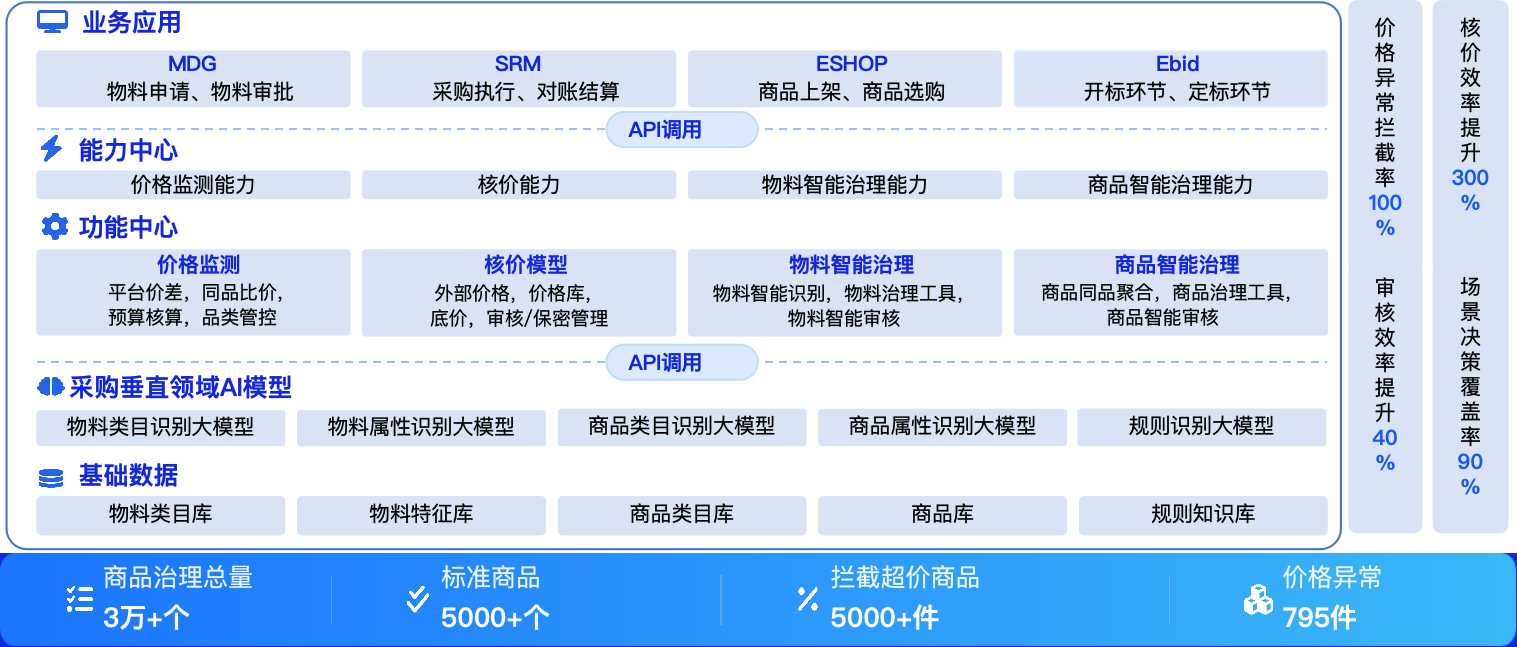
最引人注目的是其引入的AI大模型应用,这一创新彻底改变了传统的询比价模式。AI引擎能够自动解析成千上万份非标报价单,结合原材料走势、汇率变动、能源成本等多维因子,进行实时的智能核价与成本构成分析。据实测,AI核价的效率较人工提升了300%以上,且能精准识别异常报价,为谈判提供了强有力的数据支撑。在模型架构上,平台以物料类目识别、物料属性识别、商品类目识别、商品属性识别、规则识别等采购垂直领域AI大模型为内核,通过API调用串联业务应用、能力中心与功能中心,覆盖物料申请审批、采购执行对账、商品上架选购、开标定标等全流程业务场景。

在数据治理层面,平台累计完成商品治理总量3万个以上,沉淀标准商品5000余个,拦截超价商品5000余件,识别价格异常795件,价格异常拦截率达到100%,审核效率提升40%,场景决策覆盖率达到90%。

早在2008年,万华便基于SAP建设了ERP与SRM系统,供应商管理、采购合同、采购协同、采购寻源在SRM中完成,并通过接口与ERP集成;通过BI系统开展采购分析,使用IBM的BPM软件进行审批管理,财务支付则通过银企直连系统完成。2017年11月,万华化学与阿里巴巴签署《万华云采购平台项目》合作共建协议,提出支撑各类物资采购、探索大宗原料采购行业方案、实现采购全过程线上化、建立万华采购生态体系等目标,将化工行业成熟的业务经验与互联网平台的强大技术力量相结合。从信息化到云化,再到今天的AI智能化,PIB平台正是万华采购体系十余年演进迭代的集大成者。

打造互嵌和的全球供应商生态圈

在供应商协同方面,万华化学构建了全生命周期的数字化管理体系。从注册准入时的资质自动核验,到合作过程中的绩效动态画像,再到风险预警的实时推送,平台实现了对供应商的“千人千面”精细化管理。特别是针对关键原料,平台建立了多源供应模拟仿真系统,能够在突发状况下迅速推荐替代方案,保障了全球生产基地的连续稳定运行。

在数字化协同层面,万华聚焦打造生态圈协作平台,通过云采、电商、物流等项目与生态伙伴实现全面集成,平台已覆盖客户、供应商、承运商、海关、保险、税局、银行等广义客户,初步构建起共生互助的协同型生态体系。作为首家加入TfS(携手可持续发展)倡议的中国企业,万华化学还依托数字手段持续提升供应链可持续水平:2020年新供应商社会责任(CSR)承诺覆盖率达到100%,有交易供应商的廉洁协议签订率达到100%;TfS测评覆盖率从2018年的51%、2019年的60%提升至2020年的64%,并将2025年目标锁定在80%。借助大数据、人工智能技术,万华正持续提升采购作业效率与采购管理水平,构建以客户需求为中心的全球采购平台。

数智化赋能经营升级

采购智慧大脑的建设,只是万华数智化变革的一个缩影。在采购领域,万华提出打通产供协同,搭建需求提报统一平台,推动原辅料需求计划线上传递,实现需求及变更100%可追溯,提高沟通协同效率80%;在生产领域,构建线上供应链计划协同平台,试点工厂供应链计划敏捷度提升60%。

数智化正在赋能万华全价值链。公司通过5G、人工智能、大数据、物联网等信息技术与质量管理深度融合,推动质量管理活动数字化、网络化、智能化,产业链端到端流程全面贯通,实现上下游信息高效协同,赋能质量和效率双提升,提升全球竞争实力。

2025年,万华全面推进“数智化”赋能经营管理,时序大模型、智能巡检、设备预防维护等AI应用场景广泛落地,大数据与人工智能的深度融合正推动万华向智慧型企业稳步迈进;2026年,公司以“提质增效年”为管理主题,明确提出加快人工智能赋能生产与管理升级,以闭环管理推动战略精准落地,全面提升运营效率与组织活力[1]。

面向未来,万华制定了“智慧万华2025”数字化战略,按照“总体规划、分步实施”的原则分两个阶段推进:2019年至2022年为标准化和自动化阶段,基于全球化视角建立支持2000亿产值的科学的数据结构和组织架构,实现主干业务流程端到端拉通,基本消除不增值的人工处理;2023年至2025年为数字化和智能化阶段,全球核心基地全面实现数字孪生,构建面向全业务域的数据湖,试点人工智能应用,在设备诊断、装置运行、供应链优化等环节实现局部智能化。采购智慧大脑(PIB)平台,正是这一战略在供应链领域结出的重要果实。

信息来源

[1] 万华化学集团官网,《万华化学集团董事长2026年新年致辞》:https://www.whchem.com/cmscontent/1943.html

亿邦智库持续关注央国企数字化采购领域的最新进展,如想了解更多与本文相关信息,请扫码关注作者微信或发送邮箱。联系邮箱:zhangjing@ebrun.com

作为TO B领域年度风向标,“2026第八届亿邦产业互联网年会暨首届产业智能体大会”将于11月20日在北京召开。主题定为“AI与出海带来的模态进化”,聚焦产业智能体落地、AI供应链价值重构、数据要素与TOKEN经济、产业出海新生态等前沿议题深度思辨。大会将集结学界权威、央国企标杆、产业龙头、投资机构、服务生态伙伴,汇聚产业核心力量、拆解产业数智化转型路径、分享前沿实战经验。同期还将发布年度产业互联网报告及标杆案例,举办决策人闭门会、“千峰奖”颁奖盛典。

本文首发于 亿邦动力 官方网站

文章来源:亿邦动力

广告
微信
朋友圈

FAQ回顾

万华化学采购智慧大脑PIB是什么?

万华化学采购智慧大脑PIB是万华打造的采购决策智能中枢,打破传统ERP边界,集成全球市场情报、内部历史交易数据、生产成本模型和外部宏观指数,形成多维数据底座,用于应对大宗商品价格波动、化工原料规格繁多和全球寻源难度大等挑战。

万华化学PIB如何利用AI大模型进行智能核价?

PIB以物料类目识别、物料属性识别、商品类目识别、商品属性识别、规则识别等采购垂直领域AI大模型为内核,通过API串联业务应用、能力中心与功能中心;AI引擎可自动解析非标报价单,结合原材料走势、汇率变动和能源成本等因子实时核价,实测效率较人工提升300%以上,并能识别异常报价。

万华化学采购智慧大脑PIB在数据治理方面取得了哪些成效?

PIB累计完成商品治理总量3万个以上,沉淀标准商品5000余个,拦截超价商品5000余件,识别价格异常795件,价格异常拦截率达到100%,审核效率提升40%,场景决策覆盖率达到90%。

万华化学如何通过数字化管理供应商并保障供应链稳定?

万华化学构建供应商全生命周期数字化管理体系,注册准入时自动核验资质,合作中动态画像绩效,实时推送风险预警,实现千人千面管理;针对关键原料建立多源供应模拟仿真系统,可在突发状况下推荐替代方案,保障全球生产基地连续稳定运行。

万华化学采购数字化经历了哪些阶段?

万华采购数字化从2008年基于SAP建设ERP与SRM系统起步,使用BI分析、IBM BPM审批和银企直连支付;2017年11月与阿里巴巴签署《万华云采购平台项目》合作共建协议,推动采购全过程线上化;如今PIB平台以AI大模型为核心,标志其从信息化、云化走向AI智能化。

这么好看,分享一下?

朋友圈 分享

APP内打开

赞 +1
+1
微信好友 朋友圈 新浪微博 QQ空间
关闭
收藏成功
发送
/140 0