广告
加载中

群核科技启动招股:基石认购37% 资本看到了什么?

胡镤心 2026-04-09 11:45
胡镤心 2026/04/09 11:45

邦小白快读

EN
全文速览

群核科技启动IPO,提供关键财务数据和市场信息。

1.IPO细节:全球发售约1.61亿股,香港和国际发售分别占10%和90%,发售价最高7.62港元,预计募资不超过12.27亿港元,基石投资者认购约4.55亿港元,包括泰康人寿等多元机构。

2.财务表现:2023-2025年收入分别为6.635亿、7.548亿、8.20亿元人民币,增速放缓但绝对增量可观;毛利率从76.8%提升至82.2%,2025年首次实现经调整净利润5710万元人民币,亏损大幅收窄。

3.市场地位:根据弗若斯特沙利文数据,2024年中国空间设计软件市场规模约33亿元,群核科技以23.2%的份额位居第一;核心产品“酷家乐”为云原生3D设计平台,覆盖住宅、商业等场景。

4.增长机会:全球空间设计软件市场2024年规模192亿元,预计2029年达317亿元,年复合增长率10.5%;免费增值模式提升付费转化率至9.6%,月活用户250万,形成网络效应。

5.资金用途:IPO募集资金净额将用于国际扩张、产品功能增强、新技术投资、市场推广及品牌提升、营运资金等。

群核科技的产品研发和市场策略提供品牌启示。

1.品牌营销与渠道建设:资金用途包括提升品牌知名度和市场推广活动,显示品牌强化策略;海外版Coohom支持18种语言,主攻韩国、东南亚及美国市场,助力国际品牌扩展。

2.产品研发与定价:核心产品“酷家乐”持续迭代,新增SpatialVerse合成数据解决方案切入具身智能训练赛道,打开第二增长曲线;免费增值模式推动付费转化率提升,体现价格竞争策略优化。

3.消费趋势与用户行为:全球空间设计软件市场预计年复合增长率10.5%,反映消费需求增长;月活用户250万和付费转化率提升,显示用户粘性强,高价值客户订阅收入两年复合增长率约18.7%,高于整体增速。

群核科技IPO揭示市场机会和商业模式可学习点。

1.增长市场与机会提示:全球空间设计软件市场规模预计从2024年192亿元增长至2029年317亿元,年复合增长率10.5%,提供广阔增长空间;国际扩张策略和新产品如SpatialVerse开启第二增长曲线。

2.风险提示与事件应对:收入增速受宏观经济及地产下游需求影响放缓,2023-2025年增速分别为13.8%、8.6%,需关注外部风险;IFRS口径下仍录得净亏损4.28亿元,因优先股赎回负债变动,提示财务风险。

3.最新商业模式与合作方式:免费增值模式有效提升付费转化率,形成网络效应;基石投资者多元化,包括险资、公募基金等,提供合作范例;资金用途强调产品增强和市场推广,可借鉴应对措施。

群核科技的设计软件和数字化技术提供生产启示。

1.产品生产和设计需求:核心产品“酷家乐”覆盖住宅、商业、定制家具等场景,满足空间设计需求;SpatialVerse合成数据解决方案切入新领域,提供设计创新机会。

2.商业机会:全球空间设计软件市场快速增长,预计年复合增长率10.5%,中国市场规模约33亿元,群核科技占23.2%份额,显示行业潜力;第二增长曲线开启,为工厂带来新业务机遇。

3.推进数字化和电商启示:GPU专用集群、AI渲染及BIM技术构建技术壁垒,优化生产流程;免费增值模式提升用户转化,启示电商化策略;公司从高投入转向高质量盈利,提供数字化转型路径。

行业趋势和新技术为服务商提供解决方案灵感。

1.行业发展趋势:全球空间设计软件市场2024年规模192亿元,预计2029年达317亿元,年复合增长率10.5%,中国市场份额群核科技领先,显示强劲增长势头。

2.新技术应用:群核科技凭借GPU专用集群、AI渲染及BIM技术构建竞争壁垒,提升设计效率;SpatialVerse合成数据解决方案切入具身智能训练,代表前沿技术方向。

3.客户痛点与解决方案:空间设计需求受地产下游影响,增速放缓;群核科技通过免费增值模式解决用户转化痛点,付费转化率从6.8%提升至9.6%,月活用户250万,提供可借鉴服务模式。

群核科技的运营模式和资金用途启示平台管理。

1.平台最新做法与运营管理:免费增值模式推动付费转化率提升,形成网络效应,月活用户250万;技术壁垒如GPU集群、AI渲染支撑平台效率,优化运营。

2.商业对平台的需求和问题:空间设计软件市场需求增长,但受宏观经济影响增速放缓;平台需应对风险,如资金用途中强调国际扩张和市场推广,以规避风向。

3.平台招商与运营:IPO资金将用于产品功能增强、新技术投资及品牌提升,提供招商策略;基石投资者多元化,包括产业资本等,启示合作模式;公司从高投入转向高质量盈利,显示平台可持续运营路径。

群核科技案例展示产业新动向和商业模式启示。

1.产业新动向与新问题:公司IPO并实现2025年首次经调整净利润,标志SaaS企业从高投入转向高质量盈利;收入增速受宏观经济及地产下游需求影响放缓,引发对行业韧性的思考。

2.商业模式分析:典型SaaS路径,收入稳步提升,成本优化,亏损收窄;免费增值模式提升付费转化率,形成网络效应,高价值客户粘性强,订阅收入两年复合增长率约18.7%。

3.政策法规建议和启示:全球空间设计软件市场预计年复合增长率10.5%,中国市场规模33亿元,群核科技占23.2%份额,建议关注技术壁垒如GPU、AI渲染对产业的影响;资金用途强调国际扩张和产品创新,提供政策支持方向。

返回默认
声明:快读内容全程由AI生成,请注意甄别信息。如您发现问题,请发送邮件至 run@ebrun.com 。

我是 品牌商 卖家 工厂 服务商 平台商 研究者 帮我再读一遍。

Quick Summary

Qunkor Technology launches IPO with key financial data and market insights.

1. IPO details: Global offering of approximately 161 million shares, with 10% allocated to Hong Kong and 90% internationally. The maximum offer price is HK$7.62, targeting proceeds up to HK$1.227 billion. Cornerstone investors subscribed to around HK$455 million, including diverse institutions like Taikang Life Insurance.

2. Financial performance: Revenue reached RMB 663.5 million (2023), RMB 754.8 million (2024), and RMB 820 million (2025), showing slowing growth but substantial absolute increases. Gross margin improved from 76.8% to 82.2%, with the company achieving its first adjusted net profit of RMB 57.1 million in 2025, significantly narrowing losses.

3. Market position: According to Frost & Sullivan, China's spatial design software market was valued at approximately RMB 3.3 billion in 2024, with Qunkor holding a leading 23.2% share. Its core product, "Kujiale," is a cloud-native 3D design platform covering residential, commercial, and other scenarios.

4. Growth opportunities: The global spatial design software market is projected to grow from RMB 19.2 billion in 2024 to RMB 31.7 billion by 2029, a 10.5% CAGR. The freemium model boosted the paid conversion rate to 9.6%, supported by 2.5 million MAUs, creating network effects.

5. Use of proceeds: Net IPO proceeds will fund international expansion, product enhancement, new technology investment, marketing and brand building, and working capital.

Qunkor Technology's product development and market strategy offer branding insights.

1. Brand marketing & channel building: IPO proceeds include funds for brand awareness and marketing campaigns, indicating a brand-strengthening strategy. The overseas version, Coohom, supports 18 languages and targets South Korea, Southeast Asia, and the U.S., aiding global brand expansion.

2. Product R&D & pricing: Core product "Kujiale" continues to iterate, while the new SpatialVerse synthetic data solution enters the embodied AI training space, unlocking a second growth curve. The freemium model drives paid conversion rates, reflecting optimized pricing strategies.

3. Consumer trends & user behavior: The global spatial design software market's projected 10.5% CAGR reflects growing demand. With 2.5 million MAUs and rising conversion rates, user stickiness is strong. High-value client subscription revenue grew at an 18.7% two-year CAGR, outpacing overall growth.

Qunkor's IPO reveals market opportunities and replicable business models.

1. Growth markets & opportunities: The global spatial design software market is expected to expand from RMB 19.2 billion in 2024 to RMB 31.7 billion by 2029 (10.5% CAGR), offering vast growth potential. International expansion and new products like SpatialVerse open a second growth curve.

2. Risks & mitigation: Revenue growth slowed to 13.8% (2023) and 8.6% (2024) due to macroeconomic and downstream real estate demand, highlighting external risks. IFRS net losses of RMB 428 million in 2025, driven by preferred share liability changes, signal financial risks.

3. Business models & partnerships: The freemium model effectively boosts paid conversion rates, creating network effects. Diverse cornerstone investors (e.g., insurers, mutual funds) offer partnership examples. Fund allocation toward product enhancement and marketing provides actionable strategies.

Qunkor's design software and digital technologies offer production insights.

1. Product design needs: Core product "Kujiale" serves residential, commercial, and custom furniture scenarios, meeting spatial design demands. SpatialVerse's synthetic data solution opens innovation opportunities in new fields.

2. Business opportunities: The global spatial design software market is growing rapidly (10.5% CAGR), with China's market valued at RMB 3.3 billion and Qunkor holding a 23.2% share, indicating industry potential. The second growth curve presents new business avenues for factories.

3. Digitalization & e-commerce lessons: GPU clusters, AI rendering, and BIM technologies build competitive moats and optimize production workflows. The freemium model’s user conversion success informs e-commerce strategies. The shift from high investment to profitable growth offers a digital transformation roadmap.

Industry trends and new technologies inspire solution ideas for service providers.

1. Industry trends: The global spatial design software market (RMB 19.2 billion in 2024) is projected to reach RMB 31.7 billion by 2029 (10.5% CAGR), with Qunkor leading in China, signaling strong growth momentum.

2. Technology applications: Qunkor leverages GPU clusters, AI rendering, and BIM to build competitive barriers and enhance design efficiency. SpatialVerse’s entry into embodied AI training represents cutting-edge innovation.

3. Client pain points & solutions: Spatial design demand is slowing due to real estate downturns. Qunkor’s freemium model addresses conversion challenges, raising paid conversion rates from 6.8% to 9.6% with 2.5 million MAUs, offering a replicable service model.

Qunkor's operational model and fund usage inform platform management.

1. Platform operations: The freemium model drives paid conversion rates and network effects, supported by 2.5 million MAUs. Technical barriers like GPU clusters and AI rendering enhance platform efficiency.

2. Market demands & challenges: Spatial design software demand is growing but slowing due to macroeconomic factors. Platforms must mitigate risks, as seen in Qunkor’s focus on international expansion and marketing.

3. Merchant recruitment & operations: IPO funds will enhance product features, invest in new tech, and boost branding, informing merchant strategies. Diverse cornerstone investors (e.g., industrial capital) illustrate partnership models. The shift to profitable growth demonstrates sustainable platform operations.

Qunkor's case study highlights industry trends and business model insights.

1. Industry developments: The IPO and first adjusted net profit in 2025 signal a shift from high investment to sustainable profitability for SaaS firms. Slowing revenue growth due to macroeconomic and real estate pressures raises questions about industry resilience.

2. Business model analysis: A typical SaaS path with steady revenue growth, cost optimization, and narrowing losses. The freemium model boosts conversion rates, creating network effects. High-value client subscription revenue grew at an 18.7% two-year CAGR.

3. Policy implications: The global spatial design software market’s 10.5% CAGR and Qunkor’s 23.2% share in China’s RMB 3.3 billion market suggest policymakers should monitor tech barriers (e.g., GPU, AI rendering). Fund allocation toward international expansion and product innovation indicates policy support directions.

Disclaimer: The "Quick Summary" content is entirely generated by AI. Please exercise discretion when interpreting the information. For issues or corrections, please email run@ebrun.com .

I am a Brand Seller Factory Service Provider Marketplace Seller Researcher Read it again.

【亿邦原创】4月9日群核科技(Manycore Tech Inc.,股票代码:0068.HK)宣布正式启动全球公开发售(IPO),招股期截至2026年4月14日,预计将于4月17日在香港联交所主板挂牌上市。

本次IPO计划全球发售约1.61亿股,其中香港发售1606.2万股,国际发售1.45亿股,分别占全球发售股份总数的10%和90%,另有15%的超额配股权。发售价设定为每股最高7.62港元,预计总募资额不超过12.27亿港元。摩根大通与建银国际担任联席保荐人。

基石投资者阵容多元,包括泰康人寿、阳光人寿、广发基金、Redwood、Mirae Asset、雾凇资本、Hesai HK、国惠香港、华营建筑等,涵盖险资、公募基金、私募投资机构、国际资管及产业资本,合计认购约4.55亿港元。

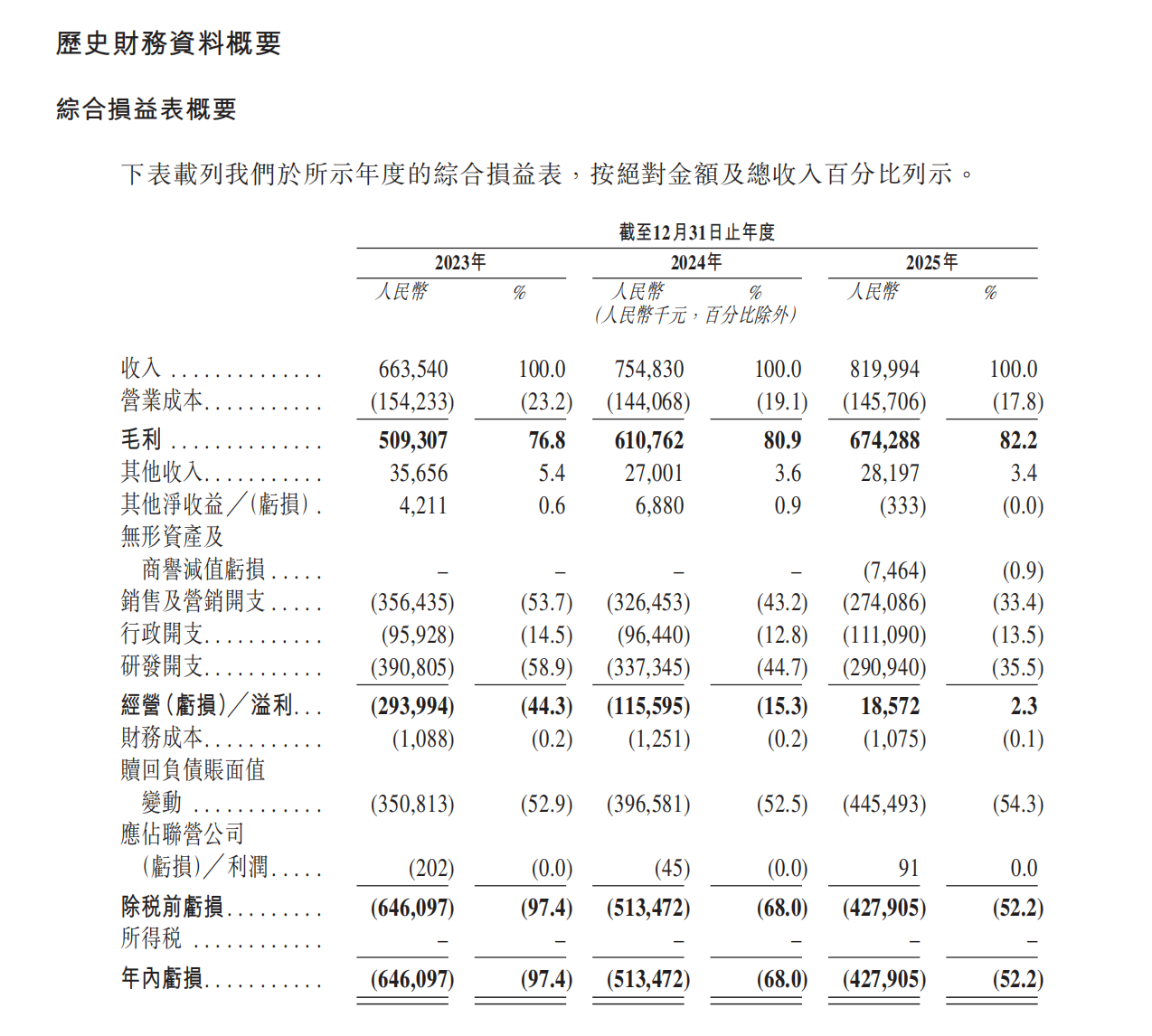
根据招股书披露的财务数据,群核科技展现出典型的SaaS企业成长路径——收入稳步提升、成本结构优化、亏损大幅收窄,并于2025年首次实现经调整净利润,商业模式逐步进入规模回报阶段。

收入方面,2023-2025年,群核科技收入分别为6.635亿、7.548亿、8.20亿元人民币,同比增速分别为13.8%、8.6%,增速放缓但绝对增量可观,主要受宏观经济及地产下游需求影响。结构上,大客户订阅收入占比持续提升,2025年大客户贡献3.63亿元,两年CAGR约18.7%,高于整体增速,高价值客户粘性强。

盈利方面,毛利率由76.8%提升至82.2%,销售及研发开支连续两年双位数缩减(累计下降超20%),推动经调整净利润于2025年首次转正至5710万元人民币(非IFRS口径)。IFRS口径下仍录得净亏损4.28亿元,主要因为优先股赎回负债的公允价值变动。

根据弗若斯特沙利文数据,2024年中国空间设计软件市场规模约33亿元,群核科技以23.2%的份额位居第一。核心产品“酷家乐”为云原生3D设计平台,覆盖住宅、商业、定制家具等场景;海外版Coohom支持18种语言,主攻韩国、东南亚及美国市场。此外,SpatialVerse合成数据解决方案切入具身智能训练赛道,打开第二增长曲线。

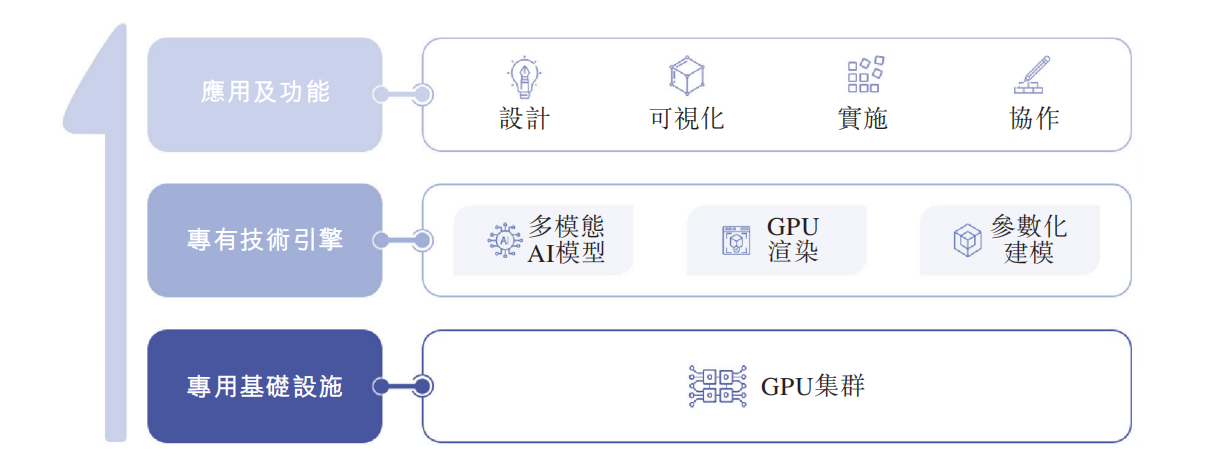
全球空间设计软件市场2024年规模为192亿元,预计2029年达317亿元,CAGR 10.5%。群核科技凭借GPU专用集群、AI渲染及BIM技术构建壁垒,免费增值模式带动付费转化率从6.8%(2023)提升至9.6%(2025),月活用户250万,形成网络效应。

公告显示,IPO募集所得资金净额将主要用于实施国际扩张策略;增强现有产品的功能并推出新产品及/或功能,以满足现实世界空间和虚拟环境的需求;投资核心技术和基础设施;国内销售及市场推广活动,并提升品牌知名度,以及用作营运资金及一般企业用途。

群核科技正处于从“高投入、高增长”向“高质量盈利”切换的节点,在空间设计软件这一相对垂直但技术壁垒较高的赛道中,率先实现盈利的玩家将具备更强的定价权与资源整合能力。

文章来源:亿邦动力

广告
微信
朋友圈

FAQ回顾

群核科技IPO的募资规模和发行价是多少?

群核科技全球发售约1.61亿股,发售价最高为每股7.62港元,预计总募资额不超过12.27亿港元,基石投资者合计认购约4.55亿港元。

群核科技2025年的财务状况如何?

2025年群核科技收入达8.20亿元人民币,毛利率提升至82.2%,并首次实现经调整净利润5710万元人民币,但IFRS口径下净亏损为4.28亿元。

群核科技在中国空间设计软件市场的地位如何?

根据弗若斯特沙利文数据,2024年群核科技以23.2%的市场份额位居中国空间设计软件市场第一,核心产品为酷家乐云原生3D设计平台。

这么好看,分享一下?

朋友圈 分享

APP内打开

赞 +1
+1
微信好友 朋友圈 新浪微博 QQ空间
关闭
收藏成功
发送
/140 0