广告
加载中

高端家电市场洞察:一份榜单 看懂消费升级路径

龚作仁 2025-12-26 16:46
龚作仁 2025/12/26 16:46

邦小白快读

EN
全文速览

文章揭示了高端家电市场的用户选择趋势和实用干货。

1.冰箱选择上,用户注重健康饮食与家居融合,追求精准控温、分区存储食材以及平嵌美学带来的定制体验。

2.洗衣机与干衣机方面,四分之三份额集中在提供专业分区洗护和奢品护理的品牌,干衣机用于衣物深度护理以追求精致生活。

3.空调偏好AI智能科技,能主动温湿双控和舒适送风,提升空气健康和生活品质。

4.冰吧与酒柜体现场景细分,冰吧用于化妆品母婴等特定存储,酒柜满足专业存酒环境,消费场景化趋势上升。

5.热水器要求水温恒定即开即热以提升沐浴品质,净水机则需净热一体和全屋净水方案保障饮水健康。

未来趋势强调理解用户对生活品质和高端体验的整体需求。

文章提供了高端家电消费趋势和用户行为洞察,有助于品牌研发与营销。

1.消费趋势显示用户转向追求设计融合、AI交互和生活体验,而非仅耐用性,反映了品质生活新定义。

2.用户行为上,冰箱需求强调健康饮食与家居定制,提示品牌研发需注重精准控温和美学设计;洗衣机和干衣机市场重专业洗护服务,需强化奢品护理以吸引高端用户。

3.产品研发启示:空调技术应集成AI智能主动调控环境,冰吧酒柜瞄准细分场景如化妆品或酒类存储,开发个性化产品;热水器和净水机需提供集成方案如净热一体满足用户健康需求。

4.品牌营销可基于榜单反映的用户偏好,强调生活品质提升和场景化体验。

文章指明了高端家电增长市场、消费需求变化及相关机会。

1.增长机会体现在高端家电市场持续扩大,用户在新家装修或焕新时选择更多,未来趋势在于理解用户对生活品质的整体需求以占据市场地位。

2.消费需求变化:用户从耐用转向更关注设计融合、智能科技和高端体验,如冰箱的家居定制、干衣机的衣物护理、冰吧的场景细分;需求层面机会包括个性化产品(如专业存酒柜)和集成解决方案(如净热一体)。

3.可学习点:专业洗护品牌在洗衣干衣市场占据主导份额,提示卖家可聚焦细分服务;AI科技在空调中受青睐,需关注智能创新;场景化消费如母婴存储冰吧提供新商业模式机会。

4.风险提示:未能满足用户对生活品质和高端体验的整体需求可能导致市场流失。

文章揭示了产品生产设计需求、商业机会及数字化电商启示。

1.产品生产设计需求包括:冰箱需精准控温分区存储并与家居美学融合,洗衣机干衣机强调专业洗护工艺,空调集成AI智能调控,冰吧酒柜针对特定场景如化妆品或酒类存储定制,热水器净水机需恒温与净水集成。

2.商业机会:高端家电市场增长,用户需求转向体验导向,提供专业护理服务(如奢品衣物处理)或细分产品(如母婴冰吧)可开发新蓝海;酒柜高份额反映专业存酒环境的巨大潜力。

3.推进数字化和电商启示:产品智能化(如AI空调)是趋势,生产应结合AI技术;电商需面向场景化消费(如酒柜),强调定制化解决方案;用户追求整体体验,生产流程应注重设计和集成能力。

文章分析了行业发展趋势、新技术、客户痛点及解决方案。

1.行业发展趋势:高端家电向设计融合、智能化和生活体验升级,用户需求从功能转向品质生活,未来竞争在满足整体体验需求。

2.新技术:AI智能科技在空调中实现温湿双控主动送风,提升空气健康;集成解决方案如净热一体技术用于净水机,智能化是核心驱动力。

3.客户痛点:用户衣物护理不专业(需干衣机深度护理),饮水健康不足(需净水方案),存储不便(如化妆品需冰吧),家居环境不协调(冰箱需平嵌设计),沐浴体验差(热水器需即开即热)。

4.解决方案:提供专业洗护服务解决衣物痛点,开发净热一体系统保障饮水,设计场景细分产品(如酒柜)优化存储,集成AI技术提升智能交互,整体方案需契合高端体验。

文章反映了商业对平台的需求和问题,以及平台运营启示。

1.商业需求与问题:用户寻求高端生活体验,如设计融合、智能科技和场景细分,平台需解决如何整合家电与家居环境(如冰箱平嵌美学),如何提供专业服务(如洗衣护理),并满足个性化存储(如冰吧酒柜)。

2.平台最新做法启示:基于榜单趋势,平台应招商引入AI智能产品(如空调)和集成解决方案(如净热一体净水机),强调品质生活主题;运营管理可聚焦细分场景(如母婴冰吧)招商,优化用户体验。

3.平台招商与运营:针对高端市场增长机会,招商需吸引专业品牌(如洗护服务主导者),运营中规避低端风险,强调风向规避如避免功能单一产品;扶持政策可支持场景化消费模式。

4.风向规避:用户转向整体体验,平台需规避忽视设计或智能技术的风险,确保产品契合高端需求。

文章探讨了产业新动向、新问题及相关商业模式启示。

1.产业新动向:高端家电市场向设计融合、AI智能和生活品质升级,用户需求重新定义为品质生活,趋势在满足整体体验需求;新动向包括场景细分(如冰吧酒柜)和智能化(如AI空调)。

2.新问题:如何集成家电与家居环境(如冰箱家居融合),如何平衡专业护理与大众需求(如干衣机深度护理),以及如何应对用户对健康(饮水沐浴)和体验的极致追求;政策法规建议可关注标准化智能技术应用。

3.商业模式启示:用户为中心的模式(如榜单反映的个性化需求),专业服务主导(洗衣市场份额集中),细分场景消费(酒柜高份额)提供新路径;启示是商业模式需强化集成和定制,以提升生活品质。

返回默认

声明:快读内容全程由AI生成,请注意甄别信息。如您发现问题,请发送邮件至 run@ebrun.com 。

我是 品牌商 卖家 工厂 服务商 平台商 研究者 帮我再读一遍。

Quick Summary

The article reveals trends in premium home appliance choices and practical insights.

1. For refrigerators, users prioritize healthy eating and seamless home integration, seeking precise temperature control, zoned storage, and built-in aesthetics for a customized experience.

2. In washers and dryers, three-quarters of the market share is concentrated in brands offering specialized zoned care and luxury item handling, with dryers used for deep garment care to pursue a refined lifestyle.

3. Air conditioners favor AI smart technology for proactive temperature/humidity control and comfortable airflow, enhancing air health and living quality.

4. Wine coolers and specialty chillers reflect scenario-based segmentation, with chillers used for cosmetics or baby supplies and wine coolers meeting professional storage needs, indicating a rise in contextual consumption.

5. Water heaters require instant, consistent hot water to elevate the bathing experience, while water purifiers need integrated heating and whole-house solutions to ensure drinking water safety.

The future trend emphasizes understanding users' holistic demand for quality living and premium experiences.

The article provides insights into premium appliance consumption trends and user behavior, aiding brand R&D and marketing.

1. Consumption trends show users shifting towards design integration, AI interaction, and lifestyle experiences over mere durability, reflecting a new definition of quality living.

2. User behavior indicates refrigerator demand stresses health and home customization, suggesting R&D should focus on precise cooling and aesthetic design; washer/dryer markets value professional care, requiring enhanced luxury item handling to attract high-end users.

3. Product R&D implications: AC technology should integrate AI for proactive environmental control; wine coolers/chillers should target niche scenarios like cosmetics or wine storage for personalized products; water heaters/purifiers need integrated solutions (e.g., purification-heating) to meet health demands.

4. Brand marketing can leverage ranking-reflected preferences to emphasize lifestyle enhancement and scenario-based experiences.

The article identifies growth markets, shifting consumer demands, and related opportunities in premium appliances.

1. Growth opportunities lie in the expanding high-end appliance market, with users choosing more during home renovations; future success depends on understanding holistic quality-of-life demands.

2. Demand shifts: users now prioritize design integration, smart tech, and premium experiences (e.g., customized refrigerators, garment care dryers, scenario-specific chillers); opportunities include personalized products (e.g., professional wine coolers) and integrated solutions (e.g., purifier-heater combos).

3. Key takeaways: professional care brands dominate washer/dryer markets, suggesting sellers focus on niche services; AI-enabled ACs are favored, requiring attention to smart innovation; scenario-based consumption (e.g., baby supply chillers) offers new business models.

4. Risk alert: failing to meet users' overall quality-of-life and premium experience expectations may lead to market loss.

The article reveals product design needs, commercial opportunities, and digital/e-commerce implications.

1. Production design requirements: refrigerators need precise cooling/zoning and home aesthetic integration; washers/dryers emphasize professional care craftsmanship; ACs integrate AI control; chillers/wine coolers target specific scenarios (e.g., cosmetics/wine); water heaters/purifiers require consistent temperature and integrated purification.

2. Commercial opportunities: growth in premium appliances aligns with experience-driven demand; professional services (e.g., luxury garment care) or niche products (e.g., baby chillers) can tap new markets; high wine cooler shares indicate potential in professional storage environments.

3. Digital/e-commerce insights: product smartization (e.g., AI ACs) is a trend, requiring AI integration in production; e-commerce should target scenario-based consumption (e.g., wine coolers) with customized solutions; user focus on holistic experiences necessitates design and integration capabilities in production.

The article analyzes industry trends, new technologies, customer pain points, and solutions.

1. Industry trends: premium appliances are upgrading towards design integration, smartization, and lifestyle experiences, with user needs shifting from functionality to quality living; future competition hinges on fulfilling holistic experience demands.

2. New technologies: AI in ACs enables proactive temperature/humidity/airflow control for healthier air; integrated solutions like purification-heating combos in water purifiers are key drivers.

3. Customer pain points: unprofessional garment care (requiring dryer deep care), inadequate drinking water safety (needing purification systems), inconvenient storage (e.g., cosmetics requiring chillers), poor home environment coordination (e.g., refrigerators needing built-in designs), and subpar bathing experiences (requiring instant-hot water heaters).

4. Solutions: offer professional care services for garments, develop integrated purification-heating systems, design scenario-specific products (e.g., wine coolers) for storage optimization, integrate AI for smarter interaction, and ensure overall solutions align with premium experiences.

The article reflects merchant needs/platform challenges and operational insights.

1. Merchant needs/problems: users seek high-end lifestyle experiences (e.g., design integration, smart tech, scenario segmentation); platforms must address integrating appliances with home environments (e.g., built-in refrigerators), providing professional services (e.g., laundry care), and meeting personalized storage (e.g., chillers/wine coolers).

2. Platform operational insights: based on ranking trends, platforms should onboard AI smart products (e.g., ACs) and integrated solutions (e.g., purifier-heaters), emphasizing quality living themes; operations can focus on niche scenarios (e.g., baby chillers) for merchant recruitment and user experience optimization.

3. Merchant recruitment/operations: target premium market growth by attracting specialized brands (e.g., dominant care service providers); avoid low-end risks in operations, such as functionally limited products; support policies can foster scenario-based consumption models.

4. Risk avoidance: as users shift to holistic experiences, platforms must avoid neglecting design or smart technology, ensuring products meet high-end demands.

The article explores industry movements, emerging issues, and business model implications.

1. Industry movements: the premium appliance market is upgrading towards design integration, AI smartization, and quality living, with user demand redefined around lifestyle quality; trends include scenario segmentation (e.g., chillers/wine coolers) and smartization (e.g., AI ACs).

2. Emerging issues: how to integrate appliances with home environments (e.g., refrigerator-home fusion), balance professional care with mass demand (e.g., dryer deep care), and address extreme user pursuit of health (water/bathing) and experience; policy recommendations could focus on standardizing smart tech applications.

3. Business model implications: user-centric models (e.g., personalized needs reflected in rankings), service-dominated approaches (concentrated washer market shares), and scenario-based consumption (high wine cooler shares) offer new pathways; models must emphasize integration and customization to enhance living quality.

Disclaimer: The "Quick Summary" content is entirely generated by AI. Please exercise discretion when interpreting the information. For issues or corrections, please email run@ebrun.com .

I am a Brand Seller Factory Service Provider Marketplace Seller Researcher Read it again.

如今,越来越多的人,在新家装修或场景焕新时选择高端家电。他们口中的“值得”,早已不只是耐用和省电,而是更关注融合的家居设计、聪明的AI交互,以及高端的生活体验等。

这份高端家电排行榜单,不仅反映了用户的个性化需求,更折射出他们对品质生活的全新定义。

选择冰箱:注重健康饮食,家居融合

对于高端冰箱的选择,用户更注重饮食健康与家居设计。他们不再满足于“冷藏、冷冻”,而是追求能精准控温、分区存储食材,以及通过平嵌美学、家居融合设计带来的定制化场景体验。

选择洗衣机与干衣机:注重衣物养护,追求精致

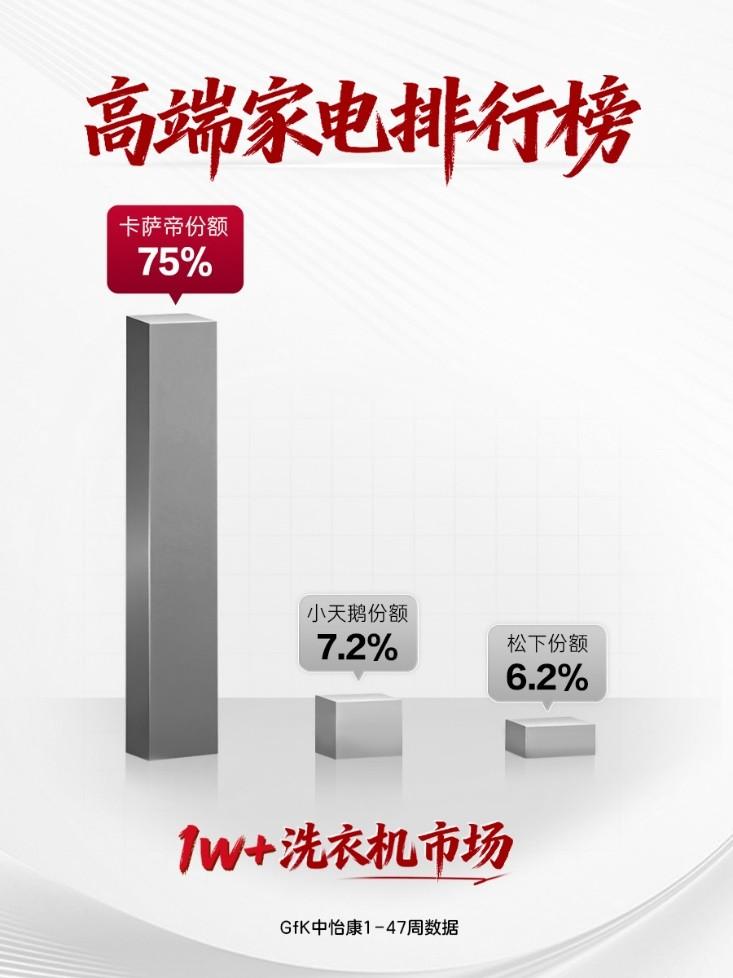
高端洗衣机、干衣机市场格局更为鲜明,洗衣机四分之三的份额集中于提供专业分区洗护、奢品护理服务的品牌。

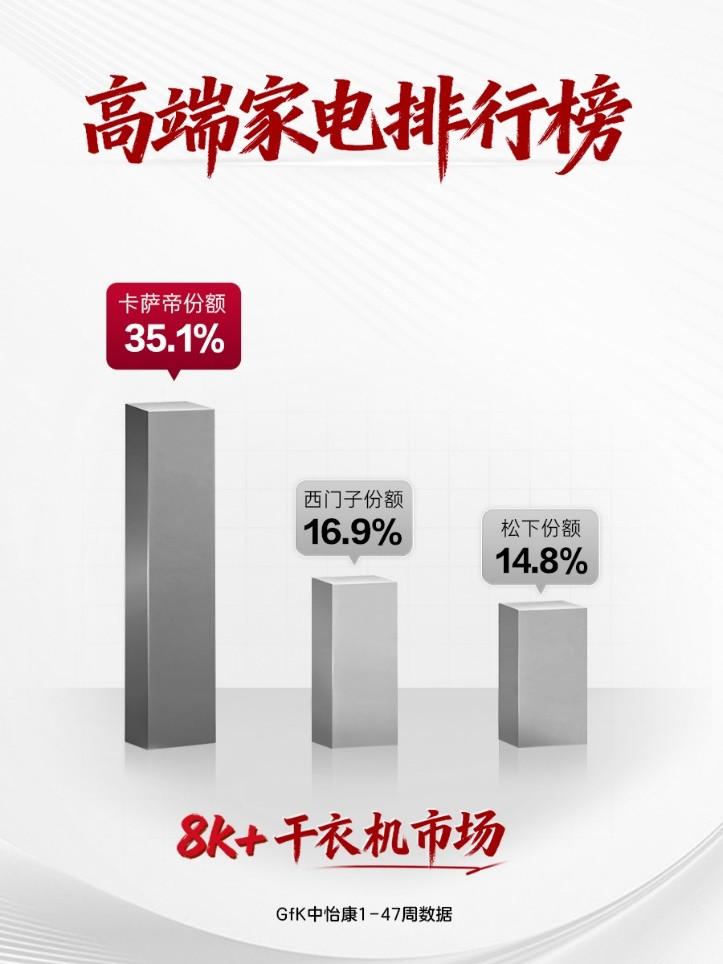
对于干衣机的选择,反映出人们越来越重视衣物的深度护理,追求更健康、高效的精致生活。

选择空调:注重智能科技,生活品质

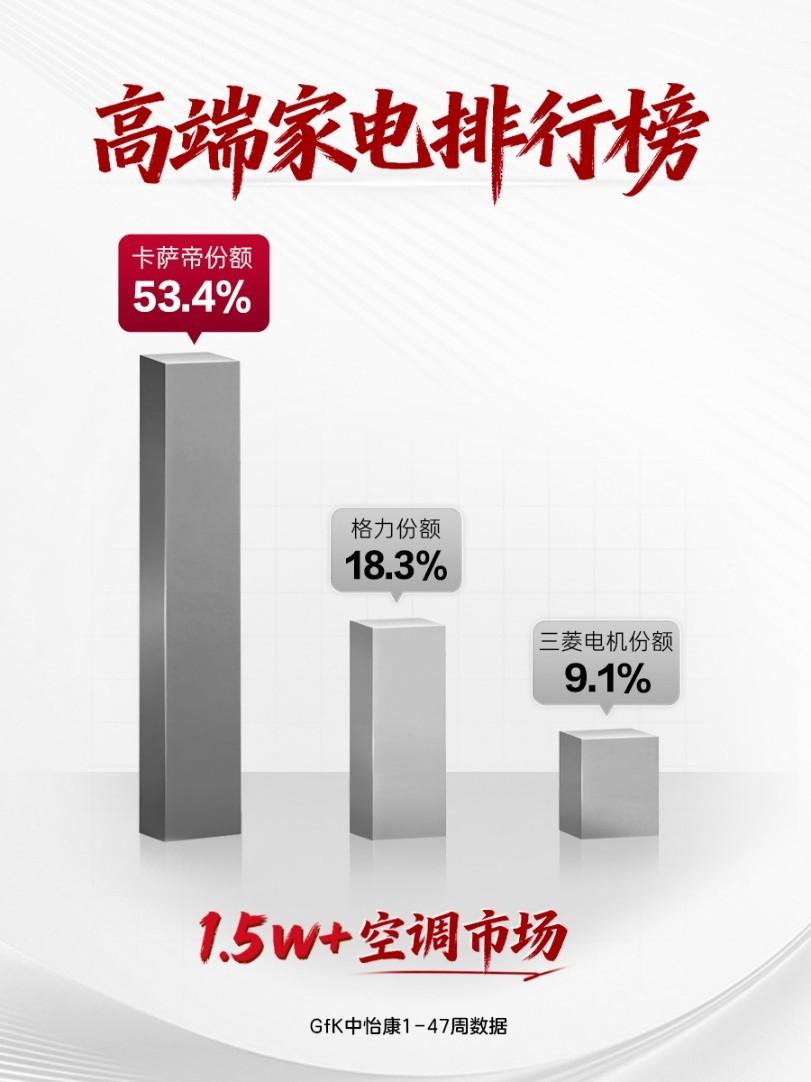
有AI智能科技的AI家电受到很多用户的青睐。在他们看来,能更智能、更聪明的主动进行温湿双控、舒适送风,提升空气健康和整体生活品质的空调,是第一选择。

选择冰吧和酒柜:注重场景细分,个性选择

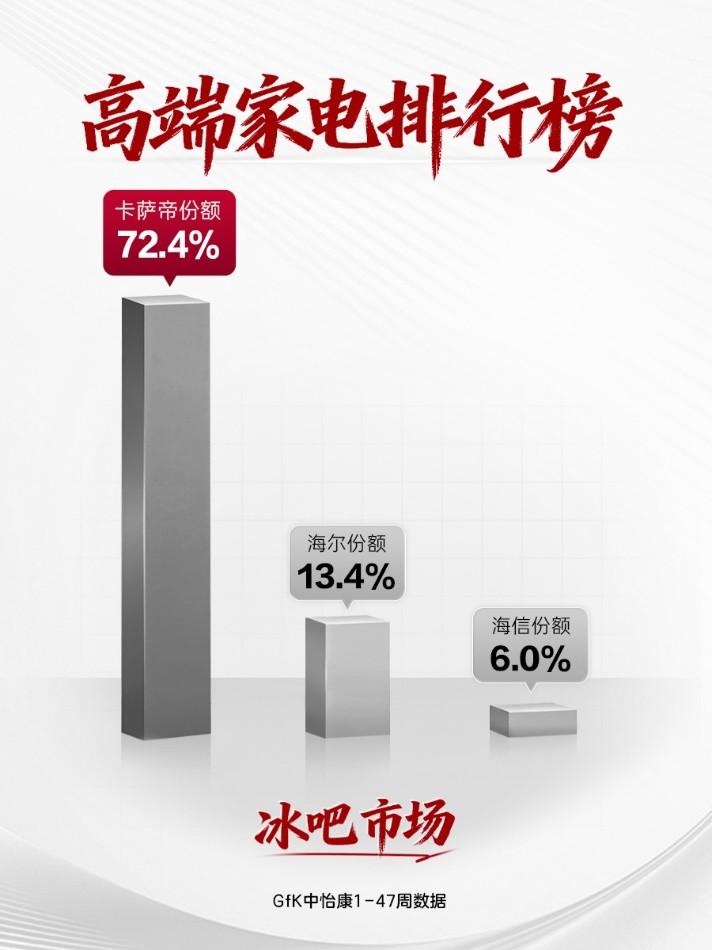
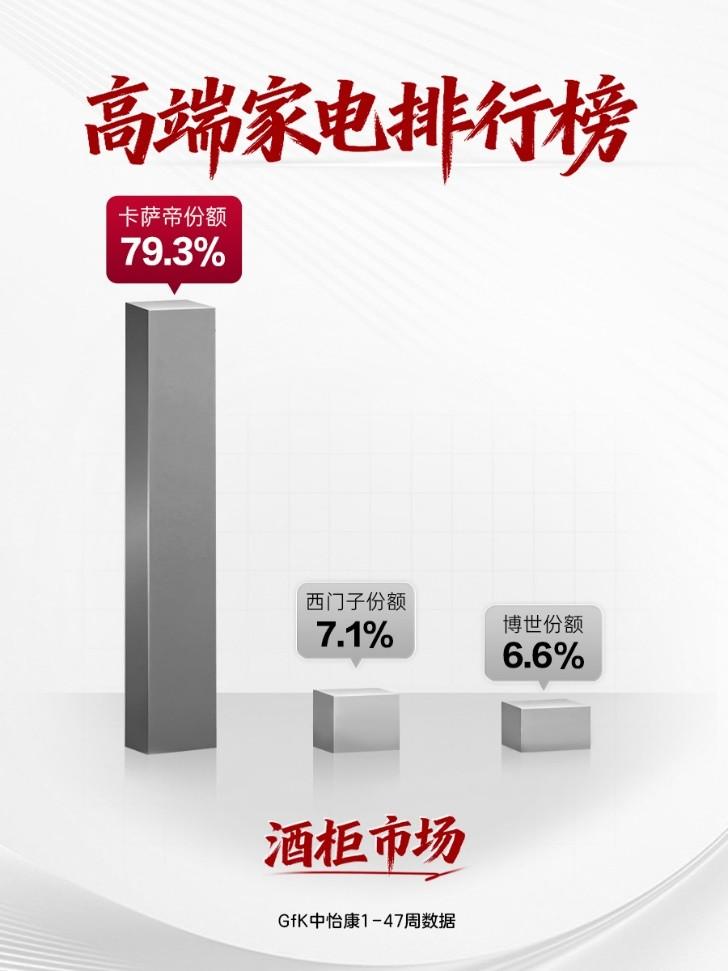
在冰吧、酒柜这类细分高端市场,数据的集中度更高。用户注重场景细分,选择冰吧来为化妆品、母婴用品等特定需求配备专属存储设备。

酒柜的高份额则反映出用户更注重对专业存酒环境的极致追求,人群选择场景化消费的趋势在上升。

选择热水器和净水机:注重沐浴品质,饮水健康

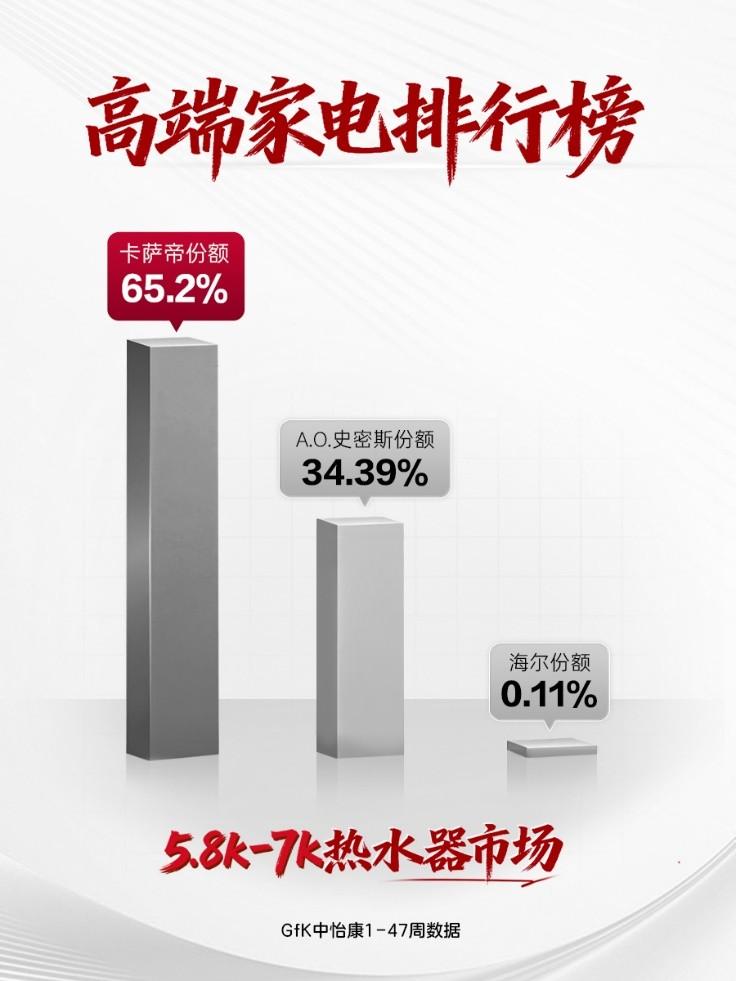
追求更高品质沐浴体验的用户变多。他们更青睐于选择提供水温恒定、即开即热、畅爽沐浴方案的高端品牌。

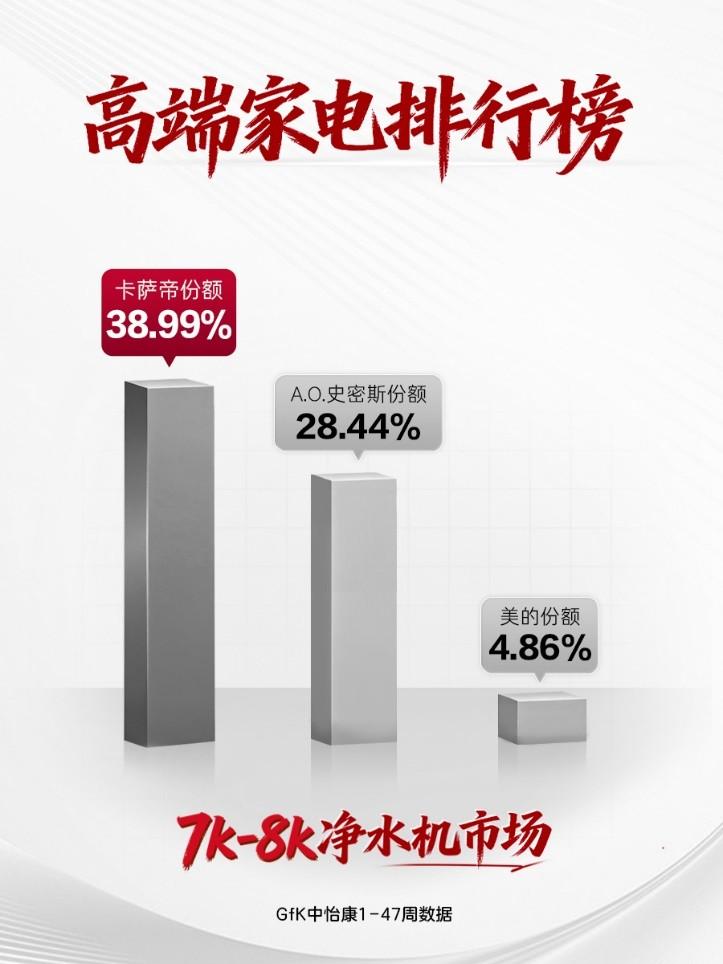
不少关注饮水健康的用户选择购买净水机,具备净热一体、全屋净水等集成化解决方案的高端品牌正持续吸引消费者。

这份榜单,也清晰地反映了未来高端家电市场的发展趋势:谁能更好地理解并满足用户对提升生活品质、契合高端体验的整体需求,谁就能在未来的生活中,占据更重要的一席之地。

注:文/龚作仁,文章来源:Laborer,本文为作者独立观点,不代表亿邦动力立场。

文章来源:Laborer

广告
微信
朋友圈

这么好看,分享一下?

朋友圈 分享

APP内打开

+1
+1
微信好友 朋友圈 新浪微博 QQ空间
关闭
收藏成功
发送
/140 0