广告
加载中

对话西域副总裁李俊:90%数字化采购率是如何实现的?

七七 2022-10-09 16:35
七七 2022/10/09 16:35

邦小白快读

EN
全文速览

本文整理了西域副总裁李俊的访谈内容,核心干货是西域做到90%数字化采购率的实操经验和核心布局,具体如下:

1. 核心业务逻辑:坚持聚焦大型头部客户,分行业、分区域提炼对应服务能力,逐个行业渗透覆盖头部客户,暂不将中小客户、次终端经销商作为战略发展重点,做大头部后自然可向下兼容中小客户需求。

2. 数字化落地原则:遵循“能外购就不自研”的思路,非核心功能模块选择各领域头部成熟服务商合作,核心的PMS计划管理系统、ERP系统坚持自研,既控制成本又构建核心竞争力,核心系统未来还会对外开放赋能。

3. 核心竞争力构建:靠产品网、物流网、数字网、服务网、人才网五张网搭建壁垒,推行“一体三翼”战略,长期围绕客户核心需求打磨能力。

本文给工业品品牌商提供了对接数字化采购平台、把握市场趋势的干货信息,具体如下:

1. 市场消费趋势洞察:当前国内大型企业是数字化采购的核心需求方,中小企业数字化采购需求并非当前主要矛盾,终端客户是核心市场,同时布局终端和次终端经销商会引发价格体系、服务关系冲突,不建议双线布局。

2. 合作机会:西域开放上游合作,推出“丝绸之路计划”打通数字库存,通过SRM系统实现上游供应商协同,可帮助品牌商提升库存信息准确率,未来西域还会对外开放自研的PMS系统,品牌商可借此对接海量头部大客户,提升自身数字化协同能力。

3. 竞争方向提示:采购客户核心关注品类可得性、成本、交付时效、品质四个维度,品牌商可围绕这四点优化能力,适配大客户数字化采购的要求。

本文分享了头部MRO数字化平台西域的发展经验,给行业卖家提供了明确的机会提示、风险提示和实操参考,具体如下:

1. 市场空间与机会:当前全国企业采购市场规模超过174万亿元,数字化采购渗透率仅约7.5%,整体市场空间极大,大型头部企业的数字化采购需求正快速释放,不同行业数字化推进节奏不同,近年汽车主机厂等传统领域的数字化采购需求明显提速,存在大量拓展机会。

2. 方向与风险提示:建议聚焦终端大型头部客户,逐个行业渗透覆盖头部客户,沉淀行业和区域服务能力,规模起来后自然可兼容中小客户需求;不要同时做终端和次终端业务,避免引发价格和服务冲突,这是当前需要规避的核心风险。

3. 实操经验:数字化建设遵循能外购就不自研的原则,核心能力自研,非核心找专业服务商合作,围绕客户核心需求打磨能力即可。

本文给制造工厂推进采购数字化、对接优质供应链资源提供了很多干货启示和机会信息,具体如下:

1. 数字化采购对接启示:西域针对不同信息化程度的客户提供三种对接模式,分别是适合缺乏自研能力客户的SaaS商城、适合已有ERP系统的嵌入对接、适合大型集团的API定制推送,工厂可根据自身的信息化能力选择合适的对接方式,快速实现采购全链路线上化。

2. 供应链升级机会:西域打造的自有物流狮行物流,不仅可保障末端交付体验,还能赋能工厂的MRO仓库管理和计划管理;未来西域还会对外开放自研的PMS计划管理系统,帮助工厂优化供应链计划协同能力,工厂可借助这些外部成熟能力降低自身数字化改造的成本。

3. 价值参考:目前西域已经覆盖电力、水泥、汽车、乳品等多个行业的头部客户,可提供从产品到方案的全维度服务,能帮助工厂降低MRO采购综合成本,提升采购透明度和效率。

本文披露了MRO数字化采购行业的最新发展趋势和头部平台的需求痛点,给各类To B服务商提供了明确的合作方向和行业参考,具体如下:

1. 行业发展趋势:当前国内数字化采购仍处于发展早期,整体渗透率仅7.5%,市场空间极大,未来全产业链的商流、物流、人流、信息流、资金流多要素协同数字化,还有非常大的发展空间,需要各类专业服务商共同参与完善生态。

2. 客户核心痛点:头部MRO数字化平台需要全链路的数字化能力支撑业务发展,核心需求是平衡成本和效率:核心竞争力相关的系统需要自研把控,非核心功能模块更愿意引入各领域成熟的最佳实践,不需要自己从零开发。

3. 合作机会:目前西域已经和CRM、HR SaaS、TMS、OA领域的头部服务商达成合作,支撑自身内部数字化建设,未来还会在更多供应链环节寻找合作伙伴,共同提升全产业链数字化效率,各垂直领域的专业服务商都有大量对接合作空间。

本文介绍了头部MRO数字化供应链平台西域的战略和运营经验,给同类产业互联网平台提供了很多可借鉴的干货,具体如下:

1. 客户定位与风险规避:西域选择聚焦大型头部终端客户,不把中小客户和次终端经销商作为当前战略重点,从根源上规避了同时服务两类客户带来的价格体系混乱、服务关系冲突的问题;通过覆盖头部客户沉淀行业和区域服务能力,规模起来后自然向下兼容中小客户,这个定位模式非常值得同类平台参考。

2. 平台数字化建设经验:遵循“能够buy就不make”的核心原则,非核心功能模块直接引入各领域成熟服务商的方案,核心的PMS、ERP等关联自身竞争力的系统坚持自研,既提升了整体运营效率,又构建了自身的不可替代性,还能将自研核心能力对外输出赋能。

3. 核心能力构建方向:需要围绕产品、物流、数字、服务、人才五个维度搭建基础能力网络,始终围绕客户关注的品类可得性、成本、交付时效、品质四个核心维度打磨能力,才能建立长期竞争力。

本文是MRO数字化采购领域头部企业的一手访谈资料,给产业研究提供了鲜活的案例、数据和研究方向,具体如下:

1. 产业基础数据:公开了最新的行业数据,2021年全国企业采购市场规模超过174万亿元,数字化采购渗透率仅约7.5%,行业整体处于发展早期,市场增量空间极大;头部企业西域已经实现90%以上的采购线上化,充分验证了数字化采购模式的可行性,为行业研究提供了核心基础数据。

2. 创新商业模式:西域提出了“一体三翼”的创新商业模式,以MRO电商为主体,搭配自有物流狮行物流、Raxwell自有品牌、PMS SaaS工具三个延伸板块,共同构建高效率的数字化供应链生态,和传统的MRO分销模式形成明显差异,是产业互联网领域非常有研究价值的创新商业模式。

3. 行业新问题:当前行业发展暴露出不少新问题,比如不同行业数字化采购推进节奏差异大,中小客户数字化采购需求尚未成熟,同时服务终端和次终端存在难以调和的利益冲突等,这些都为产业研究提供了新的方向。

返回默认

声明:快读内容全程由AI生成,请注意甄别信息。如您发现问题,请发送邮件至 run@ebrun.com 。

我是 品牌商 卖家 工厂 服务商 平台商 研究者 帮我再读一遍。

Quick Summary

This article summarizes an interview with Li Jun, Vice President of West Asia, focusing on the company's practical experience and core strategies that enabled it to reach a 90% digital procurement rate. Key insights are as follows:

1. Core business logic: West Asia focuses exclusively on large, leading enterprise clients. It builds industry-specific and region-tailored service capabilities, penetrates industries one by one to cover leading clients, and does not prioritize small and medium-sized enterprises (SMEs) or secondary terminal distributors as part of its current strategic focus. After scaling up by serving leading clients, the company can naturally adapt to meet the needs of smaller clients downstream.

2. Digital implementation principle: Following the philosophy of "buy instead of build where possible", West Asia partners with leading mature service providers in various fields for non-core functional modules. However, it insists on in-house development for its core PMS (Plan Management System) and ERP systems. This approach both controls costs and builds core competitiveness, and the core systems will be opened up to empower external partners in the future.

3. Core competitiveness building: West Asia builds its competitive moat through five core networks: product network, logistics network, digital network, service network, and talent network. It implements a "one main body, three wings" strategy, and continuously refines its capabilities around the core needs of clients over the long term.

This article provides actionable insights for industrial product brands on partnering with digital procurement platforms and capturing market trends. Key takeaways are as follows:

1. Market trend insight: Large domestic enterprises are currently the core demand side for digital procurement, while the digital procurement demand of SMEs is not the main contradiction at this stage. End clients are the core market, and brands are advised against laying out both end clients and secondary terminal distributors simultaneously, as this will trigger conflicts in pricing systems and service relationships.

2. Cooperation opportunities: West Asia is open to upstream cooperation through its "Silk Road Initiative", which connects digital inventory and enables upstream supplier collaboration via an SRM system. This helps brands improve the accuracy of inventory information. In the future, West Asia will also open up its self-developed PMS system to the public, allowing brands to connect with a large number of leading end clients and improve their own digital collaboration capabilities.

3. Competitive direction guidance: Procurement clients focus on four core dimensions: product availability, cost, delivery timeliness, and quality. Brands can optimize their capabilities around these four points to meet the requirements of large clients for digital procurement.

This article shares development experience from West Asia, a leading MRO digital procurement platform, and provides clear opportunity and risk alerts along with practical references for industry sellers. Key insights are as follows:

1. Market size and opportunities: China's overall corporate procurement market exceeds 174 trillion yuan, with digital procurement penetration standing at only around 7.5%, leaving enormous market potential. The digital procurement demand of large leading enterprises is growing rapidly. While digitalization progresses at different paces across industries, demand from traditional sectors such as original automobile manufacturers has accelerated noticeably in recent years, creating abundant expansion opportunities.

2. Direction and risk alerts: Sellers are advised to focus on large end clients, penetrate industries one by one to cover leading accounts, and accumulate industry-specific and regional service capabilities. After reaching sufficient scale, sellers can naturally accommodate the needs of smaller clients. To avoid core risks at this stage, do not operate both end client and secondary terminal distributor businesses simultaneously, as this will trigger pricing and service conflicts.

3. Practical experience: For digital construction, follow the principle of buying instead of building: develop core capabilities in-house, and partner with professional service providers for non-core functions. Continuously refine capabilities around core client needs.

This article provides actionable insights and opportunity information for manufacturing factories looking to advance procurement digitalization and connect to high-quality supply chain resources. Key takeaways are as follows:

1. Digital procurement implementation insights: West Asia offers three integration models for clients with different levels of digitalization maturity: a SaaS mall for clients lacking in-house development capabilities, embedded integration for clients that already have ERP systems, and customized API push for large group enterprises. Factories can choose the appropriate model based on their own digital capabilities to quickly achieve full-process online procurement.

2. Supply chain upgrading opportunities: West Asia's self-operated logistics arm Lion Line Logistics not only guarantees high-quality last-mile delivery, but also empowers factories' MRO warehouse management and planning management. In the future, West Asia will open up its self-developed PMS to the public, helping factories optimize supply chain planning and collaboration capabilities. Factories can leverage these mature external capabilities to reduce the cost of their own digital transformation.

3. Value reference: West Asia currently serves leading clients across multiple industries including electric power, cement, automotive and dairy. It provides end-to-end services ranging from products to solutions, helping factories reduce the overall cost of MRO procurement, and improve procurement transparency and efficiency.

This article discloses the latest development trends of the MRO digital procurement industry and the pain points of leading platforms, providing clear cooperation direction and industry references for various B2B service providers. Key insights are as follows:

1. Industry development trends: Domestic digital procurement is still in an early stage of development, with overall penetration of only 7.5% and enormous market room for growth. In the future, there remains huge room for collaborative digitalization of business flow, logistics, talent flow, information flow and capital flow across the entire industrial chain, which requires the joint participation of various professional service providers to complete the ecosystem.

2. Core pain points of clients: Leading MRO digital platforms need full-chain digital capabilities to support business growth, and their core demand is to balance cost and efficiency. Systems related to core competitiveness need to be developed and controlled in-house, while for non-core functional modules, platforms prefer to adopt mature best practices from various fields rather than building from scratch.

3. Cooperation opportunities: West Asia has already partnered with leading service providers in CRM, HR SaaS, TMS and OA to support its internal digital construction. In the future, it will seek more partners across more supply chain links to jointly improve the digital efficiency of the entire industrial chain. Professional service providers in various vertical segments have abundant opportunities for cooperation and integration.

This article introduces the strategy and operational experience of West Asia, a leading MRO digital supply chain platform, and provides many actionable insights for peer industrial internet platforms. Key takeaways are as follows:

1. Client positioning and risk mitigation: West Asia chooses to focus on large leading end clients, and does not take SMEs and secondary terminal distributors as its current strategic focus. This fundamentally avoids the chaos of pricing systems and conflicts in service relationships that come from serving two types of clients simultaneously. By accumulating industry and regional service capabilities through serving leading clients, it can naturally serve smaller clients downstream after scaling up. This positioning model is highly valuable for peer platforms to reference.

2. Platform digital construction experience: Following the core principle of "buy instead of build", platforms can directly adopt solutions from mature service providers in various fields for non-core functional modules, while insisting on in-house development for core systems related to competitiveness, such as PMS and ERP. This approach not only improves overall operational efficiency, but also builds irreplaceability, and allows the platform to output its self-developed core capabilities to empower external parties.

3. Core competence building direction: Platforms need to build foundational capability networks around five dimensions: product, logistics, digital, service and talent. By continuously refining capabilities around the four core dimensions clients care about—product availability, cost, delivery timeliness, and quality—platforms can build long-term competitiveness.

This article is based on first-hand interview data from a leading enterprise in the MRO digital procurement sector, providing fresh cases, data and research directions for industrial research. Key contributions are as follows:

1. Basic industrial data: The article discloses updated industry data: in 2021, China's overall corporate procurement market exceeded 174 trillion yuan, with digital procurement penetration of only around 7.5%, indicating the industry is still in an early development stage with enormous incremental market space. Leading player West Asia has achieved over 90% procurement digitization, fully verifying the feasibility of the digital procurement model and providing core basic data for industry research.

2. Innovative business model: West Asia has proposed an innovative "one main body, three wings" business model: it takes MRO e-commerce as its core, paired with three extended segments: self-operated Lion Line Logistics, private brand Raxwell, and PMS SaaS tools. Together they build a high-efficiency digital supply chain ecosystem, which differs noticeably from the traditional MRO distribution model, making it a highly valuable innovative business model for research in the industrial internet space.

3. New industry research questions: The current development of the industry has exposed many new problems, such as the large variance in digital procurement progress across industries, the immature digital procurement demand of small and medium-sized clients, and the irreconcilable interest conflicts that arise from serving both end clients and secondary terminals simultaneously. These all provide new directions for industrial research.

Disclaimer: The "Quick Summary" content is entirely generated by AI. Please exercise discretion when interpreting the information. For issues or corrections, please email run@ebrun.com .

I am a Brand Seller Factory Service Provider Marketplace Seller Researcher Read it again.

亿邦智库联合中国物流采购与联合会公共采购分会发布的《2022数字化采购发展报告》显示,2021年,全国企业采购市场规模超过174万亿元,而数字化采购渗透率约7.5%。

但成立于2002年的西域却将这个数字做到了90%,它是如何做到的?

日前,西域智慧供应链(上海)股份公司合伙人及副总裁李俊接受了亿邦动力访谈,他介绍了西域围绕大客户、行业头部客户建立的业务逻辑,以及提高内部管理效率以及外部协同效率的数字化工具方法,西域内部称之为“一切业务数字化,一切数字业务化”。

在此基础上,西域提出了“一体三翼”的战略,包括电商平台以及自建物流、自由品牌、SaaS工具,共同构建高效率的数字化供应链。

上述《报告》提到,数字化采购服务商以创新挖掘需求,利用新技术、新模式,发挥数字化带来的连接价值和数据价值,从产品、交易、交付、服务等多个方面不断加强自身服务能力,完善数字化采购业态。而西域正是验证该判断的最佳实践。

图片

以下为对话实录,经亿邦动力编辑整理。

亿邦动力:目前西域采购交易的线上化率是怎么样的?

李俊:从整个交易来看的话,目前西域90%以上的业务都是客户通过我们的线上系统直接购买,所以我们现在线上化率在同行里面是最高的,只有非常少的情况下,我们会帮助客户去做一些线下的搜寻,这部分业务可能是需要一些线下的沟通,但是最后的业务场景和完成的链路还是通过线上来完成。

亿邦动力:是不是因为大客户、尤其是集团统一集中采购的客户,更趋向于选择线上化的采购?请您介绍一下西域的客户群的侧重是怎么样的,从规模、区域、行业等维度。

李俊:首先,从宏观层面来看,中国GDP的主要构成还是来自大型企业。比方说,去年GDP有110多万亿,央企贡献了大概30多万亿,地方国企也是30万亿,也就是说央国企加起来就已经达到60%的市场。而且中国的500强企业的营收也是占到了中国GDP的一大部分。

所以说,要帮助中国制造实现数字化转型升级,帮助中国从规模经济向效益经济升级,优先面向的对象就是大型企业,所以大型客户肯定是我们应该聚焦的。

只不过,面向大型的集团客户的时候,我们需要在不同的维度上来提炼我们的核心能力。您提到了区域维度、行业维度,比方说,可能有若干个大客户的工厂都会在这个区域,我在服务这些大客户的工厂时,基于这个区域的一些共性,我能够萃取和提炼出来一些区域服务能力;比方说,五大电力公司都是西域的客户,面对其他电力行业的客户,我们能够萃取和提炼出电力行业的产品和方案。

所以主心骨还是面向大型客户来构建,这是我们的视角和逻辑。

亿邦动力:电力行业一直是西域的优势的行业,其他行业西域是如何拓展的?

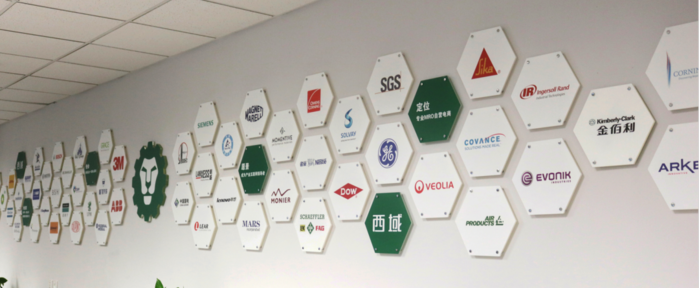
李俊:我们把客户大概分为20多个行业,每个行业都有行业团队,他们会去研究和分析这个行业里的头部客户是哪些,基于每个行业的头部客户逐渐推进合作。目前很多行业头部客户我们也都合作了,未来头部客户合作的覆盖率和渗透率会继续提高。

比方说水泥行业,现在头部的30家集团客户里面有70%都跟西域合作了,还有像牧业和乳品领域,头部的客户基本上也跟西域合作了,所以我们会逐个行业地将头部客户覆盖和吃透。

可能不同行业的数字化节奏不太一样,就像汽车行业,早些年汽车零部件的数字化进展是相对快的,但是主机厂的数字化节奏比较慢,这两年我们发现很多主机厂的数字化节奏也提上来了。我们跟东风日产、奇瑞、长安等这些主机厂,也都是近一两年才构建好的合作,所以每个行业我们都会去做。

亿邦动力:我了解到有些同行除了做好大客户,也成立了服务中小客户的部门,包括有的还会拓展面向次终端经销商的业务,不知道西域在这两块有什么样的计划。

李俊:关于大客户和中小客户这个话题,我们觉得中小客户的数字化诉求是存在的,但是当下并不是中小客户需要解决的主要矛盾,因为本质上要把供应链数字化,首先是公司的规模到了比较大的程度,才会对数字化有要求,中小企业还是聚焦到产品的买卖上。

西域也有SME这样一个部门,但是这个部门短期的不会作为战略重点。因为规模优势起来以后,无论产品的成本,产品的丰富度,产品的交付能力,以及产品构建的可靠性等等,自然可以向下去兼容很多中小客户的需求。

这个是我们从业务逻辑上来讲,另外一点是,我们永远聚焦在终端客户,因为我们认为做次终端客户和做终端客户,业务逻辑是不一样的,而且如果两个客户群都在合作,本质上是有冲突的,毕竟次终端也要服务终端,那么你一边在服务终端,一边在服务次终端,怎么平衡这中间的服务关系、价格体系等等。所以次终端不是我们西域目前聚焦的业务。

亿邦动力:作为数字供应链平台型企业,西域承担着连接客户与品牌商的“纽带”作用。西域是如何通过数字化工具与上下游连接的?

李俊:先从上游来看,我们有一个“丝绸之路计划”,首先库存要打通,我们构建“数字库存”,实时连接上游品牌方的库存信息,这样给客户端展示的时候,整个库存的准确率就会比较高。另外我们还有SRM系统来跟上游的供应商管理协同。

从下游的客户来看,目前西域有三种跟客户对接的模式:

一种是我们自己的E-mall系统,这是一个SaaS商城,帮助那些短期内没办法构建信息化能力或者商城能力的客户来搭建一个SaaS版的商城。

第二种是我们跟客户可以构建ERP的链接,通过Punch-out直接跟客户的ERP打通,在ERP系统的流程中嵌入商城的页面,供采购人员做商品的选择。

第三种我们针对一些大型央企和大型集团企业,通过API的方式来跟客户构建内容推送的商城合作。

亿邦动力:在数字化平台建设过程中,西域建设了自有物流、计划管理系统的SaaS软件,哪些环节的数字化工具自己研发,哪些外部合作,西域是如何选择的?

李俊:首先有一个原则就是“能够buy的就不make”,这个也是西域创始人董事长提出的一个核心理念。如果外界已经有最佳实践,已经有非常成熟的系统,我们就应该去引入最佳实践和最好的软件来帮助我们提升效率。

但是毕竟企业的发展还需要构建自己的核心能力,像PMS系统、ERP系统等等,基于我们内部的算法或者核心能力构建,这部分属于自研,PMS目前我们也注册了专利的。

目前基于西域几万家客户以及上千万商品的连接能力,我们希望未来能把PMS软件SaaS化,向上游下游的供应商以及客户免费开放,或者说基于SaaS的方式来帮助他们来构建这样一个PMS体系,这个也是将我们的一些核心能力做外延和赋能。

亿邦动力:西域不久前与CRM领域的北京仁科互动网络技术有限公司、HR SaaS领域的北森云计算有限公司、TMS领域的上海科箭软件科技有限公司、办公OA领域的上海泛微网络科技股份有限公司签订了合作协议,请分别介绍下,西域与这四家公司是如何合作的?

李俊:这4家公司其在各自领域都是翘楚,首先,它们帮助西域构建数字化能力,实现我们在各个功能模块上的效率提升。

比如说销售上,现在西域全国有1000多人的销售组织,需要有一套系统能够把近3万家客户的连接过程行为数据,通过数字化的方式做有效的记录和分析。

另外人力资源方面,公司在高速发展的时候,需要有一套HR的系统来做人才的盘点和组织发展,

办公方面,西域在很早的时候就已经跟泛微合作了,其实主要是做内部办公的协同,提高流程的效率。

科箭这边主要还是因为目前我们西域已经构建了自己的自有物流叫“狮行物流”,我们其实需要有TMS系统和WMS系统来更好的来支撑我们自有物流内部的一些业务逻辑和业务效率。

所以基本上还是先从内部跟这4家构建了合作,我们讲“一切业务数字化,一切数字业务化”。

当然未来整个供应链的数字化其实有更多的可以合作的空间。供应链里面包括商流、物流、人流、信息流、资金流,在这些要素协同上,西域能够牵头,跟一些数字化伙伴一起来保障更完整的产业链和供应链,实现更高的数字化提升和效率的提升。

亿邦动力:西域在MRO行业有多年的沉淀积累了,最重要的优势是什么?

李俊:我觉得西域优势用五张网来概括。

一个是产品网,经过20年的建设和积累,西域在通用的MRO产品、行业的MRO产品、知名品牌的产品、区域的产品、功能平台的产品等等各种维度上,构建了比较丰富的产品选择,甚至部分领域我们已经从产品延伸到方案了。

第二张网是物流网,其实过去的三年西域做了一个非常正确的投入,就是成立了To B最后一公里的物流体系—— “狮行物流”,目前狮行物流在全国已经构建了三级的配送体系,超过100个狮行驿站,我们希望,狮行物流不仅能够在末端配送上保证客户交付的体验,还能在MRO仓库管理上,赋能各个工厂的计划和管理。

第三张网是数字网,对内来讲,提高自己的业务运作效率,对外来讲,在连接客户、连接员工、连接伙伴方面,打造多层的数字化网络。数字网定位为“六个可”——可记录、可追踪、可分析、可计划、可预测和可改善,我们认为从这6个维度来构建的数字化业务逻辑和体系才是本质。围绕这6个维度,西域数字化技术已经从IT信息化到OT运营技术化,向现在的DT演变.

第四个网是服务网,现在我们全国已经有100多个城市服务网点,超过1000个服务工程师,所以我们会在To B的服务上,关注每一个工厂、每一个工程师售前售中售后的需求。

最后一张网是人才网,西域在这个领域里面培养了很多供应链专家。公司内部,我们有新狮计划、青狮计划、雄狮计划,针对不同的职级、不同的职能,比如MRO数字供应链学院、计划物流学院、研发学院,这样一个培训体系,来保证我们人才发展和组织能力变强。

亿邦动力:从整个MRO市场来说,请您分享一下,怎么看当下的竞争格局?

李俊:我觉得目前从存量市场来看,还是足够大的市场空间,各家友商目前还是共同来塑造市场。

从这个方向上来讲的话,我们还是会关注客户永恒不变的一些痛点,概括为ACTQ:客户想买的产品有没有?这是A,Availability;客户要买的产品的价格如何?这是C,Cost;客户买完之后东西什么时候交付给他?这是T,Time,还有客户买到东西是不是有品质的商品?这是Q,Quality,所以围绕ACTQ这4个维度大家去构建自己的能力。

面向未来,西域不仅仅是作为一个电商平台,我们还提出了“一体三翼”的战略,“一体”指以MRO电商为主体,“三翼”一个我们刚刚提到的狮行物流;第二个是我们的Raxwell自有品牌,在部分国内的供应链资源比较强、品牌集中度不高的领域,我们希望能打造一个高品质的工业品产品;还有一个是我们的PMS软件,希望未来能够针对整个供应链的计划分析协同,去做对外的赋能,这是我们未来的战略方向。

亿邦动力:我们注意到今年一些工业品企业拿到融资,西域这方面一直很低调,你们在融资方面是有什么进展或计划?

李俊:融资可以理解为两类,一个是股权融资,一个是债务融资。

西域的现金流和利润已经break even了,而且我们有银团的支持。去年几大银行跟西域达成了一个战略合作协议,从银行角度,他们关注MRO赛道,发现西域财务的健康度是最高的,所以我们得到银行比较大的支持。

所以在股权融资这块我们没有太大的动作,因为银行融资可以解决我们的发展问题。而且西域目前是在准备IPO的阶段,不需要去稀释股权。

文章来源:亿邦动力

广告
微信
朋友圈

这么好看,分享一下?

朋友圈 分享

APP内打开

赞 +1
+1
微信好友 朋友圈 新浪微博 QQ空间
关闭
收藏成功
发送
/140 0