广告
加载中

AI进了卧室:智能硬件扎堆睡眠场景

卜晚乔 2026-11-26 17:40
卜晚乔 2026/11/26 17:40

邦小白快读

EN
全文速览

总1:睡眠困扰普遍,先看清需求再选产品。

1.文章引用中国睡眠研究会数据:超3亿人存在睡眠障碍,中等收入群体每晚平均睡眠6.85小时,45.43%的人零点后入睡,18岁以上人群睡眠困扰率48.5%,女性51.1%,65岁以上73.7%。

2.睡眠问题占比最高的是易醒51.4%、多梦42.7%、入睡难42.1%,分别对应环境、行为、神经三类干预路径。

总2:AI睡眠硬件已从监测走向干预。

1.智能戒指可记录心率、血氧、体温、HRV,戒指充电仓还能监测室温、湿度和噪声;床笠可监测心跳、呼吸、体动并调床面温度。

2.安克睡眠耳机先被动隔音,再用ANC降噪,充电盒检测鼾声并播放舒缓声音;Pro版用耳内PPG估算心率、HRV和睡眠状态,并通过BioSync调整助眠音频。

3.Eight Sleep床面温度可调13℃—43℃,打鼾时床头自动抬高。

总3:价格和销量案例可作为选购观察样本。

1.今日宜休ISHO Ring 1799元起、Pro款2199元,双11京东自营加天猫售出上千枚,首销12天位列京东智能戒指品类第一。

总1:睡眠场景成为品牌新战场,产品研发围绕数据入口与干预闭环。

1.今日宜休以戒指ISHO Ring采集心率、HRV,Pro充电仓监测温湿度和噪声,床笠iFlow监测心跳、呼吸、体动并调温,数据汇入ISHO Intelligence。

2.AIVELA定位“最关怀你的智能饰品”,不强调医疗级监测;Oura把夜间数据压缩成睡眠评分并推荐就寝时间;安克用耳机做隔音、降噪、鼾声检测和BioSync助眠。

总2:消费趋势与用户行为支持睡眠品牌扩容。

1.超3亿人存在睡眠障碍,18岁以上睡眠困扰率48.5%,女性51.1%,65岁以上73.7%,易醒、多梦、入睡难是高频痛点。

2.传统寝具品牌也在AI化,慕思2025年AI产品营收2.55亿元、同比增长127.68%,T11+系列销售额1.3亿元;喜临门aise宝褓系列累计销售额超千万元。

总3:渠道与定价呈现众筹、电商自营和高中低端分层。

1.AIVELA在Kickstarter、日本Makuake、中国台湾Zeczec众筹,全球卖出超1万枚、众筹金额超千万元;INNIOASIS在Kickstarter上线SleepHalo H1。

2.今日宜休戒指1799元起、床笠9999元起,Pro款2199元,双11京东自营和天猫合计售出上千枚,首销12天ISHO Ring位列京东智能戒指品类第一。

总1:睡眠经济是增长市场,需求变化带来品类机会。

1.企查查显示截至2025年9月国内睡眠经济相关企业2.09万家,制造业占31.66%、科学研究和技术服务业占27.42%;A股喜临门、麒盛科技、梦百合、慕思股份等数十家已布局。

2.中国睡眠研究会数据显示超3亿人存在睡眠障碍,18岁以上睡眠困扰率48.5%,女性51.1%,65岁以上73.7%;易醒51.4%、多梦42.7%、入睡难42.1%是主要痛点。

总2:机会集中在智能戒指、床垫床笠、睡眠耳机和AI健康服务。

1.今日宜休、AIVELA、RingConn、追觅、Oura等进入戒指穿戴;Eight Sleep、慕思、喜临门做床面调节;安克做睡眠耳机;蚂蚁阿福推福环、福戒并通过App生成健康报告。

2.可学习“监测—判断—调整”模式:硬件采集数据,AI分析,再联动温度、支撑、灯光、白噪音或音频。

总3:风险与机会并存,需关注复购和效果证据。

1.文章提示用户能否长期佩戴和使用、干预效果有无可重复证据、硬件之外软件服务能否跟上仍是问题。

2.卖家可关注众筹平台、京东自营、天猫等渠道,以及产业方合作,如今日宜休获喜临门、高瓴等入局,AIVELA获URTOPIA等产业方加注。

总1:睡眠硬件生产涉及多类传感器和结构设计需求。

1.智能戒指要采集心率、血氧、体温、HRV,Oura用钛合金戒指;今日宜休Pro充电仓还要监测室温、湿度和噪声;RingConn Gen 2主打睡眠呼吸暂停监测,追觅Glow增加ECG。

2.床笠和床垫要监测心跳、呼吸、体动并调节温度或支撑;Eight Sleep通过水循环分区调温,范围13℃—43℃,打鼾时床头自动抬高。

3.睡眠耳机要解决侧睡硌耳、城市底噪和伴侣鼾声,安克用被动隔音、ANC、充电盒鼾声检测和耳内PPG。

总2:商业机会来自传统制造转型和供应链能力。

1.国内睡眠经济相关企业2.09万家,制造业占31.66%;A股喜临门、麒盛科技、梦百合、慕思等已布局,传统寝具正变成带传感器、算法和调节能力的终端。

2.INNIOASIS在亚马逊卖了十年MP3和录音笔、累计出货超一千万台,又上线SleepHalo H1,说明消费电子制造能力可迁移到睡眠硬件。

总3:数字化和电商启示是产品要数据化、场景化并可众筹验证。

1.产品需把监测数据汇入App或AI系统,形成报告、评分和建议;今日宜休数据汇入ISHO Intelligence,蚂蚁阿福App生成健康报告。

2.出海和上市前可用Kickstarter、Makuake、Zeczec众筹验证,再进入京东自营、天猫等电商渠道。

总1:睡眠智能硬件是上升中的行业趋势,资本和新公司密集进入。

1.今日宜休成立今年1月,半年内完成两轮融资,投后估值2亿元;AIVELA 2026年6月完成数百万美元天使轮;Eight Sleep 2025年8月完成1亿美元D轮,投后估值超10亿美元。

2.Oura截至2026财年前9个月营收12.15亿美元、同比增长74%,净利润6080万美元;慕思2025年AI产品营收2.55亿元、同比增长127.68%。

总2:客户痛点明确,但需要从监测走向干预和持续服务。

1.用户痛点是易醒51.4%、多梦42.7%、入睡难42.1%,以及超3亿人睡眠障碍、18岁以上困扰率48.5%。

2.文章提示用户能否长期佩戴使用、干预效果有无可重复证据、硬件之外软件服务能否跟上,是服务商可切入的痛点。

总3:解决方案是数据采集、AI分析、环境调节和软件服务一体化。

1.戒指、床笠、耳机等采集心率、HRV、血氧、体温、呼吸、体动、鼾声和温湿度,AI生成睡眠评分、健康报告和改善建议。

2.再联动床面温度、支撑、灯光、白噪音、助眠音频等做干预;蚂蚁阿福用App生成报告,今日宜休用ISHO Intelligence汇入数据。

总1:睡眠硬件给平台带来新品类和招商机会,也提出效果与运营要求。

1.睡眠经济相关企业2.09万家,产品覆盖智能戒指、床笠床垫、睡眠耳机、助眠仪、眼罩等;今日宜休、AIVELA、Oura、RingConn、追觅、安克、蚂蚁阿福等均在推新。

2.平台可聚合众筹预售、电商自营和品牌旗舰店:AIVELA在Kickstarter、Makuake、Zeczec众筹,今日宜休在京东自营和天猫销售,INNIOASIS在Kickstarter上线SleepHalo H1。

总2:平台最新做法体现在自营旗舰、众筹验证和App服务衔接。

1.今日宜休双11期间京东自营旗舰店Pro款售出1000余件、基础款400余件,天猫600余件,首销12天ISHO Ring位列京东智能戒指品类第一。

2.蚂蚁阿福发布福环、福戒,并用蚂蚁阿福App内AI能力生成健康报告与改善建议;福环去掉屏幕以避免影响睡眠。

总3:运营和风向规避要重视产品证据、长期使用和软件服务。

1.文章提示用户能否长期佩戴和使用、干预效果有无可重复证据、硬件之外软件服务能否跟上仍是问题。

2.平台招商可关注有数据采集、AI分析、环境联动能力的品牌,同时避免只讲监测概念、缺少干预和服务的产品。

总1:睡眠经济出现产业新动向,硬件、AI和传统寝具加速融合。

1.企查查显示截至2025年9月国内睡眠经济相关企业2.09万家,制造业占31.66%、科学研究和技术服务业占27.42%;A股喜临门、麒盛科技、梦百合、慕思股份、华熙生物、佐力药业等数十家已布局。

2.新公司今日宜休、AIVELA、RingConn、追觅等进入,老牌Oura、Eight Sleep、安克等扩展,传统慕思、喜临门推出AI床垫和智能床。

总2:商业模式从卖硬件转向数据、算法、服务和生态联动。

1.今日宜休以戒指为数据入口,经AI算法分析后延伸至睡眠环境调节、日常活动和个人精力管理;Oura把夜间数据变成睡眠评分并推荐就寝时间。

2.蚂蚁阿福用App生成健康报告与建议;慕思鸿蒙智选智能床联动新风、空调、灯光和窗帘。

总3:新问题与研究启示集中在效果证据、分型干预和消费级与医疗级边界。

1.文章提出失眠有继发型、节律型、神经型,继发型需医疗干预;AIVELA不强调医疗级监测,说明消费级健康管理与医疗干预需区分。

2.用户长期佩戴、干预效果可重复证据、软件服务能否跟上仍是待解问题,可作为政策法规和行业标准研究的切入点。

返回默认
声明:快读内容全程由AI生成,请注意甄别信息。如您发现问题,请发送邮件至 run@ebrun.com 。

我是 品牌商 卖家 工厂 服务商 平台商 研究者 帮我再读一遍。

Quick Summary

Summary 1: Sleep problems are widespread; understand demand before choosing products.

1. The article cites data from the China Sleep Research Society: more than 300 million people have sleep disorders; middle-income groups sleep an average of 6.85 hours per night; 45.43% go to bed after midnight; the sleep-disturbance rate is 48.5% among adults over 18, 51.1% among women, and 73.7% among people over 65.

2. The most common sleep issues are waking easily at 51.4%, frequent dreaming at 42.7%, and difficulty falling asleep at 42.1%, corresponding to environmental, behavioral, and neurological intervention paths respectively.

Summary 2: AI sleep hardware has moved from monitoring to intervention.

1. Smart rings can record heart rate, blood oxygen, body temperature, and HRV; the ring charging case can also monitor room temperature, humidity, and noise. Bed covers can monitor heartbeat, breathing, and body movement and adjust bed-surface temperature.

2. Anker's sleep earbuds first provide passive sound isolation, then ANC noise cancellation; the charging case detects snoring and plays soothing sounds. The Pro version uses in-ear PPG to estimate heart rate, HRV, and sleep state, and adjusts sleep-aid audio through BioSync.

3. Eight Sleep's bed-surface temperature can be adjusted from 13°C to 43°C, and the head of the bed automatically rises when the user snores.

Summary 3: Price and sales cases can serve as reference samples for purchase decisions.

1. Jinriyixiu's ISHO Ring starts at RMB 1,799 and the Pro model is RMB 2,199; during Double 11, more than 1,000 units were sold through JD self-operated stores plus Tmall, and in its first 12 days on sale the ISHO Ring ranked first in JD's smart ring category.

Summary 1: Sleep scenarios have become a new battleground for brands, with product development centered on data entry points and a closed-loop intervention.

1. Jinriyixiu uses its ISHO Ring to collect heart rate and HRV; the Pro charging case monitors temperature, humidity, and noise; the iFlow bed cover monitors heartbeat, breathing, and body movement and adjusts temperature; data flows into ISHO Intelligence.

2. AIVELA positions itself as 'the smart accessory that cares most about you' and does not emphasize medical-grade monitoring; Oura compresses nighttime data into a sleep score and recommends bedtime; Anker uses earbuds for sound isolation, noise cancellation, snoring detection, and BioSync sleep assistance.

Summary 2: Consumer trends and user behavior support expansion of sleep brands.

1. More than 300 million people have sleep disorders; the sleep-disturbance rate is 48.5% among adults over 18, 51.1% among women, and 73.7% among people over 65. Waking easily, frequent dreaming, and difficulty falling asleep are high-frequency pain points.

2. Traditional bedding brands are also adopting AI. DeRUCCI's 2025 AI product revenue was RMB 255 million, up 127.68% year on year, and its T11+ series generated RMB 130 million in sales; Sleemon's aise Baobao series has cumulative sales of over RMB 10 million.

Summary 3: Channels and pricing show a layered structure across crowdfunding, e-commerce self-operation, and high-, mid-, and low-end segments.

1. AIVELA ran crowdfunding campaigns on Kickstarter, Japan's Makuake, and Taiwan's Zeczec, selling more than 10,000 units globally and raising over RMB 10 million; INNIOASIS launched SleepHalo H1 on Kickstarter.

2. Jinriyixiu's ring starts at RMB 1,799 and the bed cover at RMB 9,999, while the Pro model is RMB 2,199. During Double 11, JD self-operated stores and Tmall sold more than 1,000 units combined, and in its first 12 days on sale the ISHO Ring ranked first in JD's smart ring category.

Summary 1: The sleep economy is a growing market, and changing demand creates category opportunities.

1. Qichacha data shows that as of September 2025 there were 20,900 domestic companies related to the sleep economy, with manufacturing accounting for 31.66% and scientific research and technical services for 27.42%. Dozens of A-share listed companies, including Sleemon, Keeson Technology, MLILY, and DeRUCCI, have already entered the space.

2. China Sleep Research Society data shows more than 300 million people have sleep disorders; the sleep-disturbance rate is 48.5% among adults over 18, 51.1% among women, and 73.7% among people over 65. Waking easily at 51.4%, frequent dreaming at 42.7%, and difficulty falling asleep at 42.1% are the main pain points.

Summary 2: Opportunities are concentrated in smart rings, mattresses and bed covers, sleep earbuds, and AI health services.

1. Jinriyixiu, AIVELA, RingConn, Dreame, and Oura have entered ring wearables; Eight Sleep, DeRUCCI, and Sleemon offer bed-surface adjustment; Anker offers sleep earbuds; Ant Afu promotes Fu Huan and Fu Jie and generates health reports through its app.

2. Sellers can learn from the 'monitor—judge—adjust' model: hardware collects data, AI analyzes it, and then links to temperature, support, lighting, white noise, or audio.

Summary 3: Risks and opportunities coexist; repeat purchases and evidence of efficacy need attention.

1. The article notes that whether users can wear and use devices long term, whether there is reproducible evidence of intervention efficacy, and whether software services beyond hardware can keep up remain open questions.

2. Sellers can focus on crowdfunding platforms, JD self-operated stores, Tmall, and other channels, as well as partnerships with industry players. For example, Jinriyixiu has attracted investment from Sleemon and Hillhouse, while AIVELA has received additional backing from industry players such as URTOPIA.

Summary 1: Sleep hardware production involves multiple sensor and structural-design requirements.

1. Smart rings must collect heart rate, blood oxygen, body temperature, and HRV; Oura uses a titanium ring. Jinriyixiu's Pro charging case must also monitor room temperature, humidity, and noise; RingConn Gen 2 focuses on sleep apnea monitoring, and Dreame Glow adds ECG.

2. Bed covers and mattresses must monitor heartbeat, breathing, and body movement and adjust temperature or support; Eight Sleep uses water circulation for zoned temperature control from 13°C to 43°C, and automatically raises the head of the bed when the user snores.

3. Sleep earbuds must solve side-sleeping ear pressure, urban background noise, and partner snoring. Anker uses passive sound isolation, ANC, charging-case snoring detection, and in-ear PPG.

Summary 2: Commercial opportunities come from traditional manufacturing transformation and supply-chain capabilities.

1. There are 20,900 domestic companies related to the sleep economy, with manufacturing accounting for 31.66%. A-share companies such as Sleemon, Keeson Technology, MLILY, and DeRUCCI have already entered the space, and traditional bedding is becoming terminals equipped with sensors, algorithms, and adjustment capabilities.

2. INNIOASIS sold MP3 players and voice recorders on Amazon for ten years, with cumulative shipments of more than 10 million units, and then launched SleepHalo H1, showing that consumer-electronics manufacturing capabilities can migrate to sleep hardware.

Summary 3: The digital and e-commerce lesson is that products must be data-driven, scenario-based, and validated through crowdfunding.

1. Products need to feed monitoring data into apps or AI systems to form reports, scores, and recommendations. Jinriyixiu feeds data into ISHO Intelligence, and the Ant Afu app generates health reports.

2. Before going global or launching, companies can validate products through Kickstarter, Makuake, and Zeczec crowdfunding, then enter e-commerce channels such as JD self-operated stores and Tmall.

Summary 1: Smart sleep hardware is a rising industry trend, with capital and new companies entering intensively.

1. Jinriyixiu was founded in January this year and completed two financing rounds within half a year, with a post-investment valuation of RMB 200 million; AIVELA completed a multimillion-dollar angel round in June 2026; Eight Sleep completed a USD 100 million Series D in August 2025, with a post-investment valuation of more than USD 1 billion.

2. Oura's revenue in the first nine months of fiscal 2026 was USD 1.215 billion, up 74% year on year, with net profit of USD 60.8 million; DeRUCCI's 2025 AI product revenue was RMB 255 million, up 127.68% year on year.

Summary 2: Customer pain points are clear, but providers need to move from monitoring to intervention and ongoing services.

1. User pain points are waking easily at 51.4%, frequent dreaming at 42.7%, and difficulty falling asleep at 42.1%, along with more than 300 million people with sleep disorders and a 48.5% disturbance rate among adults over 18.

2. The article notes that whether users can wear and use devices long term, whether there is reproducible evidence of intervention efficacy, and whether software services beyond hardware can keep up are pain points that service providers can address.

Summary 3: The solution is integrated data collection, AI analysis, environmental adjustment, and software services.

1. Rings, bed covers, and earbuds collect heart rate, HRV, blood oxygen, body temperature, breathing, body movement, snoring, and temperature/humidity, while AI generates sleep scores, health reports, and improvement suggestions.

2. These systems then link to bed-surface temperature, support, lighting, white noise, and sleep-aid audio for intervention; Ant Afu uses its app to generate reports, and Jinriyixiu uses ISHO Intelligence to aggregate data.

Summary 1: Sleep hardware brings platforms new categories and merchant-recruitment opportunities, while also raising requirements for efficacy and operations.

1. There are 20,900 companies related to the sleep economy, with products covering smart rings, bed covers and mattresses, sleep earbuds, sleep-aid devices, eye masks, and more; Jinriyixiu, AIVELA, Oura, RingConn, Dreame, Anker, and Ant Afu are all launching new products.

2. Platforms can aggregate crowdfunding presales, e-commerce self-operation, and brand flagship stores: AIVELA crowdfunds on Kickstarter, Makuake, and Zeczec; Jinriyixiu sells through JD self-operated stores and Tmall; INNIOASIS launched SleepHalo H1 on Kickstarter.

Summary 2: Platforms' latest practices are reflected in self-operated flagship stores, crowdfunding validation, and app-service integration.

1. During Double 11, Jinriyixiu's JD self-operated flagship store sold more than 1,000 Pro units and more than 400 base units, while Tmall sold more than 600 units; in its first 12 days on sale, the ISHO Ring ranked first in JD's smart ring category.

2. Ant Afu launched Fu Huan and Fu Jie and uses AI capabilities in the Ant Afu app to generate health reports and improvement suggestions; Fu Huan removes the screen to avoid affecting sleep.

Summary 3: Operations and trend-risk avoidance should emphasize product evidence, long-term use, and software services.

1. The article notes that whether users can wear and use devices long term, whether there is reproducible evidence of intervention efficacy, and whether software services beyond hardware can keep up remain open questions.

2. Platforms recruiting merchants can focus on brands with data collection, AI analysis, and environmental-linkage capabilities, while avoiding products that only talk about monitoring concepts and lack intervention and services.

Summary 1: New industrial developments are emerging in the sleep economy, with hardware, AI, and traditional bedding accelerating their integration.

1. Qichacha data shows that as of September 2025 there were 20,900 domestic companies related to the sleep economy, with manufacturing accounting for 31.66% and scientific research and technical services for 27.42%. Dozens of A-share companies, including Sleemon, Keeson Technology, MLILY, DeRUCCI, Bloomage Biotech, and Zuoli Pharmaceutical, have already entered the space.

2. New companies such as Jinriyixiu, AIVELA, RingConn, and Dreame have entered; established players such as Oura, Eight Sleep, and Anker are expanding; traditional brands such as DeRUCCI and Sleemon have launched AI mattresses and smart beds.

Summary 2: Business models are shifting from selling hardware to data, algorithms, services, and ecosystem linkage.

1. Jinriyixiu uses its ring as a data entry point, then extends through AI algorithm analysis to sleep-environment adjustment, daily activity, and personal energy management; Oura turns nighttime data into a sleep score and recommends bedtime.

2. Ant Afu uses its app to generate health reports and suggestions; DeRUCCI's HarmonyOS smart bed links to fresh air, air conditioning, lighting, and curtains.

Summary 3: New issues and research implications center on efficacy evidence, differentiated intervention, and the boundary between consumer-grade and medical-grade products.

1. The article proposes that insomnia includes secondary, circadian-rhythm, and neurological types, with secondary insomnia requiring medical intervention; AIVELA does not emphasize medical-grade monitoring, indicating that consumer-grade health management and medical intervention need to be distinguished.

2. Whether users wear devices long term, whether there is reproducible evidence of intervention efficacy, and whether software services can keep up remain unresolved issues that can serve as entry points for research on policies, regulations, and industry standards.

Disclaimer: The "Quick Summary" content is entirely generated by AI. Please exercise discretion when interpreting the information. For issues or corrections, please email run@ebrun.com .

I am a Brand Seller Factory Service Provider Marketplace Seller Researcher Read it again.

【亿邦原创】当现代人的睡眠问题,遇上AI加持的智能硬件,能讲的故事越来越多。

比如用智能戒指监测心率、血氧、体温,用床垫调节温度、软硬和支撑,用床头设备调节灯光、白噪声。

一批新公司成长起来。成立于今年1月的“今日宜休”,半年内完成两轮融资;AIVELA的AI睡眠戒指先后在Kickstarter、日本Makuake、中国台湾Zeczec等平台众筹,全球累计卖出超过1万枚,众筹金额超千万元人民币,2026年6月完成数百万美元天使轮融资。

老牌公司也嗅到了机会。一家在亚马逊上卖了十年MP3和录音笔、累计出货超过一千万台的中国出海品牌INNIOASIS,在Kickstarter上线了名为SleepHalo H1的AI智能睡眠伴侣;芬兰公司Oura的睡眠追踪智能戒指已经更新到第五代,截至2026财年前9个月,Oura营收达到12.15亿美元,同比增长74%,净利润6080万美元。

蚂蚁阿福在11月23日也发布了与睡眠及健康场景相关的智能硬件:手环“福环”和戒指“福戒”,两款产品均可记录睡眠、心率、呼吸、血氧等身体指标,并通过蚂蚁阿福App内的AI能力生成健康报告与改善建议。为了晚上不影响用户睡眠,“福环”手环还去掉了屏幕。

一件人类最传统的事,被赋予AI之后,将创造一门什么样的生意?

01

智能硬件为什么看上睡眠场景?

王腾曾担任小米中国区市场部总经理、REDMI品牌总经理,是小米的明星高管。今年1月创立“今日宜休”,同月该公司完成总规模数千万元的种子轮融资,高瓴创投、智元机器人、喜临门、云九资本入局,投后估值2亿元;5月再完成一轮,CMC资本、弘晖基金、君礼资本进入,高瓴和云九继续追投。

为什么是睡眠?王腾此前谈及创业初心时表示,和身边朋友交流后发现,生活与工作压力导致的睡眠质量差、精力不足问题普遍存在。

在他看来,这个时间点也刚刚好。过去十年,中国消费电子产业沉淀出全球领先的供应链体系和工程化能力;与此同时,AI技术正从概念走向应用。睡眠健康这个长期存在痛点、却尚未被系统改造的领域,开始出现新的机会。

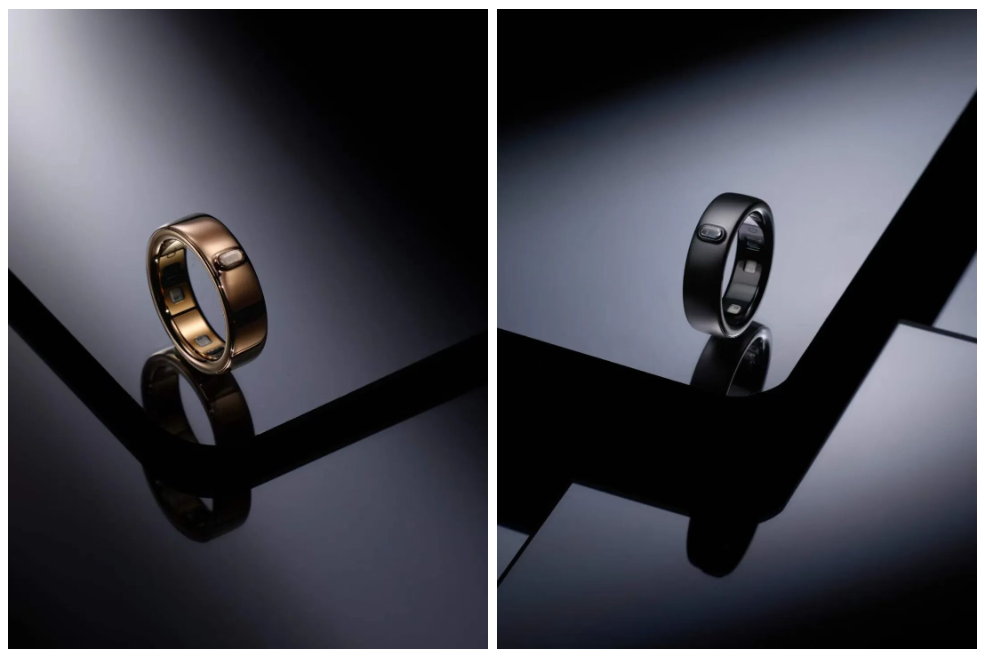
今日宜休旗下戒指ISHO Ring

今日宜休的戒指1799元起,床笠9999元起。双11期间,其京东自营旗舰店2199元的Pro款售出1000余件,1799元的基础款售出400余件,加上天猫的600余件,两大平台合计售出上千枚。首销12天,今日宜休旗下戒指ISHO Ring位列京东智能戒指品类第一。

AIVELA的成立路径与今日宜休相似,其创始人李东豪是出海电助力自行车品牌URTOPIA的联合创始人,创业期间因为睡眠问题,身体几乎垮掉,他自述戴过市面上几乎所有智能睡眠穿戴设备,最后在一枚戒指上,重新找到了做产品的理由。

李东豪曾分享,智能指环把心率、恢复状态等多项信号转化成了趋势曲线,让他能观察睡眠、状态与日常行为之间的关系。有一次,设备提前预警了他身体的异常,他去医院检查,确实发烧了。“那一瞬间我突然意识到,它甚至比我更早感知到了我身体的异样,这样的产品,是真的有用。”

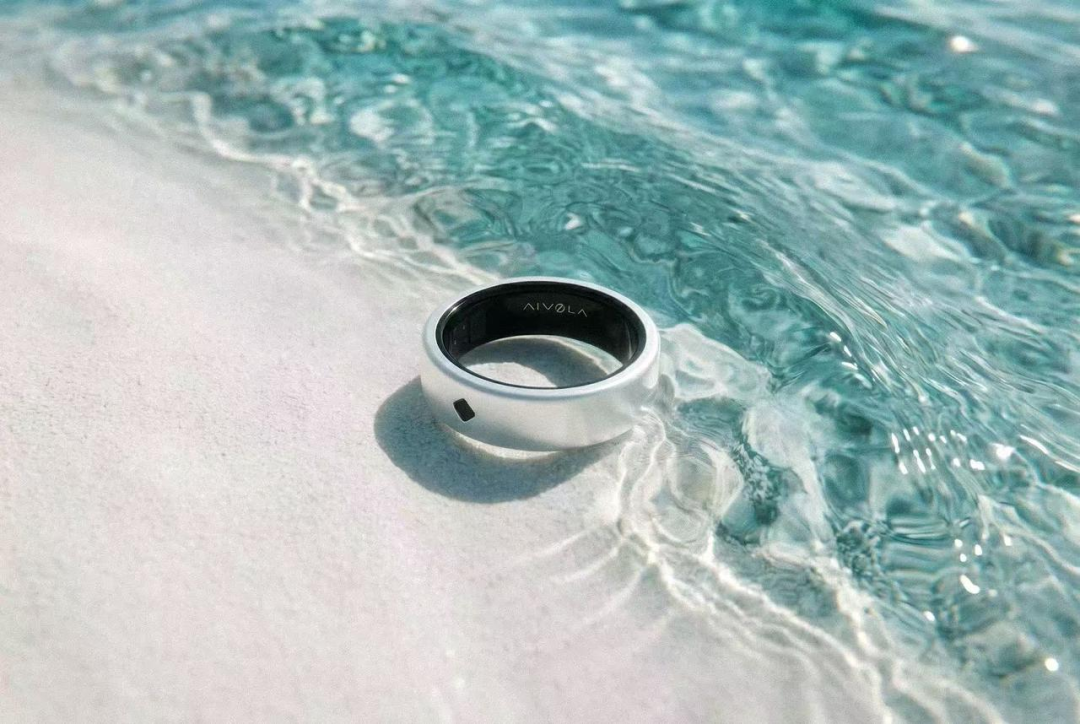
AIVELA不强调医疗级监测,定位是“最关怀你的智能饰品”,天使轮融资由线性资本领投,锋领资本跟投,URTOPIA等产业方共同加注。

AIVELA智能戒指(来源:AIVELA官方)

Oura CEO Tom Hale在2025年接受《财富》杂志采访时也曾提到,睡眠是一个合适的切入口——人人都需要睡觉。相比嘈杂的白天,夜间相对可控的环境也能提供更干净的生理信号。在Oura的逻辑里,监测是一切改善的起点。一枚戴在手指上的钛合金戒指,在你睡着之后,可以整夜记录睡眠阶段、心率、血氧、体温和呼吸的细微变化,第二天早上把结果压缩成一个睡眠评分,并结合作息规律推荐最佳就寝时间。

成立于2021年的RingConn,是国内较早入局的智能戒指品牌之一。RingConn Gen 2主打“睡眠呼吸暂停监测”,夜里呼吸不规律时App会直接提醒。追觅2026年3月发布的Glow戒指在心率、血氧之外增加ECG功能。

硬件厂商把睡眠监测做到极致,可要真的睡得好,监测、预警之后,AI硬件还能做什么?

02

从监测睡眠到拯救失眠

睡眠问题中占比最高的三项分别是易醒51.4%、多梦42.7%、入睡难42.1%。三个痛点,对应环境、行为、神经三条不同的干预路径,以及智能环境调节、物理刺激、脑机接口三个干预手段。

Eight Sleep是一家成立于2014年的纽约智能睡眠科技公司,它的助眠硬件产品通过水循环分区调节床面温度,可调范围为13℃—43℃,专门解决“夫妻一个怕热、一个怕冷”的问题;监测到打鼾时,床头也会自动抬高。

2025年8月,Eight Sleep完成1亿美元D轮融资,投后估值超10亿美元,累计融资2亿美元,投资方包括红杉中国、Founders Fund、Y Combinator、软银愿景基金等。2026年4月,Eight Sleep正式进入中国市场。

今日宜休复制并升级了这套模式。王腾在发布会上介绍自己的思路:以智能穿戴设备作为数据入口,通过AI算法分析用户的身体状态,再把服务延伸至睡眠环境调节、日常活动和个人精力管理。

具体来说,戒指ISHO Ring负责采集心率、心率变异性(HRV)等生理数据,Pro版的充电仓还能监测室温、湿度和噪声。床笠iFlow则通过传感器监测心跳、呼吸和体动,再根据使用者的状态调节床面温度。两款设备采集的数据都会汇入ISHO Intelligence系统。

IFA 2026上,安克旗下Soundcore发布睡眠耳机Sleep 4和Sleep 4 Pro。两款产品都瞄准同一类场景:城市底噪、伴侣鼾声,以及普通耳机侧睡硌耳的问题。

安克睡眠耳机的逻辑是:耳塞先做被动隔音,ANC(主动降噪)处理较稳定的环境噪声,充电盒再检测鼾声,通知耳机播放舒缓声音。Pro版进一步升级:用耳内PPG采集脉搏相关信号,估算心率、心率变异性和睡眠状态;BioSync功能再根据心率变化调整助眠音频。

除此之外,近期市场上关注度较高的产品还有鹏脑助眠仪、灵瑙科技沉境S1眼罩、强脑科技深海豚Easleep、迈动数康美梦仓、舒达智适应床垫X1等。

这些睡眠硬件产品试图通过“监测—判断—调整”的循环,改善用户的睡眠问题。当然,仍有很多问题待解决:用户能否长期佩戴和使用,干预效果有没有可重复的证据,硬件之外的软件服务能否跟上。

03

两万家企业入局,睡眠这件事还有更多可能

智能硬件企业以外,传统寝具公司也正把床变成带传感器、带算法、带调节能力的干预终端。

比如,床垫可以睡前调温、按摩助眠;睡中感知心率、呼吸和睡姿变化,自动调节支撑,解决侧睡肩胯悬空、仰睡腰部塌陷;打鼾时干预,早晨轻柔唤醒;醒来生成睡眠报告并提出建议。慕思的鸿蒙智选智能床联动新风、空调、灯光和窗帘,拍一拍切换睡眠场景。

数据显示,喜临门aise宝褓系列累计销售额超千万元,慕思2025年AI产品营收2.55亿元、同比增长127.68%,其中T11+系列销售额1.3亿元。

中国睡眠研究会的数据显示,超3亿人存在睡眠障碍;中等收入群体每晚平均睡眠6.85小时,45.43%的人零点后入睡;18岁以上人群的睡眠困扰率48.5%,女性51.1%,65岁以上人群73.7%。

睡眠问题多种多样,失眠本身就有继发型、节律型、神经型等不同形态。其中,继发型失眠是指由躯体疾病引起的失眠,需要医疗干预;倒时差、作息颠倒、年龄增长带来的多是节律型失眠;精神压力过大、焦虑引起的失眠多为神经型失眠。

企查查统计显示,截至2025年9月,国内睡眠经济现存相关企业2.09万家,其中制造业占31.66%、科学研究和技术服务业占27.42%。A股上市公司里,喜临门、麒盛科技、梦百合、慕思股份、华熙生物、佐力药业等数十家已布局睡眠业务。

本文首发于 亿邦动力 官方网站

文章来源:亿邦动力

广告
微信
朋友圈

FAQ回顾

智能硬件为什么开始进入睡眠场景?

睡眠问题普遍存在,中国睡眠研究会数据显示超3亿人存在睡眠障碍,18岁以上人群睡眠困扰率48.5%。同时,中国消费电子产业已沉淀全球领先的供应链和工程化能力,AI技术正从概念走向应用;夜间环境相对可控,能提供更干净的生理信号,监测成为改善睡眠的起点。

AI睡眠硬件能解决哪些常见的睡眠问题?

文章指出睡眠问题占比最高的三项是易醒51.4%、多梦42.7%、入睡难42.1%,对应环境、行为、神经三条干预路径。智能硬件通过智能环境调节(如床垫分区调温、打鼾抬高床头)、物理刺激(助眠音频、眼罩、助眠仪)和脑机接口等手段,以“监测—判断—调整”循环改善睡眠。

智能戒指在睡眠监测中能提供哪些功能?

智能戒指可整夜记录睡眠阶段、心率、血氧、体温、呼吸和心率变异性等指标,次日生成睡眠评分、趋势曲线和最佳就寝建议。部分产品还能预警身体异常,例如AIVELA联合创始人李东豪曾因设备提前预警而就医确认发烧。

中国睡眠经济市场有哪些代表企业布局?

截至2025年9月,企查查统计显示国内睡眠经济现存相关企业2.09万家,制造业占31.66%、科学研究和技术服务业占27.42%。A股已有喜临门、麒盛科技、梦百合、慕思股份、华熙生物、佐力药业等数十家布局;新公司包括今日宜休、AIVELA、RingConn等。

AI睡眠硬件从监测到干预还面临哪些挑战?

文章提出三方面挑战:用户能否长期佩戴和使用,干预效果有没有可重复的证据,硬件之外的软件服务能否跟上。睡眠硬件需在监测、预警之后形成持续有效的改善闭环,否则难以从数据记录走向真正的失眠干预。

这么好看,分享一下?

朋友圈 分享

APP内打开

赞 +1
+1
微信好友 朋友圈 新浪微博 QQ空间
关闭
收藏成功
发送
/140 0