广告
加载中

TCL空调率先适配豆包旗下“小豆”AI助理 已深度布局三大主流AI平台

龚作仁 2026-11-24 22:03
龚作仁 2026/11/24 22:03

邦小白快读

EN
全文速览

总1:这篇文章最直接的干货是TCL空调已能通过豆包旗下“小豆”AI助理控制,且公测首日完成适配。

1.小豆App经用户授权后可控制TCL空调,支持设备控制、状态查询等能力。

2.用户可提出带上下文的复杂需求,例如“先制冷、半小时后除味”,由AI推理并规划任务,调用制冷、定时、新风等功能,完成后依据空气质量数据判断除味效果。

总2:想体验或使用,可关注三个入口和实操路径。

1.小豆采用邀请制公测,凭邀请码体验并获免费额度,邀请好友可得更多额度。

2.微信“小微”依托小程序入口,无需跳转多个应用即可查询和控制TCL空调,灰度用户已达千万级。

3.千问中TCL上线专属智能体,可做产品使用咨询和售后问答。TCL已率先完成小豆、小微、千问三大平台布局,未来还会融合更多AI入口。

总1:TCL空调把AI平台入口做成品牌新渠道和新营销抓手,以率先适配、首批接入形成差异化声量。

1.品牌营销上,TCL成为率先适配小豆AI个人助理的空调品牌,并首批接入微信小微、千问,强调创新、开放、合作姿态。

2.渠道建设上,入口覆盖小豆App、微信小程序、千问智能体,让用户在自己习惯的AI应用中找到并调用TCL空调,微信端无需跳转多个应用。

总2:用户行为与消费趋势指向场景化、服务化体验。

1.用户不再只发一条指令,而是提出带上下文的复杂需求,如先制冷半小时后除味,品牌需让产品能力可被AI理解并拆解任务。

2.微信小微已覆盖千万级灰度用户,说明高频日常场景是重要触点。

3.千问把产品知识和售后服务沉淀为智能体,品牌竞争从设备控制延伸到知识服务;未来AI入口成为智能家居交互方式,品牌需把设备控制、状态感知、产品知识、售后沉淀为标准能力。

总1:AI平台入口带来新增量机会,卖家可关注三大平台合作和可复制的运营打法。

1.小豆公测采用邀请制,凭邀请码体验并获免费额度,邀请好友可得更多额度,适合尝鲜用户和社交裂变。

2.微信小微灰度用户达千万级,且TCL是家电行业首批接入品牌,用户可在小程序入口直接查询和控制空调。

3.千问面向大众大模型AI应用,TCL上线专属智能体承接产品咨询和售后问答。

总2:可学习点在于把能力标准化并快速响应平台适配。

1.TCL在公测首日完成适配,依托团队快速响应与高效匹配,说明新入口出现时要抢占首批红利。

2.合作方式是把设备控制、状态查询、状态感知、产品知识、售后服务以智能体方式开放,让AI直接协同。

3.风险提示是入口数量叠加不等于能力融合,若只做入口不做标准化,难以形成精准服务;卖家应关注复杂场景需求和售后知识服务带来的机会。

总1:这篇文章对工厂的启示是产品要从联网终端升级为可被AI调用的能力节点。

1.产品功能上,空调需支持设备控制、状态查询、状态感知,并能调用制冷、定时、新风等功能;复杂任务如先制冷半小时后除味,还要依据空气质量数据判断效果。

2.设计需求上,设备要能让AI理解上下文、形成任务规划并完成多步骤操作,而不是只接收一条指令。

总2:数字化和商业机会体现在能力开放与平台适配。

1.工厂应把设备控制、状态感知、产品知识、售后服务沉淀为标准化能力,以智能体方式开放,便于不同AI平台调用。

2.TCL率先适配小豆,并首批接入微信小微、千问,说明尽早完成平台适配可形成商业先机。

3.未来TCL将持续推进与更多AI入口融合,工厂需跟进AI交互新范式,推动产品从被动联网转向主动服务用户空气需求。

总1:行业趋势是AI智能体正成为智能家居的新服务入口,服务商应关注平台入口与标准化能力开放。

1.TCL率先完成小豆、小微、千问三大主流AI平台布局,说明AI入口正从单点尝试走向多平台协同。

2.小豆支持带上下文的复杂需求,由AI推理并形成任务规划,例如先制冷、半小时后除味,并依据空气质量数据判断效果。

总2:客户痛点和解决方案清晰。

1.痛点包括用户需跳转多个应用、只被动接收一条指令、查说明书和联系客服才能解决产品使用与售后问题。

2.解决方案是把设备控制、状态查询、产品知识、售后服务沉淀为可被AI智能体调用的标准能力;微信小微让用户无需跳转多个应用,千问专属智能体承接产品咨询和售后问答。

3.服务商可借鉴从能控制到懂服务的延伸,围绕场景化任务和知识服务设计解决方案,并关注未来更多AI入口融合。

总1:平台商可关注AI助理平台如何吸引家电品牌接入,以及公测、灰度、智能体承载等运营做法。

1.小豆公测采用邀请制,用户凭邀请码体验并获免费额度,邀请好友可得更多额度,形成可控放量和社交拉新。

2.TCL在公测首日完成适配,成为率先适配小豆的空调品牌,说明平台需要品牌快速响应和高效匹配能力。

3.微信小微依托小程序入口,灰度用户达千万级,TCL为首批接入家电品牌;千问以智能体形态承载服务,TCL上线专属智能体承接产品知识和售后。

总2:平台招商和风向规避要围绕能力标准化与体验质量。

1.平台可把设备控制、状态查询、状态感知、产品知识、售后服务作为可调用能力,吸引品牌把服务沉淀到智能体中。

2.运营上要关注用户在自己习惯的AI应用中找到并调用服务,避免只增加入口数量。

3.风向规避上,文章强调入口数量叠加不是终点,而是被AI深度理解、便捷调用和精准服务的标准化实践,平台应重视适配质量和复杂场景任务规划。

总1:产业新动向是家电品牌开始把主流AI平台作为智能家居交互入口,TCL率先完成小豆、小微、千问三大平台布局。

1.微信体系2026年8月完成,小微依托小程序入口,灰度用户千万级;千问体系2026年10月完成接入,以智能体承载产品知识和售后服务;小豆公测首日完成适配。

2.交互方式从被动接收一条指令,转向理解一段需求并自主拆解任务,如先制冷、半小时后除味,结合感知数据判断效果。

总2:新问题与商业模式值得研究。

1.新问题在于入口数量叠加不等于能力融合,文章提出标准化实践,即设备控制、状态感知、产品知识、售后服务被AI深度理解、便捷调用和精准服务。

2.商业模式上,家电品牌以智能体方式开放能力,与AI平台快速响应、高效匹配,把空调从联网终端变为AI生态中主动服务空气需求的节点。

3.启示包括经用户授权后实现设备控制,以及行业从万物互联迈向万物智联的实践样本。

返回默认
声明:快读内容全程由AI生成,请注意甄别信息。如您发现问题,请发送邮件至 run@ebrun.com 。

我是 品牌商 卖家 工厂 服务商 平台商 研究者 帮我再读一遍。

Quick Summary

Summary 1: The most direct takeaway is that TCL air conditioners can now be controlled through Doubao's Xiaodou AI assistant, with adaptation completed on the first day of public beta.

1. After user authorization, the Xiaodou app can control TCL air conditioners and supports device control, status queries, and related capabilities.

2. Users can make complex, contextual requests, such as 'cool first, then remove odors after 30 minutes.' The AI reasons and plans the task, invokes cooling, timer, and fresh-air functions, and then judges the odor-removal effect based on air quality data.

Summary 2: To try or use the service, users can follow three entry points and practical paths.

1. Xiaodou uses an invite-only public beta. Users can try it and receive free quota with an invite code, and earn more quota by inviting friends.

2. WeChat Xiaowei relies on a mini-program entry point, allowing users to query and control TCL air conditioners without switching between multiple apps; grayscale rollout users have reached tens of millions.

3. In Qwen, TCL has launched a dedicated agent for product usage consultation and after-sales Q&A. TCL has taken the lead in completing layouts across the three platforms—Xiaodou, Xiaowei, and Qwen—and will integrate more AI entry points in the future.

Summary 1: TCL has turned AI platform entry points into a new brand channel and marketing lever, using early adaptation and first-batch access to build differentiated brand visibility.

1. In brand marketing, TCL has become the first air-conditioner brand to adapt to the Xiaodou personal AI assistant and among the first to connect to WeChat Xiaowei and Qwen, emphasizing an innovative, open, and collaborative stance.

2. In channel building, its entry points span the Xiaodou app, WeChat mini-program, and Qwen agent, allowing users to find and invoke TCL air conditioners within the AI apps they already use; the WeChat entry requires no switching between multiple apps.

Summary 2: User behavior and consumption trends point toward contextualized, service-oriented experiences.

1. Users no longer issue only a single command; they raise complex, contextual needs, such as cooling first and removing odors after half an hour. Brands must make product capabilities understandable to AI and decomposable into tasks.

2. WeChat Xiaowei has covered tens of millions of grayscale rollout users, showing that high-frequency daily scenarios are important touchpoints.

3. Qwen turns product knowledge and after-sales service into an agent, extending brand competition from device control to knowledge services. In the future, AI entry points will become a smart-home interaction mode, and brands will need to standardize device control, status sensing, product knowledge, and after-sales service as core capabilities.

Summary 1: AI platform entry points create new incremental opportunities; sellers should watch collaboration across the three platforms and replicable operating tactics.

1. Xiaodou's public beta is invite-only. Users can try it and receive free quota with an invite code, and earn more quota by inviting friends, making it suitable for early adopters and referral-driven growth.

2. WeChat Xiaowei's grayscale rollout has reached tens of millions of users, and TCL is among the first home appliance brands to connect; users can query and control air conditioners directly through the mini-program entry point.

3. Qwen is a mass-market large-model AI application, and TCL has launched a dedicated agent to handle product inquiries and after-sales Q&A.

Summary 2: The lesson is to standardize capabilities and respond quickly to platform adaptation.

1. TCL completed adaptation on the first day of public beta, relying on its team's quick response and efficient matching. This shows that when new entry points emerge, players should capture first-batch benefits.

2. The collaboration approach is to open device control, status queries, status sensing, product knowledge, and after-sales service as agents, enabling direct collaboration with AI.

3. The risk is that adding more entry points does not equal capability integration. If a seller only builds entry points without standardization, it will be difficult to deliver precise service. Sellers should watch opportunities arising from complex scenario needs and after-sales knowledge services.

Summary 1: The implication for factories is that products must upgrade from connected terminals to capability nodes that AI can invoke.

1. At the product-function level, air conditioners need to support device control, status queries, and status sensing, and be able to invoke cooling, timer, and fresh-air functions. For complex tasks such as cooling for half an hour and then removing odors, they must also judge the effect based on air quality data.

2. At the design level, devices must enable AI to understand context, form task plans, and complete multi-step operations, rather than merely receive a single command.

Summary 2: Digitalization and commercial opportunities lie in opening capabilities and adapting to platforms.

1. Factories should standardize device control, status sensing, product knowledge, and after-sales service, and open these capabilities through agents so different AI platforms can invoke them.

2. TCL was the first to adapt to Xiaodou and among the first to connect to WeChat Xiaowei and Qwen, showing that early platform adaptation can create commercial advantage.

3. TCL will continue integrating with more AI entry points, so factories need to follow the new AI interaction paradigm and shift products from passive connectivity to actively serving users' air needs.

Summary 1: The industry trend is that AI agents are becoming a new service entry point for smart homes, and service providers should focus on platform entry points and standardized capability opening.

1. TCL has taken the lead in completing layouts across Xiaodou, Xiaowei, and Qwen, three mainstream AI platforms, indicating that AI entry points are moving from isolated experiments to multi-platform collaboration.

2. Xiaodou supports complex contextual requests, with AI reasoning and task planning; for example, it can cool first and remove odors after half an hour, then judge the effect based on air quality data.

Summary 2: Customer pain points and solutions are clear.

1. Pain points include the need to switch between multiple apps, the passive receipt of only a single command, and the need to consult manuals or contact customer service to resolve product usage and after-sales issues.

2. The solution is to standardize device control, status queries, product knowledge, and after-sales service as capabilities callable by AI agents. WeChat Xiaowei lets users avoid switching between multiple apps, while Qwen's dedicated agent handles product consultation and after-sales Q&A.

3. Service providers can learn from the shift from device control to service intelligence, design solutions around contextual tasks and knowledge services, and watch for future integration of more AI entry points.

Summary 1: Platform operators should focus on how AI assistant platforms attract home appliance brands to connect, as well as operational approaches such as public beta, grayscale rollout, and agent-hosted services.

1. Xiaodou's public beta uses an invite-only model. Users can try it and receive free quota with an invite code, and earn more quota by inviting friends, creating controlled scaling and referral-based user acquisition.

2. TCL completed adaptation on the first day of public beta, becoming the first air-conditioner brand to adapt to Xiaodou, showing that platforms need brands' quick response and efficient matching capabilities.

3. WeChat Xiaowei relies on a mini-program entry point, with grayscale rollout users reaching tens of millions; TCL is among the first home appliance brands to connect. Qwen hosts services in agent form, and TCL has launched a dedicated agent to handle product knowledge and after-sales service.

Summary 2: Platform brand recruitment and trend-risk management should center on capability standardization and experience quality.

1. Platforms can treat device control, status queries, status sensing, product knowledge, and after-sales service as callable capabilities, attracting brands to embed services in agents.

2. Operationally, the focus should be on enabling users to find and invoke services within the AI apps they already use, rather than merely adding more entry points.

3. On trend-risk management, the article stresses that adding entry points is not the end goal; the goal is standardized practice in which capabilities are deeply understood by AI, conveniently invoked, and precisely delivered. Platforms should value adaptation quality and complex-scenario task planning.

Summary 1: A new industry development is that home appliance brands are beginning to treat mainstream AI platforms as smart-home interaction entry points, with TCL taking the lead in completing layouts across Xiaodou, Xiaowei, and Qwen.

1. The WeChat system was completed in August 2026, with Xiaowei relying on a mini-program entry point and grayscale rollout users in the tens of millions. The Qwen system completed access in October 2026, using an agent to host product knowledge and after-sales service. Xiaodou adaptation was completed on the first day of public beta.

2. The interaction mode is shifting from passively receiving a single command to understanding a set of needs and autonomously decomposing tasks, such as cooling first and removing odors after half an hour, and using sensing data to judge the effect.

Summary 2: New issues and business models are worth studying.

1. The new issue is that more entry points do not equal capability integration. The article proposes a standardized practice in which device control, status sensing, product knowledge, and after-sales service are deeply understood by AI, conveniently invoked, and precisely delivered.

2. In terms of business models, home appliance brands open capabilities through agents and respond quickly and match efficiently with AI platforms, turning air conditioners from connected terminals into nodes that actively serve air needs within the AI ecosystem.

3. Implications include enabling device control after user authorization and providing a practical sample of the industry's shift from the Internet of Everything to the Intelligence of Everything.

Disclaimer: The "Quick Summary" content is entirely generated by AI. Please exercise discretion when interpreting the information. For issues or corrections, please email run@ebrun.com .

I am a Brand Seller Factory Service Provider Marketplace Seller Researcher Read it again.

11月24日,小豆AI个人助理正式开启公测。这款全新AI个人助理采用邀请制,用户凭邀请码即可体验,并获赠一定量免费额度,邀请好友还可获得更多额度。同日,小豆App经用户授权后已可控制TCL空调,TCL空调由此成为率先适配小豆AI个人助理的空调品牌。依托双方团队的快速响应与高效匹配,TCL空调在公测首日即完成适配,让用户能够在刚上线的AI个人助理中直接调用空调,智能化与便捷性体验进一步升级。

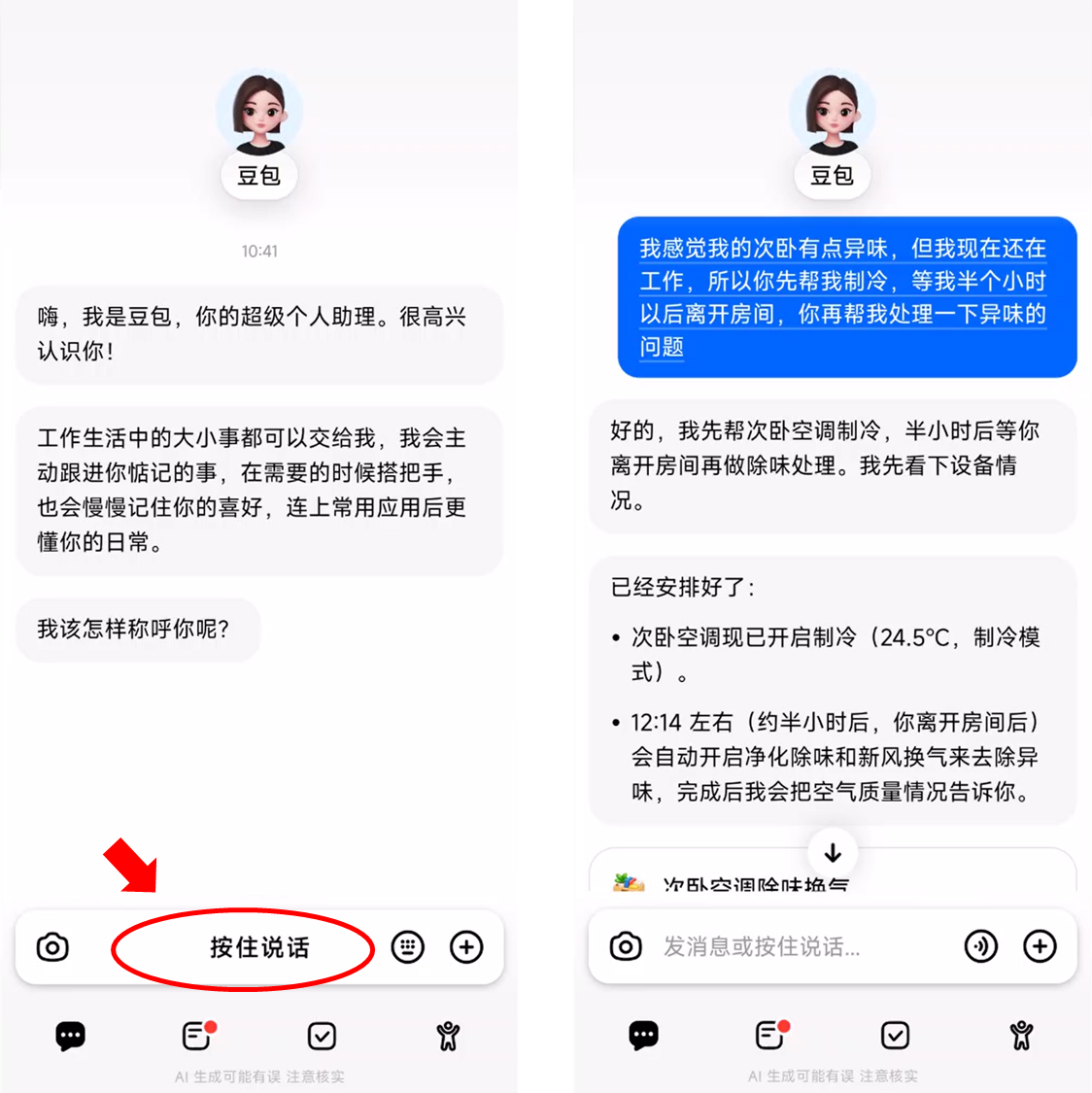
豆包旗下“小豆”App

作为业界率先适配“小豆”AI个人助理的空调品牌,TCL空调将设备控制、状态查询等能力以智能体方式开放,实现了AI与设备的直接协同。依托小豆AI个人助理,TCL空调用户可以提出带有上下文的复杂场景需求,由AI推理并形成任务规划,例如“先制冷、半小时后除味”,“小豆”可结合空调感知数据,调用制冷、定时、新风等功能,并在完成后依据空气质量数据判断除味效果。

从被动接收一条指令,到理解一段需求并自主拆解任务,TCL空调的智能化能力和AI交互方式,正在发生一场颠覆性的体验升维。

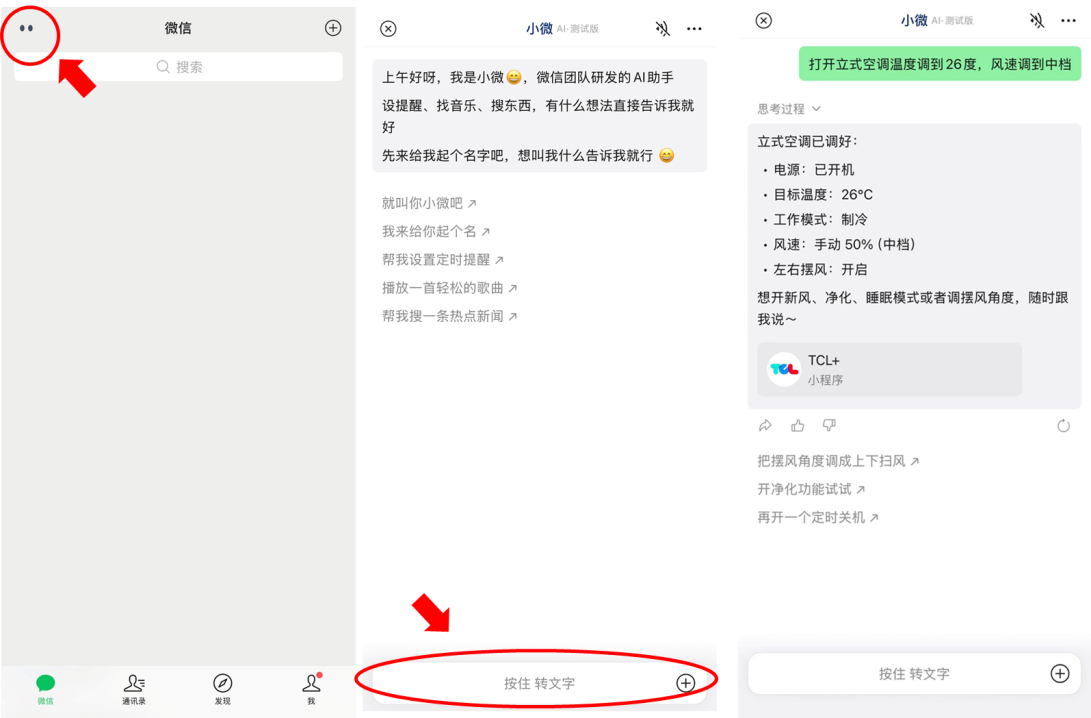
事实上,TCL空调在AI入口上的布局并非始于今日。在微信体系,TCL空调的布局已于2026年8月完成。微信是国内用户规模领先的社交与生活方式平台,小微作为其生态内的AI助手,依托小程序等入口,让用户无需跳转多个应用,即可在熟悉的环境中找到并调用TCL空调的能力和服务。由此,TCL空调成为家电行业首批接入“小微”的品牌之一,当前,“小微”灰度用户规模已达千万级。通过小微AI,用户可以对TCL空调进行状态查询和控制,把空调操作融入高频的日常使用场景,让智能体验触手可及。

腾讯微信“小微”

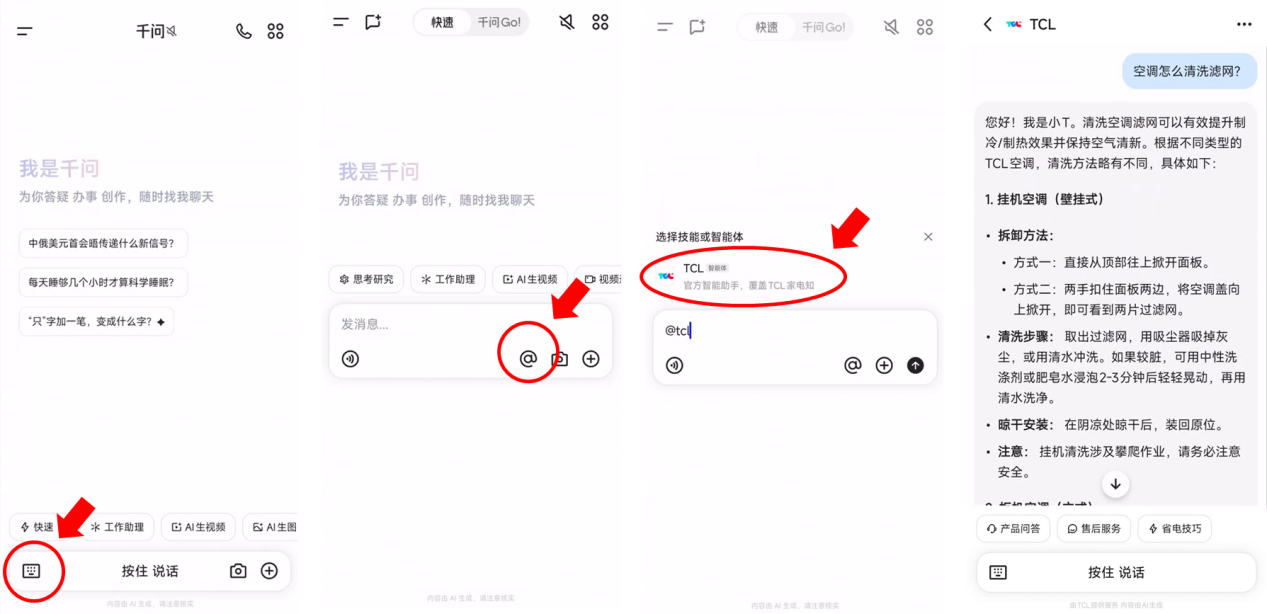
在千问体系,TCL空调则于2026年10月完成接入,同样成为家电行业首批接入“千问”的品牌之一。千问是面向大众的大模型AI应用,以智能体形态承载服务,用户通过与智能体对话,即可获得专业、连续的知识问答。依托这一平台特性,TCL空调在千问中上线专属智能体,把空调相关的产品知识与售后服务能力沉淀其中。用户不仅可以获取产品使用咨询,还能便捷完成售后问答,将以往需要翻阅说明书、联系客服才能解决的问题,转化为一次自然的对话。从“能控制”到“懂服务”,TCL空调在千问平台实现了空调能力从设备操作向知识服务的延伸。

千问App

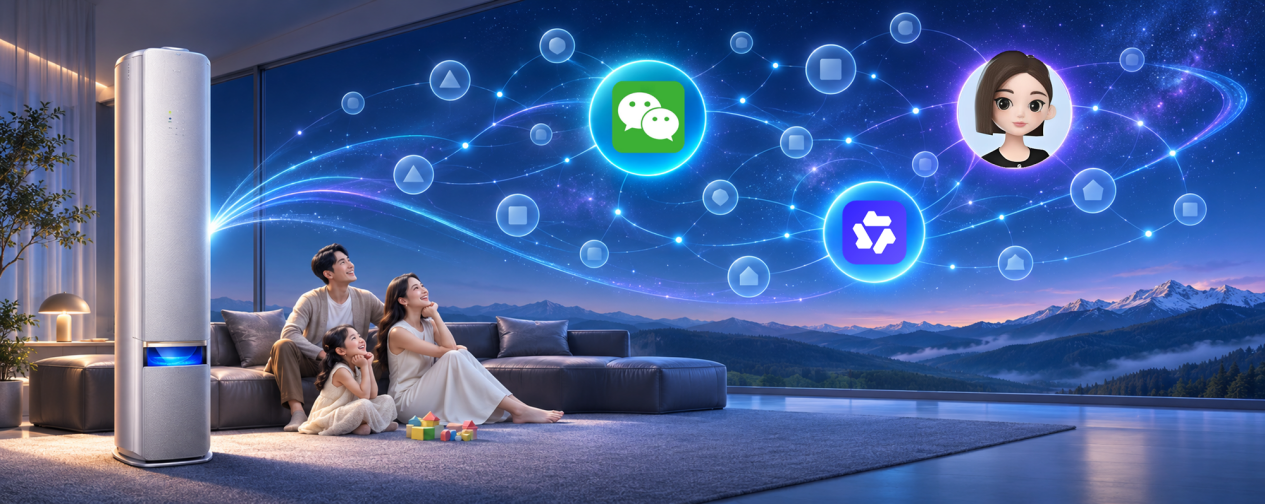
从微信生态的小程序入口,到千问的TCL智能体,再到刚刚开启公测的小豆AI个人助理,TCL空调在业界率先完成小豆、小微、千问三大主流AI平台的布局,让用户可以在自己习惯的AI应用中找到并调用TCL空调。这不只是入口数量的叠加,更是TCL空调的空调智能化能力被AI深度理解、便捷调用和精准服务的标准化实践。

当AI平台入口逐步成为智能家居不可忽视的交互方式,TCL空调正以创新、开放、合作的姿态,将设备控制、状态感知、产品知识与售后服务等沉淀为可被AI智能体调用的标准能力,推动空调从被动联网的终端设备,转变为AI生态中主动服务用户空气需求的重要节点,为用户提供更便捷、更智能的体验。未来,TCL空调将持续推进空调智能化能力与更多AI入口的融合,不断探索空调AI交互新范式,为行业从万物互联迈向万物智联提供可参照的领先经验和实践样本。

注:文/龚作仁,文章来源:Laborer,本文为作者独立观点,不代表亿邦动力立场。

文章来源:Laborer

广告
微信
朋友圈

FAQ回顾

小豆AI个人助理是什么,能控制TCL空调吗?

小豆AI个人助理是豆包旗下小豆App推出的AI个人助理,2026年11月24日开启公测,采用邀请制。用户经授权后可在小豆App控制TCL空调;TCL空调是率先适配的空调品牌,已开放设备控制、状态查询等能力,并支持用户提出复杂场景需求由AI拆解执行。

TCL空调接入了哪些主流AI平台?

TCL空调已布局小豆、小微、千问三大主流AI平台:2026年8月完成微信“小微”接入,成为家电行业首批接入品牌之一;2026年10月接入千问并上线专属智能体;11月24日小豆公测首日完成适配,成为率先适配小豆AI个人助理的空调品牌。

TCL空调在千问平台能提供哪些服务?

TCL空调在千问上线专属智能体,把产品知识与售后服务能力沉淀其中。用户可通过对话获取产品使用咨询,也能完成售后问答,将查阅说明书、联系客服才能解决的问题转化为一次自然对话,实现从设备操作向知识服务的延伸。

TCL空调接入AI助理后能实现哪些复杂场景控制?

依托小豆AI个人助理,用户可以提出带上下文的复杂场景需求,由AI推理并形成任务规划,例如“先制冷、半小时后除味”;小豆可结合空调感知数据,调用制冷、定时、新风等功能,并在完成后依据空气质量数据判断除味效果。

AI平台入口会如何改变空调等智能家居设备的交互方式?

AI平台入口正成为智能家居不可忽视的交互方式。TCL空调将设备控制、状态感知、产品知识与售后服务沉淀为可被AI智能体调用的标准能力,使空调从被动联网终端转变为AI生态中主动服务用户空气需求的节点,推动行业从万物互联迈向万物智联。

这么好看,分享一下?

朋友圈 分享

APP内打开

赞 +1
+1
微信好友 朋友圈 新浪微博 QQ空间
关闭
收藏成功
发送
/140 0