广告
加载中

为什么越来越多商家 去了京东直播?

张静波 2026-10-30 17:03
张静波 2026/10/30 17:03

邦小白快读

EN
全文速览

总1:直播带货看似热闹,商家却常被高退货、坑位费、佣金、投流费侵蚀利润;京东超市茗茶直播用内容和供应链跑出反向增长。

1.先让消费者敢买:用现场冲泡、展示茶汤、讲口感、演示茶饼像掰巧克力一样取茶、介绍产地溯源,把专业术语变成看得懂的过程。

2.播前发新手选茶科普短视频引流,播中集中展示冲泡口感差异,播后把高频问题剪成短视频继续触达。

3.用实时评论和当场提问补充信息,降低信任门槛;茗茶直播用户决策比大盘快4%。

总2:成交靠供应链兑现,经营要靠可复制方法。

1.直播中发现组合套装需求可现场核库存算价格紧急上新;订单超预期时按预警调整讲解顺序、增加备选。

2.开播前用消费数据预估订单、锁定库存;成交后品牌仓储打包发货,京东提供交易链路、物流协同和售后入口。

3.平台用确定性流量、专项红包、货补支持开播,沉淀茶张力视觉SOP和AI选品、脚本、切片工具,AI切片让订单转化率平均提升超40%。最后竞争是比谁赚得久。

总1:茗茶直播正从低价叫卖转向用信任和内容做品牌。

1.消费趋势:茗茶从节日礼赠加速转向日常自饮,直播触达新客和下沉市场,下沉人群占40%。

2.用户行为:消费者更理性,需要听懂口感、适合新手、日常划算、怎么泡;直播用户决策比大盘快4%,退货率相对行业更低。

3.品牌营销:京东提出茶张力,用氛围感加专业感,把直播间从卖货场变信任场;沉淀新中式茶张力美学、工笔水墨流动古画两套视觉SOP。

总2:价格竞争和产品组合要围绕真实需求。

1.平台建议先别用低价冲量,先把味道、适用人群、性价比、冲泡方法讲清楚再成交。

2.产品上可围绕年份对比组合套装、优化易撬茶饼、试喝装和特色茶覆盖新客与进阶用户。

3.品品香双11晒白金成交用户数同比增729.55%、成交额增221.51%,说明专业内容能打开新消费人群;茶张力未来可复制到酒水、糕点等高信任品类。

总1:直播流量贵、退货高,京东茗茶直播提供增长市场和可学习打法。

1.消费需求变化:茗茶从礼赠转向日常自饮,下沉市场占40%,新客和进阶用户可分层运营。

2.机会提示:稳定开播商家从2家增至618期间30家、中秋42家,八马、竹叶青、华祥苑等参与;品品香双11成交用户数增729.55%。

3.扶持政策:确定性流量、专项红包、品类货补,618中秋节点组织品类直播大事件。

总2:合作与经营要盯订单质量而非只看GMV。

1.合作方式:品牌负责仓储打包发货和防潮包装,京东提供交易链路、物流协同、售后入口,品牌客服优先承接品质年份问题。

2.可学习点:播前科普引流、播中冲泡讲解、播后切片;直播作为独立经营单元,日常口粮茶、特色茶、试喝装分层选品;AI切片转化率平均提升超40%,AI选品成交额平均增长30%。

3.风险提示:行业退货率可达50%以上,坑位费、佣金、投流费叠加侵蚀利润;京东茗茶退货率较低,但商家仍要算逆向物流、客服、损耗账。

总1:直播需求正反向推动产品设计、生产标准和履约响应。

1.产品设计需求:消费者想要三年、五年、八年白茶组合套装;茶饼要优化到像掰巧克力一样易撬;老白茶要防潮包装;日常口粮茶、特色茶、试喝装要分层供给。

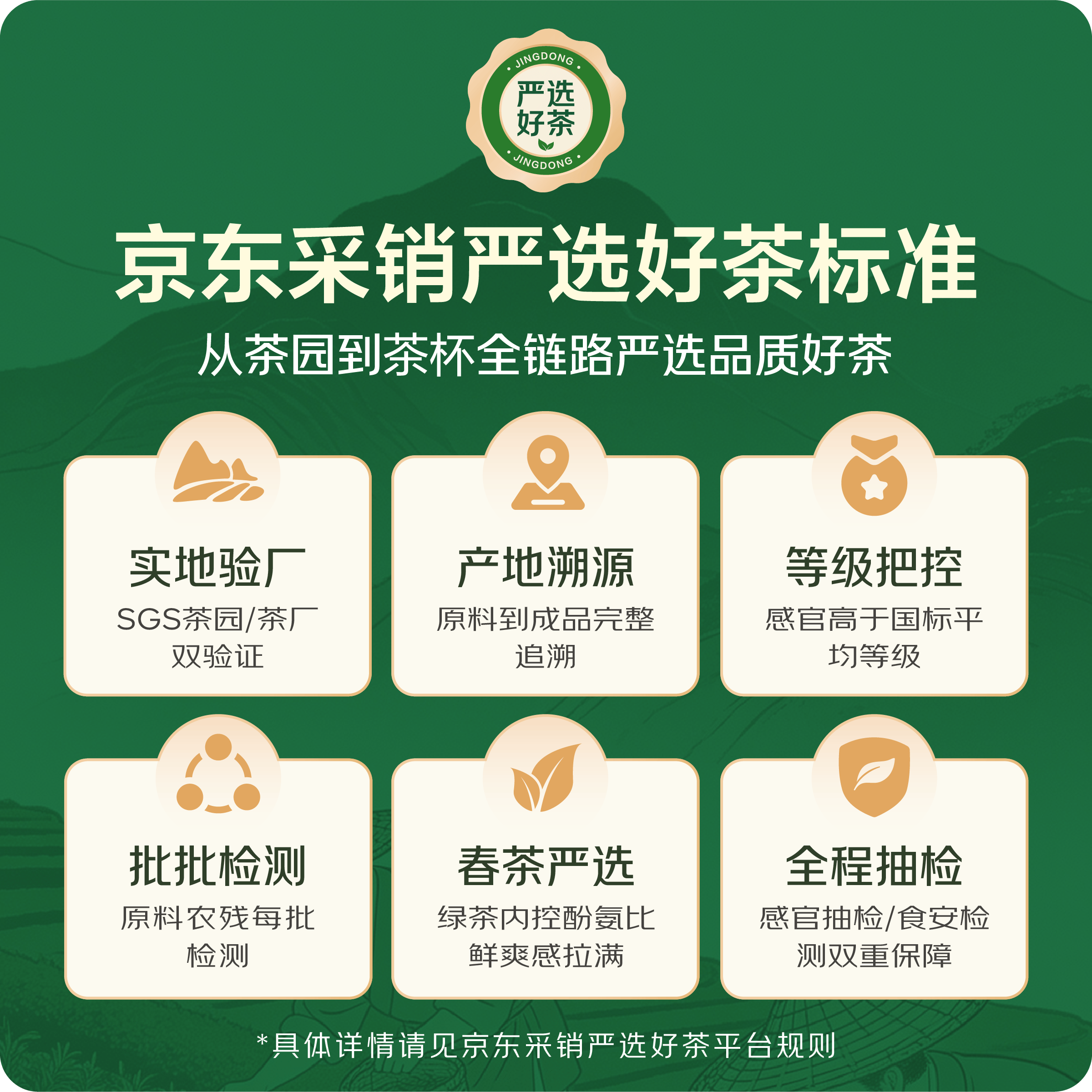
2.生产品质标准:京东联合头部品牌、行业协会和SGS制定严选好茶标准,实地验厂、产地溯源、等级把控、批批检测、春茶严选、全程抽检六道把关。

总2:数字化和电商协同能减少库存与履约不确定性。

1.开播前用茶饮类目消费数据分析年份偏好、价格需求,预估订单规模并提前锁定库存。

2.直播中后台实时推送订单预警,品牌核查库存、调整讲解顺序、增加备选茶品,避免断货。

3.春茶季开通寄递绿色通道,省外核心城市最快次晨达,贵州高山产区用eVTOL衔接高铁,最快当日送达浙沪;成交后品牌仓储打包发货,京东协同交易、物流和售后。工厂可借此理解按需生产、品质溯源和数字化选品。

总1:直播电商正从流量规模转向经营效率,服务机会在内容、工具和供应链协同。

1.行业趋势:高信任品类需要专业表达,茶张力方法论未来逐步复制到酒水、糕点等高决策成本、高信任门槛品类。

2.客户痛点:商家缺主播、缺运营、缺反复试错预算;专业术语消费者听不懂;流量贵、退货率高、利润薄;中小商家难把头部经验复制。

总2:可落地的解决方案已经出现。

1.内容方案:茶张力用茶艺师冲泡讲解加东方美学灯光置景,沉淀新中式茶张力美学和工笔水墨流动古画两套视觉SOP;播前科普短视频、播中展示冲泡口感、播后高频问题切片。

2.工具方案:AI选品、脚本生成、切片工具降低运营门槛,AI切片让订单转化率平均提升超40%,AI选品带动成交额平均增长30%。

3.供应链方案:直播发现需求后现场核库存、算价格、紧急上新;订单预警和库存预估;品质端联合SGS六道检测,履约端春茶绿色通道和次日达。服务商可围绕这些环节提供代运营、内容和工具服务。

总1:京东超市用品类专属直播加超级供应链,回应商家流量贵、退货高、能力不足的问题。

1.商家需求与问题:直播坑位费、佣金、投流费叠加,退货率部分高达50%以上;中小商家缺主播、运营和试错预算。

2.平台最新做法:以人、货、场、政策四维度做三段式方法论,供给托底给确定性流量、专项红包、品类货补,618中秋做品类直播大事件;内容上推茶张力;运营上把直播当独立经营单元,提供AI选品、脚本、切片工具。

总2:招商、运营和风向规避要围绕订单质量。

1.招商成果:稳定开播商家从2家增至618期间30家、中秋42家,八马、竹叶青、华祥苑等头部品牌参与,中秋茶艺师争霸赛17家品牌同台。

2.运营管理:日常口粮茶承接基础需求,特色茶和试喝装覆盖新客进阶;开播前预估订单锁定库存,直播中订单预警调整讲解,成交后品牌仓储发货、京东交易物流售后分工。

3.风向规避:放弃低价叫卖,以品质保真六道标准守底线,关注退货率和订单质量,把茶张力复制到酒水、糕点,构建内容建心智、供应链兑品质、生态提效率的平台生态。

总1:茗茶直播实验提供了直播电商下半场的产业样本。

1.产业新动向:直播竞争从流量规模转向经营效率,品类专属直播和茶张力内容方法论出现,未来可复制到酒水、糕点等高信任品类。

2.新问题:行业退货率部分达50%以上,坑位费、佣金、投流费推高成本;专业术语与普通消费者理解存在鸿沟;中小商家缺主播、运营和试错预算。

总2:商业模式和治理启示值得关注。

1.商业模式:以品类为核心,用内容建心智、供应链兑品质、生态提效率;直播间从卖货场变信任场,考核订单质量而非单纯GMV;三段式方法论覆盖供给、内容、运营。

2.治理与标准启示:联合头部品牌、行业协会、SGS制定严选好茶标准,六道检测把关农残安全;产地溯源、批批检测、春茶严选。

3.数据与机制:下沉市场用户占40%,茗茶直播用户决策快4%,AI切片订单转化率平均提升超40%,AI选品成交额平均增长30%;直播发现需求、供应链即时兑现,形成内容场与交易场连接。研究者可据此讨论平台、品牌、供应链协同的新范式。

返回默认
声明:快读内容全程由AI生成,请注意甄别信息。如您发现问题,请发送邮件至 run@ebrun.com 。

我是 品牌商 卖家 工厂 服务商 平台商 研究者 帮我再读一遍。

Quick Summary

Summary 1: Livestream commerce looks lively, but merchants often see profits eroded by high returns, slot fees, commissions, and paid traffic; JD Supermarket's fine tea livestreaming achieved counter-trend growth through content and supply chain.

1. First, make consumers willing to buy: live brewing, showing tea liquor, explaining mouthfeel, demonstrating how to break a tea cake like snapping chocolate, and introducing origin traceability—turning jargon into a visible, understandable process.

2. Before broadcasts, release short educational videos on choosing tea for beginners to drive traffic; during broadcasts, focus on demonstrating differences in brewed taste; after broadcasts, edit high-frequency questions into short videos for continued reach.

3. Use real-time comments and on-the-spot questions to fill information gaps and lower the trust barrier; fine tea livestream users make decisions 4% faster than the overall market.

Summary 2: Transactions depend on supply chain delivery; operations depend on replicable methods.

1. If demand for bundled sets emerges during a livestream, check inventory and calculate prices on the spot and urgently list new products; when orders exceed expectations, adjust the presentation order and add alternatives according to warnings.

2. Before going live, use consumer data to forecast orders and lock inventory; after sales, brands warehouse, pack, and ship, while JD provides transaction infrastructure, logistics coordination, and after-sales access.

3. The platform supports broadcasts with guaranteed traffic, dedicated red packets, and merchandise subsidies; it has built visual SOPs for Tea Tension and AI tools for product selection, scripts, and clip generation. AI clips increase order conversion by an average of over 40%. Ultimately, competition is about who can stay profitable longer.

Summary 1: Fine tea livestreaming is shifting from low-price hawking to brand-building through trust and content.

1. Consumer trend: fine tea is accelerating from holiday gifting to everyday self-consumption; livestreams reach new customers and lower-tier markets, with lower-tier users accounting for 40%.

2. User behavior: consumers are more rational and need to understand taste, beginner suitability, everyday value, and brewing methods; livestream users decide 4% faster than the overall market, and return rates are relatively lower than the industry.

3. Brand marketing: JD proposes Tea Tension, combining atmosphere with professionalism to turn the livestream room from a sales venue into a trust venue; it has built two visual SOPs—new Chinese-style Tea Tension aesthetics and gongbi ink-wash animated classical paintings.

Summary 2: Price competition and product portfolios should center on real demand.

1. The platform recommends not using low prices to chase volume first; instead, clearly explain taste, target users, value for money, and brewing methods before closing sales.

2. On products, brands can build vintage-comparison bundles, optimize easy-to-break tea cakes, and use trial packs and specialty teas to cover new customers and advanced users.

3. Pinpinxiang's Shai Baijin on Double 11 saw buyers rise 729.55% YoY and transaction value rise 221.51%, showing that professional content can open up new consumer groups; Tea Tension can be replicated in high-trust categories such as alcohol and pastries.

Summary 1: Livestream traffic is expensive and returns are high; JD's fine tea livestreaming offers a growth market and learnable playbook.

1. Changing consumer demand: fine tea is shifting from gifting to everyday self-consumption; lower-tier markets account for 40%, and new and advanced users can be operated in tiers.

2. Opportunity signals: merchants broadcasting stably increased from 2 to 30 during 618 and 42 during Mid-Autumn Festival, with Bama, Zhuyeqing, Huaxiangyuan and others participating; Pinpinxiang's Double 11 buyers rose 729.55%.

3. Support policies: guaranteed traffic, dedicated red packets, category merchandise subsidies, and category livestreaming flagship events at 618 and Mid-Autumn Festival.

Summary 2: Partnerships and operations should focus on order quality, not just GMV.

1. Collaboration model: brands handle warehousing, packing, shipping, and moisture-proof packaging; JD provides transaction infrastructure, logistics coordination, and after-sales access; brand customer service takes priority in handling quality and vintage questions.

2. What to learn: pre-broadcast education for traffic, in-broadcast brewing explanations, post-broadcast clips; treat livestreaming as an independent business unit; tier product selection across everyday tea, specialty tea, and trial packs; AI clips raise conversion by an average of over 40%, and AI product selection lifts transaction value by an average of 30%.

3. Risk warning: industry return rates can exceed 50%, and slot fees, commissions, and paid traffic costs combine to erode profits; JD fine tea return rates are lower, but merchants still need to account for reverse logistics, customer service, and losses.

Summary 1: Livestream demand is reverse-driving product design, production standards, and fulfillment response.

1. Product design needs: consumers want three-, five-, and eight-year white tea bundles; tea cakes should be optimized to be as easy to break as chocolate; aged white tea needs moisture-proof packaging; everyday tea, specialty tea, and trial packs should be supplied in tiers.

2. Production quality standards: JD, together with leading brands, industry associations, and SGS, has set strict selection standards for fine tea, with six gatekeeping steps: on-site factory audits, origin traceability, grade control, batch-by-batch testing, spring tea strict selection, and full-process sampling.

Summary 2: Digitalization and e-commerce coordination can reduce inventory and fulfillment uncertainty.

1. Before broadcasts, use tea category consumption data to analyze vintage preferences and price demand, forecast order scale, and lock inventory in advance.

2. During broadcasts, the backend pushes real-time order warnings; brands check inventory, adjust presentation order, and add alternative teas to avoid stockouts.

3. During spring tea season, open a green channel for shipping, with next-morning delivery to core cities outside the province at the fastest; Guizhou high-mountain production areas use eVTOL to connect with high-speed rail, achieving same-day delivery to Zhejiang and Shanghai at the fastest; after sales, brands warehouse, pack, and ship, while JD coordinates transactions, logistics, and after-sales. Factories can use this to understand on-demand production, quality traceability, and digital product selection.

Summary 1: Livestream e-commerce is shifting from traffic scale to operating efficiency; service opportunities lie in content, tools, and supply-chain coordination.

1. Industry trend: high-trust categories require professional expression; the Tea Tension methodology will gradually be replicated in high-decision-cost, high-trust categories such as alcohol and pastries.

2. Customer pain points: merchants lack hosts, operations staff, and budgets for repeated trial and error; consumers cannot understand jargon; traffic is expensive, return rates are high, and profits are thin; small and medium merchants struggle to replicate leading players' experience.

Summary 2: Actionable solutions have emerged.

1. Content solution: Tea Tension uses tea specialists to brew and explain, plus Eastern-aesthetic lighting and set design, and has built two visual SOPs—new Chinese-style Tea Tension aesthetics and gongbi ink-wash animated classical paintings; pre-broadcast educational short videos, in-broadcast demonstration of brewed taste, and post-broadcast clips of high-frequency questions.

2. Tool solution: AI product selection, script generation, and clip tools lower operating barriers; AI clips raise order conversion by an average of over 40%, and AI product selection drives transaction value up by an average of 30%.

3. Supply-chain solution: after demand is identified during livestreams, check inventory, calculate prices, and urgently list new products; order warnings and inventory forecasting; on quality, six SGS-backed inspections; on fulfillment, a spring tea green channel and next-day delivery. Service providers can offer agency operations, content, and tool services around these links.

Summary 1: JD Supermarket uses category-specific livestreaming plus a super supply chain to address merchants' expensive traffic, high returns, and insufficient capabilities.

1. Merchant needs and problems: livestream slot fees, commissions, and paid traffic costs stack up, with return rates in some cases above 50%; small and medium merchants lack hosts, operations, and trial-and-error budgets.

2. Platform's latest approach: a three-stage methodology across people, goods, venues, and policies; supply-side underpinning with guaranteed traffic, dedicated red packets, and category merchandise subsidies; category livestreaming flagship events at 618 and Mid-Autumn Festival; Tea Tension on content; and treating livestreaming as an independent business unit in operations, with AI product selection, script, and clip tools.

Summary 2: Merchant recruitment, operations, and trend avoidance should center on order quality.

1. Recruitment results: merchants broadcasting stably increased from 2 to 30 during 618 and 42 during Mid-Autumn Festival; leading brands such as Bama, Zhuyeqing, and Huaxiangyuan participated; 17 brands competed in the Mid-Autumn tea specialist contest.

2. Operations management: everyday tea meets basic demand, while specialty tea and trial packs cover new and advanced users; forecast orders and lock inventory before broadcasts, adjust presentation during broadcasts based on order warnings, and after sales have brands warehouse and ship while JD divides transaction, logistics, and after-sales responsibilities.

3. Trend avoidance: abandon low-price hawking, uphold quality authenticity with six inspection standards as the baseline, focus on return rates and order quality, replicate Tea Tension to alcohol and pastries, and build a platform ecosystem where content builds mindshare, supply chain delivers quality, and the ecosystem improves efficiency.

Summary 1: The fine tea livestreaming experiment provides an industry sample for the second half of livestream e-commerce.

1. New industry dynamics: livestream competition is shifting from traffic scale to operating efficiency; category-specific livestreaming and the Tea Tension content methodology have emerged and can be replicated in high-trust categories such as alcohol and pastries.

2. New problems: industry return rates in some cases exceed 50%, while slot fees, commissions, and paid traffic costs push up costs; a gap exists between professional jargon and ordinary consumers' understanding; small and medium merchants lack hosts, operations, and trial-and-error budgets.

Summary 2: Business model and governance implications deserve attention.

1. Business model: category-centric, using content to build mindshare, supply chain to deliver quality, and the ecosystem to improve efficiency; livestream rooms shift from sales venues to trust venues, with assessment based on order quality rather than GMV alone; the three-stage methodology covers supply, content, and operations.

2. Governance and standards implications: jointly set strict fine tea selection standards with leading brands, industry associations, and SGS, and use six inspections to safeguard pesticide-residue safety; origin traceability, batch-by-batch testing, and spring tea strict selection.

3. Data and mechanisms: lower-tier market users account for 40%; fine tea livestream users decide 4% faster; AI clips raise order conversion by an average of over 40%; AI product selection lifts transaction value by an average of 30%; livestreams identify demand and the supply chain fulfills it in real time, connecting the content venue with the transaction venue. Researchers can use this to discuss a new paradigm of platform-brand-supply chain coordination.

Disclaimer: The "Quick Summary" content is entirely generated by AI. Please exercise discretion when interpreting the information. For issues or corrections, please email run@ebrun.com .

I am a Brand Seller Factory Service Provider Marketplace Seller Researcher Read it again.

从供给托底到内容建标再到供应链兑现,京东超市跑出高信任品类直播标杆样本。

直播带货十年,商家越来越难赚到钱。

直播间里喊麦震天,成交额动辄千万;直播间外,部分商家退货率却高达50% 以上。坑位费、佣金、投流费层层叠加,流量越来越贵,利润越来越薄。

不播,没流量;播了,未必赚钱。

但在茗茶赛道,一批品牌却在京东超市跑出了反向增长的曲线。2025年双11,白茶品牌品品香在京东的主推晒白金系列成交用户数同比增长729.55%,成交额增长221.51%。从最初仅2 家稳定开播,到中秋节点覆盖42家头部品牌,京东超市用一套品类专属的直播打法,打破了茗茶直播只能靠低价内卷的行业刻板印象。

同样是直播带货,为什么京东超市能跑出不一样的结果?

01

直播最难的,是让消费者放心下单

深耕白茶多年的品品香,第一次筹备京东直播,就遇到一个难题:专业内容怎样让更多消费者听懂?

脚本里全是 “萎凋工艺” 等专业术语,内部彩排效果很好。京东超市运营团队在诊断中发现了茗茶品牌直播的一个共性问题:

品牌习惯用专业语境介绍产品,普通消费者却未必听得懂。

品品香懂产地、懂工艺、懂年份,专业积累很深。为何到了直播间,这些专业却无法变成优势?

答案藏在变化的消费场景里。

过去,茗茶消费更多集中在节日礼赠。如今正加速向日常自饮拓展,直播也触达更多新客和下沉市场消费者。

京东数据显示,茗茶直播购买用户中,下沉市场人群占比达到40%。

对新消费人群,堆砌专业术语,不如通过现场冲泡、通俗讲解降低理解和决策门槛。这成为京东超市运营团队调整内容的核心依据。

传统货架更依赖消费者主动搜索;直播则让原本没有明确购买计划的人,在观看冲泡和讲解时产生兴趣。

但兴趣不等于订单。

隔着屏幕,消费者闻不到茶香、尝不到滋味,产地、年份和品质也难以判断。

品品香最初的脚本,恰恰没有回答新顾客真正关心的问题:这茶喝起来什么味道?适不适合新手?日常喝划不划算?买回家怎么泡?

京东超市给品品香的建议是,先别急着用低价冲量,把这些问题讲清楚,再谈成交。

于是,直播间的讲法开始变了。

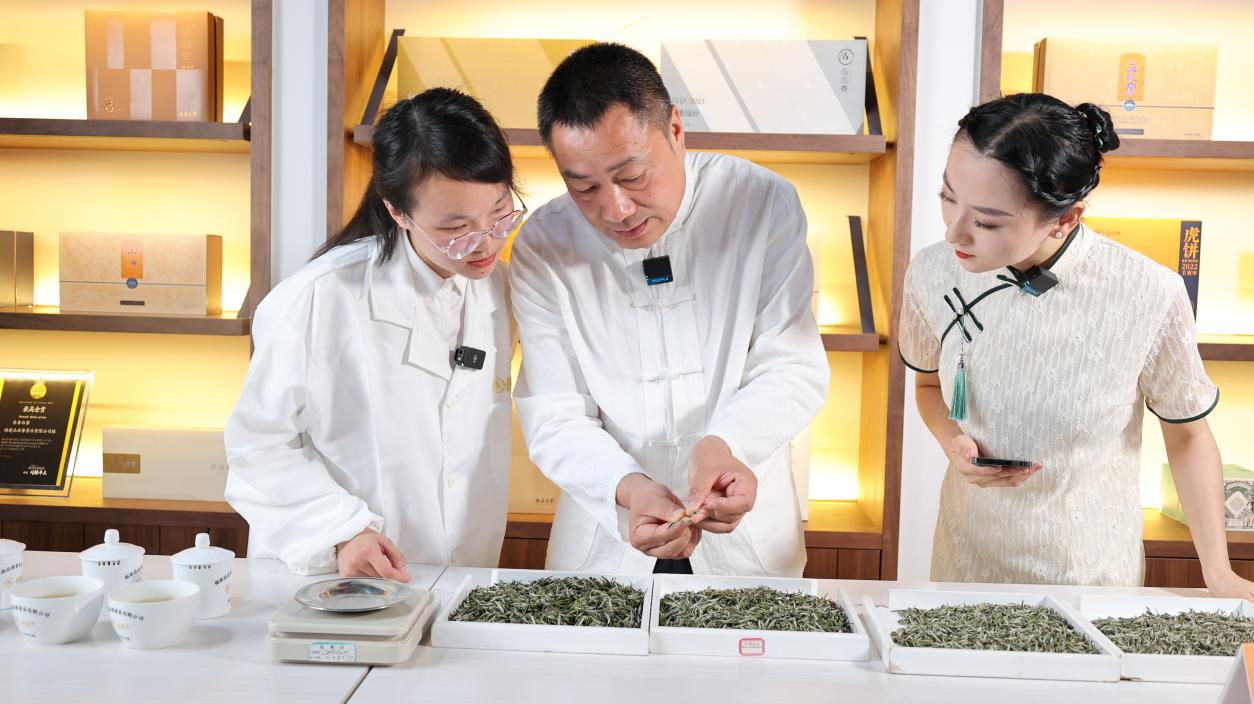
拿品品香的2023晒白金寿眉来说,主播先冲泡、展示茶汤,再讲口感:枣香很明显,汤水柔和,不苦涩,新手也能接受。

担心茶饼不好撬?就拿出经过优化的茶饼,现场演示怎样像掰巧克力一样取下一粒。

想知道年份和产地?就介绍福鼎核心产区和相应的溯源信息。

一泡茶,从注水、出汤到观察叶底,原本抽象的品质描述,变成了消费者可以亲眼看到的过程。

与此同时,直播间里的实时评论,也提供了另一种参考。

主播讲解,观众提问,评论区提供使用反馈。消费者既能看冲泡过程,也能当场追问疑虑。商品详情页之外,直播让消费者多了亲眼看、当场问、参考他人体验的机会。

这几种信息叠加起来,降低了茶叶消费最难跨越的门槛:信任。

茗茶用户在直播端决策效率更高,根据京东内部数据,茗茶直播间用户做出购买决定的速度,比平台大盘用户快4%。

这组数据不能单独证明信任提升了多少,但说明直观讲解有助于缩短部分消费者的比较和犹豫过程。

品品香也开始围绕这种消费习惯调整直播内容。

开播前,发布 “新手怎么选老白茶” 等科普短视频,把有兴趣的消费者引向直播间;开播时,集中展示冲泡、口感与产品差异;直播结束后,再把高频问题剪成短视频,继续触达潜在用户。

有消费者留言:“听了直播间讲解才敢买白茶。”

这句话或许比一串销售数字,更能说明专业内容在茗茶直播中的作用。它让一个原本不敢买的人,迈出了第一步。

而当这样的消费者不断增加,改变的就不只是一个品牌的转化率,还有整个品类的消费边界。

2025年双11,品品香在京东的主推晒白金系列成交用户数同比增长729.55%,成交额增长221.51%。

当品牌改变沟通方式,专业知识才有机会成为打开新消费人群的钥匙。

这正是京东超市茗茶直播专属内容方法论 ——茶张力的底层逻辑:放弃低价叫卖的直播套路,用「氛围感 + 专业感」重新定义茶直播的留人逻辑和转化逻辑,把直播间从 “卖货场” 变成 “信任场”。

02

直播间发现需求,超级供应链当场兑现

通过内容解决了 “用户敢买” 的问题后,京东超市还联动供应链能力,解决茗茶品类的另一大核心痛点:品质保真与履约确定性。

品品香此前一场老白茶品鉴直播,出了一点小插曲。

有观众提出,想把三年、五年、八年不同年份的白茶放进一个组合套装对比品尝,原有链接却没有。品牌立刻联系京东运营,核库存、算价格,现场评估后紧急上新。

另一款老茶饼的下单热度远超预期,京东后台实时推送订单预警,品牌随即核查库存、调整讲解顺序,增加备选茶品介绍,避免热门商品断货。

其实,早在开播之前,京东就根据茶饮类目消费数据,帮助品牌分析年份茶偏好、价格需求,预估订单规模、提前锁定库存。

成交之后,品品香负责仓储打包、发货,做好老白茶防潮包装,京东则提供交易链路、物流协同和售后入口。品质、年份等问题由品牌客服优先承接,京东客服则协同处理更多售后需求。

从用户提出需求,到商品上架、订单成交,再到发货售后,一场直播背后,是整条供应链的协同。

直播发现需求,供应链负责把需求变成可交付的商品与服务。

这正是京东直播与单纯依赖流量分发的平台不同的地方。依托超级供应链,京东直播把内容场与交易场连接起来,协同商品、价格、库存和服务。

对于茗茶,这种协同在春茶季体现得尤为明显。

新茶消费有两道门槛:一怕品质不真,二怕到手不鲜。 前者考验信任,后者考验供应链。

针对茗茶 “品质难辨、新茶求鲜” 的痛点,京东超市把 “品质保真” 作为核心策略,联动产区、品牌与物流端做了完整布局。

品质保真的第一道关口,在直播间之外。

京东超市联合头部品牌、行业协会与SGS三方检测机构,共同制定了 “严选好茶” 品质推优标准:实地验厂、产地溯源、等级把控、批批检测、春茶严选、全程抽检,六道标准层层把关,把农残安全这样的底线,守在开播之前。

2026年 3月春茶季,京东把直播间搬进西湖龙井产区,请炒茶王赵忠平现场讲解工艺,并携手非遗传承人樊生华直播茶山采摘、运输转运全过程,让产地和制作过程看得见。

镜头之外,京东开通春茶寄递绿色通道,省外核心城市最快次晨达;贵州等高山产区还通过eVTOL衔接高铁运输,最快实现春茶当日送达浙沪核心城市。

直播让品质看得见,供应链让新鲜等得到。

专业内容回答 “为什么买”,供应链回答 “买什么、多少钱、能不能及时买到”。如此,消费者的购买意愿,才更容易转化为真实订单。

但对商家来说,成交还只是第一步。 直播电商有个长期被成交额掩盖的问题: 卖出去的货,未必都能留下来。

消费者一时冲动下单,收到货才发现不合适;主播讲得天花乱坠,实际体验却不及预期。退货一旦发生,商家不仅少了一笔收入,还可能承担逆向物流、客服售后、商品损耗以及二次销售的成本。 订单看着热闹,利润却可能在退货环节悄悄流失。

京东超市用户更重视理性消费和专业服务,茗茶直播退货率相较行业水平更低。 其背后的经营逻辑值得关注。 专业讲解减少信息差,商品推荐更贴合实际需求,消费者买错的概率就有机会降低。品质保障、物流协同和售后服务,则进一步减少交易过程中的不确定性。 减少退货和售后纠纷,意味着降低逆向物流、客服与商品损耗成本,最终影响商家的经营账本。

由此再看京东超市茗茶直播的竞争力,信任、转化、履约与售后是一条完整的链路。 信任让消费者敢买,供应链让订单更容易成交,精准匹配和履约服务让成交更有机会留存。 三者共同指向一个指标:订单质量。 对商家而言,成交量再大,若退货过多,也未必比稳定履约的订单更有价值。 京东超级供应链的价值,在于让内容流量转化为交易,再让交易尽可能沉淀为有效的经营成果。

03

从内容升级到可复制的品类增长方法论

把个别品牌的成功经验转化为更多商家可使用的方法和工具,才是平台能力的真正考验。 品品香有专业团队,但更多中小商家缺主播、缺运营,也缺少反复试错的预算。如何让头部品牌跑通的经验,变成普通商家也能用的方法? 京东超市直播与茗茶部门共建制定了针对性的方案,围绕 “人、货、场、政策” 四个维度,沉淀出一套可复制的三段式品类增长方法论。

第一步:供给托底,让商家 “敢开播”

京东超市以确定性流量、专项红包和品类货补支持商家开播,并借助618、中秋等节点集中组织品类直播大事件,借势热点获得更多流量和销量。 按项目口径,稳定开播商家从初期2 家增至618期间30家、中秋期间42家,八马、竹叶青、华祥苑等头部品牌悉数参与,完成了茗茶品类直播的基础供给搭建。

第二步:内容升级,打造 “茶张力” ,让专业好茶更有看点。

茶有文化、有门道,如何让消费者既看得懂,又愿意看?京东茗茶给出的答案是 “茶张力”。

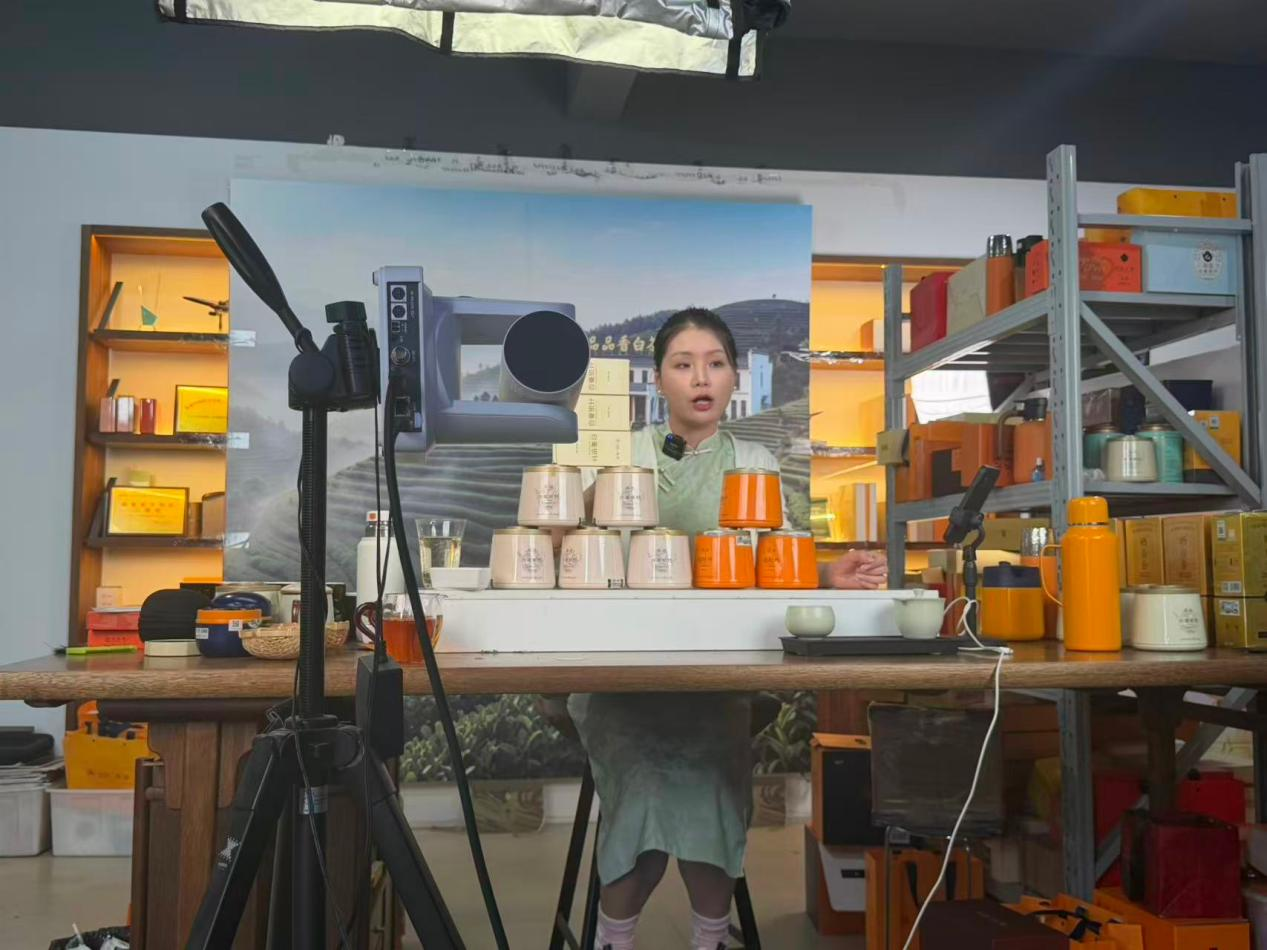
所谓 “茶张力”,就是让专业知识与观看体验相互成就:茶艺师现场冲泡、讲解工艺与口感,东方美学的灯光和置景营造沉浸氛围,让专业好茶既看得懂,也有看点。 目前已沉淀出两套可落地的标准化视觉SOP,可以直接给商家直接复用:

· 新中式茶张力美学:主打舒缓疗愈感,以素雅置景、克制讲解融合生活感悟,先给情绪价值再讲商品价值,靠停留时长驱动转化

· 工笔水墨流动古画:复刻唐宋水墨构图,让直播间成为 “流动的古画切片”,用视觉独特性制造用户自发传播的记忆点

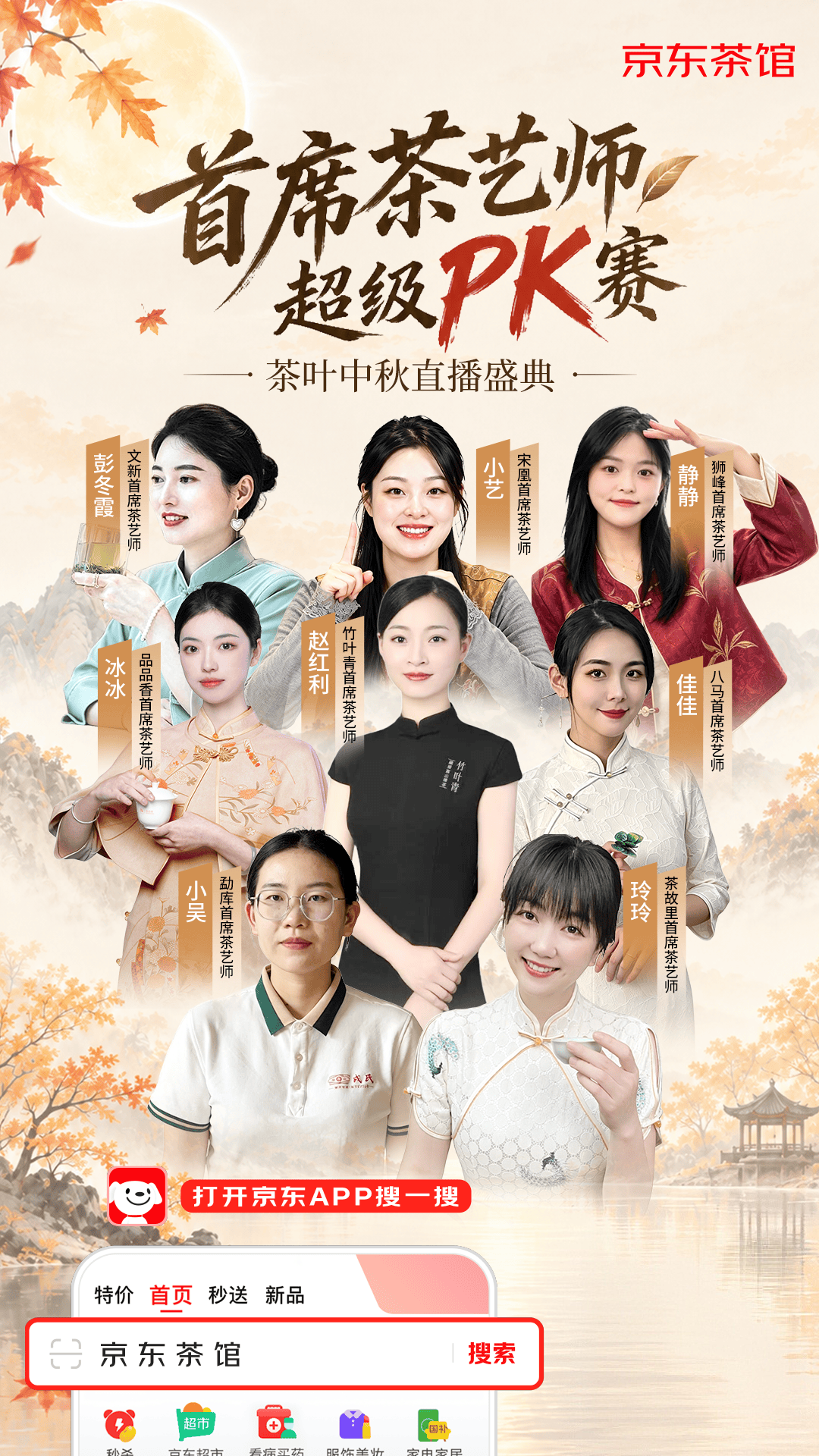
这一理念还延伸到中秋 “茶艺师争霸赛”。竹叶青、八马、华祥苑等17家品牌同台,以专业讲解和互动选茶展现各自特色,将茶艺师升维为用户的 “品类顾问”,让消费者在观看中懂茶、选茶。

“茶张力” 由此成为京东茗茶独特的内容标签:以专业建立信任,以美学增强吸引力,以互动激发消费兴趣,让茶叶的专业价值转化为内容吸引力。

第三步:运营提效,让直播成为独立经营单元

直播逐渐被当作独立经营单元,京东超市在选品、智能工具方面为品牌商家提供指导和支持,助力直播运营效率提升,并在不同的阶段通过不同的产品筛选逻辑,服务不同的客群,精准满足用户需求。

日常口粮茶承接基础需求,特色茶和试喝装覆盖新客与进阶用户,再通过AI选品、脚本生成、切片工具降低运营门槛。 按照平台披露的数据,AI切片可让直播订单转化率平均提升超40%,AI选品带动成交额平均增长30%。

供给解决 “能不能播”,内容解决 “值不值得看”,运营解决 “能不能持续做”。

这套三阶段方法既提供开播支持,也帮助商家把内容能力与货品、运营能力逐步建立起来。

直播由此不只帮助一个品牌卖茶,而是让高信任品类找到自己的专业表达,再接入平台共用的商品、流量和工具体系。

从货盘、流量、场景到AI工具扶持,京东超市的实践说明:直播真正创造增量,不能只靠某一场活动的流量高峰,还要让内容、商品和运营能力跟着新需求一起生长。

04

尾声

直播电商十年,新竞争正在开始。 消费者更理性,商家更在意利润,直播竞争也正在从流量规模走向经营效率。 胜负不只取决于直播间里谁更会卖,还取决于直播间外,谁能把商品、价格、服务和履约做得更好。 信任决定消费者敢不敢买,转化决定商家卖多少,退货和履约成本则影响最终能赚多少。

对茗茶这个传统品类而言,这场增长实验的意义,远不止GMV数字本身。其中沉淀出的「茶张力」内容方法论,不仅是茗茶品类的直播内容标准,未来还将逐步复制到酒水、糕点等高决策成本、高信任门槛的商超品类,成为高信任品类直播内容升级的通用模板。

当这些能力沉淀为普通商家也能使用的方法和工具,竞争就从单场爆发走向长期经营。 直播电商的上半场,比谁卖得多;下半场,比谁赚得久。 而京东超市的答案是,以品类为核心,用内容建心智,用供应链兑品质,用生态提效率,帮商家把直播从一场促销活动,做成一门长期的生意。

注:文/张静波,文章来源:华商韬略(公众号ID:hstl8888),本文为作者独立观点,不代表亿邦动力立场。

文章来源:华商韬略

广告
微信
朋友圈

FAQ回顾

京东茗茶直播的“茶张力”是什么?

“茶张力”是京东超市茗茶直播的内容方法论,核心是让专业知识与观看体验相互成就:茶艺师现场冲泡、讲解工艺与口感,东方美学的灯光和置景营造沉浸氛围,让专业好茶既看得懂也有看点。目前已沉淀“新中式茶张力美学”和“工笔水墨流动古画”两套标准化视觉SOP,商家可直接复用,把直播间从卖货场变成信任场。

茗茶直播如何解决消费者不敢下单、退货率高的问题?

一是用内容降低理解门槛:主播现场冲泡展示茶汤、讲口感,演示茶饼撬取,介绍福鼎核心产区与溯源信息,并通过实时评论让消费者看、问、参考他人体验,京东数据显示茗茶直播购买用户中下沉市场人群占比达40%,决策速度比平台大盘用户快4%。二是用“严选好茶”标准守住品质,由京东联合头部品牌、行业协会与SGS制定,含实地验厂、产地溯源、等级把控、批批检测、春茶严选、全程抽检六道关口,使茗茶直播退货率低于行业水平。

京东直播和以流量分发为主的直播平台有什么不同?

京东直播依托超级供应链,把内容场与交易场连接起来,协同商品、价格、库存和服务。开播前依据茶饮类目消费数据预估订单规模、提前锁定库存;直播中可现场核库存、算价格并紧急上新;成交后由品牌仓储打包发货,京东提供交易链路、物流协同和售后入口。春茶季还开通寄递绿色通道,省外核心城市最快次晨达,贵州等高山产区通过eVTOL衔接高铁实现当日送达浙沪。

中小茶商缺主播、缺运营,怎么做京东直播?

京东超市围绕“人、货、场、政策”沉淀了三段式品类增长方法论:供给托底以确定性流量、专项红包和品类货补支持开播,稳定开播商家从初期2家增至618期间30家、中秋期间42家;内容升级输出“茶张力”两套可直接复用的视觉SOP;运营提效提供AI选品、脚本生成、切片工具,按平台披露数据,AI切片可使直播订单转化率平均提升超40%,AI选品带动成交额平均增长30%。

这么好看,分享一下?

朋友圈 分享

APP内打开

赞 +1
+1
微信好友 朋友圈 新浪微博 QQ空间
关闭
收藏成功
发送
/140 0