广告
加载中

千峰访谈思亿欧徐苏源:模态进化下 独立站从「建站工具」迈向「AI获客入口」

黄斌 2026-10-27 17:47
黄斌 2026/10/27 17:47

邦小白快读

EN
全文速览

总1:文章核心是独立站正从建站工具升级为AI获客入口。

1. 产品由智能建站系统、多功能独立站管理系统、多方式在线洽谈系统、独立站智能分析系统构成,覆盖建站、管理、洽谈、分析全链路。

2. AI落地在搜索优化、智能客服、客户开发和数据分析,SEO+GEO双引擎提升传统搜索和AI搜索可见度,AI客服可秒级响应并多语言交互。

总2:可借鉴的实操与效果。

1. 整合海关数据、打通SNS社媒传播通道,并结合自有资料库,把客户开发从被动搜索延伸到主动触达。

2. 运营期内带动平台服务企业贸易出口额年均增长10%,针对获客难、询盘响应慢、转化率低等问题提升效率和订单转化。

3. 全国超100家落地服务中心覆盖长三角、珠三角、环渤海,提供本地化交付、上门培训和快速响应;2026年11月20日北京将办第八届亿邦产业互联网年会暨首届产业智能体大会。

总1:品牌出海的关键变化是让品牌和产品更容易被AI识别、理解与推荐。

1. 海外采购商获取信息、筛选供应商和评估合作伙伴的方式在变化,企业海外营销从关键词流量竞争转向搜索引擎优化、AI内容推荐、智能客服和数据驱动精细化运营。

2. 文章判断出海模式要从产品出海转向品牌出海,独立站不再只是建站工具,而是AI获客入口,品牌需要同时经营搜索可见度和AI推荐可见度。

总2:品牌营销与渠道建设的可用抓手。

1. 用SEO+GEO双引擎提升传统搜索引擎及AI搜索场景可见度;用AI客服秒级响应和多语言交互提高询盘接待效率。

2. 整合海关数据、SNS社媒传播通道和自有资料库,主动触达客户;通过标准化建站与精准获客更高效触达全球采购商。

3. 全国超100家落地服务中心覆盖核心外贸产业带,可提供本地化交付、上门培训和快速响应;平台服务企业贸易出口额年均增长10%可作为效果参考。文章未涉及定价和价格竞争,品牌商应重点看AI获客与品牌出海。

总1:卖家可关注的机会在于AI搜索入口和品牌出海。

1. 海外采购商获取信息、筛选供应商和评估伙伴的方式变化,企业营销从传统关键词流量竞争转向SEO、AI内容推荐、智能客服和数据驱动精细运营,独立站从建站工具变成AI获客入口。

2. 外贸快车覆盖建站、管理、洽谈、分析全链路,提供一站式数字化出海方案,帮助高效触达全球采购商、扩大出口;运营期内带动平台服务企业贸易出口额年均增长10%。

总2:合作方式、风险与可学习点。

1. 合作伙伴可依托思亿欧技术底座与服务网络,快速建立本地化服务能力并降低试错成本;全国超100家落地服务中心覆盖长三角、珠三角、环渤海。

2. 风险提示包括全球市场合规要求、文化差异、海外获客成本及市场竞争加剧,内部还有AI技术与业务场景融合不足、数据积累和数字化基础待完善。

3. 可学习点是SEO+GEO双引擎、AI客服多语言秒级响应、海关数据与SNS社媒及自有资料库结合主动触达;行业标准建设推动外贸独立站服务规范化。

总1:工厂最直接的商业机会在数字化出海和AI获客。

1. 文章显示外贸企业过去依赖展会、第三方B2B平台和人工开发客户,现在可通过独立站AI获客平台覆盖建站、管理、洽谈、分析全链路,降低海外获客难、询盘响应慢、转化率低等问题。

2. 工厂可借助标准化建站与精准获客更高效触达全球采购商,推动从产品出海向品牌出海价值跃迁;平台服务企业贸易出口额年均增长10%可作为效果参考。

总2:推进数字化和电商的启示。

1. 用SEO+GEO双引擎提升传统搜索引擎和AI搜索场景可见度,让产品与品牌更容易被AI识别、理解与推荐。

2. 用AI客服实现秒级响应和多语言交互,提高询盘接待效率;整合海关数据、SNS社媒通道和自有资料库,从被动搜索转向主动触达。

3. 可依托全国超100家落地服务中心获得本地化交付、上门培训和快速响应;文章未直接涉及具体产品生产和设计需求,工厂应重点借鉴独立站全链路数字化获客模式。

总1:行业趋势是AI与全球化共同推动模态进化,独立站从建站工具迈向AI获客入口。

1. 产业智能体将推动B2B从信息整合向智能化业务协同升级,在需求识别、客户开发、供应商匹配和营销转化中发挥作用。

2. 垂类大模型有长期发展必要,通用模型提供基础能力,行业知识、业务数据和场景应用决定落地效果;AI护城河在于长期积累的行业数据、真实业务场景、技术整合能力和服务体系。

总2:客户痛点与解决方案。

1. 客户痛点包括海外获客难、询盘接待响应慢、转化率低,以及AI技术与实际业务场景融合不足、数据积累和数字化基础待完善,外部还有合规、文化差异、获客成本和竞争加剧。

2. 解决方案是外贸快车四大系统覆盖建站、管理、洽谈、分析,SEO+GEO双引擎提升搜索和AI搜索可见度,AI客服秒级响应多语言交互,整合海关数据、SNS社媒和自有资料库主动触达。

3. 交付上依托全国超100家落地服务中心,本地团队与总部技术团队协同,提供本地化交付、上门培训和快速响应,并参与标准建设推动服务规范化。

总1:平台需要抓住企业对一站式AI获客和本地化交付的需求。

1. 外贸企业痛点集中在海外获客难、询盘响应慢、转化率低,以及AI技术与业务场景融合不足、数据积累和数字化基础待完善;外部还有合规、文化差异、获客成本和市场竞争。

2. 平台做法是外贸快车覆盖建站、管理、洽谈、分析全链路,用SEO+GEO双引擎提升传统搜索和AI搜索可见度,用AI客服秒级响应多语言交互,并整合海关数据、SNS社媒和自有资料库主动触达。

总2:合作拓展、运营管理与风向规避。

1. 合作方式上,合作伙伴可依托思亿欧技术底座与服务网络快速建立本地化服务能力,降低试错成本;全国超100家落地服务中心覆盖长三角、珠三角、环渤海。

2. 运营管理上,本地服务团队与总部技术团队协同,提供本地化交付、上门培训和快速响应;参与国家及行业标准建设,推动外贸独立站服务规范化。

3. 风向规避要重视合规要求、文化差异、获客成本与竞争加剧,也要补足AI与业务场景融合、数据积累和数字化基础;平台服务企业贸易出口额年均增长10%可作为运营参考。

总1:产业新动向是独立站从建站工具迈向AI获客入口,出海从产品出海转向品牌出海。

1. AI与全球化共同驱动产业模态进化,不只是技术工具升级,更是企业经营方式、全球市场连接方式和产品竞争逻辑的深层变革。

2. 海外采购商获取信息、筛选供应商和评估伙伴的方式变化,企业营销从传统关键词流量竞争转向搜索引擎优化、AI内容推荐、智能客服和数据驱动精细化运营。

总2:新问题与商业模式启示。

1. 产业智能体将推动B2B从信息整合向智能化业务协同升级;垂类大模型有长期发展必要,通用模型提供基础能力,行业知识、业务数据和场景应用决定落地效果。

2. AI护城河不仅在模型,还在行业数据、真实业务场景、技术整合能力和服务体系;内部瓶颈是AI与业务场景融合不足、数据积累和数字化基础待完善,外部障碍是合规、文化差异、获客成本和竞争加剧。

3. 商业模式是一站式AI获客平台,由智能建站、独立站管理、在线洽谈、智能分析四大系统构成,以SEO+GEO双引擎为核心;全国超100家落地服务中心和标准建设值得研究,2026年11月20日北京大会聚焦产业智能体落地、AI供应链价值重构、数据要素与TOKEN经济、产业出海新生态。

返回默认

声明:快读内容全程由AI生成,请注意甄别信息。如您发现问题,请发送邮件至 run@ebrun.com 。

我是 品牌商 卖家 工厂 服务商 平台商 研究者 帮我再读一遍。

Quick Summary

Summary 1: The article's core argument is that independent websites are evolving from website-building tools into AI-powered customer acquisition gateways.

1. The product comprises an intelligent website-building system, a multi-functional independent-site management system, a multi-channel online communication system, and an independent-site intelligent analytics system, covering the end-to-end chain of site building, management, communication, and analytics.

2. AI is applied in search optimization, AI customer service, customer development, and data analytics. The SEO+GEO dual engine improves visibility in traditional search and AI search, while AI customer service can respond within seconds and interact in multiple languages.

Summary 2: Practical approaches and results that can be referenced.

1. It integrates customs data, connects social media (SNS) communication channels, and combines these with its own database to extend customer development from passive search to proactive outreach.

2. During the operating period, it drove an average annual growth of 10% in trade export volume among enterprises served by the platform, improving efficiency and order conversion in response to difficult customer acquisition, slow inquiry response, and low conversion rates.

3. More than 100 local service centers nationwide cover the Yangtze River Delta, Pearl River Delta, and Bohai Rim, providing localized delivery, on-site training, and rapid response; on November 20, 2026, Beijing will host the 8th Yibang Industrial Internet Annual Conference and the First Industrial Agent Conference.

Summary 1: The key change in brand globalization is making brands and products easier for AI to identify, understand, and recommend.

1. Overseas buyers' methods for obtaining information, screening suppliers, and evaluating partners are changing, and corporate overseas marketing is shifting from keyword traffic competition to search engine optimization, AI content recommendation, AI customer service, and data-driven refined operations.

2. The article argues that the globalization model must shift from product globalization to brand globalization. Independent websites are no longer just website-building tools but AI-powered customer acquisition gateways, and brands need to manage both search visibility and AI recommendation visibility.

Summary 2: Actionable levers for brand marketing and channel development.

1. Use the SEO+GEO dual engine to improve visibility in traditional search engines and AI search scenarios; use AI customer service that responds within seconds and supports multilingual interaction to improve inquiry reception efficiency.

2. Integrate customs data, social media (SNS) communication channels, and its own database to proactively reach customers; through standardized website building and precise customer acquisition, reach global buyers more efficiently.

3. More than 100 local service centers nationwide cover core foreign trade industrial belts and can provide localized delivery, on-site training, and rapid response; the average annual 10% growth in trade export volume among enterprises served by the platform can serve as a reference for results. The article does not address pricing or price competition; brands should focus on AI customer acquisition and brand globalization.

Summary 1: The opportunity sellers should watch is AI search entry points and brand globalization.

1. Overseas buyers' ways of obtaining information, screening suppliers, and evaluating partners are changing. Corporate marketing is shifting from traditional keyword traffic competition to SEO, AI content recommendation, AI customer service, and data-driven refined operations. Independent websites are becoming AI-powered customer acquisition gateways rather than just website-building tools.

2. Foreign Trade Express covers the end-to-end chain of website building, management, communication, and analytics, providing a one-stop digital globalization solution to help efficiently reach global buyers and expand exports; during the operating period, it drove an average annual growth of 10% in trade export volume among enterprises served by the platform.

Summary 2: Partnership models, risks, and lessons to learn.

1. Partners can rely on Siyiou's technology foundation and service network to quickly build local service capabilities and reduce trial-and-error costs; more than 100 local service centers nationwide cover the Yangtze River Delta, Pearl River Delta, and Bohai Rim.

2. Risk warnings include global market compliance requirements, cultural differences, overseas customer acquisition costs, and intensifying market competition. Internally, there is insufficient integration of AI technology with business scenarios, and data accumulation and digital foundations need improvement.

3. Lessons to learn include the SEO+GEO dual engine, AI customer service with multilingual response within seconds, and proactive outreach by combining customs data with social media (SNS) and its own database; industry standard development is driving the standardization of foreign trade independent-site services.

Summary 1: The most direct business opportunity for factories lies in digital globalization and AI customer acquisition.

1. The article shows that foreign trade enterprises previously relied on trade shows, third-party B2B platforms, and manual customer development. Now they can use independent-site AI customer acquisition platforms covering the end-to-end chain of website building, management, communication, and analytics to reduce problems such as difficult overseas customer acquisition, slow inquiry response, and low conversion rates.

2. Factories can use standardized website building and precise customer acquisition to reach global buyers more efficiently, driving a value leap from product globalization to brand globalization; the average annual 10% growth in trade export volume among enterprises served by the platform can serve as a reference for results.

Summary 2: Implications for advancing digitalization and e-commerce.

1. Use the SEO+GEO dual engine to improve visibility in traditional search engines and AI search scenarios, making products and brands easier for AI to identify, understand, and recommend.

2. Use AI customer service to achieve response within seconds and multilingual interaction, improving inquiry reception efficiency; integrate customs data, social media (SNS) channels, and its own database to shift from passive search to proactive outreach.

3. Factories can rely on more than 100 local service centers nationwide for localized delivery, on-site training, and rapid response; the article does not directly address specific product production and design needs, so factories should focus on learning from the full-chain digital customer acquisition model of independent websites.

Summary 1: The industry trend is that AI and globalization are jointly driving the evolution of industry models, with independent websites moving from website-building tools to AI-powered customer acquisition gateways.

1. Industrial agents will push B2B from information integration to intelligent business collaboration, playing a role in demand identification, customer development, supplier matching, and marketing conversion.

2. Domain-specific large models are necessary for long-term development. General-purpose models provide foundational capabilities, while industry knowledge, business data, and scenario applications determine implementation results; the AI moat lies in long-term accumulated industry data, real business scenarios, technology integration capabilities, and service systems.

Summary 2: Customer pain points and solutions.

1. Customer pain points include difficult overseas customer acquisition, slow inquiry reception response, low conversion rates, insufficient integration of AI technology with actual business scenarios, and data accumulation and digital foundations that need improvement. Externally, there are also compliance, cultural differences, customer acquisition costs, and intensifying competition.

2. The solution is Foreign Trade Express's four major systems covering website building, management, communication, and analytics; the SEO+GEO dual engine improves visibility in search and AI search; AI customer service responds within seconds and supports multilingual interaction; and it integrates customs data, social media (SNS), and its own database for proactive outreach.

3. In terms of delivery, it relies on more than 100 local service centers nationwide, with local teams collaborating with headquarters technical teams to provide localized delivery, on-site training, and rapid response, and participates in standard development to promote service standardization.

Summary 1: Platforms need to capture enterprises' demand for one-stop AI customer acquisition and localized delivery.

1. Foreign trade enterprises' pain points are concentrated in difficult overseas customer acquisition, slow inquiry response, low conversion rates, insufficient integration of AI technology with business scenarios, and data accumulation and digital foundations that need improvement; externally, there are also compliance, cultural differences, customer acquisition costs, and market competition.

2. The platform's approach is for Foreign Trade Express to cover the end-to-end chain of website building, management, communication, and analytics, use the SEO+GEO dual engine to improve visibility in traditional search and AI search, use AI customer service to respond within seconds and support multilingual interaction, and integrate customs data, social media (SNS), and its own database for proactive outreach.

Summary 2: Partnership expansion, operations management, and risk avoidance.

1. In terms of partnership, partners can rely on Siyiou's technology foundation and service network to quickly build local service capabilities and reduce trial-and-error costs; more than 100 local service centers nationwide cover the Yangtze River Delta, Pearl River Delta, and Bohai Rim.

2. In terms of operations management, local service teams collaborate with headquarters technical teams to provide localized delivery, on-site training, and rapid response; participate in national and industry standard development to promote the standardization of foreign trade independent-site services.

3. Risk avoidance should emphasize compliance requirements, cultural differences, customer acquisition costs, and intensifying competition, and also address the integration of AI with business scenarios, data accumulation, and digital foundations; the average annual 10% growth in trade export volume among enterprises served by the platform can serve as an operational reference.

Summary 1: The new industry trend is that independent websites are moving from website-building tools to AI-powered customer acquisition gateways, and globalization is shifting from product globalization to brand globalization.

1. AI and globalization are jointly driving the evolution of industry models. This is not just an upgrade of technical tools but a deeper transformation in how enterprises operate, how they connect with global markets, and the logic of product competition.

2. Overseas buyers' methods for obtaining information, screening suppliers, and evaluating partners are changing, and corporate marketing is shifting from traditional keyword traffic competition to search engine optimization, AI content recommendation, AI customer service, and data-driven refined operations.

Summary 2: New issues and business model implications.

1. Industrial agents will push B2B from information integration to intelligent business collaboration; domain-specific large models are necessary for long-term development. General-purpose models provide foundational capabilities, while industry knowledge, business data, and scenario applications determine implementation results.

2. The AI moat lies not only in models but also in industry data, real business scenarios, technology integration capabilities, and service systems; internal bottlenecks are insufficient integration of AI with business scenarios and data accumulation and digital foundations that need improvement, while external obstacles are compliance, cultural differences, customer acquisition costs, and intensifying competition.

3. The business model is a one-stop AI customer acquisition platform composed of four major systems: intelligent website building, independent-site management, online communication, and intelligent analytics, with the SEO+GEO dual engine at its core; more than 100 local service centers nationwide and standard development are worth studying. The Beijing conference on November 20, 2026 will focus on the implementation of industrial agents, value reconstruction of AI supply chains, data elements and the TOKEN economy, and new ecosystems for industrial globalization.

Disclaimer: The "Quick Summary" content is entirely generated by AI. Please exercise discretion when interpreting the information. For issues or corrections, please email run@ebrun.com .

I am a Brand Seller Factory Service Provider Marketplace Seller Researcher Read it again.

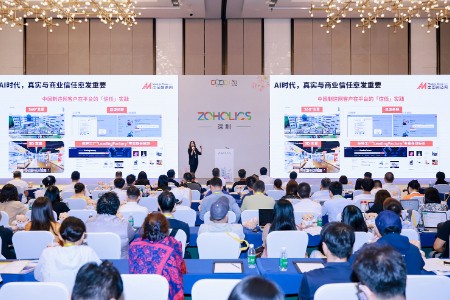
【亿邦原创】徐苏源,杭州思亿欧科技集团股份有限公司高级副总裁。思亿欧深耕独立站SaaS领域22年,旗下产品「外贸快车」定位为一站式AI获客平台,覆盖建站、管理、洽谈、分析全链路。本届千峰奖访谈中,徐苏源围绕AI与出海带来的模态进化,分享了思亿欧在外贸独立站方向的实践与判断。

亿邦:本届千峰奖以「AI与出海带来的模态进化」为核心主题,聚焦产业能力的深层重构。结合外贸独立站SaaS,您如何理解这一轮由AI和全球化共同驱动的产业模态进化?思亿欧在AI能力建设与全球化出海上看到了哪些行业机会、做了哪些核心布局?能否介绍一下公司的定位及业务模式?

徐苏源:由AI与全球化共同驱动的产业模态进化,不仅是技术工具的升级,更是企业经营方式、全球市场连接方式和产品竞争逻辑的深层变革。

对于外贸行业而言,过去企业出海更多依赖传统展会、第三方B2B平台及人工开发客户。随着AI技术的发展,海外采购商获取信息、筛选供应商和评估合作伙伴的方式正在发生变化,企业的海外营销也逐步从传统的关键词流量竞争,向搜索引擎优化、AI内容推荐、智能客户服务与数据驱动的精细化运营演进。未来,企业不仅要让海外客户能够找到自己,还要让品牌和产品更容易被AI识别、理解与推荐,并通过高效的服务和持续运营推动商机转化。

这一变化为外贸数字化服务行业带来了新的发展机遇。我们认为,AI与出海的结合,将推动外贸企业从单一的流量获取向全链路数字化经营升级,也将推动出海模式从“产品出海”向“品牌出海”转型。

思亿欧「外贸快车」产品由智能建站系统、多功能独立站管理系统、多方式在线洽谈系统、独立站智能分析系统四大功能系统构成,覆盖独立站建站、管理、洽谈、分析全链路,为中国外贸企业提供一站式数字化出海解决方案,帮助企业高效触达全球采购商、扩大出口。

亿邦:目前贵公司在哪些核心业务环节落地了AI技术?形成了怎样的AI竞争力?

徐苏源:思亿欧主要将AI应用于搜索优化、智能客服、客户开发及数据分析等核心环节。通过“SEO+GEO双引擎”布局,提升企业在传统搜索引擎及AI搜索场景中的可见度;借助AI客服秒级响应与多语言交互能力,提高询盘响应效率,促进商机转化。同时,外贸快车整合了海关数据、打通SNS社媒传播通道,结合多年沉淀的自有资料库,推动客户开发从被动搜索向主动触达延伸。

思亿欧的核心竞争力在于AI获客系统,运营期内带动平台服务企业贸易出口额年均增长10%,有效破解了企业海外获客难、询盘接待响应慢、转化率低等问题,获客效率和订单转化水平明显提升,增强了企业在全球市场上的竞争力。

亿邦:您怎么看产业智能体改写B2B?垂类大模型是否有长远发展必要?产业互联网公司的AI护城河在何处?

徐苏源:产业智能体将推动B2B从信息整合向智能化业务协同升级,在需求识别、客户开发、供应商匹配及营销转化等环节发挥更大价值。垂类大模型具备长期发展意义,通用模型提供基础能力,行业知识、业务数据与场景应用则决定落地效果。

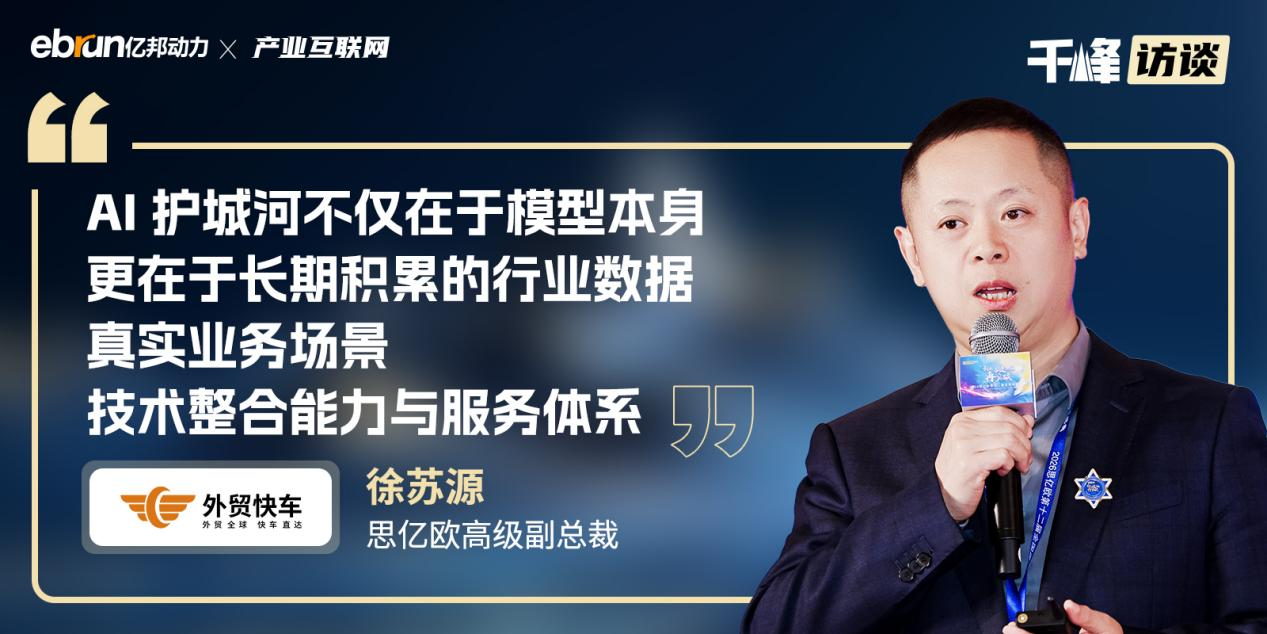
产业互联网企业的AI护城河,不仅在于模型本身,更在于长期积累的行业数据、真实业务场景、技术整合能力与服务体系。

亿邦:在海外市场的深度价值链建设上,思亿欧形成了怎样的模式?核心能力是什么?为合作伙伴和当地产业带来了哪些价值?

徐苏源:思亿欧在全国拥有超100家落地服务中心,覆盖长三角、珠三角、环渤海等核心外贸产业带。本地服务团队与总部技术团队协同作战,技术与服务双轮驱动,为外贸企业提供本地化交付、上门培训与快速响应支持,服务触手可及,同时,我们积极参与国家及行业标准建设,推动外贸独立站服务规范化发展。

合作伙伴可依托思亿欧的技术底座与服务网络,快速建立本地化服务能力,降低试错成本;当地产业能通过标准化建站与精准获客,更高效地触达全球采购商,推动企业从“产品出海”向“品牌出海”的价值跃迁。

亿邦:当前制约企业AI规模化落地、全球化深度拓展的最大内部瓶颈和外部障碍分别是什么?面向2026年及未来两年,思亿欧在AI能力迭代与全球化布局上有哪些重点投入?您预判这会给行业竞争格局带来哪些变化?

徐苏源:从内部来看,企业面临的主要瓶颈是AI技术与实际业务场景融合不足,以及数据积累、数字化基础能力有待完善。从外部来看,全球市场的合规要求、文化差异、海外获客成本及市场竞争加剧,都是企业深度拓展海外业务需要应对的挑战。

面向2026年及未来两年,思亿欧将持续加大AI技术与外贸场景的融合投入,成为中国B2B企业出海首选的独立站AI获客服务商,以“SEO+GEO双引擎”为核心,帮助中国外贸企业在AI时代赢得全球流量入口,让每一家中国B2B企业都能低成本、可持续地直达外采购商,实现从“产品出海”到“品牌出海”的跨越。

作为TO B领域年度风向标,“2026第八届亿邦产业互联网年会暨首届产业智能体大会”将于2026年11月20日在北京召开。主题定为“AI与出海带来的模态进化”,聚焦产业智能体落地、AI供应链价值重构、数据要素与TOKEN经济、产业出海新生态等前沿议题深度思辨。大会将集结学界权威、央国企标杆、产业龙头、投资机构、服务生态伙伴,汇聚产业核心力量、拆解产业数智化转型路径、分享前沿实战经验。同期还将发布年度产业互联网报告及标杆案例,举办决策人闭门会、“千峰奖”颁奖盛典。

本文首发于 亿邦动力 官方网站

文章来源:亿邦动力

广告
微信
朋友圈

FAQ回顾

外贸快车是什么产品?

外贸快车是思亿欧旗下的一站式AI获客平台,面向中国外贸企业,覆盖独立站建站、管理、洽谈、分析全链路。它由智能建站系统、多功能独立站管理系统、多方式在线洽谈系统和独立站智能分析系统四大功能系统构成,用于帮助企业触达全球采购商、扩大出口。

外贸独立站如何用AI获取海外客户?

外贸独立站可用SEO GEO双引擎提升传统搜索与AI搜索可见度,用AI客服实现秒级多语言响应和询盘转化;整合海关数据、SNS社媒通道和自有资料库主动触达客户,再以智能分析优化运营。思亿欧外贸快车将这些能力覆盖建站、管理、洽谈、分析全链路。

思亿欧在AI出海服务上有哪些核心能力?

思亿欧将AI用于搜索优化、智能客服、客户开发及数据分析,核心能力是AI获客系统。其通过SEO GEO双引擎、AI客服、海关数据和SNS社媒通道帮助外贸企业获客转化,并依托22年独立站SaaS经验和全国超100家落地服务中心提供本地化支持。运营期内带动平台服务企业贸易出口额年均增长10%。

外贸企业为什么要从产品出海转向品牌出海?

AI与全球化正在改变海外采购商获取信息、筛选供应商和评估合作伙伴的方式,企业海外营销从关键词流量竞争转向搜索引擎优化、AI内容推荐、智能客服与数据驱动运营。企业不仅要让客户找到自己,还要让品牌和产品被AI识别、理解与推荐,并通过高效服务推动商机转化,因此出海模式正向品牌出海升级。

产业互联网公司的AI护城河在哪里?

产业互联网公司的AI护城河不仅在模型本身,更在长期积累的行业数据、真实业务场景、技术整合能力与服务体系。通用模型提供基础能力,行业知识、业务数据和场景应用决定落地效果,因此垂类大模型具备长期发展意义,产业智能体也会推动B2B从信息整合向智能化业务协同升级。

这么好看,分享一下?

朋友圈 分享

APP内打开

赞 +1
+1
微信好友 朋友圈 新浪微博 QQ空间
关闭
收藏成功
发送
/140 0