广告
加载中

我们和几个品牌聊了聊对速卖通&天猫的“中国品牌全球增长计划”的真实想法

韩笑 2026-10-20 17:36
韩笑 2026/10/20 17:36

邦小白快读

EN
全文速览

总1:先看事件、目标与关键数据

1.速卖通联合天猫发起“中国品牌全球增长计划”,重点扶持天猫品牌、AI硬件品牌和工厂品牌,提出未来三年品牌数和品牌GMV双50%增长。

2.速卖通Brand+自2025年9月启动后,已有超1100个品牌实现百万美元以上销售额;今年双11海外备货量同比涨146%。

3.行业判断是品牌化、本地化、AI化、合规化,低价和丰富供给驱动增长的模式正在改变。

总2:出海实操要点

1.不能把国内爆款直接搬到海外:英国水壶要3分钟烧开、功率2800至3000W以上;欧美头盔头型与亚洲不同,骑行服分欧码美码。

2.先通过平台测市场再聚焦:GameSir先测出俄罗斯、后巴西表现好;小熊从40多个国家收缩到4个核心国家。

3.备货要提前,海运周期拉长后洛克兄弟4、5月备货并预留三个月,GameSir部分产品提前半年;合规要先行,本土公司、资质和商品合规能形成壁垒。

总1:产品研发和定价必须本地化

1.海外不能当成一盘生意:欧美客厅主机场景让GameSir手柄客单到80美金,巴西主机税高、PC和手游多,主推25至29美金产品;国内入门PC手柄79元一天可卖一万只。

2.小熊电器发现英国水壶要3分钟烧开且需2800至3000W以上,电压也要改,不能把国内产品直接复制;洛克兄弟按亚洲圆头型、欧美椭圆头型开发头盔,风镜和骑行服分欧码美码。

总2:品牌营销与渠道建设

1.平台提供Brand+工具、流量、迁移政策和履约链路,品牌负责生产优秀商品,平台能力兜底;重点市场希望有类似聚划算的确定性流量和联合营销投入。

2.本地化要货、公司、研发、决策链路都在本地,并与当地用户建立文化心理链接;直维在欧洲用公交车做流动展台、请KOL体验传播,双11再拓场,实现品效合一。

总3:消费趋势与用户行为

1.欧美主机、巴西PC手游、英国快速烧水等需求差异明显;AI硬件品牌和工厂品牌被列为重点扶持对象,品牌可借AI匹配流量和商品。

总1:政策扶持与平台合作方式

1.速卖通联合天猫推出“中国品牌全球增长计划”,重点扶持天猫品牌、AI硬件品牌和工厂品牌,目标是三年品牌数和品牌GMV双50%增长;Brand+已有超1100个品牌实现百万美元以上销售额。

2.平台用Masters矩阵,由行业、营销、供应链、合规、商业分析共同告诉商家什么商品适合哪个国家卖;双11海外备货量同比涨146%,并做滚动计划。

总2:增长机会与风险应对

1.机会在中东、拉美等新兴市场,以及巴西等差异化市场;GameSir先测出俄罗斯曾最好、现在巴西,小熊从40多国收缩到4个核心国家后效率提高。

2.风险上,地缘政治不可控,洛克兄弟把市场做宽到南美、北美、欧洲、东南亚、澳洲、日韩分散风险;印尼不允许跨境后只能授权代理商,多国设本土公司才便于合规经营。

3.合规是竞争壁垒,企业资质、贸易动作、财税法人、商品本身都要合规;备货要提前三个月到半年,海外仓和当地有货是抓住需求的前提。

总1:产品生产和设计需求必须按市场改

1.国内爆款不能直接搬到海外:小熊英国水壶要求3分钟烧开,功率需2800至3000W以上,电压全要改;洛克兄弟头盔要按亚洲圆头型与欧美椭圆头型分别开发,风镜、骑行服分欧码美码。

2.GameSir在欧美做客厅主机场景的Xbox授权类产品,在巴西根据PC和手游用户多的特点卖25至29美金产品,说明生产设计要跟着当地设备和使用场景走。

总2:商业机会与电商化启示

1.计划明确重点扶持工厂品牌,Brand+提供工具、流量、迁移政策和履约链路,平台能力可为工厂兜底;AI化能降低多国运营成本,流量和商品匹配95%已由AI完成。

2.工厂可借助平台先测适合的国家,再聚焦核心市场;备货要提前,洛克兄弟4、5月备货并预留三个月海运,GameSir备货500万美元冲刺400万美元销售额,巴西海外仓翻倍。

3.合规要提前做,企业资质、贸易动作、财税法人、商品本身都是门槛,做好后可锁定本地需求。

总1:行业趋势与客户痛点

1.跨境电商从低价和丰富供给驱动转向品牌化、本地化、AI化、合规化;海外不是一个整体市场,各国安规、法规、税率、消费和饮食习惯不同,英国水壶、欧美头盔版型、巴西主机税都是例子。

2.客户痛点包括合规和本土经营:印尼不允许跨境后需授权代理商,东南亚小国没有本土公司就没有收货责任人、货出不去;海运变长,备货要预留三个月甚至提前半年。

总2:解决方案与新技术

1.平台提供全链路一体化出海方案和Brand+工具、流量、迁移政策、履约链路;Masters矩阵把行业、营销、供应链、合规、商业分析协同起来,提高计划性和确定性。

2.AI已承担95%的流量和商品匹配,核心20国之外的上百个国家靠AI运营;本地化营销可用线下快闪加KOL传播再承接大促,直维在欧洲公交车展台就是品效合一案例。

3.客户还希望确定性流量、联合营销投入、合规压力分担和新兴市场开拓支持。

总1:商家对平台的需求和问题

1.品牌需要确定性流量和联合营销投入,类似国内聚划算;需要平台分担合规压力、开拓中东拉美等新兴市场;备货则需要滚动计划和多部门矩阵支持。

2.海外供给走向分化,3D打印机、游戏手柄等品类高速增长,但落到企业有高有低;平台要告诉商家什么商品适合哪个国家卖,提升生意计划性和确定性。

总2:平台最新做法

1.速卖通联合天猫发起“中国品牌全球增长计划”,重点扶持天猫品牌、AI硬件品牌和工厂品牌,提出三年品牌数和品牌GMV双50%增长;Brand+已有超1100个品牌实现百万美元以上销售额。

2.方向是品牌化、本地化、AI化:Brand+提供工具、流量、迁移政策和履约链路;本地化要求货、公司、研发、决策链路在本地;AI承担95%流量商品匹配,核心20国保留人工,上百国靠AI运营。

3.招商运营上可让新品牌先测国家再聚焦,市场做宽分散地缘风险,把合规做成竞争壁垒;双11海外备货量同比涨146%。

总1:产业新动向与商业模式

1.跨境电商进入新阶段,行业判断从低价和丰富供给驱动转向品牌化、本地化、AI化、合规化;速卖通与天猫协同,推出“中国品牌全球增长计划”,提出三年品牌数和品牌GMV双50%增长。

2.Brand+自2025年9月启动后已有超1100个品牌实现百万美元以上销售额;平台用Masters矩阵协同行业、营销、供应链、合规、商业分析,并用AI完成95%的流量商品匹配,核心20国人工、上百国AI运营。

总2:新问题与政策法规启示

1.市场碎片化明显:英国水壶要3分钟烧开且功率2800至3000W以上,欧美与亚洲头盔版型不同,巴西主机税高使PC和手游更主流;海外不能统称一个市场。

2.合规需求包含企业资质、贸易动作、财税法人、商品本身;印尼不允许跨境后只能授权代理商,东南亚小国无本土公司就没有收货责任人。合规正从成本项变成竞争壁垒。

总3:经营启示

1.品牌应把市场做宽分散地缘风险,同时本地化扎深;小熊从40多国收缩到4个核心国家,说明资源聚焦能提高单品和效率;备货提前和海外仓是抓确定需求的前提。

返回默认

声明:快读内容全程由AI生成,请注意甄别信息。如您发现问题,请发送邮件至 run@ebrun.com 。

我是 品牌商 卖家 工厂 服务商 平台商 研究者 帮我再读一遍。

Quick Summary

Summary 1: Events, goals, and key data

1. AliExpress and Tmall launched the China Brand Global Growth Plan, focusing on Tmall brands, AI hardware brands, and factory brands, with a target of 50% growth in both brand count and brand GMV over the next three years.

2. Since Brand+ launched in September 2025, more than 1,100 brands have achieved over $1 million in sales; overseas stock-up volume for this year's Double 11 rose 146% year on year.

3. The industry view is branding, localization, AI, and compliance; the growth model driven by low prices and abundant supply is changing.

Summary 2: Practical export points

1. Domestic hit products cannot be copied directly overseas: UK kettles must boil in 3 minutes and reach 2,800 to 3,000W or more; European and US helmet head shapes differ from Asian ones, and cycling apparel uses EU and US sizes.

2. Test markets through platforms first, then focus: GameSir first found Russia performed well, later Brazil; Bear Electric cut from more than 40 countries to 4 core countries.

3. Stock up early: as ocean freight cycles lengthen, Rockbros stocked in April and May with a three-month buffer, and some GameSir products were stocked six months ahead; compliance must come first, and local entities, qualifications, and product compliance can become barriers.

Summary 1: Product R&D and pricing must be localized

1. Overseas cannot be treated as one business: European and US living-room console scenarios let GameSir controllers reach an $80 average selling price, while Brazil has high console taxes and more PC and mobile gaming, so it mainly pushes $25 to $29 products; in China, an entry-level PC controller at RMB79 can sell 10,000 units a day.

2. Bear Electric found that UK kettles need to boil in 3 minutes and require 2,800 to 3,000W or more, and voltage also needs to change, so domestic products cannot be copied directly; Rockbros develops helmets for Asian round head shapes and European and US oval head shapes, and goggles and cycling apparel use EU and US sizes.

Summary 2: Brand marketing and channel building

1. The platform provides Brand+ tools, traffic, migration policies, and fulfillment links, while brands are responsible for producing excellent products and platform capabilities provide the backstop; key markets need deterministic traffic similar to Juhuasuan and joint marketing investment.

2. Localization requires goods, company, R&D, and decision-making chains to be local, and brands need to build cultural and psychological connections with local users; Zhiwei used buses as mobile showrooms in Europe, invited KOLs to experience and spread the word, and expanded again at Double 11 to achieve brand-performance synergy.

Summary 3: Consumer trends and user behavior

1. Demand differences are clear: European and US consoles, Brazil PC and mobile gaming, and rapid boiling in the UK; AI hardware brands and factory brands are listed as priority support targets, and brands can use AI to match traffic and products.

Summary 1: Policy support and platform cooperation

1. AliExpress and Tmall launched the China Brand Global Growth Plan, focusing on Tmall brands, AI hardware brands, and factory brands, with a target of 50% growth in both brand count and brand GMV over three years; Brand+ has already helped more than 1,100 brands achieve over $1 million in sales.

2. The platform uses the Masters matrix, with industry, marketing, supply chain, compliance, and business analytics teams jointly telling merchants which products suit which countries; overseas stock-up volume for Double 11 rose 146% year on year, with rolling plans.

Summary 2: Growth opportunities and risk response

1. Opportunities lie in emerging markets such as the Middle East and Latin America, and in differentiated markets such as Brazil; GameSir first found Russia was once the best and now Brazil, while Bear Electric cut from more than 40 countries to 4 core countries and improved efficiency.

2. On risk, geopolitics is uncontrollable, so Rockbros broadened its markets to South America, North America, Europe, Southeast Asia, Australia, and Japan and Korea to diversify; after Indonesia disallowed cross-border sales, it could only authorize agents, and setting up local companies in multiple countries makes compliant operations easier.

3. Compliance is a competitive barrier: corporate qualifications, trade actions, tax and legal entities, and the products themselves must all comply; stocking must be three months to six months ahead, and overseas warehouses and local stock are prerequisites for capturing demand.

Summary 1: Production and design requirements must adapt to markets

1. Domestic hit products cannot be copied directly overseas: Bear's UK kettles require boiling in 3 minutes, power of 2,800 to 3,000W or more, and all voltages must change; Rockbros helmets must be developed separately for Asian round head shapes and European and US oval head shapes, and goggles and cycling apparel use EU and US sizes.

2. GameSir makes Xbox-licensed products for living-room console scenarios in Europe and the US, and in Brazil sells $25 to $29 products based on the large number of PC and mobile users, showing that production design must follow local devices and use cases.

Summary 2: Business opportunities and e-commerce lessons

1. The plan explicitly focuses on supporting factory brands; Brand+ provides tools, traffic, migration policies, and fulfillment links, and platform capabilities can provide a backstop for factories; AI can reduce multi-country operating costs, and AI already handles 95% of traffic and product matching.

2. Factories can use the platform to first test suitable countries and then focus on core markets; stocking must be early, with Rockbros stocking in April and May and reserving three months for ocean freight, and GameSir stocking $5 million to aim for $4 million in sales and doubling its Brazil overseas warehouse.

3. Compliance must be done in advance: corporate qualifications, trade actions, tax and legal entities, and the products themselves are all thresholds, and good compliance can lock in local demand.

Summary 1: Industry trends and client pain points

1. Cross-border e-commerce is shifting from being driven by low prices and abundant supply to branding, localization, AI, and compliance; overseas is not one integrated market, as safety rules, regulations, tax rates, consumption, and dietary habits differ by country, with UK kettles, European and US helmet shapes, and Brazil console taxes as examples.

2. Client pain points include compliance and local operations: after Indonesia disallowed cross-border sales, authorized agents are required, and in small Southeast Asian countries without a local company there is no consignee and goods cannot be shipped out; ocean freight has become longer, so stock-up must reserve three months or even be six months ahead.

Summary 2: Solutions and new technology

1. The platform provides a full-chain integrated overseas plan and Brand+ tools, traffic, migration policies, and fulfillment links; the Masters matrix coordinates industry, marketing, supply chain, compliance, and business analytics to improve planning and certainty.

2. AI already handles 95% of traffic and product matching, and beyond the core 20 countries, hundreds of other countries rely on AI operations; localized marketing can use offline pop-ups plus KOL communication and then major promotions, and Zhiwei's European bus showroom is a brand-performance synergy case.

3. Clients also want deterministic traffic, joint marketing investment, shared compliance pressure, and support for developing emerging markets.

Summary 1: Merchant needs and problems for the platform

1. Brands need deterministic traffic and joint marketing investment, similar to domestic Juhuasuan; they need the platform to share compliance pressure and open emerging markets such as the Middle East and Latin America; stocking requires rolling plans and multi-department matrix support.

2. Overseas supply is diverging, with categories such as 3D printers and game controllers growing rapidly, but results vary by company; the platform must tell merchants which products suit which countries and improve business planning and certainty.

Summary 2: The platform's latest actions

1. AliExpress and Tmall launched the China Brand Global Growth Plan, focusing on Tmall brands, AI hardware brands, and factory brands, with a target of 50% growth in both brand count and brand GMV over three years; Brand+ has already helped more than 1,100 brands achieve over $1 million in sales.

2. The direction is branding, localization, and AI: Brand+ provides tools, traffic, migration policies, and fulfillment links; localization requires goods, company, R&D, and decision-making chains to be local; AI handles 95% of traffic and product matching, with human operations retained in the core 20 countries and AI operations in more than 100 countries.

3. In merchant operations, new brands can first test countries and then focus; markets can be broadened to diversify geopolitical risk, and compliance can be turned into a competitive barrier; overseas stock-up volume for Double 11 rose 146% year on year.

Summary 1: New industry direction and business model

1. Cross-border e-commerce has entered a new stage, with the industry shifting from being driven by low prices and abundant supply to branding, localization, AI, and compliance; AliExpress and Tmall are coordinating to launch the China Brand Global Growth Plan, targeting 50% growth in both brand count and brand GMV over three years.

2. Since Brand+ launched in September 2025, more than 1,100 brands have achieved over $1 million in sales; the platform uses the Masters matrix to coordinate industry, marketing, supply chain, compliance, and business analytics, and uses AI to complete 95% of traffic and product matching, with human operations in the core 20 countries and AI operations in more than 100 countries.

Summary 2: New issues and policy and regulatory implications

1. Market fragmentation is obvious: UK kettles need to boil in 3 minutes and reach 2,800 to 3,000W or more, European and US helmet shapes differ from Asian ones, and Brazil's high console taxes make PC and mobile gaming more mainstream; overseas cannot be treated as one market.

2. Compliance needs include corporate qualifications, trade actions, tax and legal entities, and the products themselves; after Indonesia disallowed cross-border sales, only authorized agents are possible, and in small Southeast Asian countries without a local company there is no consignee. Compliance is turning from a cost item into a competitive barrier.

Summary 3: Operating implications

1. Brands should broaden markets to diversify geopolitical risk while deepening localization; Bear Electric cut from more than 40 countries to 4 core countries, showing that resource focus can improve hit products and efficiency; early stocking and overseas warehouses are prerequisites for capturing certain demand.

Disclaimer: The "Quick Summary" content is entirely generated by AI. Please exercise discretion when interpreting the information. For issues or corrections, please email run@ebrun.com .

I am a Brand Seller Factory Service Provider Marketplace Seller Researcher Read it again.

品牌圈迎来一个1+1>2的重磅计划

文丨韩笑      编辑丨何洋

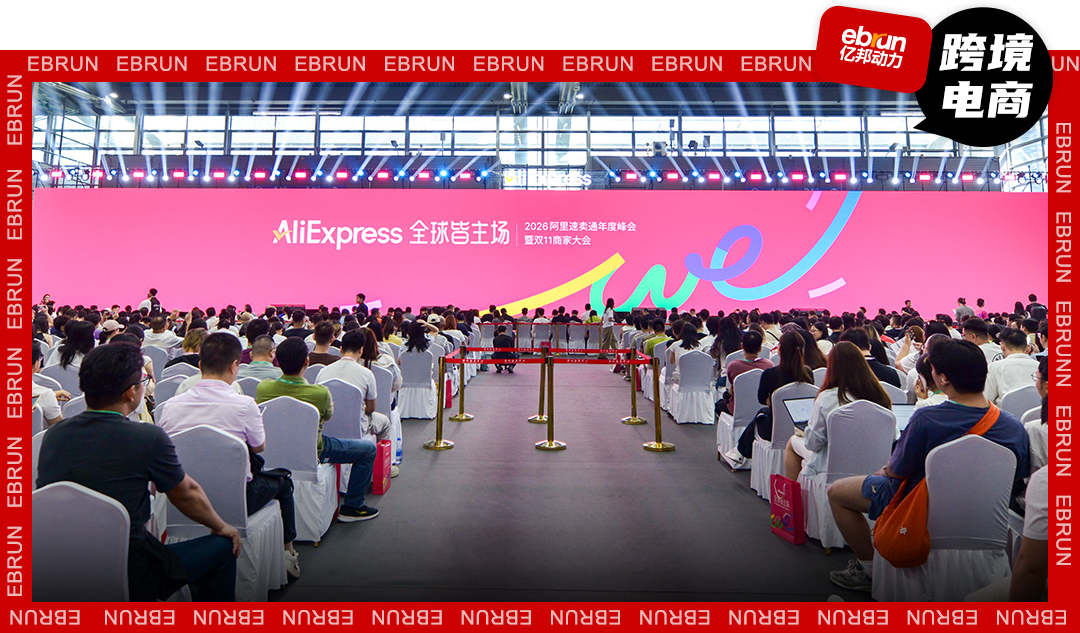
【亿邦原创】“今年是过去三年跨境电商最难的一年,但不确定会不会是未来三年最好的一年。”在2026阿里速卖通年度峰会暨双11商家大会上,速卖通总裁惊石直言。

全球贸易环境愈发复杂,过去主要依靠低价和丰富供给来驱动增长的跨境电商,进入一个新的发展阶段。惊石认为,品牌化、本地化、AI化、合规化,将成为行业应对未来不确定性的重要方向。

中国品牌面临的出海考题也在发生变化,“多卖货”不再是唯一追求。对头部品牌而言,如何把国内品牌势能转化为全球经营能力。这些正是速卖通要去解决的问题。

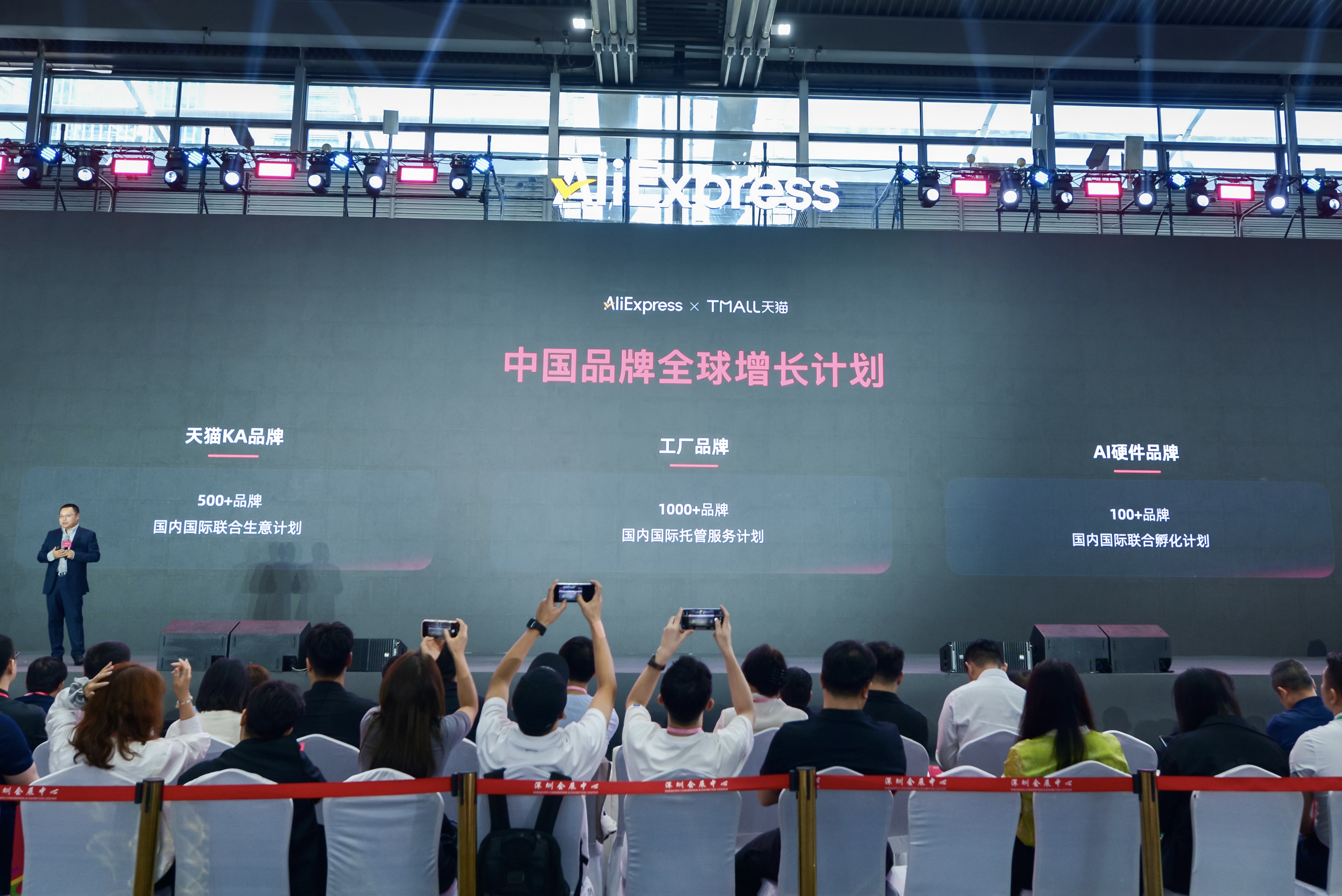
为此,大会上也公布了一个重磅计划:联合天猫发起”中国品牌全球增长计划”,重点扶持天猫品牌、AI硬件品牌和工厂品牌,并立下未来三年”品牌数和品牌GMV双50%增长”的目标。

阿里让代表“国际”的速卖通和代表“国内”的天猫,叠出一张真正的“全球化”地图。这场双剑合璧是速卖通持续深化品牌出海战略的重要一步,也呼应着阿里近年来推动国内外电商业务协同的方向。

大会后的媒体群访,三位来自不同赛道的商家坐在了媒体面前:做了十几年出海的骑行品牌洛克兄弟、出海11年的游戏手柄品牌GameSir盖世小鸡、出海快十年但“这两年才开始真正本地化”的小熊电器。这场群访,聊的正是这个计划落到品牌身上,到底是什么。

(原话为主,略作删减。)

受访嘉宾——

· GameSir盖世小鸡 合伙人&VP连优(游戏外设,出海11年)

· Rockbros洛克兄弟 创始人 张新刚(骑行装备,2010年起做跨境电商,海外占营收七八成)

· 小熊电器 海外事业部电商负责人 黄志锦(小家电,2019年上市后出海)

· 衍之(速卖通品牌营销负责人)

· 英朋(速卖通国家业务负责人)

01

出海第一课:把国内爆款直接搬到海外,是行不通的

亿邦观察:没有哪个要增长的品牌不考虑出海。对今天的中国品牌而言,出海的意义已经从拓展业务边界的可选项变成寻求增长的必选项。但出海并无放之四海皆准的路径,初入海外市场,关键是找到产品与市场的匹配点。

Q:海外市场和国内市场,差异到底有多大?

小熊·黄志锦:我们这个品类国内外差异特别大,一开始以为国内产品可以复制到海外,结果走了一些弯路。不能把海外统称成一个”海外”,每个国家都是一个和中国同等体量的市场,有不同的安规、法规、税率、消费和饮食习惯。我们做的,是在这么多不一样里找相同。

比如国内水壶一般小容量,功率1800W,烧水7到9分钟。但英国就要3分钟把那壶烧开,一刻都不能等。我到现在也不知道英国人为什么这么着急,但确实是这样,而且必须是2800W到3000W以上才能接受。你拿国内产品去做英国市场,就是卖不动。电压也全都要改。所谓全球化,就是”在不一样里找一样”。

Q:同一个手柄,国内卖79块,海外能卖到80美金?价差怎么来的?

GameSir·连优:差距非常大。国内最好卖的是79块的入门级PC手柄,一天能卖一万只;海外客单价是80美刀。原因是消费场景不同:欧美主流是客厅主机场景,大家买Xbox、PS、Switch,我们主要拿Xbox授权这一类产品,价格差自然拉开。巴西又不一样:主机进巴西税非常高,家庭主机市场反而小,但PC和手游用户多,场景跟国内接近,所以我们在巴西卖得好的恰是国内也卖得不错那款,海外定价25到29美金。海外不能当成”一盘生意”,得一个地区一个地区地分析当地人用什么设备玩游戏,再做针对性开发。

洛克兄弟·张新刚:我们骑行也一样,产品一定要本地化。亚洲人头型偏圆,欧美人是椭圆的,亚洲盔给欧美人戴太宽松,欧洲盔拿到亚洲又挤头戴不进。风镜、骑行服也得分欧码美码,根据当地市场开发版型。

02

在不确定里,备最确定的货

亿邦观察:今年双11+黑五大促,或许是中国品牌出海第一次真正意义上的“全球同频大促”。品牌们的备战早在半年前就已启动,在速卖通的备货量也创下新高。这既源于对确定性增长的信心,也与速卖通“双50%”的增长目标形成呼应。

Q:双11你们怎么备货?从什么时候开始,量级多大?

洛克兄弟·张新刚:海外备货4、5月就开始了。现在海运越来越长,以前预留两个月,现在要三个月。今年我们对速卖通双11预期比较高,最低要有50%增长,货很早备过去,现在已在海外各仓。

GameSir连优:今年我们要冲刺400万美元销售额,备货量达500万美元。在速卖通的备货周期提前了三个月,部分产品为确保不断货甚至提前半年就准备,巴西海外仓备货量也实现翻倍。目前,团队正全力与平台配合。

长期来看,我们计划未来几年都保持50%以上的复合增长率,以更具竞争力的产品打动全球消费者。

速卖通:今年双11海外备货量同比涨了146%。

Q:外部这么多不确定,你们凭什么押这么高的增长?

小熊·黄志锦:不分国内外,消费者对好产品的需求是一致的。做海外最大的感受就是:你有货,就会有很多可能。所以我们的策略是先备货。小熊出海前两年是先交学费。

GameSir·连优:无论外部多复杂,比较确定的一点是需求一直存在,前提是你当地有货。需求永远在,你只要把合适的产品放到当地市场,基本不会有太大问题。

速卖通·衍之:从平台视角,商家备货积极性大取决于两点。第一,海外供给走向分化,3D打印机、游戏手柄这些品类高速增长,落到具体企业有高有低。第二,平台在做”滚动计划”:跟连总在828就有一次大爆发,一些品断货,所以双11希望他多配一点。更重要的是,我们不是”行业对接商家”,而是一个Masters矩阵:行业、营销、供应链、合规、商业分析一起上,告诉你什么商品适合在哪个国家卖。让生意更有计划性和确定性,这就是大家愿意多备货的底气。

03

合规不是洪水猛兽,是品牌出海的护城河

亿邦观察:全球贸易环境愈发复杂,过去主要依靠低价和丰富供给来驱动增长的跨境电商,进入一个新的发展阶段。品牌化、本地化、AI化、合规化,将成为行业应对未来不确定性的重要方向。

Q:做全球属地合规,你们踩过哪些印象特别深的坑?

洛克兄弟·张新刚:我们合规做得比较早。最大的坑是印尼一刀切,不允许跨境进入,我们本来份额蛮高,只能把授权给代理商在当地做。整体最大挑战是要在很多国家设本土分公司:欧美、北美、澳洲、日韩我们都设了,合规化经营就容易;但东南亚一些小国家,没本土公司就没法进口、货出不去,因为没有收货责任人。这很现实。

Q:面对未来三年反复提到的”不确定性”,你们最确定的战略是什么?

洛克兄弟·张新刚:地缘政治不可控,对商家来说,我们只考虑可控部分。一是把市场做宽,南美、北美、欧洲、东南亚、澳洲、日韩都做,不押单一区块,风险就能分散。二是把产品和品质做好、本地化服务做好。地缘政治会过去,战争也会过去,你在当地扎得够深,市场早晚还能拿回来。

GameSir·连优:我们出海11年,很多事情在发生坏结果之前就已解决合规,去年那么多事对我们没太大影响。剩下就是盯着消费者还没被满足的需求。只要痛点被解决,对长期主义的全球化品牌来说,外部变化不是大问题。全球有200多个国家市场,我们做得还远远不够。

速卖通·英朋:合规这件事不是洪水猛兽,而是每一个品牌出海接下来的竞争壁垒。用户需求里就包含合规需求:企业资质、贸易动作、财税法人、商品本身。如果过去12个月你把这件事做好了,那么这波认证、本地要求再上来时,你会比别人做得更好——因为它能帮你锁定很多本地需求,因为别人卖不了。

04

速卖通与天猫联手,品牌为何应声加入?

亿邦观察:过去一年,速卖通持续在“品牌出海”上发力,2025年9月启动“Brand+”计划后,目前已有超1100个品牌实现百万美元以上销售额。此次,速卖通和天猫联合发布“中国品牌全球增长计划”,则回应了更多商家寻找新增量的诉求,也拿出了针对不同类型商家的具体策略,进一步打通国内品牌资源与海外渠道,探索全链路增长路径。

Q:为什么是此刻和天猫一起推出“中国品牌全球增长计划”?

速卖通·衍之:两方面。第一是时间到了:我们需要联动整个阿里的资源,推动一批在天猫和速卖通双边都有合作、或有潜力的品牌出海,这十年这类品牌一直保持了很好的生意发展。

第二,解决方式变了。我们已为品牌搭建了一套全链路一体化的出海方案,速卖通Brand+持续高增长。天猫的品牌商品已被验证过,在当下合规要求下,我们再用全链路能力叠加AI,能帮品牌把过去要花很大成本的运营用AI办掉,这会解锁一个非常大的新机会。

Q:品牌具体能借到什么力?

速卖通·英朋:方向有三条:品牌化、本地化、充分AI化。

第一品牌化:我们最大的展台是Brand+,核心是帮优秀品牌在各个合规和市场环境里做大销售,平台发展了工具、流量、迁移政策和履约链路,品牌只要能生产优秀商品,后面的事我们给搞定,平台能力帮商家兜底。第二本地化:货、公司、研发、决策链路都要在本地,你得跟当地用户在文化和心理上建立链接,不然一个”异域来的东西”人家凭什么信任。第三充分AI化:流量和商品的匹配工作95%已全用AI做掉,除了核心20国有人工,200多个国家里排名靠后的上百国都靠AI做运营。

速卖通·衍之:补一个本地化营销的真实案例。最近我们帮做迷你PC的直维在欧洲做线下快闪:在西班牙把一辆大公交整辆装饰成流动展台,当地年轻人上车就能体验不同机型、亲身感受性能;现场请KOL体验、把评论传播出去,双11再针对感兴趣的消费者全网拓场。这样既刷新欧美消费者对品牌性能的认知,又把兴趣人群转成大促潜在买家,实现品效合一。

Q:为什么选择加入“中国品牌全球增长计划”?希望获得哪些方面的支持?

小熊·黄志锦:一方面是希望借助速卖通在全球积累的电商经验开拓中东、拉美等新兴市场,分担合规压力;另一方面,则是希望Brand+在重点市场提供类似国内“聚划算”一样的确定性流量支持和联合营销投入,帮助品牌在新市场快速建立信心。

Q:如果只能给准备出海、或正在犹豫的品牌一句话,你会说什么?

GameSir·连优:我第一年做海外业务时,速卖通账号还是我注册的。当年选它就因为”一键卖全球”。我们也不知道先选哪个市场,就先测:结果发现俄罗斯一开始卖得最好,现在是巴西。所以新卖家不用想那么多,先通过平台测你到底适合哪个国家。接下来我们会向平台推出新的国家站点,跟各国小二聊具体方案。

洛克兄弟·张新刚:新手看两点:一是你的产品和行业适合哪个区域、在哪个市场真有竞争力;二是操作难度,当地有没有成熟平台、对中国产品友不友好。先从一个区域联手,把产品力和团队能力打磨出来,再往外拓。

小熊·黄志锦:这是所有卖家每天都在思考的问题。小熊可以全球铺开去筛国家,但结果很简单——你把所有国家试完,最后还是那几个。我们前两年铺开四十多个国家,今年收缩到四个核心国家,资源一聚焦,单品和效率明显提高,人也更专业了。我们已在非流量红利期,接下来必须聚焦。

速卖通·衍之:我最后说一句。我们之所以定相对激进的目标,是因为过去那套方法论开始奏效了,在座很多品牌已看到显著增长。危机危机,危中必有机。每个阶段都觉得今天最难,但回头再看,经历过之后我们活得更好,因为成长得更快。你只要比别人跑得快,你就有机会。

亿邦持续追踪报道该情报,如想了解更多与本文相关信息,请扫码关注作者微信。

本文首发于 亿邦动力 官方网站

文章来源:亿邦动力

广告
微信
朋友圈

FAQ回顾

“中国品牌全球增长计划”是什么?

“中国品牌全球增长计划”由速卖通联合天猫发起,重点扶持天猫品牌、AI硬件品牌和工厂品牌,目标是未来三年实现品牌数和品牌GMV双50%增长。该计划旨在打通国内品牌资源与海外渠道,帮助品牌把国内势能转化为全球经营能力。

中国品牌出海有哪些主要趋势和方向?

跨境电商正从依靠低价和丰富供给驱动增长,转向品牌化、本地化、AI化和合规化。中国品牌出海不再只追求多卖货,而是提升全球经营能力;平台侧流量与商品匹配95%已由AI完成,核心20国保留人工,其余上百个国家主要依靠AI运营。

中国品牌出海为什么不能直接把国内爆款复制到海外?

海外各国在安规、法规、税率、消费和饮食习惯上差异明显。小熊电器国内水壶多为1800W、烧水7到9分钟,英国市场要求2800W到3000W以上并3分钟烧开;GameSir国内79元入门手柄好卖,欧美客厅主机场景客单价可达80美元。产品必须按区域重新开发。

中国品牌如何做好海外本地化运营?

本地化不仅是产品适配,还包括货、公司、研发和决策链路落地当地,并与当地用户建立文化和心理链接。产品层面要按国家分析设备场景、头型、版型等差异;营销层面可做线下快闪和KOL体验,如速卖通帮迷你PC品牌在欧洲用公交流动展台触达年轻消费者。

跨境电商合规为什么被视为品牌出海的护城河?

合规覆盖企业资质、贸易动作、财税法人及商品本身。提前做好合规,能在本地认证和要求提高时锁定本地需求,因为不合规的竞争者可能无法销售。洛克兄弟在欧美、北美、澳洲、日韩设本土公司以便合规经营;东南亚一些国家缺少本土公司则难以进口。

这么好看,分享一下?

朋友圈 分享

APP内打开

赞 +1
+1
微信好友 朋友圈 新浪微博 QQ空间
关闭
收藏成功
发送
/140 0