广告
加载中

浴见北京首店开业 探索身体护理品牌的线下新样本

龚作仁 2026-10-17 13:49
龚作仁 2026/10/17 13:49

邦小白快读

EN
全文速览

这篇文章介绍了身体护理品牌浴见在北京前门西兴隆街开设华北首店的案例,核心亮点是它没有把门店做成普通零售店,而是围绕“浴室”场景打造体验空间。对于普通读者,值得关注的是线下门店如何提供独特体验:消费者可以闻香、洗手、试用产品,和店员聊皮肤状态,通过气味、质地和触感来理解产品,而不是只看货架。

另一个实操干货是品牌如何借助城市文化讲故事。门店开业前邀请路人写“浴室里的小念头”明信片,把街区记忆融入空间;北京限定香型“墨冬青”让城市印象变成可闻可用的产品。这些做法能让消费者产生情感连接,值得学习和借鉴。

文章还提到,浴见在不同城市开设了不同主题门店,比如上海的“一个人的自由浴室”回应独处需求,长沙的“深夜浴室”为夜晚留出停顿,无锡的“自在浴室”延续悠然节奏,北京的“书写者的浴室”结合胡同人文。这说明,即使不是专业人士,也能从中看到品牌如何用创意让购物变成一种生活方式体验。

这篇文章对品牌商的启发主要集中在品牌线下空间建设和在地化表达。浴见提出“浴室为核心的一店一策、一城一情绪”方法论,说明品牌进入线下时,不应只是陈列产品,而要围绕一个核心场景母题,持续输出稳定的品牌资产。对于高端国货精品品牌而言,线下空间可以成为品牌的“道场”,产品体验、品牌理解和生活方式需要在同一个空间内成立。

在品牌营销层面,浴见的做法值得关注:它没有依赖符号化的北京元素,而是把城市生活、建筑设计与品牌核心场景组织在一起,用“书写者的浴室”回应北京的表达密度,让消费者在暂停输出、回到身体的过程中感受品牌。同时,通过邀请路人写明信片、录制播客、策展、品牌杂志《身体新知》等方式,把门店主题延伸为持续性的品牌内容,增强用户记忆和公共讨论。

从消费趋势看,身体护理品牌关注独处、放松、自我照顾等都市生活状态,符合当下消费者对情绪价值和慢生活的需求。浴见选址前门西兴隆街,与“慢而有品,自得其乐”的街区定位匹配,说明品牌选址需要考虑目标客群的生活方式,而不只是人流和租金。

这篇文章对卖家有几点政策解读和机会提示。浴见北京首店所在的前门西兴隆街是东城区重点更新的老城街区,由7位建筑与遗产保护大师操刀,以“集群设计”思路完善居住与商业服务功能。街区定位是“慢而有品,自得其乐”,持续引入有审美辨识度、有明确生活主张的高端国货精品品牌,这意味着卖家如果拥有类似调性的品牌,可能获得入驻这类高品质街区的机会。

消费需求层面的变化值得关注。消费者不再满足于简单的产品购买,而是愿意为了体验、情绪和生活方式专程到访。浴见通过“浴室”场景把产品体验、内容表达和用户记忆结合起来,帮助品牌摆脱对商场点位、货架效率和促销机制的单一依赖。这提示卖家,线下门店可以成为品牌长期可识别的空间母题,而不只是成交终端。

事件应对和风险提示方面,文章没有直接讲政策细则,但可以看出,品牌进入老建筑、在胡同里开店已是趋势,难点在于能否真正读懂场地,把空间特色转化为消费者停留和到访的理由。卖家可学习的点是:浴见采用“一店一策、一城一情绪”的方式,在不同城市推出不同主题门店,既保持一致底层逻辑,又能适应当地文化,这种模式或许可以复制到其他品类。

从工厂视角看,这篇文章提供了产品生产和设计需求的参考。浴见作为身体护理品牌,线下店注重消费者用气味、质地和皮肤触感来理解产品,这意味着产品设计不能只注重功能,还要强化感知体验。北京城市限定香型“墨冬青”说明,针对不同城市或场景开发特定香型和产品,可能成为差异化生产的方向。

文章也传递了商业机会:高端国货精品品牌正在进入城市更新街区,这类品牌对产品品质、设计审美和与老城环境自然相处的要求较高。工厂如果能配合品牌做小批量、定制化、有文化内涵的产品,或许能获得新的合作空间。

关于推进数字化和电商的启示,文章没有直接讲技术,但浴见在线下用明信片收集路人“浴室里的小念头”,现场播客、策展区人物故事、品牌杂志等低成本和传统方式,创造了丰富的内容资产。这说明工厂在做产品时,也可以考虑如何让产品本身带有故事性和内容性,帮助品牌在线上线下多渠道传播,而不仅仅是完成代工订单。

这篇文章对服务商的启示在于行业趋势和解决方案。浴见门店案例显示,身体护理品牌进入线下时,客户痛点是如何把门店从销售终端转变为体验和品牌表达的空间。浴见的方案是围绕“浴室”母题,通过“一店一策”将城市文化和品牌核心场景融合,用有机曲线“泡泡”串联空间,形成柔软松散的游逛体验和包裹感,解决动线单调的问题。

新技术和空间设计方面,门店没有用符号化的北京元素,而是把城市生活、建筑设计与品牌场景组织在一起。这说明服务商在为客户做空间设计时,可以更注重场地解读、情绪营造和品牌故事的转译,而不是套用传统零售模板。

从客户需求看,浴见成功吸引了播客《随机波动》现场录制、嘉宾对谈等公共活动,说明服务商可以帮助品牌策划线下内容活动,让门店成为内容生产的场所。另外,品牌杂志《身体新知》和装置艺术提供了内容策划和策展服务的需求。未来,服务商可以为这类精品品牌提供从空间设计、内容活动到品牌资产管理的一体化服务,帮助品牌在不同城市复制并保持稳定识别度。

这篇文章对平台商的参考价值集中在商业街区招商和运营管理。前门西兴隆街的案例表明,平台商在运营城市更新街区时,不是简单引入商户,而是围绕“慢而有品,自得其乐”的定位,持续引入有审美辨识度、有明确生活主张的高端国货精品品牌。浴见作为代表品牌,其克制而有质感的表达与街区调性匹配,说明平台商在招商时更应关注品牌与街区气质的契合度,而不是只看租金和知名度。

在平台的最新做法方面,西兴隆街采用“集群设计”思路,守护老城肌理和胡同风貌,完善居住与商业服务功能,同时借助北京前门文华东方酒店项目吸引文化旅行和高品质消费人群。这样的街区运营策略为平台商提供了一个样本:通过与城市地标联动、承接目的地消费,打造高价值商圈。

关于风控规避,文章提示平台商需要注意,品牌进入老建筑、在胡同里开店应当读懂场地,避免简单视觉符号堆砌。平台商在给品牌提供场地时,应辅助品牌做在地化表达,让门店与周围街区发生联系,成为人们愿意专程前往的地方。浴见在不同城市以“一店一策、一城一情绪”的方式开店,也提醒平台商,对于有连锁扩展需求的品牌,各城市门店需要保持统一的品牌资产,同时兼顾本地特色。

从研究角度看,这篇文章呈现了城市更新与品牌商业融合的产业新动向。浴见北京首店位于前门西兴隆街,该街区由7位建筑与遗产保护大师以“集群设计”思路改造,在守护老城肌理前提下引入高端精品品牌,形成“旧里造新”的样本。这为研究城市更新中的商业业态选择、品牌与街区共生关系提供了具体案例。

文章也提出了新问题:当门店不再只是陈列和成交的终端,品牌还能留下什么?浴见以“浴室”为空间母题,在不同城市演化出“一个人的自由浴室”“深夜浴室”“自在浴室”“留白浴室”“书写者的浴室”,说明“一地一策”策略既需要差异化体验,又需要维持可长期识别的品牌资产。研究者可以关注这种品牌空间方法论如何影响消费者对品牌的记忆和忠诚度。

从政策法规和规划启示看,西兴隆街的定位“慢而有品,自得其乐”以及引入高端国货精品品牌的做法,可能为其他老城区更新提供参考。品牌如何与城市文化自然相处,如何通过线下空间承载公共讨论(如播客现场录制、策展、品牌杂志)也是值得研究的内容营销与公共文化相结合的方向。文章来自行业媒体,观点不代表平台立场,研究时需注意其立场和案例代表性。

返回默认
声明:快读内容全程由AI生成,请注意甄别信息。如您发现问题,请发送邮件至 run@ebrun.com 。

我是 品牌商 卖家 工厂 服务商 平台商 研究者 帮我再读一遍。

Quick Summary

This article covers the case of bath and body care brand Yujian (浴见) opening its first store in North China on Xixinglong Street in Beijing's Qianmen area. The key highlight is that the store is not designed as an ordinary retail outlet, but as an experience space built around the "bathroom" scenario. For general readers, the noteworthy point is how offline stores can offer unique experiences: consumers can smell fragrances, wash hands, try products, and talk to staff about skin conditions. Products are understood through scent, texture and touch, rather than just being displayed on shelves.

Another practical insight is how the brand leverages urban culture to tell stories. Before opening, the store invited passersby to write postcards about "little thoughts in the bathroom," weaving neighborhood memories into the space. The Beijing-exclusive fragrance "Ink Wintergreen" turns an impression of the city into a product that can be smelled and used. These practices help create emotional connections with consumers and are worth learning from.

The article also notes that Yujian has opened stores with different themes in different cities: "A Free Bathroom for One" in Shanghai responds to the need for solitude; "Late Night Bathroom" in Changsha leaves room for a pause during the night; "Leisurely Bathroom" in Wuxi continues a relaxed rhythm; and "The Writer's Bathroom" in Beijing connects with hutong culture. This shows that even non-professionals can see how a brand uses creativity to turn shopping into a lifestyle experience.

This article offers brand owners key lessons on building offline spaces and localized expression. Yujian's methodology is "one store, one strategy, one city, one mood" centered on the bathroom, which suggests that entering offline should not be about displaying products only; brands should revolve around a core scenario and continuously deliver stable brand assets. For premium domestic brands, an offline space can become a brand "sanctum," where product experience, brand understanding and lifestyle converge in one place.

In terms of brand marketing, Yujian avoided symbolic Beijing elements. Instead, it blended urban life, architectural design and its core brand scenario, using "The Writer's Bathroom" to respond to Beijing's density of expression, allowing consumers to pause output and reconnect with their bodies. By inviting passersby to write postcards, recording podcasts, curating exhibitions, and publishing the brand magazine "Body Knowledge" (《身体新知》), the store's theme is extended into ongoing brand content, strengthening memory and public discussion.

Looking at consumer trends, body care brands address urban states such as solitude, relaxation and self-care, which meet current demand for emotional value and slow living. Yujian's choice of Xixinglong Street in Qianmen matches the street's positioning of "slow but tasteful, content in one's own way," showing that site selection should consider the target audience's lifestyle, not just foot traffic and rent.

This article offers sellers several policy takeaways and opportunity signals. The Xixinglong Street in Qianmen, where Yujian opened its first Beijing store, is an old-city block undergoing priority renewal in Dongcheng District. Seven architects and heritage conservation experts were involved, applying a "cluster design" approach to improve residential and commercial functions. The street's positioning is "slow but tasteful, content in one's own way," and it continuously attracts premium domestic brands with distinctive aesthetics and clear lifestyle propositions. That means sellers with brands of a similar tone may gain opportunities to enter such high-quality streets.

Changes in consumer demand are also worth attention. Shoppers are no longer satisfied with simple purchases; they are willing to make special trips for experience, emotion and lifestyle. Yujian combines product experience, content expression and user memory through its "bathroom" scenario, helping brands reduce reliance on mall locations, shelf efficiency and promotional mechanics. This suggests that offline stores can become long-term recognizable spatial motifs for a brand, not just transaction terminals.

On policy details and risk, the article does not go into specific regulations. But it shows that moving into old buildings and hutong spaces is a trend. The challenge is whether a brand can truly understand the site and turn its spatial character into a reason for people to stay and visit. The key lesson for sellers is Yujian's "one store, one strategy, one city, one mood" approach. By launching different themed stores in different cities, the brand maintains a consistent underlying logic while adapting to local culture. That model may be replicable in other categories.

From a factory perspective, this article provides a reference for product production and design needs. As a body care brand, Yujian's offline store emphasizes consumers understanding products through scent, texture and skin feel, which means product design should not only focus on function but also strengthen sensory experience. The Beijing-exclusive fragrance "Ink Wintergreen" shows that developing specific scents and products for different cities or scenarios could be a direction for differentiated manufacturing.

The article also points to a business opportunity: premium domestic brands are moving into urban-renewal streets, and they place high demands on product quality, design aesthetics, and harmonious coexistence with the old urban environment. Factories that can support such brands with small-batch, customized, culturally rich products may find new room for collaboration.

On digitalization and e-commerce, the article does not discuss technology directly. But Yujian used low-cost, traditional methods such as postcards inviting passersby to share "little thoughts in the bathroom," live podcasts, character stories in exhibition areas, and a brand magazine, creating a wealth of content assets. This suggests factories should consider how to make products carry storytelling and content appeal, helping brands communicate across online and offline channels, rather than merely fulfilling OEM orders.

This article offers service providers insights into industry trends and solutions. The Yujian store case shows that when body care brands go offline, the client pain point is how to transform a store from a sales terminal into a space for experience and brand expression. Yujian's solution is to focus on the "bathroom" motif, merge urban culture with the brand's core scenario through a "one store, one strategy" approach, and use organic curved "bubble" forms to connect the space, creating a soft, unhurried wandering experience and a sense of envelopment that solves the monotony of standard circulation.

In terms of new technology and spatial design, the store avoids symbolic Beijing elements and instead organizes urban life, architecture and brand scenarios together. This suggests that service providers should pay more attention to site interpretation, emotional atmosphere and the translation of brand stories in space design, rather than applying traditional retail templates.

Looking at client needs, Yujian successfully attracted public events such as a live recording of the podcast "Random Wave" (随机波动) and guest conversations, showing that service providers can help brands plan offline content activities, turning stores into venues for content production. In addition, the brand magazine "Body Knowledge" and installation art create demand for content planning and curation services. Going forward, service providers can offer integrated services for such premium brands—from spatial design and content programming to brand asset management—helping brands replicate stores across cities while maintaining stable recognition.

This article is most relevant to marketplace operators in terms of commercial street tenant recruitment and operations management. The Xixinglong Street case shows that when operating an urban-renewal street, platforms should not simply bring in merchants. Rather, they should stick to the positioning of "slow but tasteful, content in one's own way" and continuously attract premium domestic brands with distinctive aesthetics and clear lifestyle propositions. As a representative brand, Yujian's restrained and textural expression matches the street's tone, suggesting that tenant recruitment should weigh brand-street cultural fit more heavily than rent and fame.

In terms of latest practices, Xixinglong Street uses a "cluster design" philosophy to preserve the old city's texture and hutong character, while improving residential and commercial services. It also leverages the Mandarin Oriental Qianmen, Beijing project to attract cultural travelers and high-end consumers. This street operation strategy provides a model for platforms: by linking with city landmarks and capturing destination consumption, they can build high-value commercial clusters.

On risk control, the article reminds platforms that brands entering old buildings and hutong spaces need to truly understand the site and avoid piling up superficial visual symbols. When offering venues, platforms should help brands create localized expression, so stores connect with the surrounding neighborhood and become places people are willing to travel to. Yujian's "one store, one strategy, one city, one mood" approach across different cities also reminds platforms that brands with chain-expansion plans need consistent brand assets across cities while embracing local characteristics.

From a research perspective, this article illustrates a new trend in the convergence of urban renewal and brand commerce. Yujian's first Beijing store is on Xixinglong Street in Qianmen, a block renovated by seven architects and heritage conservation experts using a "cluster design" approach. Premium brands are introduced while preserving the old city's texture, creating a sample of "building something new in the old." This provides a concrete case for studying commercial formats in urban renewal and the symbiotic relationship between brands and neighborhoods.

The article also raises a new question: when a store is no longer just a display and transaction terminal, what can a brand leave behind? Using "bathroom" as the spatial motif, Yujian has evolved into "A Free Bathroom for One," "Late Night Bathroom," "Leisurely Bathroom," "Blank Space Bathroom," and "The Writer's Bathroom" across different cities, showing that a "one place, one strategy" approach requires both differentiated experience and long-term recognizable brand assets. Researchers can explore how this spatial brand methodology affects consumer memory and loyalty.

In terms of policy and planning implications, Xixinglong Street's positioning of "slow but tasteful, content in one's own way" and its practice of bringing in premium domestic brands may offer a reference for other old-city renewal projects. How brands coexist naturally with urban culture, and how offline spaces carry public discussion (such as podcast live recordings, curation, brand magazines) are also directions worth studying at the intersection of content marketing and public culture. As this article comes from an industry media outlet, its views do not represent any platform's stance; researchers should be mindful of its perspective and case representativeness.

Disclaimer: The "Quick Summary" content is entirely generated by AI. Please exercise discretion when interpreting the information. For issues or corrections, please email run@ebrun.com .

I am a Brand Seller Factory Service Provider Marketplace Seller Researcher Read it again.

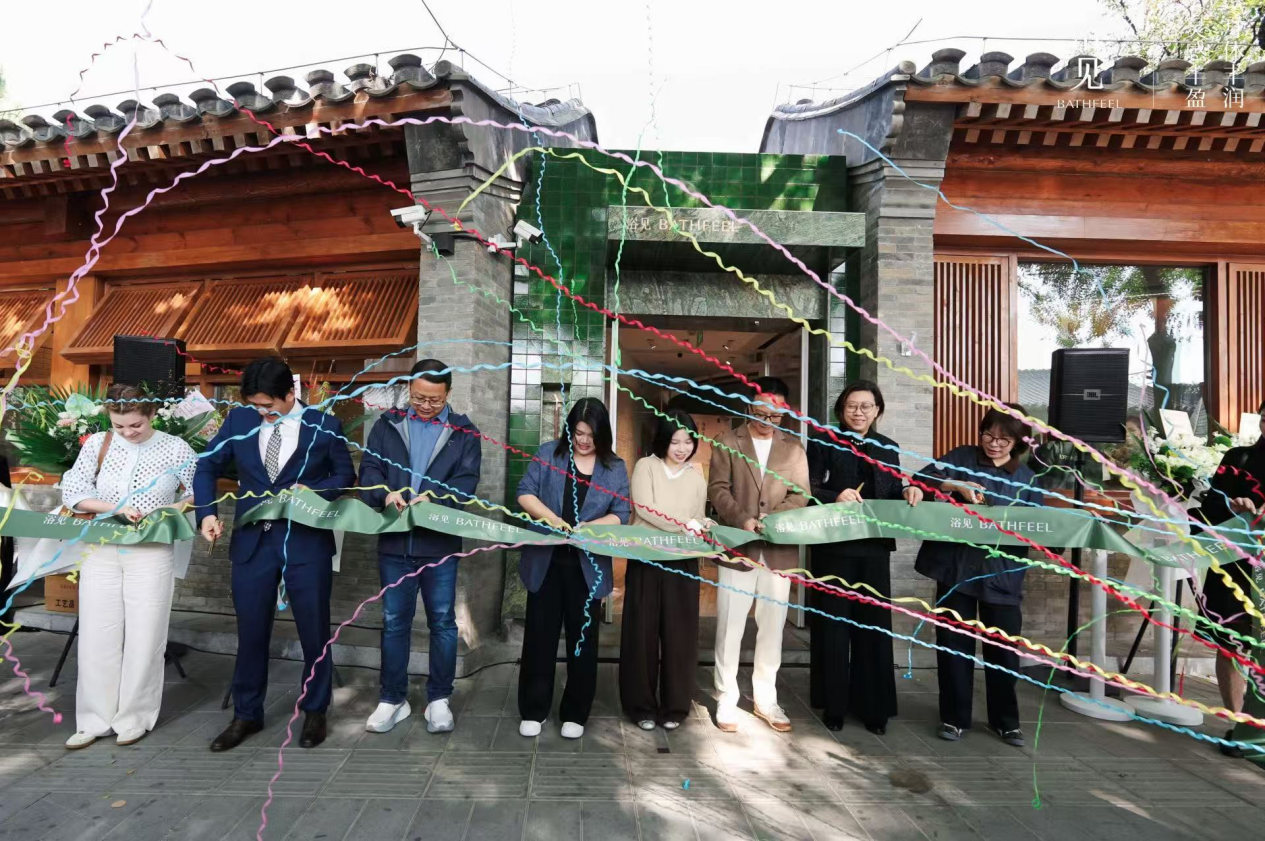
10月15日,身体护理品牌浴见(BATHFEEL)华北首店于北京前门西兴隆街正式开业。

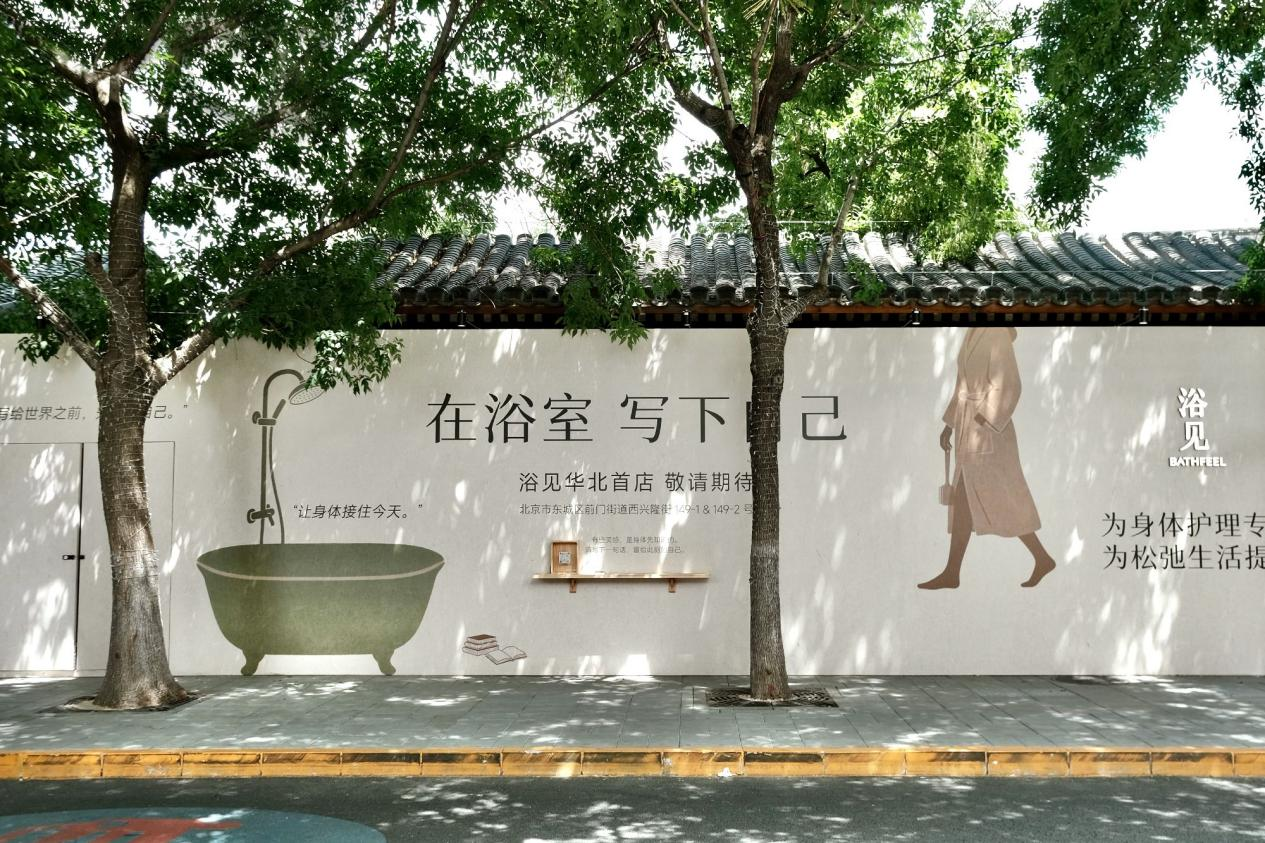
这间门店有一个更完整的名字:「书写者的浴室」。开业前两个月,门店围挡旁曾放置一摞明信片,邀请路过的人写下“浴室里的小念头”。这些来自街区与行人的片段,成为品牌空间表达的一部分。

从一张明信片到一间“浴室”,浴见试图回答的是:身体护理品牌进入线下,除了陈列产品和完成销售,还能如何与一座城市、一个街区,以及人的日常感受发生关系?

前门西兴隆街“旧里造新”,成为高端国货精品品牌聚集地

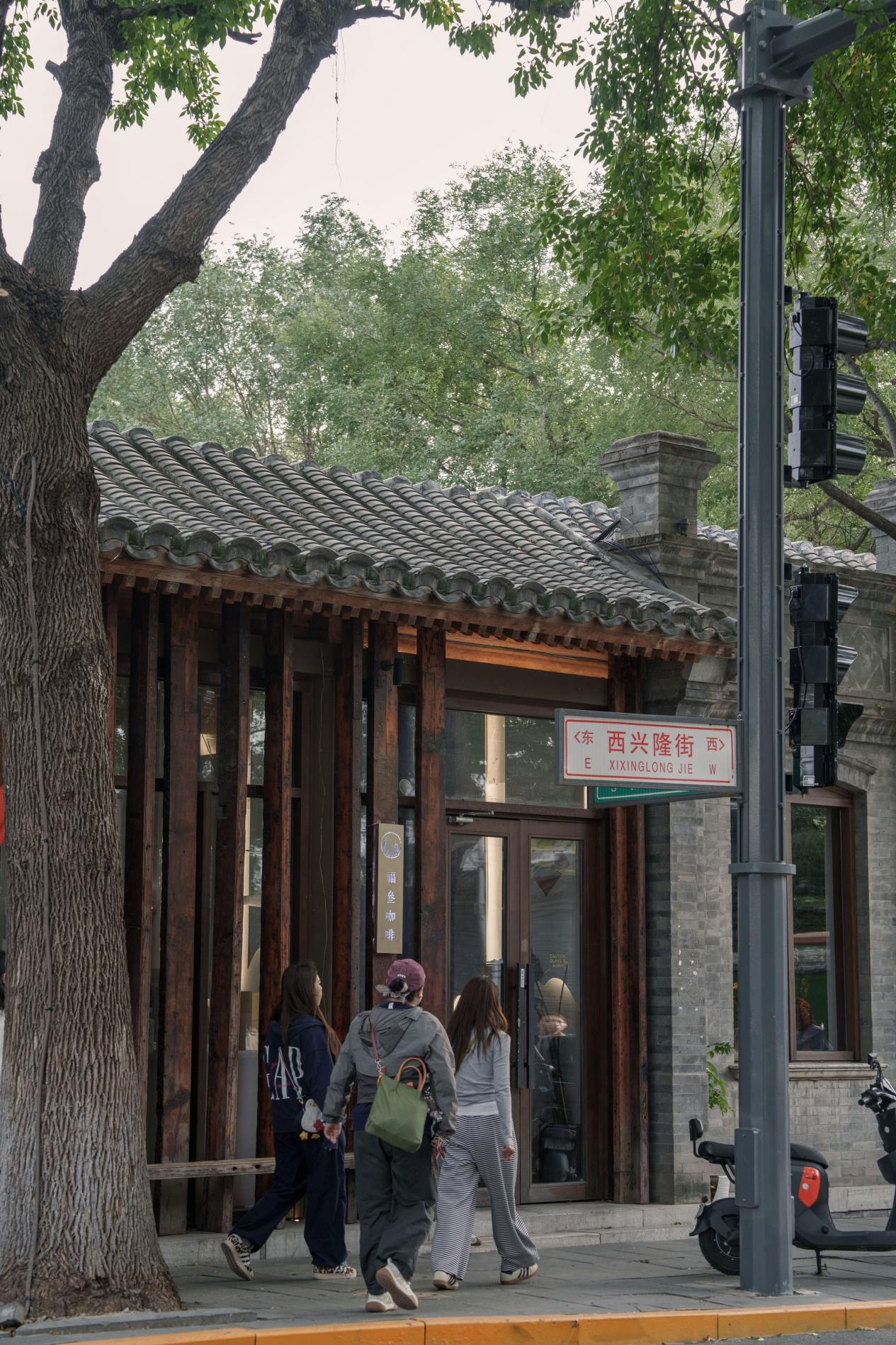
提起北京前门,人们首先想到的往往是大栅栏、前门大街、杨梅竹斜街。这些知名街区常年人头攒动,构成了外界对前门最熟悉的一面。而在寸土寸金的前门东区,还有一条隐于闹市的街巷,正在成为新的城市目的地——西兴隆街。

西兴隆街位于前门中轴线附近,一侧是前门商圈的人流与城市界面,另一侧则延续草厂胡同一带的原生居民生活。核桃砖、老槐树、骑车经过的人,共同保留着老城街巷的日常。但它又不只是传统胡同。作为东城区近年重点更新的老城街区,首发片区由7位中国建筑与遗产保护大师操刀,以“集群设计”思路,在守护老城肌理与胡同风貌的前提下,完善居住与商业服务功能,让“老北京”有了年轻的新样貌。

随着街区开放,西兴隆街也开始承接更高品质的目的地消费。位于街区内的北京前门文华东方酒店,作为近年来备受关注的高端酒店项目,为这里带来文化旅行及高品质消费人群。同时,围绕“慢而有品,自得其乐”的定位,街区持续引入有审美辨识度、有明确生活主张,同时能够与老城环境自然相处的高端国货精品品牌。

浴见正是其中具有代表性的新入驻品牌,其克制而有质感的品牌表达、完整的视觉体系与空间审美,延续了西兴隆街对品质和调性的追求;品牌所关注的身体感受、独处与放松,也与街区安静、舒缓的生活节奏形成呼应。

「书写者的浴室」,线下空间表达的“浴见”样本

随着城市更新的发展,品牌进入老建筑、在胡同里开店,已经不算新鲜。困难的是,品牌能否真正读懂场地,将空间特色转化为消费者停留和专程到访的理由。

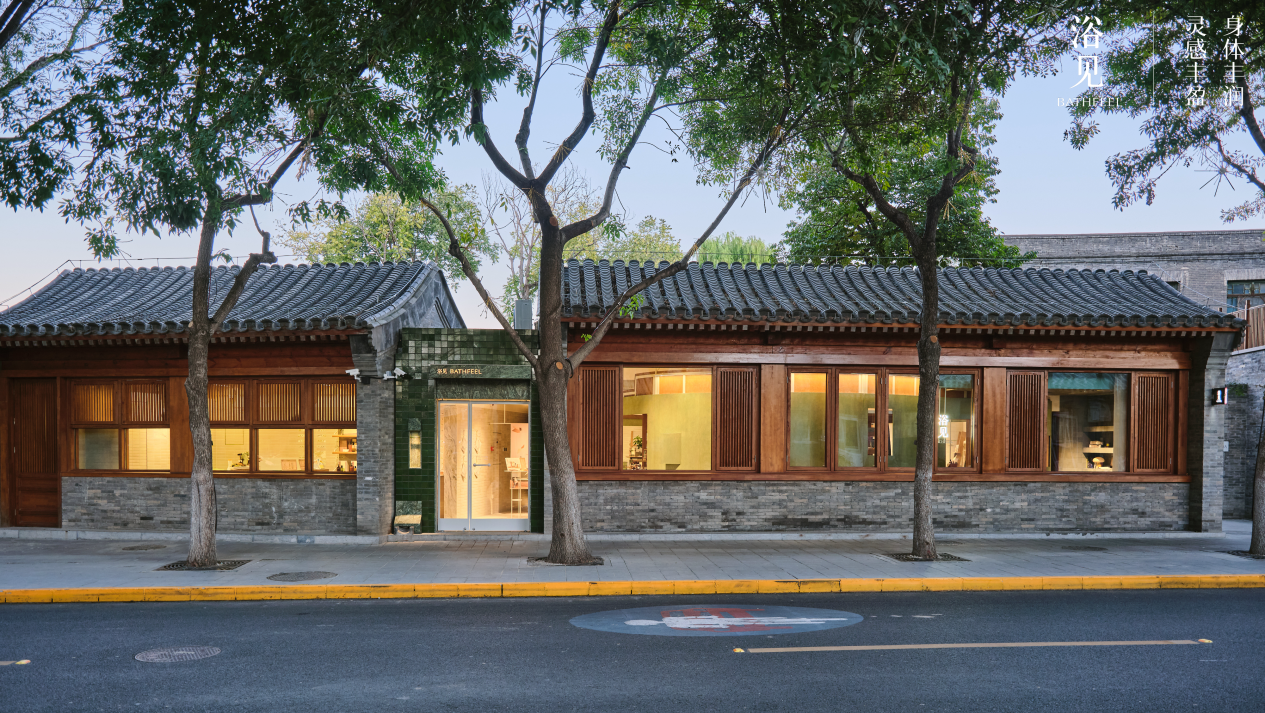
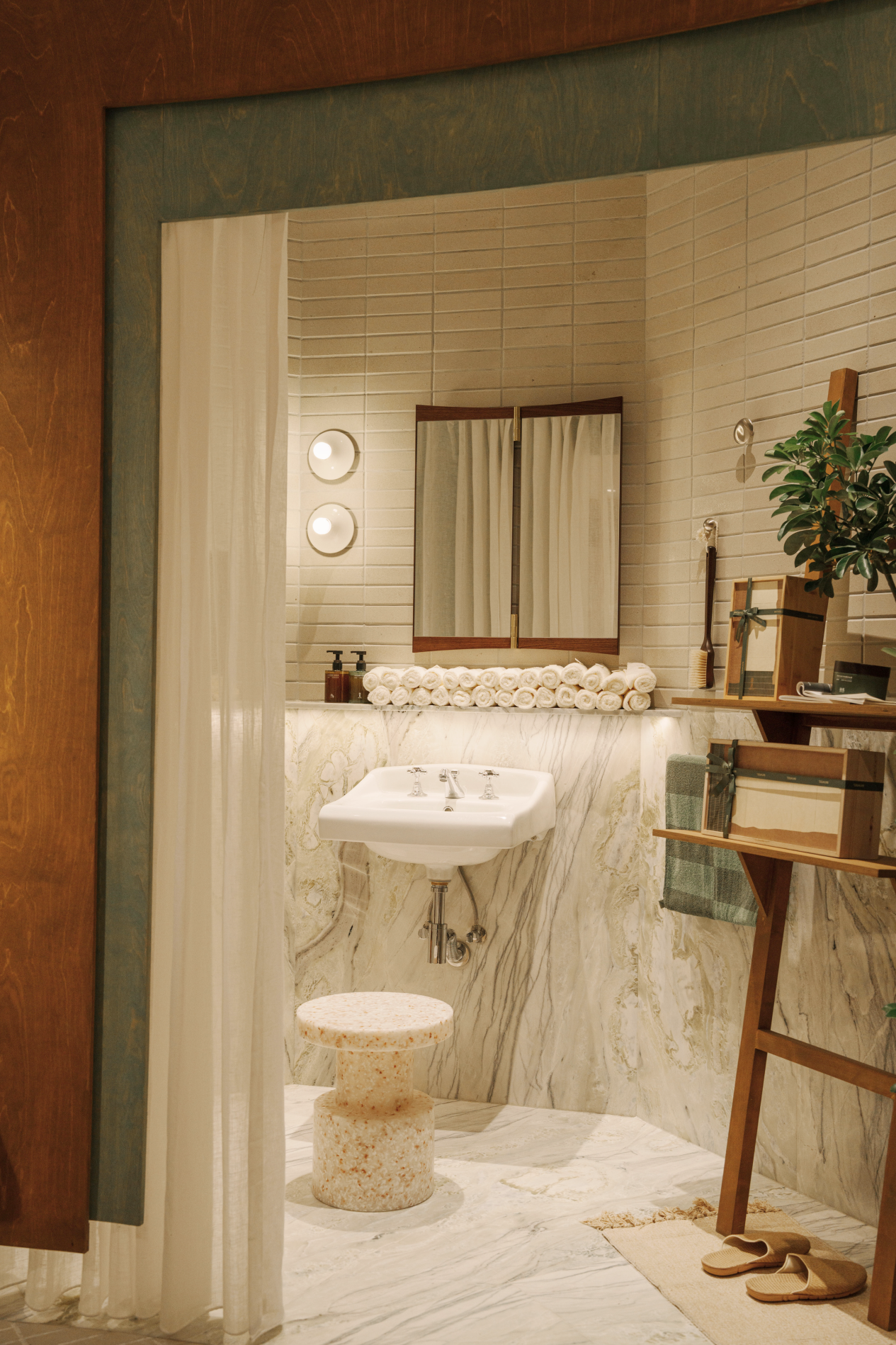
浴见北京前门西兴隆街店提供了一个可供观察的样本——它没有把胡同院落当作视觉背景,而是从身体护理的体验属性出发,将门店主题、空间设计与产品体验统一在“浴室”这个场景中。

浴室不只是清洁和护理的地方,也代表着一段少被打扰的独处时间。水声稳定下来,身体慢慢放松,很多没有被整理好的感受和念头,反而会在这个时候浮现。门店主题「书写者的浴室」由此成立。这里的“书写者”并不特指作家,而是指所有持续观察、思考和表达的人,在这样一座表达密度很高的城市里,「书写者的浴室」提供的是表达之前的另一种状态:暂停输出,回到身体。

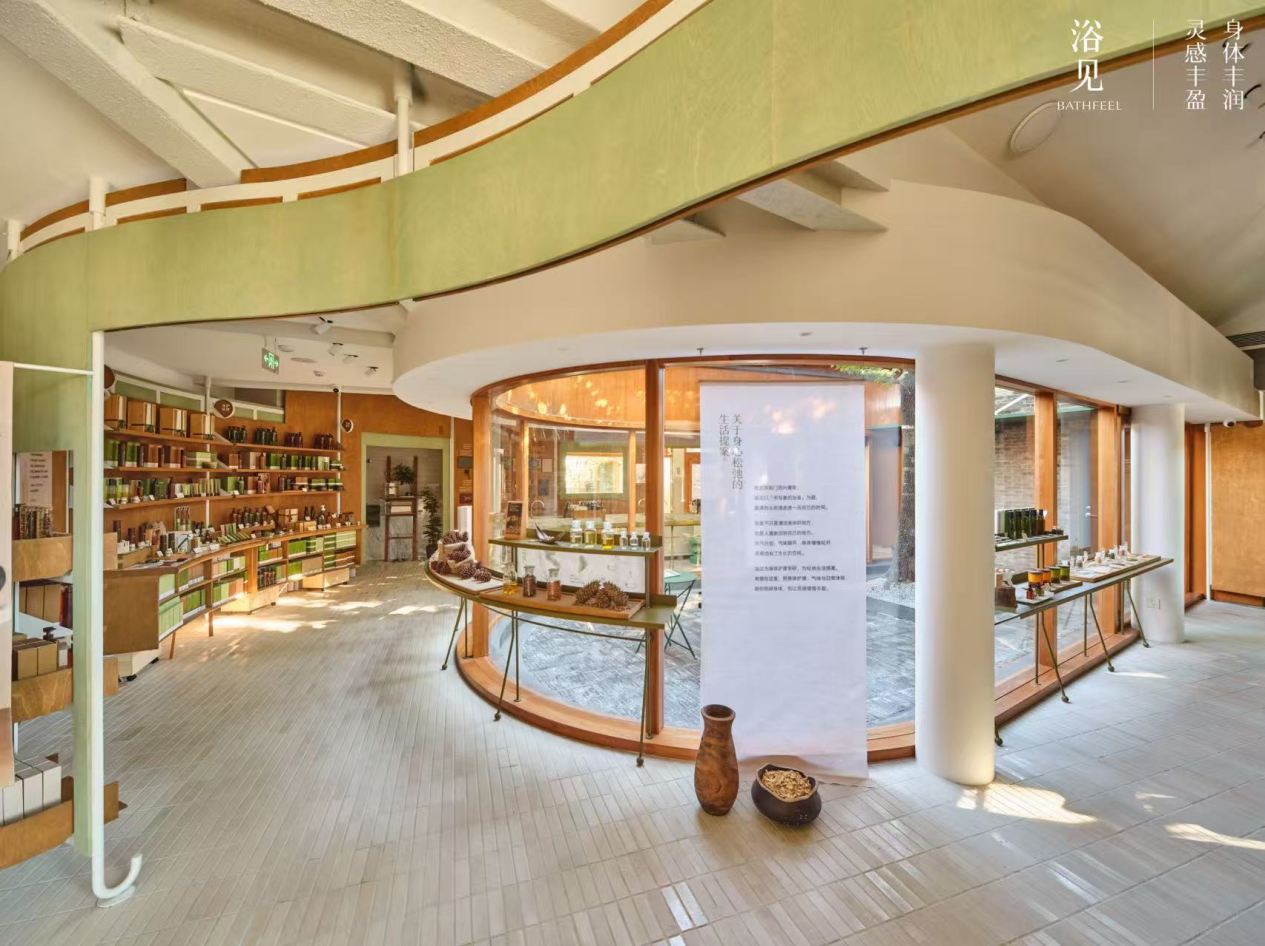
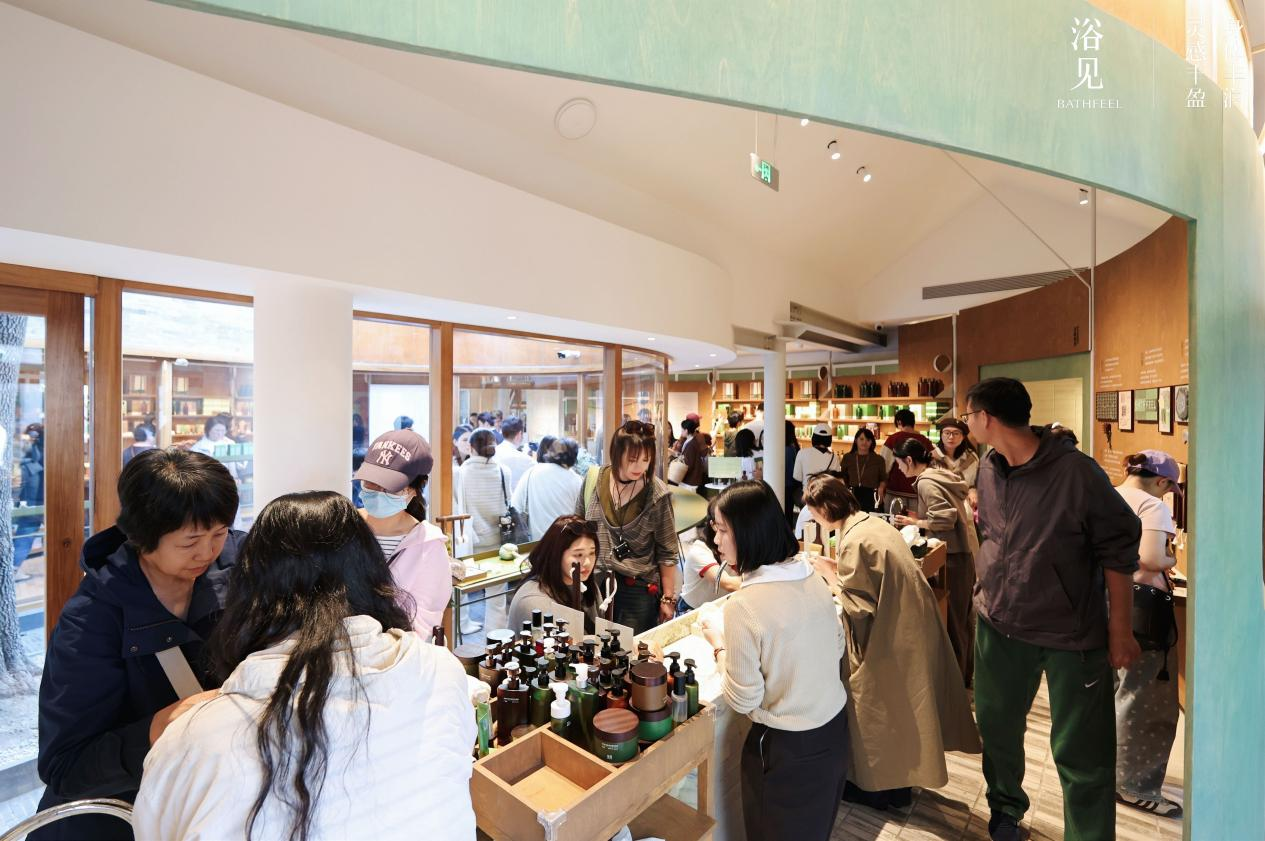
空间也围绕这一状态展开。门店建筑原本由几间相对独立的平房和院落组成,设计时,一条被称为“泡泡”的有机曲线串联起了空间,没有把动线变成单一的购物路线,而是在不同区域之间形成更柔软、松散的游逛体验,也让空间产生接近浴室的包裹感。

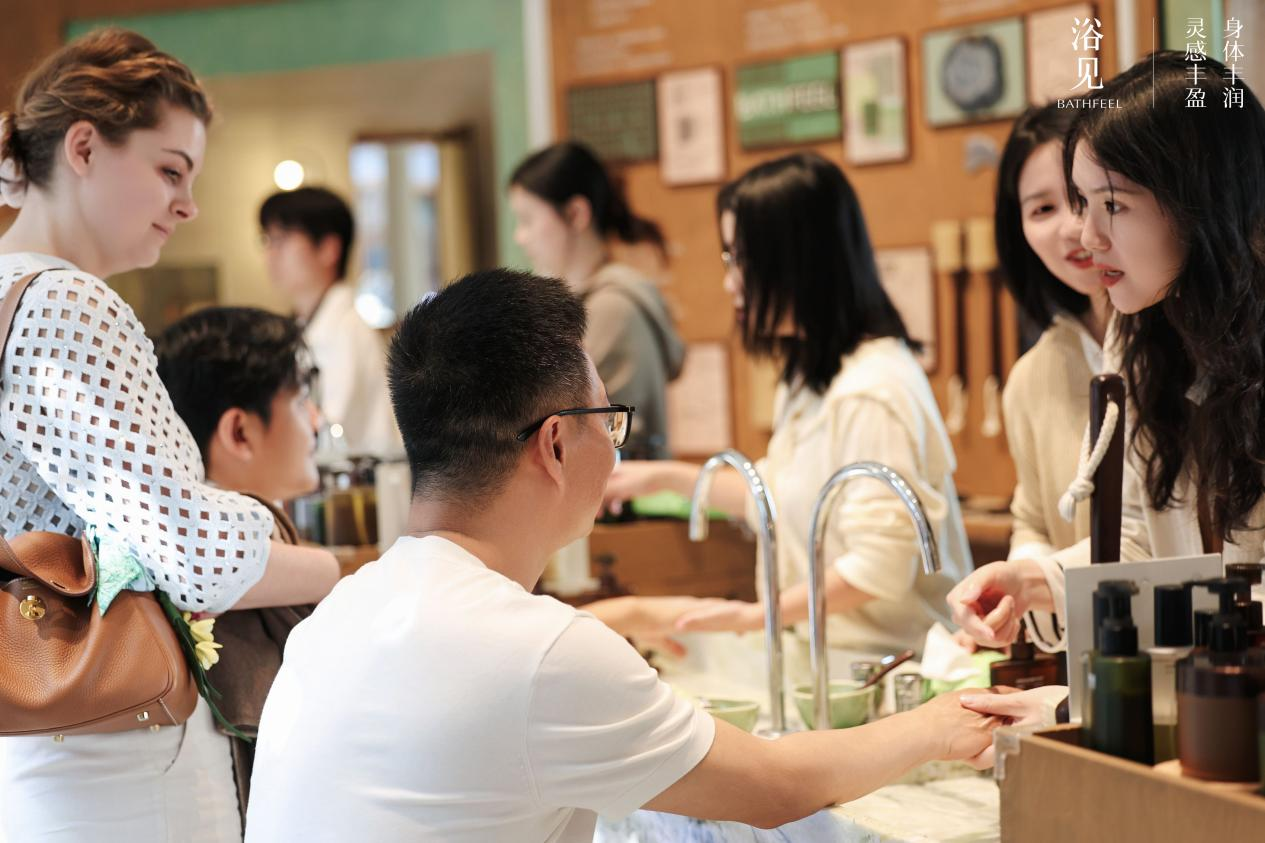
在这里,产品体验被放回身体感知中。消费者可以闻香、洗手、试用产品、和店员聊聊皮肤状态,通过气味、质地和皮肤触感理解身体护理,而不是只在货架前完成选择。北京城市限定香型「墨冬青」,进一步补充了门店的在地表达,让城市印象进入可以被闻见、被使用的产品体验。

浴见北京店没有依靠符号化的北京元素制造在地感,而是把城市生活、建筑设计与品牌核心场景组织在一起,创造了一份可以感知的生活方式提案:浴室不仅是身体护理发生的地方,也可以成为生活中灵感的发生地。

“一店一策”,可复制的浴室生活方式空间

北京店并不是一次孤立的尝试。回看浴见这一年的线下布局,作为全国首店的上海「一个人的自由浴室」回应都市生活对独处的需要;后续开出的长沙「深夜浴室」,为夜晚的热闹留出停顿时刻;无锡「自在浴室」延续当地悠然的生活节奏;南京「留白浴室」回应城市丰富而厚重的底色。

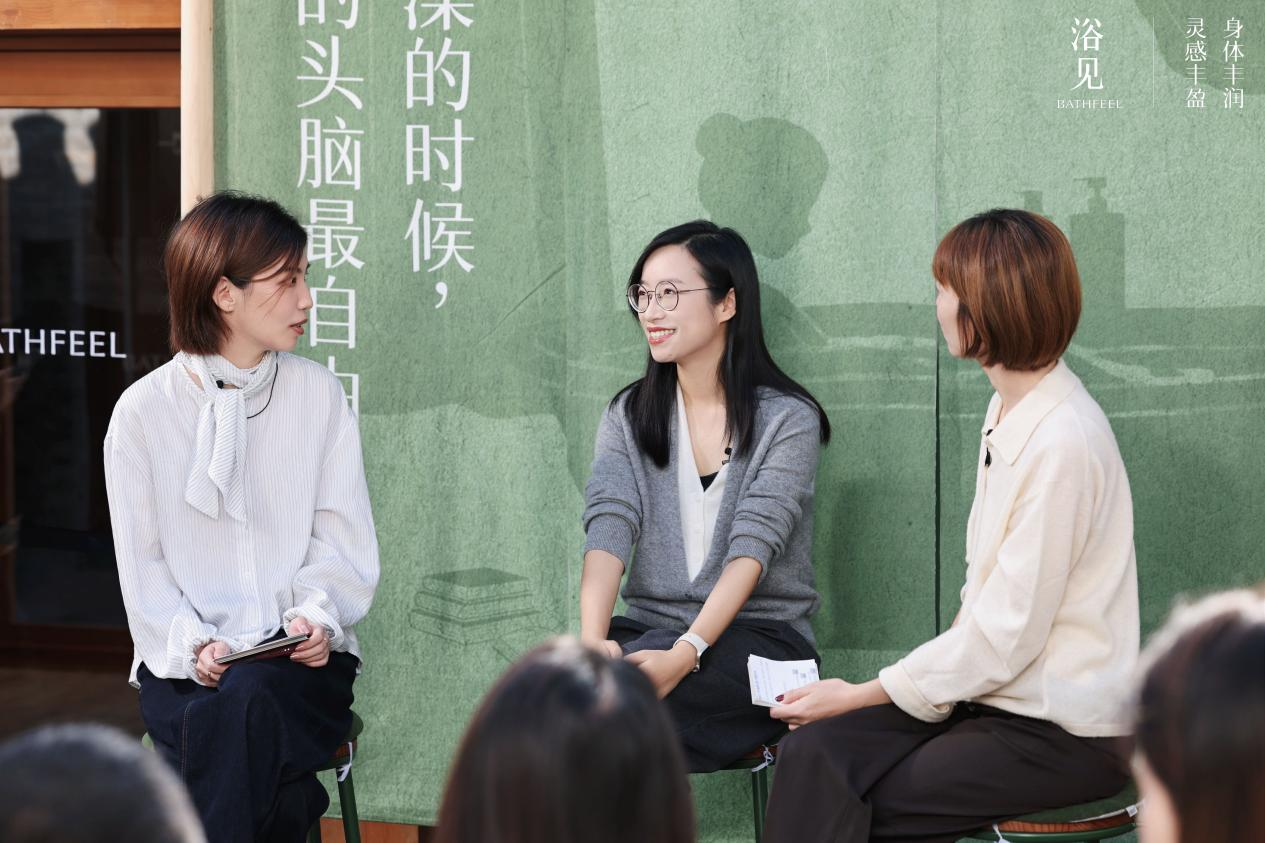
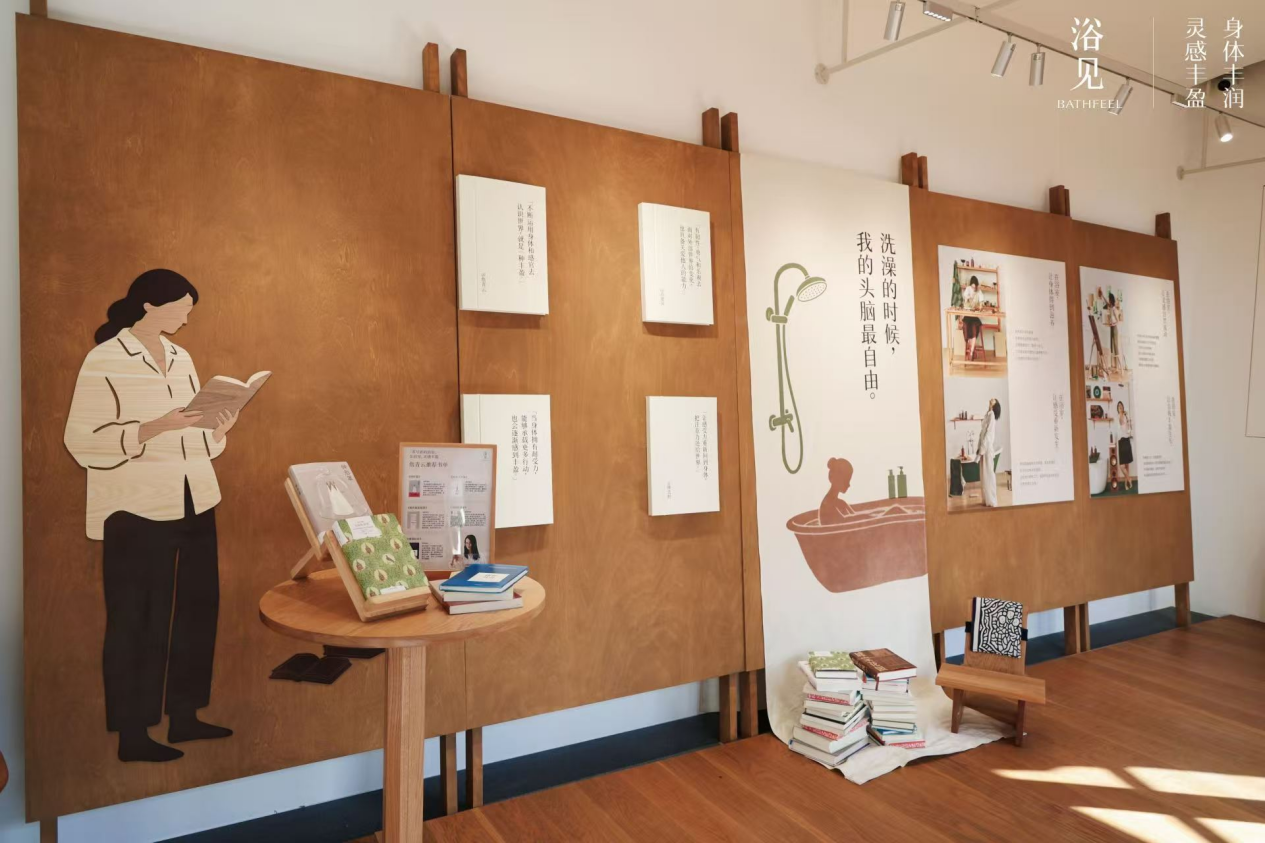
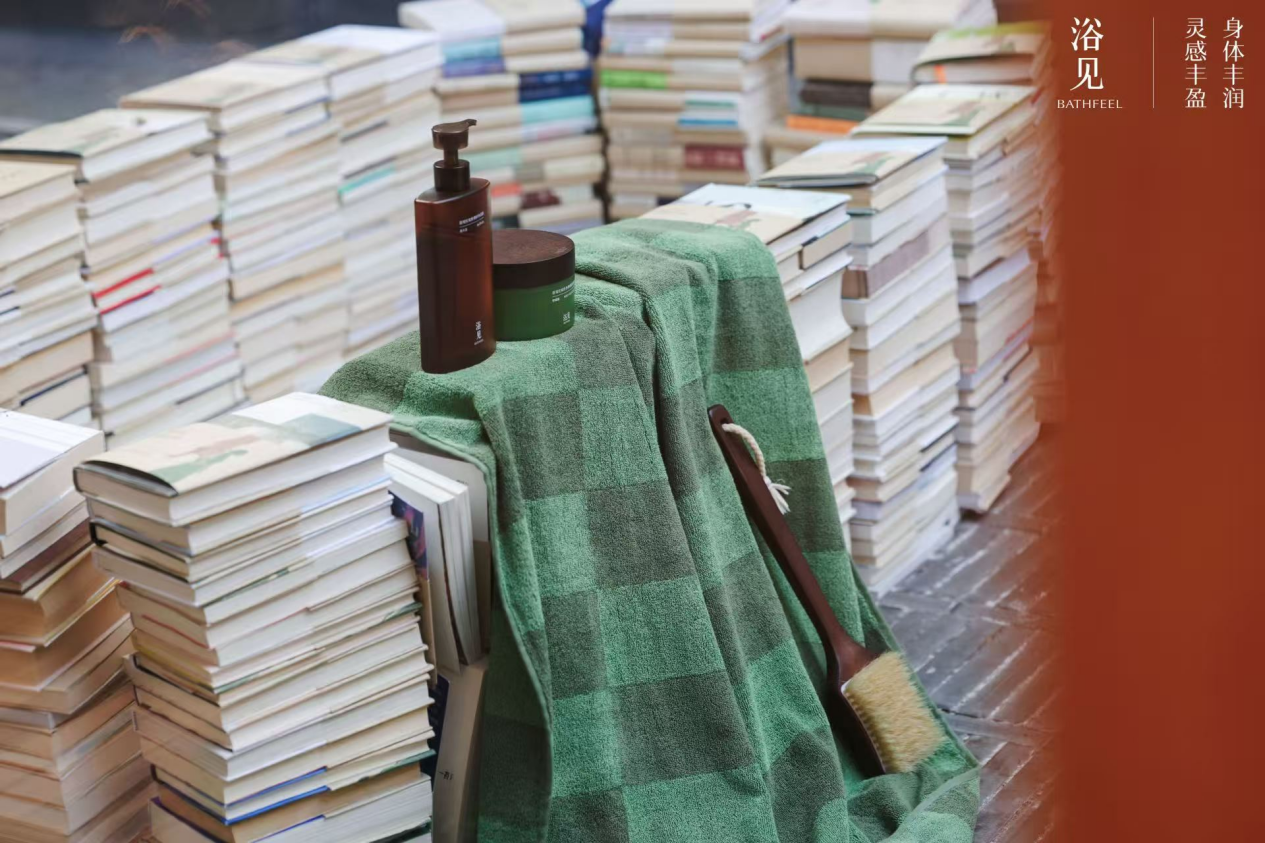
到了北京,胡同院落与城市人文气质,共同形成「书写者的浴室」。开业之际,品牌还以“洗澡的时候,我的头脑最自由”为话题,邀请泛文化类播客《随机波动》与嘉宾詹青云录制现场播客。从现场对谈到书本构成的浴缸装置、策展区的人物故事、新一刊品牌杂志《身体新知》,人们洗澡时的真实感受被带入公共讨论,「书写者的浴室」也从一个门店主题延伸为可以持续展开的品牌内容。

(现场播客)

城市不同,空间、叙事与形式随之变化,底层逻辑却保持一致。这些实践指向新消费品牌进入线下后需要面对的共同问题:当门店不再只是陈列和成交的终端,它还能为品牌留下什么?一个长期可识别的空间母题,可以让门店承载产品体验、内容表达与用户记忆,也帮助品牌摆脱对商场点位、货架效率和促销机制的单一依赖。

浴室之于浴见,正是这样一个母题。它与身体护理产品的使用场景直接相关,也能容纳独处、放松、自我照顾等当下的都市生活状态。因此,浴见的在地化表达并不是简单把城市元素放进门店,而是把不同城市的日常生活,转译到同一个“浴室”框架之下。

(书堆浴缸装置)

这意味着,浴见线下空间方法论——“浴室为核心的一店一策、一城一情绪、”——的价值不只在于制造新鲜感。更重要的是,它能否在变化中保留稳定的品牌资产。

对于新国货精品品牌而言,线下空间可以是品牌的“道场”。产品如何被体验,品牌如何理解生活,都需要在同一空间里成立。一家店真正进入一座城市,不只因为它开在这里,也因为它与周围的街区发生联系,并逐渐成为人们愿意专程前往的地方。

注:文/龚作仁,文章来源:Laborer,本文为作者独立观点,不代表亿邦动力立场。

文章来源:Laborer

广告
微信
朋友圈

FAQ回顾

浴见(BATHFEEL)是做什么的品牌?

浴见是身体护理品牌,主打浴室场景下的产品体验,核心关注独处、放松与自我照顾。线下以“一店一策”方式在不同城市开设主题门店,已开设上海“一个人的自由浴室”、北京“书写者的浴室”等门店。

浴见线下门店的“一店一策”模式是什么?

浴见以“浴室”为核心母题,在不同城市根据城市气质与街区特色定制门店主题,如北京“书写者的浴室”、长沙“深夜浴室”、南京“留白浴室”等,将不同城市的日常生活转译到同一“浴室”框架之下,形成可复制的空间策略。

浴见北京首店“书写者的浴室”有什么特别之处?

该店位于北京前门西兴隆街,以“书写者的浴室”为主题,用“泡泡”有机曲线串联空间,营造柔软松散的游逛体验。消费者可以闻香、洗手、试用产品,并与店员聊皮肤状态,还推出北京城市限定香型“墨冬青”,将城市生活融入身体护理场景。

北京前门西兴隆街是一个什么样的街区?

西兴隆街位于前门东区,是东城区近年重点更新的老城街区,由7位建筑与遗产保护大师以“集群设计”操刀,保留胡同风貌并完善居住与商业功能。街区引入北京前门文华东方酒店和高端国货精品品牌,定位“慢而有品,自得其乐”。

这么好看,分享一下?

朋友圈 分享

APP内打开

赞 +1
+1
微信好友 朋友圈 新浪微博 QQ空间
关闭
收藏成功
发送
/140 0