广告
加载中

千峰访谈像素绽放赵充:从“交付工具”到“交付结果”

亿邦动力 2026-10-14 20:44
亿邦动力 2026/10/14 20:44

邦小白快读

EN
全文速览

这篇文章干货满满,介绍了AI工具如何真正提升工作效率,以及创业者的实战建议。

1. AI工具价值实例:小方同学营销Agent能把一份可比的营销方案从多人协作3到5天的周期,压缩到一个人一天产出4套初稿,基础案头工作替代率超过80%,方案产出效率提升3倍以上。这是AI真正落到业务里的直观案例。

2. 成本优势:通过多模型协同调度、场景化微调与缓存优化,单次生成的算力成本可做到行业平均的三分之一,大模型调用成本占整体营收不到5%,说明AI应用不一定烧钱,工程优化非常重要。

3. 实操建议:创业者不要一上来搭大团队、做通用平台,应先找一个最小的真实业务痛点,用AI把它解决透,让客户愿意付费,跑通ROI再放大。

4. 趋势判断:AI应用赛道正从百团大战走向头部集中,没有商业化能力、跑不通ROI的公司会被清出;未来竞争的焦点是场景、商业化和全球化,而不是单纯的技术。

品牌商可从这篇文章中看到AI如何重塑品牌营销效率、海外市场用户特征以及本地化打法的关键信息。

1. 营销方案提效:小方同学Agent输入品牌brief即可自动拆解需求、写策略、写文案、配图,输出可直接拿去比稿的完整方案。一家头部消费品牌客户使用后,原本4到5人策划团队一周出2到3套方案,变成一人一天出4套初稿,替代超80%基础案头工作,方案产出效率提升3倍以上,适合品牌方优化营销团队产能。

2. 品牌管控与数据安全:企业版AiPPT解决品牌视觉规范不统一、数据安全等问题,适合多产品线、多区域的品牌统一对外表达和授权管理。

3. 海外用户行为:北美付费能力最强,客单价约为国内4倍,付费率是国内2倍;东南亚依托华语文化圈接受度高、增长最快,这三个均可作为品牌出海重点市场参考。

4. 本地化营销:本地化不是简单翻译界面,要深度适配当地商业表达习惯和审美风格,并和当地KOL、创作者合作种草,不靠硬砸投流,同时严格适配GDPR等数据隐私法规,能提高ROI并降低合规风险。

卖家可从文章捕捉到AI工具辅助营销、海外市场机会和轻资产合作模式的干货,同时注意洗牌风险。

1. 增长市场:海外营收已超过国内,核心海外市场按营收排序为北美、东南亚、欧洲。北美客单价约为国内4倍、付费率2倍,东南亚依托华语文化圈增长最快。卖家可关注这些市场的内容营销和AI工具需求。

2. 商业模式与合作方式:像素绽放跑通个人订阅、企业服务、开放API三层业务,并开放API将PPT生成和方案生成能力输出给硬件厂商、办公平台,按调用量结算。卖家若有流量或场景,可考虑接入这种AI能力做增值服务。

3. 风险提示:AI应用赛道正从百团大战走向头部集中,没有真实商业化能力、跑不通ROI的公司会快速出清;出海不是口号,要真正解决用户痛点和跑通ROI,避免为了出海而出海。

4. 可学习点:产研在国内、运营本地化的轻资产模式,通过当地合作伙伴和内容生态落地,不建重本土团队,适合资源有限但想出海的卖家借鉴。

工厂可从文章中获得AI化转型的方向、成本控制方法以及聚焦核心场景的启示。

1. 生产方式变革:文章指出AI化不是工具升级,而是把原来由人完成的判断、执行、案头工作逐步交给数字员工。工厂可沿此思路识别高重复、低价值的岗位,用AI替代以降低人力成本。

2. 成本控制方法论:通过多模型协同调度、场景化微调与缓存优化,单次生成算力成本约为行业平均的三分之一,大模型调用成本占营收不到5%。说明工厂推进AI不必追求大而全,工程优化和场景化微调能显著降本。

3. 产品研发与设计启示:像素绽放不做大而全通用工具,也不碰底层大模型,而是聚焦专业内容创作与演示表达场景,把价值做透。工厂做数字化和电商也应聚焦痛点最深的环节,用垂直Agent解决具体业务问题。

4. 商业化节奏:公司盈利模式从C端订阅迭代到企业服务再到开放API,强调从按工具收费走向按结果收费,并建议先找一个最小真实业务痛点跑通ROI再扩大规模。工厂在选择AI供应商或自研时应以结果可衡量、可付费为前提。

服务商可从文章把握AI应用行业趋势、客户痛点以及可复用的解决方案与收费模式。

1. 行业趋势:AI与全球化驱动的产业模态进化,本质是真实产业效率需求撞上成熟AI技术供给;AI应用赛道将快速头部集中,竞争核心从拼技术转向拼场景、商业化和全球化。

2. 客户痛点:营销比稿方案制作周期长,需要策略、文案、媒介、设计多人配合,重复性案头工作多;企业还有品牌视觉不统一、数据安全难保障等痛点,这些正是服务商的机会。

3. 解决方案:小方同学Agent输入品牌brief后能自动拆解需求、调取行业数据、生成策略框架、写文案和配图,输出可比的完整方案;企业版可做私有化部署和品牌定制。多模型协同调度和行业知识库形成的三层能力体系,是AI解决方案的设计模板。

4. 收费模式:盈利模式从纯C端订阅到企业服务再到开放API,未来的趋势是按结果收费而不是按工具收费;token付费短期不会成为标配,因为客户买的是结果。服务商可提前布局效果付费和按任务量结算的方案。

平台商可从文章了解AI应用与平台的对接方式、分层运营策略以及合规风险。

1. 平台与AI服务的合作机会:像素绽放开放平台API,将PPT生成、方案生成能力输出给硬件厂商和办公平台,按调用量结算。平台方可考虑引入此类AI能力作为增值功能,并按调用量分成或结算。

2. 平台运营模式:平台适合采用C端验证心智、B端深度嵌合、生态开放放大的路径,即个人订阅+企业服务+开放API三层结构,兼顾规模、收入和生态。

3. 全球化与本地化:产研在国内、运营本地化,通过当地合作伙伴和内容生态落地,避免在海外建重团队;平台出海要注意深度适配当地商业表达习惯和审美风格,并与当地KOL、创作者合作。

4. 风险规避:要严格适配GDPR等数据隐私法规,保障用户数据安全;同时AI应用赛道将走向头部集中,平台在招商或生态合作时应优先选择有真实商业化能力、能交付结果的AI厂商,规避只讲故事、跑不通ROI的团队。

研究者可从文章提炼AI与出海驱动的产业模态进化逻辑、商业模式演变、竞争格局变化和创业启示。

1. 产业新动向:文章提出这一轮进化不是技术推着产业跑,而是真实产业效率需求与成熟AI技术供给匹配,AI化是把人的判断、执行、案头工作逐步交给数字员工,是生产方式的变化。这为理解数智化转型提供了新视角。

2. 商业模式演变:盈利模式经历纯C端订阅、企业服务、开放API三次迭代,判断将走向按结果收费;token付费短期难成标配,因为客户买的是结果而非成本项,等Agent能完整交付岗位结果时,按调用量付费才自然成为标配。

3. 新问题与现象:中国AI应用出海速度加快,出现产研在国内、运营本地化的轻资产模式,未来两三年可能出现一批全球细分赛道前列的中国AI应用公司;AI应用赛道从百团大战走向头部集中,无商业化能力的公司将被出清。

4. 政策启示与创业建议:出海本地化必须严格适配GDPR等隐私法规;对创业者建议先找最小真实业务痛点跑通ROI,再放大规模,先跑通国内再拓展海外,对产业政策和创业研究有参考价值。

返回默认

声明:快读内容全程由AI生成,请注意甄别信息。如您发现问题,请发送邮件至 run@ebrun.com 。

我是 品牌商 卖家 工厂 服务商 平台商 研究者 帮我再读一遍。

Quick Summary

This article offers practical insights into how AI tools genuinely boost work efficiency, along with actionable advice for entrepreneurs.

1. Value of AI tools in practice: The Xiaofang Tongxue marketing agent compressed a comparable marketing proposal cycle from multi-person collaboration of 3 to 5 days down to one person producing 4 drafts in a single day, automating over 80% of basic desktop research and tripling proposal output efficiency. This is a clear case of AI delivering real business impact.

2. Cost advantages: Through multi-model orchestration, scenario-specific fine-tuning, and cache optimization, the computing cost per generation can be kept to one-third of the industry average, with large-model call costs accounting for less than 5% of overall revenue. This shows that AI applications do not have to burn cash and that engineering optimization is critical.

3. Practical advice: Entrepreneurs should not start by building large teams or generic platforms. Instead, identify the smallest real business pain point, use AI to solve it thoroughly, get customers willing to pay, prove ROI, and then scale.

4. Trend outlook: The AI application market is shifting from a crowded battlefield to concentration among leaders. Companies without commercialization capabilities or a viable ROI path will be eliminated. The future competitive focus will be on scenarios, commercialization, and globalization, not pure technology.

Brand owners can extract key insights from this article on how AI is reshaping marketing efficiency, overseas user characteristics, and localization strategies.

1. Marketing proposal acceleration: The Xiaofang Tongxue agent can take a brand brief, automatically break down requirements, craft strategy, write copy, and generate visuals, producing complete proposals ready for competitive pitching. A leading consumer brand client saw their planning team of 4-5 people producing 2-3 proposals per week shift to one person generating 4 drafts per day, replacing over 80% of basic desk work and tripling output efficiency. This suits brands looking to optimize marketing team capacity.

2. Brand control and data security: The enterprise version of AiPPT addresses issues such as inconsistent brand visual guidelines and data security concerns, making it suitable for multi-product, multi-region brands seeking unified external representation and authorization management.

3. Overseas user behavior: North America shows the strongest paying ability, with an average order value roughly 4 times that of China and a paying user rate twice as high. Southeast Asia, leveraging the Chinese-speaking cultural sphere, has the fastest growth. Both are key markets for brand globalization.

4. Localized marketing: Localization is not just translating the interface; it requires deep adaptation to local business communication habits and aesthetic preferences, plus collaboration with local KOLs and creators for organic seeding rather than heavy ad spending. Strict compliance with data privacy regulations like GDPR boosts ROI and lowers compliance risk.

Sellers can draw practical insights from this article on AI-assisted marketing, overseas market opportunities, and asset-light partnership models, while being mindful of consolidation risks.

1. Growth markets: Overseas revenue has already exceeded domestic revenue, with core overseas markets ranked by revenue as North America, Southeast Asia, and Europe. North America's average order value is roughly 4 times China's, with a paying rate twice as high, while Southeast Asia grows fastest thanks to the Chinese-speaking cultural circle. Sellers should watch these markets for content marketing and AI tool demand.

2. Business models and partnerships: Pixel Bloom has validated a three-tier business model of individual subscriptions, enterprise services, and open API, while also opening its API to hardware vendors and office platforms, billing by call volume. Sellers with traffic or scenarios can consider integrating such AI capabilities as value-added services.

3. Risk warning: The AI application market is moving from a crowded battlefield to consolidation among leaders. Companies without real commercialization capability or a viable ROI path will be quickly flushed out. Going overseas is not just a slogan; it requires solving genuine user pain points and proving ROI, avoiding the trap of internationalizing for its own sake.

4. Key takeaway: The asset-light model of product R&D at home and localized operations abroad, delivered through local partners and content ecosystems without heavy local teams, offers a blueprint for sellers with limited resources who want to expand overseas.

Factories can gain insights from this article on AI transformation directions, cost control methods, and how to focus on core scenarios.

1. Change in production methods: The article argues that AI adoption is not a tool upgrade but a gradual transfer of human judgment, execution, and desk work to digital workers. Factories can identify high-repetition, low-value positions and use AI to replace them, thereby reducing labor costs.

2. Cost control methodology: Through multi-model orchestration, scenario-specific fine-tuning, and cache optimization, the computing cost per generation can be about one-third of the industry average, with large-model call costs accounting for less than 5% of revenue. This shows that factories pushing AI do not need to chase large-scale, all-encompassing solutions; engineering optimization and scenario-specific tuning can significantly cut costs.

3. Product R&D and design inspiration: Pixel Bloom does not build broad general-purpose tools or touch underlying foundation models. Instead, it focuses deeply on professional content creation and presentation scenarios. Factories pursuing digitalization and e-commerce should also focus on the areas with the deepest pain points, using vertical agents to solve specific business problems.

4. Commercialization rhythm: The company's profit model evolved from C-end subscriptions to enterprise services and then to open APIs, emphasizing a shift from charging per tool to charging per outcome. It recommends finding the smallest real business pain point, proving ROI, and then scaling. Factories selecting AI suppliers or developing in-house solutions should prioritize measurable, payable results.

Service providers can grasp from this article the trends in the AI application industry, client pain points, and reusable solutions and billing models.

1. Industry trend: The ongoing industrial transformation driven by AI and globalization essentially reflects real industrial efficiency needs meeting mature AI technology supply. The AI application market will quickly concentrate among leaders, with competition shifting from pure technology to scenarios, commercialization, and globalization.

2. Client pain points: Marketing pitch proposal cycles are long, requiring coordination across strategy, copywriting, media, and design, with heavy repetitive desk work. Companies also struggle with inconsistent brand visuals and data security challenges—these are precisely opportunities for service providers.

3. Solution architecture: The Xiaofang Tongxue agent takes a brand brief, automatically breaks down requirements, pulls industry data, generates strategy frameworks, writes copy, and creates visuals to deliver complete, comparable proposals. The enterprise edition supports private deployment and brand customization. The three-layer capability system built on multi-model orchestration and industry knowledge bases serves as a design template for AI solutions.

4. Billing model: The profit model evolves from pure C-end subscriptions to enterprise services and then open APIs. The future lies in result-based pricing rather than tool-based pricing. Token-based fees will not become the standard in the short term because customers pay for outcomes, not costs. Service providers should position themselves early for outcome-based and task-based billing.

Platforms can learn from this article about how AI services integrate with platforms, tiered operation strategies, and compliance risks.

1. Platform-AI service collaboration: Pixel Bloom open-platform API outputs PPT generation and proposal generation capabilities to hardware vendors and office platforms, billing by call volume. Platforms can consider integrating such AI capabilities as value-added features and share or settle revenue based on call volume.

2. Platform operation model: Platforms suit a path of validating user demand at the C-end, deep embedding at the B-end, and open ecosystem expansion—a three-tier structure of individual subscription, enterprise service, and open API that balances scale, revenue, and ecosystem.

3. Globalization and localization: Product R&D at home and localized operations abroad, executed through local partners and content ecosystems, avoids the need for heavy overseas teams. Platform globalization must deeply adapt to local business communication habits and aesthetics, and collaborate with local KOLs and creators.

4. Risk avoidance: Strict compliance with data privacy regulations like GDPR is essential to protect user data. Meanwhile, the AI application market is heading toward concentration; platforms should prioritize AI vendors with genuine commercialization capabilities and deliverable results when recruiting or forming ecosystem partnerships, avoiding teams that only pitch stories without a viable ROI path.

Researchers can extract from this article the logic of industrial transformation driven by AI and globalization, business model evolution, competitive landscape changes, and entrepreneurial implications.

1. New industry dynamic: The article suggests this round of evolution is not technology pushing industry, but rather real industrial efficiency needs matching mature AI technology supply. AI adoption means gradually shifting human judgment, execution, and desk work to digital workers—a change in production methods. This offers a fresh perspective on understanding digital transformation.

2. Business model evolution: The profit model has gone through three iterations: pure C-end subscription, enterprise services, and open APIs, with a forecast shift toward result-based pricing. Token-based fees will not become the norm in the short term because customers buy outcomes, not cost inputs. Once agents can fully deliver job-level results, pay-per-call will naturally become standard.

3. New phenomena and issues: Chinese AI application companies are accelerating overseas expansion, adopting an asset-light model of domestic R&D and localized operations abroad. In the next two to three years, a number of Chinese AI application firms may appear among the top players in global niche segments. The AI application market is moving from a crowded battlefield to concentration, and companies without commercialization capabilities will be eliminated.

4. Policy implications and entrepreneurial advice: Overseas localization must strictly comply with privacy regulations such as GDPR. For entrepreneurs, the recommendation is to first find the smallest real business pain point, prove ROI, then scale; validate domestically before expanding overseas. These findings have reference value for industrial policy and entrepreneurship research.

Disclaimer: The "Quick Summary" content is entirely generated by AI. Please exercise discretion when interpreting the information. For issues or corrections, please email run@ebrun.com .

I am a Brand Seller Factory Service Provider Marketplace Seller Researcher Read it again.

【亿邦原创】赵充,北京像素绽放PixelBloom(AiPPT.com)创始人&CEO。像素绽放PixelBloom定位为AI原生的企业表达基础设施提供商,聚焦“专业内容创作与演示表达”场景,以AiPPT.com跑通通用演示场景,以小方同学营销方案Agent向垂直行业纵深,业务模式为个人订阅、企业服务、开放API三层结合,海外营收已超过国内,核心海外市场按营收排序为北美、东南亚、欧洲。本届千峰奖访谈中,赵充围绕AI与出海带来的模态进化,分享了像素绽放在AI原生应用方向的实践与判断。

亿邦:本届千峰奖以「AI与出海带来的模态进化」为核心主题,聚焦产业能力的深层重构。结合AI应用行业,您如何理解这一轮由AI和全球化共同驱动的产业模态进化?像素绽放PixelBloom在AI能力建设与全球化出海上有哪些核心战略布局?能否具体介绍一下公司的定位及业务模式?

赵充:我理解这一轮AI和全球化共同驱动的产业模态进化,本质上不是技术推着产业跑,而是真实的产业效率需求,撞上了成熟的AI技术供给,两边刚好匹配上,产业的运作形态才发生了深层变化。

过去数字化是把线下流程搬到线上,现在AI化是把原来由人完成的判断、执行、案头工作,逐步交给数字员工来做,这是生产方式的变化,不是简单的工具升级。

对像素绽放PixelBloom来说,我们的定位非常清晰:做AI原生的企业表达基础设施提供商,不做大而全的通用工具,也不碰底层大模型,而是聚焦在“专业内容创作与演示表达”这个场景里,把价值做透。

核心战略布局分两块:AI能力建设上,我们走“通用工具打底,垂直行业纵深”的路径。先靠AiPPT.com跑通通用演示场景,验证商业模式;再往行业里扎,推出小方同学营销方案Agent这类垂直智能体,从“交付工具”走向“交付结果”。

全球化出海上,我们是“生而全球化”的思路,产品从立项第一天起就面向全球市场,不是先做国内再改出海。现在海外营收已经超过国内,证明这条路是走得通的。

业务模式上我们跑通了「C端验证心智,B端深度嵌合,生态开放放大」的路径,不是单一的软件授权,而是个人订阅、企业服务、开放API三层结合的模式。

亿邦:目前贵公司在哪些核心业务环节落地了AI/大模型技术?形成了怎样独具特色的AI或数智化竞争力体系?

赵充:我们核心落地的场景,都围绕专业内容的创作与交付这个主干,不分散到生产、物流这些我们不擅长的环节。

纵向来看,从最基础的个人PPT生成,到企业级的品牌视觉统一管控,再到营销行业的全链路方案策划,我们是一层层往下扎的。比如AiPPT.com解决个人做PPT效率低的问题;企业版解决品牌规范不统一、数据安全的问题;到小方同学Agent,直接解决营销人写方案慢、基础案头工作重的问题,是从工具到结果的延伸。

横向来看,我们已经渗透到办公、营销、教育、金融、政务等30多个细分行业,每个行业有专属的模板库、语料库和表达规范。

形成的竞争力体系说白了就是三层:底层是多模型协同调度能力,不绑定单一模型,哪家好用哪家;中层是行业知识库与私有数据,是我们十几年行业积累下来的;上层是场景化的产品与工程化能力,比如自适应排版引擎、版权合规体系。真正的壁垒不是某一项技术,是这三层串起来的综合能力。

亿邦:能否分享一个最具代表性的“AI+价值链”创新实践案例?它解决了哪些行业共性痛点,创造了哪些可感知、可量化的价值?

赵充:最有代表性的,就是我们的营销方案Agent「小方同学」的落地实践,这也是我们从工具走向结果交付的标志性案例。

行业里的共性痛点很明确:做一份合格的营销比稿方案,要策略、文案、媒介、设计好几个人配合,周期三到五天,人力成本很高;而且大量基础案头工作重复度极高,价值感低。

小方同学就是直接解决这个问题:输入一份品牌brief,它自己拆解需求、调取行业数据、生成策略框架、写完文案、配齐配图,最后输出一份可以直接拿去比稿的完整方案。

量化效果的话,我们服务的一家头部消费品牌客户,原来4—5人的策划团队,一周出2—3套方案;现在用小方同学打底,事业部经理一个人一天就能出4套初稿,基础案头工作的替代率超过80%,方案产出效率提升了3倍以上。

亿邦:您提到成本端有明确数据,通过多模型协同调度、场景化微调与缓存优化,单次生成算力成本大概是行业平均的三分之一。这个成本优势是怎么做到的?大模型调用成本占营收比重如何?

赵充:成本端我们也有明确数据:通过多模型协同调度、场景化微调与缓存优化,我们单次生成的算力成本大概是行业平均的三分之一,大模型调用成本占整体营收的比重不到5%。对我们来说,大模型真的就是水电煤,是成本项,不是核心卖点。

亿邦:海外布局方面,像素绽放PixelBloom目前布局了哪些海外核心市场?做了哪些关键本地化调整?

赵充:我们目前的核心海外市场按营收排序是北美、东南亚、欧洲,三个市场各有侧重,本地化策略也不一样。

北美是我们的战略核心市场,付费能力最强,客单价大概是国内的4倍,付费率也是国内的2倍。

本地化上我们重点做三件事:第一是深度适配当地的商业表达习惯和审美风格,不是简单翻译界面;第二是走内容营销驱动的获客模式,和当地KOL、创作者合作种草,不靠硬砸投流,ROI更高;第三是严格适配GDPR等数据隐私法规,保障用户数据安全。

东南亚市场增长最快,依托华语文化圈的辐射,用户接受度高,本地化成本低,是我们用户增长最快的区域。

欧洲市场我们重点做企业服务的适配,对接当地的支付体系、合规要求,稳步拓展中大型企业客户。

亿邦:您提到像素绽PixelBloom放走的是「产研在国内,运营本地化」的轻资产模式。这种模式具体怎么落地?为什么没有选择在海外建很重的本土团队?

赵充:我们不是去当地建很重的本土团队,走的是「产研在国内,运营本地化」的轻资产模式,把核心产品能力做扎实,通过当地合作伙伴、内容生态来落地。

亿邦:能否介绍一下像素绽放PixelBloom盈利模式的迭代情况?您怎么看产业互联网企业盈利模式的演变趋势?TOKEN付费如何才能成为行业标配收入模式?

赵充:我们的盈利模式迭代了三次,非常清晰:

最早是纯C端会员订阅,靠个人用户付费验证商业模式,把产品跑通;

第二步是加入企业级服务,包括私有化部署、品牌定制、专属知识库,客单价直接往上跳了一个量级,现在B端收入已经占到半壁江山;

第三步是开放平台API收费,把我们的PPT生成、方案生成能力输出给硬件厂商、办公平台,按调用量结算,成为第三增长曲线。

对于产业互联网盈利模式的演变,我的判断是:一定会从「按工具收费」,走向「按结果收费」。现在大家还是买会员、买授权,未来Agent成熟了,能完整交付业务结果,就会按任务量、按效果付费。

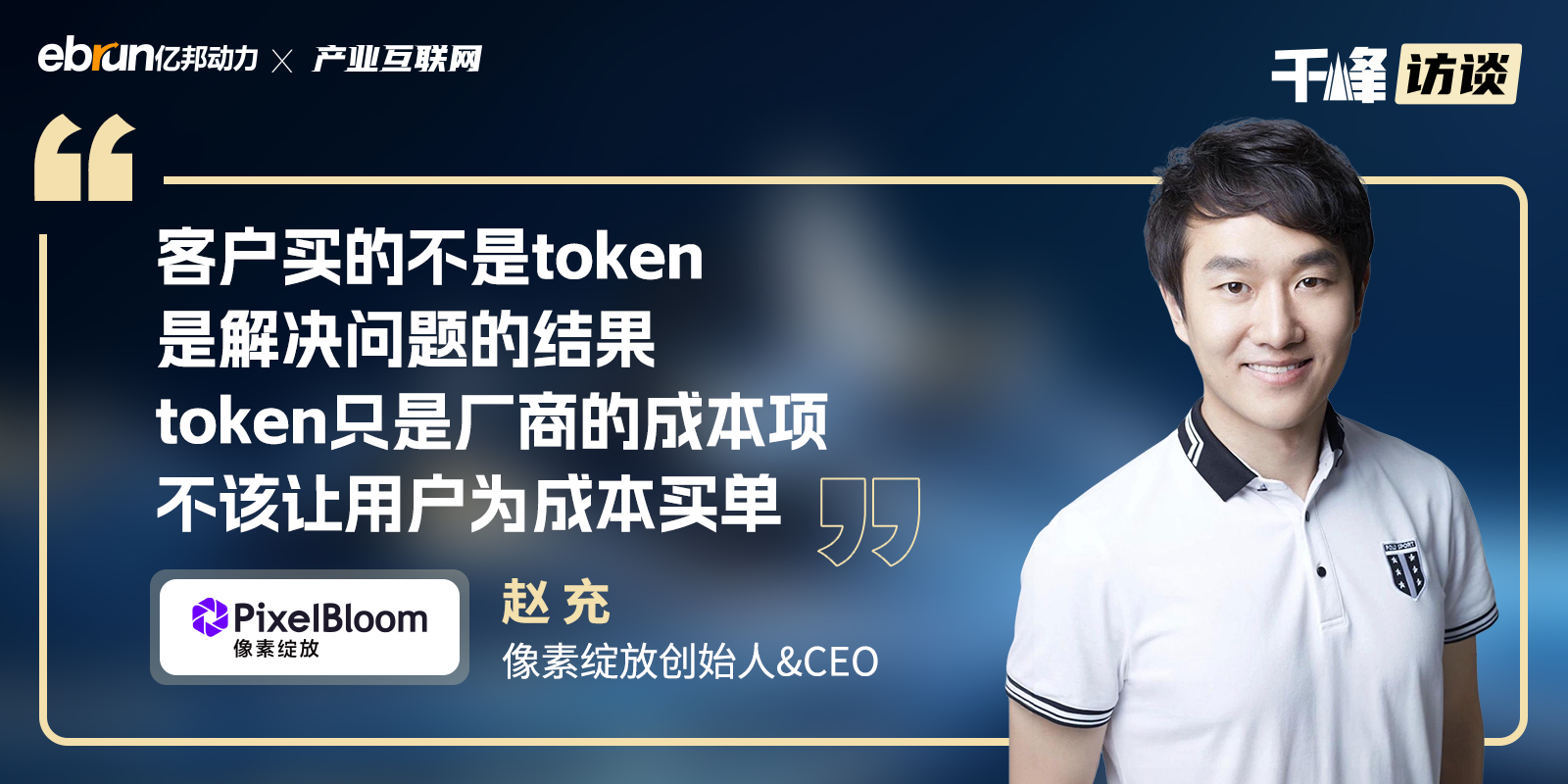
至于TOKEN付费能不能成为行业标配,我觉得短期不会。因为客户买的不是token,是解决问题的结果,token只是厂商的成本项,不该让用户为成本买单。什么时候Agent能像正式员工一样,完整交付一个岗位的结果,那时候按调用量、按工作量付费就会自然成为标配,现在还在过渡阶段。

亿邦:面向2026年及未来两年,贵公司在AI能力迭代与全球化布局上有哪些重点投入规划?您预判这会给行业竞争格局带来哪些关键变化?

赵充:未来两年我们的重点投入,就两件事:一是把垂直行业Agent做深,尤其是营销、教育这几个核心场景;二是全力攻坚北美市场,冲全球AI演示工具的头部位置。

我预判行业会出现三个关键变化:

第一,AI应用赛道会从百团大战,快速走向头部集中。过去两年大家都在做Demo、讲故事,现在开始算账了,没有真实商业化能力、跑不通ROI的公司会快速出清,不会再像之前一样热钱遍地。

第二,中国AI应用的出海速度会大幅加快。过去大家觉得中国公司只能做国内市场,现在越来越多公司证明,中国的产品能力、运营效率,放到全球市场也是有竞争力的,未来两三年会出现一批在全球细分赛道排前列的中国AI应用公司。

第三,竞争的核心会彻底从「拼技术」转向「拼场景、拼商业化、拼全球化」。大模型越来越同质化,再聊技术壁垒没有意义,最终拼的是谁更懂用户、更懂行业、更能在全球市场拿到结果。

亿邦:如果给刚刚起步、希望同时构建AI竞争力与全球化能力的同行企业提一条最核心的建议,这条建议会是什么?

赵充:如果给刚起步、想同时做AI和全球化的同行提一条最核心的建议,我会说:先找一个最小的真实业务痛点,跑通ROI,再谈其他。

不要一上来就搭大团队、做通用平台、喊全球化口号,这些都是虚的。就找一个具体的小场景,比如某个行业的某一类重复工作,把它用AI解决透,让客户愿意真金白银付钱,先把最小的商业闭环跑通。

先验证价值,再放大规模;先跑通国内,再拓展海外。节奏慢一点没关系,但每一步都踩实,比什么都重要。为了AI而AI,为了出海而出海,最后大概率都会落灰。

作为TO B领域年度风向标,“2026第八届亿邦产业互联网年会暨首届产业智能体大会”将于2026年11月20日在北京召开。主题定为“AI与出海带来的模态进化”,聚焦产业智能体落地、AI供应链价值重构、数据要素与TOKEN经济、产业出海新生态等前沿议题深度思辨。大会将集结学界权威、央国企标杆、产业龙头、投资机构、服务生态伙伴,汇聚产业核心力量、拆解产业数智化转型路径、分享前沿实战经验。同期还将发布年度产业互联网报告及标杆案例,举办决策人闭门会、“千峰奖”颁奖盛典。

本文首发于 亿邦动力 官方网站

文章来源:亿邦动力

广告
微信
朋友圈

FAQ回顾

像素绽放PixelBloom是做什么的?属于哪个行业?

像素绽放PixelBloom是一家AI原生的企业表达基础设施提供商,聚焦专业内容创作与演示表达场景,业务模式为个人订阅、企业服务、开放API三层结合。旗下产品包括AiPPT.com和小方同学营销方案Agent,海外营收已超过国内,核心海外市场按营收排序为北美、东南亚、欧洲。

AiPPT.com和小方同学分别解决什么问题?

AiPPT.com解决个人做PPT效率低的问题,企业版解决品牌规范不统一和数据安全问题;小方同学是营销方案Agent,输入品牌brief即可自动拆解需求、生成策略框架、写文案、配图,输出可直接比稿的方案,解决营销人写方案慢、基础案头工作重的问题。

像素绽放的算力成本优势是怎么做到的?

通过多模型协同调度、场景化微调与缓存优化,像素绽放单次生成算力成本约为行业平均的三分之一,大模型调用成本占整体营收比重不到5%。公司将大模型视为成本项而非核心卖点。

中国AI应用出海有哪些新趋势?

未来两三年中国AI应用出海速度会大幅加快,细分赛道将出现一批在全球排前列的中国公司。竞争核心会从拼技术转向拼场景、拼商业化、拼全球化。像素绽放的海外营收已超过国内,北美客单价约为国内的4倍,东南亚是用户增长最快的区域。

这么好看,分享一下?

朋友圈 分享

APP内打开

赞 +1
+1
微信好友 朋友圈 新浪微博 QQ空间
关闭
收藏成功
发送
/140 0