广告
加载中

Meta推两款智能眼镜 押注下一代个人计算终端

亿邦AI 2026-10-14 10:07
亿邦AI 2026/10/14 10:07

邦小白快读

EN
全文速览

总1:新品怎么选

1. 新款VR眼镜:2027年春季发售,定价约1300美元,重约3.5盎司,提供3D演唱会和多屏办公体验。

2. 无摄像头Ray-Ban Meta音频眼镜:10月13日上市,主打导航、音乐、AI问答和全天佩戴,更像把AirPods放进眼镜架。

总2:怎么上手

1. 交互由视线控制光标、拇指与食指捏合点击、握拳后拇指沿食指滑动滚动,学习成本低;VR眼镜可通过独立计算模块模拟多屏显示,飞机上相当于三台显示器。

总3:要注意什么

1. 无摄像头设计规避了主要隐私争议,但全球仍有隐私禁令和公众抵制。

2. Meta尚未证明用户愿意新增随身终端,AI功能也在进入手机和电脑,购买前需结合自身场景判断。

总1:消费趋势

1. 智能眼镜出货量2026年上半年同比增长263%,雷朋母公司去年AI眼镜销量超700万台,需求正在起量。

2. 用户对摄像头隐私争议敏感,无摄像头音频眼镜更容易被接受,但带摄像头产品仍有升级款在售。

总2:品牌营销和渠道

1. 新款VR眼镜定价约1300美元,定位高端计算配件,借助Billie Eilish3D演唱会和明星互动观感做内容营销。

2. Ray-Ban Meta音频眼镜用传统眼镜品牌和全天佩戴场景走量,说明品牌联合能降低智能硬件的使用门槛。

总3:产品研发启发

1. 轻量化、独立计算模块、视线和手势交互,以及深度集成Muse AI,是当前产品研发重点。

2. 眼镜端语音结合环境与AI交互,为品牌未来做对话式营销和场景服务提供了新触点。

总1:增长市场与需求变化

1. 2026年上半年全球智能眼镜出货量同比增长263%,雷朋母公司去年AI眼镜销量超700万台。

2. 消费者从摄像头式眼镜转向无摄像头音频眼镜,隐私敏感影响购买决策,可把无摄像头设计作为卖点。

总2:机会与合作方式

1. 两款新品深度集成Muse AI,音频眼镜可直接语音结合环境问答,VR眼镜发售即内置Muse Wonder并可跨应用多任务,适合开发语音导购、3D演出、出行办公等场景。

2. 可参考Meta与雷朋母公司的品牌联合,以及与明星演唱会内容的联动,寻找内容方、硬件品牌和渠道合作。

总3:风险提示

1. 智能眼镜仍被分析师视为解决方案寻找落地需求,用户是否愿意增加终端不确定。

2. 全球隐私争议已引发多地禁令,Meta Reality Labs持续亏损,VR头显销量下滑,不能把全部预期押注单款爆品。

总1:设计和生产需求

1. 新款VR眼镜要像大太阳镜且仅重3.5盎司,计算元件外置成独立模块,意味着轻量材料、小型化光学和低功耗计算是必要方向。

2. 音频眼镜把扬声器、麦克风集成在镜框中,并保留AI助手唤醒,对声学结构和隐藏式元器件组装提出更高要求。

总2:商业机会

1. 智能眼镜出货量高速增长,雷朋母公司去年AI眼镜销量超700万台,且有创业公司在做同类无摄像头音频眼镜。

2. 传统眼镜厂、电子代工厂可切入整机代工、镜框结构、声学组件和独立计算模块等环节。

总3:数字化与电商启示

1. 眼镜正从配饰变成带AI代理的计算终端,需要对AI交互、多屏显示、手势识别进行预研。

2. 若品牌继续从VR头显转向眼镜形态,工厂应具备从设计验证到量产的可穿戴设备快速交付能力。

总1:行业趋势和新技术

1. 智能眼镜出货量同比增长263%,但VR头显销量下滑,行业处于解决方案寻找落地需求阶段,技术服务空间在扩大。

2. 新品采用视线控制光标、捏合点击、握拳滑动滚动,并深度集成Muse AI和Muse Wonder,跨应用多任务和语音环境问答成为技术热点。

总2:客户痛点

1. 摄像头引发隐私争议和禁令,让消费者对随身设备产生顾虑。

2. 多数消费者仍把AI当简单聊天机器人,尚未理解完整能力,导致有产品却难有明确需求。

总3:解决方案方向

1. Meta用无摄像头音频款规避隐私问题,用轻量化、多屏办公和独立计算模块强化实用性。

2. 服务商可围绕隐私合规、AI代理部署、眼镜端语音交互、多设备协同和用户教育提供方案,抓住智能眼镜与AI协同增长的窗口。

总1:平台控制需求

1. Meta错过移动互联网红利,用户入口长期被苹果、谷歌、三星控制,直接影响广告业务。

2. 苹果一项隐私设置曾让Meta损失约100亿美元,因此Meta选择通过自研VR眼镜和音频眼镜来获得更多业务控制权。

总2:平台最新做法

1. 两款新品都深度集成自研Muse AI,VR眼镜发售即内置Muse Wonder并支持跨应用多窗口操作。

2. 用Billie Eilish3D演唱会、Ray-Ban品牌合作,以及无摄像头音频眼镜,扩大内容和使用场景。

总3:招商、运营和风险规避

1. 眼镜端可承载多窗口办公、观影、3D巡演、导航、AI问答等场景,可围绕这些方向引内容、开发者和服务。

2. 风险在于隐私禁令、用户接受度不确定以及Reality Labs亏损;应学习无摄像头产品设计,避免重蹈此前元宇宙押注过猛的问题。

总1:产业新动向

1. 智能眼镜出货量2026年上半年同比增长263%,但VR头显销量下滑,Reality Labs亏损,行业处在解决方案寻找落地需求阶段。

2. Meta从VR头显转向轻量眼镜加音频眼镜,说明厂商正用不同产品形态测试用户接受度。

总2:新问题与商业模式

1. 苹果、谷歌、三星掌握入口让Meta广告业务被动,自研硬件加自研AI代理成为掌握平台的控制点。

2. Meta与依视路陆逊梯卡合作、AI眼镜销量超700万台,显示传统眼镜渠道和品牌授权能加速智能硬件普及;消费者对AI从聊天机器人到完整能力的认知升级是关键变量。

总3:政策法规启示

1. 摄像头引发隐私争议和多地禁令,Meta推出无摄像头版本说明隐私设计可以成为合规策略。

2. 研究者可关注AI代理跨应用运行时的数据边界、用户授权和平台责任,以及智能眼镜普及后的隐私监管框架。

返回默认
声明:快读内容全程由AI生成,请注意甄别信息。如您发现问题,请发送邮件至 run@ebrun.com 。

我是 品牌商 卖家 工厂 服务商 平台商 研究者 帮我再读一遍。

Quick Summary

Summary 1: How to Choose New Products

1. New VR glasses: Launching in spring 2027, priced at about $1,300, weighing about 3.5 ounces, offering 3D concerts and multi-screen office experiences.

2. Camera-free Ray-Ban Meta audio glasses: Available October 13, focused on navigation, music, AI Q&A, and all-day wear—more like putting AirPods into an eyeglass frame.

Summary 2: How to Get Started

1. Interaction is controlled by gaze for the cursor, pinching thumb and index finger to click, and sliding the thumb along the index finger while making a fist to scroll—the learning curve is low. The VR glasses can simulate a multi-screen display via a separate computing module, effectively acting like three monitors on an airplane.

Summary 3: What to Watch Out For

1. The camera-free design avoids the main privacy controversy, but privacy bans and public resistance still exist globally.

2. Meta has yet to prove that users are willing to adopt another wearable device, and AI features are also moving into phones and computers. Buyers should assess based on their own usage scenarios before purchasing.

Summary 1: Consumer Trends

1. Smart glasses shipments grew 263% year-over-year in the first half of 2026, and the parent company of Ray-Ban sold over 7 million AI glasses last year—demand is ramping up.

2. Users are sensitive to camera-related privacy controversies, making camera-free audio glasses easier to accept, though upgraded versions with cameras remain on sale.

Summary 2: Brand Marketing and Channels

1. The new VR glasses are priced at around $1,300, positioned as a premium computing accessory, leveraging Billie Eilish's 3D concert and celebrity interaction moments for content marketing.

2. The Ray-Ban Meta audio glasses leverage a traditional eyewear brand and an all-day-wear scenario to drive volume, showing that brand collaboration can lower the adoption barrier for smart hardware.

Summary 3: Product R&D Insights

1. Lightweight design, separate computing modules, gaze-and-gesture interaction, and deep integration with Muse AI are the current R&D priorities.

2. Voice interaction on glasses combined with environmental context and AI creates new touchpoints for brands to pursue conversational marketing and scenario-based services.

Summary 1: Growth Market and Demand Shifts

1. Global smart glasses shipments grew 263% year-over-year in the first half of 2026, and Ray-Ban's parent company sold over 7 million AI glasses last year.

2. Consumers are shifting from camera-equipped glasses to camera-free audio glasses. Privacy sensitivity affects purchase decisions, so a camera-free design can be a selling point.

Summary 2: Opportunities and Partnership Models

1. Both new products are deeply integrated with Muse AI. The audio glasses allow voice interaction combined with environmental context, while the VR glasses come with Muse Wonder built-in and support cross-app multitasking—making them suitable for voice shopping guides, 3D performances, travel and office scenarios.

2. Following Meta's model of brand collaboration with Ray-Ban's parent company and tie-ins with celebrity concert content, sellers can seek partnerships with content creators, hardware brands, and channels.

Summary 3: Risk Highlights

1. Analysts still view smart glasses as a solution in search of a problem, and whether users will add another device remains uncertain.

2. Global privacy controversies have led to bans in multiple regions. Meta's Reality Labs continues to lose money, and VR headset sales are declining, so it is risky to bet everything on a single hit product.

Summary 1: Design and Production Requirements

1. The new VR glasses need to look like large sunglasses while weighing only 3.5 ounces, with computing components placed in a separate module—this means lightweight materials, miniaturized optics, and low-power computing are essential directions.

2. The audio glasses integrate speakers and microphones into the frame while retaining AI assistant wake-up, raising the bar for acoustic design and hidden component assembly.

Summary 2: Business Opportunities

1. Smart glasses shipments are growing rapidly. Ray-Ban's parent company sold over 7 million AI glasses last year, and startups are also building similar camera-free audio glasses.

2. Traditional eyewear manufacturers and electronics OEMs can enter the value chain through full-device assembly, frame structures, acoustic components, and separate computing modules.

Summary 3: Digitalization and E-commerce Implications

1. Glasses are evolving from accessories into AI-powered computing terminals, requiring early research into AI interaction, multi-screen displays, and gesture recognition.

2. If brands continue shifting from VR headsets to eyewear form factors, factories should be able to deliver wearable devices quickly from design validation to mass production.

Summary 1: Industry Trends and New Technologies

1. Smart glasses shipments grew 263% year-over-year, but VR headset sales declined. The industry is still in a phase where solutions are seeking real demand, and the space for technology services is expanding.

2. New products use gaze control for the cursor, pinch-to-click, fist-and-thumb-slide scrolling, and deep integration with Muse AI and Muse Wonder. Cross-app multitasking and voice-based environmental Q&A are becoming technology hotspots.

Summary 2: Client Pain Points

1. Camera-related privacy controversies and bans make consumers wary of wearable devices.

2. Most consumers still treat AI as a simple chatbot and do not yet understand its full capabilities, resulting in products without clear demand.

Summary 3: Solution Directions

1. Meta avoids privacy issues with a camera-free audio model and strengthens practicality through lightweight design, multi-screen office features, and separate computing modules.

2. Service providers can create solutions around privacy compliance, AI agent deployment, voice interaction on glasses, multi-device coordination, and user education, seizing the window of smart glasses and AI co-growth.

Summary 1: Platform Control Needs

1. Meta missed the mobile internet红利 and its user entrance has long been controlled by Apple, Google, and Samsung, directly impacting its advertising business.

2. One privacy setting by Apple reportedly cost Meta about $10 billion, so Meta is choosing自研 VR glasses and audio glasses to gain more business control.

Summary 2: Latest Platform Moves

1. Both new products are deeply integrated with Meta's self-developed Muse AI. The VR glasses come with Muse Wonder built-in and support cross-app multi-window operations.

2. Using Billie Eilish 3D concerts, Ray-Ban brand collaboration, and camera-free audio glasses, Meta is expanding content and usage scenarios.

Summary 3: Merchants, Operations, and Risk Mitigation

1. Glasses can support multi-window office work, video watching, 3D tours, navigation, AI Q&A, and more. Platforms can recruit content, developers, and services around these use cases.

2. Risks include privacy bans, uncertain user acceptance, and Reality Labs losses. Platforms should learn from the camera-free product design and avoid repeating the mistake of betting too heavily on the metaverse.

Summary 1: Industry Dynamics

1. Smart glasses shipments grew 263% year-over-year in the first half of 2026, but VR headset sales declined and Reality Labs is losing money—the industry is still in a stage where solutions are searching for demand.

2. Meta's shift from VR headsets to lightweight glasses plus audio glasses shows that vendors are testing user acceptance through different product form factors.

Summary 2: New Issues and Business Models

1. Apple, Google, and Samsung controlling key entry points leaves Meta's advertising business at a disadvantage. Self-developed hardware plus self-developed AI agents have become a control point for platform ownership.

2. Meta's partnership with EssilorLuxottica and AI glasses sales exceeding 7 million units show that traditional eyewear channels and brand licensing can accelerate smart hardware adoption. Consumers' perception of AI evolving from chatbot to full capability is a key variable.

Summary 3: Policy and Regulatory Implications

1. Camera-related privacy controversies and multiple bans have prompted Meta to release a camera-free version, indicating that privacy-by-design can be a compliance strategy.

2. Researchers can focus on data boundaries, user authorization, platform responsibility when AI agents run across applications, and the privacy regulatory framework after smart glasses become widespread.

Disclaimer: The "Quick Summary" content is entirely generated by AI. Please exercise discretion when interpreting the information. For issues or corrections, please email run@ebrun.com .

I am a Brand Seller Factory Service Provider Marketplace Seller Researcher Read it again.

2026年10月,体验者在Meta纽约办公室完成了新款VR眼镜的测试,测试内容包含Billie Eilish在亚利桑那、英国曼彻斯特录制的3D巡演特别片段,佩戴设备观看时视角介于观众席与后台之间,可获得悬浮在舞台旁、近距离看到歌手与前排粉丝互动的观感。这款VR眼镜计划2027年春季正式发售,定价约1300美元,与10月13日上市的无摄像头款Ray-Ban Meta音频眼镜一同,构成Meta面向下一代计算终端的最新产品矩阵。

新款VR眼镜外观类似大尺寸太阳镜,重量约3.5盎司,远低于Meta此前发售的Quest系列VR头显约18盎司的重量,后者外观更接近面罩或头盔。新款产品的计算元件通过线材连接至独立模块,用户可以用视线控制光标,拇指与食指敲击完成点击,握拳后拇指沿食指滑动即可实现页面滚动,相关交互动作学习成本较低,仅滚动操作需要少量练习。设备可模拟多屏显示效果,满足观影、多窗口办公需求,用户在飞机上佩戴即可获得相当于三台显示器的办公视野,产品定位并非替代现有电脑,而是拓展计算设备的使用场景。

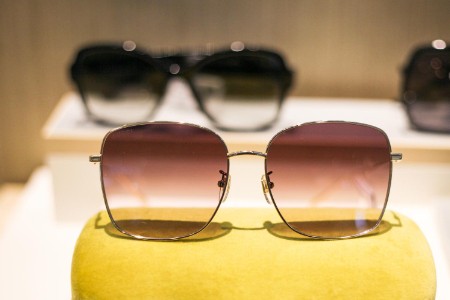
10月13日上市的无摄像头款Ray-Ban Meta音频眼镜定位全天佩戴,可实现导航、音乐播放、AI问答等部分智能手机功能。这款产品取消了此前引发大范围隐私争议的摄像头配置,仅保留扬声器与麦克风,麦克风功能仅限通话及AI助手唤醒,使用体验类似将AirPods内置在眼镜框架中。同类产品形态并非首次出现,亚马逊2019年就开售搭载Alexa语音助手、配备麦克风与扬声器的智能眼镜,后续也有一批创业公司推出无摄像头音频眼镜。Meta早在两年前就确定了2026年推出纯音频款AI眼镜的规划,匹配用户日常佩戴眼镜接打电话、收听播客的使用习惯。目前Meta仍在销售带摄像头的智能眼镜产品,上月刚推出升级款Ray-Ban Meta Gen 3,相比前代重量更轻,增设快捷按钮,续航时间更长。

过去十余年,Meta始终在尝试推出自有硬件终端,先后落地过Facebook品牌手机、智能家居中枢、VR头显等产品。Meta曾错过移动互联网爆发红利,旗下服务的用户入口长期掌握在苹果、谷歌、三星等硬件厂商手中,直接影响其核心广告业务。2022年,苹果iPhone推出应用跨平台跟踪隐私设置,Meta曾测算该功能当年会给公司造成100亿美元的营收损失。按照曾在2017至2019年任职Meta可穿戴部门的Awear公司CEO Ash Saulsbury的说法,Meta长期存在搭建自有平台的强烈诉求,希望通过掌控终端获得更多业务控制权。

当前智能眼镜赛道正处于快速增长阶段,2026年上半年全球智能眼镜出货量同比增长263%,雷朋母公司依视路陆逊梯卡去年AI眼镜销量超过700万台。但赛道发展仍面临多重阻碍,此前Meta在该领域的布局、包括对元宇宙的大额押注大多未达市场预期,全球范围内围绕智能眼镜的隐私争议已经引发多地禁令与公众抵制,Meta旗下负责智能眼镜、VR头显业务的Reality Labs部门持续处于亏损状态,全行业VR头显销量也处于下滑通道。Futurum公司CEO Daniel Newman认为,当前的智能眼镜产品仍处于解决方案寻找落地需求的阶段。

目前Meta仍需面对用户接受度的考验,消费者是否愿意在已有数码设备之外新增一款随身终端仍存不确定性,尤其当下AI代理功能正逐步融入手机、电脑等用户已经持有的设备中。此次推出的两款眼镜产品均将深度集成Meta自研的Muse AI代理,新款VR眼镜发售时就将内置包括本周一刚发布的Muse Wonder模型在内的全版本Muse能力,可在多个虚拟窗口跨应用完成多任务处理。雷朋系列智能眼镜则支持用户直接通过语音、结合周遭环境与AI助手交互,无需打开手机应用打字或上传照片。IDC消费科技领域分析师Jitesh Ubrani将Meta在AI与智能眼镜上的投入类比网约车行业的崛起,当前消费者仅把AI看作简单聊天机器人,尚未意识到其完整能力边界,AI与智能眼镜的发展将形成协同效应。

本文首发于 亿邦动力 官方网站

文章来源:亿邦动力

广告
微信
朋友圈

FAQ回顾

Meta在2026年秋季推出了哪两款智能眼镜产品?

2026年10月,Meta推出新款VR眼镜和10月13日上市的无摄像头款Ray-Ban Meta音频眼镜。VR眼镜计划2027年春季发售,定价约1300美元,重量约3.5盎司,定位拓展计算设备使用场景;音频眼镜支持导航、音乐播放、AI问答,可全天佩戴。

无摄像头款Ray-Ban Meta音频眼镜与带摄像头版本有什么不同?

无摄像头款取消了此前引发隐私争议的摄像头配置,仅保留扬声器和麦克风,麦克风仅限通话及AI助手唤醒,使用体验类似将AirPods内置在眼镜框架中,定位全天佩戴,可实现导航、音乐播放、AI问答等部分智能手机功能。Meta仍在销售带摄像头产品,上月刚推出升级款Ray-Ban Meta Gen 3。

智能眼镜行业2026年的增长和挑战有哪些?

2026年上半年全球智能眼镜出货量同比增长263%,依视路陆逊梯卡去年AI眼镜销量超过700万台。但赛道仍面临挑战:Meta Reality Labs持续亏损,全行业VR头显销量下滑,隐私争议引发多地禁令与公众抵制,Futurum CEO Daniel Newman认为产品仍处于解决方案寻找落地需求阶段。

Meta为什么大力投资智能眼镜和VR设备?

Meta希望搭建自有硬件终端,摆脱对苹果、谷歌、三星等硬件厂商的入口依赖。2022年苹果iPhone推出跨平台跟踪隐私设置,Meta测算该功能当年造成100亿美元营收损失。前Meta可穿戴部门成员、Awear CEO Ash Saulsbury表示,Meta长期有搭建自有平台的强烈诉求,希望通过掌控终端获得更多业务控制权。

AI智能眼镜能替代手机或电脑吗?

Meta新款VR眼镜定位并非替代现有电脑,而是拓展计算设备的使用场景,可模拟多屏显示,满足观影和多窗口办公需求。雷朋系列集成Muse AI代理,可语音结合环境与AI交互。IDC分析师Jitesh Ubrani认为消费者仅把AI看作聊天机器人,尚未意识到能力边界,AI与智能眼镜将形成协同效应。

这么好看,分享一下?

朋友圈 分享

APP内打开

赞 +1
+1
微信好友 朋友圈 新浪微博 QQ空间
关闭
收藏成功
发送
/140 0