广告
加载中

千问首款AI耳机及眼镜亮相NBA中国赛 将于10月13日正式发售

龚作仁 2026-10-10 13:44
龚作仁 2026/10/10 13:44

邦小白快读

EN
全文速览

总1:全新AI穿戴设备即将开售

1.千问首款AI耳机采用耳夹式设计,结合Bose调音与千问AI助手,支持面对面翻译、AI听记和语音办事。

2.同期亮相的新款AI眼镜支持第一视角拍摄和物品识别,其中N1 Pro还加入眼动追踪与虹膜核身支付功能。

总2:购买渠道和时间

1.新品已在电商平台千问官方旗舰店开放预约。

2.计划于10月13日正式发布并发售,建议关注官方渠道动态,提前预约可第一时间到手。

总1:品牌营销场景定位

1.选择NBA中国赛作为新品亮相现场,将AI穿戴设备嵌入体育赛事场景,有利于塑造科技、潮流和运动感的品牌形象。

2.耳夹式耳机与AI眼镜都强调轻便和即时交互,与赛场氛围贴合,帮助品牌在目标用户中建立场景联想。

总2:产品研发与矩阵

1.耳机结合Bose调音和千问AI助理,体现声学品牌与技术品牌合作开发的产品思路,兼顾音质和智能服务。

2.眼镜系列通过N1和N1 Pro做功能分层,N1 Pro提供眼动追踪和虹膜支付,满足高端用户对差异化功能和支付体验的期待。

总3:渠道策略与消费趋势

1.在电商平台官方旗舰店开放预约,采用线上直销渠道掌控首发流量,并通过预约机制测试市场需求。

2.从功能看,消费者对随身翻译、智能记录、视觉识别和快捷支付的需求正在上升,智能穿戴可能成为下一阶段品牌必争入口。

总1:增长市场机会

1.AI耳机与AI眼镜成为智能硬件领域新增长品类,千问新品在电商平台开启预约,说明市场热度正在从手机周边扩展到穿戴AI设备。

2.耳机主打的面对面翻译、AI听记和语音办事,以及眼镜的第一视角拍摄和物品识别,都贴合高频工作与生活场景,有望开辟新需求。

总2:消费需求变化

1.用户开始追求具备实时翻译和智能记录能力的耳机,而不是仅听音乐;眼镜也开始增加拍摄、识别和支付功能。

2.虹膜核身支付功能上线表明部分用户愿意接受无感支付和更高安全等级的生物识别方式。

总3:风险与应对

1.新品在10月13日才正式发售,目前只是预约阶段,建议留意预约数据再调整备货计划,避免盲目压货。

2.AI翻译准确性和识别可靠性未经历市场验证,需关注首批用户反馈,及时准备售后方案。

总1:产品生产与设计需求

1.耳夹式耳机设计对轻量化、夹持舒适度和结构稳定性有要求,内置Bose调音还需要优化腔体和声学部件。

2.AI眼镜集成摄像头、识别模块,N1 Pro更增加眼动追踪和虹膜识别组件,对内部堆叠、光学设计和精密制造提出更高要求。

总2:商业机会

1.AI穿戴设备进入首发周期,相关代工、零部件供应、传感器模块和整机组装链条都存在新的订单机会。

2.差异化功能意味着更多定制化部件需求,如耳夹式结构件、微型摄像头模组和虹膜识别元件。

总3:数字化与电商启示

1.新品以电商平台预约销售为主,工厂需要适应以销定产、小批量快速交付的模式。

2.可参考预约数据安排生产计划,利用数字化工具衔接电商订单与供应链排程,降低库存风险。

总1:行业趋势

1.AI能力正从手机向耳机、眼镜等穿戴硬件延伸,语音交互、视觉识别和生物支付是主要落地方向。

2.千问耳机和眼镜将大模型与随身设备结合,预示端侧AI与云端服务协作的穿戴设备服务生态将加速形成。

总2:新技术亮点

1.耳夹式耳机融合Bose调音与千问AI助理,支持面对面翻译、AI听记和语音办事,涉及实时翻译和语音助手技术。

2.AI眼镜具备第一视角拍摄、物品识别,N1 Pro还有眼动追踪与虹膜核身支付,覆盖计算机视觉和生物识别技术。

总3:客户痛点与解决方案

1.用户跨语言交流需要即时翻译,面对面翻译功能可直接缓解这一痛点;会议和采访场景中的AI听记则解决信息记录问题。

2.在双手不便的场景下,第一视角拍摄和物品识别可帮助用户快速记录与查询,虹膜支付减少掏出手机的麻烦。

3.服务商可以围绕这些功能提供技术优化、硬件接入和场景化部署服务,并协助企业客户完成安全合规评估。

总1:平台需求与问题

1.千问选择电商平台官方旗舰店开放预约,说明品牌需要平台提供新品预售、流量分发和营销活动支持。

2.AI耳机和眼镜作为新兴品类,平台需要建立商品信息规范,防范功能虚标和消费者误解。

总2:平台最新做法

1.平台支持官方旗舰店预约首发,可在10月13日发售前积累用户关注,形成销售预热。

2.平台可以结合NBA中国赛等热点,在运动、数码等频道向预约新品导流。

总3:运营管理建议

1.对于虹膜核身支付功能,平台应重点审核支付安全和生物信息使用条款。

2.建议平台针对AI穿戴设备单独制定发布标准和售后规则,明确翻译、识别等功能的说明边界。

3.可引导品牌方公示预约发货时间和退换货政策,降低消费纠纷风险。

总1:产业新动向

1.AI耳机和AI眼镜亮相,显示智能穿戴设备正从运动监测转向AI助理形态,成为大模型落地的重要硬件载体。

2.产品集成翻译、听记、识别、眼动追踪和虹膜支付,交互方式从触屏转向多模态语音视觉融合。

总2:新问题

1.AI耳机具备实时听记功能,在商务谈话和公共场合可能产生未经同意的录音和数据留存问题。

2.AI眼镜支持第一视角拍摄和虹膜支付,涉及个人生物特征信息的采集、传输和存储安全,也容易引发公共隐私边界纠纷。

总3:政策法规建议

1.监管层应尽快明确虹膜等生物识别信息在消费设备上的使用规则。

2.对于能拍摄和录音的穿戴设备,需要完善场所禁用规定和明确告知义务。

总4:商业模式启示

1.千问同时发布耳机和眼镜两个产品线,并通过电商官方旗舰店预约发售,展示软硬件一体化产品矩阵与线上直销模式。

2.与Bose在声学上的合作,说明科技品牌可与传统硬件品牌联合补足专业能力,形成跨界合作范例。

返回默认
声明:快读内容全程由AI生成,请注意甄别信息。如您发现问题,请发送邮件至 run@ebrun.com 。

我是 品牌商 卖家 工厂 服务商 平台商 研究者 帮我再读一遍。

Quick Summary

Summary 1: A new AI wearable device is about to go on sale.

1. The first Qianwen AI earbuds feature a clip-on design, combining Bose audio tuning with the Qianwen AI assistant, supporting face-to-face translation, AI note-taking, and voice-driven tasks.

2. The new AI glasses launched alongside them support first-person perspective shooting and object recognition, while the N1 Pro adds eye tracking and iris-recognition payment.

Summary 2: Purchase channels and timing.

1. The new products are now open for reservation on Qianwen's official flagship store on e-commerce platforms.

2. They are scheduled for official release and sale on October 13. It is recommended to follow official channel updates; reserving in advance ensures delivery at the earliest opportunity.

Summary 1: Brand marketing and scenario positioning.

1. Choosing an NBA China game as the launch venue embeds AI wearable devices into a sports event scenario, helping shape a brand image that is tech-savvy, trendy, and athletic.

2. Both the clip-on earbuds and AI glasses emphasize lightweight design and instant interaction, matching the arena atmosphere and helping the brand build scenario-based associations among target users.

Summary 2: Product R&D and product matrix.

1. The earbuds combine Bose tuning with the Qianwen AI assistant, reflecting a development approach in which an audio brand and a technology brand collaborate to deliver both sound quality and intelligent services.

2. The glasses lineup uses the N1 and N1 Pro to create functional tiers, with the N1 Pro introducing eye tracking and iris payment to meet high-end users' expectations for differentiated functionality and payment experiences.

Summary 3: Channel strategy and consumer trends.

1. Opening reservations through the official flagship store on e-commerce platforms gives the brand direct control over launch traffic and uses the reservation mechanism to test market demand.

2. From a feature perspective, consumer demand for portable translation, intelligent recording, visual recognition, and quick payment is rising, suggesting smart wearables are becoming a key entry point for brand competition in the next phase.

Summary 1: Growth market opportunities.

1. AI earbuds and AI glasses are emerging as new growth categories in the smart hardware sector. Qianwen's new products are now open for reservation on e-commerce platforms, indicating that market enthusiasm is expanding from mobile accessories to wearable AI devices.

2. The earbuds' focus on face-to-face translation, AI note-taking, and voice-driven tasks, along with the glasses' first-person shooting and object recognition, align well with high-frequency work and life scenarios and are likely to unlock new demand.

Summary 2: Changes in consumer demand.

1. Users are beginning to seek earbuds with real-time translation and intelligent recording capabilities rather than music-only playback; glasses are also adding shooting, recognition, and payment functions.

2. The introduction of iris-recognition payment suggests that some users are willing to accept frictionless payment and biometric authentication with higher security levels.

Summary 3: Risks and responses.

1. The new products will not officially go on sale until October 13; currently they are only in the reservation phase. It is advisable to monitor reservation data before adjusting inventory plans to avoid blind stockpiling.

2. The accuracy of AI translation and the reliability of recognition features have not yet been validated in the market. Sellers should track initial user feedback and prepare after-sales solutions in a timely manner.

Summary 1: Product production and design requirements.

1. The clip-on earbuds design imposes requirements for lightweight construction, wearing comfort, and structural stability. Integrating Bose tuning also requires optimizing the acoustic chamber and components.

2. The AI glasses integrate cameras and recognition modules, while the N1 Pro adds eye-tracking and iris-recognition components, placing higher demands on internal stacking, optical design, and precision manufacturing.

Summary 2: Business opportunities.

1. AI wearable devices are entering their first launch cycle, creating new order opportunities across contract manufacturing, component supply, sensor modules, and full-device assembly chains.

2. Differentiated features mean greater demand for customized parts, such as clip-on structural components, miniature camera modules, and iris-recognition elements.

Summary 3: Digitalization and e-commerce implications.

1. With the new products mainly sold through e-commerce reservations, factories need to adapt to a production-to-order model with small batches and fast delivery.

2. Production planning can reference reservation data, and digital tools can be used to link e-commerce orders with supply-chain scheduling to reduce inventory risk.

Summary 1: Industry trends.

1. AI capabilities are extending from smartphones to wearable hardware such as earbuds and glasses, with voice interaction, visual recognition, and biometric payments as the main application directions.

2. Qianwen's earbuds and glasses combine large models with portable devices, signaling that a wearable service ecosystem based on collaboration between on-device AI and cloud services will accelerate.

Summary 2: New technology highlights.

1. The clip-on earbuds integrate Bose tuning with the Qianwen AI assistant, supporting face-to-face translation, AI note-taking, and voice-driven tasks, involving real-time translation and voice assistant technologies.

2. The AI glasses feature first-person shooting and object recognition, while the N1 Pro adds eye tracking and iris-recognition payment, covering computer vision and biometric identification technologies.

Summary 3: Customer pain points and solutions.

1. Users need instant translation in cross-language communication, and the face-to-face translation feature directly addresses this pain point; AI note-taking in meetings and interviews solves information recording challenges.

2. In scenarios where both hands are occupied, first-person shooting and object recognition help users quickly capture and query information, while iris payment reduces the hassle of taking out a phone.

3. Service providers can offer technical optimization, hardware integration, and scenario-based deployment services around these features, as well as assist enterprise clients with security and compliance assessments.

Summary 1: Platform needs and challenges.

1. Qianwen's decision to open reservations through the official flagship store on an e-commerce platform shows that brands need platform support for pre-sale activities, traffic distribution, and marketing campaigns.

2. As AI earbuds and glasses are emerging categories, platforms need to establish product information standards to prevent inflated feature claims and consumer misunderstanding.

Summary 2: Latest platform practices.

1. The platform supports pre-launch reservations via the official flagship store, helping accumulate consumer attention before the October 13 release and creating sales momentum.

2. The platform can leverage hot topics such as the NBA China game to direct traffic from sports and digital channels to reserved new products.

Summary 3: Operations and management recommendations.

1. For the iris-recognition payment feature, platforms should focus on reviewing payment security and biometric data usage terms.

2. Platforms are advised to set separate release standards and after-sales rules for AI wearable devices, clarifying the boundaries for describing functions such as translation and recognition.

3. Platforms should guide brands to publicly disclose shipping timelines and return/exchange policies to reduce the risk of consumer disputes.

Summary 1: New industry developments.

1. The launch of AI earbuds and AI glasses shows that smart wearables are shifting from sports tracking to AI assistant forms, becoming important hardware carriers for large-model deployment.

2. The products integrate translation, note-taking, recognition, eye tracking, and iris payment, moving interaction from touchscreens to multimodal voice-vision fusion.

Summary 2: New issues.

1. AI earbuds with real-time note-taking may raise concerns about unauthorized recording and data retention in business conversations and public settings.

2. AI glasses with first-person shooting and iris payment involve the collection, transmission, and storage security of personal biometric data, and are also prone to public privacy boundary disputes.

Summary 3: Policy and regulatory recommendations.

1. Regulators should clarify as soon as possible the rules for using biometric information such as iris data in consumer devices.

2. For wearable devices capable of shooting and recording, it is necessary to improve restrictions on use in certain venues and clearly define disclosure obligations.

Summary 4: Business model implications.

1. Qianwen is simultaneously releasing two product lines, earbuds and glasses, and selling them through reservations on its official e-commerce flagship store, demonstrating a software-hardware integrated product matrix with an online direct-sales model.

2. The acoustic collaboration with Bose shows that tech brands can partner with traditional hardware brands to complement professional capabilities, setting an example of cross-industry cooperation.

Disclaimer: The "Quick Summary" content is entirely generated by AI. Please exercise discretion when interpreting the information. For issues or corrections, please email run@ebrun.com .

I am a Brand Seller Factory Service Provider Marketplace Seller Researcher Read it again.

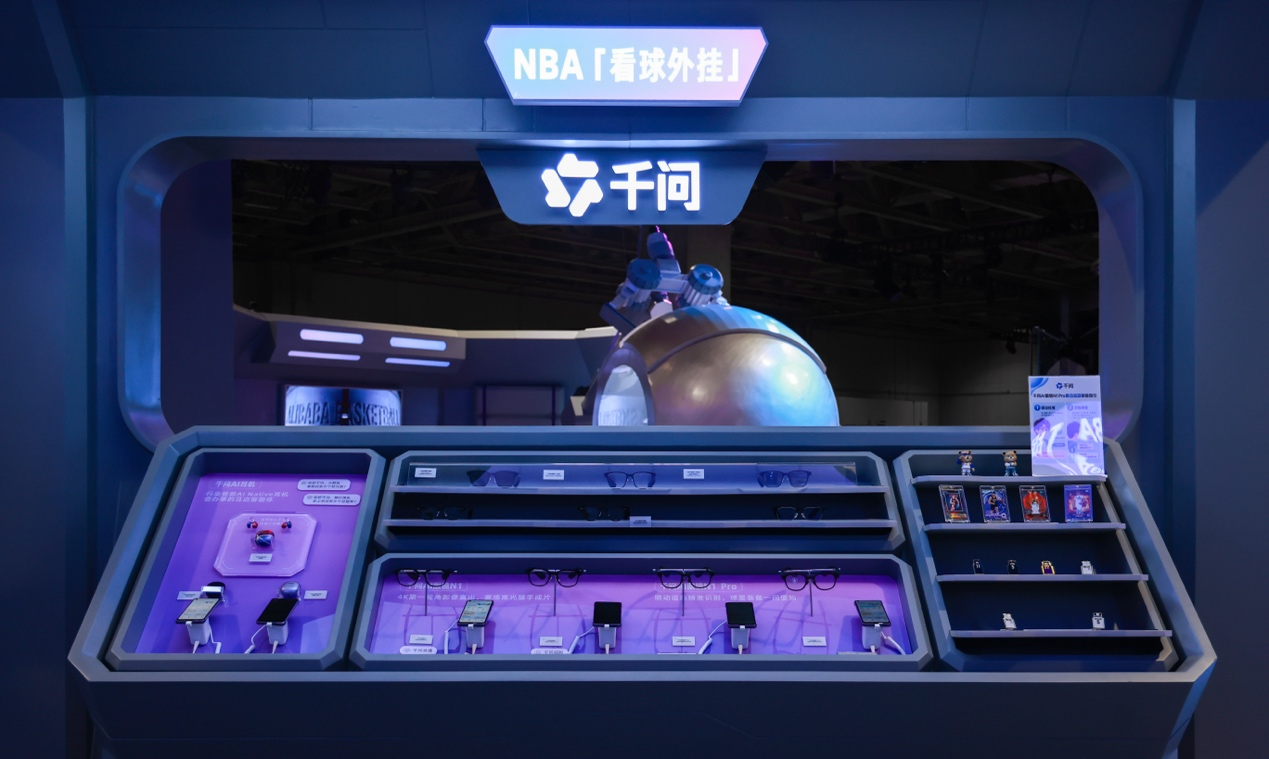
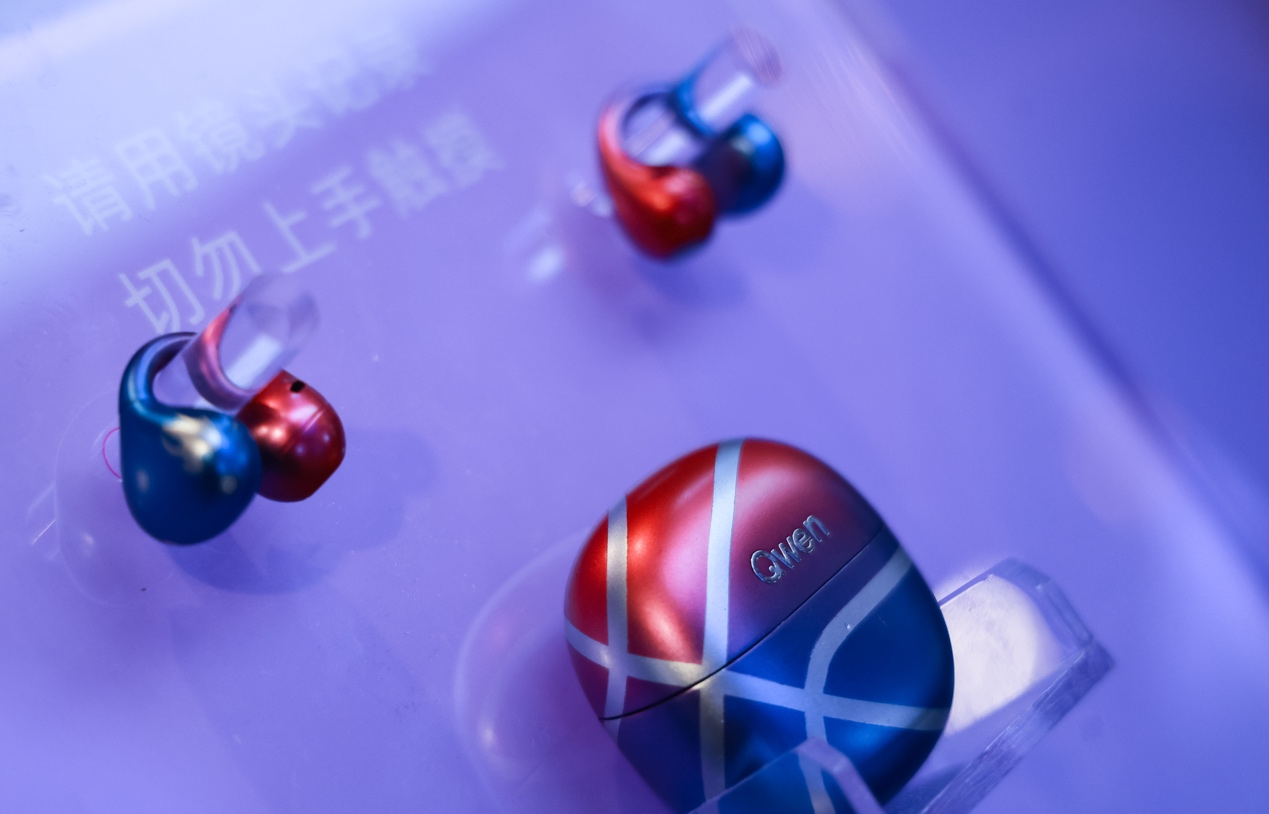
今日,记者在澳门NBA中国赛活动现场注意到,千问首款AI耳机与新款AI眼镜一同亮相。据悉,这款耳机采用耳夹式设计,将Bose调音与千问AI助理能力相结合,支持面对面翻译、AI听记和语音办事。

同期展出的N1系列新款AI眼镜支持第一视角拍摄、物品识别等功能,其中N1 Pro搭载有眼动追踪和虹膜核身支付功能。

目前,千问AI耳夹式耳机及AI眼镜新品已在电商平台的千问官方旗舰店开放预约,计划于10月13日正式发布并发售。

注:文/龚作仁,文章来源:Laborer,本文为作者独立观点,不代表亿邦动力立场。

文章来源:Laborer

广告
微信
朋友圈

FAQ回顾

千问AI耳机有哪些功能和特点?

千问首款AI耳机采用耳夹式设计,融合Bose调音与千问AI助理能力,支持面对面翻译、AI听记和语音办事。该耳机已在电商平台千问官方旗舰店开放预约,计划于10月13日正式发布并发售。

千问N1系列AI眼镜支持哪些功能?

千问N1系列新款AI眼镜支持第一视角拍摄、物品识别等功能,其中N1 Pro版本还搭载眼动追踪和虹膜核身支付功能,提供更智能的交互与支付体验。

千问AI耳机和AI眼镜在哪里可以购买?

千问AI耳夹式耳机及AI眼镜新品已在电商平台的千问官方旗舰店开放预约,计划于10月13日正式发布并发售,届时用户可通过官方渠道购买。

这么好看,分享一下?

朋友圈 分享

APP内打开

赞 +1
+1
微信好友 朋友圈 新浪微博 QQ空间
关闭
收藏成功
发送
/140 0