广告
加载中

从国民女装到新女性表达 拉夏贝尔官宣虞书欣为全球品牌代言人

龚作仁 2026-10-12 10:08
龚作仁 2026/10/12 10:08

邦小白快读

EN
全文速览

拉夏贝尔官宣虞书欣为全球品牌代言人,这是品牌2026年焕新计划的重要一步。品牌的核心变化是从“国民女装”转向更年轻、鲜活的形象,主打“全球海量设计师”战略,并把核心消费人群锁定在22—35岁女性。

对普通消费者最实用的信息是产品端的变化:2026秋冬围绕羽绒服推出“三季羽绒服”,强调一件衣服可以穿秋、冬、春三季,主打轻量、舒适、百搭,并且设计了可拆、单穿、套穿、叠穿等多种穿法。色彩上推出“大师调色盘”,从都市建筑、冬日光线和女性衣橱提取颜色,让羽绒服不再只是黑白灰。

虞书欣的加入意味着品牌想传递“女性可以有很多种样子”的理念,穿衣风格不被定义,可以甜美也可以飒爽,穿搭可以大胆玩色彩。普通消费者可以期待更实穿、更多色彩、适配多个季节的女装产品。

拉夏贝尔的品牌焕新是一个完整的营销案例,核心动作是官宣虞书欣为全球品牌代言人,同时落地“全球海量设计师”战略。品牌商可以关注其代言人选择逻辑:不是单纯看流量,而是看人格特质与品牌新阶段的表达是否契合——虞书欣的多变、敢穿、年轻鲜活恰好对应品牌要传递的“女性多元表达”。

产品研发层面,品牌围绕核心品类羽绒服推出“三季羽绒服”,以“一件穿三季,轻量、舒适、百搭”为心智,用可拆组合、单穿、套穿、叠穿设计来打破季节限制。色彩策略上推出“大师调色盘”,从建筑、光线、衣橱中提取灵感,让羽绒服脱离黑白灰的刻板印象。

人群定位上明确锁定22—35岁女性,强调自我表达、时装感、色彩碰撞和版型剪裁。品牌渠道和价格未提及,但可借鉴的是:用一个人格化形象承载品牌焕新,连接国民认知与年轻表达,同时让产品设计和营销语言保持高度一致。

拉夏贝尔官宣虞书欣并推进品牌焕新,释放了几个值得关注的市场机会。首先,羽绒服品类出现“三季羽绒服”新概念,主打一件穿秋、冬、春三季,轻量、舒适、百搭,这种产品设计可能带动新的消费需求,卖家可以关注相关品类的选品和备货机会。

其次,品牌强调“三季多色”和“大师调色盘”,彩色羽绒服将成为新的差异化卖点,打破传统黑白灰主导的冬季服装市场。消费端的变化是:22—35岁女性追求多变风格和自我表达,愿意通过穿搭展示不同样子,卖家在选品时应更重视色彩、版型和一衣多穿功能。

风险提示方面,品牌焕新能否成功仍取决于产品力和营销落地,单纯依赖代言人热度可能难以持续。可学习点在于拉夏贝尔将代言人特质、产品设计和品牌故事绑定在一起,形成相对完整的焕新表达,卖家在推新品时也应注意人、货、场的一致性和联动。

这篇文章对服装工厂的启示主要体现在产品设计和生产需求的变化上。拉夏贝尔2026秋冬推出的“三季羽绒服”要求一件衣服能穿秋、冬、春三季,强调轻量、舒适、百搭,这意味着工厂在羽绒填充量、面料克重、版型结构上需要有新的解决方案,既要保暖又要轻便,还要适合多季节叠穿。

可拆组合、单穿、套穿、叠穿的设计增加了产品复杂度,工厂需要具备更灵活的工艺能力和供应链响应速度。色彩上“大师调色盘”的推出意味着羽绒服将出现更多彩色面料,这对面料采购、染色工艺和库存管理提出更高要求。

品牌同时提出“全球海量设计师”战略,未来可能会有更多设计师款和差异化产品,这对工厂的小单快反、多SKU生产能力和设计打样配合度都是机遇。商业机会在于:能够承接“多季节、多功能、多色彩”女装订单的工厂将更受品牌欢迎。

拉夏贝尔的焕新动作展示了传统女装品牌年轻化的典型路径,服务商可以从中看到几类客户需求和解决方案。客户痛点是品牌老化、与年轻消费者脱节,拉夏贝尔的解法是:用虞书欣这样兼备国民认知度和年轻时尚感的代言人做人格化桥梁,同时更新产品设计和品牌定位。

服务商可切入的机会包括品牌形象重塑、代言人营销传播、社交媒体内容种草,以及“全球海量设计师”战略背后的设计师资源整合。行业趋势方面,女性消费正在从单一风格转向多元表达,服装品牌越来越重视色彩、版型和场景化穿搭,服务商在为女装品牌提供方案时,应更多考虑如何帮客户讲好“女性自我表达”的故事。

产品端,“三季羽绒服”和“大师调色盘”代表一种新的产品创新方向,服务商可帮助品牌做市场教育、穿搭内容生产和场景化展示,让消费者理解一件衣服多种穿法的价值。整体来看,围绕品牌焕新、产品差异化、年轻消费者沟通的整合服务需求在增加。

从平台角度看,拉夏贝尔官宣虞书欣并推行品牌焕新,意味着一个传统女装品牌正在主动向年轻消费生态靠拢。平台可以关注这类品牌对内容种草、年轻用户触达和新品推广的需求,尤其是围绕“三季羽绒服”和“大师调色盘”产生的穿搭内容、评测内容和场景化短视频,都是平台可运营的种草方向。

品牌将核心人群锁定在22—35岁女性,她们追求自我表达、色彩碰撞和版型美感,平台可以针对这类人群做更精细的兴趣标签和内容分发。商业机会在于:像拉夏贝尔这样的国民品牌焕新,会带动一批新品的上新和促销活动,平台可借势招商或策划专题活动。

风险规避方面,代言人营销存在舆情不确定性,平台在推广相关内容时需建立快速响应机制;同时品牌焕新是否持续也影响后续合作,平台应关注其产品力与营销落地效果,避免短期流量透支带来的运营波动。

拉夏贝尔的此次品牌焕新提供了一个传统国民品牌转型的观察样本。研究价值在于:品牌如何从“国民女装”的集体记忆出发,通过代言人选择、产品策略和定位更新,重新连接年轻女性消费者。虞书欣的选用逻辑不是简单的流量匹配,而是将代言人特质与品牌要表达的“女性多元”理念结合,形成人格化载体,这是品牌沟通模式的一种创新。

产品端,“三季羽绒服”突破传统按季节划分品类的思路,改为围绕穿着场景和多功能需求设计产品,可能代表服装产业一种新的产品组织方式。色彩策略上,“大师调色盘”试图用色彩表达心情,也是女性消费从功能需求转向情绪表达的一个例证。

产业动向方面,“全球海量设计师”战略暗示品牌从自有设计团队向开放式设计师网络演变,涉及供应链、设计管理和品牌管控等新问题。商业模式上,这种“代言人+新产品+新定位”的组合拳,可作为传统品牌焕新的一种可复制框架,但长期效果仍需观察。

返回默认
声明:快读内容全程由AI生成,请注意甄别信息。如您发现问题,请发送邮件至 run@ebrun.com 。

我是 品牌商 卖家 工厂 服务商 平台商 研究者 帮我再读一遍。

Quick Summary

La Chapelle has officially announced Yu Shuxin as its global brand ambassador, a key step in the brand's 2026 rejuvenation plan. The core shift is from a "national women's apparel brand" to a younger, more vibrant image, anchored by a "global designer network" strategy and targeting women aged 22–35.

For everyday consumers, the most practical change is in the product lineup: for Fall/Winter 2026, the brand is launching a "three-season down jacket" designed to be worn across autumn, winter, and spring. The focus is on lightweight, comfortable, and versatile pieces, with multiple styling options including detachable layers, standalone wear, layering, and stacking. The color strategy introduces a "Master Palette," drawing inspiration from city architecture, winter light, and women's wardrobes, so down jackets are no longer limited to black, white, and gray.

Yu Shuxin's involvement signals the brand's message that "women can be many things"—style is not defined, it can be sweet or edgy, and outfits can boldly experiment with color. Everyday consumers can expect more wearable, more colorful, and season-spanning women's apparel.

La Chapelle's brand rejuvenation is a complete marketing case. The core moves are naming Yu Shuxin as global brand ambassador and rolling out the "global designer network" strategy. Brands should note the ambassador selection logic: it is not purely about traffic but about whether the personality traits align with the brand's new-stage expression—Yu Shuxin's versatility, bold fashion choices, and youthful energy mirror the "diverse female expression" the brand aims to convey.

On product development, the brand has introduced a "three-season down jacket" around its core category, built on the message "one piece for three seasons, lightweight, comfortable, and versatile." Its detachable, standalone, layering, and stacking designs break seasonal boundaries. The color strategy introduces a "Master Palette" inspired by architecture, light, and wardrobes, freeing down jackets from the black-white-gray stereotype.

The target audience is clearly defined as women aged 22–35, emphasizing self-expression, fashion-forward appeal, color collisions, and tailoring. While no channel or pricing details were mentioned, what can be borrowed is this: use a personified image to carry the brand's renewal, connect national recognition with young expression, and keep product design and marketing language highly consistent.

La Chapelle's announcement of Yu Shuxin and its brand rejuvenation reveal several market opportunities worth watching. First, the down jacket category now has a new "three-season down jacket" concept—one piece for autumn, winter, and spring, positioned as lightweight, comfortable, and versatile. This product design could drive new consumer demand, so sellers should watch for selection and stocking opportunities in this segment.

Second, the brand emphasizes "three seasons, multiple colors" and the "Master Palette." Colorful down jackets will become a new differentiating selling point, breaking the traditional black-white-gray dominance of winter apparel. On the consumer side, women aged 22–35 are pursuing varied styles and self-expression, willing to show different sides through outfits. Sellers should place more emphasis on color, tailoring, and one-garment-multiple-wear features when curating products.

In terms of risk, the success of the brand rejuvenation still depends on product strength and marketing execution; relying solely on the ambassador's popularity may not be sustainable. A key takeaway is how La Chapelle ties the ambassador's traits, product design, and brand story into a relatively complete renewal narrative. When launching new products, sellers should also ensure consistency across people, products, and channels.

This article's implications for garment factories lie mainly in changes to product design and production demand. La Chapelle's Fall/Winter 2026 "three-season down jacket" requires a single garment to be wearable in autumn, winter, and spring, emphasizing lightweight, comfort, and versatility. This means factories need new solutions in down filling volume, fabric weight, and structural patterning—keeping warmth while reducing weight, and enabling multi-season layering.

The detachable, standalone, layering, and stacking designs increase product complexity, so factories must have more flexible craftsmanship and responsive supply chains. The "Master Palette" color strategy implies more colorful fabrics for down jackets, which raises higher requirements for fabric sourcing, dyeing processes, and inventory management.

The brand also introduced a "global designer network" strategy, which may lead to more designer-led styles and differentiated products. This creates opportunities for factories with small-batch quick-response capabilities, multi-SKU production, and strong prototype coordination. The business opportunity: factories capable of handling multi-season, multi-function, and multi-color women's apparel orders will become more sought after by brands.

La Chapelle's rejuvenation demonstrates a typical path for traditional women's apparel brands to go younger, and service providers can see several types of client needs and solutions. The client pain point is brand aging and disconnection from young consumers. La Chapelle's solution: using an ambassador like Yu Shuxin—who has both national recognition and youthful fashion appeal—as a personified bridge, while refreshing product design and brand positioning.

Service providers can tap into opportunities including brand image remodeling, ambassador marketing communications, social media content seeding, and designer resource integration tied to the "global designer network" strategy. In terms of industry trends, female consumption is moving from single-style to multi-dimensional expression, and apparel brands are paying more attention to color, tailoring, and scenario-based styling. When offering solutions to women's apparel brands, service providers should consider more how to help clients tell the story of "female self-expression."

On the product side, the "three-season down jacket" and "Master Palette" represent a new product innovation direction. Service providers can help brands with market education, styling content production, and scenario-based displays to help consumers understand the value of one garment with multiple wearing methods. Overall, demand is rising for integrated services around brand rejuvenation, product differentiation, and communication with young consumers.

From a platform perspective, La Chapelle's announcement of Yu Shuxin and its brand rejuvenation signal that a traditional women's apparel brand is actively moving closer to the young consumer ecosystem. Platforms should watch these brands' needs for content seeding, young user reach, and new product promotion. In particular, styling content, reviews, and scenario-based short videos around the "three-season down jacket" and "Master Palette" are all viable seeding directions for platforms to operate.

The brand has locked its core audience to women aged 22–35, who pursue self-expression, color collisions, and aesthetic tailoring. Platforms can build more refined interest tags and content distribution for this group. The business opportunity: national brands like La Chapelle undergoing rejuvenation will drive a wave of new product launches and promotions, letting platforms leverage the momentum for merchant recruitment or themed campaigns.

On risk mitigation, ambassador marketing carries public-opinion uncertainty. Platforms promoting related content should establish rapid-response mechanisms. At the same time, whether the brand rejuvenation sustains will affect future cooperation. Platforms should monitor product strength and marketing execution, avoiding operational volatility caused by short-term traffic burnout.

La Chapelle's brand rejuvenation offers an observational sample of a traditional national brand's transformation. The research value lies in how the brand, starting from the collective memory of a "national women's apparel brand," reconnects with young female consumers through ambassador selection, product strategy, and positioning renewal. The choice of Yu Shuxin is not simple traffic matching; it combines the ambassador's personal traits with the brand's "female diversity" message, creating a personified carrier. This is an innovation in brand communication model.

On the product side, the "three-season down jacket" breaks from the traditional seasonal categorization of products, instead designing around wearing scenarios and multi-functional needs. This may represent a new way of organizing product lines in the apparel industry. In color strategy, the "Master Palette" attempts to express emotions through color, which is also an example of female consumption shifting from functional needs to emotional expression.

On industry trends, the "global designer network" strategy suggests an evolution from an in-house design team to an open designer network, raising new issues around supply chain, design management, and brand control. In terms of business models, this combination of "ambassador + new products + new positioning" can serve as a replicable framework for traditional brand rejuvenation, though its long-term effectiveness remains to be observed.

Disclaimer: The "Quick Summary" content is entirely generated by AI. Please exercise discretion when interpreting the information. For issues or corrections, please email run@ebrun.com .

I am a Brand Seller Factory Service Provider Marketplace Seller Researcher Read it again.

10月11日,国民女装品牌拉夏贝尔正式官宣虞书欣为全球品牌代言人。

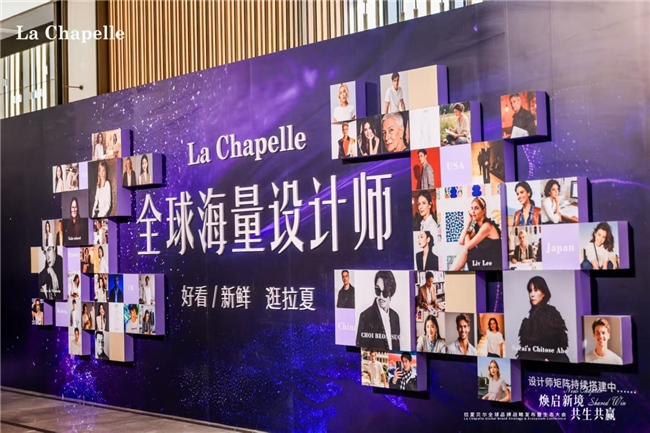
此次合作,是拉夏贝尔2026年品牌焕新中的又一重要动作。伴随“全球海量设计师”战略定位逐步落地,拉夏贝尔正在以更年轻、鲜活、更具时尚表达力的方式,与新一代女性消费者重新建立连接。

而选择虞书欣,正是这一转变的自然延伸——她身上年轻、鲜活、多变的时尚气质,恰好承载了拉夏贝尔想要表达的新形象。

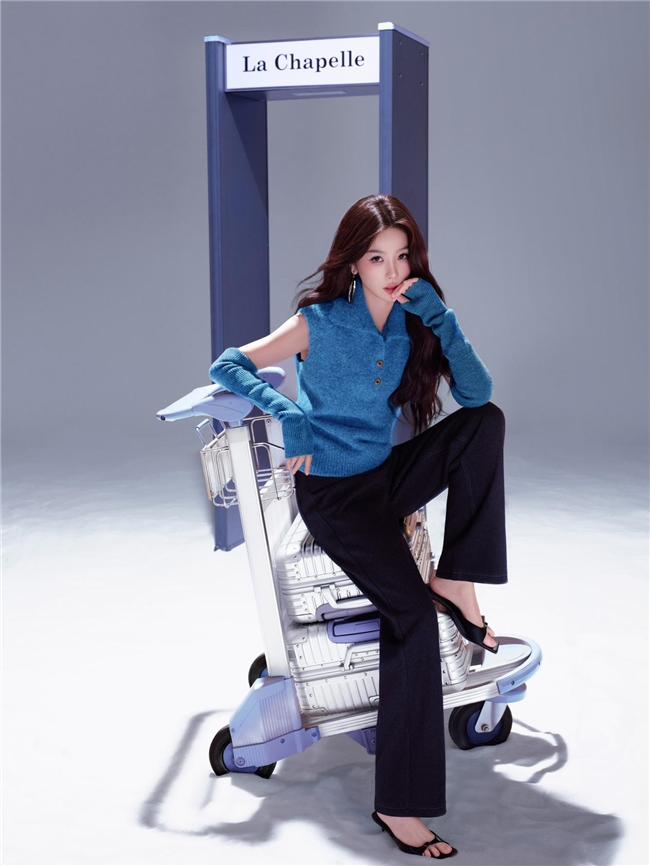
拉夏贝尔全球品牌代言人虞书欣

虞书欣:不止一种样子的女性表达

在拉夏贝尔看来,虞书欣并非一次单纯以流量为考量的选择,而是与品牌新阶段表达高度契合的同路人。

首先是风格的多变与不被定义。从《苍兰诀》等热播作品中走出来的虞书欣,其公众形象一直鲜活立体:她可以甜美灵动,也可以利落飒爽;镜头前的精致造型与生活里松弛随性的穿搭之间,她切换得自然自如。这种“不止有一种样子”的特质,恰好对应拉夏贝尔对当代女性的理解——女性无需被单一风格定义,服装应该为表达服务,而不是限制表达。

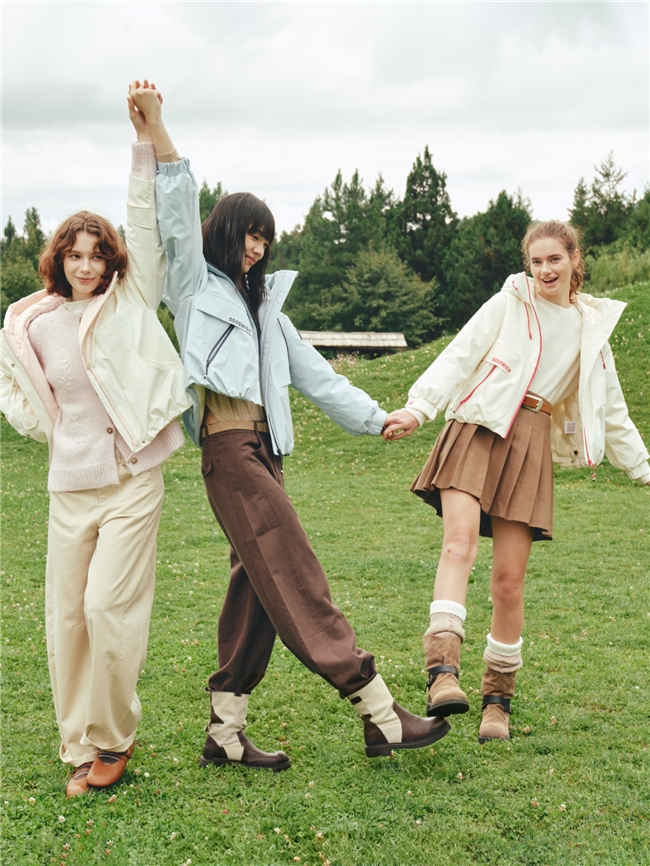
其次是对色彩与穿搭的大胆表达。虞书欣一直是年轻消费者心中的“穿搭种草”代表,她敢于尝试明亮的色彩、混搭的层次,把穿衣变成一件好玩的事。这与拉夏贝尔2026秋冬“三季多色”的打法不谋而合——品牌推出的“大师调色盘”,从都市建筑、冬日光线与女性衣橱中提取色彩灵感,让羽绒服摆脱黑白灰的刻板印象。一个敢穿,一个擅做,双方在“用颜色表达心情”这件事上语言相通。

再者是年轻、鲜活、有生命力的共同气质。拉夏贝尔将核心消费人群锁定在22—35岁女性,她们追求自我表达与时装感,拒绝刻板印象,重视色彩碰撞与版型剪裁带来的美感。虞书欣身上那种真实、生动、带点俏皮的生命力,正是这群女性认同与喜爱的状态。她不是一个高高在上的时尚符号,而是一个“会把衣服穿出自己的样子”的女生——这正是拉夏贝尔希望传递给消费者的穿着体验:好看,且属于你。

最后是国民认知与年轻化表达的衔接。作为拥有长期国民认知的女装品牌,拉夏贝尔的焕新需要一张既能被大众熟悉、又能与年轻人对话的面孔。虞书欣兼具广泛的观众缘与鲜明的年轻时尚感,恰好构成了一座连接“过去的国民记忆”与“当下的年轻表达”的桥梁。

可以说,虞书欣与拉夏贝尔的契合,不在于年龄层的简单匹配,而在于双方对“女性如何表达自己”这个问题的回答是一致的:可以有很多种样子,也值得为每一种样子认真穿搭。

从一种风格,到更多种女性可能

虞书欣的加入,让拉夏贝尔表达拥有了更加鲜明的人格化载体。

年轻、鲜活、多变,是当下女性时尚表达的重要关键词。此次双方合作,也并非简单以年龄划分消费者,而是希望在女性多元审美与自我表达层面建立更深连接。

这种变化同样已经进入拉夏贝尔的产品端。

2026秋冬,品牌围绕羽绒核心品类推出“三季羽绒服”,强调“实穿好搭”,以“一件穿三季,轻量、舒适、百搭”为产品心智,从女性身形、色彩、搭配与实际生活场景重新组织羽绒服的设计逻辑。可拆组合、单穿、套穿、叠穿的设计,让一件衣服进入秋、冬、春三个季节的衣橱——一件衣服,对应多种穿法,也对应多种心情与场景。

从一件羽绒服到完整衣橱,从一种固定风格到更丰富的女性表达,拉夏贝尔正在把多年积累的女装能力重新带回消费者日常生活。

新代言人,也是新拉夏的一次表达

对于拥有长期国民认知的女装品牌而言,焕新并不是放弃过去,而是在既有品牌基础上重新理解今天的女性。

虞书欣的加入,为拉夏贝尔提供了这样一座连接过去与当下的桥梁。她以更多变的风格诠释“好看”,以鲜活的穿搭传递“新鲜”,以真实的生活状态呼应“逛拉夏”——品牌的新表达,第一次拥有了一个可以被看见、被感知、被喜欢的人格化形象。

从“国民女装”出发,以更多设计师、更多产品表达和更丰富的生活场景回应新一代女性——这也是拉夏贝尔此次官宣背后更长远的品牌思考。

女性可以拥有很多种样子,拉夏贝尔也正在打开更多种可能。

注:文/龚作仁,文章来源:Laborer,本文为作者独立观点,不代表亿邦动力立场。

文章来源:Laborer

广告
微信
朋友圈

FAQ回顾

拉夏贝尔是一个什么样的女装品牌?

拉夏贝尔是拥有长期国民认知的女装品牌,2026年正处于品牌焕新阶段,提出“全球海量设计师”战略定位,核心消费人群锁定22—35岁女性。品牌希望以更年轻、鲜活、更具时尚表达力的方式,与新一代女性消费者重新建立连接。

拉夏贝尔为什么选择虞书欣作为全球品牌代言人?

虞书欣身上年轻、鲜活、多变的时尚气质,以及“不止有一种样子”的女性表达,与拉夏贝尔新阶段主张高度契合。她兼具广泛的观众缘与鲜明的年轻时尚感,既能承接品牌过去的国民认知,又能连接当下的年轻表达,成为拉夏贝尔品牌焕新的人格化载体。

拉夏贝尔2026秋冬在羽绒服产品上有什么新动作?

2026秋冬,拉夏贝尔围绕羽绒核心品类推出“三季羽绒服”,强调“一件穿三季,轻量、舒适、百搭”,通过可拆组合、单穿、套穿、叠穿的设计,让一件羽绒服进入秋、冬、春三个季节的衣橱。同时推出“大师调色盘”,从都市建筑、冬日光线与女性衣橱中提取色彩灵感,让羽绒服摆脱黑白灰的刻板印象。

拉夏贝尔的目标消费者是哪些女性?

拉夏贝尔将核心消费人群锁定在22—35岁女性,她们追求自我表达与时装感,拒绝刻板印象,重视色彩碰撞与版型剪裁带来的美感。品牌围绕这一人群的女性多元审美与自我表达需求,进行产品设计和品牌表达升级。

这么好看,分享一下?

朋友圈 分享

APP内打开

赞 +1
+1
微信好友 朋友圈 新浪微博 QQ空间
关闭
收藏成功
发送
/140 0