广告
加载中

Andrew Edlefsen致辞:企业不只要跟上变化 更要看清哪些变化真正重要

亿邦动力 2026-09-18 18:39
亿邦动力 2026/09/18 18:39

邦小白快读

EN
全文速览

这篇文章整理自跨境生态大会上美国驻广州总领事馆首席商务领事的现场致辞,传递了跨境行业的核心重点信息与务实行动提示。

1.核心活动信息:Accelerate跨境生态加速大会是全球电商领域的重要行业聚会,今年首次走出北美落地深圳,汇聚了亚马逊广告、沃尔玛全球电商、Google、TikTok Shop等十余家覆盖全球各区域的头部平台与零售商,行业资源集中度高。

2.关键认知提示:当前跨境领域AI、社交电商、新平台等新事物层出不穷,企业不需要盲目追逐所有变化,核心是判断哪些变化对自身业务真正有价值,聚焦把新技术、新渠道落地为真实业务成果。

3.务实行动建议:国际跨境业务高度依赖资源连接,从业者可借助这类高价值行业活动,对接适配的入驻平台、获取解决运营瓶颈的方案,把现场交流的观点、人脉转化为实际业务机会。

这篇文章传递了跨境品牌全球化发展的趋势方向、渠道对接机会与务实增长思路,对品牌开展出海业务有明确参考价值。

1.行业发展趋势层面:当前中国出海企业已走过单纯把产品销往海外的初级阶段,核心发展方向转向打造可持续、具备长久生命力的全球品牌,这一转型是全球行业参与者的共同判断。

2.渠道建设机会层面:覆盖北美、东南亚、拉美、中东等主流市场的全球头部电商与零售渠道,包括沃尔玛、Target、Coupang、noon等主体都在开放对接中国品牌,品牌可借助行业交流场景匹配合适的目标市场渠道,降低跨区域对接成本。

3.运营增长方法层面:面对AI、社交电商、新兴平台带来的行业变化,品牌无需盲目跟风追风口,要重点筛选对自身业务有实际价值的变化,借助AI、数据工具优化市场分析、内容创作、广告投放、用户触达等环节,把技术和渠道价值转化为实际业务成果。

这篇文章为跨境卖家传递了明确的行业风向、业务机会与务实行动方向,可帮助卖家减少决策误区、抓住增长可能。

1.风向与风险提示层面:当前跨境领域AI、社交电商、新兴平台等新事物迭代速度极快,卖家的核心挑战不是盲目追上所有变化,而是甄别哪些变化能真正为自身业务带来价值,避免无意义的资源投入,要把精力放在能转化为实际业务结果的新技术、新渠道上。

2.资源对接机会层面:覆盖全球不同区域的主流电商平台、零售渠道、技术服务商都在积极对接中国卖家,美国驻华使领馆商务处也在为中美企业商业合作提供对接支持,卖家可借助专业行业交流活动,直接对接适配自身品类的新渠道拓展市场,同时对接成熟的技术方案解决运营中遇到的实际瓶颈。

3.长期发展方向层面:单纯靠流量差卖货的出海模式竞争力正在持续下降,卖家要朝着打造可持续的长久全球品牌方向布局,借助AI、数据工具优化全链路运营,实现长期稳定增长。

这篇文章为布局跨境赛道的工厂传递了明确的市场需求变化、商业对接机会与数字化发展启示,可帮助工厂找准配套服务方向。

1.市场需求变化层面:当前中国出海商业逻辑已经发生明显转变,从过去单纯把产品卖去海外的短期卖货模式,转向打造可持续、有长久生命力的全球品牌模式,工厂在产品设计、生产规划上,需要配合品牌方的长期品牌建设需求,提供更稳定、适配不同市场要求的产品,才能获得长期稳定的合作订单。

2.商业对接机会层面:全球各大主流区域的电商平台、零售渠道、出海品牌都会聚集在专业跨境生态活动中,工厂可借助这类活动直面客户,获取一手的产品设计、生产需求信息,减少中间环节拓展优质B端合作。

3.数字化发展启示层面:AI、数据工具正在重构跨境运营全链路,工厂也可借助相关技术更精准捕捉不同市场的产品偏好,优化生产设计流程,提升对接跨境品牌与平台的综合竞争力。

这篇文章清晰传递了跨境服务领域的行业发展趋势、客户核心痛点与服务机会方向,可供服务商规划业务布局参考。

1.行业发展趋势层面:未来跨境行业的国际化增长将围绕创新、连接、加速三大核心展开,具体覆盖全球品牌打造、跨区域市场与平台对接、AI与数据驱动的智能运营落地三大板块,相关配套服务存在广阔的市场空间。

2.客户核心痛点层面:当前AI技术、社交电商玩法、新兴平台不断涌现,出海企业的普遍痛点并非无法接触新变化,而是缺乏对变化价值的判断能力,不知道如何将新技术、新渠道转化为实际业务成果,不少企业还面临运营瓶颈、平台对接渠道不畅等实际问题。

3.服务机会层面:服务商可围绕企业的实际痛点,打造AI运营工具落地、跨平台对接、运营瓶颈诊断等针对性解决方案,借助行业生态聚会场景直面客户,精准匹配服务需求。

这篇文章传递了跨境生态中平台的发展机遇、商家核心需求与生态建设方向,可供各类跨境平台开展招商、优化运营参考。

1.核心招商机遇层面:当前中国出海企业正从单纯卖货的初级阶段,转向打造可持续、长久发展的全球品牌阶段,存在强烈的多元化优质渠道对接需求;深圳作为国内科技、先进制造、跨境电商的核心枢纽,聚集了大量优质品牌、卖家与供应链资源,是各平台开展招商的核心重点阵地。

2.商家对平台的需求层面:入驻商家选择平台时,不再只关注短期流量红利,更希望平台能提供稳定的市场运营环境,配套支持商家借助AI、数据工具实现智能运营,支撑品牌的长期发展。

3.运营与生态建设方向:平台可积极参与跨境生态交流活动,直面商家传递招商政策、对接优质资源,同时关注商家在运营中的实际痛点优化平台服务,引导商家聚焦真正有长期价值的经营动作,避免盲目追逐无价值的风口变化。

这篇文章作为跨境行业重要活动的官方代表致辞实录,为跨境电商产业研究提供了可参考的产业新动向、共性新问题与发展新逻辑。

1.产业新动向层面:一是全球跨境生态资源的联动性进一步增强,原本立足北美的Accelerate跨境生态加速大会首次落地中国深圳,活动获得美国驻华商务机构的官方支持,汇聚了全球数十家头部平台与零售商,选择深圳正是看中当地作为科技、先进制造、跨境电商核心枢纽的产业地位;二是中国出海企业的发展逻辑发生本质转变,已经从过去将产品销往海外的短期卖货模式,转向打造可持续、长生命周期全球品牌的品牌化发展阶段;三是AI、社交电商、新兴平台已经成为驱动行业变革的核心要素。

2.产业共性新问题层面:当前行业技术、渠道迭代速度极快,企业普遍面临变化甄别能力不足的问题,如何判断不同变化的实际价值、如何将新技术新渠道转化为实际业务成果,成为全行业的共性考题。

3.产业发展新逻辑层面:未来跨境产业的国际化增长将围绕创新、连接、加速三大核心展开,通过品牌打造、平台与市场对接、AI与数据驱动的智能运营,实现取代传统流量红利模式的可持续增长。

返回默认
声明:快读内容全程由AI生成,请注意甄别信息。如您发现问题,请发送邮件至 run@ebrun.com 。

我是 品牌商 卖家 工厂 服务商 平台商 研究者 帮我再读一遍。

Quick Summary

This article is adapted from the opening remarks delivered by the Chief Commercial Consul of the U.S. Consulate General in Guangzhou at a cross-border e-commerce ecosystem conference, outlining key industry priorities and actionable takeaways for cross-border business participants.

1. Key event background: The Accelerate Cross-Border Ecosystem Conference, a leading global gathering for the e-commerce sector, is being held outside North America for the first time this year in Shenzhen. The event brings together more than a dozen leading global platforms and retailers spanning all major regional markets, including Amazon Ads, Walmart Global eCommerce, Google, and TikTok Shop, creating a high-concentration hub for industry resources.

2. Core strategic guidance: As new developments such as AI, social commerce, and emerging platforms continue to emerge at a rapid pace, businesses do not need to chase every industry shift indiscriminately. Instead, the priority is to assess which changes deliver tangible value to their own operations, and focus on translating new technologies and channels into concrete business outcomes.

3. Actionable recommendations: International cross-border business relies heavily on resource connectivity. Industry participants can leverage high-value events like this to connect with suitable platform partners, access solutions to operational bottlenecks, and turn insights and connections gained from on-site exchanges into tangible business opportunities.

This article outlines global expansion trends, channel partnership opportunities, and practical growth strategies for cross-border brands, offering clear reference value for brands pursuing overseas market entry.

1. Industry trend outlook: Chinese companies expanding overseas have moved past the initial stage of simply selling products to international markets. The core development priority has shifted to building sustainable, long-lasting global brands—a transition widely recognized by industry participants worldwide.

2. Channel partnership opportunities: Leading global e-commerce and retail channels covering major markets across North America, Southeast Asia, Latin America, and the Middle East—including Walmart, Target, Coupang, and Noon—are actively opening up to Chinese brands. Brands can use industry exchange platforms to match with suitable channels for their target markets, reducing the costs associated with cross-regional partnership building.

3. Operational growth strategies: Faced with industry shifts driven by AI, social commerce, and emerging platforms, brands do not need to blindly follow every new trend. Instead, they should prioritize screening for changes that deliver practical business value, leveraging AI and data tools to optimize market analysis, content creation, ad placement, and user outreach, to translate the value of technology and channels into tangible business results.

This article delivers clear industry signals, business opportunities, and practical action guidance for cross-border sellers, helping them avoid decision-making pitfalls and capture growth potential.

1. Trend and risk guidance: New developments including AI, social commerce, and emerging platforms are iterating at an extremely fast pace in the cross-border space. The core challenge for sellers is not to chase every change indiscriminately, but to identify which shifts can deliver real value to their business, avoid wasteful resource investment, and focus energy on new technologies and channels that can translate into concrete business outcomes.

2. Resource connection opportunities: Mainstream e-commerce platforms, retail channels, and technology service providers across global regions are actively seeking partnerships with Chinese sellers. The U.S. Commercial Service in China also provides matchmaking support for commercial cooperation between Chinese and U.S. businesses. Sellers can leverage professional industry events to directly connect with new channels aligned with their product categories to expand market reach, and access mature technology solutions to address practical operational bottlenecks.

3. Long-term development direction: The competitiveness of the traditional overseas sales model, which relies solely on arbitraging traffic gaps, continues to decline. Sellers should orient their long-term strategy toward building sustainable, enduring global brands, and leverage AI and data tools to optimize end-to-end operations for stable, long-term growth.

This article provides clear insights into shifting market demand, business partnership opportunities, and digital transformation implications for manufacturers operating in the cross-border sector, helping them align their supporting service strategies with market needs.

1. Shifting market demand: The business logic of Chinese overseas expansion has shifted notably, moving from the short-term model of simply selling products abroad to building sustainable, long-lasting global brands. To secure stable, long-term cooperative orders, manufacturers need to align product design and production planning with brands’ long-term brand-building requirements, delivering more reliable products adapted to the needs of different target markets.

2. Business partnership opportunities: E-commerce platforms, retail channels, and global brands across all major regional markets gather at professional cross-border ecosystem events. Manufacturers can use these events to connect directly with clients, gain first-hand insights into product design and production requirements, and build high-quality B2B partnerships while cutting out intermediate links.

3. Digital transformation implications: AI and data tools are reshaping the entire cross-border operational value chain. Manufacturers can also leverage these technologies to more accurately capture product preferences across different markets, optimize production and design processes, and improve their overall competitiveness when partnering with cross-border brands and platforms.

This article clearly outlines development trends in the cross-border service sector, core client pain points, and emerging service opportunity areas, offering a reference for service providers planning their business layout.

1. Industry development trends: Future international growth in the cross-border sector will center on three core pillars: innovation, connectivity, and acceleration. These cover three key segments: global brand building, cross-regional market and platform matchmaking, and the implementation of AI and data-driven intelligent operations, indicating broad market space for supporting services.

2. Core client pain points: As AI technology, social commerce models, and emerging platforms continue to emerge, the common pain point for overseas-expanding businesses is not lack of access to new developments, but insufficient ability to assess the value of these changes. Many businesses struggle to translate new technologies and channels into tangible business results, and also face practical issues such as operational bottlenecks and inefficient platform connection channels.

3. Service opportunities: Service providers can develop targeted solutions aligned with real business pain points, including practical AI operation tools, cross-platform matchmaking services, and operational bottleneck diagnostics. They can leverage industry ecosystem gatherings to connect directly with clients and accurately match their service needs.

This article outlines development opportunities, core merchant needs, and ecosystem building directions for platforms in the cross-border space, serving as a reference for cross-border platforms on merchant recruitment and operational optimization.

1. Core merchant recruitment opportunities: Chinese overseas-expanding businesses are currently shifting from the initial stage of simply selling products to the phase of building sustainable, long-term global brands, creating strong demand for diversified, high-quality channel partnerships. As a core hub for technology, advanced manufacturing, and cross-border e-commerce in China, Shenzhen is home to a large concentration of high-quality brands, sellers, and supply chain resources, making it a key priority market for platform merchant recruitment.

2. Core merchant demands for platforms: When selecting platforms to join, merchants no longer focus solely on short-term traffic dividends. They increasingly expect platforms to provide a stable operating environment, with supporting resources to help merchants implement intelligent operations via AI and data tools, and support their long-term brand development.

3. Operational and ecosystem building directions: Platforms can actively participate in cross-border ecosystem exchange events to share merchant recruitment policies directly with sellers and connect with high-quality resources. They should also address practical operational pain points to optimize platform services, and guide merchants to focus on business actions that deliver long-term value, rather than blindly chasing low-value industry fads.

As a transcript of official representative remarks at a major cross-border industry event, this article provides reference points for cross-border e-commerce industry research, including emerging industry trends, common industry challenges, and evolving development logic.

1. Emerging industry trends: First, global connectivity of cross-border ecosystem resources is strengthening: the Accelerate Cross-Border Ecosystem Conference, originally based in North America, was held in Shenzhen, China for the first time, with official support from U.S. commercial agencies in China, bringing together dozens of leading global platforms and retailers. The selection of Shenzhen reflects the city’s industrial position as a core hub for technology, advanced manufacturing, and cross-border e-commerce. Second, the development logic of Chinese overseas-expanding enterprises has undergone a fundamental shift, moving from the short-term model of selling products abroad to the brand-building phase of developing sustainable, long-lifecycle global brands. Third, AI, social commerce, and emerging platforms have become core factors driving industry transformation.

2. Common industry challenges: As technology and channel iterations accelerate rapidly across the sector, businesses widely lack the capacity to assess the value of new changes. How to evaluate the practical value of different shifts, and how to translate new technologies and channels into tangible business outcomes, has become a universal challenge across the industry.

3. Evolving industry development logic: Future international growth in the cross-border sector will center on three core pillars: innovation, connectivity, and acceleration. Sustainable growth, which replaces the traditional traffic dividend model, will be achieved through brand building, platform and market matchmaking, and AI and data-driven intelligent operations.

Disclaimer: The "Quick Summary" content is entirely generated by AI. Please exercise discretion when interpreting the information. For issues or corrections, please email run@ebrun.com .

I am a Brand Seller Factory Service Provider Marketplace Seller Researcher Read it again.

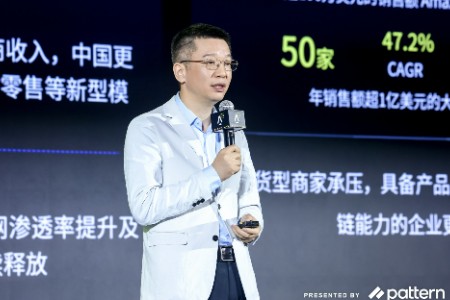
9月17日,在由Pattern栢藤主办、亿邦动力担任战略合作伙伴的“Accelerate26跨境生态加速大会·中国站”上,美国驻广州总领事馆首席商务领事Andrew Edlefsen发表致辞。

Andrew Edlefsen表示,Accelerate首次走出北美、来到中国是一个重要里程碑。深圳是中国科技、先进制造、创新和跨境电商的重要中心,中国企业也正从“把产品卖到海外”转向打造可持续、长久的全球品牌,Accelerate在深圳举办具有代表性意义。

面对AI、社交电商和新兴平台带来的快速变化,企业面临的挑战不仅是跟上变化,更重要的是判断哪些变化真正重要,以及如何将新技术、新渠道转化为实际的业务结果。在Andrew Edlefsen看来,创新、连接和加速覆盖了企业国际化增长的全过程:打造全球品牌,对接合适的市场与平台,并借助AI、数据和更智能的运营实现可持续增长。

(本文根据嘉宾现场致辞整理,在不影响原意的基础上有所删改。)

以下为Andrew Edlefsen致辞实录:

早上好,尊敬的来宾、商界领袖、合作伙伴及朋友们!

今天能代表美国驻广州总领事馆来到深圳与大家相聚,我感到无比荣幸。在此,我向各位致以诚挚的欢迎,并感谢大家邀请我们共同参与Accelerate 26跨境生态加速大会·中国站。我特别想对本次活动的组织工作以及美国商务部为此次重要盛会提供的支持表示赞赏。同时,我也要向从美国远道而来、参与本次活动的各位嘉宾、演讲者、品牌方、服务提供商及合作伙伴致以诚挚的感谢。正是他们的支持,才使得今天的活动得以顺利举行。

此外,作为一名在犹他州生活多年的居民,能够在此代表美国政府支持一家总部位于犹他州的企业,并目睹他们迄今为止在中国取得的卓越成就,我深感振奋。我还要向来自亚马逊广告、沃尔玛全球电商、Google、Coupang、Target、Mercado Libre、noon、Lowe’s、TikTok Shop及Best Buy的代表们致以特别的欢迎与感谢。

今天,众多全球领先的平台与零售商齐聚一堂,为各企业提供了宝贵的机会,使其能够直接聆听那些塑造全球商业未来的企业之声。今天标志着“Accelerate”在过去五年间开展的各项活动迎来了一个重要的里程碑。从盐湖城起步,如今它已经成为全球电商领域的重要聚会,汇聚电商高管、品牌领袖、科技公司和行业专家。

如今,Accelerate首次走出北美,来到中国。我想不出有哪个地方比深圳更适合举办Accelerate的首次国际活动。深圳是中国最具活力的科技、先进制造、创新和跨境电商中心之一。企业不再只想着把产品卖到海外去,他们现在更加关注如何打造可持续的、长久的全球品牌。这一转变意义重大。因此,在深圳开启今天的探讨,真的是再合适不过了。

电商环境变化极快,AI正在重塑企业的许多做法,涉及到市场分析、内容创作、广告管理、运营优化以及消费者触达等等。社交电商和新兴平台也在为品牌开辟新的路径,品牌可以借此触达全球更多的消费者。对于企业来说,挑战不仅是跟上这些变化,更为重要的是,要看清哪些变化真正重要,要知道如何应对,还要学会把新技术、新渠道转化为实际的业务结果,这正是Accelerate特别有价值的地方。

今天我们有三大主题:创新、连接和加速,覆盖国际化增长的全过程。这包括打造全球品牌,对接合适的市场和平台,以及利用AI、数据和更智能的运营来实现可持续增长。

除了台上的干货分享,大家的交流互动也同样极具价值。国际业务最终离不开人脉关系,在这里,想开拓新市场的品牌能找到契合的平台;遇到运营瓶颈的企业也能对接上现成的技术方案。

将行业内的人士聚在一起,也与美国驻华使领馆商务处的工作密切相关。美国驻华使领馆商务处隶属于美国商务部国际贸易管理署。我们的核心使命是帮助美国企业出口产品和服务,同时帮助他们在国际市场上取得成功。我们也为外国对美直接投资提供支持。在华南地区,我们与企业、平台、行业协会还有其他伙伴密切合作,共同寻找机会,帮助他们与美国企业开展商业合作。

我鼓励大家充分利用今天的活动多提问、多交流,向演讲嘉宾学习,结识新朋友,把今天的见解和人脉变成新的机会。

我再次祝贺Pattern栢藤首次把Accelerate带到中国。感谢Pattern栢藤、亿邦动力、各参与的平台和零售商,也感谢所有的合作伙伴和参会者。美国驻广州总领事馆商务处非常高兴支持今天的大会。祝大家在会上收获满满,祝大会取得圆满成功。

本文首发于 亿邦动力 官方网站

文章来源:亿邦动力

广告
微信
朋友圈

FAQ回顾

中国跨境出海企业当前的发展方向出现了什么变化?

中国跨境出海企业已从单纯将产品销往海外的阶段,转向打造可持续、具备长期生命力的全球品牌,企业会更关注对接适配的市场与平台,借助AI、数据和智能化运营实现长效增长。

跨境电商企业面对AI、新兴渠道等行业变化该如何应对?

企业无需盲目追赶所有行业变化,核心是要辨别哪些变化真正具备商业价值,掌握将AI技术、社交电商等新渠道、新技术转化为实际业务结果的能力,最终落地为真实的业务增长。

Accelerate跨境生态大会首次落地中国为什么选址深圳?

深圳是中国科技、先进制造、创新和跨境电商的核心集聚中心,同时当前中国跨境企业正处于从产品出海向品牌出海转型的关键阶段,在深圳举办本次大会具备较强的行业代表性意义。

跨境企业实现国际化可持续增长要把握哪些核心方向?

可围绕创新、连接、加速三大核心方向布局,一是打造具备长期价值的全球品牌,二是对接匹配的目标市场与合作平台,三是借助AI、数据能力升级智能运营,覆盖国际化增长全流程。

这么好看,分享一下?

朋友圈 分享

APP内打开

赞 +1
+1
微信好友 朋友圈 新浪微博 QQ空间
关闭
收藏成功
发送
/140 0