广告
加载中

京东方智驭与星源智达成深度战略合作 产需融合构筑工业具身智能新态势

龚作仁 2026-09-02 15:09
龚作仁 2026/09/02 15:09

邦小白快读

EN
全文速览

本文核心介绍了京东方智驭与星源智达成深度战略合作,共同推进工业具身智能落地的相关信息,核心干货整理如下:

1. 本次合作于2026年9月1日在合肥签署协议,双方共同揭牌成立了“具身机器人联合实验室”,是显示制造场景资源与原生具身智能技术的深度绑定,目标是打造国内显示、3C领域具身智能标杆。

2. 双方的合作围绕场景价值验证、数据采集处理、垂类创新研发、场景工程落地、市场联合开拓五大方向展开,明确了四个阶段的合作目标,最终要联合输出制造场景具身智能技术标准与解决方案。

3. 双方优势互补,京东方智驭拥有成熟工业场景和工程化落地能力,星源智拥有完整的具身智能技术矩阵,本次合作将推动具身智能从实验室技术展示走向工厂价值交付。

本次合作为制造类品牌开展智能化升级、跨界合作提供了参考案例和方向,核心干货如下:

1. 当前产业趋势显示,工业具身智能已经从技术研发阶段进入商业化落地阶段,显示、3C是优先落地的核心场景,制造品牌需要提前关注智能化升级的新方向,抓住技术迭代的行业红利。

2. 品牌开展智能化转型可参考本次的合作模式:依托自身产业场景资源,和前沿技术企业开展深度合作,成立联合研发载体,构建产需融合的生态合作体系,既可以降低自主研发的风险,也能加快技术落地的速度。

3. 可参考本次的产业落地路径:以真实场景为牵引、以数据与模型为驱动、以规模化推广为目标,形成闭环推进技术落地,适合制造品牌升级参考。

本次合作透露出工业智能化领域的新机会和可借鉴的经验,核心干货整理如下:

1. 市场机会方面,目前显示、3C制造领域的具身智能已经进入商业化落地阶段,相关的智能化改造服务、配套零部件供应、解决方案输出等赛道都会迎来新的增长空间,卖家可提前布局相关业务。

2. 合作模式方面,如果卖家拥有场景资源或者技术资源,可参考本次产需绑定的模式,场景方提供落地验证环境,技术方输出核心能力,双方联合开拓市场,能够有效降低各自的试错成本,快速推进项目落地。

3. 趋势提示:具身智能会逐步替代传统制造中的人工环节,重构生产流程,卖家需要紧跟技术落地进展,提前调整业务方向,抓住产业升级的机会。

本次合作为制造工厂的数字化智能化转型提供了启示和机会,核心干货整理如下:

1. 生产升级方向明确,具身智能已经开始进入3C、显示制造等主流工业生产场景,未来将实现从“能看能动”到“能思考能决策”的升级,能够有效帮助工厂提升生产效率,降低人力成本,工厂可提前关注这项技术的落地进展。

2. 转型路径可参考:工厂不需要独立完成全链条的技术研发,可以依托自身的场景资源优势,和头部技术企业开展合作,联合研发适配自身生产需求的垂类模型,大幅降低转型的技术门槛和资金成本。

3. 本次合作将会推动行业形成统一的具身智能技术标准和成熟解决方案,未来中小工厂也可以低成本复用成熟方案,完成智能化改造,迎来转型机会。

本次合作透露出工业智能化服务领域的新趋势、客户痛点和可参考的解决方案,核心干货整理如下:

1. 行业发展新趋势:工业具身智能已经完成了实验室阶段的技术积累,正式进入商业化落地阶段,当前3C、显示制造是核心落地场景,未来会逐步向更多制造领域拓展,相关技术服务、解决方案服务的市场空间会持续扩大。

2. 当前行业核心痛点:制造类企业有智能化升级的需求,但缺乏成熟适配的垂类技术;前沿技术企业拥有核心技术,但缺少真实工业场景做验证和数据迭代,产研脱节是阻碍行业发展的核心痛点。

3. 可参考的解决方案:通过产业场景方和技术方共建联合实验室的方式,构建“应用验证—联合开发—规模商业化”的生态体系,能有效解决产研脱节问题,服务商可参考该模式对接供需,挖掘业务机会。

本次合作为面向工业智能化领域的平台商发展提供了方向参考,核心干货整理如下:

1. 当前市场核心需求:工业智能化升级需要整合产业场景资源和前沿人工智能技术,两类市场主体各有优势,但都无法独立完成具身智能的商业化落地,市场需要平台方整合资源,打通产研对接的通道。

2. 平台可重点布局的方向:可以围绕垂直制造领域的具身智能落地,搭建专业的联合创新平台,吸引制造场景方和智能技术企业入驻,推动各方共建联合研发机构,加快技术落地速度。

3. 运营管理提示:平台需要围绕技术落地的全流程布局配套服务,覆盖数据采集、模型训练、场景验证到商业化推广全链条,同时需要聚焦垂类领域做深做透,规避技术不成熟、落地难的风险。

本次合作是工业具身智能领域的标志性事件,为相关产业研究提供了很多新内容,核心干货整理如下:

1. 产业新动向:当前全球工业具身智能已经完成了早期实验室技术积累阶段,正式进入真实工业场景的商业化落地探索阶段,产需融合成为行业主流发展路径,显示、3C制造成为先行落地的核心垂类赛道,行业发展进入新阶段。

2. 创新商业模式:本次合作探索出了“应用验证—联合开发—规模商业化”的生态合作体系,打造了以真实场景为牵引、数据模型为驱动、规模化推广为目标的产业闭环路径,为整个工业具身智能领域的商业化落地提供了可研究的新范式。

3. 值得深入研究的新问题:本次合作提出了通用具身智能向工业垂类能力演进的具体路径,后续技术攻关、行业标准制定、规模化复制推广等问题都值得开展深入研究。

返回默认
声明:快读内容全程由AI生成,请注意甄别信息。如您发现问题,请发送邮件至 run@ebrun.com 。

我是 品牌商 卖家 工厂 服务商 平台商 研究者 帮我再读一遍。

Quick Summary

This article highlights the in-depth strategic partnership between BOE Zhiyu and Xingyuan Intelligence to advance the commercial deployment of industrial embodied intelligence, with key takeaways as follows:

1. The cooperation agreement was signed in Hefei on September 1, 2026, alongside the inauguration of a joint Embodied Robot Lab. The partnership combines display manufacturing scene resources with native embodied intelligence technology, aiming to build a benchmark for embodied intelligence applications in China’s display and 3C electronics sectors.

2. The collaboration covers five core areas: scene value validation, data collection and processing, vertical-sector innovation R&D, scenario-based engineering deployment, and joint market expansion. It sets out four phased goals, with the final objective of co-developing technical standards and solutions for embodied intelligence in manufacturing scenarios.

3. The two parties bring complementary strengths to the partnership: BOE Zhiyu contributes mature industrial scenarios and engineering deployment capabilities, while Xingyuan Intelligence boasts a full-stack embodied intelligence technology matrix. This collaboration will push embodied intelligence beyond lab demonstrations to deliver tangible value in factory settings.

This partnership provides a valuable reference and directional guidance for manufacturing brands pursuing intelligent upgrading and cross-industry collaboration. Key takeaways are as follows:

1. Current industry trends indicate that industrial embodied intelligence has transitioned from the R&D phase to commercial deployment, with display and 3C manufacturing as the first core landing scenarios. Manufacturing brands should proactively track new directions for intelligent upgrading to capture the dividends from technological iteration.

2. For brands pursuing intelligent transformation, this cooperation model offers a replicable blueprint: brands can leverage their own industrial scenario resources to build deep partnerships with cutting-edge tech firms, establish joint R&D vehicles, and build a demand-supply integrated ecosystem. This approach reduces the risks of independent R&D while accelerating technology deployment.

3. The industry deployment path from this case is also instructive for manufacturing brands: a closed-loop deployment framework driven by real-world scenarios, data and models, with large-scale promotion as the end goal, provides a clear roadmap for transformation.

This partnership reveals new opportunities and actionable insights for the industrial intelligentization sector. Key takeaways are as follows:

1. In terms of market opportunities, embodied intelligence has entered the commercial deployment phase in the display and 3C manufacturing sectors. Related tracks including intelligent transformation services, supporting component supply, and solution development will see new growth, and sellers can position their businesses for this trend in advance.

2. For sellers holding either scenario resources or technical resources, the demand-supply binding model from this case is a useful reference: scenario providers provide deployment and validation environments, while technology providers deliver core capabilities, and the two parties develop markets jointly. This cuts trial-and-error costs for both sides and speeds up project delivery.

3. A key trend to note: embodied intelligence will gradually replace manual labor in traditional manufacturing and reshape production processes. Sellers need to closely follow technology deployment progress, adjust their business strategies ahead of time, and capture opportunities from industrial upgrading.

This partnership offers important insights and new opportunities for digital and intelligent transformation of manufacturing factories. Key takeaways are as follows:

1. The direction for production upgrading is clear: embodied intelligence is already entering mainstream industrial production scenarios including 3C and display manufacturing, and will evolve from "perceiving and moving" to "reasoning and decision-making" in the future. It can effectively help factories improve production efficiency and reduce labor costs, so factories should monitor its deployment progress proactively.

2. This case offers a clear transformation roadmap: factories do not need to develop full-stack technologies independently. Instead, they can leverage their own scenario resources to partner with leading tech firms and co-develop vertical models tailored to their production needs, significantly lowering the technical and financial barriers to transformation.

3. This partnership will drive the industry to form unified technical standards and mature solutions for embodied intelligence. In the future, small and medium-sized factories will also be able to reuse mature solutions at low cost to complete intelligent transformation, opening up new transformation opportunities for them.

This partnership reveals new trends, core customer pain points and reference solutions for the industrial intelligentization service sector. Key takeaways are as follows:

1. New industry trends: Industrial embodied intelligence has completed technology accumulation in the lab stage and officially entered the commercial deployment phase. 3C and display manufacturing are the current core landing scenarios, and the technology will gradually expand to more manufacturing sectors, bringing continuous expansion of market demand for related technical and solution services.

2. Core industry pain points: Manufacturing companies have demand for intelligent upgrading, but lack mature, adapted vertical technologies. Cutting-edge tech companies hold core technologies, but lack access to real industrial scenarios for validation and data iteration. The disconnect between R&D and industrial demand is the core barrier holding back industry development.

3. A replicable solution: By establishing a joint lab between industry scenario providers and technology developers to build an ecosystem of "application validation – joint development – scaled commercialization", the disconnect between R&D and demand can be effectively resolved. Service providers can adopt this model to connect supply and demand and unlock new business opportunities.

This partnership provides directional guidance for platform operators focused on the industrial intelligentization sector. Key takeaways are as follows:

1. Core market demand today: Industrial intelligent upgrading requires integration of industrial scenario resources and cutting-edge AI technologies. The two types of market players each hold unique strengths, but neither can deliver commercialized embodied intelligence independently. The market needs platforms to integrate resources and open up connections between industrial demand and R&D.

2. Key strategic areas for platforms: Platforms can build specialized joint innovation platforms centered on embodied intelligence deployment in vertical manufacturing sectors, attract scenario owners and AI tech firms to settle, support the establishment of joint R&D institutions, and accelerate the speed of technology deployment.

3. Operational guidance: Platforms need to develop supporting services covering the full technology deployment process, from data collection and model training to scenario validation and commercial promotion. At the same time, they should focus on deepening penetration in vertical sectors to avoid risks associated with immature technology and difficult deployment.

This partnership is a landmark event in the industrial embodied intelligence space, and provides rich new content for related industrial research. Key takeaways are as follows:

1. New industrial trends: Global industrial embodied intelligence has completed early-stage technology accumulation in laboratories and officially entered the phase of commercial exploration in real industrial scenarios. Demand-supply integration has become the mainstream development path, with display and 3C manufacturing emerging as the first core vertical sectors for deployment, marking that the industry has entered a new development stage.

2. An innovative business model: This partnership has explored an ecosystem cooperation framework of "application validation – joint development – scaled commercialization", and built an industrial closed-loop path led by real-world scenarios, driven by data and models, and targeted at large-scale promotion. This provides a new researchable paradigm for commercial deployment across the entire industrial embodied intelligence sector.

3. New topics worthy of in-depth research: This partnership outlines a concrete path for the evolution of general embodied intelligence into industrial vertical capabilities. Follow-up issues including technical breakthroughs, industry standard setting, and large-scale replication all merit further in-depth research.

Disclaimer: The "Quick Summary" content is entirely generated by AI. Please exercise discretion when interpreting the information. For issues or corrections, please email run@ebrun.com .

I am a Brand Seller Factory Service Provider Marketplace Seller Researcher Read it again.

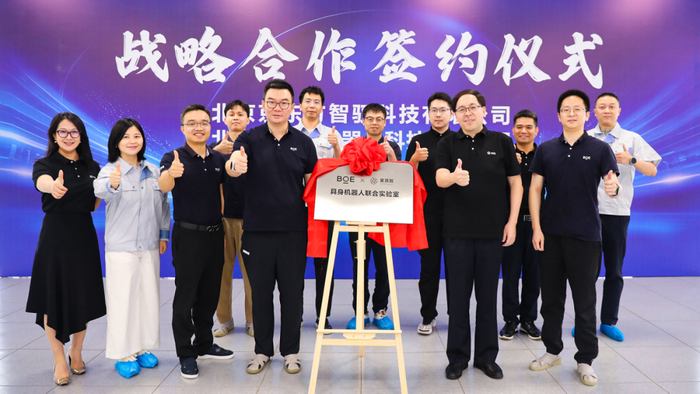
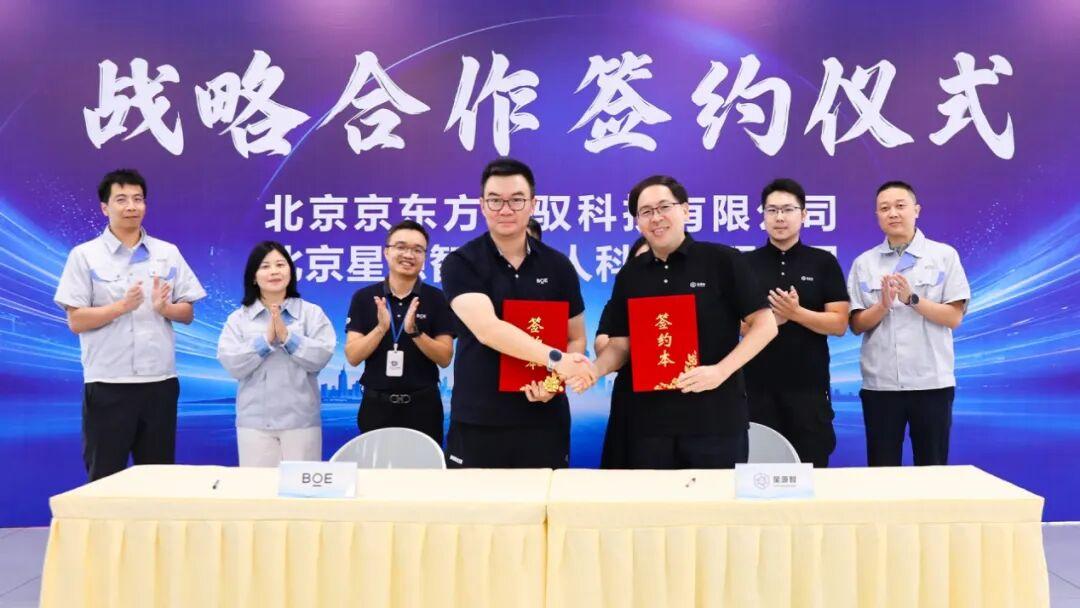
2026年9月1日,北京京东方智驭科技有限公司(以下简称“京东方智驭”)与北京星源智机器人科技有限公司(以下简称“星源智”)在合肥正式签署战略合作协议,京东方智驭总经理张宇及星源智CEO刘东共同出席签约仪式,并为“具身机器人联合实验室”揭牌。

此次合作标志着显示制造产业场景资源与原生具身智能技术的深度绑定,双方将共同推进具身智能在工业制造场景中的落地,打造国内显示、3C领域具身智能标杆。

图片

图:京东方智驭与星源智签约现场

根据协议,双方将以3C、显示制造场景为核心,以具身机器人联合实验室为载体,围绕场景价值验证、数据采集处理、垂类创新研发、场景工程落地、市场联合开拓五大方向展开深度战略合作,构建“应用验证—联合开发—规模商业化”的生态合作体系。同时,协议明确了四个阶段的合作目标:数据采集与模型训练能力联合建立、具身智能模型基座及关键技术攻关、工业场景垂类模型构建、制造场景具身智能技术标准与解决方案联合输出。

图片

图:“具身机器人联合实验室”揭牌现场

作为全球显示产业龙头京东方旗下布局具身机器人赛道的载体,京东方智驭拥有覆盖显示、3C制造的高端工业场景及工程化落地能力,是工业具身机器人商业化落地的优质产业平台。星源智是北京智源人工智能研究院孵化的具身智能公司,致力于实现多模态空间智能,构建物理世界的通用具身大脑。作为具身智能领域崛起的新兴力量,星源智已构建起包含“具身大脑+世界模型+端侧算力平台+跨本体调度平台”在内的完整技术矩阵,展现出卓越的系统创新与产业落地潜力。

面向工业制造等复杂场景,星源智通过具身大脑与真实场景数据的持续交互,让机器人具备环境理解、任务决策与持续进化能力,并通过跨本体适配与端侧部署,加速智能能力在不同机器人本体和场景中的复制。此次与京东方智驭合作,将进一步把星源智的模型与系统能力带入显示、3C制造等真实工业环境,通过场景验证与数据反馈持续迭代,探索具身智能从通用能力向工业垂类能力演进的路径。

京东方智驭与星源智的战略合作不仅是显示产业龙头与具身大脑领军企业的双向奔赴,也是一条以真实工业场景为牵引、以数据与模型为驱动、以规模化推广为目标的产业闭环路径,更是具身机器人将从“实验室里技术展示”走向“工厂里价值交付”深度探索。未来,双方将以联合实验室为创新引擎,以京东方工业场景为验证基地,以显示全行业市场拓展为发展目标,共同推动具身智能从“能看、能动”走向“能思考、能决策、能创造价值”的新阶段。

注:文/龚作仁,文章来源:Laborer,本文为作者独立观点,不代表亿邦动力立场。

文章来源:Laborer

广告
微信
朋友圈

FAQ回顾

京东方智驭是什么公司?

京东方智驭是全球显示产业龙头京东方旗下布局具身机器人赛道的载体,拥有覆盖显示、3C制造的高端工业场景及工程化落地能力,是工业具身机器人商业化落地的优质产业平台。

星源智在具身智能领域有哪些技术优势?

星源智是北京智源人工智能研究院孵化的具身智能公司,已构建起包含“具身大脑、世界模型、端侧算力平台、跨本体调度平台”在内的完整技术矩阵,可让机器人具备环境理解、任务决策与持续进化能力。

京东方智驭与星源智的合作围绕哪些方向推进?

双方将以3C、显示制造场景为核心,以具身机器人联合实验室为载体,围绕场景价值验证、数据采集处理、垂类创新研发、场景工程落地、市场联合开拓五大方向展开深度战略合作。

工业具身智能未来的发展方向是什么?

工业具身智能将逐步从“实验室技术展示”走向“工厂里价值交付”,从“能看、能动”向“能思考、能决策、能创造价值”的阶段演进,覆盖更多制造场景落地应用。

这么好看,分享一下?

朋友圈 分享

APP内打开

赞 +1
+1
微信好友 朋友圈 新浪微博 QQ空间
关闭
收藏成功
发送
/140 0