广告
加载中

十年增长1266倍 杭州跨境电商是如何做到的?

亿邦动力 2026-11-23 10:16
亿邦动力 2026/11/23 10:16

邦小白快读

EN
全文速览

总1:杭州跨境电商十年最直观的变化是规模与卖家数量齐增。

1.进出口规模从1.2亿元增至1519.95亿元,十年增长1266倍;卖家从200余家增至6.5万家,增长325倍。

2.贸易覆盖全球200多个国家和地区,2015年3月7日国务院同意设立中国(杭州)跨境电子商务综合试验区时仅200多家卖家。

总2:支撑奇迹的是平台生态和制度创新,普通读者可从中看到跨境电商的实操入口。

1.杭州集聚全国三分之二跨境电商平台,包括阿里巴巴国际站、速卖通、亚马逊、谷歌、eBay等。

2.支付端有连连、PingPong、珊瑚支付、万里汇等,服务全国150万卖家,占全国四成跨境支付结算额;物流端有菜鸟网络、佳成国际、百世国际等。

3.制度上推出三批113条制度创新清单,首创六体系两平台,线上单一窗口和线下综合园区,经验多次向全国推广。

4.对中小企业而言,跨境电商打破大型企业垄断,工厂有机会自主打造品牌、掌握定价权。

总1:杭州跨境电商生态为品牌商提供平台渠道、支付物流和全球触达基础。

1.杭州集聚全国三分之二跨境电商平台,本土有阿里巴巴国际站、速卖通,国际有亚马逊、谷歌、eBay等,品牌可借助多平台触达全球200多个国家和地区。

2.支付端培育连连、PingPong、珊瑚支付、万里汇等领军企业,服务全国150万卖家,占全国四成跨境支付结算额;物流端汇聚菜鸟网络、佳成国际、百世国际等,萧山机场国际货运航线持续增加。

总2:文章释放的品牌信号是自主品牌与定价权,并明确品牌出海方向。

1.跨境电商打破大型企业垄断,让中小企业平等站上全球贸易舞台,曾经藏在车间的中国制造走到全球消费者眼前。

2.本土工厂有机会自主打造品牌、掌握定价权,杭州下一十年将构建品牌出海示范地。

3.消费端表现为世界各地消费者从中国购买商品,订单很可能在杭州生成,品牌商需关注全球消费者触达和渠道运营。

总1:政策与制度创新是杭州卖家增长的重要支撑。

1.杭州作为全国首个跨境电商综试区,2015年3月7日获国务院同意设立,率先推出三批113条制度创新清单,首创六体系两平台。

2.六体系包括信息共享、金融服务、智能物流、电商信用、统计监测和风险防控,两平台为线上单一窗口和线下综合园区,相关经验多次经国务院常务会议向全国推广。

总2:增长市场与机会体现在平台、支付物流生态和中小企业全球化。

1.卖家数从200余家增至6.5万家,增长325倍;进出口规模从1.2亿元增至1519.95亿元,增长1266倍,覆盖200多个国家和地区。

2.杭州集聚全国三分之二跨境电商平台,支付企业服务全国150万卖家,物流企业汇聚,卖家可对接平台、支付、物流等合作资源。

3.机会提示是跨境电商打破大型企业垄断,中小企业可平等进入全球贸易,本土工厂可自主打造品牌、掌握定价权。

4.文中提示规则在变、市场在变,新十年杭州将打造全球一流跨境电商示范中心,卖家需关注规则与市场变化。

总1:跨境电商给工厂带来的核心商业机会是直达全球消费者和自主品牌定价。

1.文章指出国际贸易长期由大型企业垄断,跨境电商打破壁垒,让千千万万中小企业平等站上全球贸易舞台。

2.曾经藏在车间默默无闻的中国制造,如今走到全球消费者眼前,本土工厂有机会自主打造品牌、掌握定价权。

总2:工厂推进数字化和电商可借助杭州的生态与制度条件。

1.杭州集聚全国三分之二跨境电商平台,包括阿里巴巴国际站、速卖通、亚马逊、谷歌、eBay等,工厂可对接多平台出海。

2.支付端有连连、PingPong、珊瑚支付、万里汇等,服务全国150万卖家,占全国四成跨境支付结算额;物流端有菜鸟网络、佳成国际、百世国际等,萧山机场国际货运航线增加。

3.制度上有三批113条制度创新清单、六体系两平台,线上单一窗口和线下综合园区可服务电商推进;下一十年杭州将构建品牌出海示范地。

4.工厂可借跨境电商从车间制造走向全球消费者眼前,并争取自主品牌和定价权,同时适应规则和市场变化。

总1:杭州跨境电商生态壮大了支付、物流等服务赛道。

1.支付赛道培育连连、PingPong、珊瑚支付、万里汇等全国第三方跨境支付收款领军企业,服务全国150万卖家,占据全国四成跨境支付结算额。

2.物流赛道汇聚菜鸟网络、佳成国际、百世国际等企业;萧山机场2023年新增8条国际货运航线,常态运营国际货运航线累计21条,国际货邮吞吐量增幅全国前十;截至2025年末新增东京、塔什干、俄斯特拉发3条国际全货机航线,常态化运营国际货运航线增至28条。

总2:服务商可关注制度创新带来的服务方向和下一十年趋势。

1.杭州首创六体系两平台,六体系含信息共享、金融服务、智能物流、电商信用、统计监测和风险防控,两平台为线上单一窗口和线下综合园区,形成可复制的服务支撑。

2.下一十年杭州将构建全球跨境电商创新引领策源地、要素资源配置地、营商环境最优地、品牌出海示范地及贸易规则首发地,服务商可关注支付、物流、金融、风控等生态机会。

3.文中体现的客户需求集中在跨境收款、国际物流、信息共享和风险防控,解决方案由支付物流企业及综试区平台共同承载。

总1:杭州形成平台集聚与制度平台双重支撑。

1.杭州集聚全国三分之二跨境电商平台,本土有阿里巴巴国际站、速卖通,国际巨头有亚马逊、谷歌、eBay等,平台生态圈不断丰富,支付平台、物流平台相继形成。

2.制度平台方面,杭州首创六体系两平台,线上单一窗口和线下综合园区;六体系包括信息共享、金融服务、智能物流、电商信用、统计监测和风险防控。

总2:平台运营管理和风向规避可参考杭州综试区做法与下一十年目标。

1.杭州率先推出三批113条制度创新清单,相关经验多次经国务院常务会议向全国推广,说明制度创新与平台运营结合是重要做法。

2.下一十年杭州将构建全球跨境电商创新引领策源地、要素资源配置地、营商环境最优地、品牌出海示范地及贸易规则首发地,打造全球一流跨境电商示范中心。

3.文中提示规则在变、市场在变,平台商需关注营商环境、规则首发和风险防控;平台招商可借助综试区生态、支付物流集聚和线下综合园区。

总1:杭州综试区十年数据呈现产业新动向。

1.进出口规模从1.2亿元增至1519.95亿元,十年增长1266倍;卖家数从200余家增至6.5万家,增长325倍,覆盖200多个国家和地区。

2.杭州集聚全国三分之二跨境电商平台,支付企业服务全国150万卖家并占全国四成跨境支付结算额,物流企业与航空货运航线同步扩展,形成平台加支付加物流的生态集聚。

总2:制度创新与商业模式是研究重点,下一十年提出新目标。

1.杭州率先推出三批113条制度创新清单,首创六体系两平台,六体系为信息共享、金融服务、智能物流、电商信用、统计监测和风险防控,两平台为线上单一窗口和线下综合园区,经验多次向全国推广。

2.商业模式上,跨境电商打破大型企业垄断,使中小企业平等进入全球贸易,本土工厂可自主打造品牌、掌握定价权。

3.新问题与启示是规则在变、市场在变;杭州下一十年将构建创新引领策源地、要素资源配置地、营商环境最优地、品牌出海示范地及贸易规则首发地,打造全球一流跨境电商示范中心。

返回默认
声明:快读内容全程由AI生成,请注意甄别信息。如您发现问题,请发送邮件至 run@ebrun.com 。

我是 品牌商 卖家 工厂 服务商 平台商 研究者 帮我再读一遍。

Quick Summary

Summary 1: The most visible change in Hangzhou's cross-border e-commerce over the past decade is simultaneous growth in scale and seller numbers.

1. Import and export scale rose from RMB 120 million to RMB 151.995 billion, a 1,266-fold increase over ten years; sellers grew from more than 200 to 65,000, a 325-fold increase.

2. Trade covers more than 200 countries and regions worldwide. When the State Council approved the establishment of the China (Hangzhou) Cross-Border E-Commerce Comprehensive Pilot Zone on March 7, 2015, there were only more than 200 sellers.

Summary 2: The miracle was supported by platform ecosystem and institutional innovation, and ordinary readers can see practical entry points for cross-border e-commerce.

1. Hangzhou hosts two-thirds of China's cross-border e-commerce platforms, including Alibaba.com, AliExpress, Amazon, Google, eBay, and others.

2. On the payment side are LianLian, PingPong, CoralPay, WorldFirst, and others, serving 1.5 million sellers nationwide and accounting for 40% of national cross-border payment settlement value; on the logistics side are Cainiao Network, Jiacheng International, Best International, and others.

3. Institutionally, Hangzhou has launched three batches of 113 institutional innovation measures and pioneered the six systems and two platforms, namely the online single window and offline comprehensive parks; this experience has been promoted nationwide multiple times.

4. For small and medium-sized enterprises, cross-border e-commerce breaks the monopoly of large enterprises, giving factories the opportunity to build their own brands and gain pricing power.

Summary 1: Hangzhou's cross-border e-commerce ecosystem provides brands with platform channels, payment and logistics, and a foundation for global reach.

1. Hangzhou hosts two-thirds of China's cross-border e-commerce platforms. Domestically, there are Alibaba.com and AliExpress; internationally, there are Amazon, Google, eBay, and others. Brands can use multiple platforms to reach more than 200 countries and regions worldwide.

2. On the payment side, Hangzhou has cultivated leading companies such as LianLian, PingPong, CoralPay, and WorldFirst, which serve 1.5 million sellers nationwide and account for 40% of national cross-border payment settlement value; on the logistics side, it has gathered Cainiao Network, Jiacheng International, Best International, and others, while international cargo routes at Xiaoshan Airport continue to increase.

Summary 2: The brand signal released by the article is independent brands and pricing power, and it clearly sets the direction for brands going global.

1. Cross-border e-commerce breaks the monopoly of large enterprises, allowing small and medium-sized enterprises to stand equally on the global trade stage; Chinese manufacturing once hidden in workshops is now brought before global consumers.

2. Local factories have the opportunity to build their own brands and gain pricing power; in the next decade, Hangzhou will build a demonstration site for brands going global.

3. On the consumer side, consumers around the world buy goods from China, and orders are very likely generated in Hangzhou; brands need to focus on global consumer reach and channel operations.

Summary 1: Policy and institutional innovation are important support for the growth of sellers in Hangzhou.

1. As China's first cross-border e-commerce comprehensive pilot zone, Hangzhou was approved for establishment by the State Council on March 7, 2015, and was the first to launch three batches of 113 institutional innovation measures and pioneer the six systems and two platforms.

2. The six systems include information sharing, financial services, smart logistics, e-commerce credit, statistical monitoring, and risk prevention and control; the two platforms are the online single window and offline comprehensive parks. Related experience has been promoted nationwide through State Council executive meetings multiple times.

Summary 2: Growth markets and opportunities are reflected in platforms, the payment and logistics ecosystem, and the globalization of small and medium-sized enterprises.

1. The number of sellers rose from more than 200 to 65,000, a 325-fold increase; import and export scale rose from RMB 120 million to RMB 151.995 billion, a 1,266-fold increase, covering more than 200 countries and regions.

2. Hangzhou hosts two-thirds of China's cross-border e-commerce platforms; payment companies serve 1.5 million sellers nationwide; logistics companies are gathered here; sellers can connect with platforms, payment, logistics, and other cooperation resources.

3. The opportunity highlighted is that cross-border e-commerce breaks the monopoly of large enterprises; small and medium-sized enterprises can enter global trade on equal terms, and local factories can build their own brands and gain pricing power.

4. The article notes that rules are changing and markets are changing; in the new decade, Hangzhou will build a world-class cross-border e-commerce demonstration center, and sellers need to watch changes in rules and markets.

Summary 1: The core business opportunity that cross-border e-commerce brings to factories is direct access to global consumers and independent brand pricing.

1. The article points out that international trade has long been monopolized by large enterprises, and cross-border e-commerce breaks barriers, allowing countless small and medium-sized enterprises to stand equally on the global trade stage.

2. Chinese manufacturing once hidden silently in workshops is now brought before global consumers; local factories have the opportunity to build their own brands and gain pricing power.

Summary 2: Factories advancing digitalization and e-commerce can draw on Hangzhou's ecosystem and institutional conditions.

1. Hangzhou hosts two-thirds of China's cross-border e-commerce platforms, including Alibaba.com, AliExpress, Amazon, Google, eBay, and others; factories can connect with multiple platforms to go global.

2. On the payment side are LianLian, PingPong, CoralPay, WorldFirst, and others, serving 1.5 million sellers nationwide and accounting for 40% of national cross-border payment settlement value; on the logistics side are Cainiao Network, Jiacheng International, Best International, and others, and international cargo routes at Xiaoshan Airport have increased.

3. Institutionally, there are three batches of 113 institutional innovation measures and the six systems and two platforms; the online single window and offline comprehensive parks can support e-commerce advancement; in the next decade, Hangzhou will build a demonstration site for brands going global.

4. Factories can use cross-border e-commerce to move from workshop manufacturing to global consumers and strive for independent brands and pricing power, while adapting to changes in rules and markets.

Summary 1: Hangzhou's cross-border e-commerce ecosystem has expanded service tracks such as payment and logistics.

1. The payment track has cultivated leading national third-party cross-border payment and collection companies such as LianLian, PingPong, CoralPay, and WorldFirst, serving 1.5 million sellers nationwide and accounting for 40% of national cross-border payment settlement value.

2. The logistics track has gathered companies such as Cainiao Network, Jiacheng International, and Best International; Xiaoshan Airport added 8 international cargo routes in 2023, with 21 international cargo routes in regular operation, and its international cargo and mail throughput growth ranked among the top ten nationwide; by the end of 2025, it added 3 international all-cargo routes to Tokyo, Tashkent, and Ostrava, increasing regular international cargo routes to 28.

Summary 2: Service providers can focus on service directions brought by institutional innovation and trends in the next decade.

1. Hangzhou pioneered the six systems and two platforms. The six systems include information sharing, financial services, smart logistics, e-commerce credit, statistical monitoring, and risk prevention and control; the two platforms are the online single window and offline comprehensive parks, forming replicable service support.

2. In the next decade, Hangzhou will build a global source of cross-border e-commerce innovation leadership, a hub for factor resource allocation, a location with the best business environment, a demonstration site for brands going global, and a first-release site for trade rules; service providers can focus on ecosystem opportunities in payment, logistics, finance, and risk control.

3. The customer demand reflected in the article centers on cross-border collection, international logistics, information sharing, and risk prevention and control; solutions are carried by payment and logistics companies and the pilot zone platforms together.

Summary 1: Hangzhou has formed dual support through platform aggregation and institutional platforms.

1. Hangzhou hosts two-thirds of China's cross-border e-commerce platforms; domestically, there are Alibaba.com and AliExpress, and international giants include Amazon, Google, eBay, and others. The platform ecosystem is constantly enriched, and payment platforms and logistics platforms have successively formed.

2. On institutional platforms, Hangzhou pioneered the six systems and two platforms, namely the online single window and offline comprehensive parks; the six systems include information sharing, financial services, smart logistics, e-commerce credit, statistical monitoring, and risk prevention and control.

Summary 2: Platform operation management and risk avoidance can refer to the practices of the Hangzhou Comprehensive Pilot Zone and its goals for the next decade.

1. Hangzhou was the first to launch three batches of 113 institutional innovation measures, and related experience has been promoted nationwide through State Council executive meetings multiple times, showing that combining institutional innovation with platform operations is an important practice.

2. In the next decade, Hangzhou will build a global source of cross-border e-commerce innovation leadership, a hub for factor resource allocation, a location with the best business environment, a demonstration site for brands going global, and a first-release site for trade rules, creating a world-class cross-border e-commerce demonstration center.

3. The article notes that rules are changing and markets are changing; platform operators need to focus on the business environment, first-release rules, and risk prevention and control; platform recruitment can draw on the pilot zone ecosystem, payment and logistics clustering, and offline comprehensive parks.

Summary 1: Ten years of data from the Hangzhou Comprehensive Pilot Zone show new industry trends.

1. Import and export scale rose from RMB 120 million to RMB 151.995 billion, a 1,266-fold increase over ten years; the number of sellers rose from more than 200 to 65,000, a 325-fold increase, covering more than 200 countries and regions.

2. Hangzhou hosts two-thirds of China's cross-border e-commerce platforms; payment companies serve 1.5 million sellers nationwide and account for 40% of national cross-border payment settlement value; logistics companies and air cargo routes have expanded simultaneously, forming ecosystem aggregation of platforms plus payment plus logistics.

Summary 2: Institutional innovation and business models are research priorities, and new goals are proposed for the next decade.

1. Hangzhou was the first to launch three batches of 113 institutional innovation measures and pioneered the six systems and two platforms. The six systems are information sharing, financial services, smart logistics, e-commerce credit, statistical monitoring, and risk prevention and control; the two platforms are the online single window and offline comprehensive parks. This experience has been promoted nationwide multiple times.

2. In terms of business models, cross-border e-commerce breaks the monopoly of large enterprises, enabling small and medium-sized enterprises to enter global trade on equal terms, and local factories can build their own brands and gain pricing power.

3. New issues and implications are that rules are changing and markets are changing; in the next decade, Hangzhou will build an innovation leadership source, a hub for factor resource allocation, a location with the best business environment, a demonstration site for brands going global, and a first-release site for trade rules, creating a world-class cross-border e-commerce demonstration center.

Disclaimer: The "Quick Summary" content is entirely generated by AI. Please exercise discretion when interpreting the information. For issues or corrections, please email run@ebrun.com .

I am a Brand Seller Factory Service Provider Marketplace Seller Researcher Read it again.

作为全国首个跨境电商综试区,十年来杭州跨境电商进出口规模增长了1266倍,卖家数增长了325倍,创造了一个奇迹。

改革开放初期,杭州仅有极少的企业有自营进出口权,1990年,外贸自营进出口总额仅1.45亿美元。随着对外开放的深入,特别是本世纪初中国加入了WTO,杭州深度融入经济全球化。2015年3月7日,国务院同意设立中国(杭州)跨境电子商务综合试验区,当时杭州仅有200多家卖家。

到了2026年7月,据杭州市商务局的统计数据,杭州跨境电商进出口规模从1.2亿元增长到1519.95亿元,十年增长1266倍。卖家数从200余家增至6.5万家,增长325倍,贸易覆盖全球200多个国家和地区。

杭州的跨境电商是如何实现这一飞跃的?

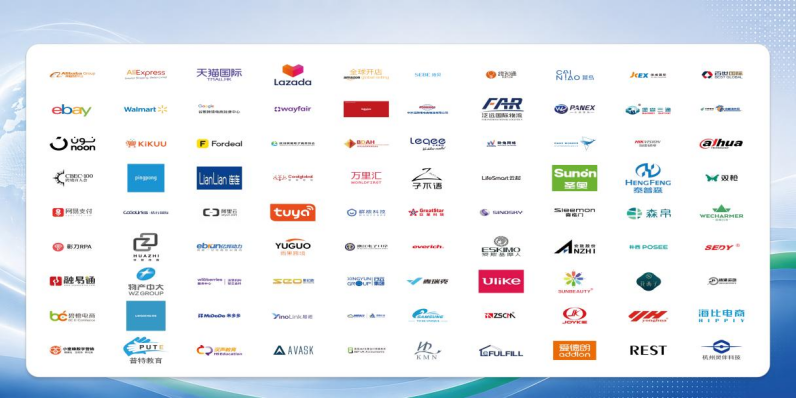
杭州集聚了全国三分之二跨境电商平台,不仅有本土的阿里巴巴国际站、速卖通,也有国际巨头亚马逊、谷歌、eBay等。杭州跨境生态圈不断丰富,支付平台、物流平台等相继形成。在跨境支付赛道,杭州培育了连连、PingPong、珊瑚支付、万里汇等全国第三方跨境支付收款的领军企业,服务全国150万卖家,占据全国四成跨境支付结算额。世界各地的消费者从中国购买的商品,订单很可能是在杭州生成的;在跨境物流赛道,杭州汇聚了菜鸟网络、佳成国际、百世国际等跨境电商物流企业。

2023年,杭州萧山国际机场新增8条国际货运航线,常态运营国际货运航线累计达21条,国际(地区)货邮吞吐量增幅排名位居全国前十。截至2025年末,机场持续织密航空货运网络,全年新增东京、塔什干、俄斯特拉发3 条国际全货机航线,常态化运营国际货运航线增至28条。

跨境电商发展离不开制度创新。10年间,杭州率先推出三批113条制度创新清单,首创“六体系两平台”顶层设计。“六体系”包括信息共享、金融服务、智能物流、电商信用、统计监测和风险防控,“两平台”即线上单一窗口和线下综合园区。以“六体系两平台”为核心的跨境电商杭州经验,多次经国务院常务会议向全国推广。

杭州用数据回答了一个问题:当一座城市成为全国首个跨境电商综试区,它能跑出多快的速度?从跨境电商进出口规模1.2亿到1519亿,十年增长1266倍,这是制度创新驱动的速度;卖家数从200家到6.5万家,增长325倍,是生态集聚力的厚度。

杭州跨境电商发展意义重大,用杭州市商务局党组成员、自贸片区管委会专职副主任武长虹的话来说,就是“十年综试区发展,杭州交出的成绩单,远不止外贸数字的增长。过去国际贸易长期由大型企业垄断,跨境电商彻底打破这道壁垒,让千千万万中小企业平等站上全球贸易舞台。曾经藏在车间默默无闻的中国制造,如今走到全球消费者眼前,本土工厂有机会自主打造品牌、掌握定价权。这份成果不只是杭州的产业答卷,更是属于整个数字贸易时代的标志性变革。”

面对跨境电商发展的下一个十年,杭州将通过加快构建全球跨境电商创新引领策源地、要素资源配置地、营商环境最优地、品牌出海示范地及贸易规则首发地,奋力打造全球一流跨境电商示范中心。跨境电商的新十年,规则在变、市场在变,但杭州的奔跑速度却不会变。

来源:每日商报

本文首发于 亿邦动力 官方网站

文章来源:亿邦动力

广告
微信
朋友圈

FAQ回顾

杭州跨境电商综试区是什么?

杭州跨境电商综试区即中国(杭州)跨境电子商务综合试验区,2015年3月7日经国务院同意设立,是全国首个跨境电商综试区。杭州在此首创“六体系两平台”顶层设计,10年间推出三批113条制度创新清单,相关经验多次经国务院常务会议向全国推广。

杭州跨境电商综试区成立以来增长了多少?

杭州跨境电商进出口规模从综试区设立时的1.2亿元增长到2026年7月的1519.95亿元,十年增长1266倍;卖家数从200余家增至6.5万家,增长325倍,贸易覆盖全球200多个国家和地区。

杭州跨境电商产业生态有哪些代表企业和平台?

杭州集聚了全国三分之二跨境电商平台,既有阿里巴巴国际站、速卖通等本土平台,也有亚马逊、谷歌、eBay等国际平台;跨境支付培育了连连、PingPong、珊瑚支付、万里汇等企业,服务全国150万卖家,占全国四成跨境支付结算额;物流汇聚菜鸟网络、佳成国际、百世国际等。

跨境电商对中小企业有哪些价值?

跨境电商打破国际贸易长期由大型企业垄断的壁垒,让中小企业平等站上全球贸易舞台;本土工厂可自主打造品牌、掌握定价权,使中国制造直接触达全球消费者。杭州综试区十年卖家数从200余家增至6.5万家、增长325倍,体现了这一价值。

跨境电商“六体系两平台”是什么?

“六体系”包括信息共享、金融服务、智能物流、电商信用、统计监测和风险防控;“两平台”指线上单一窗口和线下综合园区。该顶层设计是杭州综试区的制度创新核心,相关杭州经验多次经国务院常务会议向全国推广。

这么好看,分享一下?

朋友圈 分享

APP内打开

赞 +1
+1
微信好友 朋友圈 新浪微博 QQ空间
关闭
收藏成功
发送
/140 0