广告
加载中

乐歌股份半年报:汇兑损失致净利下滑83.43%,独立站收入增速高于第三方平台

亿邦动力 2026-08-31 17:10
亿邦动力 2026/08/31 17:10

邦小白快读

EN
全文速览

本文披露了跨境电商企业乐歌股份2026年半年报核心干货信息,主要内容如下

1.财务方面:上半年实现营收31.79亿元,同比微增1.11%,归母净利润0.21亿元同比降83.43%,利润下滑主要是7784万元汇兑损失导致,剔除汇兑影响后主营业务利润保持正增长。

2.业务方面:核心业务为智能家居和海外仓双轮驱动,两项业务占比接近,各接近五成,智能家居覆盖全价格带,新品人体工学椅占跨境收入25%,海外仓优化运营后毛利率提升,首个自建仓已投入使用。

3.扩张动作:独立站收入增速高于第三方平台,已控股电竞人体工学企业拓展新场景,第二个自建仓预计2027年建成。

本文对出海品牌商有多维度参考干货,核心信息如下

1.品牌与渠道建设:乐歌坚持自主品牌路线,自主品牌占不含海外仓的主营业务收入超八成,采用多元化渠道布局,独立站增速达到20.48%,高于亚马逊等第三方平台,说明多渠道布局,提前布局独立站可对冲第三方平台依赖风险。

2.产品研发与定价:乐歌在保持核心品类优势的同时开拓新品,产品覆盖高中低全价格带,符合不同层级消费者需求,还通过收购切入电竞细分赛道,推动产品从单一品类向多场景解决方案延伸。

3.风险提示:出海品牌需要高度关注汇兑波动风险,本次汇兑损失直接导致乐歌利润大幅下滑,同时线下渠道布局前期存在战略型亏损,需要提前做好资金规划。

本文对出海卖家的风险应对和机会把握有诸多干货,核心内容如下

1.风险提示:汇兑波动是出海卖家需要重点防控的风险,本次乐歌因汇兑损失增加1.24亿元,直接导致归母净利润下滑83.43%,卖家需要提前做好汇兑风险管控措施,避免利润大幅波动。

2.机会提示:当前人体工学智能家居赛道仍保持正增长,其中电竞细分领域需求增长明显,独立站增速远高于第三方平台,卖家可抓住机会布局独立站,切入多场景应用打开增长空间。

3.可学习经验:乐歌通过优化海外仓尾程价格和库内操作提升毛利率,通过自建海外仓进一步降低运营成本,卖家可依托成熟海外仓服务优化自身成本结构,同时拓展多价格带产品覆盖更多用户群体。

本文对出海生产型工厂的业务发展有多方面启示,核心干货如下

1.产品生产设计方向:当前市场对人体工学产品需求已经从单一品类向多场景延伸,除传统升降桌外,人体工学椅、电竞专用人体工学产品需求增长较快,工厂在生产设计端需要覆盖高中低不同价格带,满足不同层级消费者需求,提前布局电竞等细分新赛道。

2.商业机会:目前中大件产品出海对海外仓需求旺盛,乐歌的21个自营海外仓已经服务超2300家外贸企业,说明海外仓服务是一块大市场,有能力的工厂可延伸海外仓服务业务,中小工厂则可和成熟海外仓服务商合作降低物流成本。

3.电商转型启示:工厂做自主品牌出海,布局独立站的增长表现优于第三方平台,可尝试多元化渠道布局降低经营风险。

本文能帮助跨境服务商把握行业需求和发展趋势,核心干货如下

1.行业发展趋势:当前跨境电商出海品牌化趋势明显,越来越多企业做自主品牌,独立站保持高速增长,同时海外仓尤其是中大件海外仓的市场需求持续提升,大量中小外贸企业都有海外仓服务需求,市场空间广阔。

2.客户核心痛点:出海客户目前面临的核心痛点包括汇兑波动侵蚀利润,海外仓运营成本高效率低,线下渠道拓展前期投入大容易亏损,这些都是客户未被完全满足的需求。

3.业务发展方向:服务商可针对性开发相关产品,比如针对出海企业推出汇兑风险管控服务,针对海外仓运营客户推出库内操作优化、尾程成本管控的解决方案,帮助客户提升毛利率,降低运营成本,也可针对品牌线下拓展推出配套支持服务。

本文反映了跨境商家的需求,对平台商调整运营策略有参考价值,核心内容如下

1.商家的核心需求:当前出海品牌商家不满足于只依托第三方平台,越来越重视自主掌控的独立站渠道,同时中大品类商家对低成本、高效率的海外仓服务需求非常强烈,希望能优化尾程成本和库存运营效率。

2.行业现有动态:头部跨境品牌已经开始自主布局海外仓,并且对外开放服务给其他外贸企业,说明现有第三方平台配套的仓储服务还不能完全满足中大件商家的需求,存在市场缺口。

3.平台运营优化方向:平台商可针对性优化招商策略,加大对人体工学智能家居这类增长赛道品牌商家的引入,同时完善配套的海外仓、尾程配送服务体系,帮助商家降低运营成本,也可针对商家多渠道布局的需求,推出适配独立站运营的配套服务,提升商家留存。

乐歌作为头部跨境出海企业,其半年报信息对产业研究有很高的样本价值,核心干货如下

1.产业新动向:当前跨境电商出海呈现三大新特征,一是品牌化趋势明显,头部企业自主品牌占比已经超过八成,二是渠道多元化,独立站增速明显高于第三方平台,成为品牌商家重要增长极,三是商业模式创新,产品业务+海外仓服务双轮驱动的模式越来越成熟,头部企业可依托自身优势对外输出海外仓服务。

2.产业新问题:出海企业面临的新风险凸显,汇兑波动对企业利润的影响极大,本次乐歌汇兑直接导致净利下滑超八成,此外品牌线下出海渠道培育周期长,前期存在战略型亏损,对企业资金实力要求很高。

3.创新商业模式总结:头部企业通过自建海外仓逐步优化成本结构,通过收购细分领域企业快速切入新赛道,这类探索对整个行业都有研究价值。

返回默认
声明:快读内容全程由AI生成,请注意甄别信息。如您发现问题,请发送邮件至 run@ebrun.com 。

我是 品牌商 卖家 工厂 服务商 平台商 研究者 帮我再读一遍。

Quick Summary

This article reveals key takeaways from the 2026 interim report of cross-border e-commerce company Loctek. Below is the core content:

1. Financial performance: The company posted RMB 3.179 billion in revenue in the first half of 2026, a slight year-on-year increase of 1.11%. Its net profit attributable to shareholders fell 83.43% year-on-year to RMB 21 million. The sharp decline was driven by RMB 77.84 million in foreign exchange losses; core business profit maintained positive growth once this one-off impact is excluded.

2. Business structure: The company’s growth is driven by two core pillars—smart home products and overseas warehouse services, each accounting for nearly half of total revenue. Its smart home portfolio covers all price tiers, with new ergonomic chairs contributing 25% of cross-border revenue. After operational optimizations, the overseas warehouse business saw improved gross margins, and the company’s first self-built warehouse has already been put into operation.

3. Expansion initiatives: Revenue from Loctek’s independent D2C site is growing faster than revenue from third-party platforms. It has taken a controlling stake in an esports-focused ergonomic products company to expand into new usage scenarios, and its second self-built overseas warehouse is scheduled for completion in 2027.

This article offers multi-dimensional actionable insights for cross-border brand owners, with key takeaways as follows:

1. Brand and channel building: Loctek has long pursued an original brand strategy, with proprietary brands accounting for more than 80% of core business revenue excluding overseas warehouse services. It has adopted a multi-channel layout, with its independent D2C site growing 20.48% year-on-year—outpacing growth on third-party platforms such as Amazon. This confirms that diversified channel strategy and early investment in independent sites can effectively hedge risks from over-reliance on third-party platforms.

2. Product R&D and pricing: While maintaining advantages in its core product lines, Loctek has expanded into new products with offerings spanning entry-level to premium price tiers to meet the needs of different consumer segments. It has also entered the niche esports segment through acquisition, expanding its portfolio from single-category products to multi-scenario solutions.

3. Risk reminder: Cross-border brands must pay close attention to foreign exchange fluctuation risk. In Loctek’s case, foreign exchange losses directly led to a sharp profit decline. In addition, offline channel expansion tends to generate strategic losses in the early stage, so brands need to plan capital reserves in advance.

This article shares key insights for cross-border sellers on risk management and opportunity capture, with core content as follows:

1. Risk reminder: Foreign exchange volatility is a top risk for cross-border sellers that requires proactive management. In Loctek’s case, increased foreign exchange losses of RMB 124 million directly drove an 83.43% drop in net profit attributable to shareholders. Sellers should implement foreign exchange risk control measures in advance to avoid sharp profit fluctuations.

2. Opportunity outlook: The ergonomic smart home segment is still seeing positive growth, with demand in the niche esports category growing particularly strongly. Growth of independent D2C sites far outpaces that of third-party platforms, so sellers can seize the opportunity to build out their independent site presence and expand into multi-scenario applications to unlock new growth.

3. Actionable takeaways: Loctek improved its gross margins by optimizing last-mile pricing and in-warehouse operations for its overseas warehouses, and further cut operational costs through self-built facilities. Sellers can leverage mature overseas warehouse services to optimize their own cost structures, while expanding product coverage across multiple price tiers to reach a broader consumer base.

This article provides multiple insights for export-focused manufacturing factories, with key takeaways as follows:

1. Product design and development direction: Market demand for ergonomic products has shifted from single categories to multi-scenario applications. Beyond traditional standing desks, demand for ergonomic chairs and esports-specific ergonomic products is growing rapidly. Factories should design products covering all price tiers to meet the needs of different consumer segments, and prepare for entry into fast-growing niche segments such as esports in advance.

2. New business opportunities: Demand for overseas warehouse services for large and medium-sized cross-border products is currently very strong. Loctek’s 21 self-operated overseas warehouses already serve more than 2,300 foreign trade companies, proving that overseas warehouse services represent a large untapped market. Capable factories can expand into this line of business, while small and medium-sized factories can partner with mature overseas warehouse service providers to reduce logistics costs.

3. Insights for e-commerce transformation: For factories building original brands for overseas markets, independent sites deliver stronger growth performance than third-party platforms. Factories should test diversified channel layouts to reduce operational risk.

This article helps cross-border service providers capture industry demand and development trends, with key takeaways as follows:

1. Industry trends: The branding trend in cross-border e-commerce is clearly evident, as a growing number of companies are building original brands and independent D2C sites maintain high growth. At the same time, market demand for overseas warehouses—especially for large and medium-sized products—is continuing to rise. A large number of small and medium-sized foreign trade enterprises have unmet demand for overseas warehouse services, leaving broad market space for service providers.

2. Core customer pain points: Key pain points for cross-border clients include profit erosion from foreign exchange fluctuations, high costs and low efficiency in overseas warehouse operations, and high upfront investment and high risk of losses in early-stage offline channel expansion. All of these represent unmet market needs.

3. Business development direction: Service providers can develop targeted solutions for these pain points. For example, they can launch foreign exchange risk management services for cross-border enterprises, and offer solutions for in-warehouse operation optimization and last-mile cost control for overseas warehouse clients to help improve gross margins and reduce operational costs. They can also develop supporting services to support brands’ offline expansion initiatives.

This article outlines cross-border sellers’ current needs and offers references for marketplace operators to adjust their operational strategies, with core content as follows:

1. Core merchant demand: Today’s cross-border brands are no longer satisfied with relying solely on third-party marketplaces, and are increasingly prioritizing independent D2C channels that they fully control. Meanwhile, merchants selling large and medium-sized products have strong demand for low-cost, high-efficiency overseas warehouse services, and are looking to optimize last-mile costs and inventory operation efficiency.

2. Current industry dynamics: Leading cross-border brands have already started building self-operated overseas warehouses and open these services to other foreign trade companies. This indicates that existing warehousing services provided by third-party marketplaces still cannot fully meet the needs of large and medium-sized product sellers, leaving a clear market gap.

3. Direction for platform optimization: Marketplace operators can adjust their merchant recruitment strategies accordingly, increasing recruitment of brands in growing segments such as ergonomic smart home products. They can also improve supporting systems for overseas warehousing and last-mile delivery to help merchants cut operational costs, and develop supporting services adapted for independent site operations to meet merchants’ demand for multi-channel layout and improve merchant retention.

As a leading cross-border enterprise, Loctek’s interim report offers high sample value for industry research, with key insights as follows:

1. New industry trends: Cross-border e-commerce is currently showing three major new characteristics: First, the branding trend is clear, with original brands accounting for more than 80% of revenue for leading players. Second, channels are diversifying, with independent sites growing notably faster than third-party platforms and becoming a key growth driver for branded brands. Third, business model innovation is accelerating: the dual-driven model of core product business plus overseas warehouse services is maturing, and leading players can export overseas warehouse services to third parties based on their own advantages.

2. Emerging industry challenges: New risks for cross-border enterprises are becoming more prominent, with foreign exchange fluctuations having an extremely large impact on corporate profits. In Loctek’s case, foreign exchange losses directly led to an more than 80% drop in net profit. In addition, cultivating offline channels for cross-border brands requires a long lead time and generates strategic losses in the early stage, placing high requirements on enterprises’ capital strength.

3. Summary of innovative business models: Leading enterprises have gradually optimized their cost structures through self-built overseas warehouses, and quickly entered new niche segments through acquisitions. These explorations have high research value for the entire cross-border e-commerce industry.

Disclaimer: The "Quick Summary" content is entirely generated by AI. Please exercise discretion when interpreting the information. For issues or corrections, please email run@ebrun.com .

I am a Brand Seller Factory Service Provider Marketplace Seller Researcher Read it again.

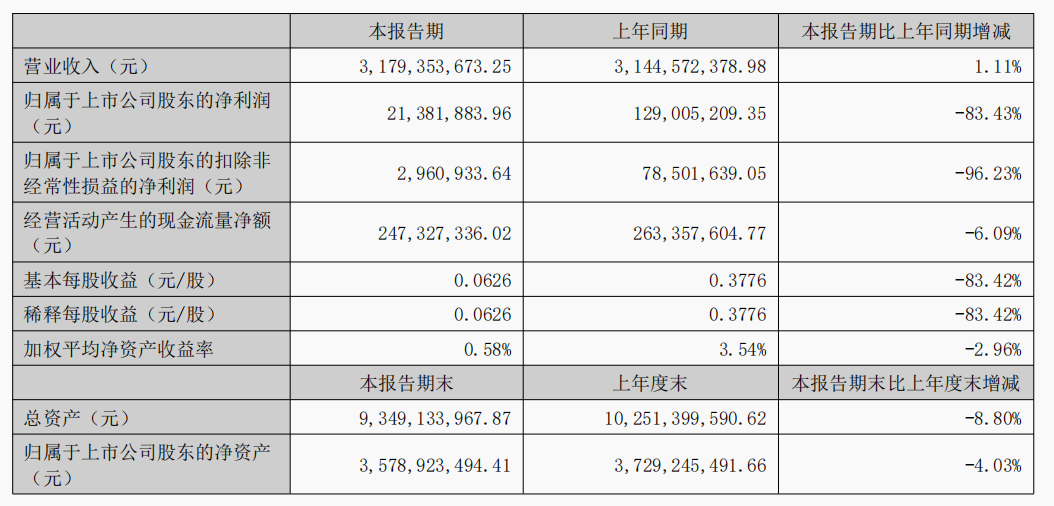
日前,跨境电商企业乐歌人体工学科技股份有限公司(以下简称“乐歌股份”)发布2026年半年度报告。报告期内,乐歌股份实现营业收入31.79亿元,同比微增1.11%;归母净利润为0.21亿元,同比下降83.43%。利润端大幅下滑主要受汇兑损失影响,报告显示,上半年汇兑损失7784.15万元,同比增加1.24亿元汇兑损失,剔除该项影响后,公司主营业务利润较去年同期保持正增长。

上半年,乐歌股份业务亮点主要体现在智能家居业务和海外仓业务的双轮驱动。报告期内,智能家居业务收入16.07亿元,同比增长3.6%,占营收比重50.55%。乐歌股份在保持升降桌优势的同时,开拓新品,产品覆盖高中低不同价格带。以新品类人体工学椅为例,占上半年跨境电商销售收入达25%。

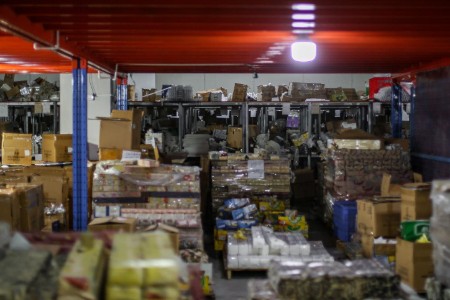
公共海外仓业务收入15.49亿元,占营收比重48.71%,两项核心业务发展较为均衡。报告期末,乐歌股份在全球拥有21个自营海外仓,累计服务2351家外贸企业。通过优化尾程价格和库内操作效率,乐歌股份实现毛利率1.75%的提升。值得关注的是,公司首个自建仓已于6月份投入使用,进一步优化海外仓运营成本,助其稳住中大件海外仓行业领先地位。

乐歌股份目前以自主品牌为核心,自主品牌产品销售收入占主营业务收入(不含海外仓收入)的比例为80.42%。销售渠道呈现多元化特征,主要通过独立站和第三方电商平台销售,并结合线下渠道和部分ODM业务。

在境外线上销售方面,乐歌股份除借助Amazon、Wayfair、Walmart等渠道外,还运营有12个独立站。上半年乐歌股份独立站表现亮眼,独立站销售收入4.95亿元,占跨境电商收入超过4成,增速20.48%,高于亚马逊等第三方平台。但海外线下经销渠道目前处于发展前期,尚存在战略型亏损。

据悉,上半年乐歌股份为拓展电竞领域市场,重金溢价收购专注电竞人体工学产品的苏州亿思贝斯科技有限公司32%股份,以合计52%股份控股亿思贝斯,乐歌股份希望未来借此推动智能家居业务由单一品类向多场景人体工学解决方案延伸。此外,第二个自建仓也将于2027年建成,持续优化仓储成本结构。

本文首发于 亿邦动力 官方网站

文章来源:亿邦动力

广告
微信
朋友圈

FAQ回顾

乐歌股份2026年上半年营收净利情况如何?

2026年上半年,乐歌股份实现营业收入31.79亿元,同比微增1.11%;归母净利润为0.21亿元,同比下降83.43%。利润大幅下滑主要受汇兑损失影响,上半年汇兑损失达7784.15万元,剔除该项影响后,公司主营业务利润较去年同期保持正增长。

乐歌股份核心业务有哪些,发展情况怎么样?

乐歌股份核心业务为智能家居业务和公共海外仓业务,2026年上半年前者收入16.07亿元,占营收比重50.55%,后者收入15.49亿元,占营收比重48.71%,两项核心业务发展较为均衡。截至报告期末,乐歌股份在全球拥有21个自营海外仓,累计服务2351家外贸企业。

乐歌股份跨境电商销售渠道表现如何?

乐歌股份跨境电商销售渠道涵盖第三方平台、独立站等,2026年上半年独立站表现亮眼,销售收入达4.95亿元,占跨境电商收入超过4成,增速达20.48%,高于亚马逊等第三方平台的收入增速。

乐歌股份2026年上半年有哪些重要布局动作?

2026年上半年,乐歌股份首个自建海外仓于6月正式投入使用,同时重金溢价收购苏州亿思贝斯科技有限公司52%股份控股该企业,布局电竞人体工学产品赛道,其第二个自建海外仓预计2027年建成。

这么好看,分享一下?

朋友圈 分享

APP内打开

+1
+1
微信好友 朋友圈 新浪微博 QQ空间
关闭
收藏成功
发送
/140 0