广告
加载中

京东家电家居设立线下事业部 统一整合全渠道线下资源

李金津 2026-08-12 19:23
李金津 2026/08/12 19:23

邦小白快读

EN
全文速览

本文核心信息是京东家电家居事业群完成组织架构调整,成立线下事业部统一整合全渠道线下资源,核心干货整理如下:

1. 渠道整合方面,原来分属不同业务线的两套线下门店体系将实现统一管理,目前高线市场有超210家以京东MALL、京东电器城市旗舰店为主的体验门店,下沉市场有近1.8万家加盟模式的京东家电家居专卖店,覆盖从核心商圈到乡镇的各级市场。

2. 业务调整方面,原线上“超级品牌日”升级为“全渠道超品日”,线下门店正式纳入平台核心营销体系,线下事业部还将承接品牌线下新品发布、场景化陈列等活动,强化线下体验属性。

3. 调整背景方面,本次调整符合监管引导全渠道零售创新的方向,也适配家电家居重体验的品类特征,是京东收拢线下权责的重要布局。

京东本次组织调整为家电家居品牌带来了新的全渠道发展机会,核心干货围绕品牌关注的维度整理如下:

1. 渠道建设方面,京东收拢线下权责后,统一管理覆盖高线到下沉的两套层级化渠道,品牌可以借助京东现成的线下网络,触达城市核心商圈消费者以及县域乡镇的基层市场,快速补全线下渠道布局。

2. 品牌营销方面,原线上专属的大促IP“超级品牌日”升级为全渠道超品日,品牌大促可实现线上线下同步落地,还可依托线下事业部完成新品发布、场景化陈列、线下活动落地,强化品牌的线下体验触达。

3. 趋势层面,当前政策引导全渠道融合,线下体验是家电家居品类的竞争核心,品牌可依托京东的供应链、数字化、物流能力,落地全渠道零售布局,跟上行业消费趋势。

京东成立线下事业部整合全渠道线下资源,给家电家居类卖家带来了新的增长机会与方向,核心干货整理如下:

1. 增长机会层面,京东整合后的线下体系包含超210家高线核心商圈门店和近1.8万家下沉加盟专卖店,覆盖了从一二线城市到乡镇的各级市场,卖家可以借助这套统一体系触达更广客群,挖掘下沉市场新增量。

2. 营销运营层面,原线上大促IP升级为全渠道超品日,卖家的大促活动可在线下门店同步落地,还可在线下开展新品发布、场景体验活动,获取更多线下流量。

3. 资源支持层面,京东会输出自身供应链、数字化、物流履约的核心能力,统一全国线下门店的管理标准,卖家不需要自行搭建线下管理体系,可降低线下运营的成本与难度,提升运营效率。

京东家电家居成立线下事业部整合全渠道资源,对家电家居生产工厂来说,有明确的商业机会与转型启示,核心干货整理如下:

1. 商业机会层面,京东已经搭建好了覆盖高线城市核心商圈到县域乡镇的完整线下网络,合计拥有接近1.82万家线下门店,工厂可以借助这套统一的全渠道体系,把产品触达更广泛的消费群体,尤其是挖掘下沉市场的消费需求,拓展产品销量。

2. 产品生产设计需求层面,此次调整后线下会强化场景化陈列与体验属性,工厂可以围绕不同的线下使用场景,开发适配的产品,结合场景需求优化产品设计,更贴合消费者的实际体验需求。

3. 数字化转型启示,当前政策引导全渠道零售创新,线上线下融合是行业大方向,工厂可以对接京东的全渠道体系,借助京东的数字化、供应链能力,推进自身的电商化与数字化转型,对接C端需求提升运营效率。

京东此次组织调整反映了家电家居零售行业的发展趋势,也给各类零售相关服务商带来了参考信息与业务机会,核心干货整理如下:

1. 行业发展趋势层面,当前监管部门持续引导零售业全渠道创新,支持线上线下打通与线下实体升级,而家电家居品类本身具备重体验、重交付、重售后的特征,线下渠道已经成为平台与品牌的核心竞争环节,全渠道融合是明确的行业发展方向。

2. 客户痛点层面,此前家电家居品牌与卖家的线下渠道分散管理,线上营销无法落地到线下,线下体验场景不足,全渠道运营效率低,存在统一整合资源、打通线上线下链路的明确需求。

3. 业务机会层面,京东整合后需要大量线下运营、营销落地、场景搭建、数字化管理相关的配套服务,服务商可以对接京东线下事业部以及合作品牌的需求,推出对应的解决方案,拓展自身的业务空间。

京东家电家居整合线下资源成立线下事业部的动作,对其他零售平台来说,有不少战略与运营层面的参考价值,核心干货整理如下:

1. 行业风向层面,当前政策明确支持线上线下打通、多场景运营、线下实体升级,家电家居品类的竞争核心已经转向线下覆盖能力与体验场景,全渠道融合是必然的行业风向,平台需要及时调整战略布局跟上趋势,规避错失风口的风险。

2. 商家需求层面,当前品牌与卖家普遍有全渠道营销、线下活动落地、场景化获客的需求,原来分散的线下渠道管理模式无法满足这类需求,需要平台统一整合资源输出标准化服务。

3. 运营管理参考,京东采用分层级的渠道体系,高线市场做核心商圈大型体验店,下沉市场做加盟模式的专卖店做广覆盖,再通过成立统一事业部收拢权责、统一管理标准的模式,解决了多线分散管理的效率问题,这套模式可为其他平台布局线下提供参考。

本次京东家电家居的组织调整,是我国家电家居零售行业全渠道融合发展的新动向,对产业研究来说有较多值得关注的内容,核心干货整理如下:

1. 产业新动向方面,当前家电家居零售行业已经从早期的线上渗透,转向线上线下深度融合的新阶段,头部平台开始收拢线下权责,将原本分散在不同业务线的线下资源整合统一,推动线下业态向标准化、规模化方向迭代。

2. 商业模式创新方面,本次调整推出了新的全渠道零售商业模式,将原有的线上专属营销IP扩容到全渠道,线下门店正式纳入平台核心营销体系,同时由统一事业部承接品牌全渠道线下落地需求,形成了“统一管理+全链路协同”的全渠道零售新范式。

3. 研究价值方面,本次调整是政策引导零售创新结合品类自身特征催生的变革,为研究互联网平台线下渠道整合、零售全渠道模式演变提供了最新的典型案例,也为研究零售产业组织结构变化提供了新的研究样本。

返回默认
声明:快读内容全程由AI生成,请注意甄别信息。如您发现问题,请发送邮件至 run@ebrun.com 。

我是 品牌商 卖家 工厂 服务商 平台商 研究者 帮我再读一遍。

Quick Summary

This article covers the recent organizational restructuring of JD.com’s Home Appliances and Home Furnishings Business Group, which established a new offline business unit to unify all of the group’s offline omni-channel resources. Key takeaways are as follows:

1. Channel integration: Two previously separate offline store networks, split across different business lines, will now be brought under unified management. Currently, the group operates over 210 experience-focused stores in upper-tier markets, primarily JD MALL and JD Electronics City Flagship Stores, alongside nearly 18,000 franchised JD Home Appliances & Home Furnishing Specialty Stores in lower-tier and下沉 markets, covering every market tier from core urban business districts to townships.

2. Business adjustment: JD’s original online-only "Super Brand Day" promotion has been upgraded to an omni-channel Super Brand Day, with offline stores now formally integrated into the platform’s core marketing system. The new offline business unit will also host brand offline new product launches and develop scenario-based in-store displays to strengthen offline experience capabilities.

3. Background: This restructuring aligns with regulators’ guidance to promote omni-channel retail innovation, and fits the experience-heavy nature of the home appliance and home furnishing category. It is a key strategic move for JD to consolidate authority and responsibility for its offline operations.

JD.com’s recent organizational restructuring creates new omni-channel development opportunities for home appliance and home furnishing brands. Key takeaways tailored to brands are as follows:

1. Channel development: After consolidating offline authority, JD now manages two tiered channel networks covering upper-tier to下沉 markets. Brands can leverage JD’s established offline footprint to reach consumers in core urban business districts and grassroots consumers in counties and townships, rapidly completing their offline channel layout.

2. Brand marketing: The original online-exclusive "Super Brand Day" promotion IP has been upgraded to an omni-channel offering, enabling brands to run promotional campaigns simultaneously across online and offline channels. Brands can also leverage the new offline business unit to host new product launches, build scenario-based displays, and execute offline events to strengthen experiential consumer engagement offline.

3. Trend alignment: Current policy encourages omni-channel integration, and offline experience is the core competitive advantage for the home appliance and home furnishing category. Brands can leverage JD’s supply chain, digital tools and logistics capabilities to build out their omni-channel retail footprint and keep pace with evolving consumer trends.

JD.com’s establishment of a unified offline business unit to integrate omni-channel offline resources brings new growth opportunities and directions for home appliance and home furnishing sellers. Key takeaways are as follows:

1. Growth opportunities: JD’s integrated offline network includes over 210 stores in core business districts of upper-tier cities and nearly 18,000 franchised specialty stores in下沉 markets, covering every market tier from first- and second-tier cities to rural townships. Sellers can leverage this unified system to reach a broader customer base and unlock new growth in下沉 markets.

2. Marketing and operations: The original online promotion IP has been upgraded to an omni-channel Super Brand Day, allowing sellers to roll out promotional campaigns simultaneously in offline stores. Sellers can also host new product launches and experiential scenario events offline to capture more offline traffic.

3. Resource support: JD will share its core capabilities in supply chain, digitalization and logistics fulfillment, and unify management standards for offline stores nationwide. Sellers do not need to build their own offline management system, which reduces the cost and complexity of offline operations and improves operational efficiency.

The establishment of a unified offline business unit by JD.com’s Home Appliances and Home Furnishings division brings clear commercial opportunities and transformation insights for home appliance and home furnishing manufacturers. Key takeaways are as follows:

1. Commercial opportunities: JD has already built a complete offline network spanning core business districts of upper-tier cities to county and township markets, totaling nearly 18,200 offline stores. Manufacturers can leverage this unified omni-channel system to reach a far broader consumer base, particularly tapping into consumer demand in下沉 markets to expand product sales.

2. Product design and development: Following the restructuring, offline operations will place greater emphasis on scenario-based display and experiential engagement. Manufacturers can develop products tailored to different offline usage scenarios and optimize product design based on scenario-specific needs to better align with consumers’ actual experience requirements.

3. Digital transformation insights: Current policy encourages omni-channel retail innovation, and online-offline integration is the clear industry-wide direction. Manufacturers can connect to JD’s omni-channel system, leverage JD’s digital and supply chain capabilities to advance their own e-commerce and digital transformation, align operations directly with end-consumer demand, and improve operational efficiency.

JD.com’s recent organizational restructuring reflects broader trends in the home appliance and home furnishing retail industry, and offers reference insights and new business opportunities for retail-related service providers. Key takeaways are as follows:

1. Industry development trends: Regulators are continuously guiding the retail industry to pursue omni-channel innovation, supporting online-offline connectivity and offline physical retail upgrading. The home appliance and home furnishing category is inherently experience-, delivery- and after-sales-intensive, so offline channels have become a core competitive battleground for platforms and brands alike, making omni-channel integration the clear industry direction.

2. Customer pain points: Previously, brands and sellers managed fragmented offline channels, online marketing could not be extended to offline, offline experience scenarios were insufficient, and omni-channel operational efficiency remained low. There is clear unmet demand for unified resource integration and connected online-offline operational workflows.

3. Business opportunities: Following its integration, JD has strong demand for supporting services related to offline operations, marketing execution, scenario building and digital management. Service providers can align with the needs of JD’s new offline business unit and its partner brands, launch targeted solutions, and expand their own business scope.

JD.com’s move to integrate offline resources and establish a unified offline business unit offers significant strategic and operational reference value for other retail platforms. Key takeaways are as follows:

1. Industry direction: Current policy explicitly supports online-offline connectivity, multi-scenario operations and offline physical retail upgrading. The core of competition in the home appliance and home furnishing category has shifted to offline coverage and experiential scenarios, making omni-channel integration an inevitable industry trend. Platforms need to adjust their strategic layouts in a timely manner to keep pace with the trend and avoid missing out on this opportunity.

2. Merchant demand: Brands and sellers now have widespread demand for omni-channel marketing, offline event execution and scenario-based customer acquisition. The old fragmented offline channel management model cannot meet these demands, so platforms need to unify integrated resources and provide standardized services.

3. Operational management reference: JD has adopted a tiered channel structure: it builds large experience stores in core business districts of upper-tier markets, and uses franchised specialty stores to achieve broad coverage in下沉 markets. By establishing a unified offline business unit to consolidate authority and standardize management, JD has solved the efficiency problems caused by fragmented multi-line management. This model offers a valuable reference for other platforms looking to build out their offline footprints.

The recent organizational restructuring of JD.com’s Home Appliances and Home Furnishings division represents a new development in the omni-channel integration trend of China’s home appliance and home furnishing retail industry, and offers multiple points of interest for industry research. Key takeaways are as follows:

1. New industry trends: China’s home appliance and home furnishing retail industry has moved beyond the early stage of online penetration, and entered a new phase of deep online-offline integration. Leading platforms have started consolidating authority for offline operations, integrating offline resources previously split across multiple business lines into a unified structure, driving the standardization and scaling of offline retail formats.

2. Business model innovation: This restructuring introduces a new omni-channel retail business model: it expands the original online-exclusive marketing IP to cover all channels, formally integrates offline stores into the platform’s core marketing system, and tasks a unified business unit with fulfilling brands’ omni-channel offline execution needs. This has formed a new omni-channel retail paradigm of "unified management + end-to-end operational coordination".

3. Research value: This restructuring is a transformation driven by the combination of policy guidance for retail innovation and the inherent characteristics of the home appliance and home furnishing category. It provides a latest, typical case study for research into offline channel integration by internet platforms and the evolution of omni-channel retail models, as well as a new research sample for studying changes in the industrial organizational structure of the retail sector.

Disclaimer: The "Quick Summary" content is entirely generated by AI. Please exercise discretion when interpreting the information. For issues or corrections, please email run@ebrun.com .

I am a Brand Seller Factory Service Provider Marketplace Seller Researcher Read it again.

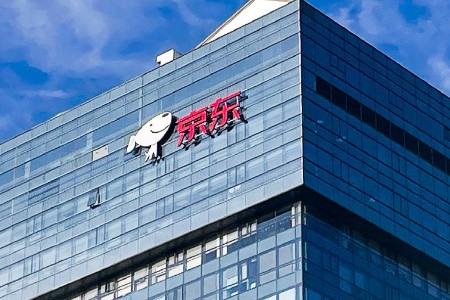
【亿邦原创】亿邦动力获悉,京东家电家居事业群日前完成一轮组织架构与业务调整,成立线下事业部。调整后,京东五星电器、家电家居全渠道业务部纳入该部门统一管理。新部门对线下门店体系、全渠道业务链路集中整合,统筹推进线下业态运营与线上线下协同。该调整是京东在家电家居线下渠道的一次集中权责收拢。

目前,京东家电家居线下门店体系分为两套层级化渠道体系。高线市场以京东MALL、京东电器城市旗舰店为主,聚焦城市核心商圈,融合家电、家居、3C品类做线下体验门店,现有门店数量超210家。下沉市场以加盟模式为主,县域、乡镇市场布局近1.8万家京东家电家居专卖店,主打基层市场覆盖。两套门店体系此前分属不同业务线,本次调整将实现体系统一管理。

业务层面,京东对原有营销IP进行渠道扩容,将原线上“超级品牌日”升级为“全渠道超品日”。这意味着,家电家居品牌的平台大促活动不再局限于线上场景,京东全系线下门店将同步参与营销落地,线下门店正式纳入平台核心营销体系。同时,线下事业部后续将承接品牌线下新品发布、场景化陈列、线下活动落地等职能,强化线下门店的体验与场景属性。

从行业背景来看,监管及主管部门近年持续引导零售业全渠道创新,支持企业推进线上线下打通、多场景运营、线下实体升级。家电家居品类具备重体验、交付以及售后的特征,线下渠道的覆盖能力与体验场景,仍是平台与品牌竞争的核心环节。

据了解,京东新晋线下事业部将依托供应链、数字化、物流履约等核心能力,打通线上线下流量、业态与运营体系,对内统一全国线下门店管理标准,对外为品牌提供全渠道零售解决方案,推动家电家居线下业态标准化和规模化迭代。

亿邦持续追踪报道该情报,如想了解更多与本文相关信息,请扫码关注作者微信。

文章来源:亿邦动力

广告
微信
朋友圈

FAQ回顾

京东家电家居线下事业部的核心职能是什么?

该部门统一管理京东五星电器、家电家居全渠道业务部,整合线下门店体系与全渠道业务链路,统筹线下业态运营与线上线下协同,还承接品牌线下新品发布、场景化陈列、活动落地等职能,为品牌提供全渠道零售解决方案。

京东家电家居线下门店布局情况是怎样的?

高线市场以超210家位于城市核心商圈的京东MALL、京东电器城市旗舰店为主,融合家电、家居、3C品类打造线下体验场景;下沉市场以加盟模式布局近1.8万家县域乡镇级京东家电家居专卖店,覆盖基层市场。

京东家电家居成立线下事业部后营销活动有什么调整?

京东将原线上“超级品牌日”升级为“全渠道超品日”,家电家居品牌平台大促不再局限于线上场景,京东全系线下门店将同步参与营销落地,线下门店正式纳入平台核心营销体系。

家电家居行业为什么重视线下渠道建设?

家电家居品类具备重体验、重交付、重售后的特征,线下渠道的覆盖能力与体验场景是平台与品牌竞争的核心环节,同时监管部门也在持续引导零售业全渠道创新,支持线下实体升级。

这么好看,分享一下?

朋友圈 分享

APP内打开

赞 +1
+1
微信好友 朋友圈 新浪微博 QQ空间
关闭
收藏成功
发送
/140 0