广告
加载中

机器人掌勺、AI算法炒菜?吉利食堂七鲜小厨开业大排长龙

龚作仁 2026-08-06 16:49
龚作仁 2026/08/06 16:49

邦小白快读

EN
全文速览

本次文章核心介绍了京东旗下七鲜小厨进驻吉利控股总部食堂,采用AI加机器人炒菜引发员工排队热潮的事件,干货内容如下

1. 产品体验方面,七鲜小厨采用自研AI菜谱库,智能炒菜机器人将每道菜的火候、投料、调味全部数字化标准化,既保证口味稳定统一,又保留现炒锅气,能还原各地家乡风味,满足不同地域员工的口味需求

2. 食品安全方面,所有食材采用优质净菜每日冷链配送,核心供应商信息公开公示,机器人现场炒制实现全程透明,从源头到制作都能保障安全

3. 菜品配置上,档口提供约50道菜品,每日更新每周轮换,后续还计划推出吉利专属定制菜品

本次事件为餐饮品牌开拓新赛道提供了可参考的实操案例,核心干货总结如下

1. 渠道建设创新:七鲜小厨跳出传统堂食、商超零售等场景,开拓大型企业团餐新赛道,本次进驻吉利总部是其布局该赛道的重要里程碑,未来计划拓展更多世界500强企业客户

2. 合作模式创新:采用“企业免租金、小厨全自营”的创新模式,契合企业推进数字化智能化转型的需求,大幅降低了企业的合作门槛,更容易获得B端客户认可

3. 产品研发贴合消费趋势:抓住企业员工对高品质工作餐、个性化家乡口味的消费需求,通过标准化智能出品稳定口味,定期更新菜品还可推出企业专属菜品,契合当前消费升级趋势

对于餐饮类卖家来说,本次事件透露了新的市场机会和可借鉴的经验,核心干货如下

1. 增长市场机会:大型企业团餐是当前值得开拓的增量市场,很多企业有提升员工餐饮品质、落地内部智能化转型的需求,市场缺口较大,发展空间充足

2. 可学习的商业模式与合作方式:“企业免租金、全自营”的模式降低了企业合作的阻力,更容易切入市场,同时依托智能化运营可以控制成本、稳定出品,解决传统团餐的诸多痛点

3. 机会提示:主打高品质和食品安全,公开供应链信息、透明化制作过程,十分契合当下消费者对餐饮安全的重视,更容易获得用户认可,头部企业团餐赛道未来还有很大拓展空间

对于各类制造工厂和相关产品生产企业来说,本次事件带来不少数字化转型和商业机会层面的启示,核心内容如下

1. 数字化转型启示:企业的数字化智能化转型不一定只局限在核心生产环节,也可以落地到后勤服务等内部场景,吉利将智能制造理念落地到员工食堂,既契合整体转型战略,也有效提升了员工满意度

2. 产品生产设计启示:面向B端企业的产品和服务,需要贴合企业整体战略方向,智能化一体化的解决方案更容易获得企业客户的青睐

3. 商业机会提示:智能烹饪机器人已经实现商业化落地,进入企业团餐场景,未来市场对这类智能餐饮设备的需求会逐步提升,相关生产工厂可提前布局适配市场需求

对于餐饮相关服务商来说,本次事件反映了行业发展趋势和客户痛点,可参考的干货内容如下

1. 行业发展趋势:“AI+Robot”智能化餐饮是未来团餐行业的明确发展方向,传统团餐正在从粗放式管理向标准化、智能化方向升级,企业团餐赛道的市场需求在不断增长

2. 核心客户痛点:传统企业团餐普遍存在管理粗犷、出品不稳定、口味差、食品安全无保障的问题,企业需要既能提升员工满意度,又契合自身数字化转型方向的整体解决方案

3. 可复制的解决方案:通过自研数字化菜谱标准化烹饪流程,结合公开供应链信息、透明化制作解决食品安全痛点,依托成熟供应链保障食材品质,这套方案可复制推广到更多团餐项目中

对于餐饮平台商来说,本次事件透露了餐饮品牌的需求,也提供了运营拓展的参考,核心干货如下

1. 品牌需求:当前很多餐饮品牌正在不断开拓新的聚合消费场景,从原来分散的线下门店场景,转向大型企业食堂这类高聚合的场景,需要平台提供供应链、运营等多维度的支持

2. 可参考的运营做法:依托平台的供应链优势,打出智能化出品、食品安全透明化的卖点,同时采用“企业免租金、全自营”的轻门槛合作模式,契合B端企业和C端员工的双重需求,更容易打开市场

3. 业务拓展方向:团餐赛道智能化升级是未来的明确风向,平台可针对性招商引入这类智能餐饮品牌,拓展企业服务板块的业务,打造新的业绩增长点

对于产业研究者来说,本次事件反映了团餐产业的新动向,提供了新的研究样本,核心干货如下

1. 产业新动向:国内团餐产业正在开启新一轮智能化升级,传统团餐的粗放运营模式正在被标准化、数字化的智能模式取代,同时头部企业内部团餐成为餐饮品牌新的拓展方向,产业边界正在不断拓展

2. 商业模式创新:七鲜小厨推出的“企业免租金、小厨全自营”合作模式,结合“AI+Robot”智能餐饮一体化方案,既解决了传统团餐的核心痛点,也降低了企业的合作成本,实现了品牌方与企业方的双赢

3. 研究价值:这种依托互联网企业供应链优势,智能化餐饮切入企业团餐的模式可复制性强,未来有望成为团餐领域的主流商业模式之一,也为传统产业数字化转型落地非生产场景提供了新的研究样本

返回默认
声明:快读内容全程由AI生成,请注意甄别信息。如您发现问题,请发送邮件至 run@ebrun.com 。

我是 品牌商 卖家 工厂 服务商 平台商 研究者 帮我再读一遍。

Quick Summary

This article covers the recent opening of 7Fresh Kitchen, a concept under JD.com, at Geely Holding’s headquarters cafeteria. The unit uses AI-powered cooking robots, which have already sparked a dining rush among Geely employees. Key takeaways are as follows:

1. Product experience: 7Fresh Kitchen leverages an in-house developed AI recipe library, where smart cooking robots digitalize and standardize every step of cooking, from heat control to ingredient adding and seasoning. The process delivers consistent flavors while retaining the freshly-cooked taste of wok-seared dishes, and can replicate regional hometown flavors to meet the diverse preferences of employees from different areas.

2. Food safety: All ingredients are high-quality pre-cleaned produce delivered daily via cold chain. Core supplier information is publicly disclosed, and on-site robot cooking makes the entire process fully transparent, ensuring food safety from sourcing to preparation.

3. Menu offering: The outlet serves around 50 dishes, with daily updates and weekly rotations. It also plans to roll out customized dishes exclusive to Geely in the future.

This opening provides a actionable case study for F&B brands looking to expand into new segments. Key insights are summarized below:

1. Innovative channel development: 7Fresh Kitchen has stepped beyond traditional dine-in and supermarket retail scenarios to enter the new corporate catering segment, and its launch at Geely’s headquarters marks a key milestone in this布局. It plans to on board more Fortune 500 clients going forward.

2. Innovative partnership model: Its "zero rent for enterprises, fully self-operated by 7Fresh Kitchen" model aligns with enterprises’ demand for digital and intelligent transformation, drastically lowering cooperation barriers and making it more attractive to B2B clients.

3. Product development aligned with consumer trends: It caters to corporate employees’ demand for high-quality work meals and personalized hometown flavors. Standardized intelligent production delivers consistent taste, while regular menu updates and the option of enterprise-exclusive dishes fit the current trend of consumption upgrading.

For food and beverage sellers, this event reveals new market opportunities and actionable lessons. Key takeaways are as follows:

1. Growing market opportunities: Large-scale corporate catering is an underpenetrated growth market worth exploring. Many enterprises are looking to improve employee dining quality and implement internal intelligent transformation, leaving significant market gap and room for growth.

2. Replicable business model and cooperation approach: The "zero rent for enterprises, fully self-operated" model lowers cooperation barriers for corporate clients, making market entry much easier. Meanwhile, intelligent operation helps control costs and deliver consistent output, solving many pain points of traditional corporate catering.

3. Opportunity outlook: Focusing on high quality and food safety, disclosing supply chain information and making production transparent aligns well with consumers’ current emphasis on dining safety, helping brands win user trust. The large enterprise corporate catering segment still has substantial room for expansion.

For manufacturing facilities and related product producers, this event offers valuable insights on digital transformation and new business opportunities. Key takeaways are as follows:

1. Insights on digital transformation: A company’s digital and intelligent transformation does not have to be limited to core production links—it can also be implemented in internal scenarios such as back-office services. Geely has applied its smart manufacturing concept to its employee cafeteria, which aligns with its overall transformation strategy and effectively improves employee satisfaction.

2. Insights on product design and development: B2B products and services need to align with clients’ overall strategic goals; intelligent and integrated solutions are far more likely to win favor from corporate customers.

3. New business opportunities: Intelligent cooking robots have already achieved commercial adoption in corporate catering scenarios. Market demand for this type of smart catering equipment will grow gradually going forward, and related manufacturers can get a head start on布局 to match market demand.

For catering-related service providers, this event reflects clear industry trends and core client pain points, with the following actionable takeaways:

1. Industry development trend: "AI+Robot" intelligent catering is a clear growth direction for the future corporate catering industry. Traditional catering is upgrading from extensive management to standardized, intelligent operations, and market demand in the enterprise catering segment is continuing to grow.

2. Core client pain points: Traditional enterprise catering generally suffers from extensive management, inconsistent food output, poor flavor, and unguaranteed food safety. Enterprises are looking for integrated solutions that can both improve employee satisfaction and align with their own digital transformation goals.

3. Replicable solution: Standardizing cooking processes via self-developed digital recipes, addressing food safety concerns through open supply chain information and transparent production, and guaranteeing ingredient quality via established supply chains—this full set of solutions can be replicated and scaled to more corporate catering projects.

For catering platform operators, this event reveals unmet demands from catering brands and offers reference for operation and expansion. Key takeaways are as follows:

1. Brand demands: Many catering brands are now expanding into new high-density consumption scenarios, shifting from scattered offline store locations to concentrated spaces such as large corporate cafeterias. They require multi-faceted support from platforms in supply chain, operation and other areas.

2. Reference operational practices: Leveraging the platform’s supply chain advantages, building brand appeal around intelligent output and transparent food safety, and adopting the low-barrier "zero rent for enterprises, fully self-operated" cooperation model meets the dual demands of B2B enterprises and B2C employees, making it easier to open up new markets.

3. Business expansion direction: Intelligent upgrading of the corporate catering segment is a clear future trend. Platforms can proactively attract these intelligent catering brands through targeted recruitment, expand their enterprise service business, and cultivate new growth drivers.

For industry researchers, this event reflects new trends in the corporate catering industry and provides a fresh research sample. Key observations are as follows:

1. New industry trends: China’s corporate catering industry is entering a new round of intelligent upgrading. The extensive operation model of traditional catering is being replaced by standardized, digital intelligent models. At the same time, in-house catering at large leading enterprises has become a new expansion direction for catering brands, and industry boundaries are continuing to expand.

2. Business model innovation: 7Fresh Kitchen’s "zero rent for enterprises, fully self-operated by 7Fresh" cooperation model, paired with an integrated "AI + Robot" intelligent catering solution, solves core pain points of traditional corporate catering and lowers cooperation costs for enterprises, creating a win-win outcome for both the brand and the host company.

3. Research value: This model, which leverages an internet company’s supply chain advantages and uses intelligent catering to enter the corporate catering market, is highly replicable. It is expected to become one of the mainstream business models in the corporate catering space, and also provides a new research sample for digital transformation of traditional industries in non-production scenarios.

Disclaimer: The "Quick Summary" content is entirely generated by AI. Please exercise discretion when interpreting the information. For issues or corrections, please email run@ebrun.com .

I am a Brand Seller Factory Service Provider Marketplace Seller Researcher Read it again.

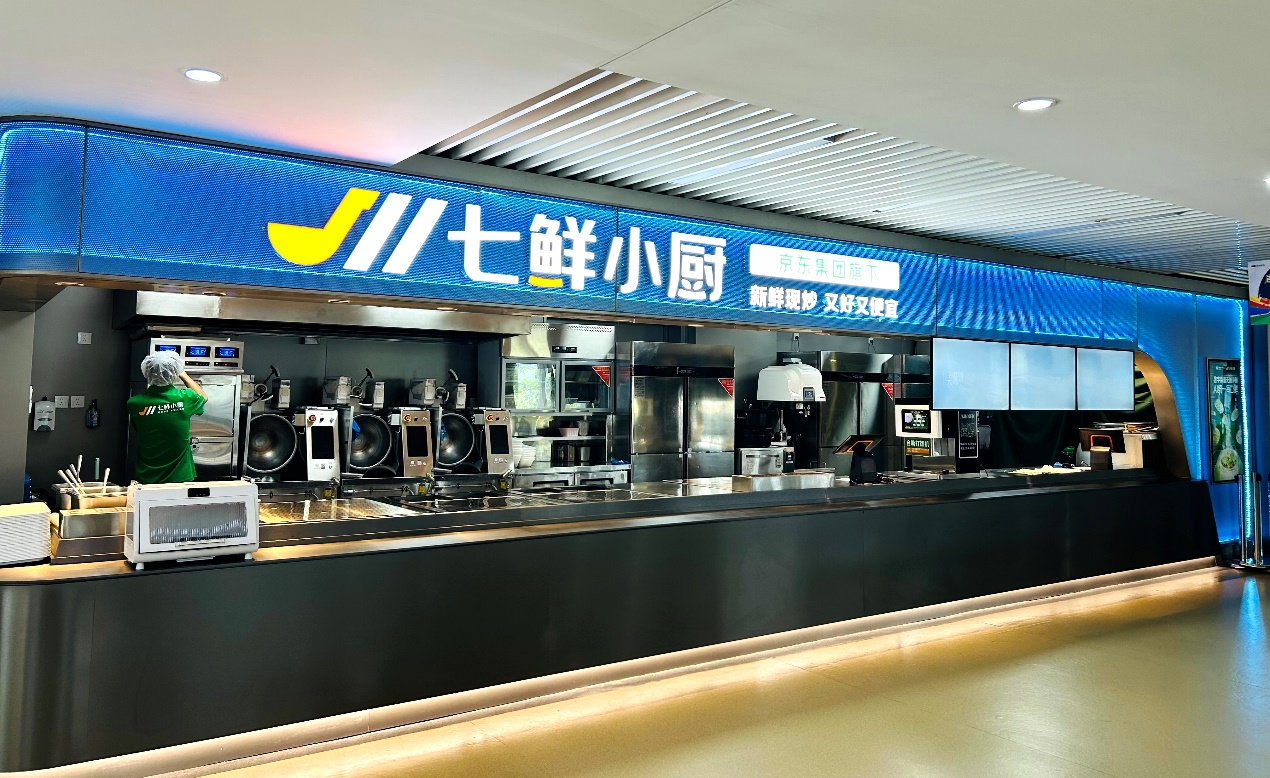
刚过中午11点半,吉利控股集团总部七鲜小厨的门店前就排上了长队,最近在吉利内部掀起一阵风潮,来吃七鲜小厨。除了部分受饭搭子带动的顾客,还有些是在七鲜小厨外卖的老用户。湖南人Jill是吉利市场部的员工,之前会点七鲜小厨的外卖当晚餐,现在她可以在食堂直接吃到刚出锅的辣椒炒肉。“肉片嫩、辣椒香,和我在老家吃到的味道一模一样,而且边排队边看到机炒菜机器人现炒,绝对的眼见为实”,Jill说。

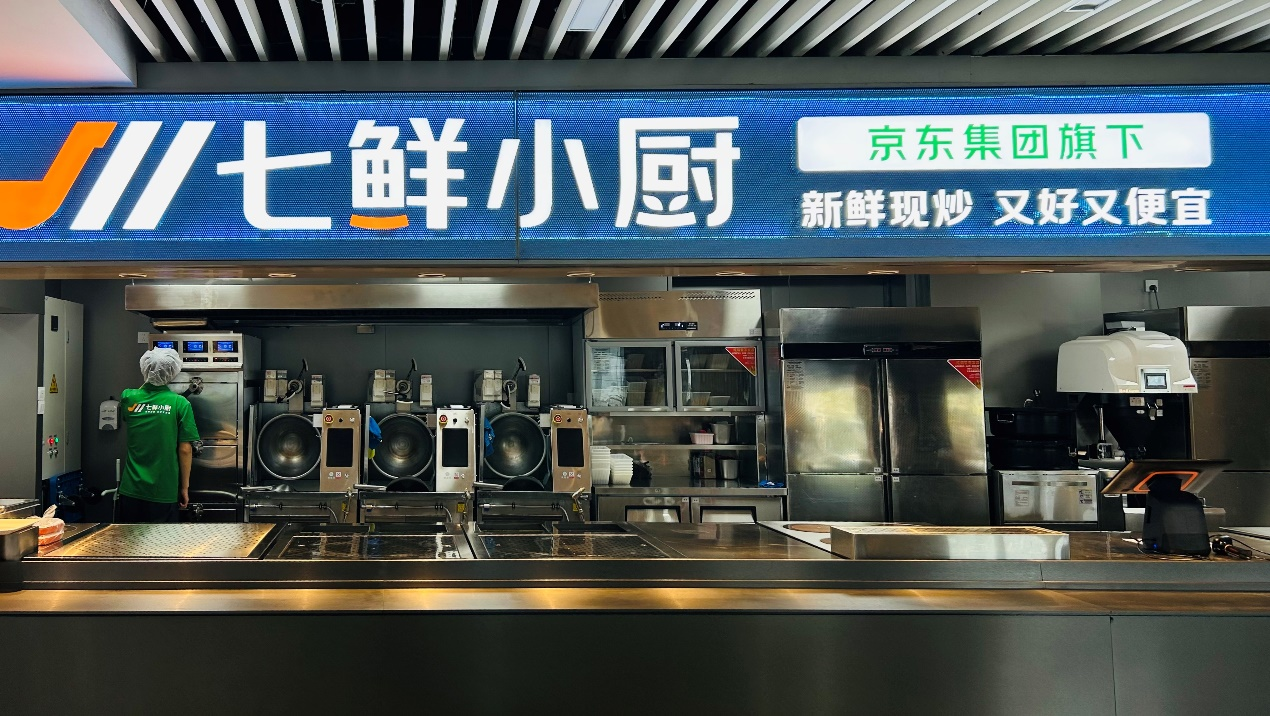
7月31日,京东旗下品质餐饮品牌七鲜小厨正式进驻吉利控股集团总部食堂,这是七鲜小厨布局企业餐饮赛道的重要里程碑。双方采用"企业免租金、小厨全自营" 的创新合作模式,以市场化运营为企业员工提供新鲜现炒的餐饮服务。

作为中国汽车制造业的领军企业,吉利控股集团正加速推进智能制造转型战略。此次携手七鲜小厨,也是因其"AI+Robot" 智能餐饮一体化方案与企业的转型战略完美契合。吉利控股集团行政工作人员说,“此时引进七鲜小厨,正是吉利智能制造理念在企业后勤场景的落地实践。标准化制作的炒菜机器人,叠加京东的供应链管理能力和小厨的食品安全管控,让员工在企业福利之内吃到更高品质的工作餐,增加员工满意度、幸福感。”

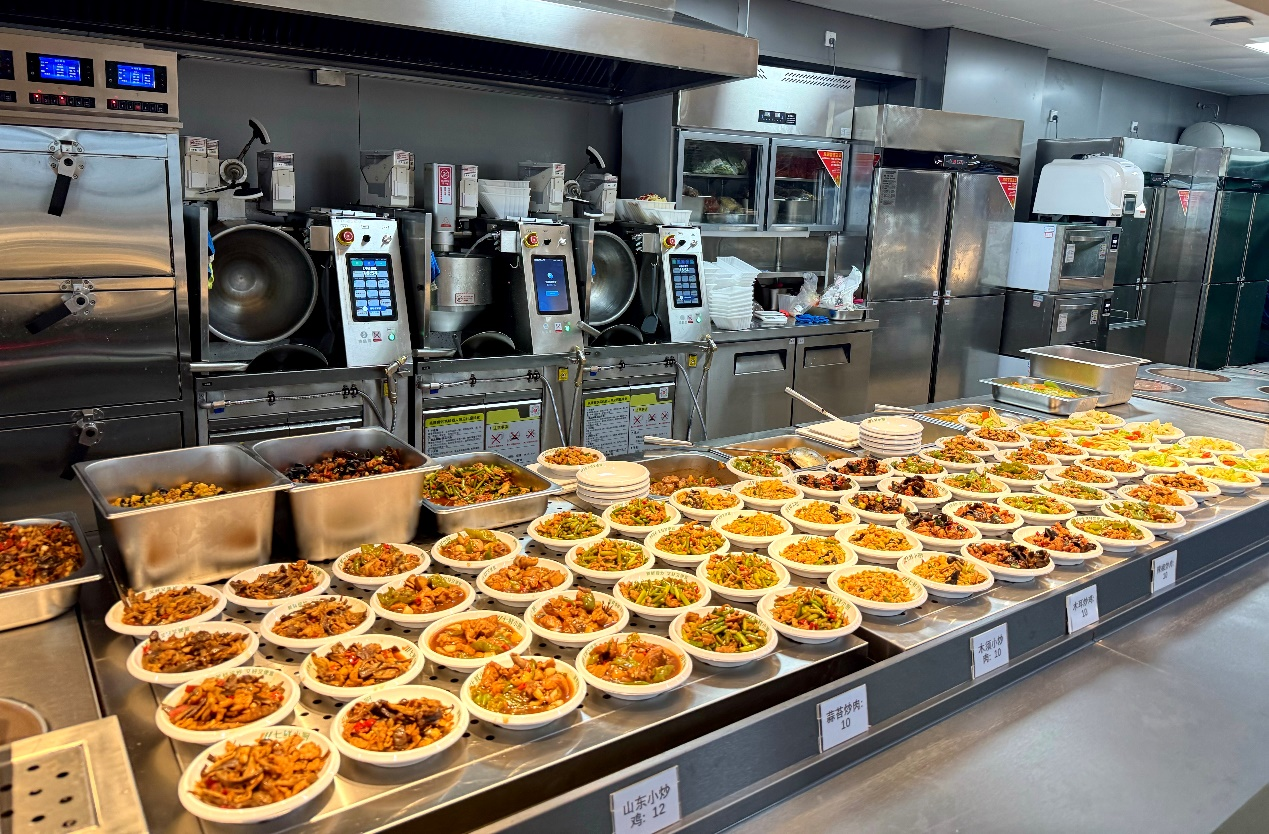
在菜品制作上,"AI+Robot" 解决了传统企业食堂管理粗犷、“大锅乱炖”、菜品出品不稳定、食品安全堪忧的核心痛点,七鲜小厨依托自研的AI菜谱库,智能炒菜机器人将每道菜的火候、投料、调味全部数字化、标准化,既保证了每一份家常小炒口味的始终如一,又保留了现炒的锅气和温度。

吉利大厦食堂的七鲜小厨档口提供约50道菜品,每日更新、每周轮换,七鲜小厨热销的辣椒炒肉、酸萝卜牛肉等菜品悉数在列。菜品按照固定周期研发上新,后续还计划推出吉利专属菜品,结合节日节气、主题特色更新,未来还将用炒菜机器人还原各地家乡味,让来自不同地域的员工在公司食堂也能吃到“家的味道"。

除了智能化出品,食品安全是七鲜小厨的另一亮点。延续七鲜小厨的品牌基因,新鲜现炒,所有食材选用优质净菜、每日冷链配送到后厨,从源头保障安全;食材公示方面,福临门非转基因一级大豆油、十月稻田大米、正大集团肉禽等核心供应商名单在店内公示;外加员工就餐时看得见的炒菜机器人现场炒制,真正实现食材、烹饪、后厨三重透明。

七鲜小厨是京东集团2025年7月推出的合营品质餐饮制作平台,依托成熟供应链与标准化运营体系,门店已覆盖北京、上海、广州、深圳等一线、新一线城市,全面打通外卖、到店自提、堂食多元消费渠道,创新性的进入商超、便利店等零售场景。此时进驻企业食堂,更是七鲜小厨从堂食门店的分散场景,向大型企业食堂的聚合场景转化的重要一步。七鲜小厨相关负责人表示,“进入吉利大厦是七鲜小厨企业团餐发展的里程碑。未来,七鲜小厨将会把"AI+Robot"的智能化餐饮模式推广到更多世界500强企业食堂中,以标准化出品和食品安全保障,服务更多企业用户。”

注:文/龚作仁,文章来源:Laborer,本文为作者独立观点,不代表亿邦动力立场。

文章来源:Laborer

广告
微信
朋友圈

FAQ回顾

七鲜小厨是什么品牌?

七鲜小厨是京东集团2025年7月推出的合营品质餐饮制作平台,依托成熟供应链与标准化运营体系,门店已覆盖北京、上海、广州、深圳等一线、新一线城市,全面打通外卖、到店自提、堂食等多元消费渠道。

AI智能炒菜餐饮方案能解决企业食堂哪些问题?

AI智能炒菜餐饮方案可解决传统企业食堂管理粗犷、“大锅乱炖”、菜品出品不稳定、食品安全堪忧的核心痛点,依托自研AI菜谱库将火候、投料、调味全流程数字化标准化,既保证口味统一,又保留现炒的锅气。

七鲜小厨进驻吉利食堂采用的是什么合作模式?

七鲜小厨进驻吉利控股集团总部食堂采用“企业免租金、小厨全自营”的创新合作模式,以市场化运营为员工提供新鲜现炒的高品质餐饮服务,是吉利智能制造理念在后勤场景的落地实践。

七鲜小厨有哪些食品安全保障措施?

七鲜小厨的食品安全保障包含三重机制:所有食材选用优质净菜每日冷链配送从源头管控安全,福临门、十月稻田、正大等核心供应商名单在店内公示,搭配炒菜机器人现场炒制实现全流程透明。

这么好看,分享一下?

朋友圈 分享

APP内打开

+1
+1
微信好友 朋友圈 新浪微博 QQ空间
关闭
收藏成功
发送
/140 0