广告
加载中

电商巨头仓库被炸 8万多商家损失惨重

徐小雨 2026-07-28 11:01
徐小雨 2026/07/28 11:01

邦小白快读

EN
全文速览

本次事件核心是两家境外头部电商平台先后发生仓库火灾,大量卖家尤其是中国卖家损失惨重,同时事件也给相关从业者提供了可参考的实操干货。

1. 核心事件信息:俄罗斯头部电商Wildberries多个仓库起火,受损设施修复成本约200亿至358亿卢布,受损库存中中国商家货物占比65%至75%,约1.7万中国商家受到影响;同期韩国电商Coupang仁川物流中心起火,火势持续61小时,卖家损失同样惨重。

2. 实操参考干货:不管是大卖家还是小卖家,核心商品不要全部压在一个仓库,要定期保存库存记录和平台协议,至少提前准备一个补货周期的周转资金,提升意外发生后的重新启动能力。

本次事件对布局出海跨境电商的品牌商有多方面的参考价值,涵盖渠道风险管控、合作平台选择等多个维度。

1. 渠道建设风险提示:平台集中入仓模式在提升履约效率的同时,也把所有风险集中到一处,本次事故中受损库存的65%至75%都来自中国品牌商家,约1.7万中国品牌商家受到影响,损失难以估量。

2. 合作权益注意事项:不同平台的协议约定不同,Wildberries将这类外部特殊风险列为不可抗力,可依法免除货损责任,品牌商签订平台协议时要明确责任划分,提前留存好所有库存记录和协议文件。

3. 合作平台选择参考:可以优先选择愿意为卖家承担货损风险的平台,降低不可抗事件带来的品牌经营损失。

本次两平台火灾事件给入驻跨境平台的卖家,明确了风险提示和可参考的应对方案,对中国卖家有直接的参考意义。

1. 核心风险提示:平台集中入仓模式会将分散风险集中,一旦发生意外,卖家会同时损失库存、订单、排名和现金流,本次有1.7万中国卖家受到影响,损失难以估量。

2. 不同平台赔偿方案参考:Wildberries优先给8.8万小微卖家赔付,赔偿款为不可抗力自愿赔付,8月后才能提现,中大卖家将单独制定方案;Coupang对对应服务卖家全额赔偿,涵盖二次损失,无需等待保险流程,也不需要卖家提供复杂证明,8月中旬启动赔付。

3. 应对措施建议:核心商品不要全部压在一个仓库,定期保存库存记录和平台协议,提前准备一个补货周期的周转资金,保证意外后能正常重启经营。

本次跨境电商仓库火灾事件,给做跨境供货、自运营跨境业务的工厂带来多方面启示,明确了风险防控方向。

1. 合作风险启示:集中入仓模式下风险极高,本次事故中超过六成受损库存来自中国商家,大量供货的中国工厂会受到卖家订单取消、回款延迟的连锁影响,直接冲击工厂营收。

2. 数字化运营启示:工厂不管是给卖家供货还是自运营跨境电商,都要做好库存数据的数字化留存,保存清晰的库存凭证,方便发生意外后配合平台核对,加快赔偿流程。

3. 生产与合作启示:工厂不要为了降本过度集中生产囤货对应单一平台入仓,要分散对接不同平台、不同仓储渠道,同时提前提醒合作卖家分散风险,保障长期稳定的合作关系,降低意外事件带来的冲击。

本次两起大型电商平台入仓火灾事件,暴露了当前跨境仓储服务行业的核心痛点,也给相关服务商指明了新的发展方向。

1. 当前客户核心痛点:卖家入驻平台集中入仓后,风险完全集中,大部分平台合同都会将此类意外列为不可抗力免除自身责任,卖家发生货损后很难及时获得足额赔偿,直接会卡住现金流,导致经营停摆,本次Wildberries事故中就有超8万小微卖家现金流受影响。

2. 行业发展趋势:越来越多跨境卖家开始重视仓储风险的分散和保障,第三方独立仓储服务、多仓分散布局服务会迎来更大的市场需求。

3. 解决方案方向:服务商可以推出配套货损保障的多仓分散仓储服务,帮助卖家提前留存库存凭证,对接专项保险服务,解决卖家集中入仓的风险痛点,满足跨境卖家的风险管控需求。

本次Wildberries和Coupang的火灾赔偿事件,给做集中入仓模式的电商平台提供了风险应对、商家服务的参考,也明确了风险规避方向。

1. 商家核心需求:发生不可抗力货损后,商家最核心的需求是及时获得流动性来重启经营,不同规模商家需求不同,小微卖家对快速回款的需求更迫切。

2. 应对方案参考:Wildberries优先赔付小微卖家,再分批处理中大卖家的赔偿,契合了小微卖家的现金流需求;Coupang不等待保险流程就全额赔付,不需要卖家提供复杂证明,更能获得商家的信任。

3. 平台风险规避方向:平台要提前在商家协议中明确风险责任,同时配套相应的风险保障方案,建立清晰的库存核对系统,发生意外后及时赔付安抚商家,降低事件对平台生态的负面影响,还可以引导商家分散仓储,降低集中风险。

本次两起跨境电商平台仓库火灾事件,折射出当前跨境电商入仓模式的新问题,对产业研究有较高的参考价值。

1. 产业新问题:当前主流平台集中入仓模式,在提升履约效率的同时,将原本分散在不同卖家、不同仓库的风险集中到了同一地点,一旦发生意外,会给大量商家带来毁灭性损失,本次事故中仅Wildberries就有超8万卖家受影响,1.7万中国商家被波及。

2. 责任界定新争议:平台集中保管卖家商品后,到底只需要提供仓储服务,还是需要承担风险托底责任,目前多数平台都将此类风险列为不可抗力免除自身责任,本次两家平台的赔付都属于合同外的自愿行为,行业的责任划分规则尚未明确。

3. 研究方向启示:集中入仓模式的风险收益需要重新评估,未来行业是否会诞生更平衡效率和风险的新商业模式,值得深入跟踪研究。

返回默认
声明:快读内容全程由AI生成,请注意甄别信息。如您发现问题,请发送邮件至 run@ebrun.com 。

我是 品牌商 卖家 工厂 服务商 平台商 研究者 帮我再读一遍。

Quick Summary

This article centers on two consecutive warehouse fires at leading overseas e-commerce platforms that caused heavy losses for a large number of sellers, particularly Chinese sellers, while also delivering practical actionable takeaways for industry practitioners.

1. Key event details: Multiple warehouses operated by Wildberries, Russia’s top e-commerce platform, caught fire, with repair costs for damaged facilities estimated between 20 billion and 35.8 billion rubles. Chinese merchants accounted for 65% to 75% of the damaged inventory, and around 17,000 Chinese sellers were affected. Around the same period, a fire broke out at Coupang’s Incheon logistics center in South Korea, burning for 61 hours and also leaving sellers with massive losses.

2. Practical guidance: Regardless of size, sellers should avoid storing all core inventory in a single warehouse, regularly back up inventory records and platform agreements, and set aside enough working capital to cover at least one replenishment cycle to improve the ability to restart operations after an unexpected incident.

This event offers multi-dimensional insights for brands engaged in cross-border e-commerce expansion, covering areas including channel risk management and platform selection.

1. Channel construction risk warning: While the platform-based centralized warehousing model improves fulfillment efficiency, it also concentrates all risks in one location. In this incident, 65% to 75% of the damaged inventory belonged to Chinese brand merchants, with approximately 17,000 Chinese brands affected and incurring immeasurable losses.

2. Notes on partnership rights and interests: Agreement terms vary across platforms. Wildberries classifies such external unexpected events as force majeure and is legally exempt from liability for cargo damage. Brands must clarify liability division when signing platform agreements and proactively retain all inventory records and contract documents.

3. Guidance for platform selection: Brands can prioritize platforms that are willing to bear cargo damage risks for sellers to reduce operational losses caused by force majeure events.

The two warehouse fire incidents provide clear risk warnings and actionable response plans for sellers on cross-border platforms, with direct relevance for Chinese sellers.

1. Core risk warning: The platform-based centralized warehousing model consolidates otherwise dispersed risks. When an accident occurs, sellers lose inventory, orders, search rankings and cash flow all at once. In this incident, 17,000 Chinese sellers were affected, with losses that are difficult to quantify.

2. Comparison of platform compensation schemes: Wildberries is prioritizing compensation for 88,000 micro and small sellers, with payouts classified as voluntary compensation for a force majeure event that cannot be withdrawn until August. Compensation plans for mid-sized and large sellers will be developed individually. By contrast, Coupang will provide full compensation to affected sellers, covering secondary losses, with no requirement to wait for insurance processing or submit complex documentation, and payouts will launch in mid-August.

3. Recommended response measures: Avoid storing all core inventory in a single warehouse, regularly back up inventory records and platform agreements, and set aside working capital for one full replenishment cycle in advance to enable a smooth restart after an unexpected incident.

These cross-border e-commerce warehouse fires deliver multiple insights for Chinese factories engaged in cross-border supply and self-operated cross-border business, clarifying priorities for risk prevention and control.

1. Partnership risk insights: The centralized warehousing model carries extremely high concentration risk. In this incident, more than 60% of damaged inventory came from Chinese entities, and large-volume supplying Chinese factories have faced cascading impacts including order cancellations and delayed payment collection, directly hitting factory revenue.

2. Digital operation insights: Whether supplying third-party sellers or operating cross-border e-commerce directly, factories must maintain digitally stored inventory data and clear inventory documentation. This facilitates reconciliation with platforms after an incident and speeds up the compensation process.

3. Production and partnership insights: Factories should not over-concentrate production and inventory for a single platform’s warehouse to cut costs. They should diversify partnerships across multiple platforms and warehousing channels, and proactively remind cooperating sellers to spread risk. This preserves long-term stable partnerships and reduces the impact of unexpected events.

The two large fires at platform-managed warehouses expose core pain points in the current cross-border warehousing industry and point to new growth directions for relevant service providers.

1. Current core customer pain points: When sellers use platform centralized warehousing, their risk is fully concentrated. Most platform contracts classify such incidents as force majeure to exempt the platform from liability, leaving sellers unable to obtain full, timely compensation after cargo damage. This often freezes cash flow and halts operations: more than 80,000 micro and small sellers faced cash flow disruptions in the Wildberries incident alone.

2. Industry development trend: A growing number of cross-border sellers are prioritizing risk diversification and insurance for warehousing, creating larger market demand for third-party independent warehousing and multi-location distributed inventory services.

3. Solution direction: Service providers can launch distributed multi-warehousing services bundled with cargo damage protection, help sellers proactively retain inventory documentation, and connect sellers with specialized insurance products. This addresses the risk pain points of centralized platform warehousing and meets cross-border sellers’ risk management needs.

The fire and compensation incidents at Wildberries and Coupang offer guidance on risk response and merchant services for e-commerce platforms operating centralized warehousing models, and clarify directions for risk mitigation.

1. Core merchant needs: After cargo damage from force majeure, merchants’ top priority is accessing timely liquidity to restart operations. Needs vary by merchant scale, with micro and small sellers having a more urgent demand for fast payouts.

2. Reference for response schemes: Wildberries’ approach of prioritizing compensation for micro and small sellers before processing claims for larger merchants in batches aligns with small sellers’ cash flow needs. Coupang’s model of issuing full compensation without waiting for insurance processing or requiring complex documentation from sellers is more effective at earning merchant trust.

3. Directions for platform risk mitigation: Platforms should clarify risk liability in merchant agreements in advance, offer supporting risk protection schemes, and build clear inventory reconciliation systems. After an incident, timely payouts and merchant outreach reduce negative impacts on the platform ecosystem. Platforms can also guide merchants to diversify their warehousing to lower concentration risk.

These two warehouse fire incidents at cross-border e-commerce platforms highlight new issues in the industry’s current warehousing model, offering high reference value for industry research.

1. New industry issues: The currently dominant centralized platform warehousing model improves fulfillment efficiency but also consolidates risks that would otherwise be spread across multiple sellers and warehouses into a single location. When an incident occurs, it can cause devastating losses for a large number of merchants. In this case, the Wildberries fire alone affected more than 80,000 sellers, including 17,000 Chinese merchants.

2. New disputes over liability definition: After platforms take centralized custody of sellers’ goods, it remains unclear whether platforms only need to provide storage services, or must also bear underlying risk responsibility. Most platforms currently classify such incidents as force majeure to exempt themselves from liability, and both platforms’ compensation in this incident was voluntary action outside of contractual requirements. Clear industry rules for liability division have not yet been established.

3. Insights for research directions: The risk-return profile of the centralized warehousing model needs re-evaluation. It is worth continuing in-depth research and tracking to see whether the industry will develop new business models that achieve a better balance between efficiency and risk.

Disclaimer: The "Quick Summary" content is entirely generated by AI. Please exercise discretion when interpreting the information. For issues or corrections, please email run@ebrun.com .

I am a Brand Seller Factory Service Provider Marketplace Seller Researcher Read it again.

仓库被炸,卖家损失谁来赔?

出品 | 跨境必读 作者 | 徐小雨

平台赔偿方案

当平台把分散的商品集中进一座仓库,提高效率的同时也把风险集中到了同一个坐标上。

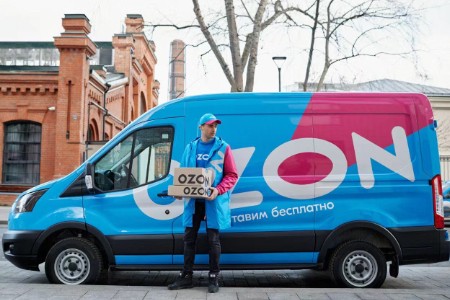
日前,俄罗斯头部电商平台Wildberries位于莫斯科州、坦波夫州、克拉斯诺达尔边疆区和斯塔夫罗波尔边疆区的多个物流设施相继起火受损,部分仓库暂停运营,大量商品受到波及。据行业人士估算,光是受损设施的修复成本就可能达到200亿至358亿卢布,这还没有计算仓库内的卖家库存。

据了解,在被烧毁的库存中中国商家的货物占比不小,大约有65%至75%,约1.7万中国商家受到影响,损失难以估量。

面对这场突如其来的意外,对平台来说损失是仓库、设备和履约能力,落到卖家账上,则是库存、订单、排名和现金流一起被卡住。

好在Wildberries很快公布了第一阶段补偿方案。创始人塔季扬娜·金表示,首批款项主要面向在埃列克特罗斯塔尔仓库存货受损的小微卖家,将有约8.8万名小微卖家会在24小时内在账户收到资金;对于中型和大型卖家,平台还将制定单独方案。

但这笔钱无法立刻变成补货资金,据部分卖家收到的通知,款项会先显示在平台余额,并在7月27日的财务报告中体现。卖家可能要到8月10日才能申请提现,最迟在8月19日前进入银行账户。

值得一提的是,Wildberries将这笔钱标记为“因不可抗力造成商品受损的自愿付款”。因为其7月7日生效的第98版卖家协议中,明确将相关特殊外部风险列入不可抗力范围,平台在此类情况下可以免除货损责任,因此本次赔偿,是平台在合同责任之外提供的支持措施。

同时Wildberries还在开发一个“销售模拟器”:假设受损商品仍在正常销售,再按照商品此前的销售速度、价格和折扣,分阶段向卖家计入资金。对于已经有一定规模的卖家,Wildberries也会单独制定赔偿方案,平台坦言正在“努力让卖家尽快回归正轨。”目前,详细公式仍有待平台公布。

Coupang全额承担损失

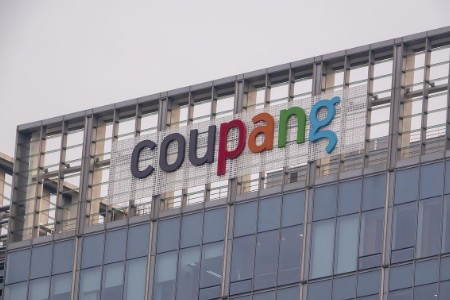
在差不多的时间,另一端的韩国电商平台Coupang也遭遇了物流中心火灾。由于该物流中心体量较大,火势持续了61小时后才得到控制,卖家同样损失惨重。

关于赔偿,Coupang履约子公司CFS宣布,将对仁川物流中心内使用Rocket Growth服务的入驻卖家进行库存损失全额赔偿。并且赔偿范围不只包括直接受火灾影响的商品,存放在未被火势波及区域、但可能因粉尘污染、延迟出库等问题产生二次损失的库存,也被纳入方案。

Coupang表示,不等待火灾调查和保险流程全部结束,就先行启动赔偿。平台将使用内部系统核对库存,原则上不要求卖家另外提供发票、打包视频等复杂证明,计划从8月中旬起,逐一通知卖家具体金额和付款日期。

把两种处理方式放在一起看,Wildberries选择先向小卖家提供部分流动性,再根据模拟销售情况分批处理;Coupang则承诺按库存损失全额赔偿。

虽然两种方案不能脱离事故性质、合同约定和保险条件简单比较,但它们都在回答同一个问题:平台统一保管卖家的商品后,究竟只是提供仓储服务,还是也要承担风险托底责任。

对卖家来说,这两件事有极大的警示作用——今后核心商品不要全部压在一个仓库、定期保存库存记录和平台协议、至少准备一个补货周期的周转资金。虽然这不能直接规避风险,但至少能让商家在面对意外时有重新启动的能力。

注:文/徐小雨,文章来源:跨境必读(公众号ID:ec-news),本文为作者独立观点,不代表亿邦动力立场。

文章来源:跨境必读

广告
微信
朋友圈

FAQ回顾

Wildberries仓库受损后对卖家的赔偿方案是什么?

Wildberries首批补偿面向埃列克特罗斯塔尔仓库存货受损的小微卖家,约8.8万名小微卖家24小时内账户可收到资金,赔偿为合同外不可抗力下的自愿付款,款项8月10日才可申请提现,中大型卖家将单独制定赔偿方案。

Coupang物流中心火灾后的赔偿规则是怎样的?

Coupang对仁川物流中心内使用Rocket Growth服务的入驻卖家库存损失全额赔偿,覆盖火灾直接损失及粉尘污染、延迟出库等二次损失,无需卖家提交复杂证明,不等待调查及保险流程先行赔付,预计8月中旬起通知赔付信息。

Wildberries仓库火灾中有多少中国卖家受影响?

Wildberries多个物流设施起火受损事件中,被烧毁的库存里中国商家的货物占比约65%至75%,约有1.7万中国商家受到影响,损失暂时难以估量。

跨境电商卖家怎么降低仓库意外带来的损失?

跨境卖家应避免将核心商品全部存放于同一仓库,定期留存库存记录和平台协议,至少准备一个补货周期的周转资金,可有效提升抗风险能力,在意外发生后更快恢复运营。

这么好看,分享一下?

朋友圈 分享

APP内打开

赞 +1
+1
微信好友 朋友圈 新浪微博 QQ空间
关闭
收藏成功
发送
/140 0