广告
加载中

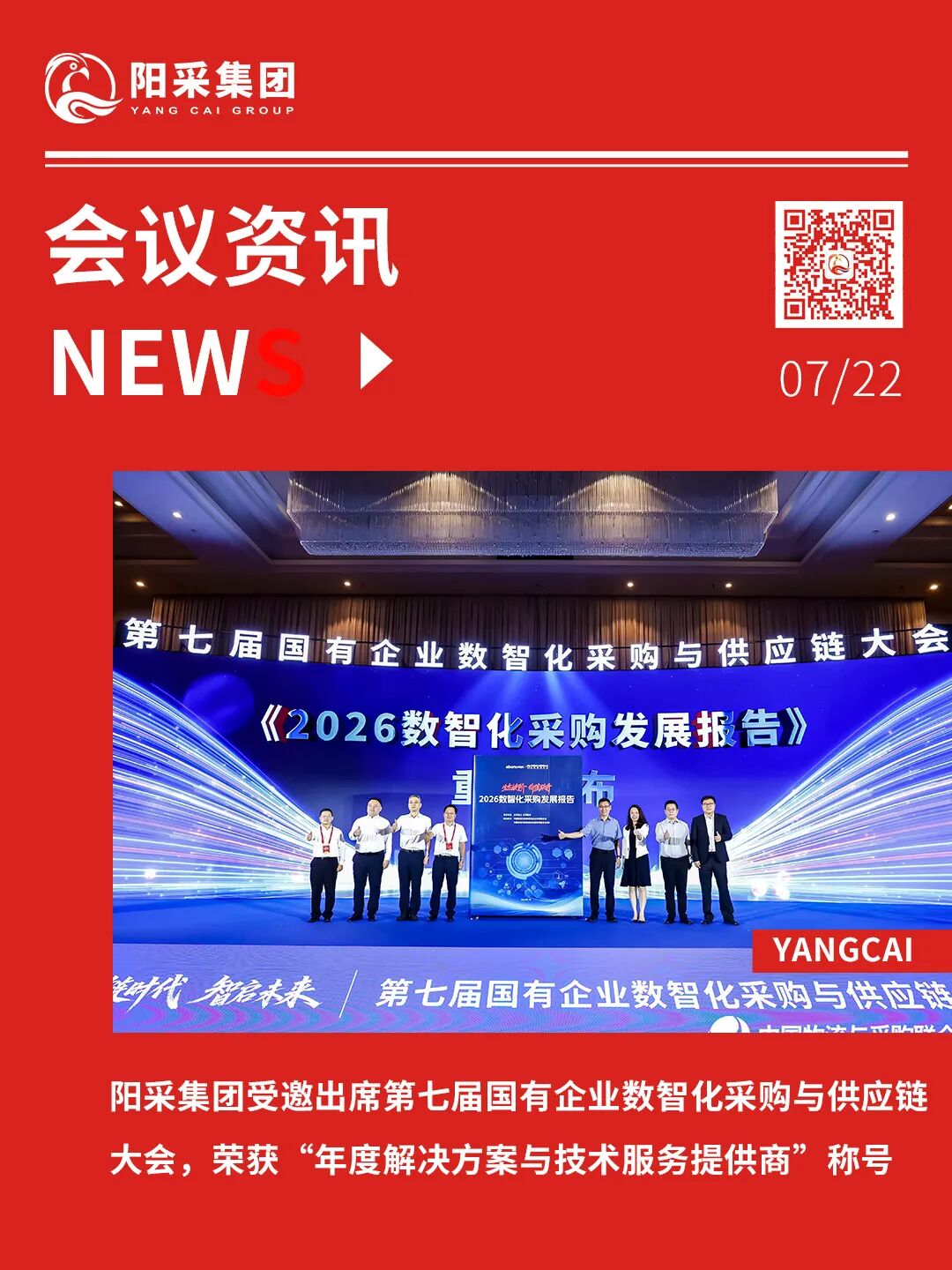
阳采集团受邀出席第七届国有企业数智化采购与供应链大会

龚作仁 2026-07-23 19:37
龚作仁 2026/07/23 19:37

邦小白快读

EN
全文速览

本文核心介绍了阳采集团参与第七届国有企业数智化采购与供应链大会的相关情况,以及数智化采购行业的最新动态,核心干货如下:

1. 本次大会由中国物流与采购联合会在2026年7月于北京举办,主题为“数链时代·智启未来”,汇聚了政企学研多方主体,围绕国企采购数字化转型、供应链韧性升级、AI落地应用等议题展开研讨,会上发布了《2026数智化采购发展报告》、供应链韧性评价团体标准,还启动了人工智能应用大赛,为行业破解采购领域难题提供了权威参考。

2. 阳采集团本次参会收获多项行业认可,其AI大模型数字化应用成果成功入选官方发展报告,AI驱动的采购供应链主数据治理与质量智能管控项目成功入围人工智能应用大赛全国决赛,现场展示的一站式数智化采购解决方案也获得业内广泛肯定。

3. 当前AI已经不再是概念工具,而是贯穿采购全链路的底层能力,前置品控节点、AI实时风控是已经验证的成熟落地方向,可以有效帮助行业实现降本增效、合规管控。

本次大会透露出国企采购供应链领域数智化发展的新趋势,能给布局B端采购服务赛道的品牌商提供多维度参考,干货总结如下:

1. 行业发展与需求趋势:当前国企采购领域核心需求是破解合规管理难、采购成本高、运营效率低的痛点,同时需要提升供应链韧性,AI已经成为采购全链路的必备底层能力,人工智能时代供应链操作系统会成为新的产业关键入口,赛道增长空间广阔。

2. 品牌建设经验可借鉴:品牌商可以通过参与权威行业大会、入选行业权威报告、参与行业权威赛事的方式,快速获得行业认可,提升自身品牌的公信力与知名度,还能借此链接大量行业优质资源,拓宽发展渠道。

3. 产品研发方向明确:品牌商需要围绕采购全链路的核心痛点开发产品,重点布局前置品控管理、AI智能风控、全流程合规管控、降本增效这类客户关注度高的领域,打造可落地的标杆案例才能获得更多客户信任。

本文披露了国企数智化采购赛道的最新发展动向,给布局To B采购供应链领域的卖家提供了大量干货参考,内容总结如下:

1. 市场机会与需求变化:当前国内国企采购供应链正在加速数智化转型,市场对相关产品和服务的需求明显增长,核心需求集中在合规管控、降本增效、供应链韧性提升、AI场景落地、风险智能防控几个方向,赛道存在大量新增机会。

2. 成熟商业模式可参考:阳采集团的“三商一体”商业模式值得借鉴,即构建集货商、供应商、服务商协同的产业集成供应链体系,搭配“三轮叠加优选”穿透式品控闭环,再加上AI驱动的智能风控系统,能很好满足当前客户的核心需求。

3. 发展路径提示:卖家可以通过参与权威行业大会、申请权威报告收录、参与行业顶级赛事的方式,获得行业曝光与认可,还能链接大量精准的国企客户与合作伙伴,同时要注意抓住AI升级带来的产业变革机遇,提前布局相关业务。

本文透露出采购端数智化发展带来的新变化,给生产制造工厂拓展业务、推进数字化转型带来不少启示,干货总结如下:

1. 品控需求发生变化:当前采购端已经将品控节点从传统的收货环节前置到供应商入库环节,工厂想要进入国企采购供应链体系,必须提前做好自身的品控管理,提升产品质量的合规水平,才能符合采购方的最新要求。

2. 新商业机会显现:目前全国范围内的国企都在推进采购供应链的数智化升级,对优质合规的供应商需求大幅提升,如果工厂能匹配采购端的数智化要求,提供稳定高质量的产品,就能获得更多与国企合作的机会,拓展自身的业务规模。

3. 数字化转型启示:AI已经深度嵌入采购供应链的需求预测、质量管控、风险防控等多个环节,采购端对供应商的数字化对接能力要求越来越高,工厂需要加快自身的数字化升级步伐,适配新的供应链体系要求,才能在新的产业环境中获得更多订单。

本文明确了当前国企数智化采购供应链服务领域的发展趋势、客户痛点与可行方向,对相关科技服务商、行业服务商有较高的参考价值,干货总结如下:

1. 行业发展趋势清晰:当前AI技术已经完成从概念性工具到贯穿采购全链路底层能力的转变,计算平台的迭代会带动产业入口的重新分配,人工智能时代,供应链操作系统正在重新成为产业的关键入口,数智化升级是整个行业的必然发展方向。

2. 客户核心痛点明确:当前国企集中采购领域的核心痛点可以总结为三个方面,分别是合规管理难度大、采购成本居高不下、整体运营效率偏低,同时还存在供应链韧性不足、风险防控不及时的问题,服务商只要围绕这些痛点开发解决方案就能打开市场。

3. 成熟解决方案可借鉴:可以参考阳采集团的落地经验,打造集货、供应、服务协同的集成供应链体系,搭建品控前置的闭环管控模式,开发AI驱动的实时智能风控系统,最终形成覆盖采购全流程的一站式数智化解决方案,匹配客户核心需求。

本文披露了当前数智化采购领域的最新供需变化,给布局采购供应链赛道的平台商带来多方面的参考,干货总结如下:

1. 平台用户核心需求明确:当前平台的核心用户国有企业,对采购全流程的数智化升级需求非常迫切,核心需求集中在合规管控、降本增效、风险防控、供应链韧性提升、AI落地应用几个方向,平台需要围绕这些核心需求优化自身的服务与产品。

2. 平台运营与模式优化可参考:可以借鉴阳采集团的“三商一体”模式,搭建集货、供应、服务多方协同的集成供应链体系,优化品控和风控环节,将品控前置到供应商入库阶段,用AI实现风险的实时识别预警处置,全面提升平台的服务能力。

3. 平台发展机会提示:平台可以通过参与权威行业活动、联合发布行业报告、举办专业赛事的方式,汇聚行业优质资源,提升平台的行业影响力,吸引更多优质客户和合作伙伴入局,同时要抓住AI升级带来的产业入口重构机遇,提前布局供应链操作系统相关业务,抢占新的赛道高点。

本文披露了当前数智化采购供应链领域的最新产业动向,提供了典型的创新实践案例,能给产业研究者提供不少一手研究素材,核心干货如下:

1. 产业发展新动向明确:当前AI技术已经深度嵌入采购供应链的需求预测、供应商评估、质量管控、履约调度、风险合规等多个核心环节,成功推动供应链管理模式从传统的被动响应向主动预判转变,AI已经完成了从概念性工具到贯穿采购全链路底层能力的转变,产业成熟度大幅提升。

2. 产业格局新变化显现:研究指出,每一次计算平台的迭代都会带动产业入口的重新分配,在人工智能时代,供应链操作系统正在重新成为产业的关键入口,整个产业的格局面临重构,这是非常值得深入研究的产业新变化。

3. 创新商业模式案例:阳采集团提出的“三商一体”产业集成供应链商业模式,搭配“三轮叠加优选”穿透式品控闭环、AI驱动全流程智能风控的落地模式,是行业内非常典型的数智化采购转型创新实践,为研究数智化采购转型提供了优质的研究样本,也开辟了新的研究方向。

返回默认

声明:快读内容全程由AI生成,请注意甄别信息。如您发现问题,请发送邮件至 run@ebrun.com 。

我是 品牌商 卖家 工厂 服务商 平台商 研究者 帮我再读一遍。

Quick Summary

This article details the participation of Yangcai Group in the 7th State-owned Enterprise Digital & Intelligent Procurement and Supply Chain Conference, and shares key updates from the digital procurement industry. Key takeaways are as follows:

1. Organized by the China Federation of Logistics and Purchasing, the 2026 conference will be held in Beijing in July under the theme "Digital Chain Era, Intelligence Empowers the Future". It brings together stakeholders from government, enterprises, academia and research to discuss topics including digital transformation of SOE procurement, supply chain resilience upgrading, and AI commercial implementation. During the event, the *2026 Development Report on Digital and Intelligent Procurement* and a group standard for supply chain resilience assessment were released, and an AI application competition was launched, providing authoritative guidance for the industry to solve core procurement challenges.

2. Yangcai Group received multiple industry recognitions at the conference. Its AI large model-based digital application was officially included in the development report, and its AI-powered project for master data management and intelligent quality control of procurement supply chains advanced to the national final of the AI application competition. Its one-stop digital intelligent procurement solution, showcased on site, also earned wide acclaim from industry insiders.

3. Today, AI is no longer just a conceptual tool, but a foundational capability integrated across the entire procurement value chain. Front-loading quality control nodes and AI real-time risk control are both validated, mature use cases that effectively help the industry achieve cost reduction, efficiency improvement and compliance management.

This conference reveals new trends in the digital transformation of SOE procurement and supply chains, offering multi-dimensional insights for brands targeting the B2B procurement service sector. Key takeaways are as follows:

1. Industry development and demand trends: The core pain points of current SOE procurement are difficult compliance management, high procurement costs and low operational efficiency, paired with a growing demand for stronger supply chain resilience. AI has become an essential foundational capability across the entire procurement value chain. In the AI era, supply chain operating systems will emerge as the new key industrial entry point, opening up substantial growth space for the sector.

2. Actionable insights for brand building: Brands can quickly gain industry recognition, boost brand credibility and visibility, access high-quality industry resources and expand development channels by participating in authoritative industry conferences, getting included in official industry reports, and competing in top industry events.

3. Clear product R&D direction: Brands should develop solutions targeting core pain points across the entire procurement process, focusing on high-priority areas including front-loaded quality control, AI-powered risk control, end-to-end compliance management, and cost reduction and efficiency improvement. Building implementable benchmark cases is critical to earning customer trust.

This article shares the latest developments in the digital intelligent SOE procurement track, offering actionable insights for sellers operating in the B2B procurement and supply chain space. Key takeaways are as follows:

1. Market opportunities and shifting demand: Domestic SOEs are accelerating the digital transformation of their procurement and supply chains, driving significant growth in demand for related products and services. Core demand centers on compliance management, cost reduction and efficiency improvement, stronger supply chain resilience, AI scenario implementation and intelligent risk prevention, creating a large number of new opportunities in the sector.

2. A tested business model to reference: Yangcai Group's "integrated three-role" business model is worth learning from. It builds an integrated industrial supply chain system that integrates the functions of goods consolidator, supplier and service provider, paired with a closed-loop "three-round overlapping optimization" penetrating quality control system and an AI-driven intelligent risk control system, which effectively meets current core customer demands.

3. Guidance on growth paths: Sellers can gain industry exposure and recognition, and connect with a large number of targeted SOE clients and partners by participating in authoritative industry conferences, applying for inclusion in official industry reports, and competing in top industry events. They should also capitalize on the industrial transformation opportunities brought by AI upgrades to lay out related businesses in advance.

This article reveals new changes brought by digital transformation on the procurement side, offering valuable insights for manufacturing factories looking to expand business and advance their own digital transformation. Key takeaways are as follows:

1. Shifting quality control requirements: Procurement teams have moved quality control checks from the traditional inbound goods stage to the earlier supplier onboarding stage. To enter the SOE procurement supply chain system, factories must implement proactive quality management and improve product compliance standards to meet the latest requirements of buyers.

2. Emerging new business opportunities: SOEs across China are advancing digital upgrading of their procurement and supply chains, leading to surging demand for high-quality, compliant suppliers. Factories that can meet the digital requirements of procurement teams and deliver consistent, high-quality products will secure more cooperation opportunities with SOEs and expand their business scale.

3. Insights for digital transformation: AI is already deeply integrated into multiple core procurement supply chain links including demand forecasting, quality control and risk prevention, and procurement teams are raising requirements for suppliers' digital connectivity capabilities. Factories need to accelerate their own digital upgrading to adapt to the requirements of the new supply chain system, so as to win more orders in the new industrial environment.

This article clarifies the development trends, core customer pain points and viable development paths in the digital intelligent SOE procurement and supply chain service sector, offering high reference value for relevant technology and industry service providers. Key takeaways are as follows:

1. Clear industry development trends: AI has completed its transition from a conceptual tool to a foundational capability integrated across the entire procurement value chain. Iterations in computing platforms will drive a redistribution of industrial entry points. In the AI era, supply chain operating systems are re-emerging as the key industrial entry point, making digital upgrading an inevitable development direction for the entire industry.

2. Clear core customer pain points: The core pain points of centralized SOE procurement can be summarized into three areas: difficult compliance management, persistently high procurement costs and low overall operational efficiency, paired with insufficient supply chain resilience and delayed risk prevention and control. Service providers that develop solutions targeting these pain points will successfully open up market opportunities.

3. A tested solution framework to reference: Service providers can learn from Yangcai Group's on-the-ground experience to build an integrated supply chain system that combines goods consolidation, supply and service functions, establish a closed-loop control model with front-loaded quality control, develop an AI-driven real-time intelligent risk control system, and ultimately deliver a one-stop digital intelligent solution covering the entire procurement process to match core customer demands.

This article shares the latest supply and demand shifts in the digital procurement sector, offering multi-dimensional insights for marketplace operators in the procurement and supply chain track. Key takeaways are as follows:

1. Clear core user demands: The core users of procurement platforms are state-owned enterprises, which have strong demand for end-to-end digital upgrading of procurement. Core needs focus on compliance management, cost reduction and efficiency improvement, risk prevention and control, stronger supply chain resilience and AI implementation. Platforms need to optimize their products and services around these core demands.

2. Guidance for operation and model optimization: Platforms can reference Yangcai Group's "integrated three-role" model to build an integrated supply chain system for collaborative goods consolidation, supply and services, optimize quality control and risk control processes by front-loading quality checks to the supplier onboarding stage, and leverage AI to achieve real-time risk identification, early warning and resolution, so as to comprehensively improve platform service capabilities.

3. New growth opportunities: Platforms can gather high-quality industry resources, boost industry influence, and attract more high-quality clients and partners by participating in authoritative industry events, co-publishing industry reports and hosting professional competitions. They should also capitalize on the industrial entry point restructuring opportunity brought by AI upgrading, lay out supply chain operating system-related businesses in advance, and claim an early leading position in the new track.

This article shares the latest industrial developments in the digital intelligent procurement and supply chain sector and provides a typical innovative practice case, offering first-hand research materials for industrial researchers. Key insights are as follows:

1. Clear new industrial development trends: AI is already deeply embedded in multiple core links of procurement and supply chain management including demand forecasting, supplier evaluation, quality control, fulfillment scheduling and risk compliance. It has successfully driven a shift in supply chain management from traditional passive response to proactive prediction, completing its transition from a conceptual tool to a foundational capability across the entire procurement value chain, and greatly improving industrial maturity.

2. Emerging new changes in industrial landscape: Research notes that every iteration of computing platforms drives a redistribution of industrial entry points. In the AI era, supply chain operating systems are re-emerging as the key industrial entry point, and the entire industrial landscape is facing restructuring, which is a new industrial change worthy of in-depth research.

3. A case of innovative business model: Yangcai Group's "integrated three-role" industrial integrated supply chain business model, paired with its "three-round overlapping optimization" penetrating closed-loop quality control system and AI-driven end-to-end intelligent risk control implementation framework, is a typical innovative digital procurement transformation practice in the industry. It provides a high-quality research sample for the study of digital procurement transformation and opens up new research directions.

Disclaimer: The "Quick Summary" content is entirely generated by AI. Please exercise discretion when interpreting the information. For issues or corrections, please email run@ebrun.com .

I am a Brand Seller Factory Service Provider Marketplace Seller Researcher Read it again.

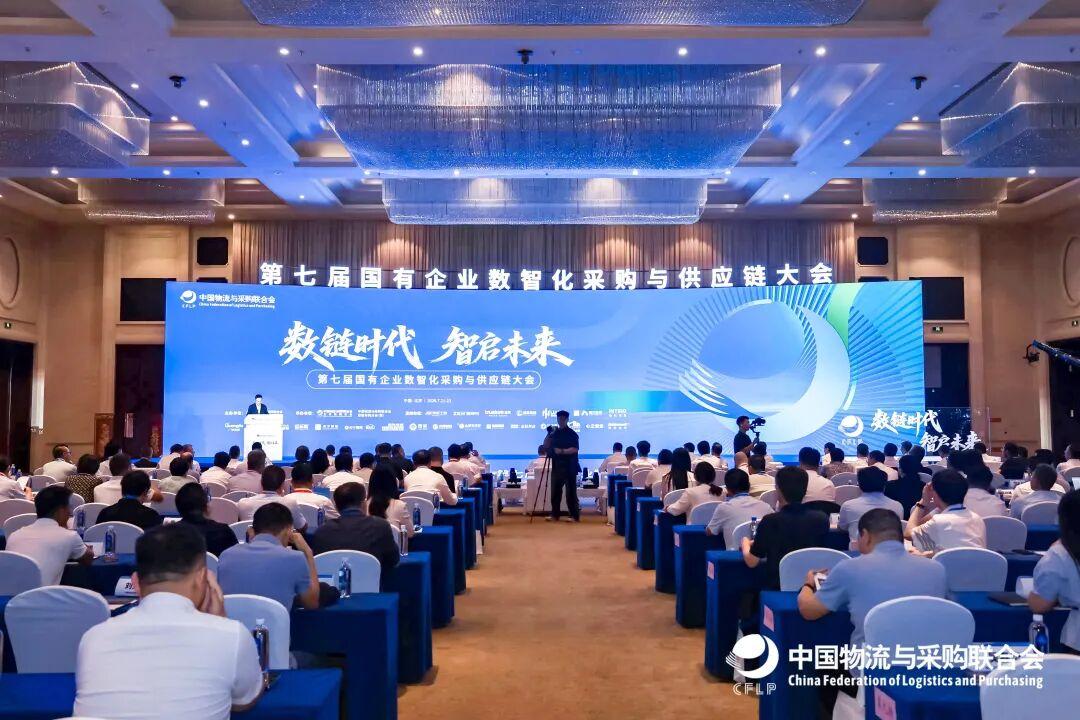
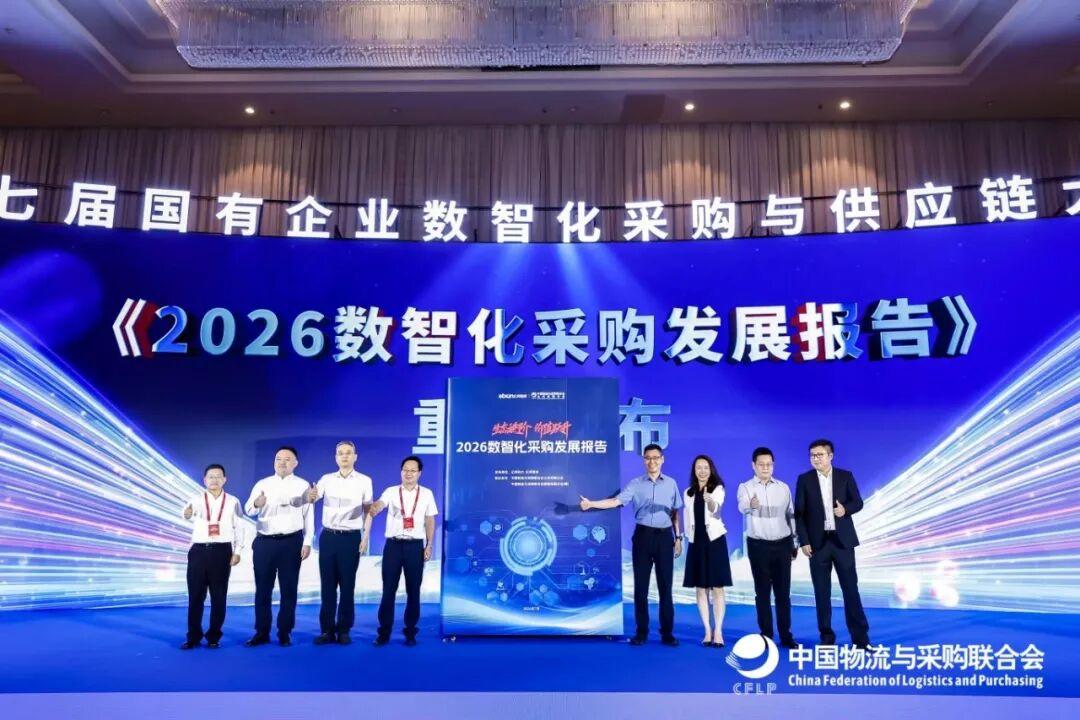
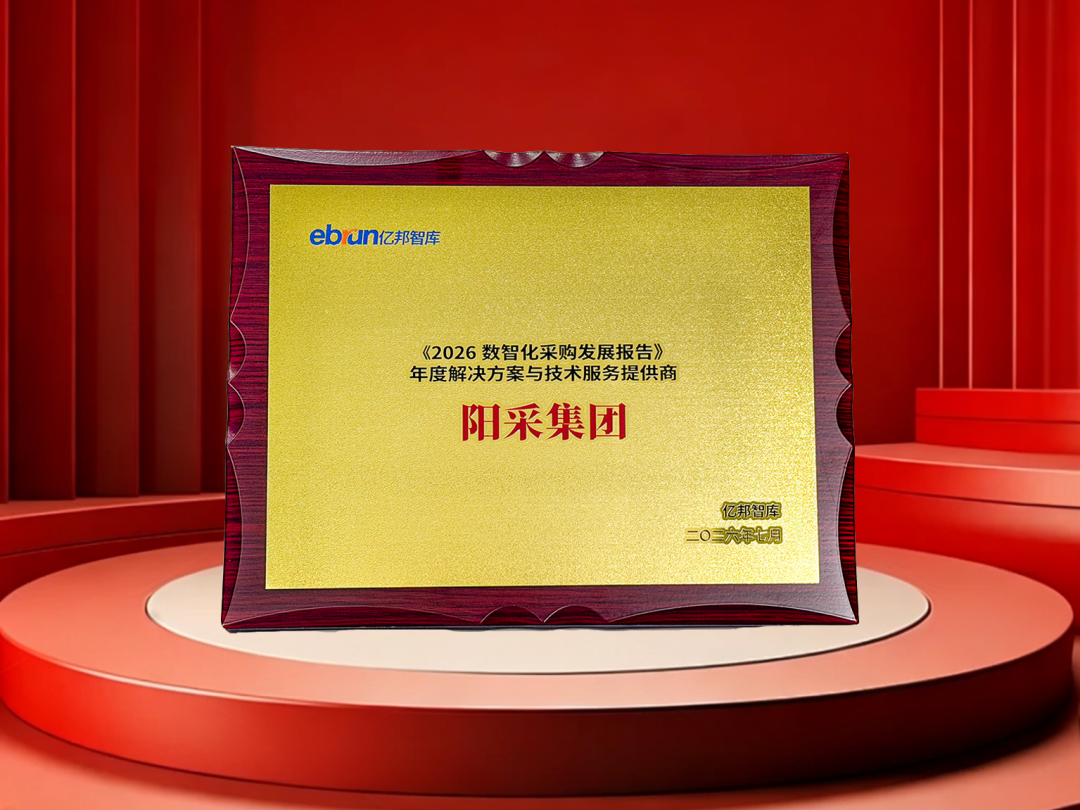
2026年7月22日,由中国物流与采购联合会主办的第七届国有企业数智化采购与供应链大会在北京盛大启幕,会上重磅发布了《2026数智化采购发展报告》。阳采集团作为本次大会的支持单位受邀参会,其阳采AI大模型数字化应用成果成功入选该报告。阳采集团与行业标杆同仁深度交流、共话发展机遇,以硬核科技实力展现了采购供应链数字化转型的全新势能。

01 聚力行业共识,践行科学采购新生态

图片

中国物流与采购联合会于7月21日—23日在北京举办第七届国有企业数智化采购与供应链大会。本次大会以“数链时代·智启未来”为核心主题,汇聚了政府监管机构、央企国企采购供应链负责人、行业科研院所、科技服务商及行业权威专家,围绕国企采购数字化转型、供应链韧性升级、合规管控、AI落地应用等核心议题,共同探索行业全新发展路径。

大会设置了多场行业交流论坛,同步发布行业丛书、年度采购发展报告、供应链韧性评价团体标准,启动人工智能应用大赛,并发起联合倡议签署活动,围绕多项行业核心议题展开深度研讨,为中央及地方国有企业破解集中采购领域的合规管理、成本下降、效率提升难题,提供权威思路与实践参考,助力各方探索数智采购全新发展路径,共同勾勒现代供应链高质量发展的宏伟蓝图。

02 案例入选报告,深耕数智转型新赛道

图片

图片

图片

大会主论坛上,阳采集团深度参与撰写的《2026数智化采购发展报告》正式发布,阳采集团副总裁乔晓斌与多名嘉宾共同上台见证发布。

图片

微信图片_20260722161121_595_11.png

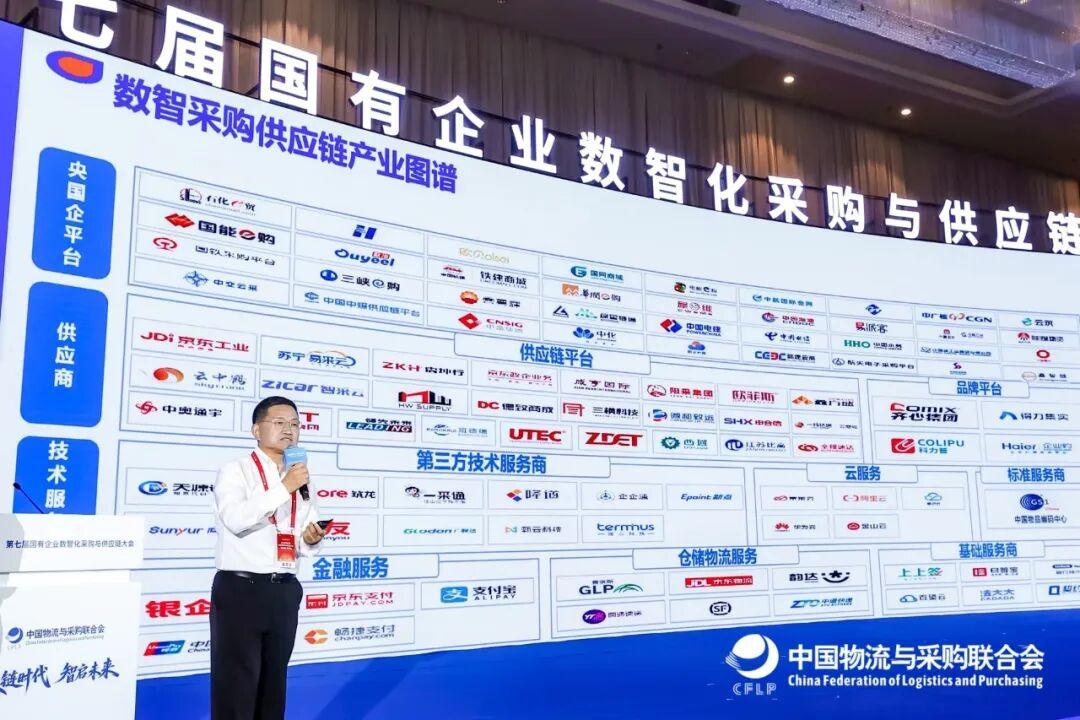
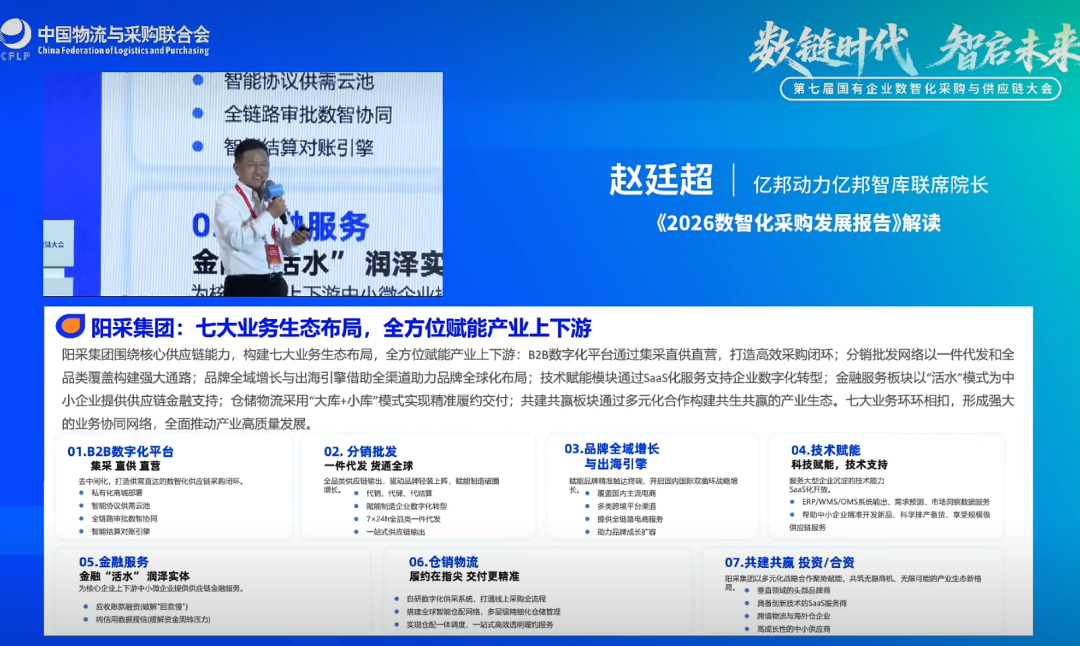
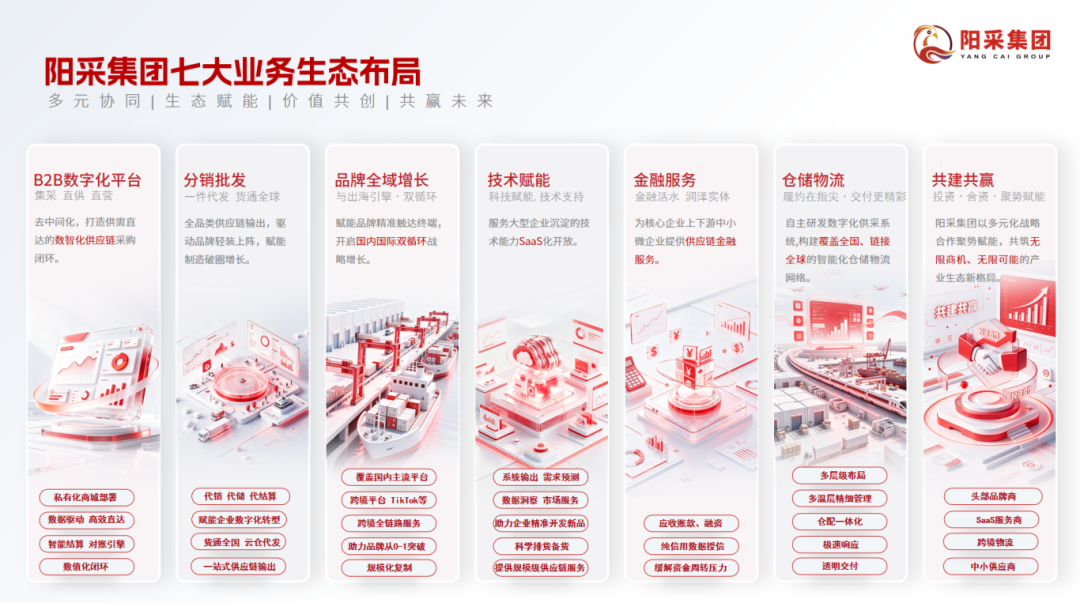
报告系统梳理了人工智能技术在供应链领域的应用路径,指出AI技术已在需求预测、供应商评估、质量管控、履约调度及风险合规等环节实现深度嵌入。阳采集团以“三商一体”战略为核心,构建起集货商、供应商、服务商协同的产业集成供应链体系。报告中展示阳采集团“三轮叠加优选”穿透式品控闭环,将品控节点从收货环节前置至供应商入库环节。在风险合规方面,AI驱动的智能风控系统对围标串标、价格异常等场景实施实时监控,形成识别、预警、处置的自动化机制。报告认为,人工智能正推动供应链管理模式从被动响应向主动预判转变。当前,AI技术已不再是概念性工具,而是贯穿采购全链路的底层能力。分析指出,每一次计算平台迭代都会带动产业入口的重新分配,在人工智能时代,供应链操作系统正重新成为产业关键入口。

03 实力入围决赛,AI技术破解行业痛点

image.png

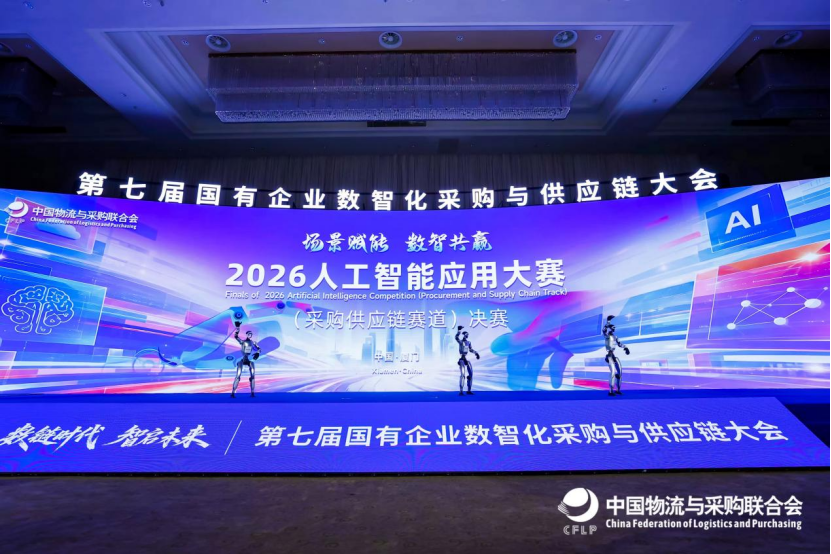
本次大会同步开启2026人工智能应用大赛(采购供应链赛道)决赛启幕仪式。凭借深厚的技术研发实力与成熟的场景落地经验,阳采集团《AI驱动的采购供应链主数据治理与质量智能管控平台》项目成功入围全国决赛!该决赛将于9月8日到11日在厦门国际会展中心举办,阳采集团将在决赛展示相关前沿探索成果。

04 展台风采尽显实力,标杆案例获广泛认可

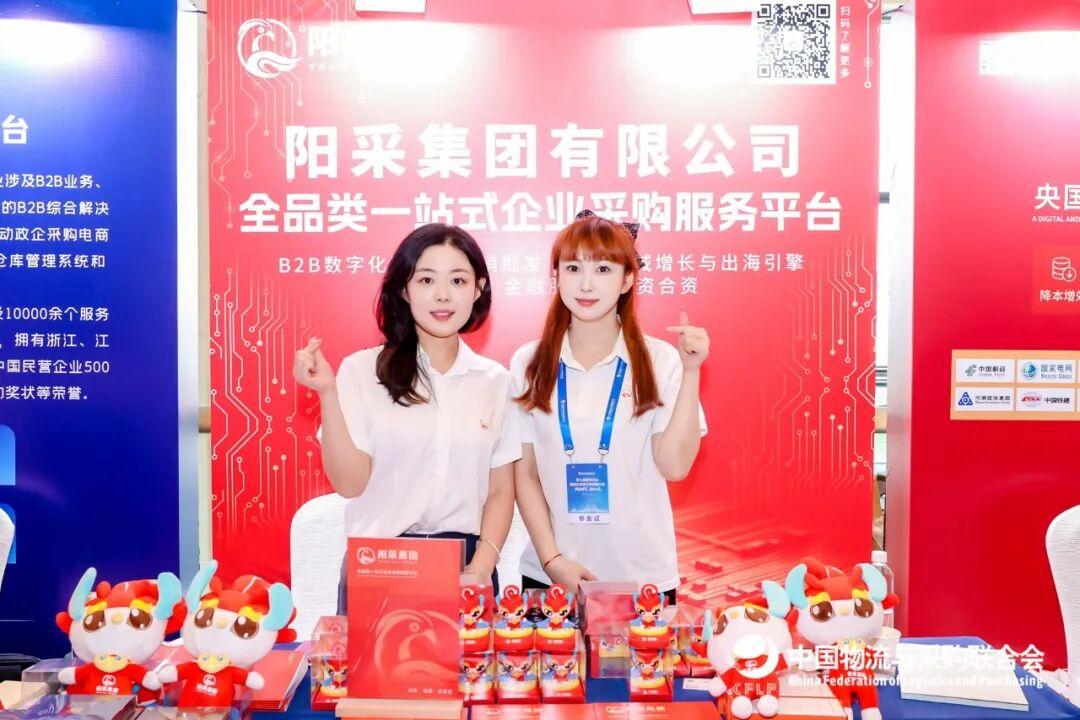
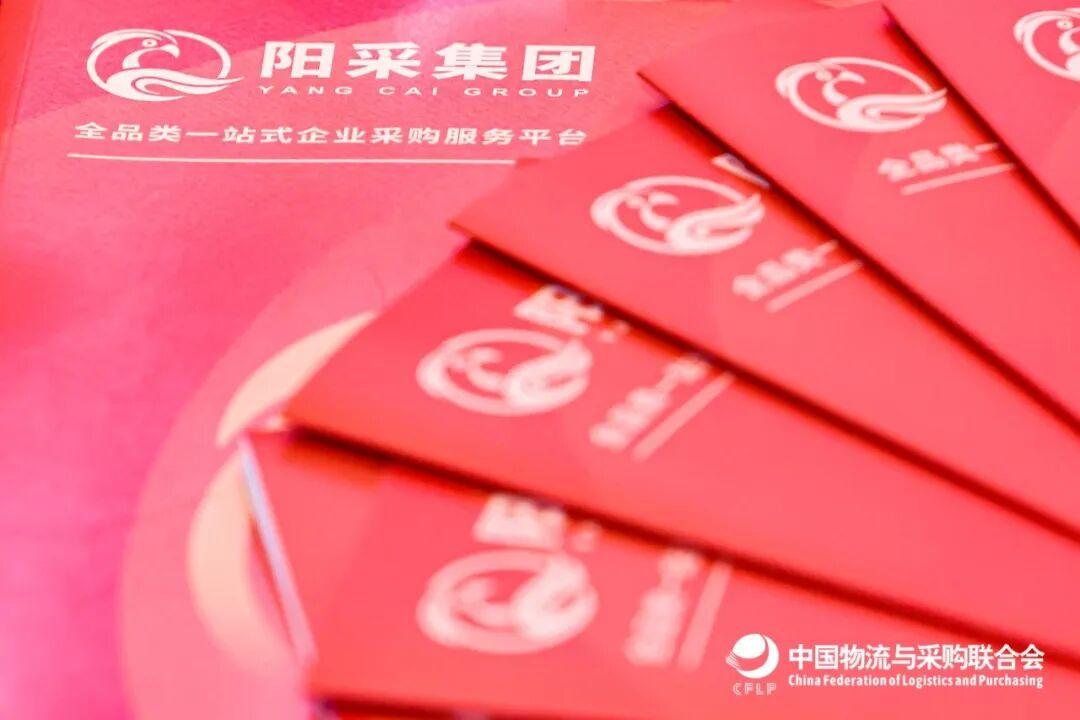
大会现场,阳采集团设立专属展示展台,全方位、立体化展示集团在数智化采购、供应链优化、AI智能系统搭建、全流程合规管控等领域的核心技术成果与标杆落地案例。现场团队与来访的国企客户、行业专家、合作伙伴深度交流,详细解读一站式数智化采购解决方案,分享在采购降本增效、风险智能防控、供应链韧性提升、绿色低碳供应链建设等方面的实战经验,直观展现数字化、智能化技术为国企采购供应链转型升级带来的核心价值,收获现场众多业内人士的肯定与赞誉。

图片

图片

图片

图片

此次亮相行业盛会,是行业对阳采集团技术创新能力、项目落地实力的充分认可,也是集团链接行业资源、交流前沿技术、拓宽发展格局的重要契机。

未来,阳采集团将持续立足行业需求,坚守技术创新初心,持续深耕AI、大数据与采购供应链场景的深度融合,不断打磨、优化数智化解决方案,积极践行行业发展倡议,助力更多国企实现采购全流程数字化、智能化升级,筑牢供应链安全韧性,携手行业伙伴共绘现代供应链高质量发展新蓝图!

注:文/龚作仁,文章来源:Laborer,本文为作者独立观点,不代表亿邦动力立场。

文章来源:Laborer

广告
微信
朋友圈

FAQ回顾

2026数智化采购发展报告指出AI在供应链领域有哪些应用?

报告系统梳理了AI技术在供应链领域的应用路径,指出AI已在需求预测、供应商评估、质量管控、履约调度及风险合规等环节实现深度嵌入,推动供应链管理模式从被动响应向主动预判转变,成为贯穿采购全链路的底层能力。

阳采集团在数智化采购领域有哪些核心技术成果?

阳采集团构建集货商、供应商、服务商协同的产业集成供应链体系,打造“三轮叠加优选”穿透式品控闭环,AI驱动的智能风控系统可对围标串标、价格异常等场景实施实时监控,形成识别、预警、处置的自动化机制,相关成果入选《2026数智化采购发展报告》。

第七届国有企业数智化采购与供应链大会能为国企提供哪些价值?

大会汇聚政府监管机构、央企国企采购负责人、科技服务商等多方主体,围绕数智采购相关核心议题展开深度研讨,为国有企业破解集中采购领域合规管理、成本下降、效率提升难题提供权威思路与实践参考,助力探索数智采购发展路径。

这么好看,分享一下?

朋友圈 分享

APP内打开

+1
+1
微信好友 朋友圈 新浪微博 QQ空间
关闭
收藏成功
发送
/140 0