广告
加载中

工业+AI擦出新火花!首届工业用品大会登陆上海 点亮产业升级新图景

龚作仁 2026-07-11 12:20
龚作仁 2026/07/11 12:20

邦小白快读

EN
全文速览

本文核心是介绍首届工业用品大会(CISS 2026)的举办情况与行业最新动向,干货信息如下

1. 大会基础信息:2026年6月12日在上海举办,是国内工业用品领域首个聚焦产业协同与价值创新的行业盛会,由多家行业协会联合震坤行工业超市发起,近2000位行业人士参会,大会主题为创新驱动 产业协同 价值跃迁。

2. 行业发展方向:当前工业用品行业早已突破传统品类限制,AI大模型、数据引擎等成为行业热点,数智化转型已经成为行业主流发展方向,整个行业正迎来从传统流通到AI全面赋能的历史性变革。

3. 大会核心成果:本次大会对外发布了共建共享的工业用品知识分享平台,还有全景展示行业现状的《2026年中国工业用品制造和流通报告》,震坤行旗下AI公司推出行业首个工业用品PB级数据引擎多米诺。

本文梳理了当前工业用品行业的发展趋势与转型路径,能为品牌商布局业务提供清晰参考,干货如下

1. 行业消费与发展趋势:国内制造业正加速向高端化、智能化、绿色化转型,带动工业用品行业进入升级周期,AI技术深度赋能实体产业已经成为必然方向,行业竞争重心逐步从AI模型研发转向落地场景,品牌主动布局AI才能强化供应链韧性,抓住升级机遇。

2. 品牌转型路径参考:品牌可参考震坤行等龙头的经验,走技术、产品渠道、营销三大创新路线,通过共建行业基础设施,联合产业链上下游协同发展;同时可打造效率、韧性、ESG三位一体的运营模式,构建可持续供应链,提升品牌竞争力。

3. 渠道与增长机会:品牌可依托行业大会这类平台链接多方资源,拓展国际合作,既可以对接国际品牌进入中国市场,也可以借助平台推动自有品牌出海,打开增长空间。

本文披露了工业用品行业的最新政策环境、增长机会与可借鉴的转型经验,干货内容如下

1. 政策与市场红利:当前正处于十五五规划谋划的关键阶段,国家推进新型工业化建设,地方政府也在布局高端供应链枢纽,以上海青浦为例,当地围绕贸易便利化、总部经济培育提供全周期服务,优化营商环境,工业用品卖家可抓住政策红利布局。

2. 新增量机会:制造业转型背景下,市场对AI赋能的工业用品服务需求旺盛,当前行业普遍存在品类繁杂选型难、采购效率低的痛点,卖家围绕AI场景落地布局,开发对应的产品与服务,就能抓住新的增长机会。

3. 可借鉴的转型经验:卖家可参考震坤行的模式,从传统贸易商向数智化产业服务商转型,搭建覆盖全国的智能履约网络,实现交付全流程无人化,帮助客户降本增效,同时开放链接全球资源,拓展国内外市场空间。

本文呈现了工业用品行业的数智化转型成果,能给制造工厂的生产升级、业务发展带来诸多启示,干货如下

1. 产品与服务需求新方向:随着制造业向高端化智能化绿色化转型,工厂对工业用品及配套服务的需求,已经从传统的基础物料转向高效化智能化的解决方案,需要AI工具辅助采购、生产管理,解决传统模式依赖人工经验效率低精度差的问题。

2. 可利用的商业与技术机会:当前行业已经推出成熟的AI基础设施与工具,比如震坤行的工业垂直AI大模型、AI物料管家、AI推品大脑等工具,工厂可以接入这类工具,将传统人工采购升级为数据驱动的智能决策,提升采购效率,降低运营成本。

3. 数字化转型启示:工厂可以主动拥抱AI技术,对接行业共享的知识平台、数据基础设施,参与产业链协同合作,同时可参考龙头经验,推进自身生产、采购、供应链管理的数智化升级,借助外部资源提升自身竞争力。

本文梳理了工业用品服务领域的行业趋势、客户痛点与成熟解决方案,干货内容如下

1. 行业发展趋势:当前工业用品行业正处于AI全面赋能的转型期,市场对专业的数智化基础设施、行业解决方案需求旺盛,行业竞争的核心已经转向AI技术的实体场景落地,具备技术和场景优势的服务商将获得更大发展空间。

2. 行业核心客户痛点:当前工业用品行业普遍存在三大核心痛点,一是工业用品种类繁多,选型难度大,传统采购依赖人工经验效率低;二是AI落地工业领域缺乏适配的基础设施,存在最后一公里障碍;三是供应链韧性不足,难以适配制造业转型的需求。

3. 可参考的解决方案:服务商可以参考震坤行玲珑智能的发展路径,打造适配工业场景的垂直AI大模型与PB级数据引擎,开发针对采购、选型的智能工具,同时搭建覆盖全国的智能履约网络,打通交付最后一公里,帮助制造企业降本增效,解决行业核心痛点。

本文分享了工业用品领域龙头平台的发展经验与行业需求,能为平台商的运营发展提供参考,干货如下

1. 当前行业对平台的核心需求:当前工业用品产业链上下游,需要两类核心平台,一类是开放共享的行业交流与知识服务平台,满足知识传播、人才培养、技术对接的需求;另一类是适配工业场景的AI基础设施平台,补齐AI落地产业的短板,打通技术落地的最后一公里。

2. 平台运营可借鉴的做法:龙头平台震坤行的经验显示,平台可先沉淀海量行业客户数据,依托数据打造垂直领域AI大模型与配套智能工具,解决行业共性痛点;再搭建覆盖全国的多层级智能仓储履约网络,实现物料领用补给全流程无人化,提升交付效率,打通物流最后一公里。

3. 生态布局方向:平台可聚焦产业协同,对接地方政府的产业政策,链接产学研用多方资源,同时搭建全球化的产业交流平台,链接国内外资源,既助力海外品牌进入中国,也推动国内品牌出海,打造开放协同的平台生态。

本文记录了首届工业用品大会的核心成果与行业最新动态,为产业研究提供了丰富的一手信息,干货内容如下

1. 产业发展最新动向:当前国内工业用品产业正处于历史性变革阶段,已经完成从传统物料流通到数字化升级,正在向AI全面赋能迈进,数智化转型已经成为行业主流,产业当前的核心议题是新型工业化建设、供应链升级、AI场景落地,行业竞争重心已经从AI模型研发转向实体场景落地。

2. 新出现的成熟商业模式:行业已经出现清晰的转型商业模式,传统工业用品贸易商可以转型为数智化产业服务商,通过自研AI基础设施、智能工具,搭建智能履约网络,为全行业提供底层基础设施与专业服务,同时开放链接全球资源,搭建产业协同交流平台,实现价值跃迁。

3. 研究方向启示:后续产业研究可重点关注几个方向:AI落地工业实体产业的路径与痛点、如何通过产融协同与产业链协同提升供应链韧性、如何平衡效率韧性与ESG要求构建可持续的产业发展模式,这些都是当前产业发展的核心命题。

返回默认
声明:快读内容全程由AI生成,请注意甄别信息。如您发现问题,请发送邮件至 run@ebrun.com 。

我是 品牌商 卖家 工厂 服务商 平台商 研究者 帮我再读一遍。

Quick Summary

This article introduces the first China Industrial Supply Conference (CISS 2026) and the latest trends in China's industrial supply industry. Key takeaways are as follows:

1. Conference basics: To be held on June 12, 2026 in Shanghai, CISS 2026 is China's first industry event focused on industrial collaboration and value innovation in the industrial supply sector. It is co-initiated by multiple industry associations and ZKH Industrial Supermarket, with nearly 2,000 industry attendees expected. The conference theme is "Innovation-Driven, Industrial Collaboration, Value Leapfrog".

2. Industry development direction: China's industrial supply industry has long outgrown the boundaries of traditional categories. AI large models and data engines have emerged as major industry hotspots, and digital-intelligent transformation has become the mainstream development direction. The entire industry is undergoing a historic shift from traditional distribution to full AI empowerment.

3. Key outcomes: The conference launched a co-constructed, shared industrial supply knowledge platform, and released the *2026 Report on China's Industrial Supply Manufacturing and Distribution* that presents a full landscape of the current industry. The AI subsidiary of ZKH also launched Dommino, the industry's first petabyte-scale data engine for industrial supplies.

This article sorts out current development trends and transformation paths for China's industrial supply industry, providing clear reference for brand players to plan their business layouts. Key insights are as follows:

1. Industry consumption and development trends: China's manufacturing sector is accelerating its transition to high-end, intelligent and green production, driving the industrial supply industry into an upgrade cycle. Deep AI empowerment for the real economy has become an inevitable direction, and industry competition has gradually shifted from AI model R&D to scenario implementation. Proactive AI布局 allows brands to strengthen supply chain resilience and capture upgrade opportunities.

2. Reference for brand transformation paths: Brands can learn from the experience of industry leaders like ZKH, and pursue three innovation tracks: technology, product channels and marketing. Brands can drive co-development across the upstream and downstream of the industrial chain by co-building industry infrastructure; they can also build a tripartite operational framework that integrates efficiency, resilience and ESG to build sustainable supply chains and enhance brand competitiveness.

3. Channel and growth opportunities: Brands can leverage platforms like this industry conference to connect with multiple resources and expand international cooperation. They can facilitate international brands' entry into the Chinese market, and also use the platform to push their own brands to go global, unlocking new growth space.

This article reveals the latest policy environment, growth opportunities and referenceable transformation experience for the industrial supply industry. Key takeaways are as follows:

1. Policy and market dividends: China is currently in a critical planning phase for its 15th Five-Year Plan. The national government is pushing forward new industrialization, and local governments are building high-end supply chain hubs. Take Shanghai's Qingpu District as an example: the district provides full-cycle services centered on trade facilitation and headquarters economy cultivation to optimize the business environment. Industrial supply sellers can capture these policy dividends to expand their布局.

2. New growth opportunities: Against the backdrop of manufacturing transformation, market demand for AI-powered industrial supply services is booming. The industry currently faces widespread pain points including overly fragmented categories, difficult product selection, and low procurement efficiency. Sellers that focus on AI scenario implementation and develop matching products and services can capture new growth opportunities.

3. Referenceable transformation experience: Sellers can learn from ZKH's business model to transform from traditional traders to digital-intelligent industrial service providers. They can build a nationwide intelligent fulfillment network to realize fully unmanned end-to-end delivery, help customers cut costs and improve efficiency, while opening up connections to global resources to expand market space both at home and abroad.

This article presents the digital-intelligent transformation outcomes of the industrial supply industry, offering multiple insights for production upgrade and business development of manufacturing factories. Key takeaways are as follows:

1. New direction for product and service demand: As manufacturing transitions to high-end, intelligent and green production, factories' demand for industrial supplies and supporting services has shifted from traditional basic materials to efficient, intelligent solutions. Factories now need AI tools to assist procurement and production management, solving the problems of low efficiency and poor accuracy caused by reliance on manual experience in traditional models.

2. Accessible business and technological opportunities: The industry has now launched mature AI infrastructure and tools, such as ZKH's vertical industrial AI large model, AI material manager, and AI product recommendation engine. Factories can integrate these tools to upgrade traditional manual procurement to data-driven intelligent decision-making, improving procurement efficiency and reducing operating costs.

3. Insights for digital transformation: Factories can proactively embrace AI technology, connect to industry-shared knowledge platforms and data infrastructure, and participate in industrial chain collaboration. They can also learn from the experience of industry leaders to advance the digital-intelligent upgrade of their own production, procurement and supply chain management, and enhance their competitiveness by leveraging external resources.

This article sorts out industry trends, customer pain points and mature solutions in the industrial supply service sector. Key takeaways are as follows:

1. Industry development trends: The industrial supply industry is currently in a transformation period of full AI empowerment. Market demand for professional digital-intelligent infrastructure and industry solutions is booming, and the core of industry competition has shifted to the implementation of AI technology in real-world industrial scenarios. Service providers with advantages in both technology and scenarios will capture greater development space.

2. Core industry pain points: The industrial supply industry currently faces three core widespread pain points: First, the huge variety of industrial supplies makes product selection extremely difficult, and traditional procurement relies on manual experience, leading to low efficiency. Second, AI implementation in the industrial sector lacks adapted infrastructure, creating a "last mile" barrier. Third, insufficient supply chain resilience cannot meet the demand of manufacturing transformation.

3. Referenceable solutions: Service providers can learn from the development path of ZKH's Linglong Intelligence to build vertical AI large models and petabyte-scale data engines adapted for industrial scenarios, develop intelligent tools for procurement and product selection, and build a nationwide intelligent fulfillment network to打通 the last mile of delivery. This helps manufacturing enterprises cut costs and improve efficiency, and solves the industry's core pain points.

This article shares development experience from leading industrial supply platforms and current industry demands, providing reference for the operation and development of industrial platform players. Key takeaways are as follows:

1. Core industry demand for platforms: Upstream and downstream players in the industrial supply chain currently need two core types of platforms: One is an open, shared industry exchange and knowledge service platform to meet demand for knowledge dissemination, talent development and technology connection. The other is an AI infrastructure platform adapted for industrial scenarios, to fill the gap for AI industrial implementation and打通 the last mile of technology deployment.

2. Referenceable practices for platform operation: Experience from leading platform ZKH shows that platforms can first accumulate massive industry customer data, build vertical AI large models and matching intelligent tools based on the data to solve common industry pain points; then build a nationwide multi-layer intelligent warehouse fulfillment network to realize fully unmanned end-to-end material supply and replenishment, improve delivery efficiency and打通 the last mile of logistics.

3. Direction for ecosystem布局: Platforms can focus on industrial collaboration, connect to local government industrial policies, link resources from industry, academia, research and application sectors, build a global industrial exchange platform to connect resources at home and abroad. This helps foreign brands enter the Chinese market and pushes domestic brands to go global, building an open and collaborative platform ecosystem.

This article documents the core outcomes of the first China Industrial Supply Conference and the latest industry dynamics, providing rich first-hand information for industrial research. Key takeaways are as follows:

1. Latest industrial development trends: China's current industrial supply industry is in a period of historic transformation. It has completed the transition from traditional material distribution to digital upgrading, and is now moving towards full AI empowerment. Digital-intelligent transformation has become the industry mainstream, and the current core industry topics include new industrialization construction, supply chain upgrading, and AI scenario implementation. Industry competition has shifted from AI model R&D to real-world scenario implementation.

2. New mature business models: Clear transformation business models have emerged in the industry. Traditional industrial supply traders can transform into digital-intelligent industrial service providers: they build AI infrastructure and intelligent tools through independent R&D, set up intelligent fulfillment networks to provide underlying infrastructure and professional services for the entire industry, while opening connections to global resources and building industrial collaboration and exchange platforms to achieve value leapfrog.

3. Insights for future research directions: Future industrial research can focus on the following core topics that are central to current industry development: the paths and pain points of AI implementation in the real industrial sector; how to improve supply chain resilience through industrial-financial collaboration and industrial chain collaboration; and how to balance efficiency, resilience and ESG requirements to build a sustainable industrial development model.

Disclaimer: The "Quick Summary" content is entirely generated by AI. Please exercise discretion when interpreting the information. For issues or corrections, please email run@ebrun.com .

I am a Brand Seller Factory Service Provider Marketplace Seller Researcher Read it again.

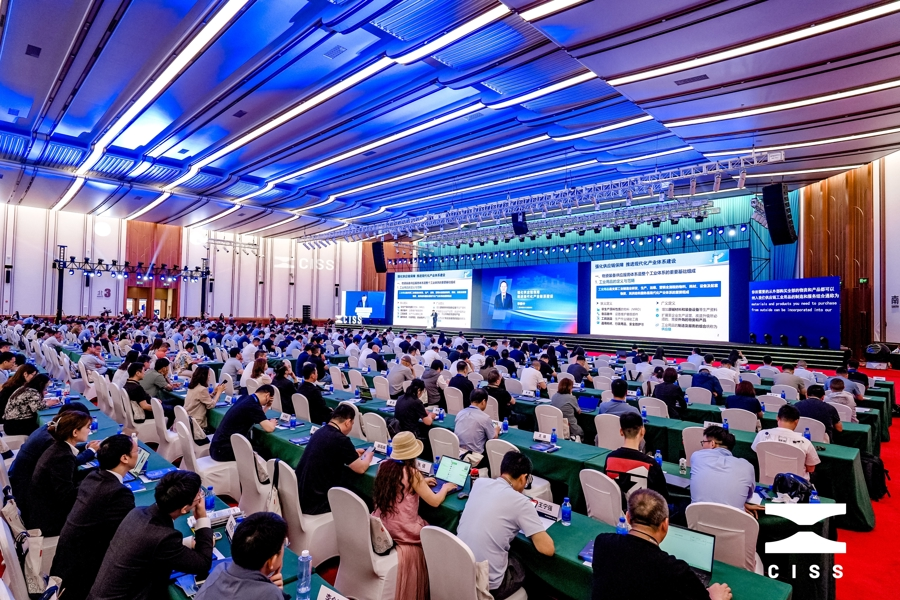
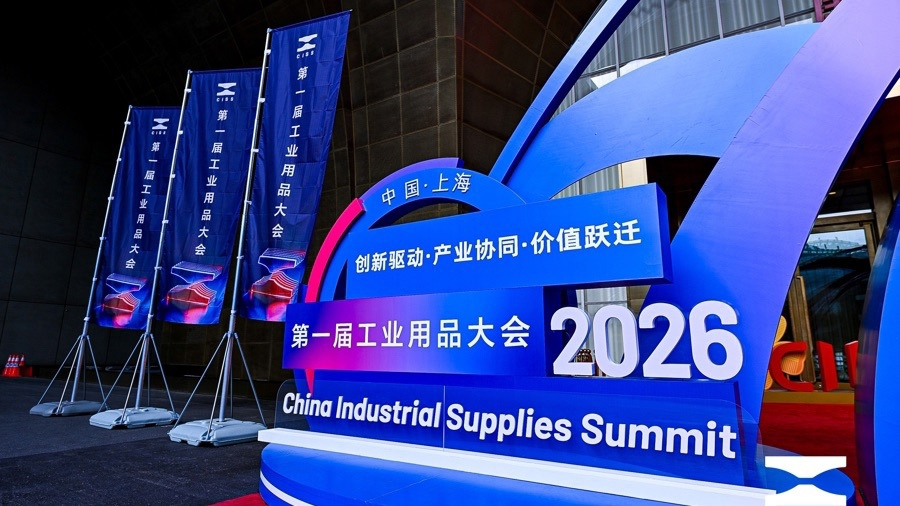
6月12日,第一届工业用品大会(CISS 2026)在沪举办。记者获悉,本次大会以“创新驱动 产业协同 价值跃迁”为主题,是国内工业用品领域首个聚焦产业协同与价值创新的重磅行业盛会。由中国机械工业联合会、中国信息协会产业互联网分会等多家行业协会、产业平台联合震坤行工业超市共同发起,近2000位行业领袖、制造企业高管与产业链专家齐聚现场。

正值“十五五”规划谋划布局的关键阶段,与会嘉宾围绕新型工业化、供应链升级、人工智能落地等核心议题展开深度探讨。如今的工业用品行业早已跳出螺丝刀、轴承、润滑油等传统品类的局限,AI大模型、PB级数据引擎、智能体成为会场热议关键词,数智化转型成为行业发展的主流方向。

大咖齐聚沪上论道,锚定新型工业化发展坐标

新一轮科技革命与产业变革持续深化,国内制造业加速向高端化、智能化、绿色化转型,也让工业用品行业站在了转型升级的关键路口。多位嘉宾依次登台,从区域发展、行业趋势、顶层战略、产融结合等多个维度分享观点,为产业高质量发展凝聚共识。

青浦区副区长叶靖表示,该区正着力打造面向全球的供应链管理枢纽,工业用品供应链向数字化、智能化、绿色化迈进的发展方向,与区域产业规划高度契合。青浦将持续优化营商环境,围绕贸易便利化、总部经济培育等方面提供全周期服务,依托本次大会搭建的交流平台,携手全行业助力中国制造业稳步前行。

中国机械工业联合会副会长张文宏谈到,立足新型工业化发展大局,以创新驱动升级、以协同创造价值,是当下产业发展的核心命题。大会为产业融合、跨界协作搭建了优质桥梁,将助力行业夯实现代化产业体系根基。


中国社会科学院大学教授江小涓认为,人工智能不仅能提升生产性服务业效率,还有望破解传统行业发展难题,工业用品行业应主动拥抱智能体技术,强化供应链韧性。

上海新金融研究院理事长屠光绍从产融协同角度分析,数据、绿色、新业态正在重塑产业生态,需要推动科创、数字、绿色产业与实体经济深度绑定,以金融赋能产业发展。一众大咖的精彩分享,为行业发展厘清了思路、指明了方向。

成果集中亮相,多元探索产业转型路径

本次大会设置成果发布、主题论坛、圆桌对话、行业颁奖等多个环节,集中展示行业前沿成果,围绕供应链、人工智能、智能制造三大核心方向展开研讨,为技术落地、模式创新提供实践参考。

活动现场两大重磅成果正式发布。其一为工业用品知识分享平台,平台以知识传播、人才培养为核心,致力于打造共建共享的行业生态,成为工业从业者学习交流、共同成长的阵地。与此同时,大会联合36氪编制的《2026年中国工业用品制造和流通报告》正式对外发布,用详实的数据与分析,全景展现行业发展现状与趋势。


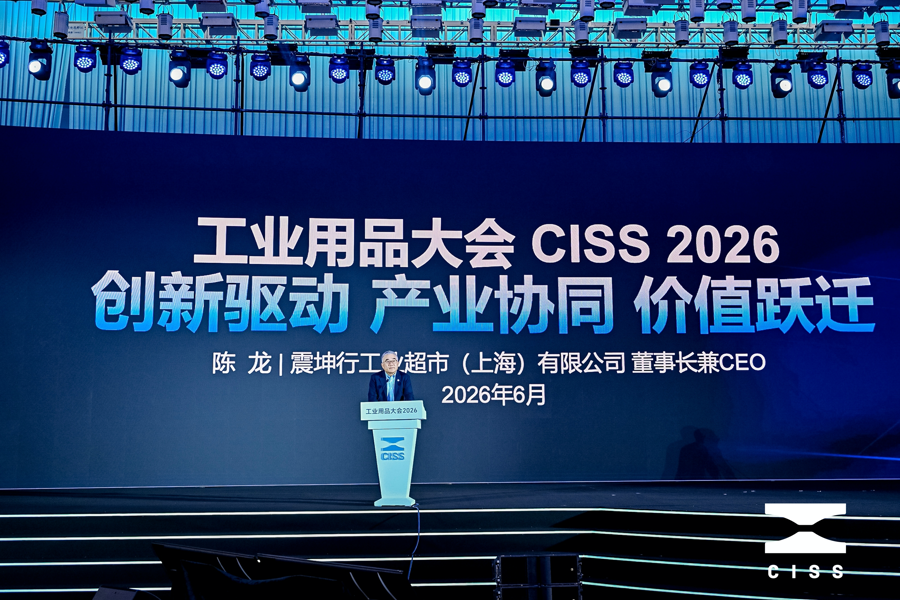
大会同步开设三大主题论坛,汇聚企业高管、学界专家分享实战经验。震坤行董事长兼CEO陈龙发表主题演讲,他表示,人工智能正在重构工业用品行业的竞争格局,企业可以通过共建行业基础设施、打造专业服务能力实现突破,并提出技术、产品渠道、营销三大创新路径,倡导产业链上下游深度协同。

清华大学经济管理学院教授肖勇波则从学术角度出发,建议企业打造效率、韧性、ESG三位一体的运营模式,构建可持续发展的现代化供应链。

在关注度最高的AI主题板块,震坤行CTO、玲珑智能CEO刘阳带来前沿分享。他表示,人工智能正从数字领域延伸至实体产业,行业竞争的重心也从模型研发转向场景落地。现场,震坤行旗下AI公司玲珑智能首次公开亮相,并推出行业首个工业用品PB级数据引擎“多米诺”,补齐工业用品智能基础设施短板,打通AI技术落地产业的“最后一公里”。美的集团、SMC等企业嘉宾也结合自身业务,分享了智能制造、降本增效、绿色发展等领域的实践经验。

此外,多场圆桌论坛还邀请陕煤物资商城、英特尔(中国)等数十家企业代表互动交流,针对技术应用、数据协同、产业痛点交换解决方案。大会最后举办CISS 2026工业用品奖颁奖典礼,表彰行业内优秀企业与创新项目。

数智深耕持续发力,龙头企业打造全球工业服务新桥梁

作为本次大会的发起方之一,震坤行深耕工业用品供应链领域多年,也是行业数字化、智能化转型的先行者。依托长期积累的技术、数据与服务经验,企业早已完成从传统贸易商向数智化产业服务商的转型,其创新成果也在各大行业展会中不断亮相。

早在2025年第八届进博会上,震坤行就首发自研“行家玲珑”工业垂直AI大模型及智能体家族。该大模型依托服务十万余家客户沉淀的海量数据与行业经验,精准聚焦工业用品选型、企业采购管理、制造业场景应用三大核心方向。旗下“AI物料管家”“AI推品大脑”等智能工具,将传统依靠人工经验的采购模式,升级为数据驱动的智能决策,有效解决工业用品品类繁杂、选型困难等行业痛点,大幅提升采购效率与精准度。

在履约服务层面,震坤行搭建起覆盖全国的智能履约网络,布局32个总仓、105个服务中心仓,搭配6000余台产线智能小仓库,实现物料领用、补给全流程无人化管理,打通物流交付“最后一公里”,帮助制造企业降本增效。除技术创新外,企业积极践行可持续发展理念,在进博会现场首次发布ESG报告,全面披露环境、社会、治理领域的实践成果;同时宣布成立全球创新研发中心,汇聚研发力量助力工业用品技术迭代。

凭借开放合作的理念,震坤行持续链接全球资源。企业曾多次斩获进博会“首日首单”,从早期引进海外优质工业用品服务国内市场,到如今搭建中外产业交流平台,与杜邦、卡赫、丹佛斯等国际品牌深度合作,助力海外品牌扎根中国,也推动中国制造走向全球。

从传统物料流通,到数字化升级,再到AI全面赋能,工业用品行业正迎来历史性变革。此次首届工业用品大会的举办,为全行业搭建了交流协作、创新探索的平台。未来,随着人工智能、大数据等技术不断深度应用,加上产业链各方协同发力,工业用品产业将持续突破边界、实现价值跃升,为我国新型工业化建设与制造业高质量发展注入源源不断的动力。

注:文/龚作仁,文章来源:Laborer,本文为作者独立观点,不代表亿邦动力立场。

文章来源:Laborer

广告
微信
朋友圈

FAQ回顾

工业用品行业当前的发展方向是什么?

当前工业用品行业已跳出螺丝刀、轴承等传统品类局限,数智化转型是主流发展方向,AI大模型、PB级数据引擎、智能体是行业热议的核心技术方向,整体正加速向高端化、智能化、绿色化方向转型。

震坤行在工业用品数智化转型方面有哪些实践?

震坤行已从传统贸易商转型为数智化产业服务商,2025年首发“行家玲珑”工业垂直AI大模型及智能体家族,推出“AI物料管家”等智能工具提升采购效率,还搭建覆盖全国的智能履约网络实现物料管理全流程无人化。

首届工业用品大会发布了哪些重要成果?

首届工业用品大会正式发布了以知识传播、人才培养为核心的工业用品知识分享平台,以及联合36氪编制的《2026年中国工业用品制造和流通报告》,震坤行旗下玲珑智能也首次公开亮相并推出行业首个PB级数据引擎“多米诺”。

这么好看,分享一下?

朋友圈 分享

APP内打开

赞 +1
+1
微信好友 朋友圈 新浪微博 QQ空间
关闭
收藏成功
发送
/140 0