广告
加载中

第一届工业用品大会在沪举办 震坤行:AI重构行业竞争格局

中国工业新闻网 2026-07-11 12:17
中国工业新闻网 2026/07/11 12:17

邦小白快读

EN
全文速览

本文是第一届工业用品大会在上海举办的相关报道,核心干货信息整理如下:

1. 本次大会由多个全国性行业协会和震坤行联合发起,共有1500余位行业从业者参会,聚焦工业用品产业协同与价值创新,会上推出了工业用品知识分享平台MRO行家,发布了《2026年中国工业用品制造和流通报告》,震坤行旗下AI公司玲珑智能首次亮相,发布了行业首个工业用品PB级数据引擎多米诺。

2. 行业核心共识:当前制造业向高端化智能化绿色化转型,工业用品行业正处于转型升级窗口期,AI等数智技术正在重塑行业竞争格局,AI能大幅提升生产性服务业效率,工业用品行业与AI高度适配。

3. 头部企业震坤行已完成的数智化布局:建成全国履约服务网络、创新研发中心,自研行家玲珑AI大模型,拥有超2700万个SKU,业务延伸至海外,是国内MRO行业赴美上市第一股。

本文针对工业用品品牌的发展,整理核心干货如下:

1. 行业发展趋势:当前十五五规划明确要求推动生产性服务业升级,促进和先进制造业深度融合,制造业加速向高端化智能化绿色化转型,工业用品行业迎来转型升级重要窗口期,AI重构行业竞争格局,行业和AI适配性高,品牌有较大增长空间。

2. 品牌创新方向:品牌可以从技术、产品渠道、营销三个方向开展创新,要主动适配市场对供应链韧性、速变小单供应链的新需求,和客户、供应商及行业伙伴深度协同,共建产业生态,补齐物流、科创转化等领域短板。

3. 可参考的实践案例:头部品牌震坤行通过布局AI大模型、行业数据引擎、全国履约网络,开放自身数智能力,和上下游深化合作,从简单交易升级为深度伙伴关系,这种生态化运营模式值得品牌参考借鉴。

本文针对工业用品领域卖家,整理了政策、机会、实操相关干货如下:

1. 政策层面:十五五规划明确将生产性服务业放在产业发展突出位置,提出推动生产性服务业向专业化高端化升级,支持现代服务业和先进制造业深度融合,行业发展有明确的政策支持,存在政策红利。

2. 市场机会:当前行业正处于转型升级窗口期,AI技术重塑行业格局,市场对供应链韧性、速变小单供应链、服务业供应链的需求快速增长,AI能够大幅提升行业效率,给卖家带来新的增长机会。

3. 实操路径和可学习点:卖家可以选择依托共建基础设施或者成为行业专家两种路径实现突破,还可以入驻MRO行家知识分享平台对接行业资源,拓展人脉和影响力,向震坤行学习生态协同的发展模式,开放自身能力和上下游深度合作。

本文针对工业用品相关生产工厂,整理了需求、机会、转型相关干货如下:

1. 生产和市场需求变化:当前制造业生产方式已经转向数字化、柔性化、定制化和网络化,对工业用品的供应链协同能力提出了更高要求,速变小单的需求越来越多,工厂需要调整生产和设计适配新的市场需求。

2. 商业合作机会:当前AI技术带动行业升级,工厂可以和头部平台开展深度合作,和平台联合共建质量标准与AI质检规则,协同开展产品创新与数据共建,从简单的供货关系升级为深度合作伙伴,借助平台的流量和技术能力拓展市场。

3. 数字化转型启示:工业用品行业和AI高度适配,工厂可以借助AI技术提升生产和供应链效率,主动参与行业生态共建,共享行业基础设施和数据资源,降低自身转型成本,提升生产效率和市场竞争力。

本文针对工业用品领域服务商,整理了行业趋势、客户痛点、发展机会相关干货如下:

1. 行业发展趋势:十五五规划明确推动生产性服务业向专业化高端化升级,促进和先进制造业深度融合,AI技术正在重构工业用品行业竞争格局,行业正处于重要的转型升级窗口期,给服务商带来大量的市场需求。

2. 当前行业客户核心痛点:传统工业用品服务效率偏低,供应链协同性不足,难以适配制造业柔性化定制化生产的需求,AI技术落地存在从模型到产业的最后一公里难题,缺少成熟的工业用品领域智能基础设施支撑。

3. 解决方案方向:服务商可以瞄准工业领域AI落地的需求,布局工业用品智能基础设施,深耕AI技术的行业落地,竞争核心已经从模型能力转向行业部署能力,也可以参与MRO行家平台建设,汇聚行业知识,培养行业人才,共享生态红利。

本文针对工业用品领域平台商,整理了行业需求、发展路径、运营经验相关干货如下:

1. 行业对平台的核心需求:当前制造业转向数字化柔性化生产,需要平台搭建高效协同的产业链、供应链、销售网和资金网,解决AI技术落地最后一公里的问题,打造开放共享的行业生态,满足行业多样化的需求。

2. 头部平台的可借鉴运营经验:头部平台震坤行的做法是,搭建覆盖全国的履约服务网络,布局自研AI大模型和行业专属PB级数据引擎,同时推出垂直领域知识分享平台MRO行家汇聚行业资源;面向客户提供定制化解决方案,开放数智能力赋能客户;面向供应商联合共建标准,协同创新,和行业伙伴开放共享资源。

3. 发展风向提示:平台要抓住AI技术的发展机遇,将重心从模型能力研发转向AI的行业落地部署,走生态协同发展路线,避免只注重技术不注重落地的误区,推动全行业协同升级。

本文针对产业研究者,整理了工业用品行业最新动向、核心观点、商业模式等干货如下:

1. 产业最新动向:首届工业用品大会在上海举办,行业已经形成AI重构工业用品竞争格局的共识,AI发展正从数字世界AI向物理世界AI延伸,产业竞争焦点从模型能力转向行业部署能力,行业诞生了首个工业用品PB级数据引擎、垂直领域AI大模型、专属工业用品知识分享平台MRO行家等新产物,震坤行作为国内MRO头部平台已经成功赴美上市。

2. 权威核心观点:多位权威专家提出,AI可以破解传统生产性服务业的鲍莫尔病,工业用品行业和AI高度适配,十五五时期要推动科创、数字、绿色和实体经济深度融合,补齐生产性服务业短板,构建高效协同的产业链供应链。

3. 新型商业模式研究素材:震坤行探索的开放生态协同商业模式,面向不同主体提供差异化价值,和全产业链伙伴协同共赢,推动行业整体升级,是很好的研究案例。

返回默认
声明:快读内容全程由AI生成,请注意甄别信息。如您发现问题,请发送邮件至 run@ebrun.com 。

我是 品牌商 卖家 工厂 服务商 平台商 研究者 帮我再读一遍。

Quick Summary

This article covers the first Industrial Supplies Conference held in Shanghai, with key takeaways summarized below:

1. Co-organized by multiple national industry associations and ZKH Group, the conference drew over 1,500 industry practitioners, focusing on industrial supply chain collaboration and value innovation. During the event, MRO Expert, an industrial supplies knowledge-sharing platform, was launched alongside the *2026 China Industrial Supplies Manufacturing and Distribution Report*. Linglong AI, ZKH’s artificial intelligence subsidiary, made its debut with Domino, the industry’s first petabyte-scale industrial supplies data engine.

2. Core industry consensus: Against the backdrop of China’s manufacturing sector shifting toward high-end, intelligent, and green transformation, the industrial supplies industry is in a window for upgrading. Digital and intelligent technologies represented by AI are reshaping the competitive landscape. AI can significantly improve the efficiency of producer services, and the industrial supplies industry is highly compatible with AI applications.

3. Digital transformation progress at industry leader ZKH: The company has built a national fulfillment service network and an innovation R&D center, developed the self-owned Xingjialinglong large AI model, holds over 27 million SKUs, has expanded its business overseas, and is the first Chinese MRO industry player to list on a U.S. stock exchange.

This article summarizes key insights for industrial supplies brands as follows:

1. Industry development trends: The 15th Five-Year Plan explicitly calls for upgrading producer services and advancing their deep integration with advanced manufacturing. As manufacturing accelerates its shift toward high-end, intelligent, and green transformation, the industrial supplies industry is entering a critical window for upgrading. AI is restructuring the industry’s competitive landscape, and the high compatibility between the industry and AI creates substantial room for brand growth.

2. Directions for brand innovation: Brands can pursue innovation across three dimensions: technology, product channels, and marketing. They need to proactively adapt to new market demands for supply chain resilience and agile small-batch supply chains, deepen collaboration with customers, suppliers and industry partners to co-build an industrial ecosystem, and address gaps in logistics, tech commercialization and other key areas.

3. Reference case: Leading player ZKH’s model is a useful reference. The company has built out AI large models, an industry-specific data engine and a national fulfillment network, opened its digital capabilities to partners, deepened cooperation with upstream and downstream stakeholders, and evolved from simple transactional relationships to deep partnerships, forming an ecosystem-based operation model.

This article organizes key insights on policy, opportunities and practical strategies for industrial supplies sellers as follows:

1. Policy landscape: The 15th Five-Year Plan places producer services in a prominent position for industrial development, calling for upgrading the sector toward specialization and high-end growth, and supporting deep integration between modern services and advanced manufacturing. The industry enjoys clear policy support and policy dividends.

2. Market opportunities: The industry is currently in a window for transformation and upgrading, and AI technology is reshaping the competitive landscape. Market demand for resilient supply chains, agile small-batch supply chains, and service-oriented supply chains is growing rapidly. AI can significantly improve industry efficiency, bringing new growth opportunities for sellers.

3. Practical paths and takeaways: Sellers can pursue breakthroughs through two paths: leveraging co-built industrial infrastructure, or positioning as industry experts. They can also join the MRO Expert knowledge-sharing platform to access industry resources, expand professional networks and influence, and learn from ZKH’s ecosystem collaboration model by opening their own capabilities to deepen cooperation with upstream and downstream partners.

This article summarizes key insights on demand, opportunities and transformation for industrial supplies manufacturing factories as follows:

1. Shifts in production and market demand: Manufacturing has shifted to digital, flexible, customized and networked production models, which raises higher requirements for supply chain collaboration in the industrial supplies sector. Demand for agile small-batch orders is growing rapidly, so factories need to adjust their production and design to adapt to new market demands.

2. Business collaboration opportunities: Driven by AI-powered industry upgrading, factories can build deep partnerships with leading industry platforms. They can co-develop quality standards and AI-powered inspection rules with platforms, collaborate on product innovation and data building, and evolve from simple supplier relationships to deep strategic partnerships, tapping into new markets by leveraging platforms’ traffic and technical capabilities.

3. Insights for digital transformation: The industrial supplies industry is highly compatible with AI. Factories can leverage AI to improve production and supply chain efficiency, proactively participate in industry ecosystem building, share industry infrastructure and data resources, reduce their own transformation costs, and boost production efficiency and market competitiveness.

This article summarizes key insights on industry trends, customer pain points and development opportunities for industrial supplies service providers as follows:

1. Industry development trends: The 15th Five-Year Plan explicitly promotes the upgrading of producer services toward specialization and high-end growth, and advances their deep integration with advanced manufacturing. AI is restructuring the competitive landscape of the industrial supplies industry, and the sector is in a critical window for transformation and upgrading, generating massive market demand for service providers.

2. Core customer pain points: Traditional industrial supplies services suffer from low efficiency and insufficient supply chain collaboration, making it hard to meet the demand for flexible, customized manufacturing. AI adoption also faces the "last-mile" problem of bridging general-purpose models and industrial applications, as the industry lacks mature intelligent infrastructure tailored for industrial supplies.

3. Direction for solutions: Service providers can target the demand for AI implementation in industrial sectors, build out intelligent infrastructure for industrial supplies, and focus on integrating AI technology into real-world industry applications. Industry competition is now shifting from model capabilities to industry deployment capabilities. Service providers can also participate in building the MRO Expert platform to aggregate industry knowledge, cultivate industry talent, and share ecosystem dividends.

This article summarizes key insights on industry demand, development paths and operational experience for industrial supplies platform operators as follows:

1. Core industry demand for platforms: As manufacturing shifts to digital and flexible production, the industry needs platforms to build efficiently coordinated industrial chains, supply chains, sales networks and capital networks, solve the last-mile problem of AI implementation, build an open and shared industry ecosystem, and meet the sector’s diverse demands.

2. Operational experience from leading platforms for reference: Leading player ZKH has adopted the following approach: it has built a nationwide fulfillment service network, developed a self-owned AI large model and an industry-specific petabyte-scale data engine, and launched the vertical knowledge-sharing platform MRO Expert to aggregate industry resources; it provides customized solutions for clients and opens its digital capabilities to empower customers; it works with suppliers to co-develop standards, collaborate on innovation, and share resources with all industry partners.

3. Development guidance: Platforms should seize the development opportunities brought by AI, shift their focus from model R&D to industry-specific AI deployment, follow an ecosystem collaboration development path, avoid the pitfall of focusing only on technology rather than real-world implementation, and drive collaborative upgrading across the entire industry.

This article summarizes key insights on the latest industry developments, core views and business models for industry researchers as follows:

1. Latest industry developments: The first Industrial Supplies Conference was held in Shanghai, where the industry reached a consensus that AI is restructuring the competitive landscape of the industrial supplies sector. AI development is expanding from digital-world applications to physical-world industrial use cases, and industry competition is shifting from model capabilities to industry deployment capabilities. The sector has seen the launch of new industry-specific products including the first petabyte-scale industrial supplies data engine, a vertical AI large model, and the dedicated industrial supplies knowledge-sharing platform MRO Expert. ZKH, China’s leading MRO platform, has successfully completed its U.S. listing.

2. Core authoritative views: Multiple leading experts note that AI can solve the Baumol’s cost disease conundrum in traditional producer services, and the industrial supplies industry is highly compatible with AI applications. During the 15th Five-Year Plan period, China will advance the deep integration of technological innovation, digitalization, green development and the real economy, address gaps in producer services, and build an efficiently coordinated industrial chain and supply chain.

3. Research material on new business models: The open ecosystem collaboration model explored by ZKH is a high-quality research case. The model delivers differentiated value to different industry stakeholders, pursues win-win collaboration with partners across the industrial chain, and drives upgrading for the entire industry.

Disclaimer: The "Quick Summary" content is entirely generated by AI. Please exercise discretion when interpreting the information. For issues or corrections, please email run@ebrun.com .

I am a Brand Seller Factory Service Provider Marketplace Seller Researcher Read it again.

“十五五”规划明确提出,要推动生产性服务业向专业化、高端化迈进,促进现代服务业与先进制造业深度融合,这为工业用品流通服务体系升级和实体经济高质量发展指明了方向。

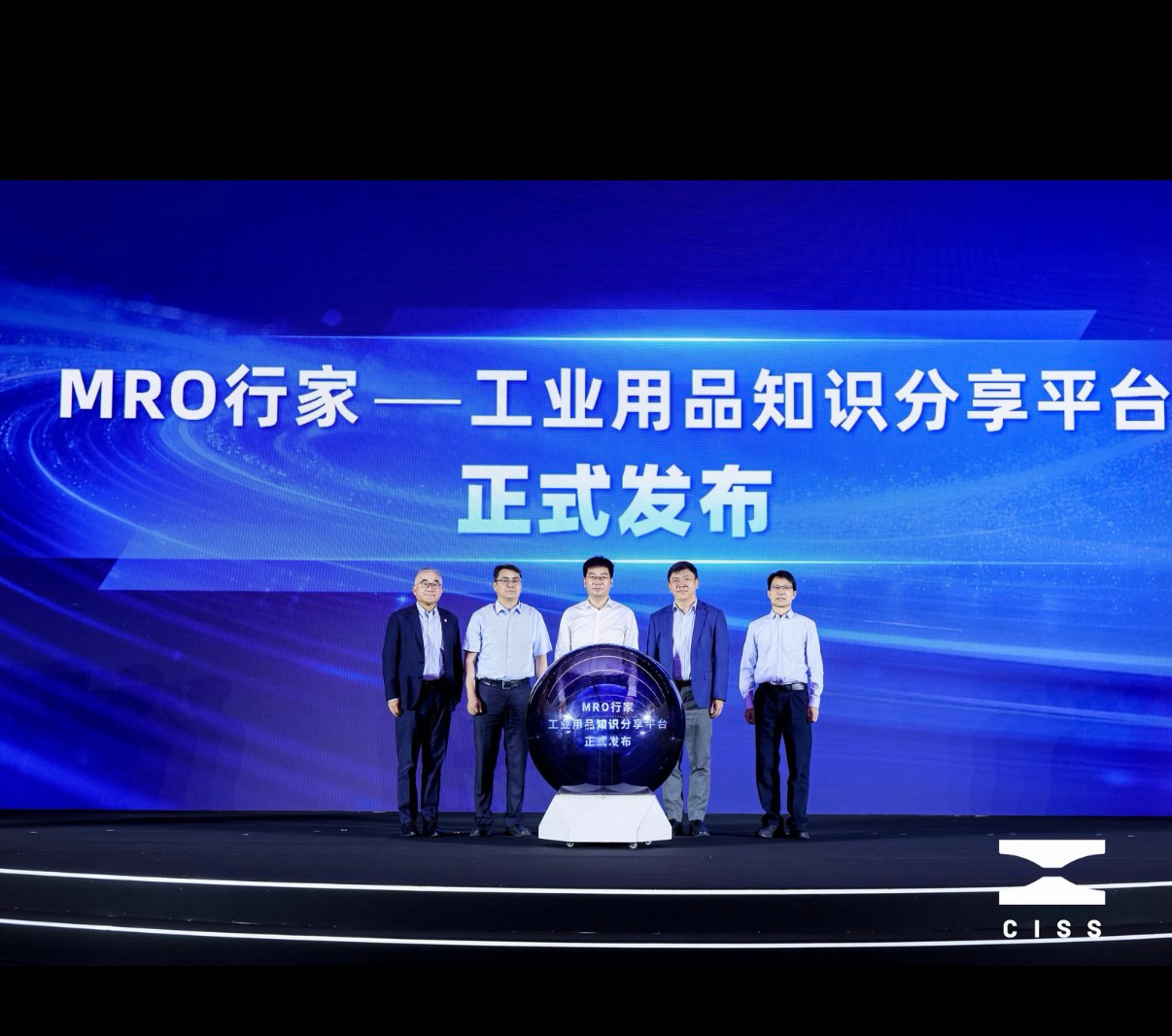
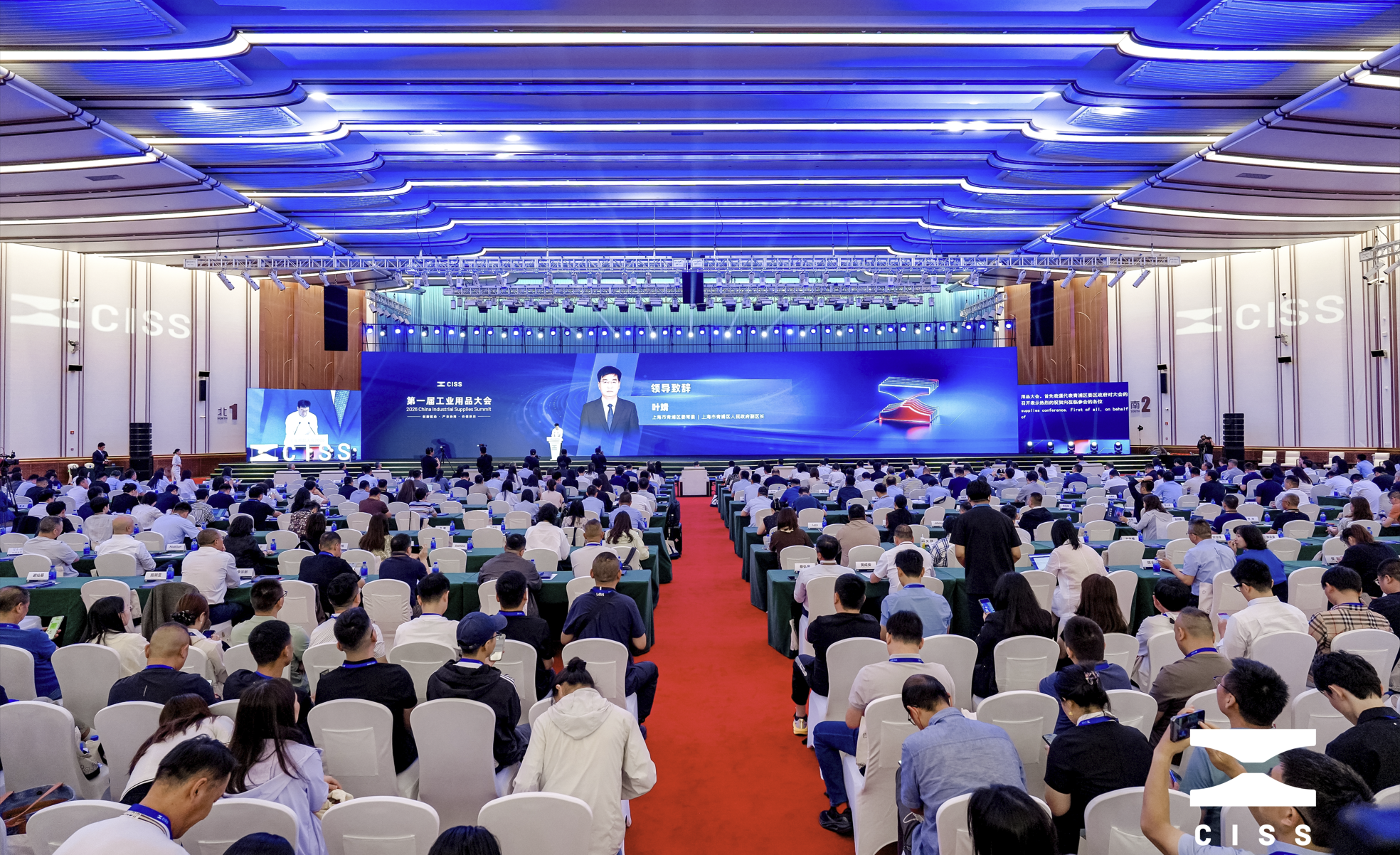
6月12日,第一届工业用品大会(CISS2026)在上海国家会展中心举行,大会由中国机械工业联合会、中国信息协会产业互联网分会等多个全国性行业协会、产业平台与震坤行工业超市联合发起。会议聚焦工业用品产业协同与价值创新,探讨发展机遇与未来方向,1500余位行业领袖、制造企业高管及产业链专家与会。会上推出工业用品知识分享平台“MRO行家”、发布《2026年中国工业用品制造和流通报告》。

工业品是指购买后用于加工生产或企业经营的产品,按生产目的可分为工业中间品(如原辅材料、零部件)和最终工业品。当前,制造业正加速向高端化、智能化、绿色化迈进,工业用品行业也迎来转型升级的重要窗口期。与会专家、企业家认为,AI等数智技术正在重塑工业用品行业。

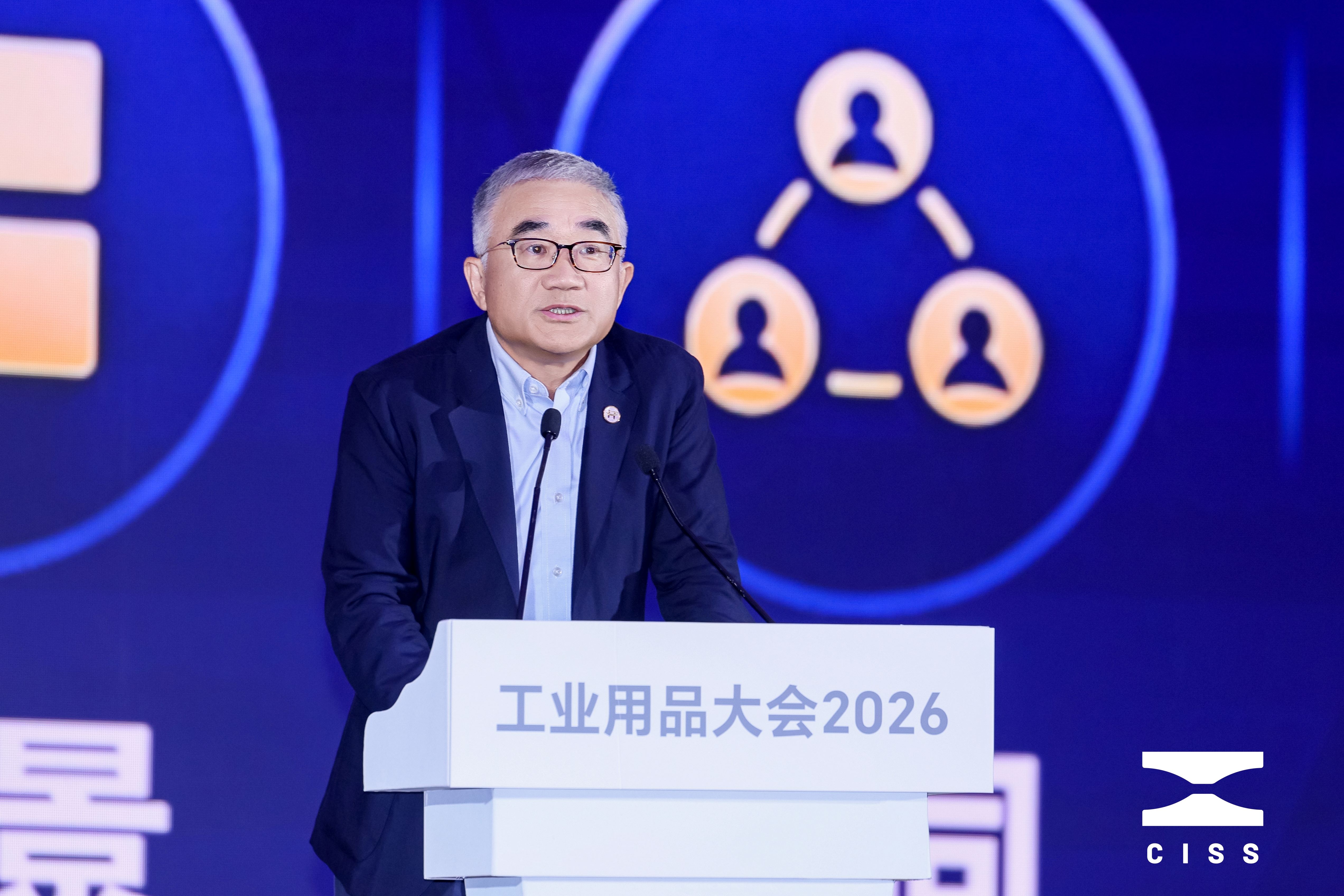
工业和信息化部原部长李毅中在报告中指出,物资装备供应服务体系是整个工业体系的重要基础组成,伴随生产方式逐渐转向数字化、柔性化、定制化和网络化,供应链正迎来深刻变革,构建高效协同的产业链、供应链、销售网、资金链成为建设现代化产业体系的关键。

中国国家创新与发展战略研究会学术委员会常务副主席、重庆市原市长黄奇帆在提出,立足“十五五”发展新阶段,必须将生产性服务业放在产业发展的突出位置。目前,对标国际水平,我国在该领域仍有较大提升空间,需补齐物流、科创转化等短板,多措并举推动先进制造业与生产性服务业深度融合。

上海新金融研究院理事长、上海市原常务副市长屠光绍聚焦产融协同视角。他表示,当下经济分化格局逐步常态化,数据要素、绿色资产、新型服务业态等不断重塑产业生态。“十五五”时期需推动科创、数字、绿色与实体经济深度融合,通过金融体系的全方位升级,精准匹配不同类型企业与产业的发展需求。

中国社会科学院大学教授、中国工业经济学会名誉会长、国务院原副秘书长江小涓在主旨报告中指出,AI不仅大幅提升生产性服务业效率,更带来前所未有的能力涌现,有望破解传统服务业“鲍莫尔病”难题。她强调,工业用品行业与AI高度适配,未来应重点关注供应链韧性、速变小单供应链、服务业供应链建设,并积极用好智能体技术。

震坤行董事长兼CEO陈龙

震坤行董事长兼CEO陈龙在主题演讲中表示,AI正在重构工业用品行业竞争格局,企业可依托共建基础设施和成为行业专家两种方式实现突破。他提出技术、产品/渠道、营销三大创新路径,强调要与客户、供应商及行业伙伴深度协同共建生态。目前,震坤行已建成全国履约服务网络、创新研发中心及"行家玲珑"自研AI大模型,将以数智化赋能产业协同,推动行业高质量发展。

人工智能是本届大会最受关注的话题之一。震坤行CTO、玲珑智能CEO刘阳在主题分享中指出,AI正从数字世界AI向物理世界AI延伸,产业竞争已从模型能力转向行业部署能力。会上,震坤行AI公司——玲珑智能首次亮相,并正式发布行业首个工业用品PB级数据引擎“多米诺”,旨在打造工业用品智能基础设施,助力企业与行业完成从模型到产业的“最后一公里”。

工业用品知识分享平台“MRO行家”是一个专属工业用品领域的知识交流与行业社交平台。该平台将汇聚工业用品行业专家、企业领袖、一线采购人员、工程师等行业从业者,分享实战经验、展示创新成果、学习行业新知。平台将以知识传播、人才培养为核心目标,推动构建全员参与、共建共享的良性行业生态,全力打造广大工业从业者共同的成长阵地。

作为本次大会的发起单位之一,震坤行是国内知名数字化工业用品服务平台。公司于2023年12月在纽约证券交易所挂牌上市,是国内MRO(维护、维修和运营材料)行业赴美上市第一股。近年来,震坤行持续投入数字化与AI,推出了工业用品供应链垂直领域的AI行家大模型,并自研“行家玲珑”AI大模型。目前,震坤行已建立起覆盖32条优势产线、拥有超过2700万个SKU(库存单位)的庞大工业品超市,业务已延伸至海外。

近年来,震坤行在联动客户、供应商与行业伙伴实现协同共赢、推动行业整体升级方面作出诸多努力。“MRO行家”平台的推出,是震坤行等第一届工业用品大会组委会成员单位“产业协同”助力行业整体升级理念的具体实践。

据介绍,面对客户,震坤行从标准服务转向场景共建与管理赋能,深入制造现场打造定制化解决方案,同时开放数字化与AI能力帮助客户优化采购管理;面对供应商,联合共建质量标准与AI质检规则,协同开展产品创新与数据共建,从简单交付升级为深度伙伴关系;面对行业伙伴,坚持生态资源开放共享,推动行业标准共建,走向协调发展。

注:文/中国工业新闻网,文章来源:中国工业新闻网,本文为作者独立观点,不代表亿邦动力立场。

文章来源:中国工业新闻网

广告
微信
朋友圈

FAQ回顾

工业用品行业的发展趋势是什么?

当前制造业正加速向高端化、智能化、绿色化迈进,工业用品行业迎来转型升级重要窗口期,AI等数智技术正在重塑行业竞争格局,数智化赋能产业协同是未来行业高质量发展的核心方向,企业可通过技术、产品/渠道、营销三大路径创新实现突破。

震坤行在工业用品领域有哪些AI相关布局?

震坤行已自研“行家玲珑”AI大模型、工业用品供应链垂直领域AI行家大模型,旗下AI公司玲珑智能发布行业首个工业用品PB级数据引擎“多米诺”,还开放AI能力帮助客户优化采购管理,与供应商共建AI质检规则。

MRO行家平台是做什么的?

“MRO行家”是专属工业用品领域的知识交流与行业社交平台,汇聚行业专家、企业高管、采购人员、工程师等从业者,可分享实战经验、展示创新成果、学习行业新知,以知识传播、人才培养为核心目标,推动构建良性行业生态。

第一届工业用品大会有哪些核心成果?

第一届工业用品大会在上海国家会展中心举办,会上推出工业用品知识分享平台“MRO行家”,发布《2026年中国工业用品制造和流通报告》,震坤行旗下AI公司玲珑智能首次亮相并发布行业首个工业用品PB级数据引擎“多米诺”。

这么好看,分享一下?

朋友圈 分享

APP内打开

赞 +1
+1
微信好友 朋友圈 新浪微博 QQ空间
关闭
收藏成功
发送
/140 0