广告
加载中

第一届工业用品大会在沪举行 AI与生产性服务业成新型工业化关键动能

央广网 2026-07-11 12:09
央广网 2026/07/11 12:09

邦小白快读

EN
全文速览

本文介绍了国内首个聚焦产业协同与价值创新的第一届工业用品大会(CISS 2026)的核心内容,梳理了工业用品行业的最新发展动态,干货如下:

1. 大会核心信息:该大会于6月12日在上海举行,以“创新驱动、产业协同、价值跃迁”为主题,汇聚近2000位行业领袖、企业高管与专家,集中展现行业转型成果。大会启动了工业用品知识分享平台,首次发布《2026年中国工业用品制造和流通报告》,还举办了行业颁奖活动表彰优秀主体。

2. 行业整体趋势:当前工业用品行业正经历深度变革,讨论焦点已经从传统工业产品转向大模型、智能体等AI相关方向,AI和生产性服务业已经成为驱动产业升级的核心新引擎,行业从传统制造向智能服务转型,十五五开局之年正加速迈向高质量发展新阶段。

3. 企业发展方向参考:业内专家指出,企业可通过共建基础设施或深耕行业专家两种路径实现突破,还建议企业构建效率、韧性、ESG三位一体的运营新战略。

本文透露出工业用品品牌当前面临的行业变革趋势与发展方向,核心干货如下:

1. 行业消费与竞争新趋势:AI正在重构工业用品行业的竞争格局,下游市场对智能化、服务化工业用品及解决方案的需求快速增长,生产性服务业成为核心增长动能,品牌需要抓住转型机遇完成升级,才能适配新的市场需求。

2. 产品研发创新方向:品牌需要加大AI技术的研发落地,可探索适配行业需求的自研大模型,推动产品贴合行业数字化、智能化、绿色化的发展要求,满足新一代供应链的需求。

3. 运营与协同方向:品牌要重视产业协同,借助行业交流平台对接上下游资源,可依托共建共享的工业知识平台培育团队,同时要布局全国性履约服务网络这类基础设施,提升品牌的交付与服务能力。

4. 战略调整参考:建议品牌调整运营战略,搭建效率、韧性、ESG三位一体的运营体系,打造高韧性可持续供应链,适配新的竞争环境。

本文透露出当前工业用品赛道的最新变化,给工业用品卖家带来明确的机会提示与发展参考,核心干货如下:

1. 行业整体机会:当前工业用品行业正处于从传统制造向智能服务转型的关键期,AI和生产性服务业是核心增长动能,赛道整体往高质量方向升级,市场空间广阔,有大量新的增长点待挖掘。

2. 企业突破发展路径:卖家可以根据自身资源选择两种路径实现增长,一是参与共建行业AI等公共基础设施,共享行业流量与资源;二是深耕垂直领域,成为细分赛道的行业专家,差异化竞争。同时可从技术、产品、营销三个方向推进创新落地。

3. 运营优化方向:要参照业内专家建议,搭建效率、韧性、ESG三位一体的运营体系,打造高韧性可持续供应链,提升自身抗风险能力,适配行业长期发展要求。

4. 资源对接机会:当前行业已经有正式启动的共建共享知识分享平台,还有年度行业大会提供交流对接渠道,卖家可以借助这类平台拓展资源,获取官方发布的行业报告支撑自身决策。

本次工业用品大会传递的行业变化,给工业用品工厂转型发展带来不少启示和商业机会,核心干货如下:

1. 产品生产与设计需求变化:当前市场对工业用品的需求已经不再局限于传统功能性产品,更多偏向智能化、数字化的配套产品与服务,工厂在产品研发设计中需要融入AI等新技术,适配行业整体智能化转型的需求。

2. 转型方向启示:工厂要顺应行业变革趋势,加速自身生产端的数字化、智能化、绿色化升级,契合当前工业用品供应链的发展方向,可对接地方相关产业规划,抓住政策发展机遇。

3. 可对接的商业机会:当前行业强调产业协同,大会这类产业活动搭建了互通交流的对接平台,工厂可以借助这类平台对接产业链上下游的品牌、渠道资源,拓展合作机会,同时可依托行业共建的知识分享平台提升从业者能力,获取权威行业报告支撑自身决策。

4. 转型路径参考:可以参考头部企业的做法,逐步布局数字化技术,探索适配自身的AI应用,搭建完善的服务网络,提升自身综合竞争力。

本文透露出工业用品行业转型背景下,工业领域服务商的发展方向和市场需求,核心干货如下:

1. 行业发展整体趋势:当前工业用品行业正处于从传统制造向智能服务转型的关键阶段,AI和生产性服务业是核心驱动动能,全行业都在推进升级转型,对专业化服务的需求大幅提升,给服务商带来了广阔的市场空间。

2. 客户核心痛点:广大工业用品领域企业都在寻求创新升级的清晰路径,在AI技术落地、供应链优化、运营战略调整等方面都存在服务需求,尤其是对大模型、PB级数据引擎这类新技术相关服务的需求十分旺盛。

3. 可布局的解决方案方向:可围绕AI技术落地,为企业提供大模型建设、工业数据处理这类技术服务;也可以围绕供应链升级,为企业提供高韧性可持续供应链搭建的咨询、落地服务,帮助企业构建效率、韧性、ESG三位一体的运营体系;还可以参与共建行业共享基础设施,比如工业用品知识分享平台,依托平台对接客户,打造自身品牌影响力。

本次工业用品大会的举办,给工业用品领域的平台商指明了发展方向,核心干货如下:

1. 产业对平台的核心需求:当前工业用品行业强调产业协同创新,行业企业需要互联互通的交流对接平台,也需要共建共享的知识学习成长平台,还需要权威的行业数据和趋势研判支撑决策,这些都是平台可以切入的核心方向。

2. 平台的核心发展思路:平台要紧扣新型工业化的发展大局,聚焦AI和生产性服务业两大核心动能,搭建服务全产业链的交流、创新平台,汇聚行业资源,助力企业对接合作,贴合地方产业发展规划获取发展支持。

3. 平台运营与招商方向:平台可以围绕供应链创新、智能制造、产品创新等当前行业热门主题设置交流板块,吸引不同领域的企业参与,同时可以设立行业奖项表彰优秀企业与产品,提升平台的行业影响力,还可以联合行业权威机构发布年度行业发展报告,树立平台的权威性,吸引更多企业入驻合作。

4. 风向规避提示:平台要紧跟产业转型趋势,不能停留在传统工业用品信息对接的旧定位,要加速自身的数字化智能化升级,适配行业新的发展需求。

本文记录了第一届工业用品大会的核心内容,透露出当前中国工业用品产业的最新发展动向,为产业研究提供了很多新的素材,核心干货如下:

1. 产业发展新动向:当前国内工业用品产业已经开启深度转型,变革的核心驱动因素已经从传统的产能扩张转变为AI技术和生产性服务业,行业的底层逻辑和竞争格局正在被新技术新业态重塑,整体往高效、智能、协同的高质量方向发展,这是十五五开局之年中国工业用品产业发展的新特征。

2. 产业实践新探索:业内已经出现了多种创新实践,比如头部企业震坤行已经建成覆盖全国的履约服务网络,自研了面向工业领域的“行家玲珑”大模型,行业层面也启动了共建共享的工业用品知识分享平台,首次发布了覆盖全行业的发展报告,这些都是产业转型过程中的新探索。

3. 理论与模式新方向:业内提出了企业转型突破的两种路径、三大创新方向,还有效率、韧性、ESG三位一体的运营新战略,既为工业用品产业转型升级提供了新的实践指引,也为研究新型工业化背景下传统制造产业转型提供了典型样本,有较高的研究参考价值。

返回默认
声明:快读内容全程由AI生成,请注意甄别信息。如您发现问题,请发送邮件至 run@ebrun.com 。

我是 品牌商 卖家 工厂 服务商 平台商 研究者 帮我再读一遍。

Quick Summary

This article summarizes the core content of the first China Industrial Supplies Summit (CISS 2026), China’s first industry event focused on industrial collaboration and value innovation, and outlines the latest developments in China’s industrial supplies sector:

1. Key event details: Held on June 12 in Shanghai under the theme "Innovation-Driven Growth, Industrial Collaboration, Value Leapfrog," the summit gathered nearly 2,000 industry leaders, corporate executives and experts to showcase the sector’s latest transformation outcomes. It launched an industry-wide knowledge sharing platform, released the *2026 China Industrial Supplies Manufacturing and Distribution Report* for the first time, and held an awards ceremony to recognize outstanding industry players.

2. Overall industry trends: The industrial supplies sector is currently undergoing deep transformation. Industry discussion has shifted from traditional industrial products to AI-related technologies including large models and intelligent agents. AI and producer services have emerged as core new engines driving industrial upgrading. As the sector transitions from traditional manufacturing to intelligent services, it is accelerating its move toward high-quality development in the opening year of China’s 15th Five-Year Plan period.

3. Guidance for corporate development: Industry experts note that companies can achieve breakthroughs through one of two paths: co-building public infrastructure, or deepening expertise as a vertical industry specialist. They also recommend that enterprises adopt a new three-in-one operational strategy integrating efficiency, resilience and ESG.

This article outlines the ongoing industrial transformation and emerging development directions for industrial supplies brands, with key takeaways as follows:

1. New trends in consumer demand and competition: AI is reshaping the competitive landscape of the industrial supplies industry. Downstream demand for intelligent, service-oriented industrial products and solutions is growing rapidly, and producer services have become the core growth driver. Brands must seize transformation opportunities to complete upgrades and adapt to new market demands.

2. R&D and innovation priorities: Brands should accelerate the R&D and commercialization of AI technologies, and explore development of custom large models tailored to industry needs. This will align products with the sector’s push for digitalization, intelligence and greenification, and meet the requirements of next-generation supply chains.

3. Collaboration and operational priorities: Brands should prioritize industrial collaboration, leverage industry exchange platforms to connect with upstream and downstream resources, and utilize the co-built shared industrial knowledge platform for team development. They should also invest in infrastructure such as a national fulfillment service network to improve delivery and service capabilities.

4. Strategic adjustment guidance: Brands are advised to adjust their operational strategies and build a three-in-one operational system integrating efficiency, resilience and ESG, to develop a highly resilient sustainable supply chain suited to the new competitive environment.

This article outlines the latest changes in the industrial supplies track and provides clear opportunity alerts and development guidance for industrial supplies sellers, with key takeaways as follows:

1. Broad industry opportunities: The industrial supplies sector is currently in a critical transition period from traditional manufacturing to intelligent services, with AI and producer services serving as core growth drivers. The entire track is upgrading toward high-quality development, with broad market space and massive untapped new growth points.

2. Paths to growth and breakthrough: Sellers can choose from two growth paths aligned with their own resources: first, participate in co-building public infrastructure such as industry AI platforms to access shared industry traffic and resources; second, deepen focus on a vertical niche to become an industry specialist in the segment and pursue differentiated competition. Sellers should also advance innovation across technology, product and marketing functions.

3. Operational optimization guidance: Following expert recommendations, sellers should build a three-in-one operational system integrating efficiency, resilience and ESG, develop a highly resilient sustainable supply chain, improve risk resistance capacity, and align with the long-term development requirements of the industry.

4. Resource access opportunities: A co-built shared industry knowledge platform has been officially launched, and annual industry summits provide channels for exchange and connection. Sellers can leverage these platforms to expand resources and access official industry reports to support data-driven decision-making.

The first China Industrial Supplies Summit revealed key industry shifts, bringing multiple insights and business opportunities for industrial supplies factories pursuing transformation, with key takeaways as follows:

1. Shifting product design and production demand: Market demand for industrial supplies is no longer limited to traditional functional products, and increasingly favors intelligent, digital-enabled products and supporting services. Factories need to integrate AI and other new technologies into product R&D and design to adapt to the industry’s overall intelligent transformation.

2. Transformation guidance: Factories should align with broader industry transformation trends, accelerate digital, intelligent and green upgrades of their production operations to align with the development direction of modern industrial supplies supply chains, and connect with local industrial planning to capture policy-supported development opportunities.

3. Accessible business opportunities: The industry now emphasizes industrial collaboration, and industry events such as this summit build connection platforms for cross-party communication. Factories can leverage these platforms to connect with brands and channel resources across the industrial chain, expand cooperation opportunities, improve workforce capabilities via the co-built industry knowledge sharing platform, and access authoritative industry reports to support decision-making.

4. Reference for transformation paths: Factories can learn from leading industry players to gradually roll out digital technology, explore AI applications suited to their own operations, build comprehensive service networks, and improve overall competitiveness.

Against the backdrop of industrial supplies industry transformation, this article outlines development directions and market demand for industrial sector service providers, with key takeaways as follows:

1. Overall industry development trends: The industrial supplies sector is currently in a critical transition phase from traditional manufacturing to intelligent services, with AI and producer services as core growth drivers. The entire industry is pushing forward upgrading and transformation, leading to a sharp increase in demand for professional services, which creates broad market space for service providers.

2. Core pain points of clients: A large number of industrial supplies enterprises are seeking clear paths for innovation and upgrading, and have service demand across AI implementation, supply chain optimization, and operational strategy adjustment. In particular, demand for services related to new technologies such as large models and petabyte-scale data engines is very strong.

3. Priorities for solution development: Service providers can build solutions centered on AI implementation, offering technical services such as large model development and industrial data processing for enterprises; they can also focus on supply chain upgrading, providing consulting and implementation services for building high-resilience sustainable supply chains, helping enterprises build the three-in-one operational system of efficiency, resilience and ESG; they can also participate in co-building shared industry infrastructure such as the industrial supplies knowledge sharing platform, connect with clients via the platform, and build their own brand influence.

The hosting of the first China Industrial Supplies Summit clarifies development directions for industrial supplies platform operators, with key takeaways as follows:

1. Core industry demand for platforms: The current industrial supplies industry emphasizes collaborative innovation. Industry players need interconnected exchange and connection platforms, co-built and shared knowledge and learning platforms, as well as authoritative industry data and trend analysis to support decision-making. All of these are core entry points for platforms.

2. Core development strategy for platforms: Platforms should align with the overall development goals of China’s new industrialization, focus on the two core growth drivers of AI and producer services, build exchange and innovation platforms that serve the entire industrial chain, aggregate industry resources, facilitate business cooperation, and align with local industrial development plans to access development support.

3. Operation and recruitment priorities: Platforms can set up exchange sections around current popular industry themes such as supply chain innovation, smart manufacturing and product innovation to attract enterprises from different fields. They can also establish industry awards to recognize outstanding enterprises and products to improve industry influence, and partner with authoritative industry institutions to release annual industry development reports to build authority and attract more enterprises to settle and cooperate.

4. Risk avoidance guidance: Platforms must keep pace with industrial transformation trends, avoid sticking to the old positioning of only providing traditional industrial supplies information matching services, and accelerate their own digital and intelligent upgrading to adapt to new industry development demands.

This article documents the core content of the first China Industrial Supplies Summit, reveals the latest development trends of China’s industrial supplies industry, and provides new materials for industrial research, with key takeaways as follows:

1. New industrial development trends: China’s industrial supplies industry has entered a phase of deep transformation. The core driver of development has shifted from traditional capacity expansion to AI technology and producer services. New technologies and new business models are reshaping the industry’s underlying logic and competitive landscape, and the entire sector is moving toward high-quality development defined by efficiency, intelligence and collaboration. This is the new defining feature of China’s industrial supplies industry in the opening year of the 15th Five-Year Plan period.

2. New industrial practice exploration: A variety of innovative practices have already emerged in the industry. For example, leading player ZKH has built a nationwide fulfillment service network and developed its own "Hangjia Linglong" large model tailored for the industrial sector. At the industry level, a co-built shared industrial supplies knowledge platform has been launched, and the first industry-wide development report has been released. All of these are new explorations during the industry transformation process.

3. New directions for theory and business models: The industry has proposed two paths for corporate transformation and breakthrough, three core innovation directions, and a new three-in-one operational strategy integrating efficiency, resilience and ESG. These frameworks not only provide practical guidance for the transformation and upgrading of the industrial supplies industry, but also offer a typical case study for research on the transformation of traditional manufacturing against the background of new industrialization, with high research reference value.

Disclaimer: The "Quick Summary" content is entirely generated by AI. Please exercise discretion when interpreting the information. For issues or corrections, please email run@ebrun.com .

I am a Brand Seller Factory Service Provider Marketplace Seller Researcher Read it again.

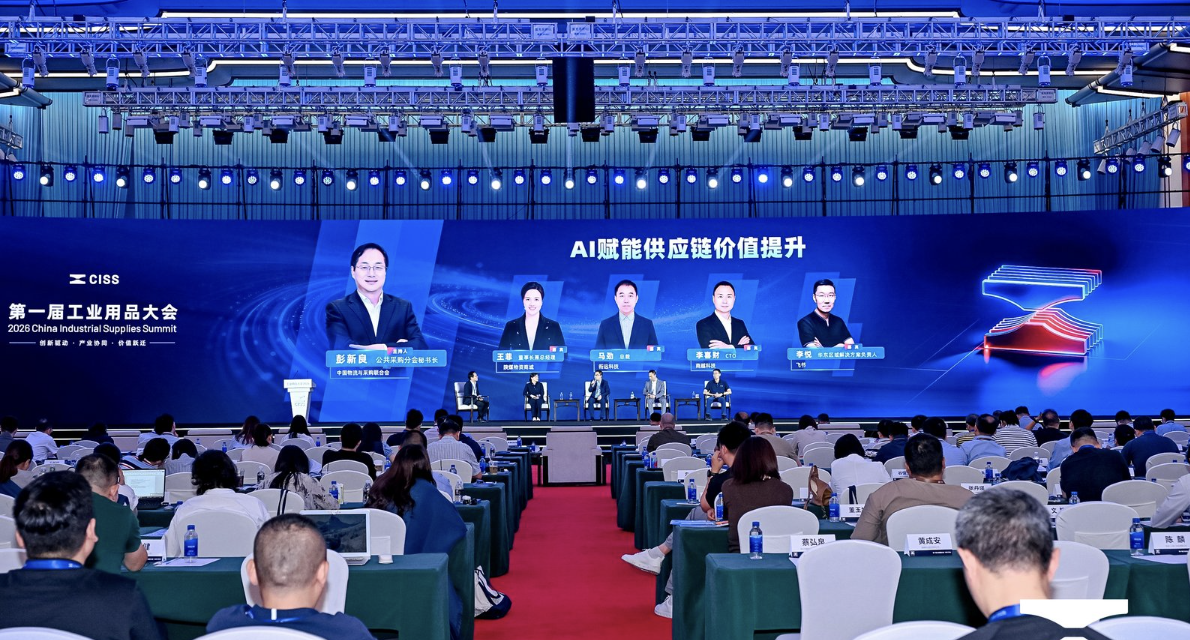
第一届工业用品大会(CISS 2026)6月12日在沪举行。作为国内首个聚焦产业协同与价值创新的工业用品行业盛会,本次大会以“创新驱动、产业协同、价值跃迁”为主题,汇聚了近2000位行业领袖、制造企业高管及产业链专家,集中展现了在新型工业化背景下,工业用品产业从传统制造向智能服务转型的最新成果与未来方向。

第一届工业用品大会在沪举行(央广网发 受访者供图)

大会现场,讨论的焦点已不再是传统的“螺丝刀、轴承、润滑油”,而是“大模型”“PB级数据引擎”“智能体”等高频词汇。与会专家认为,这折射出工业用品行业正在经历一场变革,生产性服务业与人工智能正成为驱动产业升级的新引擎。

上海市青浦区委常委、区人民政府副区长叶靖在致辞中指出,工业用品供应链的数字化、智能化、绿色化发展,与青浦打造全球供应链管理枢纽的目标高度契合。本次工业用品大会搭建了互通交流的平台,期待各界同仁凝聚共识、碰撞思想,共同为中国工业用品产业的高质量发展、为中国制造业的腾飞贡献力量。

作为本届大会主办方之一,中国机械工业联合会副会长张文宏从行业视角出发,强调了创新与协同的重要性。他表示,立足新型工业化发展大局, 如何以创新驱动产业升级,以协同促进价值创造,已经成为产业界共同关注的重要课题。

大会期间,多项重要成果发布。工业用品知识分享平台正式启动,旨在打造行业从业者共建共享的成长阵地。同时,《2026年中国工业用品制造和流通报告》首次面向行业发布,为产业高质量发展提供了数据支撑与趋势研判。

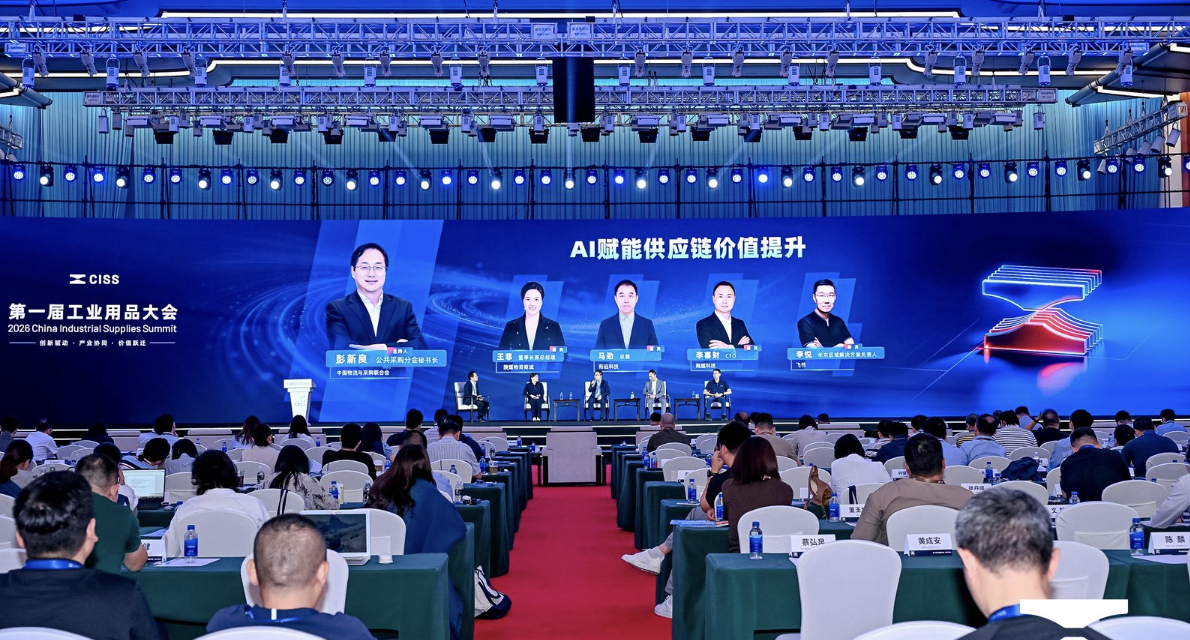
第一届工业用品大会在沪举行(央广网发 受访者供图)

在供应链创新主题论坛上,震坤行董事长兼CEO陈龙表示,AI正在重构工业用品行业竞争格局,企业可通过共建基础设施或深耕行业专家两种路径实现突破。他分享了技术、产品与营销三大创新路径,并展示了震坤行已建成的全国履约服务网络及自研“行家玲珑”大模型。

在清华大学经济管理学院教授肖勇波看来,企业应构建效率、韧性、ESG三位一体的运营新战略,并系统讲解了高韧性、可持续供应链的搭建路径,为产业转型升级提供了专业的理论支撑与实践思路。

大会还设置了智能制造与产品创新等主题论坛,并举行了CISS 2026工业用品奖颁奖典礼,表彰在技术创新与价值创造方面表现突出的企业与产品。

在“十五五”规划开局之年,以AI为代表的新技术和以生产性服务业为代表的新业态,正在共同重塑中国工业用品产业的底层逻辑与竞争格局,中国工业用品行业正加速迈向更高效、更智能、更协同的高质量发展新阶段。

注:文/央广网,文章来源:央广网,本文为作者独立观点,不代表亿邦动力立场。

文章来源:央广网

广告
微信
朋友圈

FAQ回顾

工业用品产业升级的核心驱动因素是什么?

当前工业用品产业升级的核心驱动因素为人工智能与生产性服务业,二者正在重塑中国工业用品产业的底层逻辑与竞争格局,推动行业从传统制造向智能服务转型,向数字化、智能化、绿色化的高质量方向发展。

工业用品企业适配新竞争格局的发展路径有哪些?

工业用品企业可通过共建基础设施或深耕行业专家两种路径实现突破,也可选择技术、产品、营销三大创新路径,还可构建效率、韧性、ESG三位一体的运营新战略,搭建高韧性、可持续的供应链体系。

第一届工业用品大会发布了哪些重要成果?

第一届工业用品大会正式启动工业用品知识分享平台,首次面向行业发布《2026年中国工业用品制造和流通报告》,同时举行CISS 2026工业用品奖颁奖典礼,表彰在技术创新与价值创造方面表现突出的企业与产品。

这么好看,分享一下?

朋友圈 分享

APP内打开

+1
+1
微信好友 朋友圈 新浪微博 QQ空间
关闭
收藏成功
发送
/140 0