





广告
加载中

马清海:企业出路在创新驱动 AI已是必选项

中国财富网 2026-07-11 12:06
中国财富网 2026/07/11 12:06

邦小白快读

EN
全文速览

本文是SMC总经理马清海在第一届工业用品大会上的分享,核心是传统制造业在不确定性环境下的破局思路,干货内容如下

1. 当前行业整体现状:当下行业面临三重压力,分别是全球经济增长不确定性提升、国内光伏锂电等新兴行业内卷严重、地缘冲突推高运输成本30%-50%,同时机遇也大于挑战,中国今年前5月出口增长15%,AI加速赋能实体,产业链正向韧性优先重构。

2. 企业破局的核心方向:企业不能靠价格厮杀竞争,出路在创新驱动,同时需要抓好供应链安全、绿色低碳转型、AI落地三个核心方向。

3. 明确的实操提醒:AI已经是企业发展的必选项,观望只会被淘汰,企业一把手要亲自抓AI应用,推动AI和业务深度结合,回归为客户创造价值的本质。

本文分享的头部企业实践经验,对制造类品牌商的战略规划有较高参考价值,核心干货如下

1. 行业趋势与方向判断:当前全球不确定性加剧,国内部分行业内卷严重,但是中国出口增长强劲,产业链向韧性优先重构,AI赋能实体、新质生产力发展带来大量新机会,机会大于挑战,品牌要避开价格竞争,走创新驱动路线。

2. 产品研发的方向参考:品牌需要加大研发投入,适配本土新兴产业的需求,SMC计划将研发团队从200人扩充到400人,重点面向集成电路、生物医药、新能源做定制化开发,产品锁定轻量化、小型化、节能化、智能化方向,值得品牌参考。

3. 供应链与可持续发展布局:品牌要提前布局供应链安全,落地业务可持续性计划,响应国产化需求推进核心部件本土化生产,布局高效配送网络;同时绿色低碳是必答题,要从产品设计、工厂生产、客户服务三个维度落地转型,还要将AI升级为核心战略,一把手牵头推进。

本文梳理了当前工业领域的环境变化,给卖家明确了风险和机会,核心干货如下

1. 明确的风险提示:当前全球经济增长下调,地缘冲突推高运输成本30%-50%、运量下降12%,国内光伏、锂电、新能源行业内卷白热化,靠价格厮杀没有出路,对AI观望不布局会被市场淘汰。

2. 清晰的机会提示:中国今年前5个月出口增长15%,出口市场增长强劲,产业链从效率优先转向韧性优先,叠加AI赋能实体、新质生产力推进,集成电路、生物医药、新能源等新兴产业有大量定制化产品需求,存在大量新的增长机会。

3. 可借鉴的应对措施:不要陷入价格竞争,坚持创新驱动;提前布局供应链安全,落地业务可持续性计划,响应国产化要求布局本土生产,搭建紧急配送体系满足客户需求;把AI应用作为必选项,一把手牵头推动AI和业务深度融合,同时布局绿色低碳业务,匹配市场新需求。

本文给制造工厂的转型发展指明了方向,带来了很多实用参考,核心干货如下

1. 产品生产和设计的需求变化:当前市场对工业产品的需求已经转向轻量化、小型化、节能化、智能化,同时集成电路、生物医药、新能源等新兴产业对定制化产品的需求大幅增长,工厂需要调整产品设计和生产方向,匹配新的市场需求。

2. 可挖掘的商业机会:当前产业链从效率优先转向韧性优先,国产化替代需求明确,高端装备核心零部件本土化生产有大量市场空间;同时绿色低碳成为行业必答题,工厂可以通过绿色生产改造、为客户提供节能降耗服务挖掘新业务增长点。

3. 数字化转型的启示:AI已经不是工厂转型的可选项,而是必选项,工厂推进AI转型最好由一把手牵头,推动AI技术和生产、业务单元深度融合;同时要提前布局供应链韧性建设,通过本土化生产、搭建高效配送体系,应对外部不确定性,保障稳定交付。

本文梳理了制造行业的最新趋势和企业痛点,给服务商指明了业务方向,核心干货如下

1. 行业发展最新趋势:当前全球制造业产业链正在重构,从传统的效率优先转向韧性优先,AI技术加速向实体经济渗透,国产化替代、绿色低碳已经成为行业明确的发展方向,AI应用成为所有制造企业的刚性需求,市场空间广阔。

2. 制造企业的核心痛点:当前制造企业普遍面临多重痛点,包括地缘冲突等不确定性带来的供应链中断风险、行业内卷带来的价格竞争压力、双碳目标下的绿色转型压力,以及AI转型不知道如何落地的痛点,对相关服务有强烈需求。

3. 服务商的解决方案方向:服务商可以围绕制造企业的需求,打造针对性解决方案,包括供应链韧性管理服务、AI转型落地服务、绿色低碳改造服务等,对接企业定制化开发、本土化布局、节能降耗等多元需求,帮助企业一把手推动AI转型落地,解决实际经营问题。

本文披露的制造行业转型需求,对工业平台商的招商、运营和风险规避有参考价值,核心干货如下

1. 制造企业对平台的核心需求:当前创新型制造企业需要对接集成电路、生物医药、新能源等新兴领域的客户需求,需要供应链安全管理、AI转型、绿色转型相关的配套服务,也需要高效配送交付相关的支持,对平台服务提出了新的要求。

2. 平台招商和运营的优化方向:平台可以将面向新兴产业的创新型制造企业作为招商重点,围绕创新驱动、国产化替代、绿色低碳、AI转型打造专属服务板块,整合研发、供应链、配送相关的资源,满足企业的多元需求。

3. 风向规避的方向:平台需要关注地缘冲突带来的供应链波动风险,以及传统价格竞争带来的行业内卷风险,引导入驻企业走创新驱动的发展路线,帮助企业布局韧性供应链,规避恶性价格竞争,同时向企业传递AI转型的紧迫性,引导企业提前布局,降低平台整体的经营风险。

本文来自头部制造相关企业管理者的一手分享,对产业研究有较高的参考价值,核心干货如下

1. 当前产业发展的新动向:全球制造业产业链正在发生结构性重构,从过去的效率优先转向韧性优先,AI技术已经完成从可选项到必选项的转变,创新驱动取代价格竞争成为企业破局的核心路径,国产化替代、绿色低碳已经成为头部企业的核心战略方向。

2. 当前产业面临的新问题:全球地缘冲突加剧了经济增长的不确定性,也推高了供应链风险和物流成本,国内光伏、锂电等新兴行业已经出现严重内卷,价格厮杀挤压了全行业利润,大量企业对AI转型持观望态度,很可能错过转型窗口。

3. 值得深入研究的方向:可以重点研究头部企业的BCP业务可持续性计划、本土化生产加区域配送中心的供应链布局模式、一把手挂帅的AI转型组织架构设计、从产品到客户服务的全链条绿色低碳落地模式,分析创新驱动转型对传统制造业的实际价值,总结可复制的经验。

返回默认
声明:快读内容全程由AI生成,请注意甄别信息。如您发现问题,请发送邮件至 run@ebrun.com 。

我是 品牌商 卖家 工厂 服务商 平台商 研究者 帮我再读一遍。

Quick Summary

This article is based on a share by Qinghai Ma, General Manager of SMC, at the First Industrial Supplies Conference. It focuses on how traditional manufacturing companies can break through amid pervasive uncertainty, with key takeaways as follows:

1. Current industry landscape: The sector is facing three major pressures: heightened uncertainty in global economic growth, cutthroat competition in China's emerging sectors including photovoltaics and lithium batteries, and a 30-50% jump in shipping costs driven by geopolitical conflicts. That said, opportunities outweigh challenges: China's exports grew 15% year-on-year in the first five months of this year, AI is accelerating its penetration into the real economy, and global industrial supply chains are being reconfigured with resilience as a top priority.

2. Core strategic direction for break-through: Price wars are not a sustainable path. Instead, companies should shift to innovation-driven growth, while focusing on three core priorities: securing supply chains, advancing a green and low-carbon transition, and rolling out AI applications.

3. Practical guidance: AI is no longer optional—it is a must for business growth. Staying on the sidelines will only lead to being phased out. Company top leaders must personally lead AI implementation, integrate AI deeply into core business operations, and stay focused on the fundamental goal of creating value for customers.

This article shares practical insights from a leading industry player, offering high reference value for the strategic planning of manufacturing brands, with key takeaways as follows:

1. Industry trend outlook: While global uncertainty is rising and cutthroat competition is intensifying in some Chinese sectors, China's export growth remains strong, supply chains are being reconfigured with resilience as a priority, and AI empowerment and new quality productivity are creating massive new opportunities. Opportunities outweigh challenges. Brands should avoid price competition and pursue an innovation-driven growth path.

2. Product R&D direction reference: Brands need to increase R&D investment to meet the demand of China's local emerging industries. SMC plans to expand its R&D team from 200 to 400 people, focusing on customized development for integrated circuits, biomedicine and new energy sectors, with product positioning centered on lightweight, miniaturization, energy efficiency and intelligence. This experience is highly valuable for peer brands.

3. Supply chain and sustainable development layout: Brands should proactively secure their supply chains, implement business continuity plans, localize production of core components to meet the demand for import substitution, and build an efficient distribution network. Green and low-carbon transition is a non-negotiable priority: it needs to be implemented across product design, factory production and customer service. AI should also be elevated to a core corporate strategy, led directly by top company leadership.

This article outlines the latest environmental shifts in the industrial sector, clarifying risks and opportunities for industrial sellers, with key takeaways as follows:

1. Risk alerts: Global economic growth is slowing, geopolitical conflicts have pushed shipping costs up 30-50% and driven shipping volumes down 12%, and competition is cutthroat in China's domestic photovoltaics, lithium battery and new energy sectors. Price wars are a dead end, and sellers that delay AI adoption will be eliminated by the market.

2. Opportunity highlights: China's exports grew 15% year-on-year in the first five months of 2024, indicating strong growth in export markets. Global supply chains are shifting from efficiency-first to resilience-first, and combined with AI empowerment and the development of new quality productivity, emerging sectors including integrated circuits, biomedicine and new energy are seeing surging demand for customized products, opening massive new growth opportunities.

3. Actionable strategies: Avoid falling into price competition and commit to innovation-driven growth. Proactively secure supply chains, implement business continuity plans, localize production to meet import substitution demand, and build an emergency delivery system to satisfy customer requirements. Treat AI adoption as a mandatory priority, have top leaders personally lead the deep integration of AI into business, and expand green and low-carbon business to align with new market demands.

This article clarifies the direction for transformation and growth for manufacturing factories, offering a lot of practical reference, with key takeaways as follows:

1. Shifts in product demand: The market's demand for industrial products has shifted to lightweight, miniaturization, energy efficiency and intelligence. At the same time, emerging sectors including integrated circuits, biomedicine and new energy are seeing sharp growth in demand for customized products. Factories need to adjust their product design and production direction to match this new market demand.

2. Untapped business opportunities: Supply chains are shifting from efficiency-first to resilience-first, and demand for import substitution is clear. Localized production of core components for high-end equipment offers massive market space. Green and low-carbon transition is also an industry-wide priority, and factories can drive new growth through green production upgrades and offering energy reduction services for customers.

3. Key insights for digital transformation: AI is no longer optional for factories—it is mandatory. AI transformation works best when led directly by top company leadership, to drive deep integration of AI technology into production and core business units. Factories should also build supply chain resilience proactively, through localized production and efficient delivery networks, to buffer external uncertainty and ensure stable delivery.

This article outlines the latest trends in the manufacturing industry and core pain points of enterprises, clarifying business directions for industrial service providers, with key takeaways as follows:

1. Latest industry trends: Global manufacturing supply chains are undergoing restructuring, shifting from the traditional efficiency-first model to resilience-first. AI technology is accelerating penetration into the real economy, and import substitution and green low-carbon development have become clear industry-wide priorities. AI application has become a rigid demand for all manufacturing enterprises, opening up enormous market space.

2. Core pain points of manufacturing enterprises: Most manufacturing enterprises currently face multiple overlapping challenges: supply chain disruption risks from geopolitical uncertainty, price competition pressure from industry-wide cutthroat competition, green transition pressure from China's dual carbon goals, and the practical challenge of figuring out how to implement AI transformation. This has created strong demand for related third-party services.

3. Recommended solution directions for service providers: Service providers can develop targeted solutions aligned with manufacturing enterprises' needs, including supply chain resilience management services, AI implementation support, and green low-carbon transformation services. These offerings can match enterprises' diverse demands for customized product development, localized layout and energy efficiency improvement, help top leadership deliver on AI transformation, and solve real operational problems.

The manufacturing transformation needs outlined in this article offer valuable reference for investment attraction, operation and risk mitigation for industrial marketplace platforms, with key takeaways as follows:

1. Core demand from manufacturing enterprises for platforms: Today's innovative manufacturing enterprises need to connect with customers in emerging sectors including integrated circuits, biomedicine and new energy. They also require supporting services for supply chain security management, AI transformation and green transition, as well as support for efficient delivery, all of which create new requirements for platform services.

2. Optimization directions for platform recruitment and operation: Platforms can prioritize innovative manufacturing enterprises serving emerging industries for recruitment, build dedicated service segments focused on innovation-driven growth, import substitution, green low-carbon development and AI transformation, and integrate resources across R&D, supply chain and delivery to meet the diverse needs of enterprises.

3. Risk mitigation directions: Platforms need to pay attention to supply chain volatility risks from geopolitical conflicts and industry over-competition risks from traditional price competition. They should guide participating enterprises to pursue an innovation-driven growth path, help enterprises build resilient supply chains to avoid cutthroat price competition, communicate the urgency of AI transformation to enterprises, and guide proactive adoption to reduce the overall operational risk of the platform.

This article draws on first-hand insights from a leader of a leading manufacturing enterprise, offering high reference value for industrial research, with key takeaways as follows:

1. New trends in current industrial development: Global manufacturing supply chains are undergoing structural restructuring, shifting from the past efficiency-first priority to resilience-first. AI has already shifted from an optional capability to a must-have, innovation-driven growth has replaced price competition as the core path for enterprises to break through, and import substitution and green low-carbon development have become core strategic directions for leading enterprises.

2. New challenges facing the current industry: Global geopolitical conflicts have increased uncertainty for economic growth, pushed up supply chain risks and logistics costs. Severe cutthroat competition has already emerged in China's domestic emerging sectors including photovoltaics and lithium batteries, where price wars have squeezed industry-wide profits. A large number of enterprises still take a wait-and-see approach to AI transformation, and are at high risk of missing the transformation window.

3. Directions worthy of in-depth research: Researchers can focus on studying leading enterprises' business continuity plans (BCP), their supply chain layout model combining localized production with regional distribution centers, the organizational structure design for AI transformation led by top leadership, and the full-value-chain green low-carbon implementation model from product development to customer service. This research can analyze the actual value of innovation-driven transformation for traditional manufacturing, and summarize replicable best practices.

Disclaimer: The "Quick Summary" content is entirely generated by AI. Please exercise discretion when interpreting the information. For issues or corrections, please email run@ebrun.com .

I am a Brand Seller Factory Service Provider Marketplace Seller Researcher Read it again.

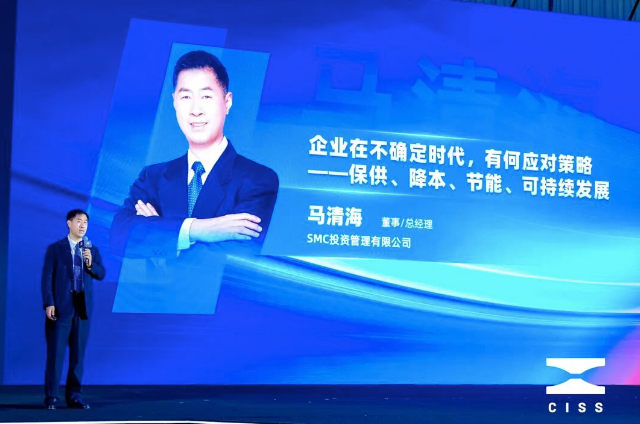
面对全球不确定性加剧与AI技术加速普及,传统制造业如何破局?6月12日,在第一届工业用品大会“智能制造与产品创新”主题演讲环节,SMC投资管理有限公司董事、总经理马清海分享了企业在不确定时代应对策略的相关思考,给出了头部企业的答案。

SMC投资管理有限公司董事、总经理马清海作主题分享

马清海在演讲中首先拆解了当下的三重压力:地域纷争导致全球经济增长不确定性加大,世界银行已将2026年经济增长预测从3%下调至2.1%;国内光伏、锂电、新能源等行业内卷白热化;地缘冲突引发的石油危机导致运输成本上升30%至50%,运量下降12%。但他同时强调,机会大于挑战。中国今年前5个月出口增长15%,出口数据增长强劲。同时,新质生产力不断推进,AI技术加速向实体赋能,产业链正从“效率优先”向“韧性优先”重构。

马清海提出,企业的出路在于创新驱动,而非价格厮杀。他介绍称,SMC正扩建中国研发中心来适应中国装备业的创新需求。未来,研发人员将从200人扩充至400人,重点面向集成电路、生物医药、新能源等新兴产业加大定制化开发力度。产品方向锁定轻量化、小型化、节能化与智能化。

在供应链安全方面,马清海透露,SMC全球市场份额达36%,“一旦出现问题,对产业的影响是重大的”。为此,企业推出BCP业务(业务可持续性计划),确保不因天灾人祸或地域纷争影响供给。在国内,为响应国产化要求,SMC在天津建设560亩产业基地,将高端装备核心零部件全部本土化生产;在常州投资3亿元打造现代化自动配送中心,实现紧急需求当日配送。

绿色低碳同样是必答题。马清海从三个维度介绍了SMC的实践。一是产品本身的小型化、轻量化与低压化设计;二是工厂绿色建造与工艺改进,北京、天津工厂已获评国家级绿色工厂;三是成立专业节能团队,帮助客户实现节能降耗。

值得关注的是,马清海特别强调了AI应用的战略地位。“AI在企业端的应用已是必选项,不是可选项。观望必被时代淘汰。”他透露,SMC已于2026年4月成立AI事务局,由总经理亲自挂帅。他呼吁,企业一把手亲自学AI、用AI,并将AI技术与业务单元深度结合,“回归为客户创造价值的本质”。

注:文/中国财富网,文章来源:中国财富网,本文为作者独立观点,不代表亿邦动力立场。

文章来源:中国财富网

广告
微信
朋友圈

FAQ回顾

不确定环境下传统制造业企业的发展出路是什么?

企业应坚持创新驱动而非价格厮杀,面向集成电路、生物医药、新能源等新兴产业加大定制化开发力度,布局轻量化、小型化、节能化与智能化产品,同时重视供应链安全与绿色低碳建设,将AI作为应用必选项与业务深度融合。

企业为什么必须布局AI应用?

当前AI技术正加速向实体产业赋能,企业端AI应用已是必选项而非可选项,观望态度会导致企业被时代淘汰,企业一把手需亲自学习应用AI,将技术与业务单元深度结合,回归为客户创造价值的本质。

制造企业保障供应链稳定有哪些可参考的措施?

可参考SMC的相关实践,推出BCP业务可持续性计划避免天灾人祸或地域纷争影响供给,建设本土产业基地实现核心零部件本土化生产,打造现代化自动配送中心提升紧急需求响应速度。

当前制造企业面临的主要外部压力有哪些?

当前制造企业主要面临三重压力,一是全球经济增长不确定性加大,世界银行已将2026年经济增长预测从3%下调至2.1%;二是国内光伏、锂电、新能源等行业内卷白热化;三是地缘冲突引发运输成本上升30%至50%,运量下降12%。

这么好看,分享一下?

朋友圈 分享

APP内打开

赞 +1
+1
微信好友 朋友圈 新浪微博 QQ空间
关闭
收藏成功
发送
/140 0

