





广告
加载中

邢成玉:企业应以强者思维拥抱大数据、AI等技术趋势

中国财富网 2026-07-11 12:05
中国财富网 2026/07/11 12:05

邦小白快读

EN
全文速览

本文整理了第一届工业用品大会上,美的集团美云智数邢成玉的核心演讲观点,梳理了当前制造业转型的核心干货,要点如下:

1. 当前制造业面临人口红利消失、海外制造回流竞争、订单碎片化、柔性生产要求提升的大环境,很多企业转型存在误区,错把拿智改数转补贴、符合国家成熟度标准当作转型目标,属于舍本逐末。

2. 制造业转型有明确的核心策略和方向,核心策略围绕四大主轴展开,制造业服务方向聚焦绿色、数据、AI三大主题,构建智能工厂要做到自动化、精益化、数字化三位一体。

3. 企业要以强者思维拥抱大数据、AI等新技术,开放重构业务、商业和管理模式,留在赛场就拥有翻盘可能,美的已经实现全价值链端到端的数字化打通,可作为参考。

本文对制造类品牌的转型发展、产品研发、市场竞争都有明确指导,核心干货如下:

1. 当前消费和市场环境已经发生变化,订单越来越小、柔性生产要求越来越高,品牌转型不能偏离初心,不能以拿补贴、评级达标为目标,要回归满足用户需求的本质。

2. 品牌转型可遵循四大核心主轴:通过数字化智能化对内提效率对外抓用户,加大核心前沿技术研发投入构建研发优势,在重点区域突破市场、渠道,改造价值链实现直达用户心智。

3. 面对全球绿色门槛,品牌要从研发到消费全流程做碳足迹管理,打造天然低碳产品,还要打造全球快速复制工厂的能力,构建人无我有、人有我优的体系竞争力,应对海外竞争。

本文为制造相关卖家梳理了当前行业变化,明确了风险机会和转型方向,核心干货如下:

1. 当前行业已经发生深刻变化,人口红利消失,海外制造回流带来竞争压力,国内订单模式转向小批量、柔性化,行业整体进入转型期,既有挑战也蕴藏新增长机会。

2. 转型避坑提示:卖家不要将获取智改数转补贴、符合智能制造成熟度标准当作转型目标,这属于舍本逐末,要回归制造满足需求的本质来规划转型。

3. 卖家可以参考四大核心转型策略,抓住绿色、数据、AI三大发展方向,对标美的全价值链打通的实践路径,用强者思维拥抱新技术,主动重构业务和商业模式,留在赛道就拥有翻盘增长的可能。

本文对工厂推进智改数转、打造新竞争力有很强的指导意义,核心干货如下:

1. 当前工厂面临的外部环境已经改变,人口红利消失,订单越来越小,柔性生产要求越来越高,还有海外制造回流的竞争,转型已经迫在眉睫,转型要找对方向不能跑偏。

2. 转型避坑提示:不要把拿政策补贴、符合智能制造成熟度评级当作转型目标,这是舍本逐末,要回归生产本身的需求明确转型方向。

3. 具体转型路径可参考:构建智能工厂要做到自动化、精益化、数字化三位一体,自动化是硬件设备,精益化是运行规则,数字化是神经网络,用来打通物理和虚拟世界,让决策更实时科学,还要打造全流程碳足迹管理能力应对绿色门槛,美的全价值链拉通的实践可以参考。

本文清晰点明当前制造业转型的行业趋势和客户痛点,为制造业服务商指明了业务方向,核心干货如下:

1. 当前制造企业的核心痛点已经明确,普遍面临人口红利消失、海外竞争加剧、订单碎片化、柔性生产要求提升的压力,很多企业转型定位错误,错把政策补贴、评级达标当作目标,需要服务商帮助纠偏,明确转型方向。

2. 未来制造业转型的三大核心方向是绿色、数据、AI,客户普遍需要覆盖全流程的碳足迹管理方案、数字化转型落地服务、AI全流程赋能的相关产品,这是服务商的核心业务机会。

3. 制造企业对智能工厂的需求围绕自动化、精益化、数字化三位一体架构展开,服务商可以围绕这个架构开发对应解决方案,匹配企业提升效率、沉淀核心竞争力的转型需求,帮企业实现全价值链的数字化拉通。

本文反映了制造企业转型的核心需求,对工业类平台的运营、招商、风险规避都有启示,核心干货如下:

1. 当前很多制造企业对智改数转存在认知偏差,错把拿补贴、达标评级当转型目标,平台需要引导企业回归转型初心,纠正错误认知,这是平台服务企业的核心切入点之一。

2. 制造企业转型的核心需求集中在绿色转型、数字化智能化赋能、核心技术研发支持、全球布局支持几个方面,平台可以围绕这些方向搭建服务体系,对接对应资源,满足企业需求。

3. 平台可以围绕自动化、精益化、数字化三位一体的智能工厂建设需求,开展招商,引入对应技术服务商、设备供应商,还可以开辟专区帮助企业对接绿色转型资源,支持企业突破区域限制,帮助企业规避转型跑偏的风险,推动企业转型落地。

本文来自头部制造企业资深从业者,为制造业研究提供了一手的新动向、新观点和案例,核心干货如下:

1. 当前中国制造业转型面临诸多新问题,人口红利消失、海外制造回流、国内订单碎片化,同时行业普遍存在转型目标偏差的问题,很多企业以政策补贴、成熟度评级为转型目标,舍本逐末,这是产业研究需要关注的新现象。

2. 文中提出了清晰的转型理论框架:四大核心转型主轴、制造业服务三大方向、三位一体智能工厂构建模型,明确了数据对制造决策的赋能价值,为研究制造企业转型模式提供了新框架。

3. 文中提出了强者思维拥抱新技术的核心观点,还分享了美的端到端全价值链数字化打通的实践案例,为研究头部企业转型路径、商业模式创新提供了一手素材,也为产业政策研究提供了现实参考,指出转型要回归制造本质的核心方向。

返回默认
声明:快读内容全程由AI生成,请注意甄别信息。如您发现问题,请发送邮件至 run@ebrun.com 。

我是 品牌商 卖家 工厂 服务商 平台商 研究者 帮我再读一遍。

Quick Summary

This article summarizes key takeaways from a keynote speech by Xing Chengyu of Midea Group's Meiyun Zhishu at the First Industrial Goods Conference, outlining core insights on manufacturing transformation:

1. Today, China's manufacturing sector faces a shifted landscape: demographic dividends have faded, competition from reshoring of overseas manufacturing is intensifying, orders are becoming more fragmented, and demand for flexible production is rising. Xing points out that many manufacturers have fallen into a common trap: they treat securing digital transformation subsidies and meeting national maturity standards as their core transformation goals, which is putting the cart before the horse.

2. Manufacturing transformation has clear core strategies and directions. Core strategies are built around four key pillars. The service-oriented shift in manufacturing focuses on three themes: green development, data, and AI. Building a smart factory requires integrating three pillars: automation, lean management and digitalization.

3. Xing encourages enterprises to embrace new technologies such as big data and AI with a "winner's mindset", open up and restructure their business, commercial and management models. As long as they stay in the game, they retain the chance to turn things around, Xing notes, adding that Midea's own end-to-end digital integration across its entire value chain can serve as a reference for other players.

This article offers clear guidance on transformation, product R&D and market competition for manufacturing brands, with key insights as follows:

1. The consumer and market landscape has shifted: orders are shrinking in size, and demand for flexible production is growing. Brands must not stray from their original purpose when transforming, treating securing subsidies or passing ratings as end goals. Instead, they should return to the core mission of meeting consumer demand.

2. Brands can follow four core pillars to guide transformation: use digitalization and intelligentization to boost internal efficiency and better connect with end users, increase R&D investment in core cutting-edge technologies to build competitive advantages, break through new markets and channels in key regions, and revamp value chains to reach consumers' minds directly.

3. In response to rising global carbon thresholds, brands need to implement full carbon footprint management across the entire process from R&D to consumption, to build naturally low-carbon products. They also need to develop the capability to quickly replicate factory setups globally, to build a system-level competitive advantage that "offers what others cannot, and improves on what others already have" to withstand overseas competition.

This article outlines ongoing industry changes for manufacturing-related sellers, clarifying associated risks, opportunities and transformation directions, with key takeaways as follows:

1. The industry has undergone profound changes: demographic dividends have disappeared, reshoring of manufacturing has intensified competition, and domestic orders have shifted to small-batch, flexible models. The entire industry is in a transition period that brings both challenges and new growth opportunities.

2. Common transformation pitfall to avoid: Sellers should not treat securing digital transformation subsidies or meeting smart manufacturing maturity standards as transformation goals, which is putting the cart before the horse. Instead, transformation planning should return to the fundamental purpose of manufacturing: meeting market demand.

3. Sellers can reference four core transformation strategies, focus on the three major development directions of green development, data, and AI, and follow Midea's practice of full value chain integration. By embracing new technologies with a winner's mindset and proactively restructuring business and commercial models, sellers can retain opportunities to rebound and grow as long as they stay in the market.

This article offers strong practical guidance for factories advancing digital and intelligent transformation and building new competitiveness, with key insights as follows:

1. Factories now operate in a shifted external environment: demographic dividends have faded, orders are smaller, demand for flexible production is higher, and competition from reshoring of overseas manufacturing is growing. Transformation is already urgent, but it is critical to pick the right direction to avoid going off track.

2. Common transformation pitfall to avoid: Do not treat securing policy subsidies or meeting smart manufacturing maturity ratings as transformation goals — this is putting the cart before the horse. Instead, factories should define their transformation direction based on the actual needs of production itself.

3. Factories can reference the following specific transformation path: Building a smart factory requires the three-in-one integration of automation, lean management, and digitalization. Automation refers to hardware equipment, lean management refers to operational rules, and digitalization serves as the "neural network" that connects physical and virtual worlds to enable more real-time, scientific decision-making. Factories also need to build full-process carbon footprint management capabilities to meet global green thresholds. Midea's practice of integrating its entire value chain can serve as a reference.

This article clearly outlines current industry trends and customer pain points in manufacturing transformation, pointing out business directions for manufacturing service providers, with key insights as follows:

1. The core pain points of manufacturing enterprises are clear: they face widespread pressure from fading demographic dividends, intensifying overseas competition, fragmented orders, and rising demand for flexible production. Many enterprises also have misaligned transformation positioning, incorrectly treating policy subsidies and rating compliance as end goals, which means they need service providers to help correct their course and clarify transformation directions.

2. The three core directions of future manufacturing transformation are green development, data, and AI. Clients generally need end-to-end carbon footprint management solutions, on-the-ground digital transformation services, and AI-enabled products across full processes. These represent the core business opportunities for service providers.

3. Enterprises' demand for smart factories centers on the three-in-one framework of automation, lean management, and digitalization. Service providers can develop matching solutions around this framework to align with enterprises' transformation needs of boosting efficiency and building core competitiveness, and help enterprises achieve digital integration across the entire value chain.

This article outlines the core needs of manufacturing enterprises in transformation, offering insights for operation, merchant recruitment and risk mitigation for industrial platforms, with key takeaways as follows:

1. Many manufacturing enterprises currently have cognitive biases regarding digital and intelligent transformation, incorrectly treating securing subsidies and passing maturity ratings as transformation goals. Platforms need to guide enterprises back to the original purpose of transformation and correct these misconceptions — this is one of the core entry points for platforms to serve enterprises.

2. The core transformation needs of manufacturing enterprises are concentrated in several areas: green transformation, digital and intelligent empowerment, R&D support for core technologies, and global expansion support. Platforms can build service systems and match corresponding resources around these areas to meet enterprise demand.

3. Platforms can structure merchant recruitment around the demand for three-in-one smart factory construction (automation, lean management, digitalization) to bring in relevant technology service providers and equipment suppliers. They can also set up dedicated zones to connect enterprises with green transformation resources, help enterprises break through regional restrictions, avoid the risk of straying from the right transformation path, and drive the successful on-the-ground implementation of transformation.

This article features insights from a senior practitioner at a leading Chinese manufacturing enterprise, offering first-hand new trends, perspectives and cases for manufacturing research, with key contributions as follows:

1. China's manufacturing transformation now faces a host of new challenges, including fading demographic dividends, reshoring of overseas manufacturing, and fragmented domestic orders. The industry also widely suffers from misaligned transformation goals: many enterprises prioritize policy subsidies and maturity ratings over core objectives, which is putting the cart before the horse. This is a new phenomenon that deserves greater attention from industrial research.

2. The speech puts forward a clear theoretical framework for transformation: four core transformation pillars, three directions for service-oriented manufacturing, and a three-in-one model for building smart factories. It also clarifies the value of data in empowering manufacturing decision-making, offering a new framework for research on transformation models of manufacturing enterprises.

3. The speech puts forward the core perspective of embracing new technologies with a winner's mindset, and shares Midea's practice of end-to-end digital integration across the full value chain. This provides first-hand material for research on transformation paths and business model innovation of leading enterprises, and also offers practical reference for industrial policy research, by pointing out that transformation should return to the core direction of the fundamental purpose of manufacturing.

Disclaimer: The "Quick Summary" content is entirely generated by AI. Please exercise discretion when interpreting the information. For issues or corrections, please email run@ebrun.com .

I am a Brand Seller Factory Service Provider Marketplace Seller Researcher Read it again.

6月12日,第一届工业用品大会在上海国家会展中心举办。美的集团美云智数行业生态总经理邢成玉在大会作主题演讲时认为,从AI技术、数字技术到绿色技术,最终落地载体必须回归到工厂和产线,企业应以强者思维拥抱大数据、AI等技术趋势。

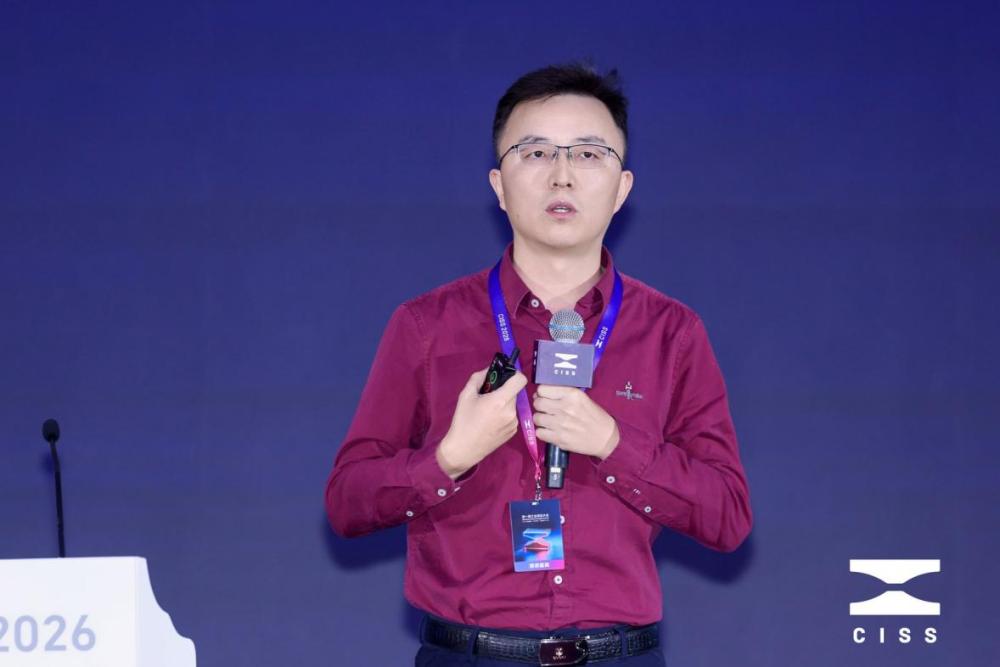
美的集团美云智数行业生态总经理邢成玉发表演讲

面对人口红利消失、海外制造回流竞争、国内订单模式变化,企业订单越来越小、柔性化生产要求越来越高。邢成玉提出,企业必须明确智能制造转型的初心。“制造的未来到底是为了满足什么?”他认为,不能简单以国家出台的智能制造成熟度标准或智改数转补贴为目标,那是“舍本逐末”。

邢成玉认为,制造企业转型的核心策略应聚焦四大主轴:一是通过全面数字化、智能化,内部提升效率,外部紧抓用户;二是构建研发规模优势,加大对核心技术、前沿技术的布局和投入;三是要在重点区域寻求市场、渠道和商业模式等维度突破;四是改造现有价值链和商业模式,实现用户心智直达。

邢成玉将制造业的服务方向总结为三个主题:绿色、数据、AI。关于绿色,他指出欧洲曾以碳指标作为制造门槛,“强者是不抱怨绿色的进入门槛,我们要把它击穿,要引领它”。企业应从产品研发到客户消费全流程做碳足迹管理,使产品天然低碳。另外,要回归供应链效率的本质,形成“人无我有、人有我优”的体系性能力。在全球布局方面,需要有快速复制工厂的能力。

当前,人工智能技术正驱动制造业研发设计、生产制造、运维服务等全流程系统性变革。在智能制造工厂的构建上,邢成玉提出自动化、精益化、数字化三位一体,自动化是现场的硬件设备,精益化是运行规则,数字化如同神经网络。他特别强调:“数据是把物理世界和数据世界做孪生,目的是让决策更实时化、去经验化、去现场化。”

此外,邢成玉还分享了美的在智能制造转型中的实践路径。通过持续建设,已实现端到端全流程数字虚拟世界的打通——从用户需求、订单自动转移到计划、发运调度,全价值链拉通。

刑成玉强调:“面对外部竞争,企业应以强者思维拥抱大数据、AI等技术趋势,以开放心态重构业务流程、商业模式和管理模式。不一定能成功,但至少在桌上就具备翻盘的可能。”

注:文/中国财富网,文章来源:中国财富网,本文为作者独立观点,不代表亿邦动力立场。

文章来源:中国财富网

广告
微信
朋友圈

FAQ回顾

制造企业推进智能制造转型的核心策略是什么?

制造企业转型应聚焦四大主轴:一是通过全面数字化、智能化,内部提升效率,外部紧抓用户;二是构建研发规模优势,加大核心、前沿技术布局投入;三是在重点区域寻求市场、渠道和商业模式突破;四是改造现有价值链和商业模式,实现用户心智直达。

构建智能制造工厂有哪些核心要求?

智能制造工厂构建要遵循自动化、精益化、数字化三位一体原则:自动化是现场硬件设备,精益化是运行规则,数字化是连接的神经网络。其中数据可打通物理世界与数字世界的孪生,助力企业决策实现实时化、去经验化、去现场化。

制造企业为什么要以强者思维拥抱大数据、AI等技术?

当前制造企业面临人口红利消失、海外制造回流、国内订单柔性化要求提升等多重挑战,强者思维能帮助企业跳出智改数转补贴、成熟度标准等外部目标,回归制造本质,主动构建绿色低碳、供应链效率等体系化竞争优势。

这么好看,分享一下?

朋友圈 分享

APP内打开

赞 +1
+1
微信好友 朋友圈 新浪微博 QQ空间
关闭
收藏成功
发送
/140 0

