





广告
加载中

刘阳:成立玲珑智能 构建工业用品AI基础设施

中国财富网 2026-07-11 12:01
中国财富网 2026/07/11 12:01

邦小白快读

EN
全文速览

本文核心内容是震坤行工业超市在第一届工业用品大会上宣布成立专注工业用品大数据和大模型的玲珑智能,梳理了AI行业发展趋势,点明产业落地瓶颈并推出解决方案,核心干货如下:

1. 核心进展:玲珑智能由震坤行原CTO刘阳出任CEO,已经发布国内首个PB级、覆盖10亿级商品参数的多米诺工业用品大数据引擎,自主研发的行家玲珑工业AI大模型已通过国家备案,目前已为近万家企业提供服务。

2. 落地效果:已有多个行业落地案例验证AI的降本提效效果,包括食品原料企业降低库存成本23%,化工企业选型时间缩短60%,车企物料盘点从三天压缩到不足两小时等。

3. 未来方向:工业AI未来将向物理世界延伸,发展物理AI与具身智能,玲珑智能开放所有核心资源,邀请全产业链共同建设工业AI基础设施。

当前工业用品领域正在经历智能化转型,品牌商可从本文获得这些干货内容:

1. 产业趋势判断:AI已经从创造数字情绪价值转向创造产业价值,正在从数字世界进入物理世界解决实际问题,工业用品供应链智能化转型迫切需要AI基础设施,提前布局的品牌将获得竞争优势。

2. 落地风险提示:当前AI产业落地存在六大核心难题,包括缺乏高质量数据、行业经验未结构化线上化、流程不匹配AI需求、模型幻觉、组织变革挑战等,品牌商布局AI可提前针对性规避这些问题。

3. 可利用的行业资源:玲珑智能开放了成熟的大数据引擎、行业大模型和各类智能体服务,已经验证可帮助企业降本提效,品牌商可对接合作借力,加快自身智能化转型,不需要从零搭建AI体系。

工业用品领域卖家可从本文获得这些和自身业务相关的干货:

1. 机会提示:AI赋能工业领域已经进入实质落地阶段,AI竞争的上半场比拼模型能力,下半场比拼行业部署和交付能力,提早布局AI工具的卖家可获得效率优势,抓住智能化转型的增长红利。

2. 可对接的资源与可复制的经验:玲珑智能开放了已备案的工业用品大模型、大数据引擎和各类智能体服务,已经服务近万家企业,多个案例验证AI可缩短选型时间、降低库存、提升盘点效率,卖家可对接合作直接复用这些能力。

3. 风险提示:卖家布局AI要提前规避六大常见落地难题,包括高质量数据缺失、模型幻觉等问题,提前做好流程适配和工程化管控,降低转型试错成本。

生产工业用品的工厂可从本文获得这些干货内容:

1. 产业需求与转型启示:当前工业领域智能化转型已经加速,迫切需要工厂加快自身的数字化改造,将行业经验、生产数据结构化、线上化,适配AI应用的需求,才能跟上产业升级的趋势。

2. 商业合作机会:玲珑智能提出工业AI基础设施需要全产业链共同参与建设,工厂可参与合作开放自身的行业经验与数据,既可以获得AI技术赋能,也能分享产业升级的红利。

3. 降本提效方向:工厂可借助成熟的工业AI工具优化运营环节,已有案例显示AI可将物料盘点时间从三天压缩到不足两小时,还能降低库存成本,这些都是工厂可以直接落地的优化方向,可依托现有成熟方案降低转型成本。

面向工业领域的科技服务商可从本文获得这些干货:

1. 行业发展趋势:AI正经历从数字世界向物理世界的跃迁,产业AI是未来核心发展方向,工业用品领域的AI基础设施建设目前属于蓝海市场,需要全产业链各类服务商参与,市场空间广阔。

2. 客户核心痛点:当前工业领域AI落地存在六大核心痛点,分别是缺乏高质量行业数据、大量行业经验停留于人脑未结构化、流程不匹配AI需求、模型幻觉问题未解决、组织变革挑战等,这些都是服务商的核心业务机会。

3. 可参考的解决方案路径:玲珑智能的三层落地方案已经经过市场验证,数据层打造垂直行业大数据引擎实现自动标注,模型层针对行业需求训练降低幻觉,应用层推出垂直智能体服务,可为服务商开发产品提供参考。

工业用品相关平台商可从本文获得这些干货内容:

1. 市场需求变化:当前平台的各类企业客户都有很强的智能化转型需求,原有平台缺乏垂直工业领域的AI基础设施,无法满足客户降本提效的需求,平台需要尽快补充AI相关服务能力,提升平台竞争力。

2. 可参考的平台布局路径:龙头平台可依托自身积累的行业数据资源,孵化垂直领域的AI公司,打造行业专属的大数据引擎和大模型,开放给全平台客户使用,既可以提升平台服务能力,也能开辟新的业务增长点,震坤行孵化玲珑智能就是成熟案例。

3. 风险规避提示:平台布局工业AI不要只比拼模型参数,要重视行业部署和交付能力,通过工程化手段解决模型幻觉问题,同时要采取开放共建的模式,联合产业链各方共同建设,降低独立布局的风险。

研究产业AI与工业数字化领域的研究者,可从本文获得这些干货:

1. 产业新动向与新观点:本文提出AI发展的四大新趋势,包括AI从创造情绪价值转向产业价值、模型训练范式进入智能体后训练阶段、需要工程化管控模型能力、多模态融合加速;同时提出AI竞争上半场拼模型能力,下半场拼行业部署交付能力,是产业AI领域的最新判断。

2. 产业落地新问题:本文总结了当前产业AI落地的六大核心难题,指出大模型能力三年提升千倍但产业效率并未同步提升,点出了当前产业AI发展的核心矛盾,为研究提供了新的问题方向。

3. 新商业模式参考:本文提出了由龙头企业牵头打造垂直领域AI基础设施,开放给全产业链开放共建的商业模式,不同于通用大模型的发展路径,是垂直领域AI发展的新商业模式,值得深入研究。

返回默认
声明:快读内容全程由AI生成,请注意甄别信息。如您发现问题,请发送邮件至 run@ebrun.com 。

我是 品牌商 卖家 工厂 服务商 平台商 研究者 帮我再读一遍。

Quick Summary

This article covers the announcement of Linglong Intelligence, a subsidiary focused on industrial supply big data and large AI models, launched by ZKH Industrial Supermarket at the First Industrial Goods Conference. It outlines AI industry development trends, identifies key bottlenecks for industrial AI adoption, and introduces the company’s solution, with key takeaways as follows:

1. Core Progress: Linglong Intelligence is led by ZKH’s former CTO Liu Yang as CEO. It has launched China’s first PB-level Domino Big Data Engine for industrial goods, covering 1 billion product parameters. Its self-developed Xingjialinglong Industrial AI Large Model has obtained national approval, and currently serves nearly 10,000 enterprises.

2. Real-world Outcomes: Multiple industry use cases have verified AI’s ability to cut costs and boost efficiency. A food ingredient manufacturer reduced inventory costs by 23%, a chemical enterprise cut product selection time by 60%, and an automaker shortened material counting from three days to less than two hours, among other results.

3. Future Vision: Industrial AI will expand into the physical world to develop physical AI and embodied intelligence. Linglong Intelligence is opening all its core resources and invites the entire industrial chain to co-build industrial AI infrastructure together.

The industrial goods sector is currently undergoing intelligent transformation, and brand owners can take away these key insights from the article:

1. Industry Trend Outlook: AI has shifted from creating digital emotional value to generating tangible industrial value, and is moving from the digital world to the physical world to solve practical problems. The intelligent transformation of industrial supply chains urgently needs dedicated AI infrastructure, and brands that position themselves early will gain a competitive edge.

2. Deployment Risk Warning: There are six core challenges hindering AI industrial adoption today, including lack of high-quality data, non-structured non-digitized industry expertise, misalignment between existing processes and AI requirements, model hallucination, and organizational change barriers. Brands can prepare proactively to avoid these pitfalls when rolling out AI initiatives.

3. Accessible Industry Resources: Linglong Intelligence opens its mature big data engine, industry-specific large model and various intelligent agent services. Its effectiveness in cutting costs and boosting efficiency has already been verified. Brands can partner with Linglong to accelerate their own intelligent transformation without building an AI system from scratch.

Sellers operating in the industrial goods space can gain these business-relevant takeaways from the article:

1. Opportunity Highlight: AI-enabled industrial transformation has entered the phase of substantive real-world deployment. The first half of AI competition was won by teams with stronger model capabilities, while the second half will be determined by industry deployment and delivery capabilities. Sellers that adopt AI tools early will gain efficiency advantages and capture growth dividends from intelligent transformation.

2. Replicable Experience and Accessible Resources: Linglong Intelligence opens its nationally approved industrial goods large model, big data engine and various intelligent agent services. It already serves nearly 10,000 enterprises, and multiple use cases confirm that AI can shorten product selection time, reduce inventory costs, and improve counting efficiency. Sellers can directly integrate these capabilities via partnership.

3. Risk Warning: Sellers should proactively avoid six common AI deployment challenges, including lack of high-quality data and model hallucination. Preparing process adaptation and engineering governance in advance will lower trial-and-error costs during transformation.

Industrial goods manufacturers can draw these key insights from the article:

1. Industry Demand and Transformation Implications: Industrial intelligent transformation is accelerating, and manufacturers urgently need to speed up their own digital upgrade. To keep up with industry upgrading trends, they must structure and digitize their industry expertise and production data to meet the requirements of AI applications.

2. Business Collaboration Opportunities: Linglong Intelligence argues that building industrial AI infrastructure requires participation from the entire industrial chain. Manufacturers can partner to open their industry expertise and data, gain AI-powered enablement, and share dividends from industrial upgrading.

3. Cost Reduction and Efficiency Improvement Opportunities: Manufacturers can optimize operations via mature industrial AI tools. Proven use cases show AI can compress material counting time from three days to less than two hours and reduce inventory costs, which are directly implementable optimization directions. Leveraging existing mature solutions can lower transformation costs.

Technology service providers targeting the industrial sector can gain these key insights from the article:

1. Industry Development Trends: AI is undergoing a transition from the digital world to the physical world, and industrial AI will be the core development direction going forward. Building AI infrastructure for the industrial goods sector is currently an untapped blue ocean market with broad space, which requires participation from all types of service providers across the industrial chain.

2. Core Customer Pain Points: There are six core pain points for industrial AI deployment today: lack of high-quality industry-specific data, large amounts of industry expertise remaining unstructured in people’s minds rather than codified, misalignment between business processes and AI requirements, unresolved model hallucination, and organizational change barriers. All of these represent core business opportunities for service providers.

3. Reference Solution Path: Linglong Intelligence’s three-tier deployment approach has been validated by the market. It builds a vertical industry big data engine at the data layer to enable automatic data labeling, trains industry-specific models at the model layer to reduce hallucination, and offers vertical intelligent agent services at the application layer. This framework can serve as a reference for service providers developing their own products.

Industrial goods platforms can gain these key insights from the article:

1. Shifting Market Demand: Today, a large number of enterprise customers on platforms have strong demand for intelligent transformation. Existing platforms lack AI infrastructure built specifically for vertical industrial sectors, and cannot meet customers’ demand for cost reduction and efficiency improvement. Platforms need to add AI-related service capabilities as soon as possible to boost their competitiveness.

2. Reference Layout Path: Leading platforms can leverage their accumulated industry data resources to incubate vertical AI companies, build industry-specific big data engines and large models, and open them to all platform users. This not only improves platform service capabilities but also opens up new business growth points. ZKH’s incubation of Linglong Intelligence is a proven mature case.

3. Risk Mitigation: When building out industrial AI capabilities, platforms should not compete solely on model parameters. They need to prioritize industry deployment and delivery capabilities, solve model hallucination through engineering governance, and adopt an open co-construction model that partners with all stakeholders across the industrial chain to reduce risks of independent development.

Researchers focusing on industrial AI and industrial digitalization can gain these key insights from the article:

1. New Industry Dynamics and Perspectives: The article puts forward four new trends in AI development: AI is shifting from creating emotional value to generating industrial value, model training paradigms have entered the post-agent stage, engineering governance of model capabilities is required, and multimodal fusion is accelerating. It also argues that the first half of AI competition is won by model capability, while the second half will be determined by industry deployment and delivery capability, representing the latest judgment on the industrial AI sector.

2. New Problems for Industrial Deployment: The article summarizes six core challenges for current industrial AI deployment, and points out that while large model capabilities have improved 1,000-fold in three years, industrial efficiency has not increased in lockstep. It identifies the core contradiction facing current industrial AI development, which offers new research directions.

3. Reference for New Business Models: The article proposes a new business model for vertical sector AI development: leading enterprises take the lead to build vertical AI infrastructure, and open it to the entire industrial chain for collaborative development. This is different from the development path of general-purpose large models, and represents a new business model for vertical AI that deserves in-depth research.

Disclaimer: The "Quick Summary" content is entirely generated by AI. Please exercise discretion when interpreting the information. For issues or corrections, please email run@ebrun.com .

I am a Brand Seller Factory Service Provider Marketplace Seller Researcher Read it again.

6月12日,第一届工业用品大会在上海国家会展中心举行。震坤行工业超市在大会上宣布成立工业用品大数据和大模型公司——玲珑智能。震坤行首席技术官刘阳出任玲珑智能CEO。

刘阳在大会主题演讲中认为,AI技术正经历从数字世界向物理世界的深刻跃迁,而工业用品供应链智能化转型,迫切需要建设高质量的数据基础设施。

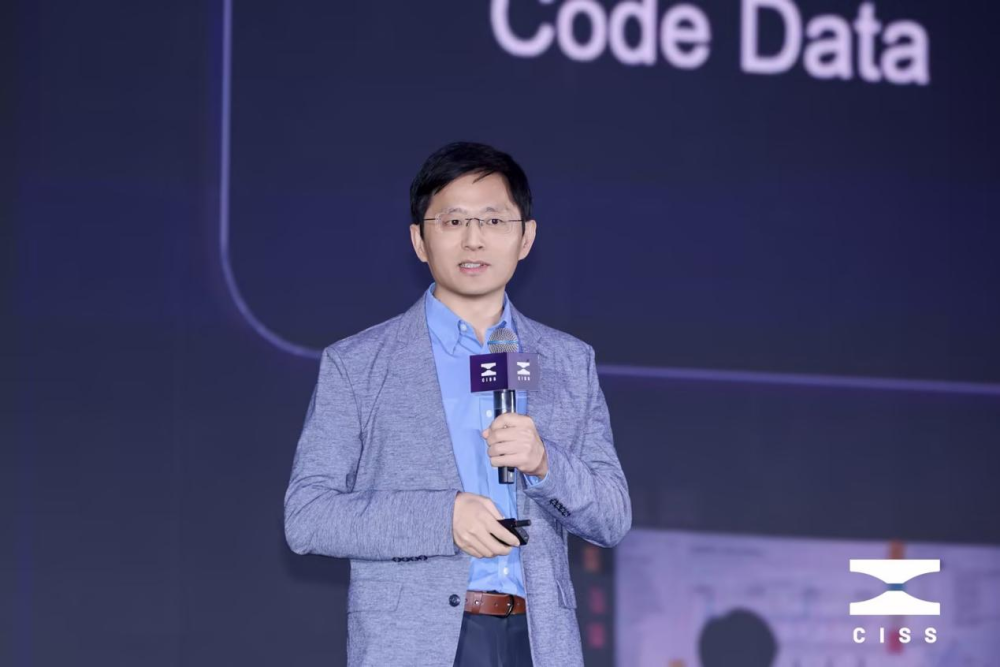
震坤行工业超市首席技术官、玲珑智能CEO刘阳发表主题演讲

刘阳首先梳理了AI技术发展的四大趋势。一是价值创造维度,AI正从生成情绪价值,转向创造商业化价值,再到今天真正进入产业界去创造产业价值。“AI在从数字世界真正进入物理世界,从解决数字世界的问题,进化到解决物理世界的问题。”二是模型训练范式的进化,从预训练依赖先验数据,到微调对齐场景与需求,再到当下最热门的智能体和后训练阶段——模型如同真正的员工走进企业,利用每一次正反馈总结经验,利用每一次负反馈复盘教训,不断迭代成长。三是工程范式的发展。当前模型虽强大,但在实际应用中仍存在幻觉问题,需要工程化的手段加以管控,工程架构的本质就是更好地管理、驾驭模型能力,让其在专业领域发挥实际作用。四是多模态融合加速,模型能力不仅体现在语言模型上,也体现在图像理解、视频理解乃至具身智能和世界模型领域。

在分析产业落地瓶颈时,刘阳指出,AI技术的价值转化仍需突破“最后一公里”。目前产业面临六大核心难题:缺乏高质量数据、大量行业经验停留于人脑记忆、未被结构化和线上化、流程与系统未能匹配AI需求、模型本身的幻觉问题尚未根本解决以及组织层面的变革挑战。“大模型从2020年至今能力提升了一千倍,但我们并没有享受到一千倍的效率或效益提升。”他认为,AI产业竞争的上半场比拼的是模型本身的智能程度,但下半场比拼的一定是行业部署能力和交付能力。将模型能力转化为产业能力,需要非常精细化的设计和工程化突破。

针对上述瓶颈,刘阳介绍了玲珑智能的解决方案。在数据层,他正式发布“多米诺工业用品大数据引擎”——这是首个工业用品行业PB级别、覆盖10亿级商品参数的工业大数据字典。该引擎在技术上实现了多智能体自动标注、自动学习、全链路溯源等核心突破,旨在为行业生产高质量数据,服务于下一阶段模型训练。在模型层,玲珑智能自主研发的“行家玲珑”工业用品AI大模型已于2025年9月通过国家网信办备案。该模型利用多米诺专业数据集进行强化学习、微调和预训练,以“使用即标注、标注即训练、一切可追溯、一切可解释”为设计原则,着力降低模型在关键决策中的幻觉概率。在智能体层,玲珑智能已向近万家企业提供了数据模型和智能体服务。

刘阳分享了多个落地案例:一家全球领先食品原料企业通过AI物料管家降低库存成本23%;一家大型化工企业使用玲珑慧搜,选型时间缩短60%;北方最大港口公司部署AI行家助手,覆盖90%员工、70%业务场景;国内某大型车企通过多模态AI行家慧眼,物料盘点从三天缩至不足两小时。

展望未来,刘阳提出,工业用品AI的未来方向是“从数字世界到物理世界的入口”。他表示,未来物理AI、具身机器人应当去重复人类进化的路径。每一次人类的关键进化,都是从使用新工具、创造新工具开始。未来物理AI和具身机器人也一定会更好地理解物理世界,理解所有工具、物料、工况和场景所需要的零部件,来制造工具和创造工具。

最后,刘阳表示,玲珑智能愿意开放多米诺工业用品数据引擎、行家玲珑工业用品大模型以及智能体家族,与所有合作伙伴共享共建。他强调,工业用品智能基础设施建设需要产业链各方共同参与,任何一家企业的力量都不足以独立完成,希望能够获得更多支持,共同完善这一智能基础设施体系。

注:文/中国财富网,文章来源:中国财富网,本文为作者独立观点,不代表亿邦动力立场。

文章来源:中国财富网

广告
微信
朋友圈

这么好看,分享一下?

朋友圈 分享

APP内打开

赞 +1
+1
微信好友 朋友圈 新浪微博 QQ空间
关闭
收藏成功
发送
/140 0

