广告
加载中

第一届工业用品大会在沪举办

中国财富网 2026-07-11 11:59
中国财富网 2026/07/11 11:59

邦小白快读

EN
全文速览

本文是第一届工业用品大会CISS 2026的核心内容总结,干货信息如下

1. 会议基本信息:本次大会6月12日在上海国家会展中心举办,由多个全国性行业协会、产业平台和震坤行工业超市联合发起,汇聚近2000位行业人士,以“创新驱动 产业协同 价值跃迁”为主题,聚焦新型工业化背景下工业用品产业的发展方向,核心关注生产性服务业与人工智能两大方向。

2. 会议核心成果:会上正式启动工业用品知识分享平台,发布了《2026年中国工业用品制造和流通报告》,还设置三大主题论坛分享前沿经验,震坤行发布了行业首个工业用品PB级数据引擎“多米诺”,亮出自研AI大模型“行家玲珑”。

3. 核心结论:AI正在重构工业用品行业竞争格局,企业可通过共建基础设施、成为行业专家两条路径实现突破,走技术、产品/渠道、营销三大创新路线。

本次大会透露了工业用品品牌的发展趋势与增长方向,核心干货如下

1. 行业整体趋势:当前制造业向高端化、智能化、绿色化升级,工业用品正处于转型升级的重要窗口期,生产性服务业与AI融合是核心发展方向,我国生产性服务业对标国际仍有较大提升空间,补物流、科创转化短板,推动先进制造业与生产性服务业深度融合是未来主流方向。

2. 品牌适配方向:工业用品行业与AI高度适配,品牌未来要重点布局供应链韧性、速变小单供应链、服务业供应链,积极落地智能体技术,贴合下游企业保供、降本、节能、可持续发展的核心需求调整产品布局。

3. 品牌增长路径:AI正在重构行业竞争格局,品牌可走技术、产品/渠道、营销三大创新路径,深度联动客户、供应商和行业伙伴共建生态,依托数智化基础设施赋能自身发展,抢占产业升级红利。

本次大会传递了工业用品领域的政策风向、市场机会与发展建议,核心干货如下

1. 政策层面利好:本次大会处于“十五五”开局之年,国家明确支持新型工业化建设,推动先进制造业与生产性服务业深度融合,地方政府如上海青浦区正打造辐射全球的供应链管理枢纽,会为各类工业用品供应链企业提供从贸易便利化到总部经济培育的全周期服务,营商环境持续优化。

2. 新兴市场机会:AI赋能工业用品是核心增长赛道,当前产业竞争已经从AI模型能力转向行业部署能力,市场对工业智能基础设施有旺盛需求,速变小单供应链、服务业供应链都是新的增量机会,行业知识分享、人才培养领域也有新的发展空间。

3. 风险应对建议:企业要构建效率、韧性、ESG三位一体的运营新战略,打造高韧性可持续供应链,依托开放协同提升自身竞争力,注重培养穿越周期的发展韧性,应对复杂多变的市场环境。

本次大会为工厂生产转型和业务发展提供了清晰方向与参考,核心干货如下

1. 生产与设计需求方向:当前制造业向高端化、智能化、绿色化转型,下游市场需求已经从单纯追求增长,转向同时要求保供、降本、节能与可持续发展,工厂的产品生产和设计需要贴合这些新需求调整方向,才能匹配市场变化。

2. 数字化转型的启示:所有AI技术、数字技术、绿色技术最终都要落地到工厂和产线,工厂要以开放心态重构自身的业务流程与商业模式,用绿色技术、数据技术和AI驱动智能制造转型,才能真正提升核心竞争力,应对人才结构变化、全球产业格局调整的挑战。

3. 可把握的商业机会:当前工业用品行业正在共建智能基础设施,工厂可以对接行业推出的PB级数据引擎、工业AI大模型等公共服务,提升自身生产效率,也可以依托自身产业场景参与行业协同,融入新的产业生态,探索新的合作机会。

本次大会明确了工业用品服务商的发展方向、客户痛点与解决方案路径,核心干货如下

1. 行业发展趋势:当前工业用品产业正加速向数字化、智能化、绿色化转型升级,下游客户的核心需求从单纯的产品供应,转向保供、降本、节能、可持续发展的综合服务需求,同时要求供应链具备足够韧性,适配速变小单等新的订单特征,AI与生产性服务业的融合是未来的核心发展方向。

2. 客户核心痛点:当前行业普遍存在产业链协同效率偏低,AI技术落地难,从模型到产业的最后一公里尚未打通,传统生产性服务业效率偏低,供应链韧性不足,难以应对全球供应链的变局风险,行业专业人才不足等痛点。

3. 可行解决方案:服务商可布局工业智能基础设施建设,打造面向工业用品的专业数据引擎、行业AI大模型,打通技术落地的最后一公里;可推出效率、韧性、ESG三位一体的供应链服务方案,帮助客户应对风险;也可参与共建行业知识分享平台,服务行业人才培养,构建良性生态。

本次大会为工业用品平台商指明了发展方向,梳理了实践路径与风险提示,核心干货如下

1. 产业对平台的核心需求:当前产业升级背景下,行业需要平台打通AI技术落地产业的最后一公里,提供高效协同的产业链供应链服务,支撑全行业的数字化智能化转型,同时需要平台搭建交流协作的公共渠道,推动知识共享和人才培养,构建良性行业生态。

2. 可参考的平台最新做法:平台可以牵头打造工业用品知识分享平台,以知识传播、人才培养为核心,构建共建共享的行业生态;可以联合第三方机构编制产业发展报告,输出行业洞察,提升平台影响力;可以布局自研工业AI大模型、工业级数据引擎,打造行业智能基础设施,为全行业提供数智化赋能。

3. 风向与风险规避:当前产业竞争已经从AI模型能力转向行业部署能力,平台要避免只重技术研发不重落地应用的问题,要深度结合工业场景,开放协同上下游伙伴共建生态,同时要注重打造供应链韧性,规避全球供应链变局带来的风险。

本次大会披露了工业用品产业的最新发展动向,提出了诸多新观点新问题,具有较高研究参考价值,核心干货如下

1. 产业发展新动向:当前工业用品产业处于转型升级的重要窗口期,AI开始深度融入产业全链路,行业原有竞争格局正在被AI重构,产业竞争逻辑已经从比拼AI模型能力转向比拼行业落地部署能力,推动先进制造业与生产性服务业深度融合,是“十五五”时期工业用品产业的核心发展方向。

2. 产业出现的新问题:当前传统生产性服务业存在鲍莫尔病的效率难题,AI技术落地存在从模型到产业的最后一公里不通的问题,全球供应链变局带来了供应链韧性不足的新挑战,产业还需要解决如何平衡增长能力与穿越周期的韧性,如何实现效率、韧性、ESG三者协同发展等新问题。

3. 新观点与新商业模式:提出AI可以破解传统服务业鲍莫尔病,工业用品行业与AI高度适配,总结出企业依托共建智能基础设施、做行业专家实现突破的路径,提出了技术、产品渠道、营销三大创新,开放协同共建生态的新商业模式,以及效率韧性ESG三位一体的供应链运营新战略,拓展了产业研究的方向。

返回默认
声明:快读内容全程由AI生成,请注意甄别信息。如您发现问题,请发送邮件至 run@ebrun.com 。

我是 品牌商 卖家 工厂 服务商 平台商 研究者 帮我再读一遍。

Quick Summary

This article summarizes the key takeaways from the first Industrial MRO (Maintenance, Repair & Operations) Conference CISS 2026, with core insights outlined below:

1. Basic event information: The conference will be held on June 12 at the National Exhibition and Convention Center (Shanghai). Co-initiated by multiple national industry associations, industrial platforms and ZKH Industrial Supermarket, it will gather nearly 2,000 industry practitioners. With the theme "Innovation-Driven, Industrial Collaboration, Value Leap", the event focuses on the development direction of the MRO industry against the background of new-type industrialization, with core attention paid to producer services and artificial intelligence.

2. Key outcomes: The conference saw the official launch of an MRO industry knowledge sharing platform, the release of the *2026 China MRO Manufacturing and Distribution Report*, and three themed forums for sharing cutting-edge industry experience. ZKH also debuted the industry's first petabyte-level MRO data engine "Domino" and its self-developed large AI model "Hangjia Linglong".

3. Core conclusion: AI is reshaping the competitive landscape of the MRO industry. Companies can achieve breakthroughs through two paths: co-building industrial infrastructure and becoming industry experts, by following three innovation routes focusing on technology, product/channel and marketing.

The conference revealed development trends and growth directions for MRO brands, with core takeaways as follows:

1. Overall industry trend: As China's manufacturing sector upgrades toward high-end, intelligent and green production, the MRO industry is now at a critical window for transformation and upgrading. The integration of producer services and AI has become the core development direction. Compared with international peers, China's producer services still have large room for improvement. Filling gaps in logistics and sci-tech commercialization, and advancing deep integration between advanced manufacturing and producer services will be the mainstream direction going forward.

2. Brand positioning adjustment: The MRO industry is highly compatible with AI. Going forward, brands should prioritize building supply chain resilience, adapting to fast-changing small-batch supply and service-oriented supply chains, and actively deploying agent technology. They need to adjust product portfolios to align with downstream enterprises' core demands for supply security, cost reduction, energy saving and sustainable development.

3. Brand growth paths: AI is reshaping the industry's competitive landscape. Brands can pursue three innovation paths in technology, product/channel and marketing, deepen collaboration with customers, suppliers and industry partners to build a shared ecosystem, leverage digital and intelligent infrastructure to empower their own development, and capture dividends from industrial upgrading.

The conference conveyed policy trends, market opportunities and development recommendations for MRO industry players, with key insights as follows:

1. Policy tailwinds: Against the backdrop of the opening year of the 15th Five-Year Plan, the Chinese government has explicitly supported the development of new-type industrialization and deepened the integration of advanced manufacturing and producer services. Local governments such as Shanghai's Qingpu District are building a globally influential supply chain management hub, which will provide full-cycle services ranging from trade facilitation to headquarters economy cultivation for all types of MRO supply chain enterprises, continuously improving the business environment.

2. Emerging market opportunities: AI-enabled MRO has become the core growth track. Industry competition has shifted from competing on AI model capabilities to competing on industry deployment capabilities, creating robust market demand for industrial intelligent infrastructure. Fast-changing small-batch supply chains and service-oriented supply chains represent new incremental opportunities, while industry knowledge sharing and talent development also open up new room for growth.

3. Risk response recommendations: Enterprises should build a new three-in-one operation strategy integrating efficiency, resilience and ESG, develop high-resilience sustainable supply chains, enhance competitiveness through open collaboration, and prioritize cultivating cyclical resilience to navigate the complex and volatile market environment.

The conference provided clear direction and references for production transformation and business development for factories, with core takeaways as follows:

1. Production and design direction: As manufacturing transforms toward high-end, intelligent and green production, downstream market demand has shifted from pure growth pursuit to simultaneous requirements for supply security, cost reduction, energy saving and sustainable development. Factories need to adjust their production and design strategies to align with these new demands to keep pace with market changes.

2. Insights on digital transformation: All AI, digital and green technologies ultimately need to be deployed on factory floors and production lines. Factories should restructure their business processes and business models with an open mind, and drive intelligent manufacturing transformation with green technologies, data technologies and AI, to truly enhance core competitiveness and address challenges from talent structure shifts and adjustments to the global industrial landscape.

3. Accessible business opportunities: The MRO industry is currently building shared intelligent infrastructure. Factories can connect to public services such as the petabyte-level data engine and industrial large AI model launched by the industry to improve production efficiency. They can also leverage their own industrial scenarios to participate in industry collaboration, integrate into the new industrial ecosystem, and explore new cooperation opportunities.

The conference clarified the development direction, core customer pain points and solution paths for MRO service providers, with core insights as follows:

1. Industry development trend: The MRO industry is accelerating its transformation toward digitalization, intelligentization and greening. Downstream customers' core demand has shifted from pure product supply to comprehensive service requirements covering supply security, cost reduction, energy saving and sustainable development. Customers also require sufficient supply chain resilience to adapt to new order characteristics such as fast-changing small batches. The integration of AI and producer services is the core development direction going forward.

2. Core customer pain points: The industry currently faces widespread pain points including low industrial chain collaboration efficiency, difficult AI technology deployment, an unbroken "last mile" between AI models and industrial applications, low efficiency in traditional producer services, insufficient supply chain resilience to navigate global supply chain disruptions, and a shortage of industry professionals.

3. Viable solutions: Service providers can lay out industrial intelligent infrastructure development, build professional MRO data engines and industry-specific large AI models to complete the last mile of technology deployment; launch three-in-one supply chain service solutions integrating efficiency, resilience and ESG to help clients address risks; and participate in co-building industry knowledge sharing platforms to support talent development and build a healthy ecosystem.

The conference clarified the development direction for MRO platform operators, sorted out practical paths and risk warnings, with core takeaways as follows:

1. Core industry demand for platforms: Against the background of industrial upgrading, the industry expects platforms to complete the last mile of deploying AI technology into industrial scenarios, provide efficient collaborative industrial chain and supply chain services to support the digital and intelligent transformation of the entire industry, and build public channels for communication and collaboration to promote knowledge sharing, talent development and a healthy industry ecosystem.

2. Latest best practices for reference: Platforms can take the lead in building an MRO industry knowledge sharing platform centered on knowledge dissemination and talent development to build a co-created and shared industry ecosystem; they can collaborate with third-party institutions to compile industrial development reports and output industry insights to enhance platform influence; and they can develop self-owned industrial large AI models and industrial-grade data engines to build industry intelligent infrastructure and provide digital empowerment for the entire industry.

3. Trend insights and risk mitigation: Industry competition has shifted from competing on AI model capabilities to competing on industry deployment capabilities. Platforms should avoid the pitfall of focusing only on technology R&D rather than real-world application. They need to deeply integrate with industrial scenarios, collaborate openly with upstream and downstream partners to build an ecosystem, and prioritize building supply chain resilience to mitigate risks from global supply chain disruptions.

The conference disclosed the latest development trends of the MRO industry and put forward many new viewpoints and new research questions, with high reference value for academic and industry research. Core takeaways are as follows:

1. New industry development trends: The MRO industry is currently at a critical window for transformation and upgrading. AI is starting to deeply integrate into all links of the industrial chain, and the original competitive landscape of the industry is being reshaped by AI. Industrial competition logic has shifted from competing on AI model capabilities to competing on industrial deployment capabilities. Promoting deep integration between advanced manufacturing and producer services is the core development direction of the MRO industry during the 15th Five-Year Plan period.

2. Emerging industry challenges: Traditional producer services currently face the efficiency conundrum of Baumol's cost disease. AI technology deployment faces the unbroken "last mile" problem between models and industrial applications. Global supply chain disruptions have created new challenges of insufficient supply chain resilience. The industry also needs to address new questions including how to balance growth capacity and cyclical resilience, and how to achieve coordinated development of efficiency, resilience and ESG.

3. New viewpoints and emerging business models: The conference puts forward that AI can solve Baumol's disease in traditional services, and notes that the MRO industry is highly compatible with AI. It summarizes two breakthrough paths for enterprises: co-building intelligent infrastructure and positioning as industry experts, puts forward three innovation directions in technology, product/channel and marketing, a new business model of open collaboration for ecosystem co-building, and a new supply chain operation strategy that integrates efficiency, resilience and ESG, expanding the direction of industrial research.

Disclaimer: The "Quick Summary" content is entirely generated by AI. Please exercise discretion when interpreting the information. For issues or corrections, please email run@ebrun.com .

I am a Brand Seller Factory Service Provider Marketplace Seller Researcher Read it again.

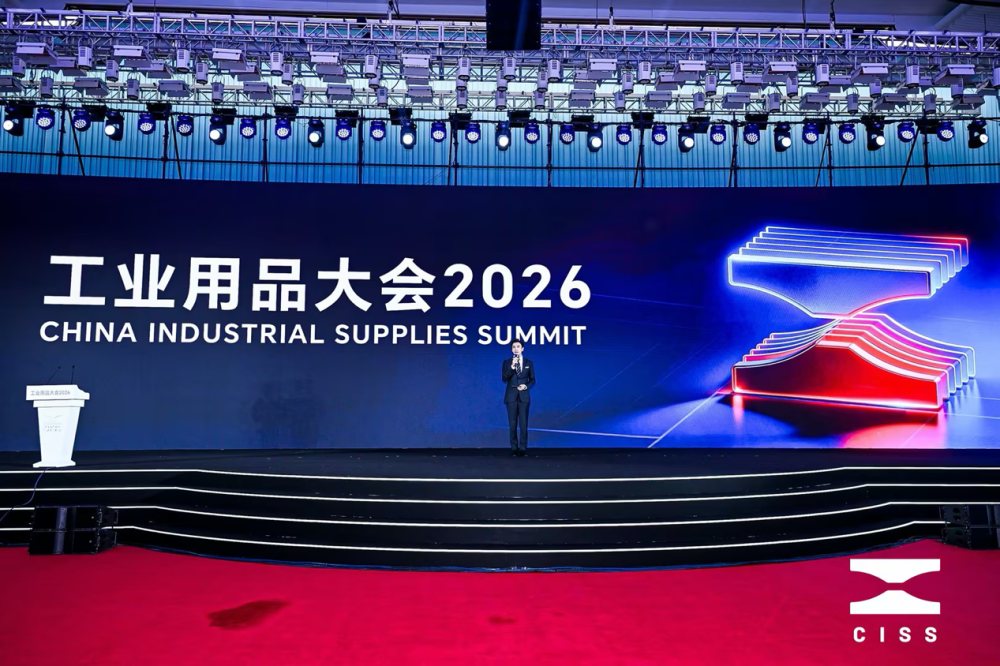
6月12日,第一届工业用品大会(CISS 2026)在上海国家会展中心举行。时值“十五五”规划开局之年,多位重磅嘉宾在会上揭秘了工业用品产业下一阶段的重要方向。

第一届工业用品大会现场

走进会展大厅,与会嘉宾的注意力不再局限于“螺丝刀、轴承、润滑油”,“大模型、PB级数据引擎、智能体”成为谈论的高频词。作为工业用品领域首个聚焦产业协同与价值创新的行业盛会,本次大会以“创新驱动 产业协同 价值跃迁”为主题,由中国机械工业联合会、中国信息协会产业互联网分会等多个全国性行业协会、产业平台与震坤行工业超市联合发起,汇聚近2000位行业领袖、制造企业高管及产业链专家,共同探讨新型工业化背景下工业用品产业的发展机遇与未来方向。

聚焦新型工业化,共议产业发展新方向

当前,新一轮科技革命与产业变革深入发展,制造业正加速向高端化、智能化、绿色化迈进,工业用品行业也迎来转型升级的重要窗口期。会上,多位政府领导、行业协会负责人和产业领军人物围绕新型工业化建设、产业链供应链现代化升级以及制造业高质量发展等议题展开深入交流,将目光聚焦到“生产性服务业”与“人工智能”这两个关键词上。

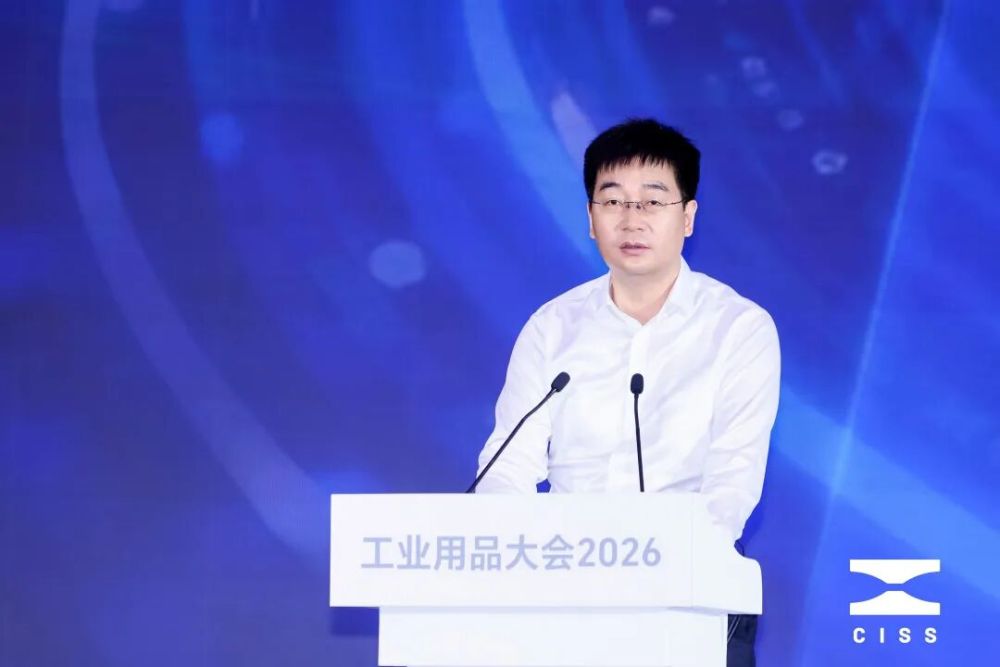
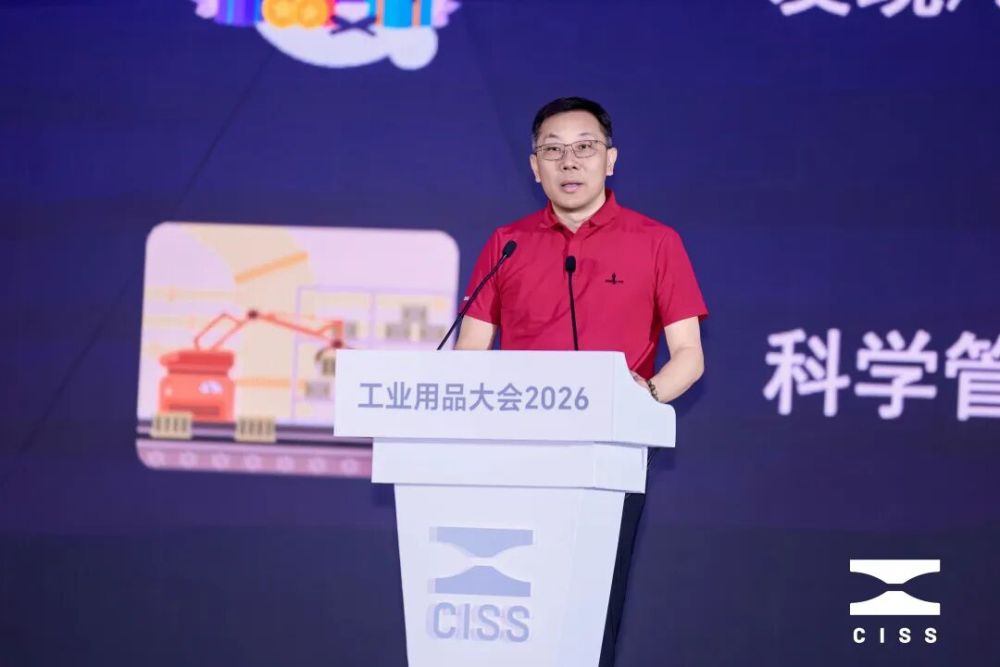
上海市青浦区委常委、区人民政府副区长叶靖在开场致辞中指出,青浦区当前正全力打造辐射全球的供应链管理枢纽,工业用品供应链的数字化、智能化、绿色化发展,与青浦区的产业发展方向高度契合。青浦区将持续优化营商环境,为各类工业用品供应链企业提供从贸易便利化到总部经济培育的全周期服务。本次工业用品大会搭建了互通交流的平台,期待各界同仁凝聚共识、碰撞思想,共同为中国工业用品产业的高质量发展、为中国制造业的腾飞贡献力量。

上海市青浦区委常委、区人民政府副区长叶靖致辞

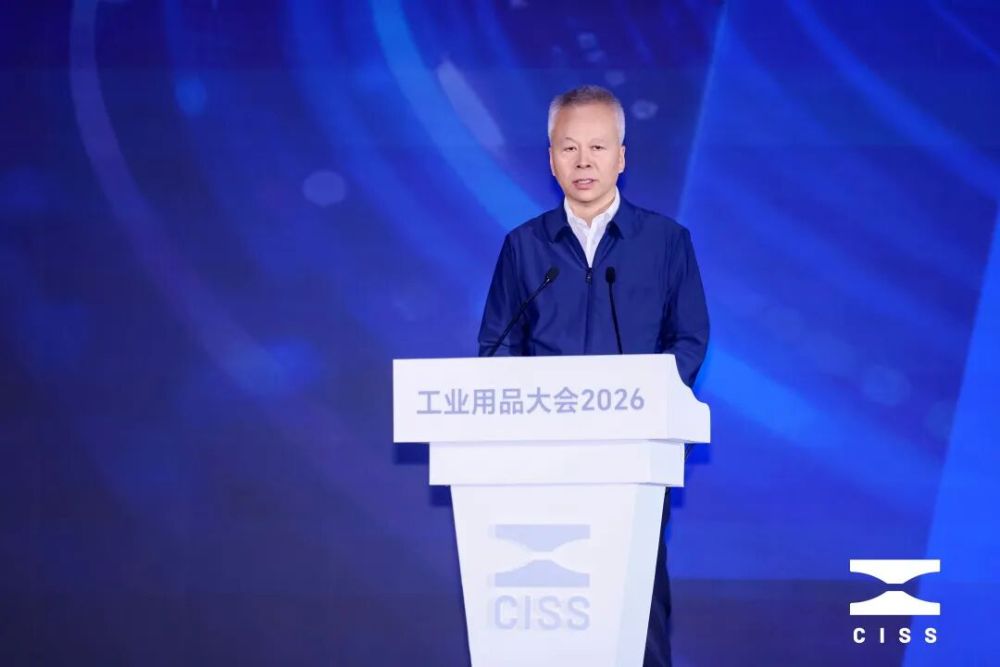
作为本届大会主办方之一,中国机械工业联合会副会长张文宏从行业视角出发,强调了创新与协同的重要性。他表示,立足新型工业化发展大局, 如何以创新驱动产业升级,以协同促进价值创造,已经成为产业界共同关注的重要课题。本次大会为探讨产业融合、协同创新提供了良好契机,期待行业借助交流平台凝聚共识,为我国现代化产业体系建设夯实基础。

中国机械工业联合会副会长张文宏致辞

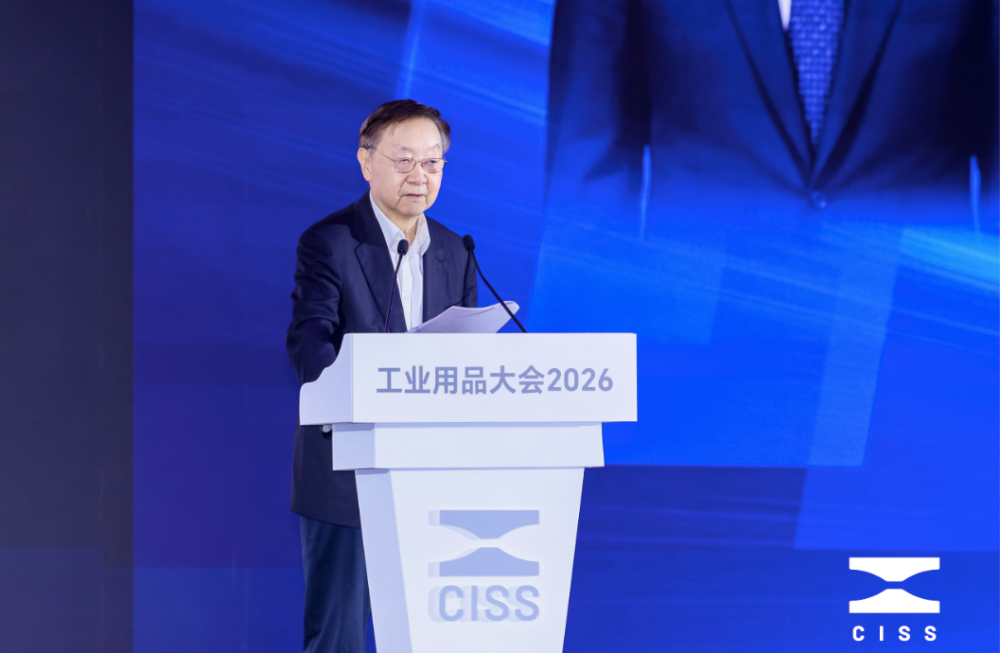
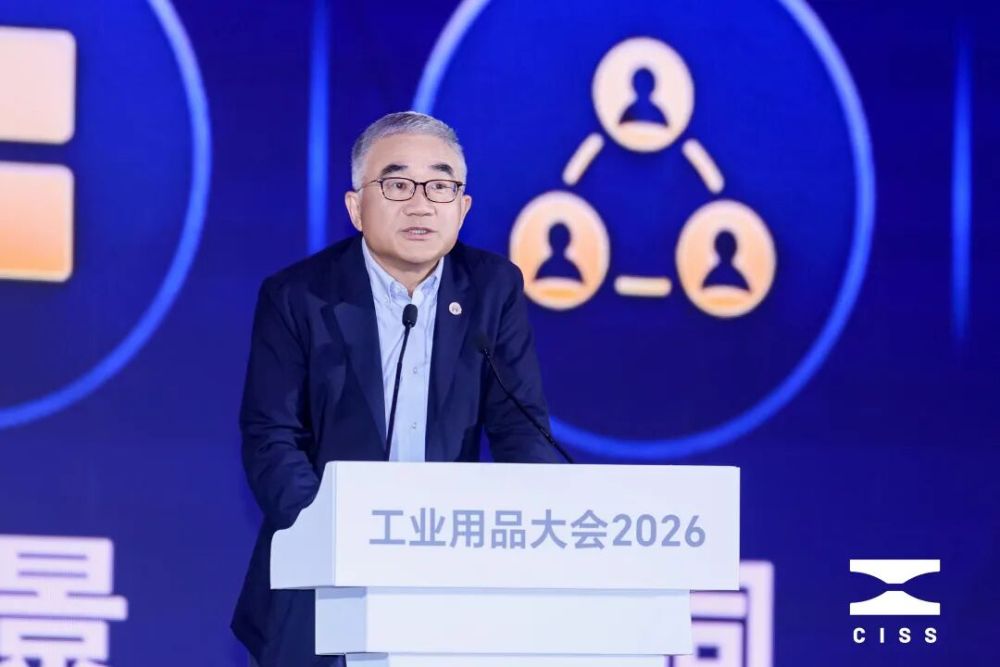
工业和信息化部原部长李毅中发表主题讲话。他提到,物资装备供应服务体系是整个工业体系的重要基础组成,伴随生产方式逐渐转向数字化、柔性化、定制化和网络化,供应链正迎来深刻变革,构建高效协同的产业链、供应链、销售网、资金链成为建设现代化产业体系的关键。

工业和信息化部原部长李毅中作主题讲话

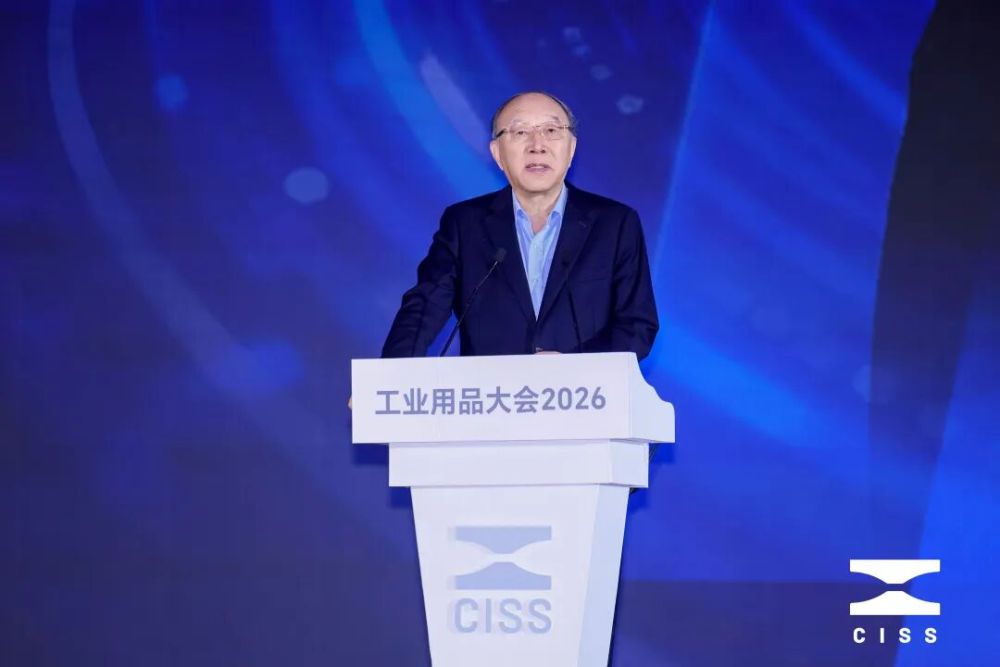
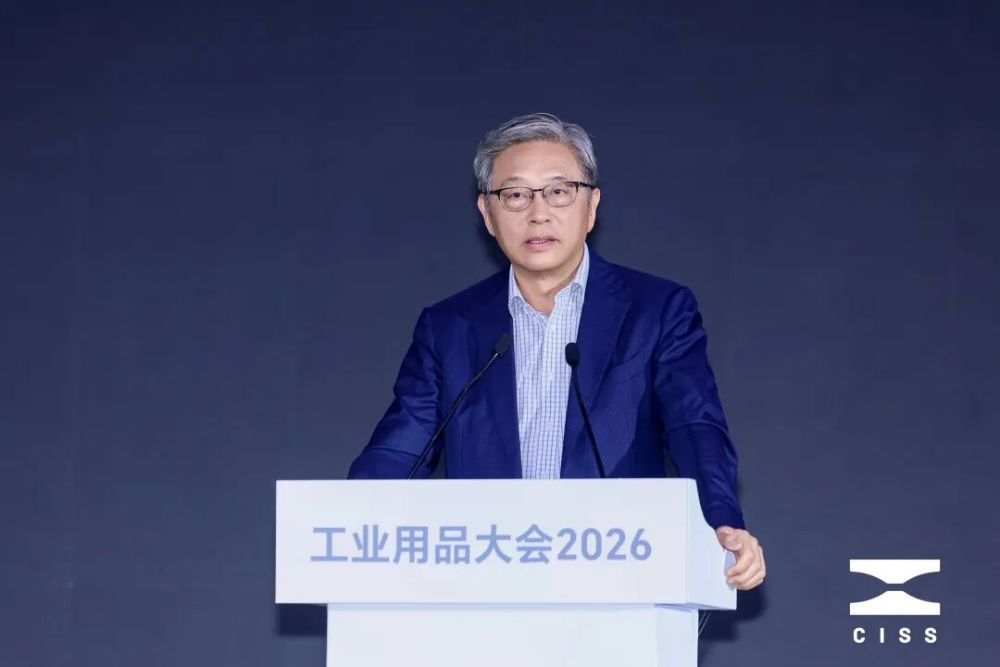
中国国家创新与发展战略研究会学术委员会常务副主席、重庆市原市长黄奇帆在主旨演讲中提出,立足“十五五”发展新阶段,必须将生产性服务业放在产业发展的突出位置。目前,对标国际水平,我国在该领域仍有较大提升空间,需补齐物流、科创转化等短板,多措并举推动先进制造业与生产性服务业深度融合。

中国国家创新与发展战略研究会学术委员会常务副主席、重庆市原市长黄奇帆作主旨演讲

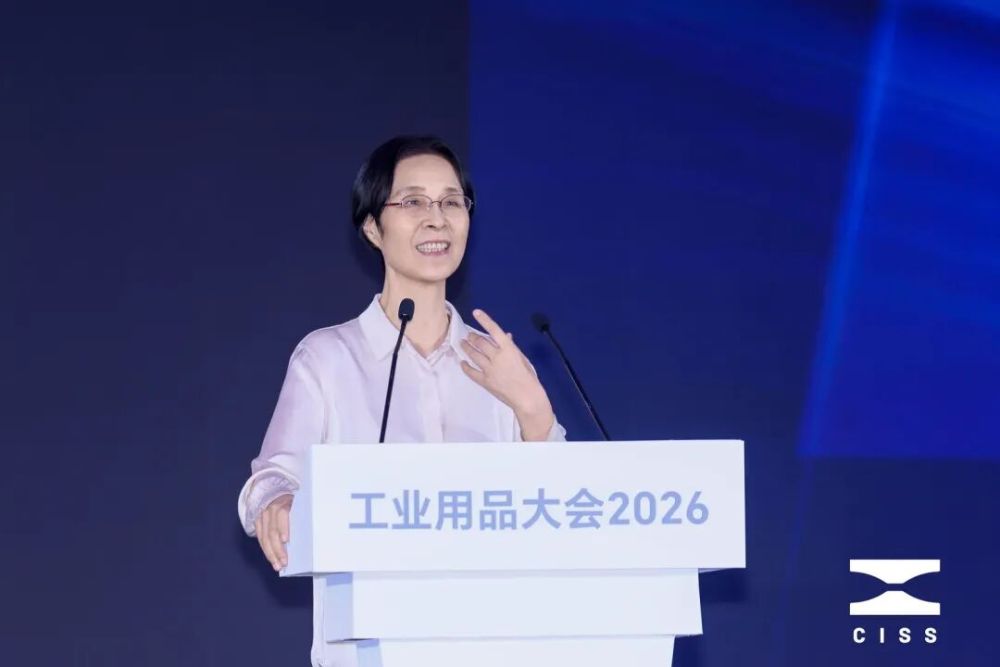
中国社会科学院大学教授、中国工业经济学会名誉会长、国务院原副秘书长江小涓在主旨演讲中指出,AI不仅大幅提升生产性服务业效率,更带来前所未有的能力涌现,有望破解传统服务业“鲍莫尔病”难题。她强调,工业用品行业与AI高度适配,未来应重点关注供应链韧性、速变小单供应链、服务业供应链建设,并积极用好智能体技术。

中国社会科学院大学教授、中国工业经济学会名誉会长、国务院原副秘书长江小涓作主旨演讲

上海新金融研究院理事长、上海市原常务副市长屠光绍则从产融协同视角进行解读。他表示,当下经济分化格局逐步常态化,数据要素、绿色资产、新型服务业态等不断重塑产业生态。“十五五” 时期需推动科创、数字、绿色与实体经济深度融合,通过金融体系的全方位升级,精准匹配不同类型企业与产业的发展需求。

上海新金融研究院理事长、上海市原常务副市长屠光绍作主旨演讲

行业成果集中发布,共建开放协同新生态

大会期间,两项重要成果正式发布。

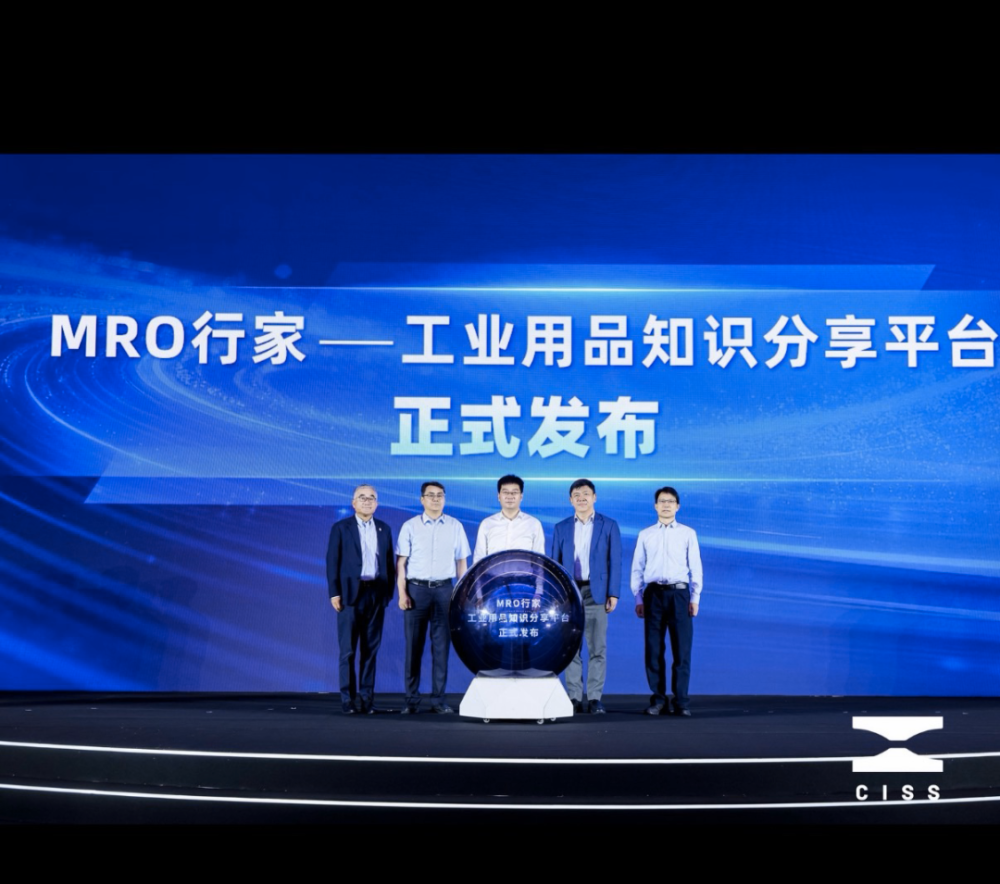
工业用品知识分享平台正式启动。据介绍,平台将以知识传播、人才培养为核心目标,推动构建全员参与、共建共享的良性行业生态,全力打造广大工业从业者共同的成长阵地。与此同时,由工业用品大会联合36氪共同编制的《2026年中国工业用品制造和流通报告》首次面向行业发布。

工业用品知识分享平台正式发布现场

三大主题论坛,解锁产业未来新方向

围绕工业用品产业发展中的核心议题,大会设置了供应链创新、AI赋能产业价值体系、智能制造与产品创新三大主题板块。在“工业用品供应链创新实践”主题环节,多位产业专家与企业代表分享了最新观察与实践经验。

震坤行董事长兼CEO陈龙在《创新驱动·产业协同·价值跃迁》主题演讲中表示,AI正在重构工业用品行业竞争格局,企业可依托共建基础设施和成为行业专家两种方式实现突破。他提出技术、产品/渠道、营销三大创新路径,强调要与客户、供应商及行业伙伴深度协同共建生态。目前,震坤行已建成全国履约服务网络、创新研发中心及“行家玲珑”自研AI大模型,将以数智化赋能产业协同,推动行业高质量发展。

震坤行董事长兼CEO陈龙作主题演讲

清华大学经济管理学院教授肖勇波则从学术研究视角出发,梳理了全球供应链的发展变局与潜在风险,他提出企业应构建效率、韧性、ESG三位一体的运营新战略,并系统讲解了高韧性、可持续供应链的搭建路径,为产业转型升级提供了专业的理论支撑与实践思路。

清华大学经济管理学院教授肖勇波作主题演讲

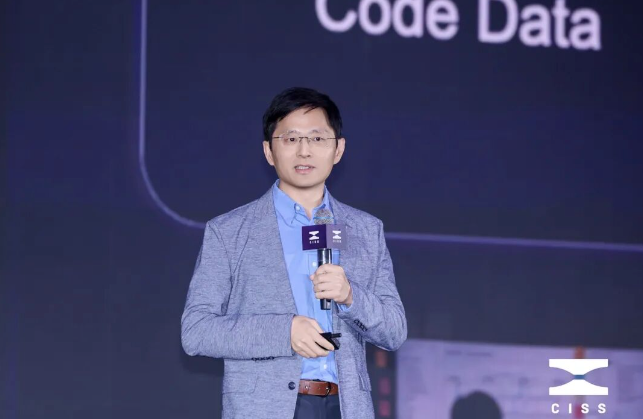
人工智能是本届大会最受关注的话题之一。在“AI重塑产业价值体系”主题板块中,震坤行CTO、玲珑智能CEO刘阳带来《工业用品智能基础设施的长期机遇与展望》主题分享。他指出,AI正从数字世界AI向物理世界AI延伸,产业竞争已从模型能力转向行业部署能力。会上,震坤行AI公司——玲珑智能首次亮相,并正式发布行业首个工业用品PB级数据引擎“多米诺”,旨在打造工业用品智能基础设施,助力企业与行业完成从模型到产业的“最后一公里”。

震坤行CTO、玲珑智能CEO刘阳作主题分享

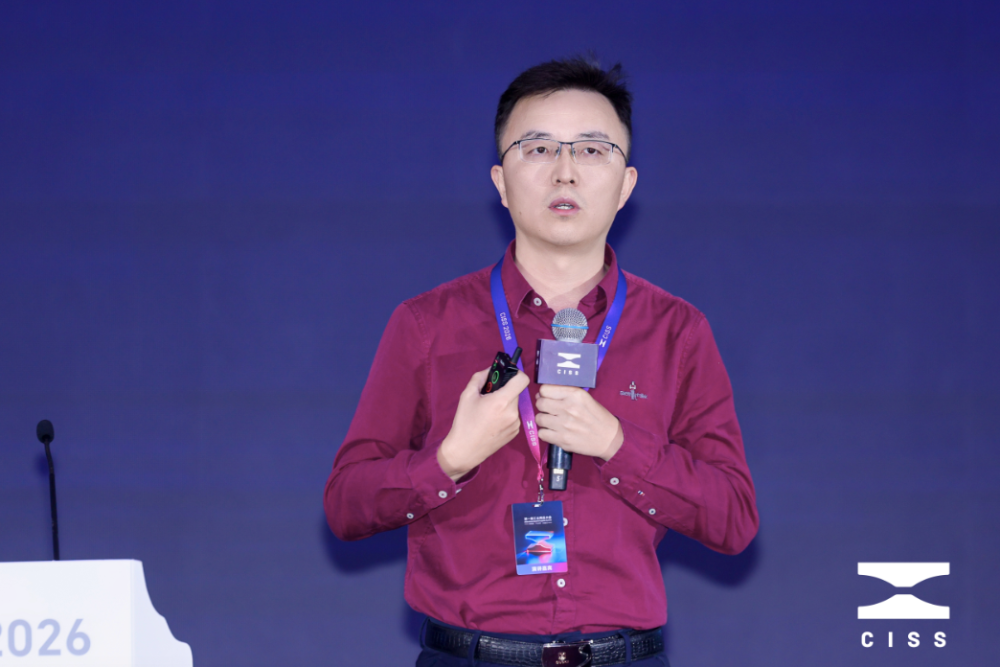
美的集团美云智数行业生态总经理邢成玉则指出,从AI技术、数字技术到绿色技术,最终落地载体必须回归到工厂和产线。面对人才结构变化、全球产业格局调整等挑战,企业必须以开放心态重构业务流程与商业模式,用绿色、数据和AI驱动智能制造转型,真正提升核心竞争力。

美的集团美云智数行业生态总经理邢成玉作主题分享

在“智能制造与产品创新”主题板块,来自制造业龙头企业和产业服务机构的嘉宾分享了数字化转型与创新实践经验。

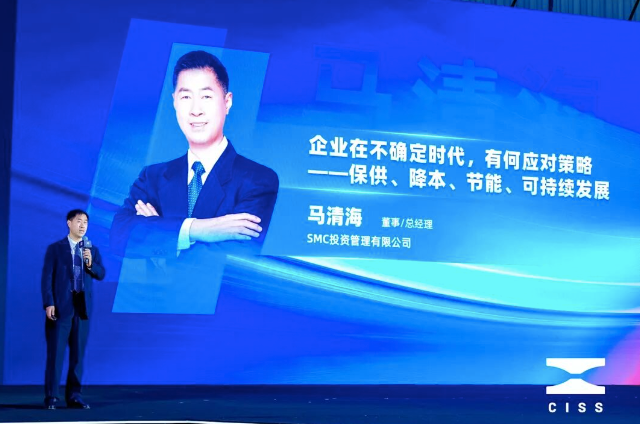
SMC投资管理有限公司董事、总经理马清海在分享中指出,面对复杂多变的市场环境,企业需要的不仅是增长能力,更需要穿越周期的韧性。保供、降本、节能与可持续发展,也正在成为越来越多企业的共同课题。

SMC投资管理有限公司董事、总经理马清海作主题分享

大会设置了两场关于“智能制造与产品创新”“AI重塑产业价值体系”主题圆桌论坛环节,来自陕煤物资商城、衔远科技、商越科技、飞书、陶氏、佳士科技、天正电气、恒辉安防集团、英特尔(中国)等企业进行对话交流。各位嘉宾结合自身业务场景,针对技术落地、数据协同、产业变革等行业难题展开交流,深入剖析AI应用现存问题,共同探寻价值提升路径,为制造业高质量发展建言献策。

除了专业论坛与主题分享,本届工业用品大会还举行了CISS 2026工业用品奖颁奖典礼。

注:文/中国财富网,文章来源:中国财富网,本文为作者独立观点,不代表亿邦动力立场。

文章来源:中国财富网

广告
微信
朋友圈

FAQ回顾

工业用品行业当前的主要发展方向是什么?

当前工业用品行业处于转型升级重要窗口期,需聚焦生产性服务业与人工智能两大核心方向,推动产业向高端化、智能化、绿色化迈进,通过供应链韧性建设、产融协同等路径实现高质量发展。

第一届工业用品大会发布了哪些重要成果?

第一届工业用品大会正式启动以知识传播、人才培养为核心的工业用品知识分享平台,同时联合36氪首次发布《2026年中国工业用品制造和流通报告》,震坤行旗下玲珑智能及PB级数据引擎“多米诺”也首次亮相。

AI技术能为工业用品行业带来哪些价值?

AI可大幅提升生产性服务业效率,有望破解传统服务业“鲍莫尔病”难题,与工业用品行业高度适配,目前正从数字世界向物理世界延伸,可帮助企业重构行业竞争格局,落地数智化转型。

震坤行在工业用品数智化领域有哪些布局?

震坤行已建成全国履约服务网络、创新研发中心及“行家玲珑”自研AI大模型,旗下AI公司玲珑智能发布了行业首个工业用品PB级数据引擎“多米诺”,以数智化赋能产业协同,推动行业高质量发展。

这么好看,分享一下?

朋友圈 分享

APP内打开

赞 +1
+1
微信好友 朋友圈 新浪微博 QQ空间
关闭
收藏成功
发送
/140 0