广告
加载中

快手打出银子弹

伯虎团队 2026-07-13 11:49
伯虎团队 2026/07/13 11:49

邦小白快读

EN
全文速览

本文核心围绕快手分拆旗下可灵AI融资的事件展开,梳理了快手当前的业务困境与可灵AI的发展前景,核心干货如下

1. 核心事件信息:快手旗下可灵AI完成首期138亿元增资,总增资上限约204.47亿元,投后估值约180亿美元,估值已经占到快手总市值的70%以上,主业与AI业务估值倒挂凸显快手增长困境。

2. 快手主业现状:广告、直播、电商三大核心业务均增长乏力,直播收入同比大跌13.5%,广告增速较去年下滑,电商增速也持续回落,只有AI业务保持高增长,但AI投入大拖累了集团整体盈利。

3. 可灵AI发展情况:可灵AI年化收入接近5亿美元,同比增长超300%,海外市场表现突出,不过面临谷歌、字节等竞品的激烈竞争,还需要在2031年前完成上市,否则触发股权回购,发展不确定性较高。

本文披露了AI视频赛道与短视频行业的最新变化,能给布局数字化营销、AI内容生产的品牌商提供参考,核心干货如下

1. 行业趋势与用户变化:AI视频生成已经成为可落地盈利的AI赛道,用户对AI生成内容接受度不断提升,海外市场需求旺盛,可灵AI已经进入多个发达国家应用收入排行榜前列,品牌可提前布局AI内容生产降本提效。

2. 赛道竞争格局:当前AI视频赛道头部玩家聚集,包括谷歌Veo、字节Seedance、快手可灵等,技术迭代速度极快,品牌选择AI工具供应商时,需要重点考察对方的技术迭代能力和商业化落地水平。

3. 可对接的新机会:快手主业增长乏力,正大力扶持可灵AI独立发展,可灵拓展B端客户的意愿较强,品牌可对接可灵的AI能力,获得更具性价比的AI内容生成服务,优化自身营销内容生产流程。

本文梳理了短视频平台和AI行业的最新变化,能给依托短视频平台经营的卖家提供机会和风险参考,核心干货如下

1. 现有平台业务风险:快手移动互联网增量见顶,三大传统主业增长乏力,用户月活增长但日活占比下滑,用户打开意愿降低,平台内流量竞争会进一步加剧,卖家需要调低对快手流量红利的预期,调整投入布局。

2. 新业务带来的机会:快手正大力推进可灵AI商业化,AI视频生成技术已经成熟,卖家可以借助可灵等AI工具快速批量生产营销短视频,大幅降低内容制作成本,布局出海业务的卖家还可借助AI工具快速适配海外内容需求。

3. 需要注意的风险:当前AI赛道竞争激烈,技术和平台战略迭代快,卖家不要盲目跟风押注单一平台的AI流量红利,需要持续跟进平台政策变化,提前布局多平台经营矩阵,分散经营风险。

本文梳理了AI产业的最新发展动态,能给需要转型、对接AI商机的工厂提供参考,核心干货如下

1. 明确的商业机会:AI视频生成赛道爆发式增长,头部玩家都在加大投入,资本开支大幅提升,对算力基础设施、服务器硬件、配套零部件等产品的需求快速增长,对应领域的工厂可以主动对接头部AI厂商,拓展新的增长业务。

2. 数字化转型启示:AI时代产业迭代速度大幅加快,传统工厂也需要加快数字化转型进度,可借助AI技术优化产品设计、生产流程,降低研发和生产成本,提升自身产品的市场竞争力。

3. 产业方向参考:AI赛道技术迭代快、资本投入高,和AI相关的制造企业需要紧跟技术迭代节奏,及时调整自身产品研发方向,适配AI产业的最新需求,才能抓住行业增长红利,避免被技术迭代淘汰。

本文披露了AI视频生成赛道的最新发展情况,能给面向互联网、AI企业的服务商提供行业参考,核心干货如下

1. 行业发展趋势:AI视频生成是目前少数能实现规模化盈利的AI垂类赛道,市场增长速度极快,头部玩家可灵AI的年化收入同比增长超300%,赛道整体获得大量资本投入,未来增长空间广阔,服务商可重点布局这个赛道的配套服务。

2. 当前客户的核心痛点:AI企业的核心痛点是资金投入压力大,技术迭代要求高,需要持续大量的资本开支支撑研发,相比头部互联网大厂,中小AI企业和腰部大厂的AI业务资金压力更为突出。

3. 可开发的解决方案:将AI业务分拆独立融资、实现独立商业化,是当前企业缓解AI业务资金压力、盘活资产的有效路径,服务商可以针对AI企业和母公司的需求,开发分拆融资、战略投资者对接、独立运营咨询等配套服务,满足市场需求。

本文以快手分拆可灵AI为例,梳理了互联网平台转型AI的路径和问题,能给其他平台商提供参考,核心干货如下

1. 互联网平台当前的共性问题:移动互联网增量已经见顶,多数平台的传统核心业务增长乏力,用户活跃度增长见顶甚至下滑,新布局的AI业务需要大量投入,拖累集团整体盈利,还会出现主业和AI新业务估值倒挂的问题,拉低集团整体市值。

2. 可借鉴的最新实践:将高增长的AI业务分拆出来独立融资、走独立商业化路线,一方面可以获得外部资金缓解母公司的资本开支压力,另一方面可以让AI资产按照AI赛道的估值体系定价,打开集团整体的估值天花板,还能引入外部战略投资者完善AI生态。

3. 需要规避的发展风向:AI赛道竞争极度激烈,技术迭代快,需要持续投入,平台布局AI业务需要合理控制投入节奏,分拆时要合理设置对赌条款,规避后续履约风险,同时要跟进技术迭代,保持产品竞争力。

本文披露了互联网大厂AI业务转型的最新案例,对研究AI产业发展有较高的参考价值,核心干货如下

1. 产业发展新动向:随着AI竞争加剧,国内头部互联网大厂已经开始探索将AI业务分拆独立融资商业化的路径,本次可灵AI的融资是全球视频大模型领域最大规模的融资,代表了这种模式得到了资本的认可,成为大厂AI业务转型的新方向。

2. 行业发展新问题:当前AI产业已经进入无限竞争的阶段,技术迭代速度快,需要持续投入大量资本,头部玩家扎堆核心赛道,领先优势很难长期保持,即便获得高额融资,AI企业也需要在短时间内兑现商业化和上市要求,发展存在极高的不确定性。

3. 新商业模式研究样本:垂类大模型独立融资商业化,是大厂盘活AI资产、缓解资金压力、实现价值重估的新商业模式,可灵AI的发展过程为研究这种商业模式的优缺点、后续发展效果提供了非常完整的研究样本。

返回默认
声明:快读内容全程由AI生成,请注意甄别信息。如您发现问题,请发送邮件至 run@ebrun.com 。

我是 品牌商 卖家 工厂 服务商 平台商 研究者 帮我再读一遍。

Quick Summary

This article centers on Kuaishou's spin-off of its KeLing AI unit for external financing, analyzing Kuaishou's current operational challenges and KeLing AI's growth prospects. Key takeaways are as follows:

1. Core event update: KeLing AI has closed the first tranche of a RMB 13.8 billion capital increase, with a total upper limit of approximately RMB 20.447 billion. Its post-money valuation stands at around $18 billion, accounting for over 70% of Kuaishou's total market capitalization. This valuation inversion between Kuaishou's core business and its AI unit highlights the parent company's growth challenges.

2. Performance of Kuaishou's core businesses: Growth has stagnated across Kuaishou's three core segments—advertising, live streaming and e-commerce. Live streaming revenue dropped 13.5% year-over-year, advertising growth slowed from 2023 levels, and e-commerce expansion has also continued to decelerate. Only its AI business maintains high growth, but heavy AI investment weighs on the group's overall profitability.

3. KeLing AI's operational profile: KeLing AI boasts an annualized revenue of nearly $500 million, representing over 300% year-over-year growth, with particularly strong performance in overseas markets. However, it faces intense competition from rivals including Google and ByteDance, and is required to complete an IPO by 2031 or trigger a mandatory share repurchase clause, leaving its development trajectory highly uncertain.

This article outlines the latest shifts in the AI video and short-form video industries, offering actionable insights for brands pursuing digital marketing and AI-powered content production. Key takeaways are as follows:

1. Industry trends and user shifts: AI video generation has emerged as a monetizable AI vertical, with rising user acceptance of AI-generated content and strong demand from overseas markets. KeLing AI already ranks among the top revenue-generating AI video apps in multiple developed economies. Brands can get ahead of the curve by integrating AI content production to cut costs and boost efficiency.

2. Competitive landscape: The AI video sector is now dominated by major players including Google's Veo, ByteDance's Seedance and Kuaishou's KeLing, with extremely rapid technology iteration. When selecting an AI tool provider, brands should prioritize providers with strong iteration capabilities and proven commercialization track records.

3. New partnership opportunities: Facing stagnant core business growth, Kuaishou is aggressively supporting independent development of KeLing AI, which has strong incentives to expand its B2B client base. Brands can partner with KeLing to access cost-effective AI content generation capabilities and optimize their marketing content production workflows.

This article breaks down the latest developments in short-form video platforms and the AI industry, helping sellers operating on these platforms identify opportunities and manage risks. Key takeaways are as follows:

1. Risks for existing platform operations: Kuaishou has hit a ceiling on mobile internet user growth, with stagnant expansion across its three traditional core businesses. While monthly active users have grown, daily active user penetration has declined, indicating weaker user engagement. This will intensify in-platform traffic competition, so sellers should lower expectations for Kuaishou traffic dividends and adjust their investment allocation accordingly.

2. Opportunities from new business development: Kuaishou is aggressively pushing forward the commercialization of KeLing AI, whose AI video generation technology is now fully mature. Sellers can use tools like KeLing to produce large volumes of marketing short-form videos quickly, drastically cutting content production costs. Sellers expanding into overseas markets can also leverage these AI tools to adapt content for international audiences efficiently.

3. Key risk warnings: The AI sector is highly competitive, with rapid shifts in technology and platform strategies. Sellers should not blindly bet on AI traffic dividends from a single platform. Instead, they should continuously track changes to platform policies, build a multi-platform operating matrix early to diversify operational risks.

This article summarizes the latest industry dynamics in the AI sector, offering guidance for factories pursuing transformation and AI-related business opportunities. Key takeaways are as follows:

1. Clear commercial opportunities: The AI video generation sector is experiencing explosive growth, with top players ramping up investment and sharply increasing capital expenditures. This has driven rapidly growing demand for computing infrastructure, server hardware and supporting components. Factories operating in these relevant segments can proactively partner with leading AI players to open up new growth avenues.

2. Insights for digital transformation: Industry iteration has accelerated dramatically in the AI era. Traditional factories need to speed up their digital transformation, leveraging AI technology to optimize product design and production processes, cut R&D and production costs, and improve the competitiveness of their products.

3. Guidance for industrial strategy: The AI sector features rapid technical iteration and high capital requirements. AI-related manufacturing enterprises must keep pace with technical upgrades, adjust their product R&D directions in a timely manner to align with the latest demands of the AI industry, to capture industry growth dividends and avoid being displaced by technological change.

This article shares the latest developments in the AI video generation sector, offering industry insights for service providers serving internet and AI companies. Key takeaways are as follows:

1. Industry growth trends: AI video generation is one of the few AI verticals that has achieved scalable profitability, with extremely rapid market growth. Top player KeLing AI has posted annualized revenue growth of over 300% year-over-year, and the sector as a whole has attracted massive capital investment, leaving substantial room for future growth. Service providers can prioritize building supporting services for this sector.

2. Core pain points for clients: The biggest challenge for AI companies is heavy capital expenditure pressure and high requirements for continuous technical iteration, which require sustained large-scale investment to support R&D. Compared with large internet giants, mid-sized AI players and the AI business units of second-tier large tech groups face even more severe funding constraints.

3. Development opportunities for solutions: Spinning off AI business units for independent financing and commercialization is an effective approach for companies to ease capital pressure on AI operations and unlock the value of AI assets. Service providers can develop tailored supporting services for AI companies and their parent firms, including spin-off financing, introduction to strategic investors, and independent operation consulting, to meet unmet market demand.

Using Kuaishou's spin-off of KeLing AI as a case study, this article analyzes the paths and pitfalls of AI transformation for internet platforms, offering reference for other platform operators. Key takeaways are as follows:

1. Common challenges for internet platforms: Mobile internet growth has hit a plateau, and most platforms face stagnant growth in their traditional core businesses, with user growth plateauing or even declining. Newly launched AI businesses require massive investment that drags on group-wide profitability, and can lead to valuation inversion between core businesses and new AI units, pulling down the parent group's overall market capitalization.

2. Actionable best practices: Spinning off high-growth AI businesses for independent financing and standalone commercialization can, on one hand, secure external capital to ease the parent company's capital expenditure pressure. On the other hand, it allows AI assets to be valued under AI sector valuation frameworks, lifting the overall valuation ceiling for the group, while bringing in external strategic investors to improve the AI business ecosystem.

3. Key risks to avoid: The AI sector is extremely competitive, with rapid technical iteration requiring sustained investment. Platforms entering the AI space should pace their investment reasonably, include well-structured milestone clauses in spin-off agreements to mitigate future performance risk, and continuously keep up with technical iteration to maintain product competitiveness.

This article presents an up-to-date case study of AI business transformation for large Chinese internet firms, offering high reference value for research on AI industry development. Key takeaways are as follows:

1. New industry trends: Amid intensifying AI competition, leading Chinese internet companies have begun exploring the path of spinning off AI business units for independent financing and commercialization. KeLing AI's financing round is the largest ever raised for the global video large model sector, signaling that this model has gained capital endorsement and emerged as a new direction for AI transformation at large technology firms.

2. New emerging industry challenges: The AI industry has now entered an era of unlimited competition, with rapid technical iteration requiring continuous large capital input. Top players are clustered in core verticals, where it is difficult to maintain long-term leading positions. Even after securing large financing rounds, AI companies must deliver on commercialization and IPO requirements within a tight timeframe, leaving their development trajectories subject to extremely high uncertainty.

3. A new research sample for business models: Independent financing and commercialization for vertical large models is a new business model that allows large tech firms to unlock the value of AI assets, ease capital pressure, and achieve asset revaluation. KeLing AI's growth process provides a complete, high-quality research sample for analyzing the advantages, disadvantages and long-term outcomes of this new business model.

Disclaimer: The "Quick Summary" content is entirely generated by AI. Please exercise discretion when interpreting the information. For issues or corrections, please email run@ebrun.com .

I am a Brand Seller Factory Service Provider Marketplace Seller Researcher Read it again.

来源 | 伯虎财经(bohuFN)

作者 | 路费

又一笔AI行业的融资落下,这次的主角是可灵。

日前,快手发布公告,旗下可灵AI业务主体北京可灵完成新一轮增资:首期融资约138亿元,总增资额上限为204.47亿元,约合30亿美元,对应增发股权占可灵扩股后总股本的16.67%。

这轮融资过后,可灵的投后估值已经来到约180亿美元,虽然略低于此前传出的200亿美元估值,但如果按照今天快手的收盘价格来看,可灵已经占到了快手总市值的 70% 以上,等于说快手坐拥 7.4亿月活、年营收超千亿的核心短视频主业,对应的资本市场估值仅 74亿美元。

主业和AI业务估值严重倒挂,展现的是当下快手面临的困境。

根据快手公布的2026年一季报,快手的传统业务开始步入中年危机,广告、直播、电商三大业务均现疲态,其中,老铁们最熟悉的直播业务收入更同比大跌13.5%,在总收入中的占比持续收缩。能撑起想象空间的AI业务目前挣不了太多的钱,却是个花钱大户,一季度AI投入持续拖累盈利,导致经调整净利润同比大幅下滑26.3%至33.74亿元。

随着AI竞争的进一步加剧,各大厂商都在收缩战线聚焦主业,快手在二级市场更加难过。7月6日晚间,快手披露了公司股东腾讯控股出售公司部分股份事项。交易完成后,腾讯在快手的持股比例将从15.68%降至9.37%,最高可套现125亿港元。随后7月7日盘中,快手一度大跌近10%。

走上独立商业化道路的可灵,是快手打出的一枚银子弹。

一举两得

用一句话来形容快手的主营业务,增长乏力大概是比较准确的。

移动互联网增量见顶已经是老生常谈。今年一季度,快手的月活和日活数据还在增长,其中DAU达4.127亿,同比增长约1.2%;MAU达7.717亿,同比净增约6000万。用户盘子虽然还在扩大,但打开APP的意愿有所下滑。一季度,快手DAU/MAU的比率从去年四季度的55.0%下滑至53.5%。

老铁的故事越来越难讲,快手的业务也越来越难做。

直播业务受监管影响,早就不是增长中心。

2025年一季度还能保持14.4%的同比增速,到四季度已经开始负增长。到今年一季度,直播业务规模进一步萎缩,同比大跌13.5%。广告业务现在是养家主力,一季度收入196.43亿元,同比增长9.3%,但相比去年12.5%的收入增速还是放缓不少。

唯一的例外是包含电商和可灵AI的其他业务,一季度营收收入55.8亿,同比增长15.9%。但电商明显不是带动增长的发动机。从大盘来看电商整体增长已经在放缓,据国家统计局数据,显示1-4月网上商品和服务零售额为65308亿元,同比增长6.6%。

从快手本身的情况来看,2025年快手电商业务的增速已经从2021年的78%下滑到2025年的15%。市场分析认为,2026年的快手电商的GMV增速将可能降至5%-10%区间。

所以最大的增长还是出在可灵。

2025年3月,可灵年化收入运行率(ARR)超过1亿美元;到去年底,这个数字已经来到了2.4亿美元。到一季度,可灵的收入已经来到了6.5亿元,ARR接近5亿美元,同比增长超300%。

不过增长是挺惊人的,花钱也是巨大的。

可灵在全球市场猛冲,背后全是快手在扛。在移动互联网时代,互联网世界交付的边际成本很低,但在AI时代,服务每一个DAU都有相当高的成本。

一季度快手销售成本同比增加11.1%,远超3.4%的收入增速,其中,带宽与服务器成本、资产折旧大幅上升;研发费用也一直高增不下,同比增长9.8%;预计2026年的资本开支将达到260亿元,较2025年增加110亿元。

这也是这轮AI竞争的特点,参与的玩家要么是大笔融钱,要么自己就有现金奶牛。和阿里、字节、腾讯等动辄千亿规模的利润水平相比,快手去年206亿元的全年经调整净利润势在有些不够看。

走独立商业化的路子是一举两得的做法。

一方面,虽然引入了外部投资者,但快手付出的只是16.67%的外部股权,获得的是真实的账面资金,大大缓解了快手的投入压力。

另一方面,可灵走上独立商业化道路,等于跳出了原本的估值框架,不再只是快手内部的一个业务,而是获得了一个AI公司的合理定价。可灵本就是当下市场里难得的优质标的,这轮融资更是创下了全球视频大模型领域最大融资纪录。

这时候,市场看的就不仅仅是可灵如何赋能快手的故事,而是其作为大模型企业的想象空间。

中金公司指出,这轮融资会带来三重价值重估:首先,AI资产独立定价,打开集团估值天花板;其次缓解快手集团资本开支压力,优化资源配置;最后引入多元战略投资者,在技术、算力、文娱内容等维度形成更强的生态合力。

无限战争

可灵的这次增资协议里设置了明确的上市对赌条款:若可灵未能在2031年 10月前完成合格上市,本轮外部投资者有权行使回购权,要求公司以原始投资本金加年化 8% 单利赎回对应股权。

这意味着可灵需要在5年内兑现自己的价值。

从模型能力上来说,可灵已经是目前市场上可投的优质标的。2024年6月,快手AI视频生成模型“可灵”横空出世。在经过超20次的迭代后,可灵在2025年12月升级至2.6版本,实现了单次生成完整音视频的创新突破。

根据Sensor Tower数据,截至1月2日,快手的可灵AI应用是韩国和俄罗斯iPhone上收入最高的图形与设计类应用,并在美国、英国、日本、澳大利亚等市场位列前十。

快手对于可灵的投入也一直不遗余力。去年4月,快手成立了可灵AI事业部,将其升级为一级业务部门;去年3月至今,可灵发布了超过8次重大版本更新,快手高级副总裁盖坤形容可灵的迭代速度是“夺命狂奔”。

视频生成也是大模型当前除了Coding之外的少数能挣到钱的生意,ARR的暴涨完全能证明可灵的潜力。

但问题在于,对于所有模型玩家而言,想要持续的挣钱,就要保持模型的SOTA,只有领先的模型才能带来市场份额。通用大模型如此,AI视频的垂类赛道更是如此。

一方面,模型的竞争在加剧。虽然可灵在过去一段时间内都保持了领先,但Seedance2.0发布以后迅速成为了视频生成模型的SOTA。字节在短视频领域曾实现的后发制人,在AI视频领域又一次上演。同时新玩家不断涌入,比如阿里的HappyHorse等。

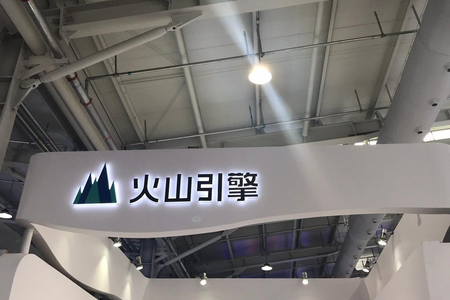
另一方面,Seedance2.0的领先让字节迅速完成了商业化的井喷。据36氪报道,2026年4月,火山引擎向客户全量开放了Seedance2.0 API的销售,条件是,必须一次性签订至少1000万元的Seedance使用年框,才能获得2.0的“满血版”使用资格。现在字节Seedance2.0的全球市占率排在第二,仅次于谷歌Veo,后者占据全球近半的市场份额。

只要还身处这个行业里,就没办法避开无限战争的处境。据报道,可灵的新版本在年中将会发布,但Seedance2.5、Veo的新版本也将在这个时间段更新。这越发考验可灵的研发和商业化节奏。

参考来源:

智能涌现:揭秘字节Seedance:全球AI的第二个好生意丨深氪

伯虎财经:ARR达2.4亿美元,可灵能带快手起飞吗?

伯虎财经:快手一季报,分拆可灵的“紧迫感”

虎嗅:BAT抱团阻击字节了?

注:文/伯虎团队,文章来源:伯虎财经(公众号ID:bohuFN),本文为作者独立观点,不代表亿邦动力立场。

文章来源:伯虎财经

广告
微信
朋友圈

FAQ回顾

可灵AI是哪家公司的业务?主要做什么?

可灵AI是快手旗下的AI视频大模型业务,2024年6月正式推出,可实现音视频生成功能,2025年升级为快手一级业务部门,2026年一季度ARR接近5亿美元,同比增长超300%,本轮融资创下全球视频大模型领域最大融资纪录。

快手为什么要推进可灵AI独立商业化?

快手传统广告、直播、电商三大主业增长乏力,2026年一季度直播业务收入同比大跌13.5%,经调整净利润同比下滑26.3%。可灵独立商业化一方面可缓解集团AI投入的资金压力,另一方面可获得AI公司独立定价,打开集团估值天花板。

当前AI视频大模型赛道的竞争格局是怎样的?

当前AI视频大模型赛道竞争激烈,谷歌Veo占据全球近半市场份额,字节跳动旗下Seedance2.0市占率位列全球第二,快手可灵、阿里HappyHorse等玩家均在高频迭代产品抢占市场,行业竞争烈度持续走高。

可灵AI有上市相关的约定吗?

可灵AI本轮增资协议设置了上市对赌条款,若可灵未能在2031年10月前完成合格上市,本轮外部投资者有权要求公司以原始投资本金加年化8%单利赎回对应股权。

这么好看,分享一下?

朋友圈 分享

APP内打开

+1
+1
微信好友 朋友圈 新浪微博 QQ空间
关闭
收藏成功
发送
/140 0