广告
加载中

从一双鞋到一种生活方式 Shopee鞋履卖家为何越跑越快?

龚作仁 2026-07-03 11:27
龚作仁 2026/07/03 11:27

邦小白快读

EN
全文速览

本文核心分享了东南亚Shopee平台鞋履卖家的增长经验,对想要了解出海生意、甚至打算入行卖鞋的普通读者有明确的实操干货参考。

1. 当前东南亚鞋消费已经发生变化,消费者不再是缺鞋才买鞋,而是会为不同生活场景准备不同鞋款,市场增长机会集中在细分需求领域。

2. 两个成功卖家的可参考经验:深耕凉拖赛道的卖家,围绕人群、场景搭建细分产品矩阵,适配东南亚地域特征打磨产品,借助平台本地化履约提升体验,入驻两年订单实现166倍增长。

3. 休闲鞋品牌卖家,从细节打磨产品适配本地气候,通过站内直播短视频+站外本地达人合作种草,结合本地化履约承接流量,入驻半年订单增长32倍。

本文梳理了东南亚鞋履市场的最新消费趋势,以及出海鞋履品牌的增长路径,对布局东南亚市场的鞋履品牌商有较多参考干货。

1. 消费趋势层面:东南亚鞋履已经从标准化基础消费品,转变为表达生活方式的载体,需求呈现明显细分化特征,消费者除款式价格外,越来越关注舒适度、搭配感和全链路消费体验。

2. 品牌运营层面:产品端需要结合东南亚高温多雨的地域特征,打磨产品细节,适配不同场景的穿着需求;品牌认知端可以通过内容营销建立连接,站内靠直播短视频做场景化种草,借助联盟营销联动本地达人扩散影响力。

3. 渠道体验层面:可以依托Shopee平台的本地化履约能力,提升配送效率,优化消费者体验,沉淀稳定用户。

本文给想要进入东南亚鞋履市场的卖家,明确梳理了市场机会点和可直接复制的实操增长经验,干货如下。

1. 市场机会层面:东南亚鞋履市场已经告别单一爆款红利,增长机会转向多元细分需求,居家休闲、通勤穿搭、运动、精致女鞋等多个赛道都有稳定增长空间,哪怕是凉拖这种客单价低的成熟品类,也能靠细分运营做大规模。

2. 两种可复制的增长路径:中小卖家可以聚焦单一细分品类,围绕人群、使用场景搭建产品矩阵,覆盖不同需求做深赛道;品牌型卖家可以走产品打磨+内容种草+体验优化的品牌化路线。

3. 核心运营提示:一定要用好平台本地化履约服务提升配送体验,借助平台自带的直播、短视频、联盟营销工具获取流量,两个案例的增长数据已经验证了这套方法的有效性。

本文给做鞋履生产的工厂,布局东南亚电商市场提供了明确的需求方向和转型启示,干货如下。

1. 产品生产设计需求:当前东南亚鞋履需求已经高度细分化,工厂不能只做标准化大爆款,需要围绕不同使用人群、不同使用场景、东南亚本地气候调整产品设计生产,比如针对雨季做防滑款,针对高温做轻量化透气款,针对不同穿搭需求做不同风格设计。

2. 商业机会层面:传统认为没有想象力的成熟细分品类,比如凉拖,也存在大量未被满足的细分需求,工厂不需要一开始就铺全品类,聚焦单一赛道深耕细分需求,也能做成长期稳定的生意。

3. 数字化电商转型启示:工厂做电商不止是卖货,需要重视履约环节的体验,对接平台本地化履约服务,提升交付效率,才能将流量转化为复购和稳定用户,借助平台生态可以实现快速起量。

本文梳理了东南亚鞋履电商行业的最新发展趋势,以及卖家群体的核心痛点,给服务鞋履电商的服务商提供了不少参考干货。

1. 行业发展趋势:东南亚鞋履电商已经从早期铺货赚差价的阶段,进入到细分深耕、品牌化运营的新阶段,卖家对长期增长能力的需求超过了对短期爆款流量的追求,行业对配套服务的需求也从流量对接转向全链路服务。

2. 客户核心痛点:中小卖家缺乏差异化产品策划能力,找不到细分市场切入点;品牌卖家缺内容运营和品牌认知扩散的能力;所有卖家都面临履约体验不足影响用户留存的问题。

3. 可拓展的解决方案方向:可以针对中小卖家推出细分品类产品策划服务,帮助卖家搭建场景化产品矩阵;针对品牌卖家可以提供内容运营对接、本地达人资源对接服务,同时可以协同平台完善本地化履约配套服务,解决卖家的核心痛点。

本文从鞋类卖家的增长实践,总结出跨境平台服务垂类卖家、实现生态增长的经验,干货如下。

1. 当前商家的核心需求:鞋类卖家已经从追求单一爆款爆发,转向打造体系化长期增长能力,需要平台提供从流量营销到履约交付的全链路支持,解决增长过程中的体验问题。

2. 已经验证有效的平台玩法:平台推出本地化履约服务,可以很好帮助卖家提升配送效率,优化消费体验,提升用户复购;平台原生的直播、短视频工具,加上平台搭建的联盟营销生态,能够很好满足鞋类卖家场景化种草、建立品牌认知的需求,匹配鞋类消费依赖体验决策的特征。

3. 后续运营招商方向:可以重点引入深耕细分垂类的卖家,引导卖家走差异化品牌化路线,帮助卖家规避单一爆款波动大的风险,同时继续完善内容生态和本地化履约体系,助力卖家持续增长。

本文呈现了东南亚跨境鞋履电商产业的最新发展动向,总结了中国出海卖家的创新增长模式,对产业研究有较多参考价值。

1. 产业新动向:随着东南亚消费市场升级,鞋履品类已经从满足基础穿着需求的标准化消费品,转变为承载不同生活方式的细分品类,需求端的变化倒逼供给端变革,整个行业从铺货做爆款的粗放模式,转向细分深耕、品牌化运营的精细化模式。

2. 新型商业模式总结:中国出海鞋履卖家已经跑通了可复制的闭环增长模式:先挖掘细分场景需求,搭建场景化产品矩阵,再打磨适配本地市场的产品,接着依托平台内容生态做种草建立品牌认知,最后借助平台本地化履约提升消费体验,形成产品-内容-体验的完整增长闭环。

3. 产业研究启示:成熟品类不一定没有增长空间,只要做深细分需求依然可以跑出高增长,本地化运营是出海卖家实现长期增长的核心支撑。

返回默认

声明:快读内容全程由AI生成,请注意甄别信息。如您发现问题,请发送邮件至 run@ebrun.com 。

我是 品牌商 卖家 工厂 服务商 平台商 研究者 帮我再读一遍。

Quick Summary

This article shares core growth insights from footwear sellers on the Shopee platform in Southeast Asia, offering practical, actionable takeaways for general readers interested in cross-border e-commerce business and newcomers looking to enter the footwear space.

1. Consumer demand for footwear in Southeast Asia has evolved. Shoppers no longer only buy footwear out of necessity; instead, they purchase different styles for distinct daily scenarios, meaning most new growth opportunities lie in segmented niche demand.

2. Two proven success stories from local sellers offer replicable lessons: One seller focused exclusively on the sandals and slippers niche. By building a segmented product portfolio tailored to specific consumer groups and usage scenarios, refining designs to fit Southeast Asia's regional conditions, and leveraging the platform's localized fulfillment to improve customer experience, this seller grew order volume 166-fold within two years of launching on Shopee.

3. A second casual footwear brand seller optimized product details to suit Southeast Asia's local climate. It drove product exposure through in-app live streams and short videos paired with influencer collaborations off the platform, and converted traffic via localized fulfillment, growing order volume 32-fold within six months of launching.

This article outlines the latest consumer trends in Southeast Asia's footwear market and maps out a clear growth path for cross-border footwear brands entering the region, offering valuable actionable insights for brands expanding into Southeast Asia.

1. Consumer trends: Footwear in Southeast Asia has evolved from a standardized commodity to a vehicle for personal lifestyle expression, with demand becoming increasingly segmented. Beyond style and price, consumers now prioritize comfort, styling versatility, and a seamless end-to-end shopping experience.

2. Brand operation: On the product side, brands need to refine product details to accommodate Southeast Asia's hot, rainy climate and meet the needs of different usage scenarios. For brand building, content marketing is key to connecting with consumers: brands can do scenario-focused product promotion via in-platform live streams and short videos, and expand reach through affiliate marketing partnerships with local influencers.

3. Channel and customer experience: Brands can leverage Shopee's localized fulfillment infrastructure to boost delivery efficiency, improve consumer experience, and build a stable base of repeat customers.

This article clarifies market opportunities and outlines directly replicable growth strategies for sellers looking to enter Southeast Asia's footwear market, with key takeaways as follows:

1. Market opportunities: Southeast Asia's footwear market is no longer dominated by the single-blockbuster growth model. New growth has shifted to diverse segmented demand, with stable growth room across multiple niches including loungewear footwear, commuter styles, athletic footwear and women's fashion footwear. Even mature low average-order-value categories like sandals and slippers can be scaled through focused segmented operation.

2. Two replicable growth paths: Small and medium-sized sellers can focus on a single niche category, build a product matrix around specific consumer groups and usage scenarios, and deepen their presence in the segment. Brand-focused sellers can pursue a brand-building route combining product refinement, content-driven product seeding and customer experience optimization.

3. Core operational tips: Sellers must make full use of the platform's localized fulfillment services to improve delivery experience, and leverage the platform's native tools including live streaming, short video and affiliate marketing to acquire traffic. The strong growth results from the two case studies included validate the effectiveness of this approach.

This article provides clear demand guidance and transformation insights for footwear manufacturers looking to enter Southeast Asia's e-commerce market, with key takeaways as follows:

1. Product design and development: Demand for footwear in Southeast Asia is now highly segmented. Factories should shift away from only producing large standardized bestsellers, and adjust product design and manufacturing to fit different consumer groups, usage scenarios, and Southeast Asia's local climate. Examples include developing non-slip styles for the rainy season, lightweight breathable options for high temperatures, and designs in different styles to match varied outfit needs.

2. Business opportunities: Even mature niche categories long seen as low-growth, such as sandals and slippers, hold large amounts of unmet segmented demand. Factories do not need to roll out a full product range from day one; focusing on a single category and deepening into segmented demand can build a stable, long-term business.

3. Insights for digital e-commerce transformation: For manufacturers entering e-commerce, success requires more than just selling goods online. They need to prioritize fulfillment experience, connect to the platform's localized fulfillment services to boost delivery efficiency, convert traffic into repeat purchases and loyal users, and achieve rapid scaling by leveraging the platform's existing ecosystem.

This article outlines the latest development trends of Southeast Asia's footwear e-commerce industry and identifies the core pain points of footwear sellers, offering useful insights for service providers supporting the footwear e-commerce sector.

1. Industry trends: Southeast Asia's footwear e-commerce has evolved from the early era of bulk listing and arbitrage to a new stage of deep niche cultivation and brand-focused operation. Sellers now prioritize long-term growth capability over short-term blockbuster traffic, and industry demand for supporting services has shifted from simple traffic matching to end-to-end full-chain services.

2. Core seller pain points: Small and medium-sized sellers lack the capability to develop differentiated product strategies and identify entry points into niche markets. Brand sellers lack capacity for content operation and organic brand awareness expansion. And all sellers struggle with poor fulfillment experience that drags down user retention.

3. Promising directions for solution development: Service providers can launch segmented product strategy services for small and medium-sized sellers to help them build scenario-focused product matrices. For brand sellers, they can offer content operation support and connections to local influencer resources. Service providers can also collaborate with platforms to improve localized fulfillment supporting services, to address sellers' core pain points.

This article summarizes actionable insights for cross-border platforms to serve vertical-category sellers and drive ecosystem growth, drawn from the growth practices of footwear sellers in Southeast Asia.

1. Current core merchant needs: Footwear sellers have shifted their focus from pursuing single-blockbuster viral growth to building systematic, long-term growth capability. They require platforms to provide end-to-end support from traffic marketing to fulfillment delivery, to resolve experience pain points throughout the growth journey.

2. Proven effective platform initiatives: Localized fulfillment services offered by platforms effectively help sellers boost delivery efficiency, improve consumer experience, and increase user repeat purchase rates. Platform-native live streaming and short video tools, paired with platform-built affiliate marketing ecosystems, perfectly meet footwear sellers' needs for scenario-based product seeding and brand building, which aligns with the experience-driven nature of footwear purchasing decisions.

3. Future operation and招商 directions: Platforms can prioritize onboarding sellers focused on deepening niche verticals, guide sellers to pursue differentiated brand-focused strategies to help them avoid the high volatility of relying on single blockbusters, and continue to improve content ecosystems and localized fulfillment systems to support sustained seller growth.

This article presents the latest developments in Southeast Asia's cross-border footwear e-commerce industry and summarizes the innovative growth model adopted by Chinese cross-border sellers, offering high reference value for industry research.

1. New industry trends: Amid Southeast Asia's ongoing consumer market upgrading, the footwear category has transformed from a standardized commodity meeting basic coverage needs to a collection of segmented niches supporting diverse lifestyle expressions. Demand-side changes have forced supply-side transformation, pushing the entire industry away from the rough bulk-listing, blockbuster-driven model to a refined model focused on deep niche cultivation and brand operation.

2. Summary of the new business model: Chinese cross-border footwear sellers have developed a replicable, closed-loop growth model: first identify unmet demand in segmented usage scenarios, build a scenario-focused product matrix, refine products to adapt to the local market, build brand awareness via content marketing leveraging the platform ecosystem, and finally improve consumer experience through the platform's localized fulfillment, forming a complete "product-content-experience" growth loop.

3. Insights for industry research: Mature categories are not necessarily without growth potential. High growth can still be achieved by deepening into segmented demand, and localized operation is the core support for cross-border sellers to achieve sustained long-term growth.

Disclaimer: The "Quick Summary" content is entirely generated by AI. Please exercise discretion when interpreting the information. For issues or corrections, please email run@ebrun.com .

I am a Brand Seller Factory Service Provider Marketplace Seller Researcher Read it again.

在东南亚,一双鞋,正在承载越来越多的生活场景。

有人需要它陪伴每天的通勤,有人穿着它去逛街、旅行,也有人把它当作穿搭的一部分,搭配出属于自己的风格。随着东南亚消费市场不断成熟,鞋履早已不只是满足日常穿着的基础消费品,而成为表达生活方式的重要载体。消费者选购一双鞋时,在意的不只是款式和价格,也越来越关注舒适度、搭配感,以及从下单到收货的整体消费体验。

当鞋履消费进入更注重体验与品牌认知的新阶段,爆款依然重要,但比爆款更重要的,是持续打造爆款的能力。这种变化,也悄然改变着鞋履卖家的经营逻辑。Shopee平台上的两家鞋履卖家故事,正是这一变化的缩影。

一双鞋,正在衍生出更多生意

如果说过去消费者买鞋,是为了"缺一双鞋",那么今天,他们买的是一个具体的生活场景。

工作日需要一双适合通勤的乐福鞋,周末City Walk换上舒适轻便的休闲鞋,雨季会准备一双防滑凉拖,假日出游又会选择透气耐穿的运动鞋。随着东南亚消费市场不断成熟,鞋履逐渐从标准化商品,演变为满足不同生活方式和穿搭需求的重要品类。消费者不再满足于"一双鞋穿所有场景",而是愿意为不同用途、不同风格准备更多选择。

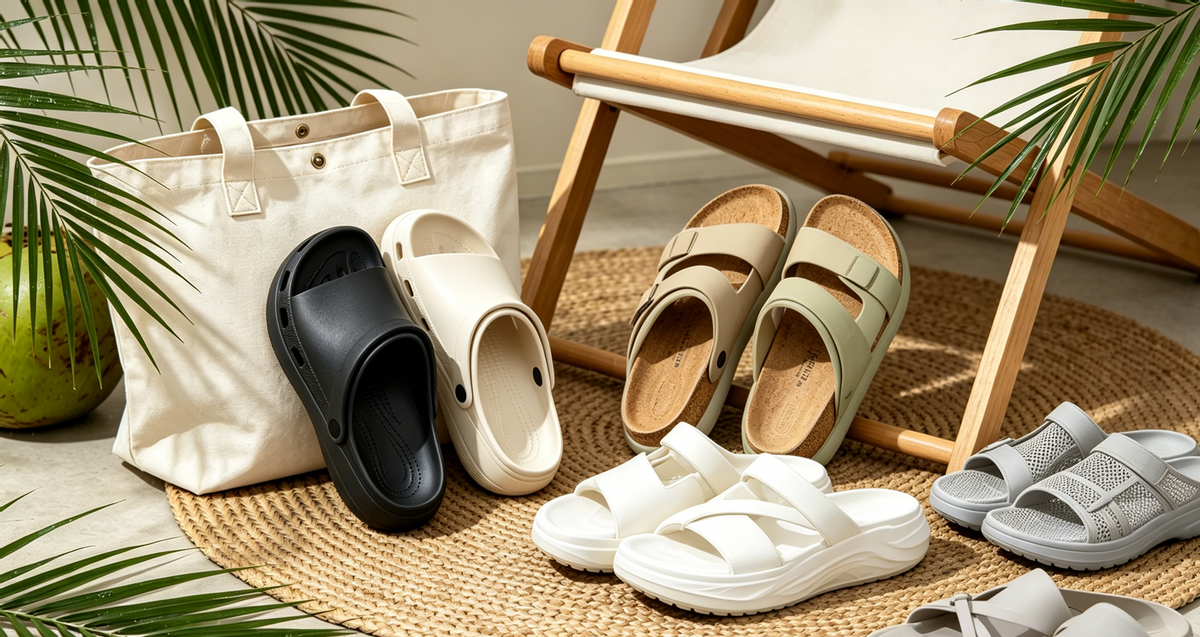
这种变化,也让鞋履市场释放出更多增长机会。从Shopee平台热销趋势来看,鞋类消费正呈现出明显的细分化特征。居家休闲场景下,凉拖、洞洞鞋等轻便舒适的鞋款持续热销;围绕通勤和日常穿搭,乐福鞋、玛丽珍鞋、芭蕾平底鞋等兼具设计感与实用性的产品稳定增长;运动休闲场景中,飞织运动鞋、轻便休闲鞋、登山运动鞋等功能性鞋款持续受到消费者青睐;优雅尖头高跟鞋、方跟尖头高跟鞋、一字带凉鞋等精致女鞋,则更好满足追求精致度的时尚需求。

不同鞋型背后,对应的是不同的消费人群和生活方式,也意味着市场机会正在从单一爆款,走向更加丰富的细分需求。对于卖家而言,这种变化带来的最大启发,是如何围绕消费者需求,持续做深。

从一双凉拖开始,把细分品类做成长期生意

凉拖鞋,很少会被认为是一门"有想象力"的生意。

它客单价不高,产品更新节奏快,在很多卖家眼里,更像是一个依靠价格竞争的成熟品类。在Shopee平台上,一家主营凉拖鞋的卖家却洞察到,消费者购买凉拖鞋的理由,远比想象中丰富。

有人需要一双适合居家穿着、轻便舒适的拖鞋,也有人更关注雨季出行时的防滑性能;有人偏爱简约百搭的基础款,也有人愿意为更有设计感、更符合日常穿搭的款式买单。看似相同的产品背后,其实对应着不同的人群和不同的消费场景。

也正因此,自2024年入驻Shopee后,团队始终围绕凉拖鞋这一赛道深耕,以细分人群、使用场景、功能需求为核心,系统性搭建凉拖鞋产品矩阵,针对性覆盖不同用户需求:面向男性户外与居家场景,推出耐磨防滑的户外凉拖;贴合女性穿搭审美,迭代多款高颜值时尚凉拖、百搭洞洞鞋;适配东南亚炎热多雨的地域特征,打磨出轻便透气、防滑耐穿的EVA厚底洞洞拖鞋。随着产品不断完善,店铺逐渐形成覆盖多个消费场景的产品矩阵,也积累起越来越稳定的用户基础。

随着销量持续增长,履约能力也成为团队关注的重点。

对于鞋履这样注重体验的商品来说,更快的配送、更稳定的履约,不只是物流效率的提升,也直接影响消费者对品牌的第一印象。借助Shopee本地化履约,团队逐步提升本地备货比例,让不断增长的订单能够更高效地完成交付,也进一步提升了消费者购物体验。

入驻后仅两年时间,店铺整体订单量实现166倍增长,本地化履约订单占比也持续提升。回顾成长路径,它做的事情其实很简单:围绕一个细分品类持续深耕,不断丰富产品,并通过本地化履约把每一次成交转化为更好的消费体验。

做好品牌,内容成为增长的新起点

找到一个细分市场,只是增长的开始。对于越来越多鞋履卖家而言,真正的挑战,是如何把一次爆发式增长,沉淀为可持续的品牌化能力。

Shopee平台上的另一家主营休闲鞋的品牌卖家,给出了自己的答案。

在团队看来,产品始终是一切经营的起点。同样是一双休闲鞋,消费者为什么会愿意在你的店铺下单?又为什么会在下一次购买时再次想起你的品牌?这些问题,远比单纯铺货更值得思考。

在团队内部,一双鞋从来不仅仅是设计出来那么简单,更是"打磨"出来的。以休闲运动鞋为例,从鞋款版型、鞋底软硬度,到鞋面材质的透气性、鞋身重量,每一处细节都会经过多轮调整,兼顾舒适度与日常搭配需求。考虑到东南亚常年高温、多雨的气候环境,团队也更加注重鞋款的轻量化、透气性和耐穿性,让产品既适合长时间穿着,也能够应对不同天气和生活场景。

真正让品牌与消费者建立连接的,是内容。

团队发现,鞋类消费本身就是一种高度依赖"体验感"的决策。相比参数介绍,消费者更关心的是一双鞋上脚是否舒适、搭配起来是什么效果、适合哪些生活场景。

在Shopee平台上,团队持续运营Shopee Live直播和Shopee Video短视频。直播中,主播会围绕不同消费场景进行试穿展示,介绍鞋款的穿着体验、搭配方式和细节设计,并结合平台限时优惠、互动福利等活动,提升用户即时下单转化;短视频则更多聚焦日常穿搭和生活方式,将产品融入通勤、周末出游等真实场景,通过更加轻量化的内容持续触达消费者,让商品在用户浏览过程中自然完成种草。

除了站内内容,团队也积极借助Shopee联盟营销生态,与本地达人和内容创作者合作,邀请不同风格的创作者分享真实穿搭体验,让品牌不断出现在消费者熟悉的社交内容中。

随着品牌影响力不断扩大,团队也开始同步优化消费体验。借助Shopee本地化履约,品牌进一步提升了配送效率和履约稳定性,让消费者能够更快收到商品,也更从容地承接内容营销带来的持续增长。入驻Shopee仅6个月,店铺整体订单增长32倍,LFF订单增长达到52倍,展现了优质产品、品牌内容与消费体验协同发力,所释放出的增长势能。

从深耕细分需求,到借助内容建立品牌认知,再到通过本地化履约提升消费体验,让增长从"一款产品"走向"一套经营体系",这也成为越来越多中国鞋履卖家在东南亚市场跑出长期增长的新起点。

注:文/龚作仁,文章来源:Laborer,本文为作者独立观点,不代表亿邦动力立场。

文章来源:Laborer

广告
微信
朋友圈

FAQ回顾

东南亚鞋履消费市场有什么新趋势?

当前东南亚鞋履消费已从基础穿着需求转向生活方式表达,呈现明显细分化特征,不同生活场景对应差异化鞋款需求,消费者除款式价格外更关注舒适度、搭配感与整体消费体验,市场机会从单一爆款转向多元细分需求。

Shopee鞋履卖家实现长期增长的核心方法是什么?

Shopee鞋履卖家可围绕细分人群、使用场景与功能需求搭建产品矩阵,通过直播、短视频、达人合作等内容方式建立品牌认知,同时借助本地化履约提升配送效率,优化消费体验,实现可持续的规模化增长。

东南亚鞋履市场有哪些热门细分品类?

东南亚鞋履市场热门细分品类覆盖多类场景:居家休闲类的凉拖、洞洞鞋,通勤穿搭类的乐福鞋、芭蕾平底鞋,运动休闲类的飞织运动鞋、登山鞋,还有满足时尚需求的尖头高跟鞋、一字带凉鞋等。

这么好看,分享一下?

朋友圈 分享

APP内打开

+1
+1
微信好友 朋友圈 新浪微博 QQ空间
关闭
收藏成功
发送
/140 0