广告
加载中

买条裙子比找工作还难!这次AI出手了

卜晚乔 2026-06-26 16:57
卜晚乔 2026/06/26 16:57

邦小白快读

EN
全文速览

本文核心是AI已应用到网购服饰的全决策环节,能帮你更快挑到合适的衣服,减少退货麻烦,相关实操干货如下:

1. 挑款环节:淘宝接入千问的AI助手、京东基于言犀大模型的京言助手,都能把你模糊的穿搭需求细化,按风格分类筛选对应商品,还能做商品对比、总结评价,大幅节省筛选时间

2. 合身判断:你可以上传个人照片使用AI试穿功能,提前看上身效果;AI尺码推荐会结合你的身高体重、历史购买数据,甚至用户评价反馈修正结果,提升选对尺码的概率,减少因不合身退货

3. 材质决策:你可以用AI工具分析面料属性,预测起球缩水风险,还可以让AI总结评论区差评高频词,快速排雷

当前AI功能仍有不足,比如推荐款式趋同、试穿存在修图感,还需要你注意辨别参考。

当前服饰行业呈现消费升级新趋势,AI介入零售链路为品牌带来新机遇与挑战,核心干货如下:

1. 消费趋势:消费者越来越愿意为品质、设计和品牌认同买单,国产服饰已经开始规模化冲击千元轻奢入门价格带,部分品牌触及两千元以上区间,品牌可抓住升级机会布局中高端价格带

2. 机遇:接入平台AI工具可有效降低消费者决策门槛,京东数据显示AI试穿能提升用户停留时长、提袋意愿和连带购买率,特步用AI尺码功能后成交转化率提升22%,尺码不合退货率明显下降;中小品牌还可以用AI作图降低拍摄成本,解决传统拍摄成本高、沟通效率低的问题

3. 风险与方向:过度美化的AI生成图会让消费者预期落差变大,退货率比实拍高18%;真正降低退货需要从源头数字化入手,布局数字样衣,实现设计到成衣一致,可大幅降低样衣成本、压缩上新周期、降低退货率。

本文围绕服饰行业高退货顽疾,分析了AI应用的现状,给出了机会提示与风险提示,核心干货如下:

1. 现有机会:当前服饰消费升级,消费者对高品质、个性化产品付费意愿提升,市场空间较大;平台提供的AI导购、试穿、尺码推荐等工具可以免费或低成本接入,能有效提升转化降低退货,比如正确使用AI尺码推荐可让一次性选对尺码比例大幅提升,减少冗余退货;采用源头数字样衣方案的卖家,退货率可降到5%以下,转化率提升数倍

2. 风险提示:如果单纯使用过度美化的AI生成图做商品展示,会导致退货率比实拍商品高18%,反而增加损耗;仅靠终端AI工具无法解决生产端的问题,不能从根本降低退货

3. 应对方向:当前多平台已经调整规则,推出屏蔽高退货率用户、取消仅退款自动机制等政策,卖家需要配合规则调整,同时做好自身品控,从生产端降低版型、面料偏差,才能真正控制退货成本。

文章指出服饰高退货率的根源在生产端,给工厂数字化升级和业务发展带来诸多启示,核心干货如下:

1. 市场需求变化:当前消费者对服饰合身度、版型一致性、品质稳定性要求越来越高,传统生产模式存在很多痛点,传统流程从草图到技术生产包平均需要14.2天,近三分之二的时间消耗在改稿和跨部门沟通,效率低成本高,还容易出现设计展示和成衣不符的问题,最终推高终端退货率

2. 商业机会:市场对源头数字化生产的需求越来越高,推出数字样衣方案可以从设计到成衣保持效果一致,从根本解决所见非所得的问题,目前已有品牌落地验证效果:某跨境女装品牌接入后,样衣制作成本降低82%,新品上市周期从3周压缩至72小时,某直播电商使用后转化率提升340%,退货率降至4.7%

3. 升级启示:工厂需要推进尺码标准化建设,从源头抓好品质控制,主动对接数字化工具,推进生产端数字化转型,缩短新品上市周期,降低生产成本,才能匹配品牌和市场的需求,提升自身竞争力。

服饰行业长期被高退货率问题困扰,AI渗透全链路催生了新的行业需求,给服务商带来了明确的发展方向,核心干货如下:

1. 行业发展趋势:AI正在重构服饰零售和生产全链路,从前端消费者导购决策到后端设计生产都在逐步智能化,行业已经形成共识:高退货率问题不能单靠某一端解决,需要技术、规则、供应链全链条协同优化,全产业链数字化服务需求大幅提升

2. 客户核心痛点:前端平台和商家需要解决消费者挑款效率低、合身判断难、材质决策难的问题,后端品牌和工厂需要解决设计生产效率低、样衣成本高、设计与成衣不符的问题;当前已落地的AI工具还存在很多不足,比如推荐款式趋同、试穿还原度差、AI生图过度美化、用户隐私安全无保障等

3. 解决方案方向:技术服务商可围绕这些痛点迭代产品,优化AI算法,实现从热门商品匹配到个性化风格推荐的升级,突破标准身材模板限制,提升AI试穿的还原度,推进数字样衣源头保真技术落地,同时解决数据隐私安全问题,满足行业各方需求。

文章梳理了AI解决服饰退货率的现有实践和存在问题,给平台运营管理和风险规避带来诸多启示,核心干货如下:

1. 当前AI落地成效:目前主流平台已经将AI应用落地到购物全环节,AI导购、AI试穿、AI尺码推荐、AI评论总结等功能已经上线,数据验证这些功能有正向作用:使用AI尺码推荐的用户,尺码不合身导致的退货率显著下降,AI试穿提升了用户停留时长、人均试穿次数和提袋意愿,也带动了连带购买

2. 当前存在的问题:现有AI功能仍有明显不足,存在推荐趋同、试穿修图失真、用户隐私担忧等问题,部分商家使用过度美化的AI生成图反而推高了整体退货率;原有平台规则过度偏向消费者,导致商家需要承担恶意退货带来的额外损失,影响商家生存

3. 后续优化方向:平台需要持续迭代AI算法,在功能便利性和用户数据安全之间找到平衡;调整平台规则,从盲目讨好用户转向平衡保护,在保障消费者权益的同时维护商家合理利益;还要推动供应链端数字化对接,带动全链路协同降低退货率,提升平台整体交易效率,吸引更多商家入驻。

本文呈现了AI进入服饰零售领域的最新产业动向,暴露了当前转型过程中的核心问题,对产业数字化转型研究有重要参考价值,核心干货如下:

1. 产业新动向:AI已经从前端营销导购渗透到消费者决策的全环节,淘宝、京东等主流综合电商平台都已经落地AI购物助手、AI试穿、AI尺码推荐等应用,部分品牌和服务商已经开始探索供应链端的数字化转型,尝试数字样衣源头保真方案,从生产端解决所见非所得的问题

2. 产业新问题:当前AI在服饰领域的应用仍处于早期阶段,存在明显的能力边界,包括推荐同质化、试穿还原度不足、用户隐私安全风险,过度美化的AI生成图反而推高退货率;研究发现单靠终端零售环节的AI应用无法解决高退货问题,生产端不标准、品控差,平台规则不平衡才是核心根源

3. 研究启示:服饰产业数字化转型不能只停留在终端营销环节,真正解决行业痛点需要技术端优化、平台规则调整、供应链品控升级三者协同发力,未来产业数字化会逐步向供应链源头延伸,这为研究产业数字化转型的路径和商业模式提供了新的方向。

返回默认

声明:快读内容全程由AI生成,请注意甄别信息。如您发现问题,请发送邮件至 run@ebrun.com 。

我是 品牌商 卖家 工厂 服务商 平台商 研究者 帮我再读一遍。

Quick Summary

This article explains how AI is now integrated across the entire decision-making process of online apparel shopping, helping shoppers find suitable items faster and reduce the hassle of returns. Key takeaways for consumers are:

1. Product discovery: Alibaba's Taobao integrates Qwen-powered AI assistants, while JD.com offers Jingyan Assistant built on its Yanhui large language model. Both tools refine vague styling requests from users, filter products by style, compare items and summarize customer reviews, drastically cutting down time spent on product searching.

2. Fit assessment: Shoppers can upload personal photos to use AI virtual fitting to preview how items look on their body. AI size recommendation also factors in users' height, weight, historical purchase data and even customer review feedback to refine results, increasing the chance of selecting the right size and cutting returns caused by poor fit.

3. Fabric decision-making: AI tools can analyze fabric properties, predict pilling and shrinkage risks, and summarize most frequent complaints from negative customer reviews to help shoppers quickly avoid low-quality items.

Current AI functions still have limitations, such as overly homogeneous style recommendations and overly edited-looking virtual fitting results, so consumers should use AI outputs as a reference rather than the final call.

The apparel industry is seeing new consumer upgrading trends, and AI's integration into the retail value chain brings brands new opportunities and challenges. Key takeaways are:

1. Consumer trend: Consumers are increasingly willing to pay a premium for quality, design and brand identity. Chinese domestic apparel brands are already scaling up their presence in the entry-level luxury price band around 1,000 yuan, with some brands penetrating segments priced above 2,000 yuan. Brands can seize this upgrading opportunity to lay out mid-to-high price tier product lines.

2. Opportunities: Integrating platform-provided AI tools effectively lowers consumers' decision barriers. JD.com data shows AI virtual fitting increases user engagement, purchase intent and add-on purchase rate. After Xtep adopted AI size recommendation, its conversion rate rose 22%, and returns due to poor fit dropped significantly. For small and medium-sized brands, AI-generated product imagery also cuts photoshoot costs and solves the problems of high traditional production costs and low communication efficiency.

3. Risks and directions: Overly edited AI-generated product imagery creates a gap between consumer expectation and actual product, leading to an 18% higher return rate than professionally shot real photos. To truly reduce returns, brands need to start with digitalization at the source and adopt digital sampling, which ensures consistency between designed products and finished garments. This can drastically cut sample production costs, shorten new product launch cycles and lower return rates.

This article analyzes the current application of AI to solve the long-standing problem of high return rates in the apparel industry, and outlines opportunities and risks for sellers. Key takeaways are:

1. Current opportunities: Amid ongoing apparel consumption upgrading, consumers are more willing to pay for high-quality, personalized products, creating large market opportunities. AI tools for product guidance, virtual fitting and size recommendation offered by e-commerce platforms can be integrated for free or at low cost, effectively boosting conversion and cutting returns. For example, proper use of AI size recommendation greatly increases the share of customers that select the correct size on the first try, reducing unnecessary returns. Sellers that adopt digital sampling at the production source can cut return rates to below 5% and boost conversion multiple times over.

2. Risk warnings: If sellers solely rely on overly edited AI-generated imagery for product display, their return rate will be 18% higher than that of sellers using real product photos, which increases operational losses. Terminal AI tools alone cannot solve problems rooted in production, so they cannot cut return rates fundamentally.

3. Action steps: Major platforms have already adjusted their rules, rolling out policies such as blocking users with excessively high return rates and scrapping automatic-only refund mechanisms. Sellers need to adjust their operations to align with new rules, while improving their own quality control to reduce deviations in fit and fabric starting from the production end, to truly control return costs.

This article argues that high apparel return rates are rooted in production links, and shares key insights for factories' digital upgrading and business development. Key takeaways are:

1. Changing market demand: Consumers today have increasingly high requirements for fit, consistent sizing, and stable quality. Traditional production models have notable pain points: the average process from a design sketch to a technical production package takes 14.2 days, with nearly two-thirds of the time spent on design revisions and cross-departmental communication. This low efficiency and high cost structure often leads to inconsistency between marketed designs and finished garments, ultimately pushing up end-consumer return rates.

2. Business opportunities: Demand for digitally-enabled upstream production is growing rapidly. Launching digital sampling solutions ensures consistency from design to finished garment, and fundamentally solves the problem of "what you see is not what you get" for consumers. This model has already been validated by brands: after one cross-border women's wear brand adopted digital sampling, its sample production cost dropped 82% and its new product launch cycle was cut from 3 weeks to 72 hours. A live commerce business saw its conversion rate rise 340% and return rate drop to 4.7% after implementation.

3. Insights for upgrading: Factories need to push forward size standardization, enforce quality control from the source, proactively integrate digital tools, and complete digital transformation of production links. This shortens new product launch cycles, cuts production costs, helps meet the requirements of brands and the market, and improves factories' core competitiveness.

The apparel industry has long been plagued by high return rates, and AI's penetration across the entire value chain has created new industry demand and clear development directions for service providers. Key takeaways are:

1. Industry trend: AI is reshaping the entire apparel retail and production chain, with intelligence gradually being adopted from front-end consumer shopping guidance to back-end design and production. There is already broad industry consensus that high return rates cannot be solved by a single link, and requires coordinated optimization across technology, platform rules and supply chains. This has driven a sharp increase in demand for end-to-end digital industry services.

2. Core customer pain points: Front-end platforms and merchants need to solve problems including low product discovery efficiency, difficult fit assessment, and high uncertainty around fabric quality. Back-end brands and factories struggle with low design and production efficiency, high sample costs, and inconsistency between designs and finished garments. Existing AI tools still have notable flaws, including homogeneous product recommendations, low-fidelity virtual fitting, overly edited AI-generated imagery, and lack of guarantees for user privacy and data security.

3. Solution direction: Technology service providers can iterate their products around these pain points, optimize AI algorithms to upgrade from generic hot product matching to personalized style recommendations, break through the limitations of standard body templates, improve the fidelity of AI virtual fitting, and advance the implementation of source authenticity assurance technology for digital samples. They also need to address data privacy and security issues to meet the needs of all stakeholders across the industry.

This article reviews existing practices and open problems in using AI to reduce apparel return rates, and shares insights for platform operation management and risk mitigation. Key takeaways are:

1. Current results of AI implementation: Major mainstream platforms have already rolled out AI applications across the entire shopping journey, including AI shopping assistants, AI virtual fitting, AI size recommendation, and AI review summarization. Data confirms these functions deliver positive outcomes: for users that adopt AI size recommendation, returns caused by poor fit drop significantly. AI virtual fitting increases user dwell time, average number of virtual fittings and purchase intent, and also drives higher add-on sales.

2. Existing problems: Current AI functions still have clear limitations, including homogeneous recommendations, unrealistic edited virtual fitting results, and user privacy concerns. Some merchants' use of overly edited AI-generated imagery has actually pushed up overall platform return rates. Additionally, original platform rules were overly consumer-biased, forcing merchants to absorb extra losses from malicious returns and threatening merchant viability.

3. Future optimization directions: Platforms need to continuously iterate AI algorithms to strike a balance between functional convenience and user data security. They should adjust platform rules to shift from blindly favoring consumers to balancing interests, protecting consumer rights while safeguarding merchants' legitimate interests. Platforms also need to drive digital connection with supply chain players, enable end-to-end coordination to reduce return rates, improve overall platform transaction efficiency, and attract more merchants to onboard.

This article presents the latest industry developments of AI's penetration into apparel retail, and identifies core problems in the current transformation process, offering important reference value for research on industrial digital transformation. Key takeaways are:

1. New industry developments: AI has penetrated from front-end marketing and shopping guidance across every step of consumer decision-making. Major generalist e-commerce platforms including Taobao and JD.com have already launched AI shopping assistants, AI virtual fitting and AI size recommendation. Some brands and service providers have also started exploring digital transformation of the supply chain, testing source authenticity assurance solutions via digital sampling to solve the "what you see is not what you get" problem starting from production.

2. Unresolved industry problems: AI applications in the apparel industry are still in an early stage, with clear capability boundaries, including homogeneous recommendations, low-fidelity virtual fitting, user privacy and security risks, and higher return rates caused by overly edited AI-generated imagery. Research confirms that AI applications only at the retail terminal cannot solve the high return rate problem; the core root causes are non-standard production, poor quality control upstream, and unbalanced platform rules.

3. Research insights: Digital transformation of the apparel industry cannot stop at the terminal marketing link. To truly solve core industry pain points, coordinated progress is needed across algorithm optimization, platform rule adjustment, and supply chain quality control upgrading. Going forward, industry digitalization will gradually extend upstream to the supply chain source, which opens new directions for research on the path and business models of industrial digital transformation.

Disclaimer: The "Quick Summary" content is entirely generated by AI. Please exercise discretion when interpreting the information. For issues or corrections, please email run@ebrun.com .

I am a Brand Seller Factory Service Provider Marketplace Seller Researcher Read it again.

买衣服的每个环节都被AI盯上了

文丨卜晚乔    编辑丨张睿

【亿邦原创】今年618,服饰行业释放出向好信号。

京东数据显示,超1400个服装品牌成交额增速领跑行业,超200个新锐设计师服装品牌成交额同比增长翻倍;天猫数据显示,国产服饰品牌的件均价呈现显著向上趋势,开始规模性冲击“1000元”这一轻奢入门价格带,部分品牌甚至触及“2000元”以上区间,两组数据共同指向一个事实:消费者正越来越多地为品质、设计和品牌认同买单。

与此同时,一个长期困扰服饰行业的顽疾却并未消退——退货率。

下单收货后再退货,是消费者和商家双输的困局:消费者花费大量时间精挑细选,下单的三件衣服平均只能留下一件多一点——而那唯一留下的,还未必真的称心;商家承担了运费险和折价损耗,卖得多反而亏得更多。

所有生意,最理想的情况都是合适的商品卖给合适的人,但女装的难题是,款式多更新快,消费者的需求千差万别,精准匹配难度高。

AI掌握了海量商品信息,也学习了每个消费者的偏好,能够解决女装退货率的顽疾吗?今年的618,我们看到了一些实际的变化。

当AI介入买衣服这件事

买一件衣服,从种草到下单,消费者本质上在进行三层决策:我想要什么样的款式?这件我穿上合不合适?面料材质如何?退货率之所以居高不下,正是因为这三个环节里,每一步都可能出现“信息失真”。

▎环节一:挑款式——“AI助手”来推荐

看款是购物的第一步,面对海量商品,如何快速挑到心仪的款式是关键,尤其是消费者对于想要的款式只是一些关键词和头脑中的想象,如何找到想要的款式?

今年5月,淘宝与阿里旗下AI应用“千问”全面打通,其AI购物助手能精准理解用户的风格偏好,通过智能搜索和个性推荐,帮你在海量信息中高效筛选出心仪的商品。

亿邦动力测试发现,在淘宝搜索关键词“小白裙带袖子收腰v领”,再点击“AI助手”帮助搜索后,直接跳转到千问页面。千问将对这个关键词再次进行细分,按风格推荐出“甜美泡泡袖款”、“简约通勤款”、“法式浪漫款”等不同系列。每个系列中包含多个店铺的商品为用户提供选择。

图片

而在京东,基于言犀大模型的“京言”智能购物助手,同样能在看款环节扮演得力帮手。它支持多轮自然语言对话理解用户需求,在商品导购中能将模糊需求快速锁定为具体的候选款式,并提供多款商品对比、用户评价总结等功能,让筛选和决策更高效。

亿邦动力测试发现,在京东搜索关键词“小白裙带袖子收腰V领”,点击AI助手帮助搜索后,将出现“帮我挑”功能,按照裙长、风格、流行元素等方面筛选商品。通过不断细化需求,筛选出更契合消费者需求的商品。

图片

▎环节二:合身与否——“AI试穿”

找到了心仪的衣服,商品详情页展示了模特图、白底图、细节图,但问题是模特精瘦高挑,消费者想知道,这件衣服我穿上会不会好看?是否显瘦、显高、遮肉?颜色和版型是否适合我的气质?应该搭配哪些上衣或者下装?

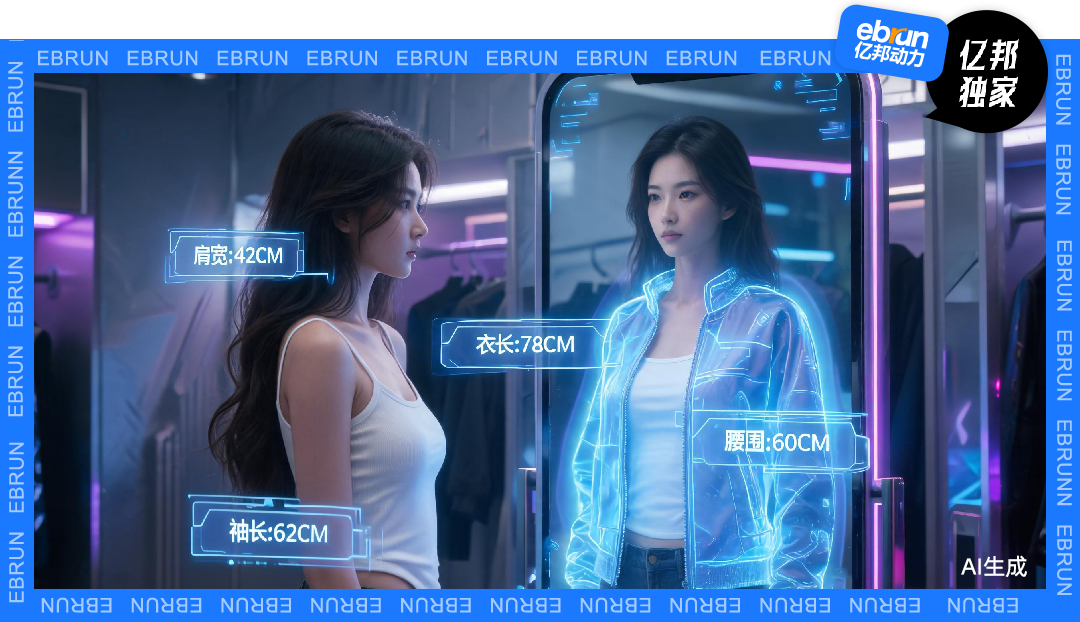
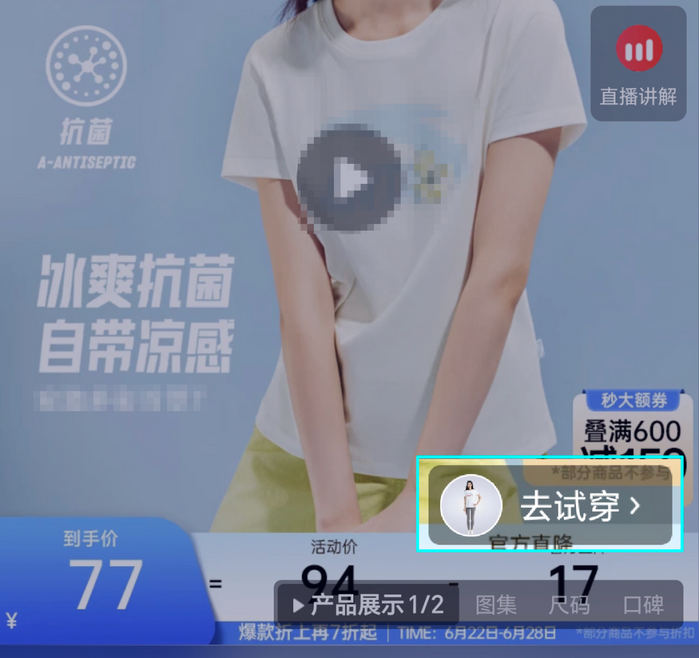
今年,电商平台都上线了“AI试穿”工具,相当于提供了一个“线上试衣间”,让消费者从“看别人穿”变成“看自己穿”。消费者只需要拍摄一张照片上传,AI就能把你看中的衣服“穿”在你身上,还可以搭配不同的裤子、帽子、鞋子。

据京东相关负责人介绍,其AI试穿功能覆盖了千万级的商品,数万家店铺。用户在试穿后的停留时长、人均试穿次数、提袋意愿均出现正向变化,而且通过AI试衣的穿搭方案,也提升了用户浏览深度和连带购买机会。总体看,AI试穿可以在购买前提前暴露“不适合、不好搭、与预期不符”等问题,减少因上身效果想象偏差、风格不匹配和搭配困难带来的退货风险。

图片

试穿看款式,尺码合身与否也是影响退货的重要原因。“尺码通胀”之下,同是M号,这家像L,那家像XS,消费者只能靠猜。

平台的解法是AI推荐尺码。 各平台陆续上线AI尺码推荐功能,基于用户的身高、体重、历史购买记录,甚至胸围、腰围、臀围等数据,算法匹配出最可能合身的尺码。部分平台还接入用户评价中的“尺码偏大/偏小”反馈,动态修正推荐结果。

例如,京东智能客服(京小智)的尺码应答功能,一方面内置了标准化的尺码库和品牌版型数据,另一方面挖掘用户历史购买记录以预判穿着偏好。相关负责人介绍,今年以来京东的女装类目相关数据,使用AI尺码助手下单的用户,相比未使用用户,尺码不合身导致的退货率显著下降。对于服饰类类目中(连衣裙、针织、修身女装、弹力面料)这类最容易尺码翻车的品类,尺码助手效果最突出,很多用户以往习惯性“拍两码、到手试穿留一件退一件”,通过智能精准推荐,一次性选对尺码比例大幅提升,有效减少冗余下单与无效退货。

AI推荐尺码不再依赖“感觉”,而是基于数据的精准判断,以特步官方旗舰店为例,半年内尺码咨询自动解决率提升10%,由AI引导完成的成交转化率提升22%,在降低退货风险的同时,显著提升了购物决策效率。

▎环节三:决策——“材质是否符合期待”?

即便看了款、对了码,消费者依然可能犹豫——面料会不会起球?洗几次会不会缩水?会不会掉色?评论区里哪些是真实评价,哪些是刷的?

在这方面,AI也可以成为“面料专家”。小红书上,一位用户激动地分享,她刷到一件喜欢的针织衫,担心面料会起球,发给豆包后,豆包对面料成分进行综合分析,给出优缺点提升和是否容易起球、缩水的风险等级预测。“因为我在意材质,这能很快帮我做决定。”

除了分析面料,AI还在帮消费者“排雷”评论区。一位用户分享了自己的用法:“我会把商品链接和评论区截图一起发给Kimi,让它帮我总结差评里的高频词。如果“起球”“掉色”“扎人”出现次数多,我就直接划走。”

淘宝也提供了评论AI总结,比如某款鱼尾半身裙,AI汇总评论区提及多的关键优缺点,“垂坠感好”“长度合适”等等。

整体来看,AI正在渗透到“买一件衣服”这件事的每一个环节,试图降低消费者决策门槛,将商品与消费者需求精准匹配。

AI进场,用户的真实反馈如何?

平台在“看款”“合身”“面料”三个环节布下了AI棋子,但亿邦动力的采访调研发现,很多消费者尚未接触这些功能。即便尝试过,体验也处于早期磨合阶段——有惊喜,也有明显的成长空间。

对于AI推荐的款式,有人表示:“我不喜欢和别人撞款,AI推荐的都差不多。”也有人表示:“买衣服这件事和主观审美关系很大,不太信任平台AI推荐的功能。”还有人表示,“我有点儿不太相信它可以试出真实的穿着效果。”

亿邦动力实测发现,部分平台的AI试衣生成照片存在“修图感”——即使模特比本人瘦了一圈,衣服也会自动贴合身材。消费者分得清“参考”和“真实”的差距,而缩小这个差距,正是AI试衣下一步迭代的方向。

隐私是另一道需要跨越的门槛。AI试衣需要用户上传个人真实照片,多位受访者明确表示“暂时不想用,担心隐私问题。”如何在功能便利与数据安全之间找到平衡,是平台需要持续探索的课题。

一位受访者肯定了AI推荐尺码的实用性:“在淘宝上传了身材数据,AI推荐尺码的准确率还是挺高的。”尺码推荐本质是基于大量真实用户购买数据做匹配,数据越丰富,推荐越准——这是一个随着用户规模扩大而持续优化的正向循环。

这种担忧指向AI推荐算法当前的能力边界:基于热门数据的推荐,容易产生“趋同”效应。但从技术演进来看,随着算法对个体偏好的理解不断深入,推荐正从“热门商品匹配”向“个性化风格理解”演进——这是一个需要数据和算法持续迭代的过程。

退货率还没降,问题出在哪儿?

对于刚刚过去的618,一位女装商家向亿邦动力透露,他家去年女裤退货率56%,今年59%;上衣基本持平,53%左右。数据不仅没有好转,甚至微增。

值得警惕的是,AI也在为退货率“添柴”。有媒体报道称,使用AI模特的商品退货率比实拍商品高出18%,其中“版型不符”“质感不符”占比超六成。原因是,AI在生成过程中会“脑补”细节、优化质感,甚至添加实物根本不存在的设计。消费者拿着“修过的图”去期待一件真实的衣服,落差感比以往更大。

小红书上,越来越多用户开始辨认并吐槽AI生成的模特图——“女装全是AI图,没人管管吗?”“本来担心AI是骗子,结果来看是傻子。找衣服都是假图假人,修改提示词都没用。”

但硬币的另一面,是中小商家在成本压力下的真实选择。一位商家算了一笔账:“以前在杭州找模特,一场拍摄20件衣服,摄影+模特+化妆师+场地,花了差不多2万。”更头疼的是沟通成本——“发夹当成胸针拍了”这类看似荒诞的误会,在传统拍摄中并不少见。“我做电商那么多年,就没见过几个靠谱的摄影师和模特,靠谱的都是天价收费。中小商家想减少成本很正常。”这位商家坦言。

此外,除了被“差衣服”“丑衣服”困扰的消费者,退货率中也不乏有试穿党、羊毛党的“贡献”。有商家坦言,每月因恶意退货损失几千元,“最夸张的一个月,100件退货里有一半是穿过后退回的”。

这是信任断裂的代价。商家和消费者都在支付额外的交易成本:消费者花时间“排雷”,商家花钱“防拆”。没有人从中受益,但没人能先停手。

平台也意识到了问题。2025年以来,淘宝推出屏蔽高退货率用户新规,多平台取消“仅退款”自动机制,《售后服务无理由退货服务规范》正式生效。

但上述措施,都是在“交易端”做文章,设计与生产之间的裂缝也难辞其咎。

换句话说,AI试衣解决的是“展示”环节的问题,但衣服在生产端的不确定性——版型偏差、面料差异、工艺误差——并没有被消除。消费者在App里“穿”得再好看,工厂做出来是另一回事,退货率自然降不下来。

凌迪科技CEO刘郴提供了一个行业视角:“麦肯锡数据显示,传统流程从一张草图到TechPack(技术生产包)平均需要14.2天,其中近三分之二的时间耗在改稿与跨部门沟通。”

凌迪科技提出“源头保真”的方案,从数字样衣到最终成衣保持一致,理论上能从根本上解决“所见非所得”的问题。据了解,某跨境女装品牌接入后,样衣制作成本降低82%,新品上市周期从3周压缩至72小时;某直播电商使用后,转化率提升340%,退货率降至4.7%。

所以,退货率改善需要三个齿轮同时转动:

技术端:AI试衣需要突破“标准身材模板”的限制,真正还原不同体型;AI生图需要从“美化图片”转向“从源头还原”——让营销展示来自可生产的数据,而不是精修到失真的效果图。

规则端:平台需要从“盲目讨好用户”转向“平衡保护”——在用户保护与商家生存之间找到平衡点。

供应链端:尺码标准化、品质控制需要从源头抓起,而不是让AI来擦一个本身就脏了的桌子。

一位行业人士分享,“退货率还是有改善空间的”,单靠平台政策的宽松或收缩解决不了问题,AI也远未到“终结退货”的程度。真正有效的路径,可能是技术优化、平台规则调整、商家品控改善三者的协同发力,而这需要更长的时间。

方向已经有了,齿轮已经在转了。只是转动得还不够快。

亿邦持续追踪报道该情报,如想了解更多与本文相关信息,请扫码关注作者微信。

文章来源:亿邦动力

广告
微信
朋友圈

这么好看,分享一下?

朋友圈 分享

APP内打开

+1
+1
微信好友 朋友圈 新浪微博 QQ空间
关闭
收藏成功
发送
/140 0