广告
加载中

京东七鲜超市发布“7S品控公约”,让“真新鲜 看得见”

龚作仁 2026-06-16 17:45
龚作仁 2026/06/16 17:45

邦小白快读

EN
全文速览

本文核心信息是京东七鲜超市借618节点发布全新品控标准、升级品牌,同时推出优惠、拓展新店,普通读者可获得以下干货:

1. 品质保障干货:京东七鲜正式发布7S品控公约,从七个维度将新鲜与安全转化为可量化、可查验、可兑现的标准,品牌主张升级为“真新鲜 看得见”。目前已经落地多项保障:多品类“24小时鲜”系列实现24小时从源头到货架,仅售当天;近3000个SKU支持扫码溯源,可查看基地资质、农残检测报告;安心肉有180项检测,覆盖各类安全风险。

2. 优惠与新店信息:6月16日-18日,除部分直降爆品外,线上线下全场满99减20,同一用户可领3张优惠券,单笔限用1张;天津河东首店7月3日开业,太原山西首店已开启线上配送。

生鲜品牌商可从本文获得品牌建设、产品研发、渠道拓展等多方面参考干货,具体如下:

1. 产品与品控建设:可参考京东七鲜的差异化路线,抓住消费者对生鲜新鲜安全的核心需求,将抽象的新鲜安全转化为可量化可感知的标准,通过推出系列标准化产品打造品牌卖点,7S品控公约就是典型的可参考模式。

2. 品牌营销玩法:可以借大促节点做品牌升级、发布新政策,搭配简单直接的优惠活动引流,借流量提升品牌认知,京东七鲜绑定京东618做品牌升级的玩法可复制。

3. 渠道拓展方向:线下门店结合即时零售仍然是重要拓展方向,京东七鲜新开天津、山西区域首店,说明区域新市场仍然有拓展空间,可以通过拓店完善本地服务网络。

生鲜相关卖家可从本文获得行业动向、机会经验等干货,具体如下:

1. 消费需求机会:当前消费者对生鲜的核心需求已经升级,更加看重新鲜透明、安全可控,主打该方向的产品更受欢迎,比如京东七鲜的“24小时鲜”系列上市后持续获得消费者认可,卖家可切入该赛道获得增长。

2. 可学习的运营经验:可以学习将品质承诺可视化的方法,通过扫码溯源、明确检测标准等方式,让消费者直观感知到产品优势,更容易建立信任。

3. 大促与拓店参考:大促期间适合做品牌升级和引流,优惠规则尽量简单直接更能拉动转化;即时零售结合线下门店的模式仍在扩张,新区域市场还有增长机会,可提前布局新区域的本地服务。

生鲜供应链相关工厂可从本文获得产品需求、转型方向、商业机会等干货,具体如下:

1. 产品生产需求:下游零售端对生鲜的新鲜、安全要求大幅提升,要求生鲜产品从源头开始管控,能做到短周期交付,还要提供完整的资质、检测信息,匹配溯源要求,工厂生产端需要对应调整标准。

2. 数字化转型启示:目前零售端已经实现数千个SKU的全链路溯源,未来覆盖范围还会扩大,工厂需要加快推进自身的数字化建设,完善溯源信息、生产信息的管理体系,才能匹配下游零售端的要求,获得合作资格。

3. 商业合作机会:京东七鲜正在拓展新区域门店,持续推出新的标准化商品系列,符合品控要求的生鲜生产工厂,可以获得新的合作订单机会,还有本地化供应链的合作机会。

生鲜零售相关服务商可从本文获得行业趋势、市场机会等干货,具体如下:

1. 行业发展趋势:当前生鲜零售行业的竞争焦点已经从价格转向品质,头部品牌都在加码品控建设,新鲜安全的标准化、可视化已经成为行业发展的大方向,对配套服务的需求大幅提升。

2. 客户核心痛点:生鲜品牌需要将抽象的新鲜安全转化为消费者可感知可查验的内容,对溯源技术、高精度检测、冷链运营、数字化管理等服务有明确的需求。

3. 市场机会:全链路溯源已经覆盖数千个SKU,未来还会进一步扩大覆盖,同时生鲜检测已经从少数项目升级到上百项高量级检测,给检测服务商、溯源技术服务商、冷链服务商带来大量新增需求;品牌拓店也给选址、装修、运营配套服务商带来业务机会。

生鲜零售平台可从本文获得商家需求、运营方向等干货,具体如下:

1. 当前商家的核心动向:生鲜商家越来越重视自有品控体系建设和品牌升级,习惯借助大促节点做推广引流,同时持续拓展线下门店,开拓新区域市场,完善即时零售服务网络。

2. 平台运营参考:平台可以加大对重视品控、做差异化产品的生鲜商家的扶持力度,结合大促节点给到流量资源,支持商家做品牌升级,满足商家的推广需求。

3. 风向规避与布局参考:即时零售结合线下门店的模式仍然保持扩张,区域下沉市场还有充足的发展空间,平台可以针对性优化区域招商政策,完善即时配送的配套服务,同时可以推动行业整体品控标准升级,提升平台整体口碑,规避劣质品带来的平台风险。

产业研究者可从本文获得生鲜零售领域的新动向、新研究素材,干货如下:

1. 产业新动向:当前国内生鲜零售行业的竞争逻辑发生变化,已经从早期的价格战转向品质竞争,头部品牌开始推动行业品控升级,将原来模糊的新鲜安全转化为可量化、可查验、可兑现的标准,品控成为新的核心竞争力,京东七鲜发布7S品控公约就是典型的代表性事件。

2. 商业模式新实践:京东七鲜早在2024年就首创行业“1+N”商业模式,持续在商品和服务端创新,推出多个标准化的品质商品系列,同时坚持“线下开门店+线上即时配送”的模式,不断拓展新区域市场,丰富了国内即时生鲜零售的商业模式实践。

3. 可研究的新方向:本次品牌升级中品质承诺可视化的路径,以及区域拓店对即时零售网络的影响,都是值得深入研究的产业新问题。

返回默认
声明:快读内容全程由AI生成,请注意甄别信息。如您发现问题,请发送邮件至 run@ebrun.com 。

我是 品牌商 卖家 工厂 服务商 平台商 研究者 帮我再读一遍。

Quick Summary

This article covers JD 7Fresh's new quality control standards, brand upgrade, promotional offers and new store openings timed around the annual JD 618 shopping festival. Key takeaways for general readers are:

1. Quality assurance: JD 7Fresh officially launched its 7S Quality Control Covenant, which converts freshness and safety requirements into quantifiable, verifiable and enforceable standards across seven dimensions, updating its brand slogan to "Real Freshness, Visible to All". Multiple guarantees are already in place: the multi-category "24-hour Fresh" line delivers products from source to shelf within 24 hours, with only same-day produce offered for sale; nearly 3,000 SKUs support scan-to-trace, allowing customers to check farm base qualifications and pesticide residue test reports; all "assured meat" products undergo 180 safety tests covering all major risk categories.

2. Promotions and new store information: From June 16 to 18, in addition to direct discounts on selected hot items, all products (both online and offline) get 20 yuan off when spending 99 yuan or more. Each customer can claim 3 coupons, with 1 redeemable per order. JD 7Fresh's first store in Tianjin's Hedong District will open on July 3, and its first store in Taiyuan, Shanxi has already launched online delivery services.

This article offers key insights for fresh produce brand owners on brand building, product development and channel expansion:

1. Product and quality control: Brands can learn from JD 7Fresh's differentiated strategy that targets consumers' core demand for fresh, safe produce: it converted abstract freshness and safety requirements into quantifiable, perceptible standards, and built brand differentiation through a series of standardized products. The 7S Quality Control Covenant is a highly replicable model.

2. Brand marketing: Brands can leverage major shopping festivals to roll out brand upgrades and launch new policies, paired with straightforward promotions to drive traffic and boost brand awareness. JD 7Fresh's approach of tying its brand upgrade to JD 618 is a replicable strategy.

3. Channel expansion: "Offline stores + instant retail" remains a key growth direction. JD 7Fresh's opening of first-location stores in Tianjin and Shanxi demonstrates untapped potential in new regional markets, where expanding store networks can help improve local service coverage.

Fresh produce sellers can gain insights on industry trends and growth opportunities from this article:

1. Consumer demand opportunities: Core consumer demand for fresh produce has upgraded, with growing emphasis on transparent freshness and controllable safety. Products focused on these metrics see stronger consumer reception — for example, JD 7Fresh's "24-hour Fresh" line has won consistent positive feedback since launch, making this a high-potential growth track for sellers.

2. Operational best practices: Sellers can adopt the approach of visualizing quality commitments via tools like scan-to-trace and clear public testing standards. This lets consumers directly perceive product advantages, making it easier to build trust.

3. Promotion and expansion reference: Major shopping festivals are ideal timing for brand upgrades and customer acquisition; simple, straightforward discount rules drive higher conversion. The "offline stores + instant retail" model is still expanding, with untapped growth in new regional markets, so sellers can consider early布局 for local services in these areas.

This article provides key takeaways for fresh produce supply chain factories on product requirements, transformation direction and business opportunities:

1. Production requirements: Downstream retailers have significantly raised requirements for freshness and safety, requiring end-to-end control from the source, short lead-time delivery, and complete qualification and testing data to support traceability. Factories need to adjust their production standards accordingly to meet these requirements.

2. Digital transformation insights: Retailers have already implemented end-to-end traceability for thousands of SKUs, and coverage will continue expanding. Factories must accelerate their digital transformation to build sound management systems for traceability and production data, in order to qualify for cooperation with downstream retailers.

3. Business cooperation opportunities: JD 7Fresh is expanding into new regional markets and continuously launching new standardized product lines. Qualified fresh produce manufacturers that meet its quality control standards can access new order opportunities and cooperation prospects in local supply chains.

This article shares insights on industry trends and market opportunities for fresh produce retail service providers:

1. Industry trends: Competition in the fresh produce retail industry has shifted from price to quality. Leading brands are increasing investment in quality control, and standardization and visualization of freshness and safety have become a clear industry-wide direction, driving significantly higher demand for supporting services.

2. Core client pain points: Fresh produce brands need to convert abstract freshness and safety into perceptible, verifiable information for consumers, creating clear demand for traceability technology, high-precision testing, cold chain operations and digital management services.

3. Market opportunities: End-to-end traceability already covers thousands of SKUs and will expand further, while fresh produce testing has expanded from a small number of items to over 100 high-standard tests. This creates large incremental demand for testing providers, traceability technology vendors and cold chain service providers. Additionally, brand store expansion brings new business opportunities for site selection, renovation and operational service providers.

This article provides insights on merchant needs and operational direction for fresh produce retail platforms:

1. Current key merchant trends: Fresh produce merchants are increasingly prioritizing building their own quality control systems and upgrading their brands. They routinely leverage major promotion events for marketing and customer acquisition, while continuously expanding offline stores in new regional markets to improve their instant retail service networks.

2. Operational takeaways for platforms: Platforms can increase support for fresh produce merchants that prioritize quality control and differentiated products, allocate traffic resources tied to major promotion events to support merchants' brand upgrades, and meet merchants' marketing demand.

3. Risk mitigation and layout insights: The "offline stores + instant retail" model continues to expand, and there is still ample room for growth in lower-tier regional markets. Platforms can optimize regional investment attraction policies, improve supporting infrastructure for instant delivery, drive the upgrade of industry-wide quality control standards, boost overall platform reputation, and mitigate platform risks from low-quality products.

This article provides new industry trends and research material for industry researchers focused on fresh produce retail:

1. New industry trends: The competitive logic of China's fresh produce retail industry has shifted from early-stage price competition to quality competition. Leading brands are driving industry-wide quality control upgrades, converting previously vague freshness and safety requirements into quantifiable, verifiable and enforceable standards, making quality control the new core competitive advantage. JD 7Fresh's launch of the 7S Quality Control Covenant is a representative case of this trend.

2. New business model practice: JD 7Fresh pioneered the industry's "1+N" business model in 2024, and continues to innovate on products and services by launching multiple standardized quality product lines. It adheres to the "offline stores + online instant delivery" model and keeps expanding into new regional markets, enriching business model practices for domestic instant fresh produce retail.

3. New research directions: The path to visualizing quality commitments in this brand upgrade, as well as the impact of regional store expansion on instant retail networks, are new industry topics worthy of in-depth research.

Disclaimer: The "Quick Summary" content is entirely generated by AI. Please exercise discretion when interpreting the information. For issues or corrections, please email run@ebrun.com .

I am a Brand Seller Factory Service Provider Marketplace Seller Researcher Read it again.

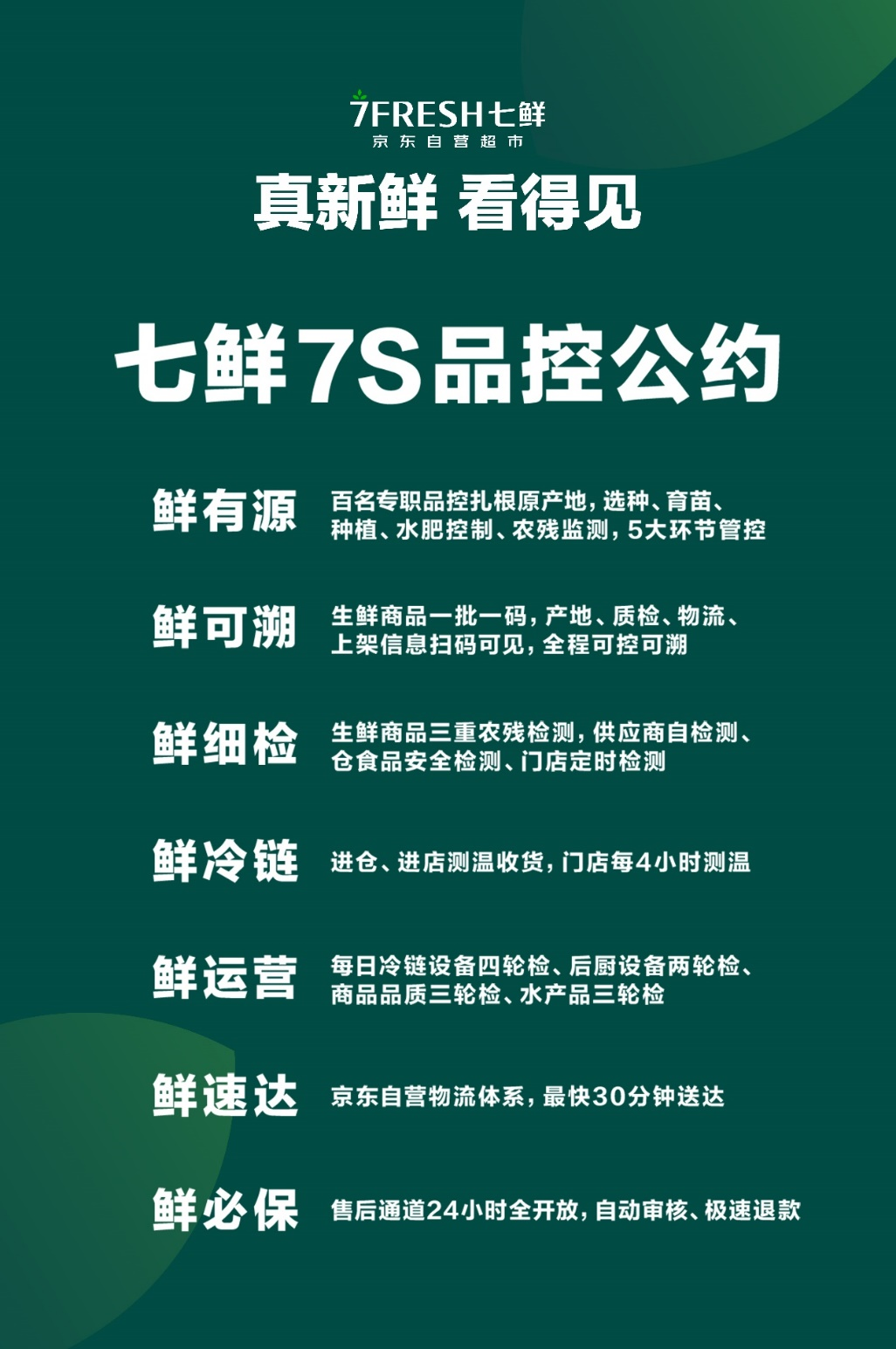
随着“又好又便宜”的京东618火热进行,京东七鲜超市今日正式发布“7S品控公约”,从鲜有源、鲜可溯、鲜细检、鲜冷链、鲜运营、鲜速达、鲜必保七大维度,将“新鲜”与“安全”呈现为可量化的标准、可查验的证据、可兑现的承诺。

与此同时,京东七鲜超市同步升级全新品牌主张——“真新鲜 看得见”。

早在2024年,京东七鲜超市行业首创“1+N”商业模式,并在商品能力与服务保障方面持续创新,陆续推出“24小时鲜”系列、“配料干净”系列、“180°安心”系列、"卓越农场"等系列商品。让"新鲜"与"安全"可以直观地被看见。

其中,行业首创的“24小时鲜”系列,涵盖蔬菜、水果、肉禽蛋等品类,实现24小时内从源头到货架、上架仅售当天,上市以来持续受到消费者欢迎;行业首推的“全程溯源”系统,已覆盖近3000个SKU,消费者扫描二维码即可查看基地资质、农残检测报告等全链路动态溯源信息;近期推出的“180°安心肉”,更以180项高量级检测,覆盖兽药残留、瘦肉精、抗生素、激素等多类风险项目,堪称生鲜安全领域的“重投入”工程。

除了在商品的新鲜与安全上持续发力,京东七鲜超市也长期坚持为消费者带来高质价比的购物体验。6月月中回馈日正值京东618周年庆,京东七鲜超市同步推出满减优惠活动:

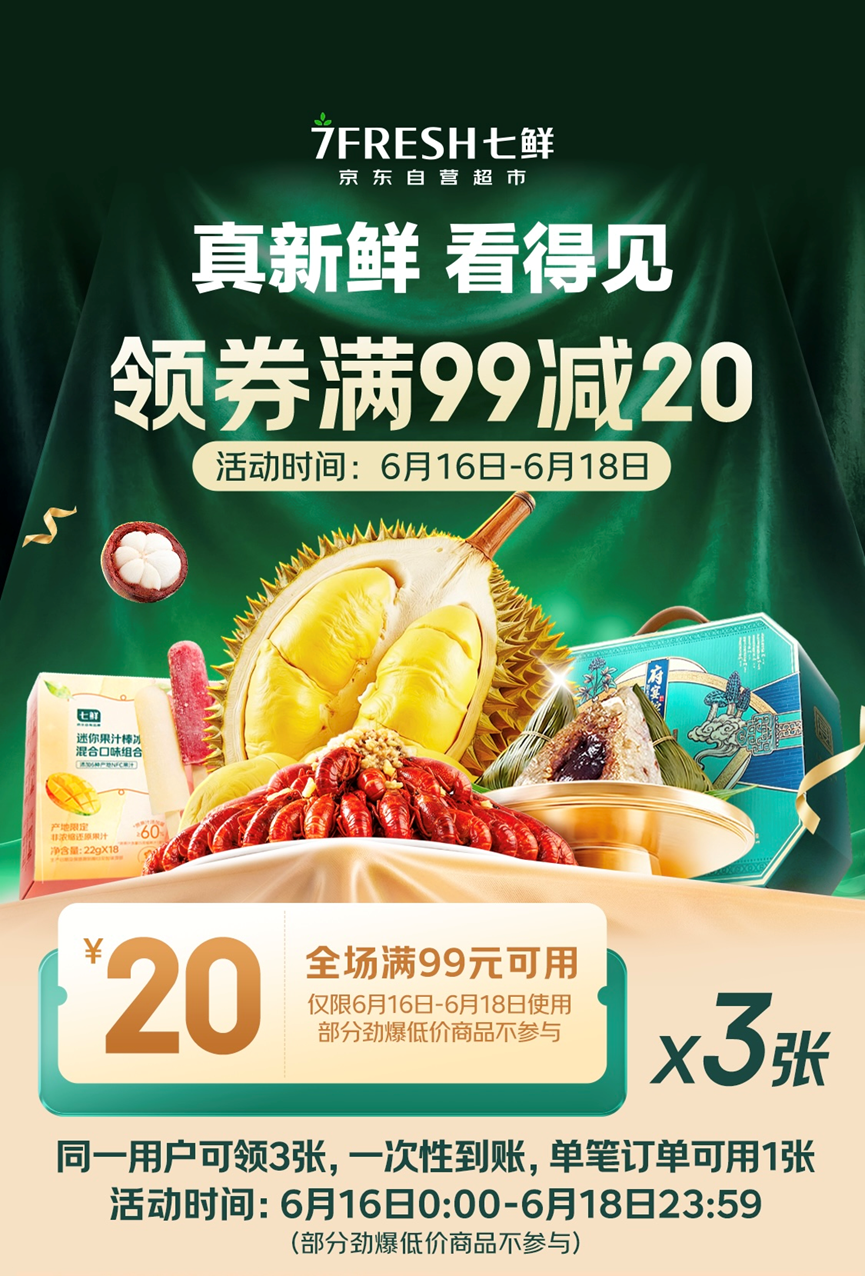
6月16日至6月18日,除部分直降爆品外,京东七鲜超市线上线下全场可享“满99减20”优惠。同一用户可领取3张满减优惠券,单笔订单限用1张,优惠券一次性到账,规则简单直接,让消费者享受“又好又便宜”。

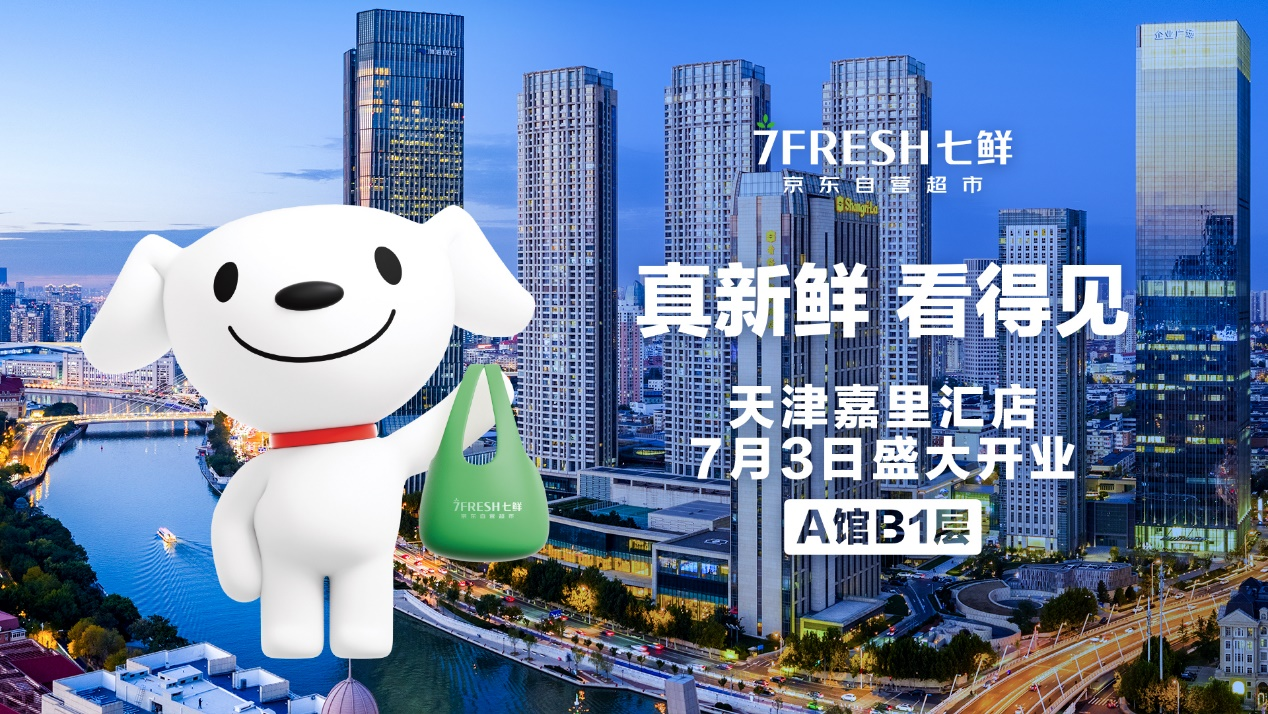
品牌升级“真新鲜 看得见”的同时,京东七鲜超市也在6月15日同步宣布新店开业消息:位于天津嘉里汇购物中心的京东七鲜超市河东首店,将于7月3日正式开业。位于太原万柏林区公元时代城购物中心的七鲜超市山西首店,也已于6月12日率先开启线上配送,进一步丰富本地即时零售服务网络。

注:文/龚作仁,文章来源:Laborer,本文为作者独立观点,不代表亿邦动力立场。

文章来源:Laborer

广告
微信
朋友圈

这么好看,分享一下?

朋友圈 分享

APP内打开

+1
+1
微信好友 朋友圈 新浪微博 QQ空间
关闭
收藏成功
发送
/140 0