




广告
加载中

独家 | 钉钉换帅下一步 要打通MuleRun

关注前沿科技的 2026-06-12 13:16
关注前沿科技的 2026/06/12 13:16

邦小白快读

EN
全文速览

本文核心是钉钉完成换帅,阿里ToB业务正式开启AI时代新布局,核心干货信息如下:

1. 原钉钉创始人陈航回归437天后正式卸任CEO,92年技术极客陈宇森接任,这次换帅本质是移动互联网旧发展范式向AI时代新范式的交接,陈航奉行的高压人海战术正式终结,阿里正式押注AI Native组织成为下一个十年核心竞争力。

2. 陈宇森上任后的核心规划是将自研AI Agent产品MuleRun与钉钉打通,重构钉钉底层架构,走化繁为简路线,降低AI使用门槛,推动钉钉从管理工具进化为生产力操作系统。

3. 此次换帅也带出教训:AI产品需要深度研发、场景打磨,急功近利的高压冲刺容易导致项目失败,还会引发人才流失,目前钉钉手握巨量用户但付费转化率不足1%,商业化仍待破局。

本次钉钉换帅透露出ToB领域AI化的明确趋势,对品牌商数字化转型、商业化布局有诸多参考价值:

1. 行业趋势层面,当前约95%的企业仍停留在AI作为辅助工具的Copilot阶段,企业实现AI Native转型的窗口期仅18个月,AI Native组织和传统组织的效率差距最小也有10倍,品牌商需要抓住转型窗口。

2. 用户需求层面,当下B端用户不再需要臃肿的功能堆叠,更偏好化繁为简的AI工具,非技术身份的普通员工也希望能自主搭建适配自身需求的AI应用,而非仅依赖IT部门或第三方开发商。

3. 商业化层面,MuleRun按AI替代人力工作量定价,而非按功能收费的新模式,以及MuleRun优异的付费用户数据,为品牌商做ToB服务变现提供了新的参考方向,同时钉钉过度依赖大客户、中小用户价值未挖掘的问题,也给品牌商敲了警钟。

钉钉换帅带来AI办公赛道的新变化,给ToB领域的卖家带来明确的机会提示和经验教训,核心干货如下:

1. 机会层面,钉钉打通MuleRun后,将开放普通员工创建、分享AI Agent的能力,不再仅对独立软件开发商开放生态,普通卖家、一线业务人员都可以成为AI Agent的生产者,获得新的变现赛道。

2. 经验教训层面,做AI产品不能照搬移动互联网时代高压抢跑、跑马圈地的旧逻辑,AI产品需要深度打磨场景、长期试错,急功近利很容易重蹈陈航ONE项目的覆辙,最终项目失败。

3. 风险提示层面,做ToB AI服务要平衡创新速度和客户业务稳定性,过于激进会影响客户信任,过于保守会被竞品超越,同时中小客户的AI需求还没有被充分满足,存在大量蓝海机会。

钉钉的AI化升级,给工厂推进数字化转型带来诸多启示和商业机会,核心内容总结如下:

1. 转型方向层面,目前大部分工厂的AI应用还停留在辅助生产的Copilot阶段,要抓住AI Native转型仅18个月的窗口期,完成以AI为核心的组织重构,效率能得到至少10倍的提升。

2. 生产端变化层面,AI Agent可以承接工厂内重复性、高耗时的工作,比如统计报表、流程审批、基础质检等,工厂可以把这类工作交给AI,释放核心人力做更有价值的研发、生产优化工作。

3. 落地启示层面,钉钉升级后非技术人员也可以把自身的生产、管理经验封装成AI Agent,工厂的一线技术工人、业务管理人员不需要高成本的外部开发,就能打造适配自身需求的专属AI工具,大大降低数字化转型的门槛,同时转型不要盲目堆功能,要走化繁为简的路线。

钉钉换帅重构AI架构,透露出AI Agent赛道的发展趋势和核心痛点,给ToB服务商带来很多干货参考:

1. 行业发展趋势层面,未来ToB产品都会向AI原生方向进化,核心方向是从传统管理工具升级为生产力操作系统,核心要求是化繁为简,降低普通非技术用户的使用门槛,未来平台生态将走向全民生产AI应用,而非仅依赖专业开发商。

2. 技术路线参考,MuleRun已经得到市场验证的四层架构(基座Agent+Knowledge+Skills+Runtime)、四层记忆架构,加上独立云端沙箱隔离运行的模式,都值得服务商借鉴,目前MuleRun已经服务43个国家,单月付费超200美元用户占比34%,数据表现优异。

3. 商业化方向,传统按功能收费的模式正在改变,按AI替代多少人力工作收费,按价值定价的新模式更适配AI产品,也更容易获得用户认可,同时要注意避免旧的高压开发模式,要靠赋能个体释放创造力。

钉钉作为国内头部协同办公平台,本次换帅转型给ToB平台商的AI升级提供了大量经验教训,核心干货如下:

1. 用户需求层面,现有成熟平台的用户普遍需要AI重构底层架构,从过去移动互联网时代的功能堆叠,转变为做减法,打造单一入口满足所有需求,同时需要开放生态给普通用户,允许普通用户生产适配自身需求的AI应用,拓展平台生态边界。

2. 运营管理启示,传统自上而下的高压人海战术,不适合AI时代的产品创新,AI时代需要小团队、短决策链路,靠AI赋能个体释放创造力,才能实现快速产品迭代。

3. 风险规避方面,大型平台做AI转型要平衡创新速度和现有客户业务的稳定性,既不能过于保守被竞品超越,也不能过于激进影响用户业务正常运转,同时要平衡客户结构,积极挖掘中小客户的商业价值,避免收入过度依赖大客户,破解付费转化率偏低的问题。

本次钉钉换帅是国内ToB产业从移动互联网时代进入AI原生时代的标志性事件,对产业研究有很高的价值,核心内容如下:

1. 产业新动向,阿里通过钉钉换帅正式押注AI Native组织,明确了钉钉从管理工具进化为生产力操作系统的发展方向,将通过打通MuleRun重构钉钉底层架构,这标志着人海战术+高压冲刺的旧发展逻辑,在阿里ToB AI版图内正式终结。

2. 产业新问题,超级平台做AI转型过程中,诞生了新的核心矛盾:原有庞大用户体量对业务稳定性的要求,和AI Native创新需要的快速迭代之间的平衡问题,这是产业升级过程中亟待解决的新课题。

3. 商业模式创新,本次转型带出了两个新的商业模式方向,一是AI产品按替代人力工作量定价,替代传统按功能、按用户数定价的模式;二是平台生态从仅对专业开发商开放,转向允许所有普通用户生产分享AI Agent,大大拓展了平台生态的边界,这些都是值得深入研究的新方向。

返回默认
声明:快读内容全程由AI生成,请注意甄别信息。如您发现问题,请发送邮件至 run@ebrun.com 。

我是 品牌商 卖家 工厂 服务商 平台商 研究者 帮我再读一遍。

Quick Summary

This article centers on the leadership reshuffle at DingTalk, through which Alibaba officially kicks off a new AI-focused layout for its B2B business. Key takeaways are as follows:

1. After 437 days since his return to the company, original founder Chen Hang has stepped down as CEO, succeeded by 1992-born tech enthusiast Chen Yusen. This leadership handover is essentially a transition from the old development paradigm of mobile internet to a new AI-era model. Chen Hang’s high-pressure "human-wave" tactic has officially ended, and Alibaba is now betting that AI-native organizations will become its core competitiveness for the next decade.

2. Chen Yusen’s core plan after taking office is to integrate DingTalk with MuleRun, the firm’s self-developed AI Agent product, to rebuild DingTalk’s underlying architecture. The platform will pursue a simplify-first strategy to lower the barrier to AI use, and evolve from a management tool into a productivity operating system.

3. The reshuffle also offers a key lesson: AI products require in-depth R&D and scenario-based refinement. Short-sighted high-pressure rushes to market easily lead to project failure and talent drain. Currently, DingTalk boasts a massive user base but its paid conversion rate remains below 1%, so its commercialization still needs a breakthrough.

DingTalk’s leadership reshuffle signals a clear AI transformation trend in the B2B sector, offering valuable insights for brands’ digital transformation and commercial layout:

1. On industry trend: Around 95% of enterprises currently still only use AI as an auxiliary copilot tool, and the window for AI-native transformation is only 18 months. The efficiency gap between AI-native organizations and traditional organizations is at minimum 10x, so brands need to seize this transformation window.

2. On user demand: B2B users no longer want bloated feature stacking; they prefer streamlined AI-powered tools. Non-technical frontline employees also want to build AI applications tailored to their own needs independently, rather than relying solely on IT departments or third-party developers.

3. On commercialization: MuleRun’s new pricing model — charging based on the volume of human work replaced by AI, rather than charging by feature — paired with its strong paid user performance, offers a new reference for brands looking to monetize B2B services. Meanwhile, DingTalk’s problem of over-reliance on large clients and under-monetization of small and medium users serves as a warning for brands.

DingTalk’s leadership reshuffle brings new changes to the AI office track, delivering clear opportunity signals and lessons for B2B sellers. Key takeaways are as follows:

1. On opportunities: After integrating MuleRun, DingTalk will open up the ability to create and share AI Agents to ordinary employees, expanding its ecosystem beyond just independent software vendors. Ordinary sellers and frontline business staff can all become AI Agent producers and access a new monetization track.

2. On lessons learned: Building AI products cannot simply copy the old mobile internet logic of high-pressure first-mover advantage and land grabbing. AI products require deep scenario refinement and long-term trial and error; overzealous short-termism will easily repeat the failure of Chen Hang’s ONE project.

3. On risk warnings: Providers of B2B AI services must balance innovation speed with the stability of clients’ operations. Overly aggressive moves damage customer trust, while excessive conservatism leaves room for competitors to overtake you. At the same time, the AI demand of small and medium-sized clients remains largely unmet, leaving plenty of blue ocean opportunities.

DingTalk’s AI upgrade offers multiple insights and business opportunities for factories advancing digital transformation. Core takeaways are summarized below:

1. On transformation direction: Most factories currently still only use AI as a production auxiliary copilot tool. The window for AI-native transformation is only 18 months; completing AI-centric organizational restructuring can deliver at least a 10x improvement in efficiency.

2. On production-side changes: AI Agents can handle repetitive, time-consuming tasks within factories such as report statistics, process approval and basic quality inspection. Factories can hand off these tasks to AI to free up core human resources for higher-value work such as R&D and production optimization.

3. On implementation insights: After DingTalk’s upgrade, non-technical staff can also package their own production and management experience into AI Agents. Frontline technicians and business managers can build custom AI tools tailored to their needs without costly external development, drastically lowering the barrier to digital transformation. Factories should also avoid blind feature stacking and pursue a simplify-first approach.

DingTalk’s post-reshuffle AI architecture restructuring reveals development trends and core pain points in the AI Agent track, offering valuable references for B2B service providers:

1. On industry development trends: All future B2B products will evolve toward AI-native design. The core direction is upgrading from traditional management tools to productivity operating systems, with a core requirement of simplification to lower use barriers for non-technical end users. Future platform ecosystems will move toward mass production of AI applications by all users, rather than relying solely on professional developers.

2. On technical roadmap references: MuleRun’s market-proven four-layer architecture (base Agent + Knowledge + Skills + Runtime), its four-layer memory architecture, and its independent cloud sandbox isolated operation model are all worth reference for service providers. MuleRun currently serves users in 43 countries, with 34% of its monthly paid users spending over $200, marking strong performance.

3. On commercialization directions: The traditional pay-by-feature model is being replaced. A new value-based pricing model, charging based on how much human work AI replaces, is a better fit for AI products and gains more user recognition. Service providers should also abandon the old high-pressure development model, and focus on empowering individual users to unlock creativity.

As China’s leading collaborative office platform, DingTalk’s leadership reshuffle and AI transformation offers extensive lessons for B2B platform providers pursuing AI upgrades. Core takeaways are as follows:

1. On user demand: Users of existing mature platforms generally require AI to rebuild underlying architecture. Platforms need to move away from the feature-stacking model of the mobile internet era, cut bloat to build a single entry that meets all user needs, and open their ecosystems to ordinary users to allow them to build custom AI applications that expand the platform’s ecosystem boundaries.

2. On operational and management insights: The traditional top-down high-pressure human-wave tactic is not suited for AI-era product innovation. The AI era requires small teams with short decision chains, and unlocking creativity through individual empowerment to enable fast product iteration.

3. On risk mitigation: Large platforms pursuing AI transformation must balance the speed of innovation with the operational stability of existing customers: they cannot be too conservative and get overtaken by competitors, nor can they be too aggressive and disrupt users’ normal business operations. Platforms must also balance their customer structure, actively tap the commercial value of small and medium-sized clients to avoid over-reliance on large clients and fix low paid conversion rates.

DingTalk’s leadership reshuffle is a landmark event marking China’s B2B industry’s transition from the mobile internet era to the AI-native era, with high value for industry research. Core observations are as follows:

1. New industry trends: Alibaba is officially betting on AI-native organizations via the DingTalk leadership reshuffle, clarifying DingTalk’s development direction from a management tool to a productivity operating system. It will rebuild DingTalk’s underlying architecture by integrating MuleRun, marking the official end of the old human-wave, high-pressure rush development logic within Alibaba’s B2B AI business.

2. New industry problems: The AI transformation of large super platforms has given rise to a new core contradiction: balancing the requirement for business stability brought by a massive existing user base, and the need for fast iteration required for AI-native innovation. This is an urgent new issue to be solved during the industry upgrade.

3. New business model innovation: This transformation has opened up two new business model directions: first, pricing AI products based on the volume of human work replaced, replacing the traditional model of pricing by feature or user count; second, expanding platform ecosystems from opening only to professional developers to allowing all ordinary users to create and share AI Agents, drastically expanding the platform’s ecosystem boundaries. Both are new directions worthy of in-depth research.

Disclaimer: The "Quick Summary" content is entirely generated by AI. Please exercise discretion when interpreting the information. For issues or corrections, please email run@ebrun.com .

I am a Brand Seller Factory Service Provider Marketplace Seller Researcher Read it again.

前沿科技,数智经济

旧时代的人难做出新时代的事

文|白 鸽

编|王一粟

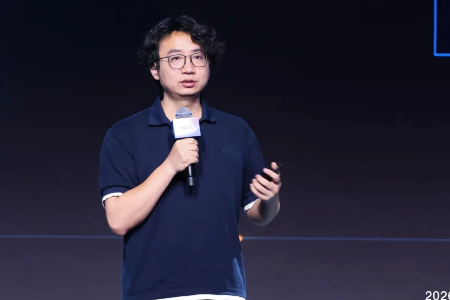
曾高调回归钉钉的陈航(花名:无招),在时隔437天后,又离场了。而他的继任者,是一位1992年出生的技术极客-陈宇森。

6月11日,在两篇离职长文掀起舆论风暴之后,阿里巴巴一纸内部公告,给这件事做出了最终定论,陈航正式卸任CEO,陈宇森接棒,他也成为了阿里体系内最年轻的事业部负责人。

两个不同的人,代表了两个不同的时代风格。一个是奉行移动互联网时代“高压出奇迹”的管理哲学,一个则是AI时代的Agent驱动的思想代表。

陈宇森接棒陈航,其实还是阿里AI棋局的一次关键变革。

钉钉是阿里面向ToB领域的核心入口之一,而AI时代的产品迭代方式,显然已经不再是传统移动互联网方式打法能够取得成功的结果。

而是需要一个真正懂AI Native产品、能带领钉钉从管理工具进化为生产力操作系统的棋手。

据光锥智能独家消息,在陈宇森上任钉钉CEO后,也计划将钉钉与其在阿里内部创业打造出来的AI Agent产品MuleRun(骡子快跑)进行打通。

这也就意味着,钉钉未来的整体产品架构也将迎来全新进化。

毕竟,陈航时代的钉钉,是适应移动互联网时代的产品,在不停的做加法。但AI时代的产品,反而需要做减法,一个入口,就能够满足用户所有的需求。

而阿里合伙人委员会那篇《有情有义有成长,才是阿里文化》的帖文,本质上是一份时代切换宣言——AI时代创新依靠的不是高压和机械执行,而是员工的热爱和创造力。

所以,陈航和陈宇森的分野,不只是两个CEO的风格差异,而是两个时代组织范式的交接。

陈航的离场,标志着人海战术+高压冲刺在阿里To B版图内的终结;陈宇森的上任,意味着阿里正式押注“AI Native组织”将成为下一个十年的核心竞争力。

437天的“高压实验”

无招从回归到离场

回顾陈航与钉钉的十年羁绊,堪称“成也无招,困也无招”。

作为钉钉创始人,2014年陈航从零起步打造这款协同办公产品。

在行业早期,国内企业办公软件普遍偏向温和的协作属性,而钉钉另辟蹊径,依靠“已读回执”“Ding消息”“智能签到”等强管控功能,精准击中中小企业的管理痛点。

配合极致的执行力与地推团队,钉钉快速渗透市场,用短短数年时间完成用户规模的飞跃,坐稳行业龙头位置。

陈航的管理风格,也深度烙印在钉钉的基因里:目标导向、执行力至上、信奉高压驱动增长。

这套逻辑,完美适配移动互联网时代“跑马圈地、抢占市场”的发展阶段,也是钉钉能够快速崛起的核心原因。

但时代的赛道已经彻底改变,曾行之有效的管理与产品思路,开始显现出局限性。

2025年再度回归的陈航,试图用过往的经验解决当下的难题。他全力押注AI,依旧沿用“快节奏、强施压”的打法,希望复刻早期的成功。

可AI产品需要深度研发、场景打磨、长期试错,容不得急功近利,“ONE”项目的失利,本质就是旧有发展逻辑,与新赛道规则的不兼容。

2025年8月,陈航力推的旗舰AI项目ONE在钉钉1.0发布会上正式亮相,定位为AI工作信息流入口,试图通过大模型将散落的工作信息提取成卡片流,实现事找人。

项目峰值DAU约300万,但因定位模糊、忽视用户真实需求,加之组织内部高压管理,于2025年11月后被事实性废弃,从主入口退为负一屏,最终被拆分并入新产品悟空。

而伴随高压管理的,是钉钉大量人才的流失。据多方报道,钉钉员工从高峰期的1900余人,半年内流失至约1600人。一位离职员工对媒体说:“99%的人离职都是因为无招。”

在AI时代,人才往往是一家企业最宝贵的资产。

437天的二次掌舵,最终以卸任收场。陈航的离场,不仅仅是个人职业阶段的转折,更标志着钉钉彻底告别“强管控、重执行、唯速度”的旧发展时代。

接任者,为什么是陈宇森?

翻开这位92年“少帅”的履历,你会看到一个与职业经理人截然不同的成长轨迹。

陈宇森的起点,是浙江大学竺可桢学院计算机专业。大三那年,他偶然发现了一项名为CTF的黑客大赛,单枪匹马闯入了决赛,此后组建了浙大AAA战队(Azure Assassin Alliance,天青刺客联盟),首次出战美国iCTF便拿到全球50名。

2014年,22岁的陈宇森大学毕业,创立长亭科技。成立仅一年便拿下真格基金600万元天使轮融资。2019年,27岁的陈宇森将长亭科技卖给阿里云,实现了财务自由。

而随着长亭被阿里云收购,陈宇森也入职阿里云智能集团,主导阿里云南美大区从0到1的建设,这个区域后来成为阿里云全球增长最快的区域之一。

2025年,他在阿里云内部再次启动创业,带队研发AI Agent产品MuleRun(骡子快跑)。

MuleRun的核心定位是AI数字劳动力,即让用户无需技术背景即可将重复性、高耗时工作交由AI自动完成。它采用基座Agent+Knowledge+Skills+Runtime四层架构,为每个用户分配一台7×24小时运行的独立云端虚拟机沙箱,所有任务在隔离环境中执行。

同时,它具备四层记忆架构,短期会话记忆、长期用户习惯记忆、任务模板记忆、团队共享记忆,能持续学习用户的工作风格,越用越智能。

截至2026年5月,MuleRun已服务中国、日本、巴西、墨西哥等43个国家的企业和用户,单月付费超200美元的用户占比达34%,付费用户每周活跃工作日为2.6天,人均每周完成13个端到端交付任务。

在2026年5月的阿里云峰会上,陈宇森做了一场题为“MuleRun:让企业成为AI Native组织”的演讲。他提出了一个判断:“一个AI Native组织和非AI Native组织之间,最小的差距也会有10倍以上。”

他把企业使用AI分成两个阶段:Copilot阶段,AI还是副驾驶;AI Native阶段,工作以AI为核心重新组织,人从执行者变成标准制定者和结果检查者。他指出,当前约95%的企业仍停留在Copilot阶段,而企业实现AI Native转型的窗口期通常仅有18个月。

他还分享了MuleRun团队的迭代速度:“现在研发工作已经跟过去完全不一样了。过去是很多人、很长的周期,一两周发布一个版本。现在至少能一天发一个版本。我们私底下用自己的产品来迭代自己,每天能干出来三个版本。”

这种速度背后,是一套与陈航截然不同的组织逻辑:不是通过军事化管控逼出创新,而是通过Agent赋能个体、释放创造力。

可以看到,年轻、纯技术出身、没有钉钉原有派系牵绊,是他的鲜明标签。而这显示是迈向AI时代过程中,阿里最需要的管理者。

但,机遇摆在面前,挑战同样艰巨。对于年轻的陈宇森而言,这将是一次职业生涯的重大考验。

AI时代的钉钉

更需要化繁为简

传统互联网时代,一家企业的创新,往往是自上而下,基于对市场的洞察需求,最终决定产品形态的发展。但AI时代,这种创新方式显然发生了根本性变化,更多的创新来源于基础员工对自身实际需求的深度挖掘。

陈航的管理模式,是“每日一包”——高管上午提需求,团队当天必须完成并打入安装包。这种高压冲刺在短期内能维持高产出,但长期看是在消耗团队的思考能力和创造力。

《置身钉内》描述的ONE项目,就是在这种机制下,地基性工作不断被紧急任务挤占,团队丧失了“完整思考”的空间。

与之相对的,陈宇森现在所带领的MuleRun团队,本身就是AI Native组织的样板:规模小、决策链路短、重度依赖AI协作。

其能够实现高速产品迭代的背后,不是靠加班堆出来的,而是靠AI重构了研发流程——多Agent分工、代码自动生成、测试自动完成。

如果陈宇森把这套组织方式带入钉钉,产品迭代的节奏和逻辑都会发生根本变化。毕竟,只有从底层组织进化为AI原生组织架构,产品的飞轮才能够真正启动。

那么,AI时代的钉钉到底要怎么进化?

事实上,目前市场中所有的AI原生应用产品,都在追求非常简洁的架构设计,能够让用户直接一句话,就可以得出想要的结论、生成具体的应用产品,甚至一句话可以写代码。

但钉钉,是一个移动互联网时代的产品,它的所有底层架构都是基于移动互联网时代企业的需求所设计,尽管陈航回归后,想要用AI重塑钉钉,也在给钉钉做减法。

显然,最后陈航能够给钉钉带来的变化,还是有局限性的。

而陈宇森作为AI原生组织的代表,他计划将MuleRun与钉钉深度打通,或许也将从底层架构重构钉钉,而这场重构的背后,最关键的一环,就是要化繁为简。

同时,将MuleRun能力带入钉钉后,也意味着钉钉的AI Agent或将从能调用功能进化到能理解上下文、能自我优化。

打个比方:现在的悟空Agent像是一个会查手册的实习生,知道怎么操作钉钉的各项功能;升级后的Agent则像一个跟了你三年的老下属,知道你习惯用什么语气写周报、知道你们公司审批流程的潜规则、知道你老板最在意哪些数据。

另一个关键变化,是门槛的降低。

陈宇森在MuleRun的核心假设是:随着Vibe Coding和Claude Code降低开发门槛,大量非技术人员可以把自己的工作知识和流程封装成Agent。

他强调“简单、稳定、好用”,认为“一个足够好的prompt具有极大商业价值”。放到钉钉里,这意味着企业员工、业务专家都可能成为Agent的生产者,而不只是消费者。钉钉不再只是ISV(独立软件开发商)的平台,而是每个普通员工都能创建和分享自己的Agent的平台。

从业务基本面来看,钉钉手握7亿用户、服务超2600万家企业组织,稳居国内协同办公赛道头部。但庞大的用户基数之下,增长早已陷入瓶颈。

公开行业数据显示,钉钉整体付费转化率不足1%,收入结构高度依赖大型客户,大客户贡献了超过六成营收,中小用户的商业价值始终无法有效挖掘,商业化闭环迟迟没能打通。

而陈宇森,可能会给钉钉带来新的商业变现模式。

MuleRun已服务43个国家,单月付费超200美元的用户占比达34%付费用户每周活跃工作日2.6天,人均每周完成13个端到端交付任务。在Agent类产品中,这是一组极少见的重度使用数据。

更重要的是,MuleRun的定价逻辑很清晰:Team版420元/席位/月,Enterprise版2500元/席位/年。它不是按功能收费,而是按“AI替代了多少人力工作”收费——本质上卖的是生产力。

但是,接任钉钉后,陈宇森面临的挑战,比MuleRun复杂得多。

MuleRun是一个从零开始的产品,没有历史包袱,团队小、决策快。但钉钉是一个拥有8亿用户、2600万企业组织的超级平台,任何改动都牵一发而动全身。

陈航用一年时间做的CLI化改造,本质上是在“飞行中换引擎”——8亿用户的日常使用不能断、数千万企业的业务流程不能乱。

陈宇森需要在两个极端之间找到平衡:如果过于谨慎,钉钉会在AI时代被更敏捷的竞品超越,但如果像MuleRun那样激进迭代,可能引发企业客户的稳定性担忧

他的安全背景(长亭科技)可能在这里发挥作用——他比大多数人都更懂“在开放中保持可控”的技术哲学。但真正的考验是:他能否把MuleRun的创业速度和钉钉的企业级稳定结合起来?

面向未来,陈宇森执掌的钉钉,可能会从一个“管理软件”,变成一个“生产力操作系统”。

陈航把它变成了给AI用的基础设施,陈宇森的任务是让这个基础设施真正“活”起来,让AI不仅能操作钉钉,还能理解企业、学习用户、自我进化,最终让普通人也能拥有24小时在线的智能工作伙伴。

而这条路能不能走通,取决于陈宇森能否在超级平台的稳定性要求和AI Native的创新速度之间,找到那个微妙的平衡点。

注:文/关注前沿科技的,文章来源:光锥智能(公众号ID:guangzhui-tech),本文为作者独立观点,不代表亿邦动力立场。

文章来源:光锥智能

广告
微信
朋友圈

这么好看,分享一下?

朋友圈 分享

APP内打开

+1
+1
微信好友 朋友圈 新浪微博 QQ空间
关闭
收藏成功
发送
/140 0