广告
加载中

时序大模型如何把工业数据变成预警能力?

龚作仁 2026-05-14 12:46
龚作仁 2026/05/14 12:46

邦小白快读

EN
全文速览

本文围绕时序大模型如何将工业时序数据转化为故障预警能力展开,核心干货和可实操信息如下:

1. 核心行业痛点:航空、能源、制造、交通等多个领域的企业都积累了大量时序数据,但普遍缺乏把数据转化为预警、预测能力的方法,通用大语言模型擅长文本处理,不适合处理时序数据,在预测精度、稳定性上达不到工业场景要求。

2. 天谋科技TimechoAI时序智能服务平台的实操说明:该平台开箱即用,不需要使用者懂模型原理、自行搭建训练推理链路,支持手动录入、文件上传等多种输入方式,可添加协变量优化预测结果,还提供接口方便嵌入现有系统,支持自动匹配适配模型。

3. 当前该平台已经开放体验申请,有对应业务场景和数据基础的团队可申请,首批体验用户可获得测试额度和专项技术支持。

对于布局工业AI服务的品牌商,本文可提取的干货围绕市场需求、产品研发、商业化路径展开,具体如下:

1. 市场需求明确:当前工业领域大量企业已经积累了充足的时序数据,但缺乏将数据转化为预测预警能力的合格产品,通用大模型无法满足要求,市场存在明确缺口,可作为产品研发的核心方向。

2. 产品落地思路可借鉴:针对工业场景故障样本少、工况复杂的共性问题,“先刻画正常运行规律,再通过偏差识别异常”的落地路径,比传统依赖故障样本的方法更可靠,可复用在多个场景的产品开发中。

3. 商业化路径参考:将能力做成开箱即用的云服务,降低客户使用门槛,通过开放体验招募种子用户,给首批用户提供支持促进深度合作,这种获客转化模式适合工业AI产品的初期推广。

对于做工业AI相关服务的卖家,本文整理了市场机会、落地经验和风险提示,干货如下:

1. 明确的增长机会:航空、能源、电力、制造、交通等多个领域都存在时序数据价值挖掘的痛点,通用大模型无法解决该类需求,这是一个潜力较大的细分增长赛道,适合切入。

2. 可复制的落地经验:针对故障样本少、工况差异大的工业场景,把建模思路从“识别故障特征”转为“刻画正常状态找偏差”,更容易得到稳定可靠的结果,该路径可复制到多个场景。

3. 风险提示和获客经验:不要盲目跟风套用通用大语言模型切入工业时序分析赛道,效果很难达标;可参考开箱即用低门槛产品+开放体验获客的模式,降低客户决策门槛,快速拓展客户。

对于各类制造、工业工厂,本文围绕数字化转型和数据价值挖掘提供了不少干货启示,具体如下:

1. 数据价值挖掘方向:工厂生产环节产生的大量传感器数据、工艺参数、设备运行数据都属于时序数据,除存储外还可通过时序大模型转化为设备故障预警、产量预测、良率分析、工艺参数优化的能力,帮助工厂降本增效,从事后维修转向预测性维护。

2. 问题解决思路参考:如果工厂存在关键设备预警不及时、传统方法不准的问题,尤其是遇到故障样本少、工况复杂的情况,可借鉴“先圈定典型工况刻画正常行为,再通过偏差识别异常”的思路,提升预警可靠性。

3. 数字化落地门槛降低:当前已有开箱即用的时序智能服务平台,不需要工厂从零搭建模型和技术团队,就能快速用自有数据验证价值,还可嵌入现有生产系统,降低了数字化转型的技术门槛。

对于做工业数字化、AI相关服务的服务商,本文梳理了行业痛点、发展趋势和可借鉴的解决方案,干货如下:

1. 行业痛点和发展趋势:当前工业、物联网领域客户已经积累了大量时序数据,但普遍缺乏将数据转化为预测预警能力的工具,通用大语言模型无法满足工业场景对精度、稳定性的要求,细分时序大模型服务是明确的发展趋势,市场需求旺盛。

2. 解决方案思路可借鉴:针对工业场景普遍存在的故障样本稀缺、工况差异大的痛点,可采用“先通过业务知识定义问题边界,再建模刻画正常行为,通过偏差识别异常”的方案,比传统依赖故障样本的方法效果更优。

3. 产品化方向参考:将时序大模型做成开箱即用的云服务,支持自动选模型、多种数据输入方式,提供开发接口适配客户现有系统,帮助客户快速用自有数据验证价值,这种产品模式更符合当前客户的低门槛验证需求。

对于做工业AI服务平台的平台商,本文梳理了客户需求、可借鉴的运营方法和风向规避,干货如下:

1. 客户核心需求明确:工业领域客户对时序数据智能分析的需求强烈,核心诉求是低门槛快速验证自有数据的价值,不需要从零搭建模型和技术环境,要求产品能适配复杂工况,满足精度和稳定性要求。

2. 产品和运营可借鉴的做法:产品设计上简化使用流程,支持自动匹配模型、多种数据输入方式,开放接口方便客户嵌入自有系统,降低使用门槛;运营上采用开放体验的获客方式,优先给有场景有数据的客户开放资格,给首批用户提供测试额度和技术支持,促进后续转化。

3. 风向规避:不要盲目跟风套用通用大语言模型切入工业时序分析赛道,通用大模型不擅长处理时序数据,难以满足工业场景的要求,避免投入大量资源到错误方向。

对于产业AI领域的研究者,本文提供了时序大模型落地的产业新动向、新路径和新商业模式,干货如下:

1. 产业新动向:当前大模型落地工业领域,通用大语言模型无法适配时序数据处理的特殊需求,细分领域的专业时序大模型正在成为工业AI落地的核心方向之一,航空、能源、制造、交通等多个高价值行业都有明确的海量需求,产业空间较大。

2. 新的落地路径经验:针对复杂工业场景普遍存在的故障样本稀缺、工况差异大的痛点,业界已经探索出“先用业务知识定义问题边界,再建模刻画正常行为,通过偏差识别异常”的落地新路径,效果优于传统算法和通用大模型,具备很高的推广研究价值。

3. 新的商业模式探索:时序大模型采用SaaS化云服务的模式,做成开箱即用的标准化产品,降低客户使用门槛,通过开放体验筛选优质客户,分批提供技术支持,这种商业化模式适配当前工业AI的落地阶段,值得深入研究。

返回默认

声明:快读内容全程由AI生成,请注意甄别信息。如您发现问题,请发送邮件至 run@ebrun.com 。

我是 品牌商 卖家 工厂 服务商 平台商 研究者 帮我再读一遍。

Quick Summary

This article focuses on how time-series large models convert industrial time-series data into actionable failure early warning capabilities, with the following key practical insights:

1. Core industry pain point: Enterprises in aviation, energy, manufacturing, transportation and other fields have accumulated massive amounts of time-series data, but generally lack methods to convert this data into early warning and prediction capabilities. General large language models excel at text processing but are unsuitable for time-series data, failing to meet industrial scenarios' requirements for prediction accuracy and stability.

2. Practical guidance for Tianmou Tech TimechoAI's time-series intelligent service platform: This out-of-the-box platform requires no prior knowledge of model principles or self-built training and inference pipelines. It supports multiple input methods including manual entry and file upload, allows adding covariates to optimize prediction results, provides APIs for easy integration into existing systems, and supports automatic model matching.

3. The platform is currently open for experience applications. Teams with corresponding business scenarios and data foundations can apply; first batch users will receive test quotas and dedicated technical support.

For brand owners布局ing industrial AI services, this article extracts key insights on market demand, product R&D, and commercialization paths as follows:

1. Clear market demand: A large number of enterprises in the industrial sector have accumulated sufficient time-series data, but lack qualified products that can convert data into prediction and early warning capabilities. General large models cannot meet the demand, creating a clear market gap that can serve as a core product development direction.

2. Replicable product go-to-market framework: For the common industrial challenges of limited failure samples and complex working conditions, the approach of "first characterize normal operation patterns, then identify anomalies through deviation" is more reliable than traditional methods that rely on failure samples, and can be reused for product development across multiple scenarios.

3. Commercialization path reference: Packaging capabilities as an out-of-the-box cloud service lowers customer adoption barriers; open experience applications recruit seed users, and dedicated support for first batch users fosters deep collaboration. This customer acquisition and conversion model is well-suited for early-stage promotion of industrial AI products.

For sellers offering industrial AI-related services, this article sorts out market opportunities, implementation experience, and risk warnings with the following key takeaways:

1. Clear growth opportunity: Multiple sectors including aviation, energy, power, manufacturing, and transportation face pain points in unlocking value from time-series data, which general large models cannot solve. This is a high-potential niche growth track well-suited for market entry.

2. Replicable implementation experience: For industrial scenarios with limited failure samples and large working condition variations, shifting the modeling approach from "identifying failure features" to "characterizing normal states to find deviations" is far more likely to deliver stable, reliable results, and this path can be replicated across multiple scenarios.

3. Risk warning and customer acquisition insight: Do not blindly follow the trend of applying general large language models to the industrial time-series analysis track, as it is difficult to meet performance requirements; the model of low-barrier out-of-the-box products + open experience for customer acquisition can be referenced to lower customer decision barriers and expand customer base quickly.

For various manufacturing and industrial plants, this article offers valuable insights on digital transformation and data value unlocking as follows:

1. Direction for data value unlocking: Large volumes of sensor data, process parameters, and equipment operation data generated in factory production are all time-series data. Beyond storage, they can be converted into capabilities for equipment failure early warning, output prediction, yield analysis, and process parameter optimization via time-series large models, helping factories cut costs and improve efficiency, and shift from post-failure maintenance to predictive maintenance.

2. Reference for problem-solving: If your factory faces issues of delayed early warning for critical equipment and inaccurate results from traditional methods, especially when facing limited failure samples and complex working conditions, you can adopt the approach of "first characterize normal behavior for typical working conditions, then identify anomalies through deviation" to improve early warning reliability.

3. Lower barriers to digital implementation: Out-of-the-box time-series intelligent service platforms are now available, which do not require factories to build models and technical teams from scratch. You can quickly verify value with your own data, and integrate the platform into existing production systems, greatly lowering the technical threshold for digital transformation.

For service providers offering industrial digitalization and AI-related services, this article sorts out industry pain points, development trends, and replicable solution frameworks as follows:

1. Industry pain points and development trends: Clients in the industrial and IoT sectors have accumulated massive time-series data, but generally lack tools to convert data into prediction and early warning capabilities. General large language models cannot meet industrial requirements for accuracy and stability, so specialized time-series large model services represent a clear high-demand development trend.

2. Replicable solution framework: For the common industrial pain points of scarce failure samples and large working condition variations, the solution of "first define problem boundaries via domain knowledge, then model normal behavior, and identify anomalies through deviation" outperforms traditional failure sample-dependent approaches.

3. Product direction reference: Packaging time-series large model capabilities into an out-of-the-box cloud service that supports automatic model selection, multiple data input methods, and provides APIs to adapt to clients' existing systems helps clients quickly verify value with their own data. This product model aligns well with current market demand for low-barrier value verification.

For platform operators running industrial AI service platforms, this article sorts out customer demand, replicable operation practices, and risk mitigation as follows:

1. Clear core customer demand: Industrial clients have strong demand for intelligent time-series data analysis. Their core demand is to quickly verify the value of their own data with low barriers, without building models and technical environments from scratch, while requiring products that adapt to complex working conditions and meet accuracy and stability requirements.

2. Replicable product and operation practices: Simplify usage workflows in product design, support automatic model matching and multiple data input methods, open APIs for easy integration into clients' existing systems, and lower usage barriers; adopt open experience applications for customer acquisition, prioritize access for clients with established scenarios and data, and offer first batch users test quotas and technical support to drive subsequent conversion.

3. Risk mitigation: Do not blindly follow the trend of applying general large language models to the industrial time-series analysis track. General large models are not suited for processing time-series data and can hardly meet industrial requirements, so avoid investing large resources into this misaligned direction.

For researchers in the industrial AI field, this article provides new industry trends, implementation paths, and business models for time-series large model deployment as follows:

1. New industry trend: When large models are deployed in the industrial sector, general large language models cannot adapt to the unique requirements of time-series data processing. Specialized time-series large models for niche sectors have become one of the core directions for industrial AI deployment, with massive clear demand across multiple high-value sectors including aviation, energy, manufacturing, and transportation, creating large industrial space.

2. New implementation path insight: For the common pain points of scarce failure samples and large working condition variations in complex industrial scenarios, the industry has explored a new implementation path of "first define problem boundaries via domain knowledge, then model normal behavior, and identify anomalies through deviation", which outperforms traditional algorithms and general large models, and carries high value for further research and promotion.

3. New business model exploration: Time-series large models are delivered as SaaS cloud services in the form of out-of-the-box standardized products to lower customer adoption barriers, screen high-quality clients via open experience applications, and provide staged technical support. This commercialization model fits the current development stage of industrial AI deployment and deserves in-depth research.

Disclaimer: The "Quick Summary" content is entirely generated by AI. Please exercise discretion when interpreting the information. For issues or corrections, please email run@ebrun.com .

I am a Brand Seller Factory Service Provider Marketplace Seller Researcher Read it again.

近期,某大型航空公司在探索一件事:能否针对飞机引气系统中的关键部件PRSOV(压力调节和关断活门),建立更早期、更可靠的故障预警能力。

在航空运维场景中,一次关键部件异常带来的影响,往往不只是一次维修本身。它背后可能连带着临时停场、航班延误、维修资源调度压力上升,以及对运行保障能力提出更高要求。对于这类问题,行业长期依赖定检、规则和经验判断,但要把预警做得更早、更准,并不容易。

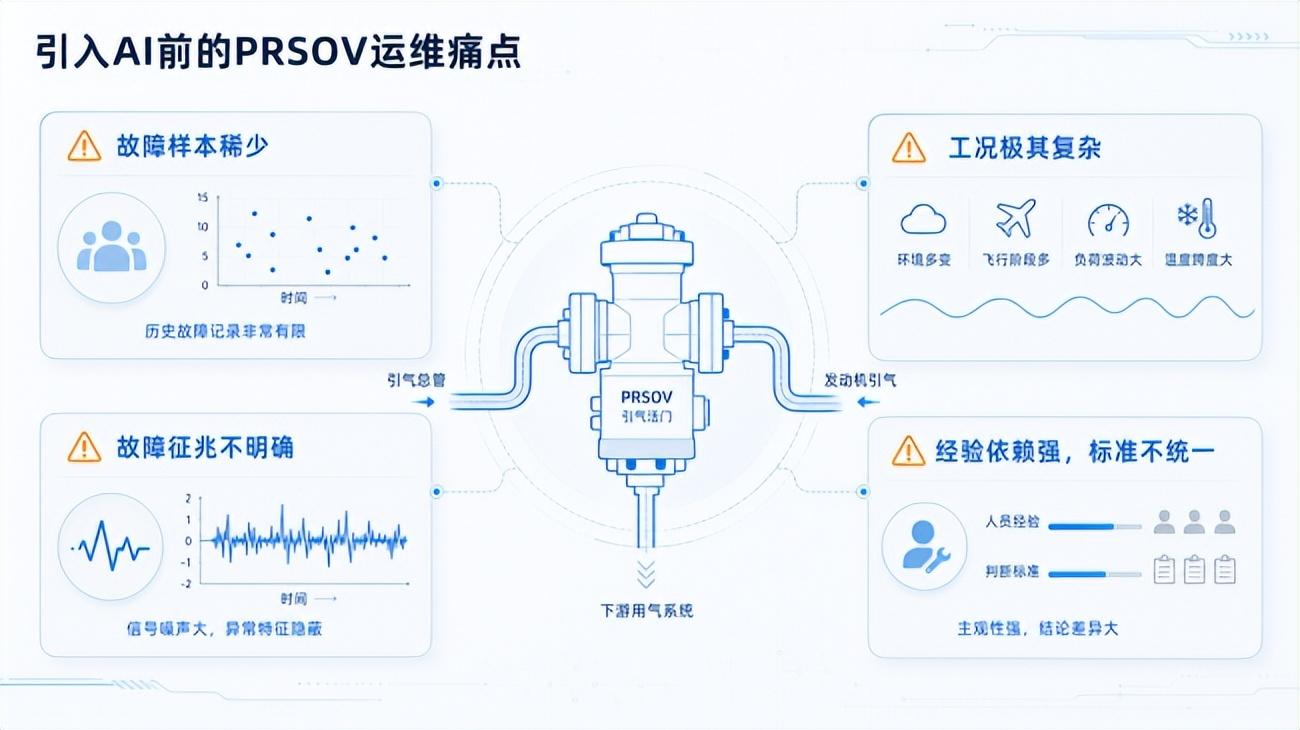
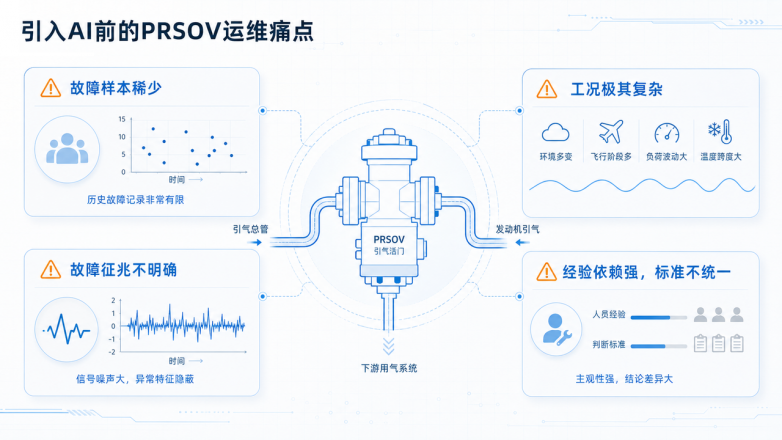
PRSOV正是这样一种典型部件。它在飞行过程中作动频繁,承担着引气总管压力调节的重要任务。一旦状态异常,可能影响相关引气供给的稳定性,进而增加客舱增压与环境控制系统的运行保障压力,并带来额外的排故、维修和运行成本。

这类问题的突破口,其实藏在飞机存储的高频时序数据里。项目团队最终基于天谋科技研发的TimechoAI时序智能服务平台和源自清华的Timer时序大模型能力,完成了PRSOV故障预警模型的设计与部署。在一次重要运行保障期间,系统成功提前识别出某机型相关异常趋势,为后续处置争取了时间窗口,也避免了更大的运行与维修损失。

航空运维只是一个缩影。类似的问题,在能源、电力、制造、交通等场景中同样普遍存在:企业并不缺数据,真正稀缺的,是把持续积累的历史时序数据转化为预测与预警能力的工具和方法。

为什么这件事,通用大语言模型帮不上忙?

过去两年,大模型成为各行业关注的焦点。但在工业与物联网场景里,一个很现实的问题是:通用大语言模型擅长的是文本理解与生成,并不天然适合处理复杂的时间序列。

设备传感器数据、负荷曲线、轨迹信息、工艺参数、交易序列,这些都属于典型的时序数据。它们的价值不在于"描述了什么",而在于随时间变化所体现出的规律、波动、异常和趋势。企业真正关心的,往往不是对这些数据做一段解释,而是能否据此更早发现风险、预测未来变化、辅助业务决策。

这也是为什么,很多团队在尝试把通用大语言模型直接用于时序分析时,往往会发现效果并不理想。模型可以"理解"一些表面信息,但在预测精度、稳定性和实际可用性上,往往很难直接满足工业场景要求。

工业场景需要的,不只是一个会"回答问题"的模型,而是一套更懂时序数据、更贴近真实业务约束的能力。

TimechoAI做的是什么?

基于这样的需求,天谋科技推出了TimechoAI时序大模型云服务。它的定位并不复杂:把时序大模型能力做成可以直接使用、可以快速验证的产品,让企业不必从零开始搭建模型和环境,就能更低门槛地尝试时序预测与智能分析。

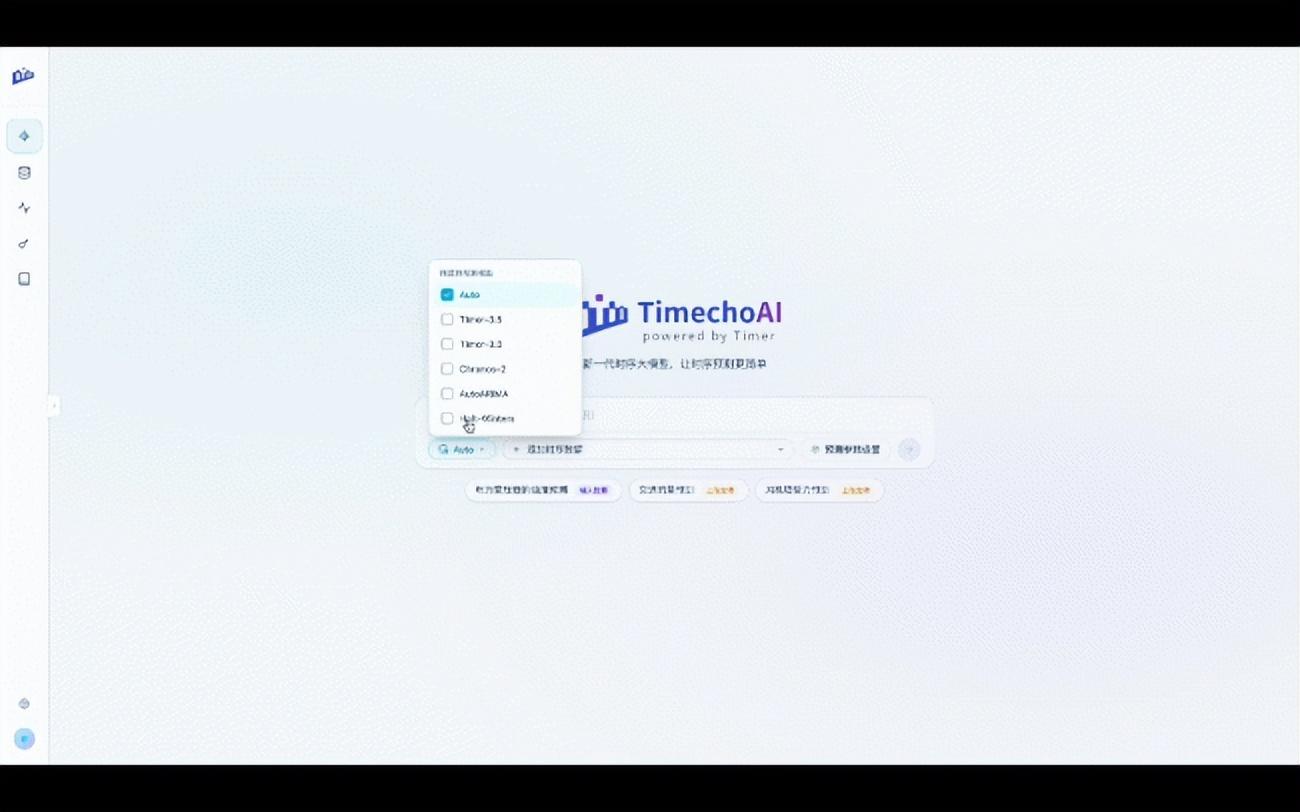
用起来也不复杂。登录后就能直接做预测,不用先搞懂模型原理,也不用自己搭训练和推理链路。平台支持多种模型选择,也提供Auto模式,帮你根据数据特征选出更合适的方案。

数据怎么输?手动录入、画条曲线都行,也可以直接拖个CSV或 TsFile文件上去。预测的时候还能加上温度、湿度、节假日这些协变量,让结果更贴近真实业务环境。如果想把预测能力嵌进现有系统,平台也提供RESTful API和 Python SDK,随时接进去。

从这个角度看,TimechoAI想解决的,其实不是"模型能不能做预测"这个问题,而是另一个更现实的问题:企业能不能用自己的真实数据,在较短时间内验证这件事到底有没有价值。

这个案例是怎么做出来的?

回到这次航司故障预警的实践。项目一开始并不是一帆风顺。

团队早期也尝试过更传统的做法,例如直接围绕故障样本做监督学习,让小模型去学习"故障长什么样"。但这类方法很快遇到困难:真实故障本来就少,样本稀缺;而飞机在不同飞行阶段的工况差异又很大,数据模式并不稳定,单纯依赖故障标签很难得到足够可靠的结果。

随着项目推进,团队逐渐调整了思路:与其一开始就盯着"故障是什么样",不如先回答另一个问题——"正常状态应该是什么样"。

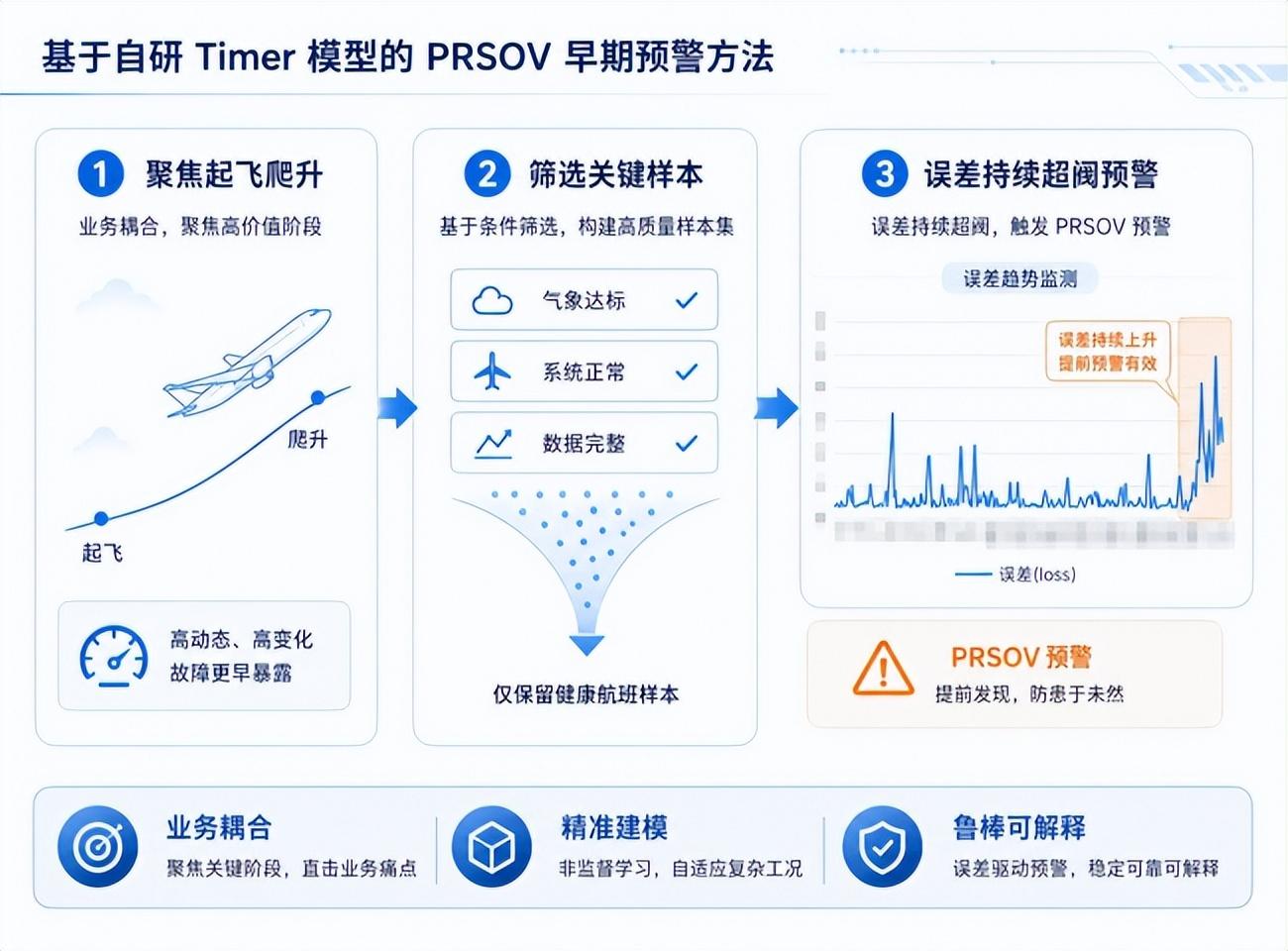
这个转变很关键。因为在很多复杂工业场景里,异常并不总是以统一的形态出现,但正常运行往往有相对稳定的规律可循。基于这一思路,团队不再把重点放在稀少的故障样本上,而是结合业务知识,先圈定典型工况,再利用时序模型去刻画"正常行为"。

具体来说,项目在推理阶段会筛选满足特定条件的数据窗口作为样本,例如特定活门状态、发动机转速变化以及压力趋势关系等;随后由模型预测引气总管压力在正常情况下应呈现的状态。当预测值与实际值之间的偏差持续超过阈值时,系统便将其识别为潜在异常征兆。

换句话说,这套方法并不是直接去判断"这是不是故障",而是先判断"它看起来还像不像正常状态"。一旦偏离足够明显,风险信号也就随之浮现。

这次实践真正验证的,不只是一个单点模型,而是一条更适合复杂工业场景的落地路径:先用业务理解定义问题边界,再用时序模型完成建模与识别。对于那些故障样本少、工况复杂、规则方法难以奏效的场景,这条路径往往比单纯堆算法更有效。

不只是航空

类似的方法,同样适用于更多行业场景。

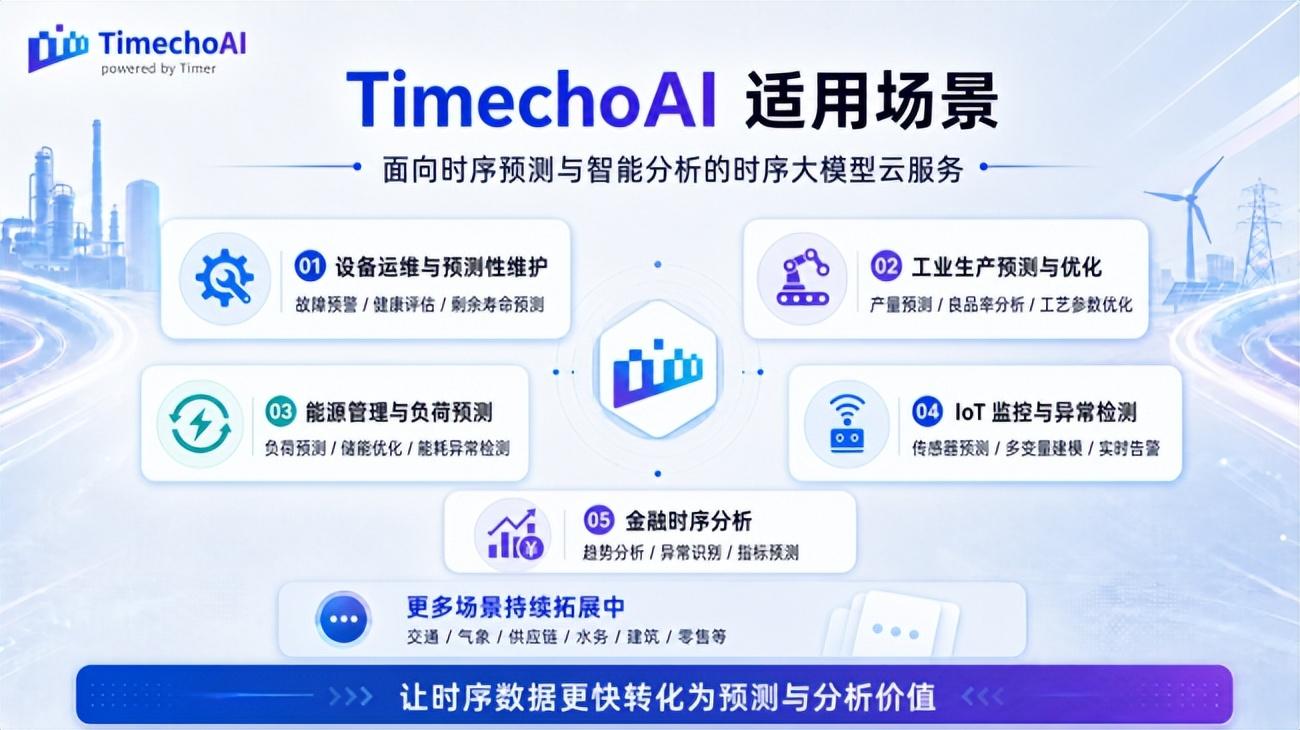
在设备运维中,它可以用于关键设备故障预警、健康状态评估和剩余寿命分析,帮助企业从"故障发生后再处理"转向更早介入的预测性维护;在能源场景中,它可以用于负荷预测、新能源出力波动分析以及储能系统运行优化;在制造场景中,它可以服务于产量预测、良率分析和工艺参数优化;在IoT场景中,它也可以支撑多变量监测、趋势分析和异常识别。

这些场景表面上各不相同,但底层问题很接近:如何让企业已有的时序数据,不只是"被存下来",而是真正服务于判断、预测和行动。

开放申请体验

通用大语言模型已经证明了AI的想象力。但工业场景需要的是能落地的能力,不是概念。

目前,TimechoAI已开放体验。有明确业务场景、具备一定历史数据基础、愿意参与反馈的团队,将优先获得体验资格。

首批体验用户将获得相应的测试额度、反馈通道及相关支持;对于具备进一步合作意向的团队,也可获得更深入的技术对接与专项支持。

注:文/龚作仁,文章来源:Laborer,本文为作者独立观点,不代表亿邦动力立场。

文章来源:Laborer

广告
微信
朋友圈

这么好看,分享一下?

朋友圈 分享

APP内打开

+1
+1
微信好友 朋友圈 新浪微博 QQ空间
关闭
收藏成功
发送
/140 0