





广告
加载中

东方美学重塑全球定价权:非遗传承人林栖确认出席2026亿邦新竞争力品牌大会

亿邦会展 2026-04-16 11:31
亿邦会展 2026/04/16 11:31

邦小白快读

EN
全文速览

非遗传承人林栖出席品牌大会分享马面裙从非遗走向高奢的实操经验,重点包括整合非遗技艺和创新销售模式。

1. 林栖整合植物染、马面裙制作等12种非遗技艺,建立自营工坊保障供应链稳定,推动技艺入选广州非遗项目并编撰白皮书提供行业标准。

2. 创新连接电商私域、直播、实体等多元消费场景,打破传统销售边界,实现销售复合增长率连续三年超100%。

3. 品牌定位文化奢侈品,单件售价达万元,客单价超5000元,复购率37%,吸引年消费超10万元的高净值客户群体。

4. 成功国际化,登陆巴黎和伦敦时装周举办专场,参展美国威尔逊故居博物馆,作品《有凤来仪》入选全球时尚和平展,获中国驻美大使馆官方赞誉。

林栖品牌通过非遗与科技融合打造文化奢侈品,重塑全球定价权。

1. 品牌营销:以东方美学定位国际推广,登陆巴黎时装周和伦敦时装周,成为首个海外举办专场中国品牌,提升全球影响力。

2. 品牌渠道建设:整合电商私域、直播和实体多元场景,拓展销售边界,吸引高复购率客群,复购率达37%。

3. 品牌定价和价格竞争:高端系列单件售价万元,客单价超5000元,验证文化奢侈品高价策略的可行性,年销售额增长率超100%。

4. 产品研发:融合植物染等非遗工艺与现代科技创新,构建独特竞争优势,支撑产品设计和开发。

5. 消费趋势和用户行为观察:高净值客户占比显著,年消费超10万元,显示高端文化消费需求强劲,并为全球市场提供参考案例。

林栖品牌高速增长提供市场机会和可借鉴模式,助力卖家捕捉消费需求变化。

1. 增长市场:销售复合增长率连续三年超100%,国际扩张潜力大,如巴黎时装周展示。

2. 消费需求变化和机会提示:高复购率37%和高净值客群表明文化奢侈品需求上升,马面裙从非遗走向高奢案例开拓新机会。

3. 可学习点和最新商业模式:建立自营工坊保障供应链,整合电商、直播、实体场景创新销售,可应用于其他产品线。

4. 事件应对措施和风险提示:推动非遗项目入选和政府支持(如广州海珠区),提供政策落地启示,同时需注意文化创新中的知识产权保护。

5. 合作方式和扶持政策:编撰白皮书提供行业标准,为卖家提供学术合作基础,促进非遗产品商业化。

林栖模式揭示非遗产品高端生产需求与电商整合启示,创造商业机会。

1. 产品生产和设计需求:整合植物染、马面裙制作等12种非遗技艺,建立自营工坊实现供应链保障,确保产品质量和标准化。

2. 商业机会:高端服饰市场客单价超5000元,年销售增长率超100%,显示非遗产品高价值潜力,可拓展国际渠道。

3. 推进数字化和电商启示:创新连接电商私域、直播、实体消费场景,提升销售效率,为工厂提供数字化转型模型。

4. 供应链建设:自营工坊模式解决传统生产痛点,如技艺传承与规模化平衡,为工厂提供可复制案例。

林栖实践体现非遗与科技融合趋势,提供行业痛点解决方案。

1. 行业发展趋势:非遗复兴与现代科技创新融合,推动文化产品国际化(如巴黎时装周参展),成为产业新方向。

2. 新技术:科技与美学主题下整合电商、直播等工具优化销售,创新解决传统品牌边界限制问题。

3. 客户痛点:品牌面临销售渠道单一和供应链不稳,林栖通过多元场景连接和自营工坊提供高效解决方案。

4. 解决方案:编撰《马面裙白皮书》提供学术支撑,建立行业标准,帮助服务商开发定制服务模型。

林栖品牌多元销售模式展示平台在连接场景中的作用,揭示管理和招商机会。

1. 商业对平台的需求和问题:需要平台支持电商、直播、实体等场景整合,解决传统销售边界问题,提升销售效率。

2. 平台的最新做法和招商启示:品牌通过私域流量和直播引流创造客群,平台可借鉴招商策略吸引类似文化品牌入驻。

3. 运营管理:整合多元消费场景的模式(复购率37%)可优化平台运营,如高净值客户管理方案。

4. 风向规避:国际推广案例(如参展博物馆)提供合规参考,平台需关注文化知识产权和跨境政策风险。

林栖案例推动非遗产业新动向,提供政策启示和商业模式研究价值。

1. 产业新动向:非遗技艺国际化(马面裙登陆时装周),融合科技美学,重塑全球定价权,成为产业热点。

2. 新问题:传承与创新平衡问题,林栖编撰白皮书提供学术支撑,引发表局行业标准讨论。

3. 政策法规建议和启示:推动广州海珠区非遗项目入选,启示政府加大非遗保护和支持力度,促进文化出口政策优化。

4. 商业模式:文化奢侈品定位(单件售价万元、高增长率)展示高端市场可行性,为研究提供实证案例和数据(客单价超5000元、复购率37%)。

返回默认
声明:快读内容全程由AI生成,请注意甄别信息。如您发现问题,请发送邮件至 run@ebrun.com 。

我是 品牌商 卖家 工厂 服务商 平台商 研究者 帮我再读一遍。

Quick Summary

Intangible cultural heritage inheritor Lin Qi shared practical insights at a brand conference on elevating the horse-face skirt from heritage craft to high luxury, focusing on integrating traditional techniques and innovative sales models.

1. Lin Qi consolidated 12 intangible heritage skills, including plant dyeing and horse-face skirt craftsmanship, established self-operated workshops to ensure stable supply chains, facilitated the skirt's recognition as a Guangzhou intangible cultural heritage item, and compiled a white paper to set industry standards.

2. By innovatively connecting diverse consumer touchpoints—such as e-commerce private domains, livestreaming, and physical stores—the brand broke traditional sales boundaries, achieving a compound annual growth rate exceeding 100% for three consecutive years.

3. Positioning itself as a cultural luxury brand, it set single-item prices at up to ¥10,000, with an average transaction value over ¥5,000 and a 37% repurchase rate, attracting high-net-worth customers who spend over ¥100,000 annually.

4. The brand achieved international success by hosting exclusive shows at Paris and London Fashion Weeks, exhibiting at the Wilson House Museum in the U.S., and having its work "Phoenix Arrival" featured in the Global Fashion Peace Exhibition, earning official praise from the Chinese Embassy in the U.S.

Lin Qi's brand merges intangible heritage with technology to create cultural luxury goods, reshaping global pricing power.

1. Brand Marketing: Promoted internationally with an Eastern aesthetic定位, debuting at Paris and London Fashion Weeks as the first Chinese brand to host overseas solo shows, enhancing global influence.

2. Channel Strategy: Integrated e-commerce private domains, livestreaming, and physical stores to expand sales reach, attracting a loyal customer base with a 37% repurchase rate.

3. Pricing and Competition: High-end items priced at ¥10,000 per piece and an average transaction value over ¥5,000 validate the luxury pricing strategy, with annual sales growth exceeding 100%.

4. Product R&D: Combined heritage techniques like plant dyeing with modern tech innovations to build unique competitive advantages in design and development.

5. Consumer Insights: High-net-worth clients, spending over ¥100,000 yearly, indicate strong demand for premium cultural products, offering a reference case for global markets.

Lin Qi's rapid growth presents market opportunities and replicable models for sellers to tap evolving consumer demands.

1. Growth Market: Achieved over 100% compound annual growth for three years, with significant international expansion potential, as seen in Paris Fashion Week showcases.

2. Consumer Shifts: A 37% repurchase rate and high-net-worth clientele highlight rising demand for cultural luxury, opening new avenues for products like horse-face skirts.

3. Learnable Models: Self-operated workshops ensure supply chain stability, while multi-channel sales (e-commerce, livestreaming, physical) offer adaptable strategies for other product lines.

4. Risk Management: Securing government support (e.g., Guangzhou Haizhu District heritage recognition) provides policy insights, though intellectual property protection in cultural innovation requires attention.

5. Collaboration: White papers on industry standards facilitate academic partnerships, aiding the commercialization of heritage products.

The Lin Qi model reveals demand for high-end heritage production and e-commerce integration, creating commercial opportunities.

1. Production Needs: Integrated 12 heritage techniques, such as plant dyeing, through self-operated workshops to ensure quality and standardization in supply chains.

2. Business Opportunities: The high-end apparel market shows an average transaction value over ¥5,000 and annual growth exceeding 100%, indicating potential for heritage products in international channels.

3. Digital Transformation: Innovative connections across e-commerce, livestreaming, and physical stores boost sales efficiency, offering a model for factory digitization.

4. Supply Chain Development: Self-run workshops address traditional challenges like balancing craft preservation with scale, providing a replicable case for factories.

Lin Qi's practices highlight the trend of blending heritage with technology, offering solutions to industry pain points.

1. Industry Trends: Heritage revival fused with tech innovation drives cultural product globalization (e.g., Paris Fashion Week), shaping new industry directions.

2. Technology Integration: Leveraged e-commerce and livestreaming tools under a tech-aesthetics theme to overcome traditional sales limitations.

3. Client Pain Points: Addressed unstable supply chains and narrow sales channels through multi-scene connectivity and self-operated workshops.

4. Solutions: The "Horse-Face Skirt White Paper" provides academic backing and industry standards, aiding service providers in developing customized models.

Lin Qi's multi-channel sales model demonstrates platforms' role in connecting scenarios, revealing management and招商 opportunities.

1. Platform Demands: Brands require support for integrating e-commerce, livestreaming, and physical stores to break sales boundaries and enhance efficiency.

2.招商Insights: Strategies like private traffic and livestreaming引流 attracted high-value customers, offering lessons for platforms to recruit similar cultural brands.

3. Operations Management: The 37% repurchase rate from multi-scene integration optimizes platform operations, such as high-net-worth client management.

4. Risk Mitigation: International cases (e.g., museum exhibitions) provide compliance references, urging attention to cultural IP and cross-border policy risks.

The Lin Qi case advances new trends in the heritage industry, offering policy insights and business model research value.

1. Industry Trends: Heritage skills globalized (e.g., horse-face skirts at fashion weeks), merged with tech aesthetics, reshaping global pricing power as a hot topic.

2. Emerging Issues: Balancing传承and innovation, Lin Qi's white paper sparks discussions on industry standards and academic support.

3. Policy Implications: Guangzhou Haizhu District's heritage recognition suggests stronger government support for preservation and cultural export policies.

4. Business Models: The luxury定位 (¥10,000 per item, high growth) demonstrates high-end market viability, providing empirical data (e.g., >¥5,000 transaction value, 37% repurchase rate) for research.

Disclaimer: The "Quick Summary" content is entirely generated by AI. Please exercise discretion when interpreting the information. For issues or corrections, please email run@ebrun.com .

I am a Brand Seller Factory Service Provider Marketplace Seller Researcher Read it again.

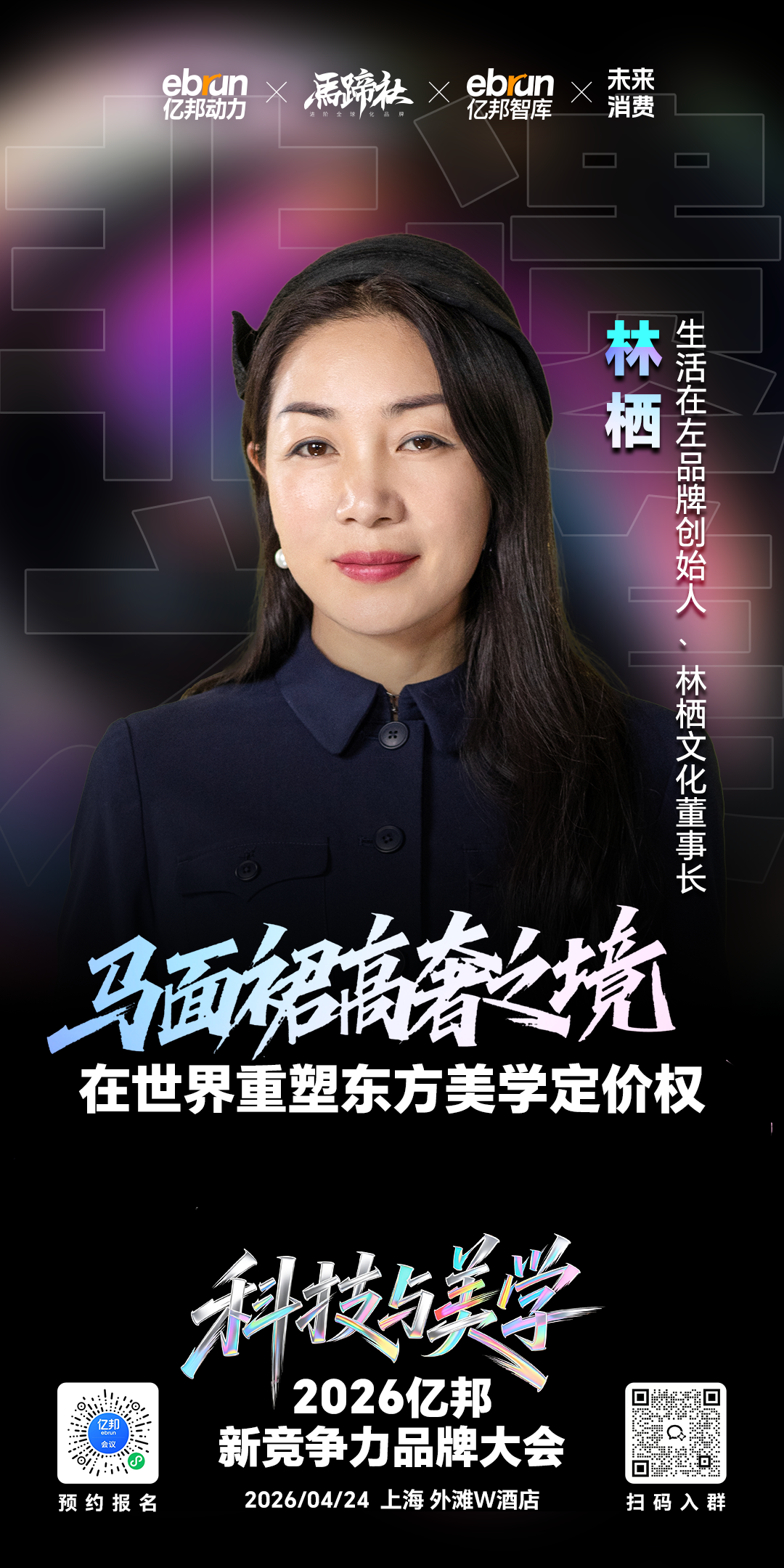
以非遗技艺重塑东方美学全球影响力。4月24日,以“科技与美学”为主题,2026亿邦新竞争力品牌大会将在上海外滩W酒店举办。生活在左品牌创始人、林栖文化董事长林栖已确认出席,将围绕“非遗之美”主题,分享马面裙如何从中国非遗走向高奢之境的思考与实践。

作为国内首位非遗马面裙技艺传承人、中国纺织非遗推广大使,林栖女士深耕非遗服饰领域,走遍中国五湖四海及法国、日本、意大利等地,寻找能够代表中国精神的品牌灵感。她走遍全国收藏了上百条古董马面裙,并于2023年推动马面裙制作技艺入选广州海珠区第八批非物质文化遗产代表性项目。她发起编撰《中国最美服饰马面裙白皮书》,致力于为马面裙的传承与创新提供系统性的学术支撑和行业标准。

在文化与科技融合的实践中,林栖带领团队将非遗工艺与现代科技创新融合,构建起独特的竞争优势。品牌整合植物染、马面裙制作技艺等12种非遗技艺,建立自营工坊保障供应链,还创造性地将电商私域、直播、实体等多元消费场景相连接,打破传统时尚品牌的销售边界。凭借“文化奢侈品”定位,林栖马面裙已在世界舞台赢得东方美学的定价权。品牌高端系列单件售价达万元,客单价超5000元,复购率高达37%,客群中不乏年消费超10万元的高净值人群。品牌连续三年销售复合增长率超100%。在国际舞台上,林栖马面裙已登陆巴黎时装周、伦敦时装周,成为首个在海外举办马面裙专场的中国品牌,并受邀到美国威尔逊故居博物馆参展。2025年,作品《有凤来仪》作为唯一一件中国传统服饰入选全球时尚和平展,中国驻美大使馆官方账号特别发文盛赞其“东方美学助力和平”的深远意义。

活动议程

文章来源:亿邦动力

广告
微信
朋友圈

这么好看,分享一下?

朋友圈 分享

APP内打开

+1
+1
微信好友 朋友圈 新浪微博 QQ空间
关闭
收藏成功
发送
/140 0


