广告
加载中

年轻人成春节“主理人” 团圆新形态催生市场新动能

姜琪 2026-02-25 10:12
姜琪 2026/02/25 10:12

邦小白快读

EN
全文速览

2026年春节消费数据显示年轻人主导团圆新形态,催生市场新动能。

1. 宏观数据亮点:全社会跨区域人员流动量达24.6亿人次,同比增长9.8%;重点零售和餐饮企业日均销售额增8.6%,假期头两天增速冲至10.6%。

2. 反向团圆趋势:一线城市如北京、上海、深圳成为热门目的地,家庭团聚转向商业空间,特色酒店订单量增40%,2-5人家庭独享团消费总额猛增186%,宠物友好服务搜索量翻倍。

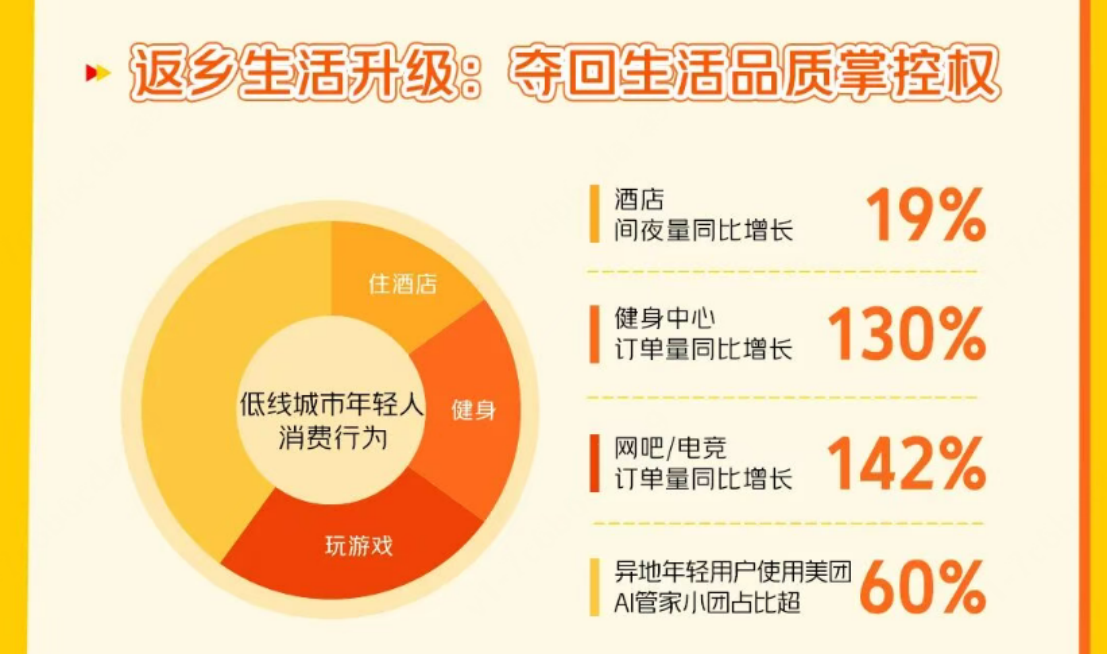
3. 生活方式下沉:消费向三线及以下城市渗透,低线城市酒店订单量增19%,健身中心订单暴涨130%,美容美发等服务消费迎来高峰。

4. AI工具应用:AI助手如美团“小团”用于规划行程,异地年轻用户占比超六成,即时零售火爆,30%用户通过外卖买年货,护肝片等产品交易额增52%。

春节消费趋势揭示品牌营销新机遇,用户行为变化提供产品研发启示。

1. 消费趋势洞察:反向团圆兴起,一线城市家庭在商业空间消费增长,显示情感陪伴需求提升,如宠物友好服务搜索翻倍;生活方式下沉,低线市场休闲服务需求激增,健身中心订单增130%。

2. 用户行为观察:年轻人作为“主理人”带父母体验高端餐厅或特色酒店,推动品牌渠道建设,如家庭团消费增186%;AI工具深度融入,用户偏好精准信息查询,异地年轻用户超六成,影响品牌定价策略。

3. 品牌机会:针对情感需求开发产品,如宠物友好住宿;利用下沉市场机会拓展低线城市渠道;结合AI技术优化营销,提升即时零售体验。

春节消费变化带来增长市场和可学习点,机会提示助力事件应对。

1. 增长市场机会:低线城市消费显著升温,酒店订单增19%,健身中心订单增130%,美容美发服务需求上升,显示下沉市场潜力巨大。

2. 消费需求变化:反向团圆趋势催生一线城市家庭消费场景,如特色酒店订单增40%,家庭独享团消费增186%;即时零售成为刚需,30%用户外卖买年货,护肝片交易额增52%。

3. 可学习点和商业模式:AI工具如美团“小团”提供行程规划解决方案,卖家可借鉴提升服务效率;合作方式如宠物友好服务搜索翻倍,提示卖家拓展相关产品线;风险提示包括依赖即时需求可能导致供应链压力。

春节消费揭示产品生产需求和商业机会,数字化启示助力电商推进。

1. 产品生产需求:生活方式下沉带动低线城市对休闲服务产品需求,如健身器材、美容设备订单激增130%;反向团圆推动家庭导向产品,如特色酒店设施、宠物友好住宿用品搜索翻倍。

2. 商业机会:即时零售火爆,年货外卖需求增30%,护肝片等产品交易额增52%,提示工厂开发快速响应产品;低线市场年度消费高峰,展示本地化生产潜力。

3. 数字化启示:AI工具深度融入消费,如查询和规划功能,启示工厂推进电商化,优化供应链以匹配即时需求;数据驱动可提升产品设计针对性。

行业趋势和新技术提供解决方案,客户痛点需针对性应对。

1. 行业发展趋势:即时零售需求激增,30%用户通过外卖解决家庭聚会不时之需,护肝片交易额增52%;生活方式下沉,低线城市服务订单如健身、美容增19%-130%。

2. 新技术应用:AI工具如美团“小团”用于校验商家信息和规划路线,异地用户占比超六成,显示整合信息需求提升。

3. 客户痛点和解决方案:用户对精准、即时服务需求高,服务商可提供AI驱动查询平台;反向团圆痛点如宠物出行,解决方案在开发宠物友好服务,搜索量翻倍;机会在拓展低线城市服务网络。

平台最新做法和运营管理揭示招商机会,风向规避需关注需求变化。

1. 平台最新做法:美团推出AI管家“小团”,用于信息查询和行程规划,异地用户超六成,带动即时零售增长,30%用户外卖买年货。

2. 招商和运营管理:低线城市消费升温,酒店、健身订单显著增长,提示平台加强低线市场招商;反向团圆需求推动家庭团消费增186,平台需优化商业空间合作。

3. 商业需求和风向规避:用户需求从传统返乡转向多元场景,平台应规避单一服务风险,如加强宠物友好或AI工具整合;即时需求提升运营压力,需管理供应链效率。

产业新动向和商业模式提供政策启示,新问题需深入分析。

1. 产业新动向:反向团圆作为新形态,一线城市家庭消费场景延伸,酒店订单增40%,家庭团消费增186%;生活方式下沉改变低线市场假日结构,消费订单增长19%-130%。

2. 商业模式:AI工具深度嵌入消费,如美团“小团”整合信息查询,推动即时零售交易额增52%,形成新消费驱动力。

3. 政策法规启示:年轻人主导团圆催生市场新动能,提示政策需支持多元化消费场景;新问题如数字鸿沟在低线城市,可能需法规引导服务均衡;商业模式演变启示加强数据隐私保护。

返回默认
声明:快读内容全程由AI生成,请注意甄别信息。如您发现问题,请发送邮件至 run@ebrun.com 。

我是 品牌商 卖家 工厂 服务商 平台商 研究者 帮我再读一遍。

Quick Summary

2026 Spring Festival consumption data shows young people driving new forms of family reunions, generating new market momentum.

1. Macro data highlights: Cross-regional passenger flow reached 2.46 billion trips, up 9.8% year-on-year; average daily sales at key retail and catering enterprises increased by 8.6%, with growth surging to 10.6% in the first two holiday days.

2. Reverse reunion trend: Tier-1 cities like Beijing, Shanghai, and Shenzhen became popular destinations, shifting family gatherings to commercial spaces. Orders for themed hotels rose 40%, spending on exclusive 2-5 person family packages surged 186%, and searches for pet-friendly services doubled.

3. Lifestyle penetration into lower-tier cities: Consumption spread to Tier-3 cities and below, with hotel orders up 19%, fitness center bookings soaring 130%, and service consumption like beauty salons peaking.

4. AI tool adoption: AI assistants like Meituan's "Xiao Tuan" were used for itinerary planning, with over 60% of users being young people away from home. Instant retail boomed, with 30% buying New Year goods via delivery, and transactions for products like liver protection supplements increased by 52%.

Spring Festival consumption trends reveal new marketing opportunities and user behavior shifts that inform product development.

1. Consumption insights: The rise of reverse reunions, with increased family spending in Tier-1 city commercial spaces, indicates growing demand for emotional companionship (e.g., pet-friendly service searches doubled); lifestyle penetration into lower-tier markets shows surging demand for leisure services, with fitness center orders up 130%.

2. User behavior observations: Young people acting as "hosts" taking parents to high-end restaurants or themed hotels is driving brand channel development (e.g., family package spending up 186%); deep integration of AI tools and user preference for precise information queries (over 60% are young异地 users) influences brand pricing strategies.

3. Brand opportunities: Develop products targeting emotional needs (e.g., pet-friendly accommodations); leverage lower-tier market opportunities to expand channels; optimize marketing with AI technology to enhance instant retail experiences.

Spring Festival consumption shifts highlight growth markets and actionable insights for event response.

1. Growth market opportunities: Significant consumption heating up in lower-tier cities, with hotel orders up 19%, fitness center bookings up 130%, and rising demand for beauty services, indicating huge potential.

2. Evolving consumer demands: The reverse reunion trend creates new family consumption scenarios in Tier-1 cities (e.g., themed hotel orders up 40%, exclusive family package spending up 186%); instant retail becomes essential, with 30% buying New Year goods via delivery and liver protection supplement transactions up 52%.

3. Learnings and business models: AI tools like Meituan's "Xiao Tuan" offer itinerary planning solutions that sellers can adopt to improve service efficiency; partnerships, like pet-friendly services (searches doubled), suggest expanding related product lines; risks include potential supply chain pressure from reliance on instant demand.

Spring Festival consumption reveals product demand and commercial opportunities, with digital insights aiding e-commerce advancement.

1. Product demand: Lifestyle penetration into lower-tier cities drives demand for leisure service products (e.g., fitness equipment, beauty device orders surge 130%); reverse reunion boosts family-oriented products (e.g., themed hotel facilities, pet-friendly accommodation supplies searches doubled).

2. Commercial opportunities: Booming instant retail (30% increase in New Year goods delivery demand, 52% transaction growth for products like liver protection supplements) suggests developing fast-response products; annual consumption peaks in lower-tier markets show localised production potential.

3. Digital insights: Deep integration of AI tools in consumption (e.g., query and planning functions) informs factory e-commerce advancement and supply chain optimisation for instant demand matching; data-driven approaches can enhance product design targeting.

Industry trends and new technologies offer solutions, requiring targeted responses to client pain points.

1. Industry trends: Surging instant retail demand (30% of users use delivery for unexpected family gathering needs, liver protection supplement transactions up 52%); lifestyle penetration into lower-tier cities (service orders like fitness and beauty up 19%-130%).

2. New technology applications: AI tools like Meituan's "Xiao Tuan" used for merchant verification and route planning, with over 60%异地 users indicating rising demand for integrated information.

3. Client pain points and solutions: High user demand for precise, instant services suggests providing AI-driven query platforms; reverse reunion pain points like pet travel require developing pet-friendly services (searches doubled); opportunities lie in expanding lower-tier city service networks.

Latest platform practices and operational management reveal merchant acquisition opportunities, with trend avoidance requiring focus on demand shifts.

1. Latest platform practices: Meituan launched AI butler "Xiao Tuan" for information queries and itinerary planning, driving instant retail growth with over 60%异地 users and 30% buying New Year goods via delivery.

2. Merchant acquisition and operations management: Lower-tier city consumption heating up (significant hotel and fitness order growth) suggests strengthening merchant acquisition there; reverse reunion demand (family package spending up 186%) requires optimising commercial space partnerships.

3. Business demands and trend avoidance: User demand shifting from traditional home-returning to diverse scenarios necessitates avoiding single-service risks (e.g., enhance pet-friendly or AI tool integration); rising instant demand increases operational pressure, requiring supply chain efficiency management.

Industry developments and business models offer policy insights, with new issues requiring in-depth analysis.

1. Industry developments: Reverse reunion as a new form extends family consumption scenarios in Tier-1 cities (hotel orders up 40%, family package spending up 186%); lifestyle penetration alters lower-tier market holiday structures (consumption order growth of 19%-130%).

2. Business models: Deep embedding of AI tools in consumption (e.g., Meituan's "Xiao Tuan" integrating information queries) drives instant retail transaction growth (up 52%), forming a new consumption driver.

3. Policy implications: Youth-led reunions generating new market momentum suggest policies supporting diverse consumption scenarios; new issues like potential digital divides in lower-tier cities may require regulatory guidance for service balance; business model evolution implies strengthening data privacy protection.

Disclaimer: The "Quick Summary" content is entirely generated by AI. Please exercise discretion when interpreting the information. For issues or corrections, please email run@ebrun.com .

I am a Brand Seller Factory Service Provider Marketplace Seller Researcher Read it again.

【亿邦原创】为期九天的2026年春节假期落下帷幕。作为近年来时间最长的春节假期,其不仅承载了浓厚的节日情感,也通过一组组鲜活的数据,勾勒出中国消费市场在新一年开端的活力图景。交通运输部数据显示,2月15日至22日假期期间,全社会跨区域人员流动量累计达24.6亿人次,同比增长9.8%。商务大数据显示,假期前四天全国重点零售和餐饮企业日均销售额同比增长8.6%,而假期头两天的增速更是冲到了10.6%。

在宏观数据的暖意之下,微观层面的消费形态正在发生深刻变化。2月23日,美团发布《年轻势力 主理团圆——美团2026春节消费洞察报告》。年轻人正以一种“主理人”的姿态,重新定义春节团圆的模式,并由此催生出新的消费热点。这种变化主要体现在三个方面:反向迁徙的团圆、家乡体验的升级以及AI的深度融入。

01 “反向团圆”兴起,目的地城市服务场景焕新

跨越千里的不仅是返乡的归人,还有奔赴子女的“逆向”身影。今年春节,“反向过年”成为许多家庭的新选择,北京、上海、深圳等一线城市成为热门的目的地。在这股潮流中,家庭团聚的场景从家乡的客厅延伸到了城市的商业空间。不少年轻人选择带父母体验一顿精致的黑珍珠餐厅,或是在配备影音、电竞设施的特色酒店里共享休闲时光。

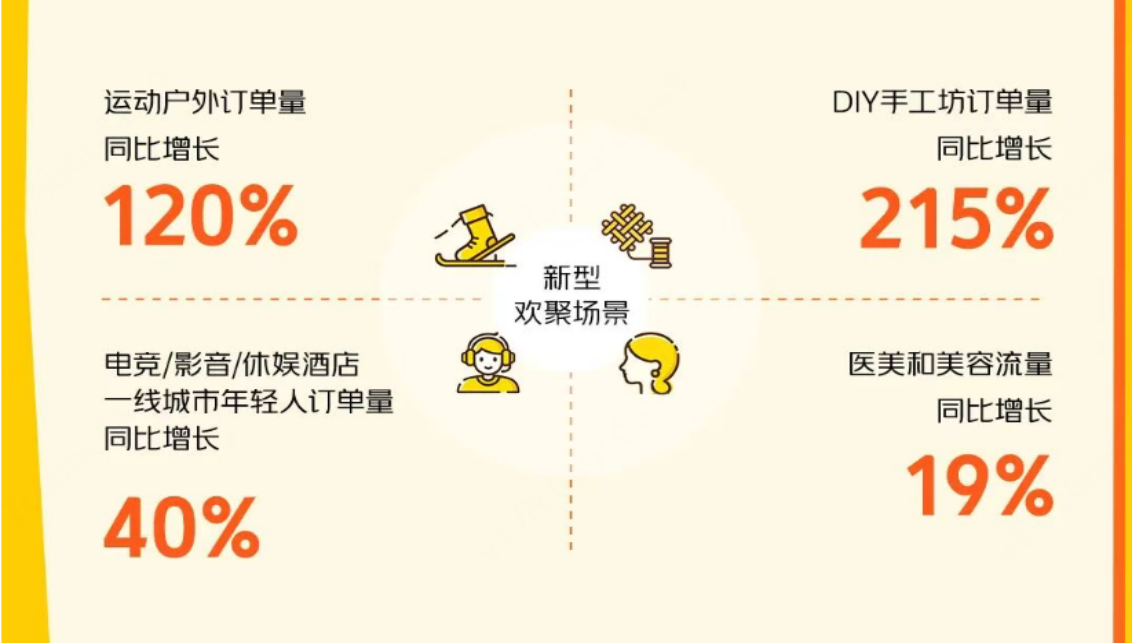
美团数据显示,一线城市此类酒店订单量同比增长40%,2-5人的“家庭独享团”消费总额更是猛增186%。此外,考虑到家庭中“毛孩子”的出行需求,宠物友好的住宿、出行服务搜索量也呈现翻倍增长,显示出年轻一代消费决策中对情感陪伴需求的细致考量。

02 “生活方式”下沉,低线市场假日经济升温

对于返乡过年的年轻人而言,他们带回的不仅是馈赠亲友的礼品,更有在大城市养成的消费习惯和生活方式。这使得今年春节的消费热度显著向三线及以下城市渗透,形成了一道“生活拉平”的风景线。

数据显示,春节期间低线城市的酒店订单量同比增长19%,健身中心订单量暴涨130%,美容美发、按摩足疗等服务性消费的订单量一同迎来增长。这些原本在大城市更为普及的休闲方式,因年轻人的回归,在县城迎来了年度消费高峰,成为当地商家一年中最忙碌的时段。这种消费习惯的“下沉”,不仅是服务的传递,更是一种生活观念的对接,悄然改变着低线市场的假日消费结构。

03 AI工具深度嵌入,即时零售成为应急刚需

在快节奏的现代生活中,AI工具已成为人们安排假日行程、解决即时需求的重要助手。无论是寻找“一小时车程内、带乐园、有包间的餐厅”,还是规划一条包含多种体验的亲子游路线,用户对信息的精准、整合需求越来越高。

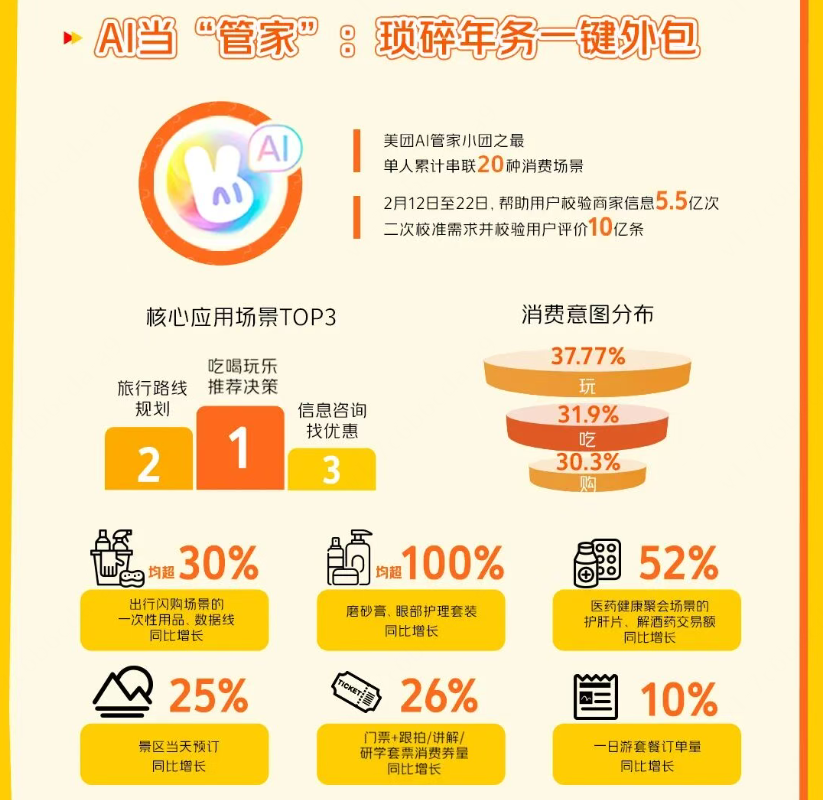
数据显示,假期期间大量用户通过美团上线的AI管家“小团”来校验商家信息、查询用户评价,其中异地年轻用户的占比超过六成。这种随手安排的习惯同时带动了即时零售的火爆。超过30%的用户通过外卖买年货,羊肉、啤酒、对联送上门,解决了家庭聚会时的不时之需。护肝片、解酒药等产品交易额同比增长52%。

2026年春节的消费图景,在传统团圆的底色之上,叠印出鲜明的时代特征。接父母“反向过年”、重探家乡烟火气、找AI做攻略......年轻人成为团圆“主理人”,2026年的新春佳节有了新玩法。它不仅让这个春节充满了烟火气,也为新一年的消费市场打开了更多想象空间。

亿邦持续追踪报道该情报,如想了解更多与本文相关信息,请扫码关注作者微信。

文章来源:亿邦动力

广告
微信
朋友圈

FAQ回顾

什么是2026年春节的“反向团圆”现象?

2026年春节“反向团圆”指年轻人接父母到一线城市过年。美团数据显示,一线城市适合家庭聚会的特色酒店订单量同比增长40%,2-5人“家庭独享团”消费总额增长186%。

春节期间低线市场有哪些消费增长热点?

低线城市酒店订单量同比增长19%,健身中心订单量暴涨130%,美容美发、按摩足疗等服务性消费因年轻人返乡带入城市生活习惯而显著增长。

AI工具如何影响2026年春节消费行为?

超60%异地年轻用户通过美团AI管家“小团”规划行程。即时零售订单中30%用户外卖买年货,护肝片、解酒药交易额同比增长52%。

这么好看,分享一下?

朋友圈 分享

APP内打开

赞 +1
+1
微信好友 朋友圈 新浪微博 QQ空间
关闭
收藏成功
发送
/140 0