广告
加载中

跨境大卖家子不语2024年财报:营收同增10.83%至33.25亿元 扭亏为盈

韩笑 2025-03-28 18:46
韩笑 2025/03/28 18:46

邦小白快读

EN
全文速览

子不语2024年财报显示业绩显著提升,扭亏为盈。

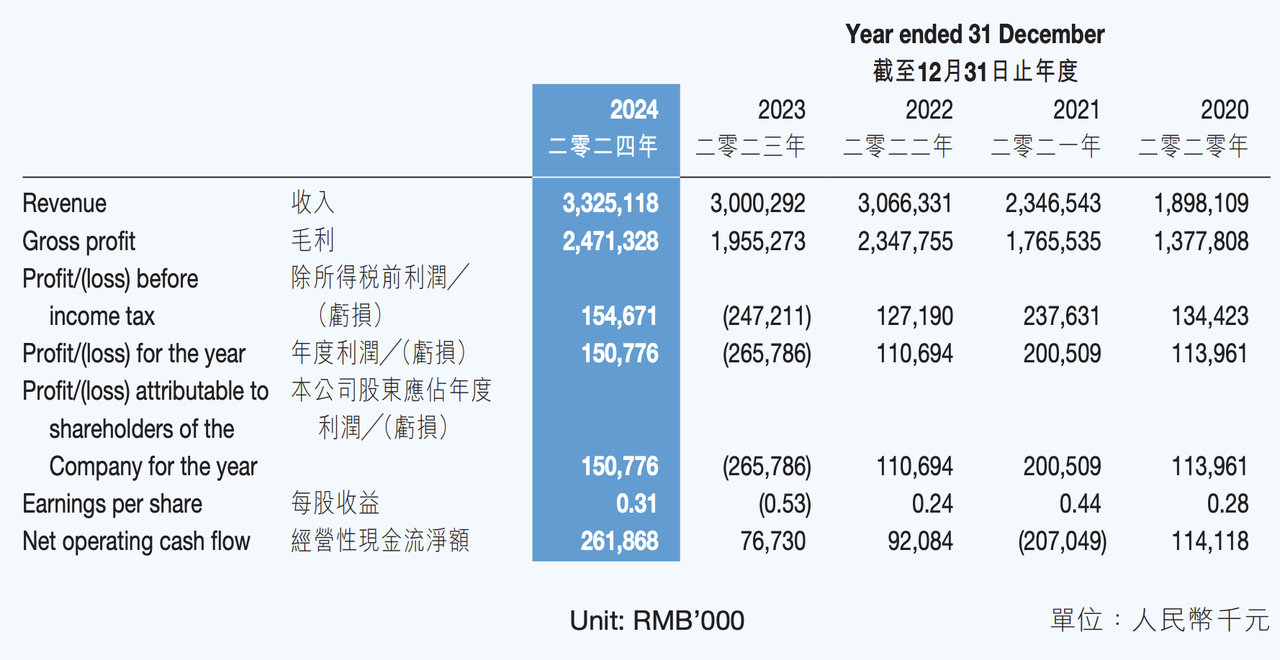
1.营收33.25亿元,同比增长10.83%;毛利24.71亿元,增长26.39%;归母净利润1.51亿元,增长156.7%;经营性现金流净额2.62亿元创历史新高。

2.业绩改善源于提升商品运营效率、优化库存结构,减少存货减值和仓储费用;同时收入增加促进毛利提升。

销售渠道与地区分布呈现核心机会。

1.98%收入来自第三方平台如亚马逊、Temu、TikTok,达32.58亿元;独立站收入2800万元,同比下降。

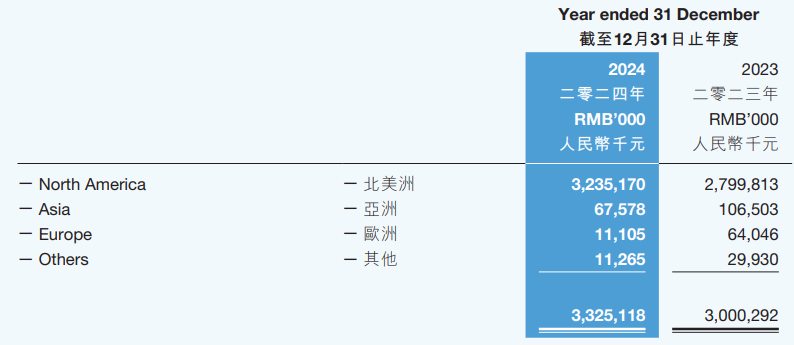
2.北美洲收入32.35亿元,占比97.29%,增长15.5%,是主要增长引擎;亚洲收入0.68亿下滑36.55%,欧洲收入0.11亿暴跌82.68%。

2024年关键举措提供实操干货。

1.加强品牌建设,成立品牌事业部,梳理十大核心品牌,推动“产品出海”向“品牌出海”转型。

2.引入智能选品系统和AI广告工具,广告ROI提升25%,新品开发周期缩短至7天。

3.加强供应商直发模式(如毛衣品类30%-50%采用),物流效率提升30%,准交率98%以上;建立三级品控标准,退货率从5.2%降至3.8%。

2025年战略规划未来方向。

1.深化核心品牌建设,结合爆款思维与原创设计。

2.拓展多元化渠道如非亚马逊、海外线及欧亚区域。

3.加强全球化供应链布局,特别是东南亚。

4.推进数字化和AI转型,赋能业务。

子不语品牌转型与营销策略成效显著。

1.加强品牌化建设,成立品牌事业部,梳理十大核心品牌如Rich Radi Q's、Cicy Bell,推动从“产品出海”向“品牌出海”转型;加大营销推广力度,带动亚马逊和TikTok平台收入增长。

2.渠道建设依赖第三方平台,98%收入来自亚马逊、Temu、TikTok;独立站收入下降,需优化自营渠道策略。

产品研发与消费趋势洞察提供参考。

1.引入智能选品系统,新品开发周期缩短至7天,体现快速响应能力;结合爆款思维与原创设计,打造差异化产品。

2.消费趋势显示北美洲市场强劲增长15.5%,亚洲和欧洲显著下滑,反映区域需求变化;用户行为改善,退货率降至3.8%,表明产品质量提升。

未来品牌战略明确方向。

1.2025年深化核心品牌建设,打造全球化品牌辨识度。

2.拓展多元化销售渠道,减少单一平台依赖,抓住海外线下机会。

子不语业绩增长揭示市场机会与可学习策略。

1.增长市场聚焦北美洲,收入占比97.29%且增长15.5%,是核心机会区;亚洲和欧洲下滑显著,提示风险需分散市场。

2.消费需求变化体现品牌化趋势,加强营销带动销售;机会提示包括拓展非亚马逊渠道、海外线下及欧亚区域。

事件应对措施与商业模式创新可借鉴。

1.优化库存管理减少减值和费用,提升运营效率;引入AI工具如智能选品和广告投放,ROI提升25%,新品开发缩短至7天,提供可学习点。

2.加强供应商直发模式,物流效率提升30%,准交率98%以上,降低退货率至3.8%;合作方式包括供应商参与,扶持政策如供应链布局。

正面影响与风险提示需注意。

1.扭亏为盈和现金流新高显示盈利能力;最新商业模式如多渠道销售和数字化转型。

2.风险包括过度依赖北美洲和第三方平台,独立站收入下降;2025年战略加强组织力和供应链,提供机会提示。

子不语生产优化与商业机会启示显著。

1.产品生产需求强调效率提升,加强供应商直发模式(如毛衣品类30%-50%采用),物流效率提升30%,准交率98%以上;建立三级品控标准,退货率降至3.8%,减少损耗。

2.设计需求快速响应,新品开发周期缩短至7天,得益于智能选品系统;商业机会包括作为供应商参与直发合作,提升供应链价值。

推进数字化和电商的启示明确。

1.引入AI工具如广告投放和选品系统,提升ROI 25%,体现技术赋能生产;2025年战略推进数字化和AI转型,提供电商优化路径。

2.全球化供应链布局特别是东南亚,提示产能扩张机会;可学习点包括优化库存结构减少仓储费用。

行业发展趋势与新技术应用突出。

1.趋势包括从“产品出海”向“品牌出海”转型,成立品牌事业部;渠道多元化如拓展非亚马逊和海外线下,反映电商演化方向。

2.新技术引入智能选品系统和AI广告工具,提升广告ROI 25%,新品开发周期缩短至7天,体现效率突破。

客户痛点与解决方案提供参考。

1.痛点如库存管理不足、退货率高;解决方案:优化库存结构减少减值,建立三级品控标准降低退货率至3.8%。

2.痛点物流效率低;解决方案:加强供应商直发模式,提升物流效率30%;2025年战略推进数字化,AI赋能业务,针对痛点优化。

商业对平台的需求和平台做法分析清晰。

1.平台需求显著,98%收入依赖第三方平台如亚马逊、Temu、TikTok,北美洲增长15.5%受品牌化建设推动;平台招商机会大,子不语作为代表企业。

2.平台最新做法包括加强合作带增长;2025年战略拓展非亚马逊渠道,可能改变依赖,提示运营管理调整。

风险规避与平台管理要点。

1.风险如地区不平衡(北美洲主导,亚洲欧洲下滑)、独立站收入下降;风向规避需分散渠道和区域。

2.运营管理可参考供应商直发模式提升效率;子不语扭亏为盈,提供合作案例。

产业新动向与商业模式创新显著。

1.新动向包括成功扭亏为盈,体现跨境电商盈利能力;从产品出海向品牌出海转型,成立品牌事业部;2025年推进数字化和AI战略,反映产业升级。

2.新问题如地区差异(北美洲增长而亚洲欧洲下滑)、独立站收入下降,提示市场不平衡挑战;政策法规建议可基于优化供应链和渠道多元化。

商业模式与研究启示丰富。

1.商业模式创新包括多渠道销售(98%第三方平台)、供应商直发模式提升效率;代表企业子不语,2022年上市案例。

2.研究点涉及全球化供应链布局、AI应用效果(如ROI提升25%);提供数据分析如退货率降至3.8%,支持趋势观察。

返回默认

声明:快读内容全程由AI生成,请注意甄别信息。如您发现问题,请发送邮件至 run@ebrun.com 。

我是 品牌商 卖家 工厂 服务商 平台商 研究者 帮我再读一遍。

Quick Summary

Zibuyu's 2024 financial report shows a significant performance improvement, achieving a turnaround to profitability.

1. Revenue reached RMB 3.325 billion, a 10.83% year-on-year increase; gross profit was RMB 2.471 billion, up 26.39%; net profit attributable to shareholders was RMB 151 million, surging 156.7%; net operating cash flow hit a record high of RMB 262 million.

2. The improvement stemmed from enhanced product operational efficiency, optimized inventory structure (reducing inventory write-downs and storage costs), and revenue growth boosting gross profit.

Sales channels and regional distribution highlight core opportunities.

1. 98% of revenue came from third-party platforms like Amazon, Temu, and TikTok, totaling RMB 3.258 billion; independent website revenue fell to RMB 28 million.

2. North America contributed RMB 3.235 billion (97.29% of revenue), growing 15.5% and serving as the primary growth engine; Asia revenue dropped 36.55% to RMB 68 million, while Europe revenue plummeted 82.68% to RMB 11 million.

Key 2024 initiatives provide actionable insights.

1. Strengthened brand building by establishing a brand division and focusing on ten core brands, shifting from "product export" to "brand export."

2. Introduced intelligent product selection systems and AI advertising tools, boosting advertising ROI by 25% and shortening new product development cycles to 7 days.

3. Enhanced the supplier direct shipping model (e.g., 30%-50% for sweaters), improving logistics efficiency by 30% and achieving an on-time delivery rate above 98%; established a three-tier quality control standard, reducing return rates from 5.2% to 3.8%.

2025 strategic plans outline future direction.

1. Deepen core brand building, combining hit product strategies with original design.

2. Expand diversified channels, including non-Amazon platforms, overseas offline, and Eurasian regions.

3. Strengthen global supply chain layout, particularly in Southeast Asia.

4. Advance digital and AI transformation to empower business operations.

Zibuyu's brand transformation and marketing strategies show significant results.

1. Enhanced brand-building efforts by establishing a brand division and refining ten core brands (e.g., Rich Radi Q's, Cicy Bell), driving a shift from "product export" to "brand export"; increased marketing boosted revenue on Amazon and TikTok.

2. Channel strategy relies heavily on third-party platforms, with 98% of revenue from Amazon, Temu, and TikTok; independent website revenue declined, indicating a need to optimize self-operated channels.

Product R&D and consumer trend insights offer valuable references.

1. Adoption of intelligent product selection systems shortened new product development cycles to 7 days, demonstrating rapid response capability; combined hit product thinking with original design for differentiated offerings.

2. Consumer trends show strong 15.5% growth in North America, while Asia and Europe declined sharply, reflecting regional demand shifts; improved user behavior, with return rates dropping to 3.8%, indicates enhanced product quality.

Future brand strategy provides clear direction.

1. In 2025, deepen core brand building to establish global brand recognition.

2. Expand diversified sales channels to reduce reliance on single platforms and capture overseas offline opportunities.

Zibuyu's performance growth reveals market opportunities and learnable strategies.

1. Growth is concentrated in North America, accounting for 97.29% of revenue with a 15.5% increase, marking it as a core opportunity zone; significant declines in Asia and Europe highlight the need for market diversification.

2. Shifting consumer demand underscores the brandization trend, where strengthened marketing drives sales; opportunities include expanding non-Amazon channels, overseas offline, and Eurasian regions.

Actionable measures and business model innovations are worth emulating.

1. Optimized inventory management reduced write-downs and costs, boosting operational efficiency; adopted AI tools like intelligent product selection and advertising, increasing ROI by 25% and shortening new product development to 7 days.

2. Enhanced supplier direct shipping improved logistics efficiency by 30%, achieved over 98% on-time delivery, and lowered return rates to 3.8%; collaboration methods include supplier involvement and supportive policies like supply chain layout.

Positive impacts and risk warnings require attention.

1. The turnaround to profitability and record cash flow demonstrate robust earnings; latest business models include multi-channel sales and digital transformation.

2. Risks include over-reliance on North America and third-party platforms, plus declining independent website revenue; the 2025 strategy focuses on strengthening organizational capabilities and supply chain, offering opportunity cues.

Zibuyu's production optimizations and business opportunities offer significant insights.

1. Production demands emphasize efficiency gains, with enhanced supplier direct shipping (e.g., 30%-50% adoption for sweaters) boosting logistics efficiency by 30% and achieving over 98% on-time delivery; a three-tier quality control standard reduced return rates to 3.8%, minimizing waste.

2. Design requires rapid response, with new product development cycles shortened to 7 days via intelligent selection systems; business opportunities include participating in direct shipping collaborations as a supplier to enhance supply chain value.

Digital and e-commerce advancements provide clear guidance.

1. Adoption of AI tools like advertising and product selection systems increased ROI by 25%, showcasing technology-enabled production; the 2025 strategy promotes digital and AI transformation, outlining e-commerce optimization paths.

2. Global supply chain layout, especially in Southeast Asia, signals capacity expansion opportunities; learnings include optimizing inventory structures to reduce storage costs.

Industry trends and new technology applications stand out.

1. Trends include the shift from "product export" to "brand export," with a dedicated brand division; channel diversification, such as expanding beyond Amazon and into offline overseas, reflects e-commerce evolution.

2. New technologies like intelligent product selection and AI advertising tools boosted advertising ROI by 25% and shortened development cycles to 7 days, demonstrating efficiency breakthroughs.

Client pain points and solutions offer valuable references.

1. Pain points like inadequate inventory management and high return rates are addressed by optimizing inventory structure to reduce write-downs and implementing a three-tier quality control standard, lowering return rates to 3.8%.

2. For low logistics efficiency, the solution involves strengthening supplier direct shipping, improving efficiency by 30%; the 2025 strategy focuses on digitalization and AI to empower business and address these pain points.

Business demands on platforms and platform strategies are clearly analyzed.

1. Platform reliance is evident, with 98% of revenue from third-party platforms like Amazon, Temu, and TikTok; North America's 15.5% growth is driven by brand-building, presenting significant merchant acquisition opportunities, with Zibuyu as a representative case.

2. Latest platform practices include enhanced partnerships to spur growth; the 2025 strategy to expand non-Amazon channels may alter dependency, suggesting operational adjustments.

Risk mitigation and platform management insights.

1. Risks include regional imbalance (North America dominance, declines in Asia/Europe) and falling independent website revenue; mitigation requires diversifying channels and regions.

2. Operational management can learn from the supplier direct shipping model to boost efficiency; Zibuyu's profitability turnaround offers a collaborative case study.

Industry developments and business model innovations are notable.

1. New trends include a successful profitability turnaround, showcasing cross-border e-commerce viability; the shift from product to brand export, with a brand division; and 2025's digital and AI strategy, reflecting industry upgrading.

2. Emerging issues like regional disparities (North America growth vs. Asia/Europe decline) and independent website revenue drops highlight market imbalance challenges; policy suggestions can focus on optimizing supply chains and channel diversification.

Business models and research implications are rich.

1. Innovations include multi-channel sales (98% via third-party platforms) and supplier direct shipping for efficiency; Zibuyu, listed in 2022, serves as a representative case.

2. Research points involve global supply chain layout and AI application effects (e.g., 25% ROI increase); data such as return rates dropping to 3.8% support trend analysis.

Disclaimer: The "Quick Summary" content is entirely generated by AI. Please exercise discretion when interpreting the information. For issues or corrections, please email run@ebrun.com .

I am a Brand Seller Factory Service Provider Marketplace Seller Researcher Read it again.

【亿邦原创】日前,鞋服品牌跨境大卖子不语公布了2024年业绩:收入约33.25亿元,同比增长10.83%;毛利约24.71亿元,同比增长26.39%;归母净利润为1.51亿元,同比增长156.7%,成功实现扭亏为盈;经营性现金流净额创下历史新高,达到约2.62亿元。

财报显示,公司业绩改善的原因主要有两点:一是进一步提升商品运营效率、优化库存结构,从而大幅减少存货减值和相关仓储费用;二是收入持续增加促进了毛利的提升。

销售渠道方面,子不语98%的收入来自第三方平台,达到32.58亿元,包括亚马逊、Temu和TikTok等,另有2800万元来自于独立站,相比2023年的3700万有一定下降。

从各地区贡献来看,北美洲收入贡献最大,营收32.35亿元,占比97.29%,同比增加15.5%,是绝对核心增长引擎。财报显示,该增加主要是由于子不语加強了品牌化建设、加大了营销推广力度,带动亚马逊平台及TikTok平台收入增长。亚洲收入约为0.68亿,同比下滑36.55%;欧洲收入0.11亿,暴跌82.68%。

此外,2024年,子不语加强品牌建设,成立了品牌事业部,梳理了十大核心品牌,持续从“产品出海”向“品牌出海”转型;引入智能选品系统和AI广告投放工具,广告ROI提升25%,新品开发周期缩短至7 天;加强了供应商直发模式,比如核心品类(如毛衣)30%-50% 采用供应商直发,物流效率提升30%,准交率保持98% 以上;建立全查、抽查、免查三级品控标准,退货率从2023年的5.2% 降至3.8%。

根据公开资料,子不语集团是鞋服品牌跨境电商企业,2011年创立于杭州,2022年成功登陆港交所,成为中国首家上市的纯跨境电商公司,通过亚马逊、Temu、TikTok等第三方平台及自营网站,向北美、欧洲、东南亚等全球市场销售自主设计的服饰、鞋履及生活品类产品。旗下拥有Rich Radi Q's、Cicy Bell等超300个品牌,覆盖女装、男装、童装、运动等多品类。

展望2025年,子不语制定了以下五点战略:

1、深化核心品牌建设,将爆款思维与原创设计相结合,打造差异化和辨识度的全球化品牌,推动销售增长;

2、继续拓展多元化的销售渠道体系,加大对非亚马逊渠道、海外线下渠道、欧亚销售区域的拓展力度;

3、加强全球化供应链布局,特别是东南亚供应链的部署,提升国际产能贡献;

4、加强组织力建设,进一步拓宽人才结构,打造国际化人才梯队;

5、紧抓人工智能时代创新浪潮,持续推进数字化战略转型,AI赋能各业务板块。

文章来源:亿邦动力

广告
微信
朋友圈

这么好看,分享一下?

朋友圈 分享

APP内打开

+1
+1
微信好友 朋友圈 新浪微博 QQ空间
关闭
收藏成功
发送
/140 0