广告
加载中

中北大学计算机科学与技术学院党委书记喻华兵一行莅临阳采集团考察指导

龚作仁 2025-03-24 10:47
龚作仁 2025/03/24 10:47

邦小白快读

EN
全文速览

本文主要记录了中北大学计算机科学与技术学院和阳采集团的校企对接活动,核心干货如下

1. 活动基本信息:3月20日中北大学计算机学院党委书记喻华兵带队前往阳采集团考察,阳采集团多位高层全程接待,双方通过实地调研和座谈交流,共同探讨产教融合的新发展方向

2. 阳采集团数字化实践成果:阳采集团已经在工业品分类、仓储物流优化、制造业协同合作领域落地数字化升级,通过智能物联、数据驱动供应链管理,实现了降本增效,相关成果获得高校方的认可

3. 未来合作规划:双方将探索多元化校企合作模式,在数字化转型等前沿领域开展深度合作,阳采也将继续打造一站式数字化采购平台,带动上下游企业共同发展数字经济

本文对布局工业领域的品牌商把握产业趋势、拓展合作有较高参考价值,核心干货如下

1. 产业发展趋势:当前数字化技术正在加速重构传统产业生态,数字化转型已经成为供应链变革的核心驱动力,物联网、大数据、人工智能等技术可以赋能供应链,实现各环节精准预测、实时监控和高效协同,是品牌升级的核心方向

2. 可参考的实践经验:阳采集团通过数字化升级,优化了工业品分类、仓储物流各环节,对接制造业企业需求实现协同,最终达成降本增效的成果,为品牌供应链升级提供了成熟案例参考

3. 新合作方向:品牌商可以对接高校科研资源,将企业场景化需求和高校科研力量结合,释放创新潜力,还可以通过产教融合解决技术研发和人才培养的问题,助力品牌长期发展

本文对做工业品、B端供应相关的卖家,有很多机会和经验层面的干货,核心内容如下

1. 行业机会提示:当前工业领域数字化供应链是明确的增长方向,数字化升级可以切实帮助卖家实现降本增效,卖家可以抓住数字经济发展的风口,提前布局自身的供应链数字化转型

2. 可借鉴的实操经验:阳采集团在工业品分类管理、仓储物流优化、和制造业下游企业协同合作的实践经验,以及用智能物联、数据驱动优化供应链管理的做法,都可供卖家参考学习

3. 合作方向提示:卖家可以对接两类资源获得增长,一是高校的科研和人才资源,通过产教融合解决转型中的技术和人才问题,二是阳采这类一站式数字化采购平台,接入平台可以获得更多上下游合作机会,享受平台数字化资源加持

本文对传统制造工厂推进数字化转型、挖掘商业机会有不少干货,核心内容如下

1. 转型方向启示:当前数字化技术正在重构传统产业生态,工厂可以通过对接数字化供应链平台,优化自身生产和交付流程,借助物联网、大数据技术实现供应链各环节的高效协同,降低整体运营成本

2. 可挖掘的商业机会:阳采集团正打造一站式数字化采购平台,明确提出要带动上下游配套企业共同进步,工厂可以接入这类平台,对接更多采购需求,拓展自身的业务渠道,获得更多发展机会

3. 资源对接方向:工厂推进数字化转型缺技术缺人才,可以借鉴文中的产教融合模式,对接高校的科研力量,将高校前沿技术和工厂实际场景需求结合,还能依托校企合作培养适配转型需求的人才,解决转型的核心痛点

本文对服务工业数字化、供应链领域的服务商把握行业趋势、挖掘客户需求有不少干货,核心内容如下

1. 行业发展趋势:当前传统产业正处于加速数字化转型的阶段,供应链数字化是行业普遍的核心需求,市场对能够适配产业场景的数字化解决方案有大量需求,行业整体处于增长周期

2. 客户核心痛点:企业推进数字化转型,不仅需要前沿技术支持,还需要解决工业品分类管理、仓储物流优化、跨企业协同这些实际场景的落地问题,同时普遍存在技术研发力量不足、人才储备不够的痛点

3. 业务发展方向:服务商可以对接校企双方资源,打造贴合企业实际场景的数字化解决方案,也可以参与产教融合项目,提前储备适配产业需求的技术和人才,打造自身的核心竞争力,把握工业数字化转型带来的增长机会

本文对做产业互联网、B端采购平台的平台商发展有不少参考干货,核心内容如下

1. 平台核心建设方向:平台要把数字化供应链建设作为核心竞争力,要通过智能物联、数据驱动优化供应链管理各个环节,优化仓储物流、品类管理效率,实现降本增效,最终打造一站式数字化采购服务能力,带动上下游共同发展

2. 平台可拓展的创新合作模式:平台可以和高校开展产教融合深度合作,对接高校的科研力量和人才资源,解决平台在工业数字化转型、人工智能技术应用这些前沿领域的研发需求,实现校企双向赋能,助力平台技术升级

3. 风险和机会提示:数字化转型是产业发展的必然趋势,平台需要抓住数字经济的发展机遇,提前布局技术升级,同时要深入对接制造业企业需求,强化和实体产业的协同,才能提升自身核心竞争力,规避转型滞后的风险

本文反映了当前产业数字化和产教融合领域的新动向,有较多研究价值的干货,核心内容如下

1. 产业发展新动向:当前传统产业已经进入数字化技术重构产业生态的阶段,物联网、大数据、人工智能成为供应链变革的核心驱动力,头部平台型企业已经落地了成熟的数字化升级实践,实现了降本增效,验证了数字化供应链的可行性

2. 校企合作新动态:当前产业端已经形成了明确的场景化技术需求,高校有科研和人才供给能力,双方正在从单次对接转向探索长期、多元化的产教融合协同模式,围绕工业数字化转型、人工智能应用开展合作,形成了双向赋能的新合作框架

3. 值得深入研究的方向:产教融合如何有效对接产业实际场景需求,平台型企业带动上下游配套企业数字化转型的商业模式,传统工业供应链数字化转型的落地路径,这几个方向都有较高的研究价值,值得进一步探索

返回默认

声明:快读内容全程由AI生成,请注意甄别信息。如您发现问题,请发送邮件至 run@ebrun.com 。

我是 品牌商 卖家 工厂 服务商 平台商 研究者 帮我再读一遍。

Quick Summary

This article documents the university-enterprise collaboration event between the School of Computer Science and Technology of North University of China and Yangcai Group. Key takeaways are as follows:

1. Basic event information: On March 20, a delegation led by Yu Huabing, Party Secretary of North University of China's School of Computer Science, visited Yangcai Group for an inspection. Senior executives of Yangcai Group hosted the delegation throughout the visit. Through on-site research and panel discussions, the two sides explored new development directions for industry-education integration.

2. Yangcai Group's digital transformation achievements: Yangcai has completed digital upgrades in industrial product classification, warehouse and logistics optimization, and manufacturing collaboration. Leveraging intelligent IoT and data-driven supply chain management, the company has achieved cost reduction and efficiency improvement, and its achievements have been recognized by the university delegation.

3. Future cooperation plan: The two sides will explore diversified university-enterprise cooperation models and conduct in-depth collaboration in cutting-edge fields such as digital transformation. Yangcai will continue to build a one-stop digital procurement platform to drive upstream and downstream enterprises to jointly develop the digital economy.

This article offers valuable insights for industrial brands to capture industry trends and expand partnerships. Key takeaways are as follows:

1. Industry development trends: Digital technology is accelerating the restructuring of traditional industrial ecosystems, and digital transformation has become the core driving force of supply chain reform. Technologies including IoT, big data and artificial intelligence can empower supply chains to enable accurate forecasting, real-time monitoring and efficient collaboration across all links, which is the core direction for brand upgrading.

2. Actionable practical experience: Yangcai Group's digital transformation, which optimized industrial product classification and warehouse logistics links, enabled collaboration with manufacturing clients and delivered tangible cost reduction and efficiency improvement, provides a mature reference case for brands looking to upgrade their supply chains.

3. New cooperation opportunities: Brands can partner with universities to access research resources, align enterprises' scenario-specific needs with universities' research capabilities to unlock innovation potential, and address challenges in technology R&D and talent training through industry-education integration to support long-term growth.

This article provides valuable opportunity insights and practical experience for sellers engaged in industrial products and B2B supply. Key takeaways are as follows:

1. Industry opportunity outlook: Digital supply chain for the industrial sector is a clear growth track. Digital transformation can tangibly help sellers cut costs and improve efficiency, so sellers should capitalize on the boom of the digital economy and lay out their supply chain digital transformation in advance.

2. Learnable practical experience: Yangcai Group's practices in industrial product classification management, warehouse and logistics optimization, collaboration with downstream manufacturing enterprises, and intelligent IoT and data-driven supply chain optimization can all serve as references for sellers.

3. Cooperation directions: Sellers can access two types of resources to drive growth: first, universities' research and talent resources, to solve technology and talent challenges in transformation through industry-education integration; second, one-stop digital procurement platforms like Yangcai, where accessing the platform brings more upstream and downstream cooperation opportunities and access to the platform's digital resources.

This article offers useful insights for traditional manufacturing factories advancing digital transformation and exploring business opportunities. Key takeaways are as follows:

1. Transformation direction guidance: Digital technology is currently restructuring the traditional industrial ecosystem. Factories can optimize their production and delivery processes by connecting to digital supply chain platforms, and achieve efficient collaboration across all supply chain links with IoT and big data to reduce overall operating costs.

2. Explorable business opportunities: Yangcai Group is building a one-stop digital procurement platform and has explicitly committed to driving the growth of upstream and downstream supporting enterprises. Factories can access such platforms to connect with more procurement demand, expand their business channels and unlock new growth opportunities.

3. Resource access paths: Factories often lack technology and talent for digital transformation. They can adopt the industry-education integration model introduced in this article to partner with universities for research resources, align cutting-edge academic technologies with factories' actual on-site needs, and cultivate talent tailored to transformation needs through university-enterprise cooperation to solve the core pain points of transformation.

This article offers valuable insights for service providers focusing on industrial digitalization and supply chain to capture industry trends and identify client needs. Key takeaways are as follows:

1. Industry development trends: Traditional industries are currently in a phase of accelerated digital transformation, and supply chain digitalization is a core common demand across the industry. There is massive market demand for digital solutions adapted to specific industrial scenarios, and the overall industry is in a growth cycle.

2. Core client pain points: For enterprises advancing digital transformation, they not only need cutting-edge technical support, but also need to solve practical on-site challenges including industrial product classification management, warehouse and logistics optimization, and cross-enterprise collaboration. Most enterprises also face pain points of insufficient R&D capacity and inadequate talent pools.

3. Business development directions: Service providers can partner with both universities and enterprises to build digital solutions tailored to actual enterprise scenarios. They can also participate in industry-education integration projects to build up technology and talent reserves adapted to industry needs in advance, cultivate core competitiveness, and capture growth opportunities brought by industrial digital transformation.

This article provides useful reference for platform operators operating industrial internet and B2B procurement platforms. Key takeaways are as follows:

1. Core platform development direction: Platforms should take digital supply chain development as their core competitiveness, optimize all links of supply chain management through intelligent IoT and data-driven operations, improve efficiency in warehouse logistics and category management to achieve cost reduction and efficiency improvement, and ultimately build one-stop digital procurement service capabilities to drive the common development of upstream and downstream ecosystem partners.

2. Expandable innovative cooperation models: Platforms can carry out in-depth industry-education integration cooperation with universities to access academic research and talent resources, meet R&D needs in cutting-edge fields such as industrial digital transformation and artificial intelligence application, and achieve two-way empowerment between university and enterprise to support the platform's technical upgrade.

3. Opportunity and risk outlook: Digital transformation is an inevitable trend of industrial development. Platforms need to seize the development opportunity of the digital economy to lay out technical upgrades in advance, and proactively align with the needs of manufacturing enterprises and strengthen collaboration with the real economy to improve core competitiveness and avoid the risk of falling behind in transformation.

This article reflects new developments in the fields of industrial digitalization and industry-education integration, with high research value. Key takeaways are as follows:

1. New industrial development trends: Traditional industries have now entered a phase where digital technology is restructuring the industrial ecosystem. IoT, big data and artificial intelligence have become core driving forces for supply chain reform. Leading platform enterprises have already implemented mature digital transformation practices, achieved cost reduction and efficiency improvement, and verified the feasibility of digital supply chains.

2. New developments in university-enterprise cooperation: Industry players now have clear scenario-specific technical demands, while universities have the capacity to provide research output and talent. The two sides are shifting from one-off cooperation to exploring long-term, diversified industry-education integration collaboration models focused on industrial digital transformation and artificial intelligence application, forming a new two-way empowerment cooperation framework.

3. Directions worth further research: How industry-education integration can effectively align with actual industrial scenario needs, the business model of platform enterprises driving digital transformation of upstream and downstream supporting enterprises, and the implementation path of digital transformation for traditional industrial supply chains are all directions with high research value that deserve further exploration.

Disclaimer: The "Quick Summary" content is entirely generated by AI. Please exercise discretion when interpreting the information. For issues or corrections, please email run@ebrun.com .

I am a Brand Seller Factory Service Provider Marketplace Seller Researcher Read it again.

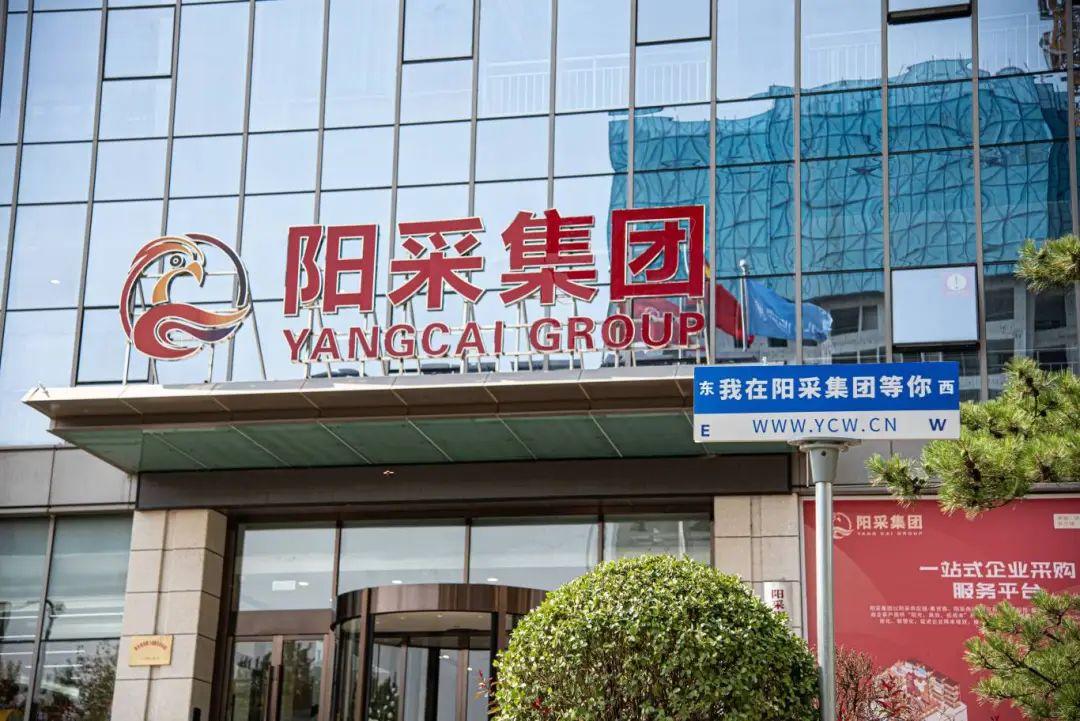
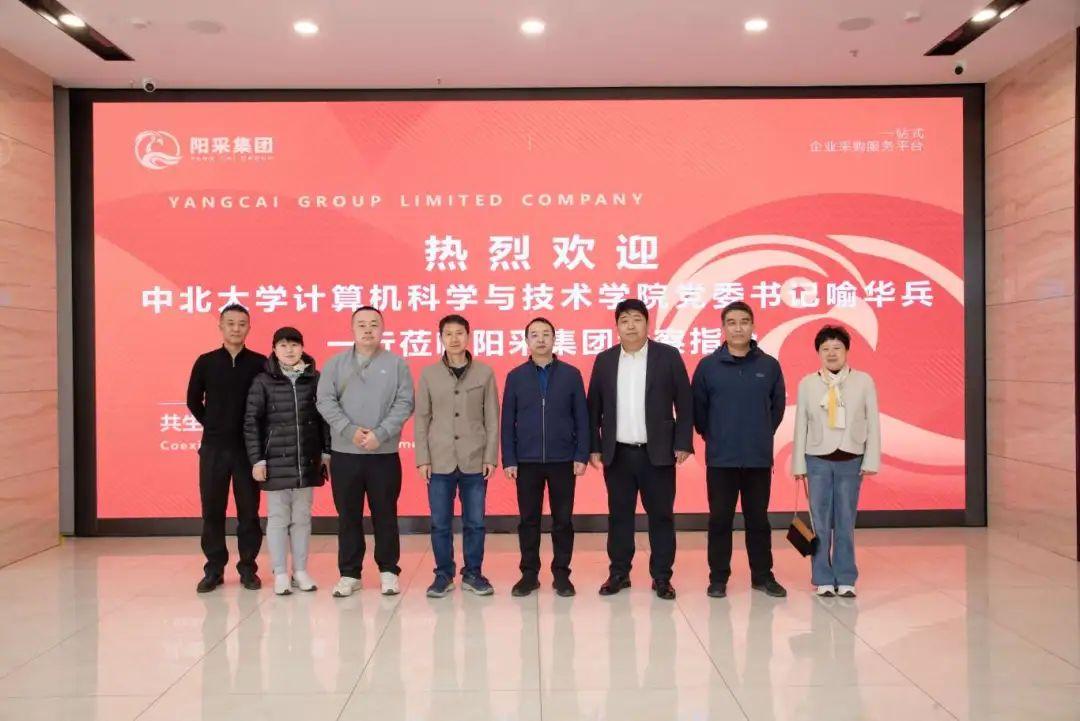
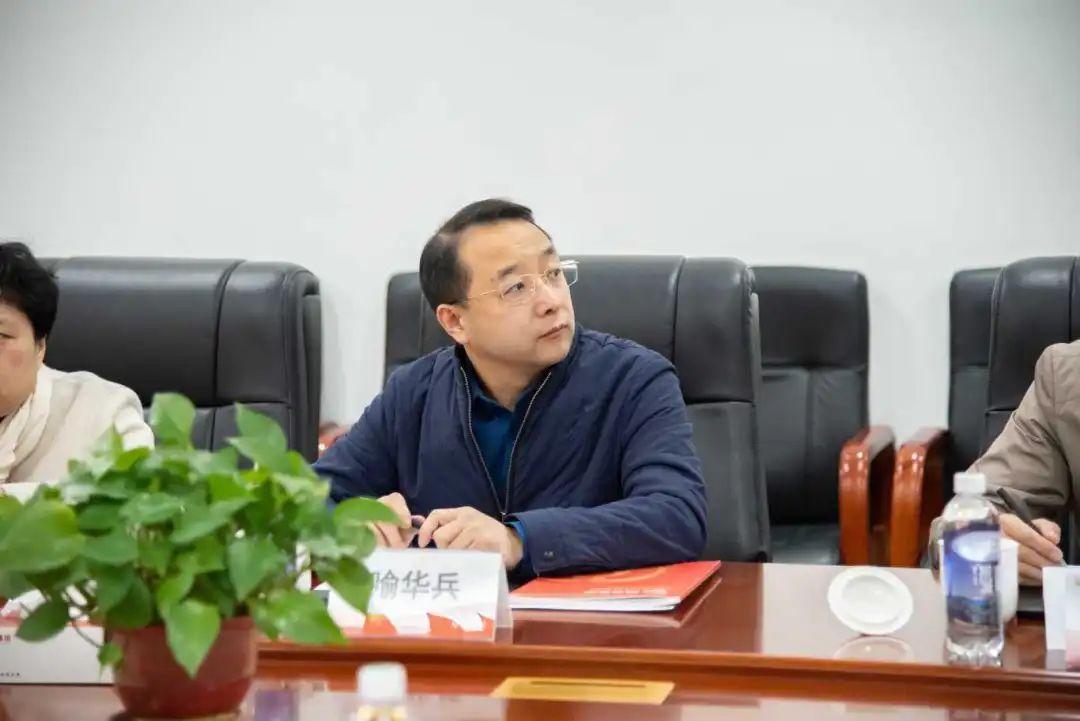
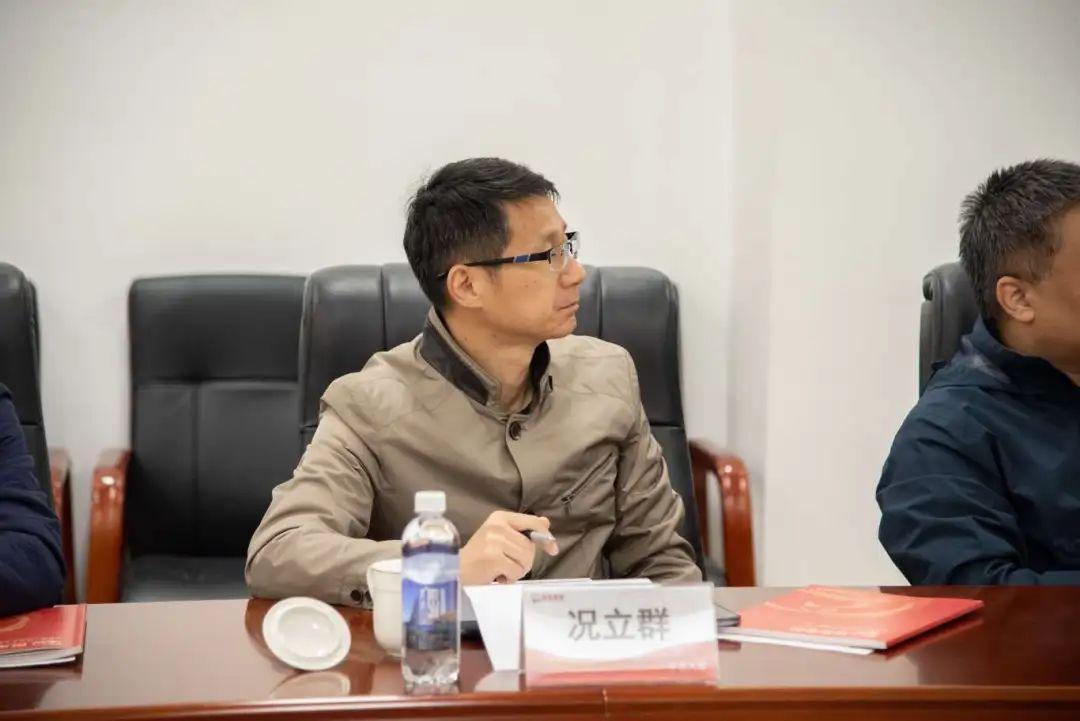
3月20日上午,中北大学计算机科学与技术学院党委书记喻华兵带队赴阳采集团考察指导。阳采集团副总裁兼工会主席李润红、副总裁高龙等集团高层全程接待陪同,双方通过实地调研与座谈研讨,共谋产教融合新方向。

 01

实地考察探创新  共话数字化实践成果

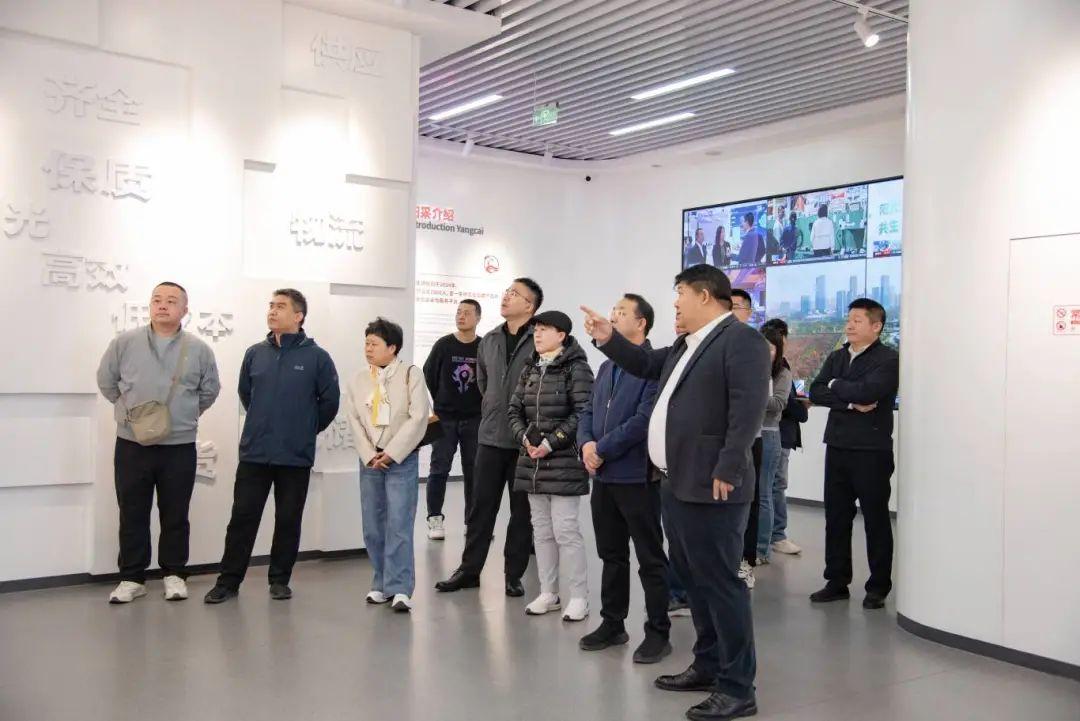
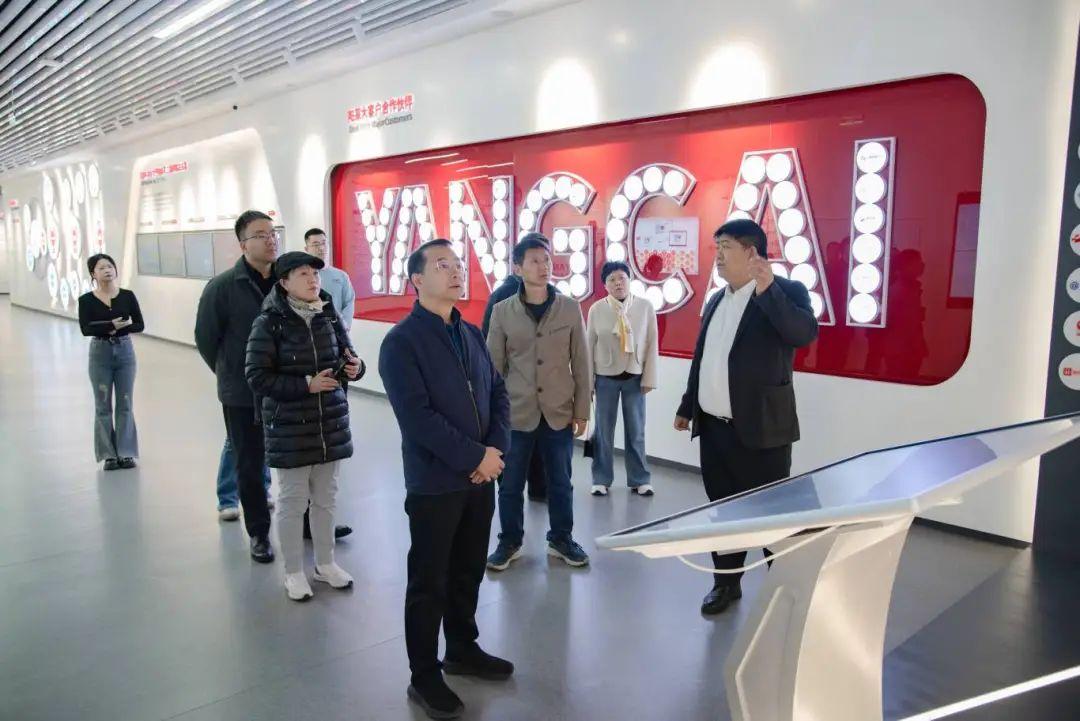
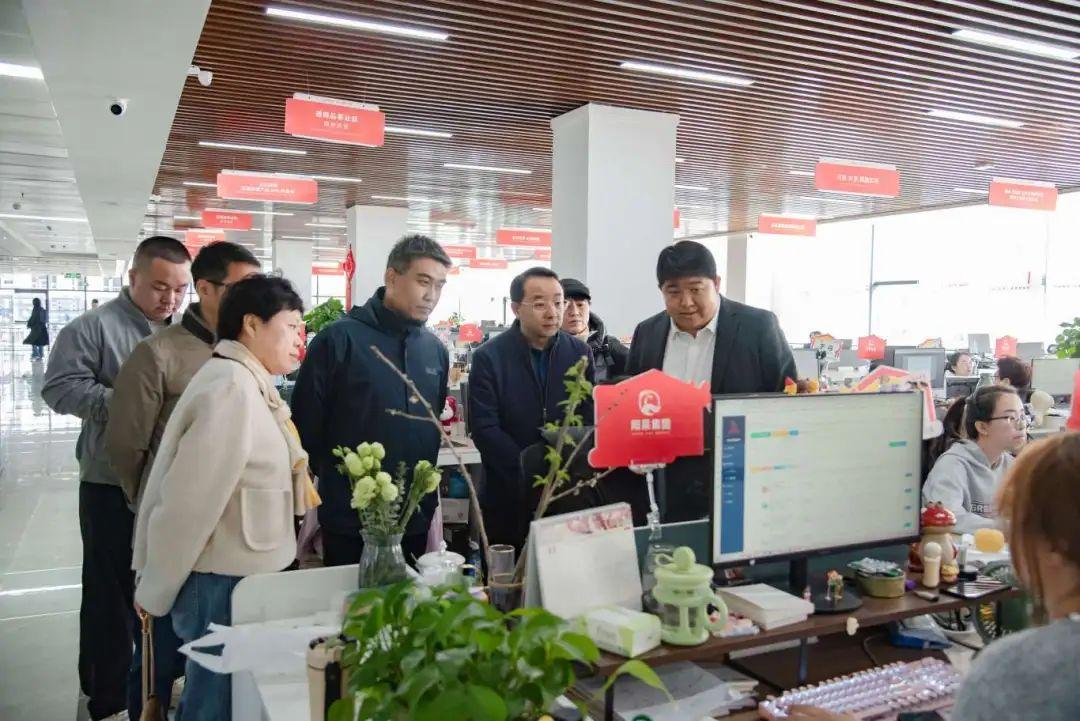
考察组一行先后参观了阳采集团的工业品仓储式卖场、企业数字化展厅、阳采商城体验店以及办公区域,深入了解阳采集团在数字化供应链建设中的创新实践和取得的成效。

阳采集团副总裁高龙详细介绍了集团在工业品分类、仓储物流优化及与制造业企业协同合作中的实践经验,并展示了通过数字化升级实现降本增效的典型案例。在参观过程中,喻华兵对阳采集团在智能物联、数据驱动供应链管理等领域的突破表示高度认可,并指出:“数字化技术正加速重构传统产业生态,高校科研力量与企业场景化需求的结合将释放更大创新潜力。”

  02

座谈研讨会 深化产教协同新机制

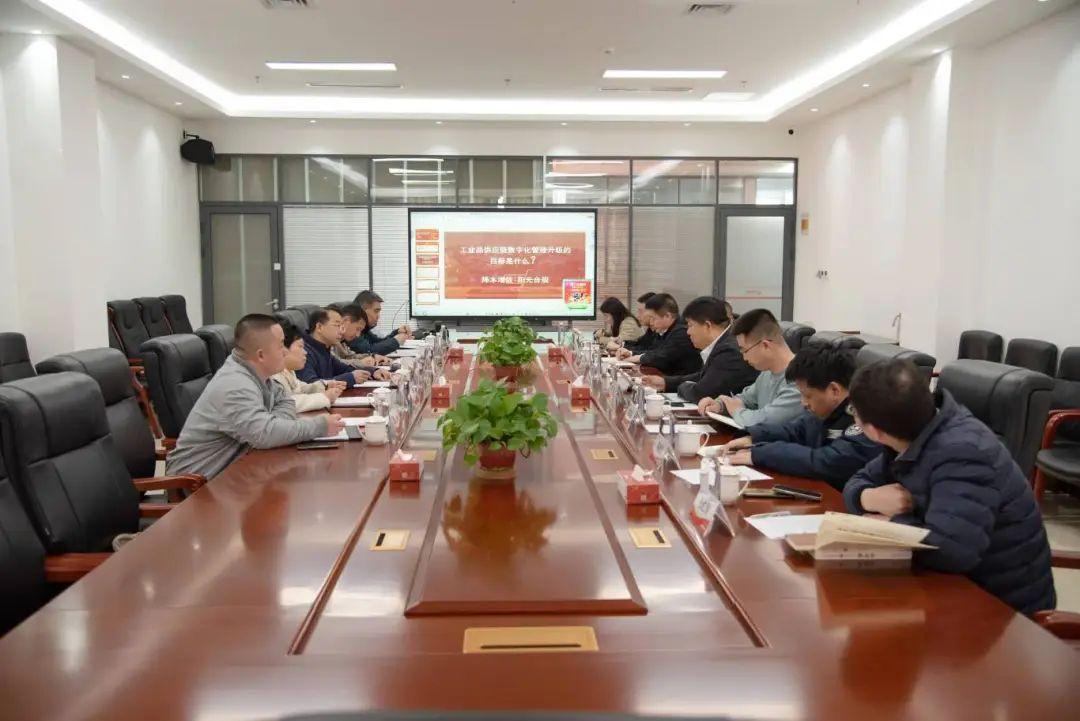
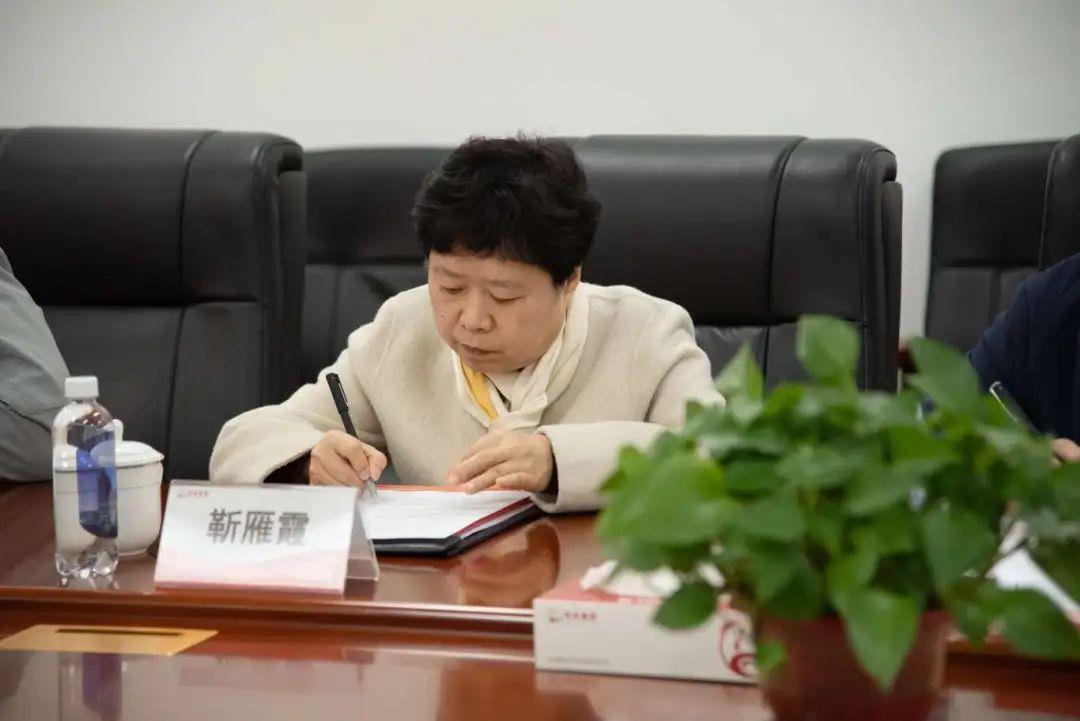
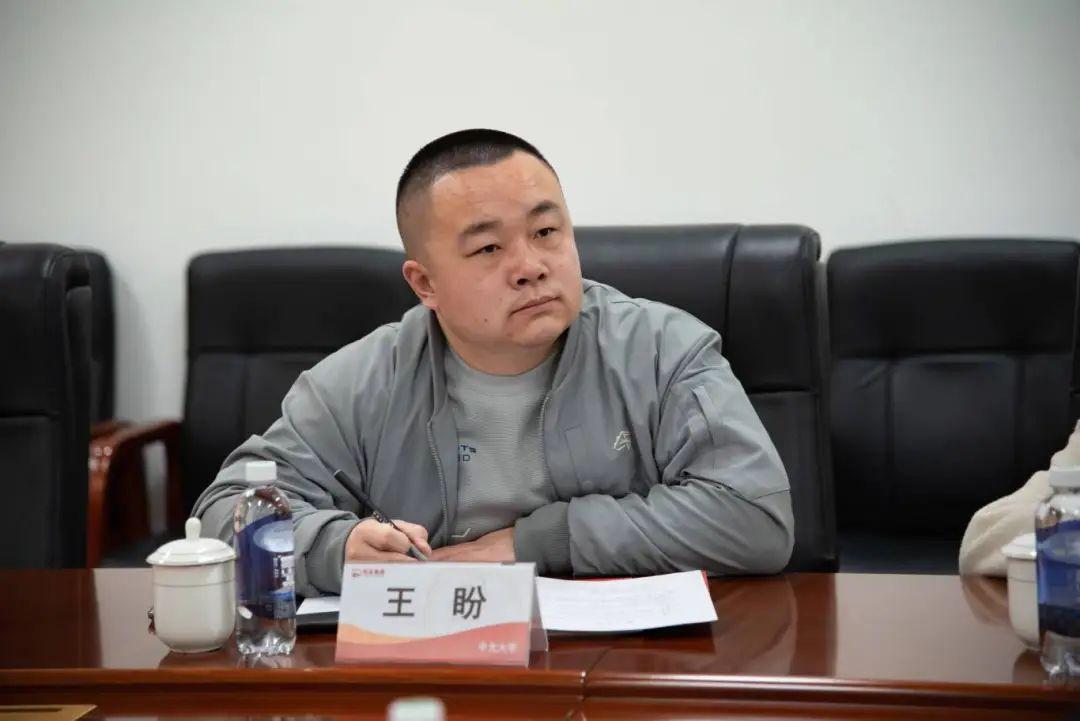
参观结束后,双方进行了座谈会议。会上,双方围绕工业数字化转型、人工智能技术应用、科研项目合作及人才培养等议题展开深入交流。数字化转型正成为供应链变革的核心驱动力。物联网、大数据和人工智能等技术赋能,使供应链的各环节实现了精准预测、实时监控和高效协同。

03 

双向赋能谋发展 共绘校企合作蓝图

未来,阳采集团将继续依托其数字化资源优势,不断推进产业的优化与升级,积极打造一站式数字化采购平台。我们将肩负起引领数字化转型的重任与使命,促进上下游配套企业的共同进步,共同促进数字经济发展。双方将进一步探索多元化校企合作模式,在数字化转型等前沿技术领域开展更加紧密、高效和创新的合作,实现校企双向赋能。

注:文/龚作仁,文章来源:Laborer,本文为作者独立观点,不代表亿邦动力立场。

文章来源:Laborer

广告
微信
朋友圈

FAQ回顾

中北大学与阳采集团考察交流的主要内容是什么?

双方于3月20日围绕工业数字化转型、人工智能技术应用、科研项目合作及人才培养展开实地考察与座谈,重点探讨了产教融合与供应链优化合作方向。

阳采集团在数字化供应链方面有哪些实践成果?

阳采集团展示了工业品仓储式卖场、数字化展厅及商城体验店,通过智能物联与数据驱动实现仓储物流优化、降本增效,并打造一站式数字化采购平台。

这么好看,分享一下?

朋友圈 分享

APP内打开

赞 +1
+1
微信好友 朋友圈 新浪微博 QQ空间
关闭
收藏成功
发送
/140 0