广告
加载中

化妆品市场开年回暖 零售总额同比增长4.4%

张从容 2025-03-17 18:28
张从容 2025/03/17 18:28

邦小白快读

EN
全文速览

总:2025年开年化妆品市场显著回暖,零售额首次突破700亿元大关,显示消费需求复苏信号。

分:1. 1至2月化妆品类零售总额720亿元,同比增长4.4%,高于同期社会消费品零售总额的4%增速,表明品类表现良好。

2. 这是该品类在1至2月首次超过700亿元,历史性突破,提供消费信心提振。

3. 进口数量和金额同步回暖,分别增长14.1%和3.3%,结束自2021年以来的下降趋势。

4. 与2024年下降1.1%相比,2025年数据为消费者带来购买时机,可关注品牌促销活动以节省开支。

总:化妆品市场回暖凸显消费趋势转变,为品牌战略调整提供契机。

分:1. 2025年1至2月零售额增长4.4%,首次突破700亿元,显示消费者购买力回升,品牌应优化营销策略以抓住增长窗口。

2. 进口数据增长14.1%数量和3.3%金额,暗示高端或进口产品需求上升,品牌可加强产品研发,推出创新产品线。

3. 消费趋势从2024年下降1.1%转向2025年增长,品牌需关注用户行为变化,调整渠道建设和定价策略,避免过度价格竞争。

总:化妆品市场增长带来正面机会,卖家需识别销售机遇和潜在风险。

分:1. 2025年1至2月零售额720亿元增长4.4%,首次突破700亿,提供销售增长空间,卖家可增加库存和拓展品类以把握需求。

2. 进口数量和金额回暖,增长14.1%和3.3%,提示卖家关注进口产品机会,如引入国际品牌提升销售额。

3. 风险提示:自2021年以来增速未超过大盘,市场波动性高,需制定应对措施如灵活促销;机会提示:利用回暖期加强合作方式,如与平台联合推广。

总:市场回暖提升生产需求,工厂应把握商业机会推进产能优化。

分:1. 2025年1至2月零售额增长4.4%至720亿元,暗示产品需求增加,工厂可扩大生产规模以满足市场。

2. 进口数据增长14.1%数量和3.3%金额,工厂可探索与进口商合作机会,提供代工或原料加工服务。

3. 推进数字化启示:利用电商趋势优化生产流程,如采用数据分析工具预测需求,降低库存风险。

总:行业发展趋势向好,服务商可提供解决方案应对客户痛点。

分:1. 化妆品市场2025年回暖,零售额增长4.4%和进口增长14.1%,显示整体复苏趋势,服务商可开发市场分析工具帮助客户把握机遇。

2. 客户痛点包括过去下降趋势导致的运营挑战,服务商可提供库存管理解决方案,如清仓策略或预测模型。

3. 推进数字化启示:服务商应推广新技术工具,如销售监控系统,协助客户优化策略和降低风险。

总:市场增长提升对电商平台需求,平台需优化运营管理。

分:1. 2025年1至2月零售额720亿元增长4.4%,平台应加强招商力度,吸引更多品牌入驻以扩大品类。

2. 进口数据回暖,增长14.1%数量和3.3%金额,平台需优化国际商品运营管理,确保供应链高效。

3. 风险规避:历史增速波动,平台需建立灵活机制如促销活动规避库存风险;机会提示:利用回暖趋势调整推荐算法提升用户转化。

总:产业新动向揭示转折点,研究者可探索政策启示和商业模式。

分:1. 2025年化妆品市场数据回暖,零售额首次突破700亿元增长4.4%,进口结束多年下降,显示外部因素影响减弱,提供产业新动向研究素材。

2. 新问题包括自2021年增速未超大盘的原因分析,启示政策法规建议如政府扶持措施促进行业稳定。

3. 商业模式启示:进口增长可能影响本地竞争,研究者可探讨跨境电商合作模式以优化行业结构。

返回默认

声明:快读内容全程由AI生成,请注意甄别信息。如您发现问题,请发送邮件至 run@ebrun.com 。

我是 品牌商 卖家 工厂 服务商 平台商 研究者 帮我再读一遍。

Quick Summary

The cosmetics market showed a significant rebound at the beginning of 2025, with retail sales exceeding 700 billion yuan for the first time, signaling a recovery in consumer demand.

1. From January to February 2025, total cosmetics retail sales reached 720 billion yuan, up 4.4% year-on-year, outpacing the 4% growth in total consumer goods retail, indicating strong category performance.

2. This marks the first time the category has surpassed 700 billion yuan in the January-February period, a historic breakthrough that boosts consumer confidence.

3. Import volume and value both rebounded, increasing by 14.1% and 3.3% respectively, ending the downward trend since 2021.

4. Compared to the 1.1% decline in 2024, the 2025 data suggests a good time for consumers to make purchases, with potential savings from brand promotions.

The cosmetics market rebound highlights shifting consumer trends, presenting an opportunity for brands to adjust their strategies.

1. Retail sales grew 4.4% to 720 billion yuan in Jan-Feb 2025, indicating renewed consumer purchasing power; brands should optimize marketing strategies to capture this growth window.

2. Import volume and value rose 14.1% and 3.3%, suggesting increased demand for premium or imported products; brands can strengthen R&D and launch innovative product lines.

3. The shift from a 1.1% decline in 2024 to growth in 2025 requires brands to monitor changing consumer behavior, adjust channel strategies and pricing to avoid excessive price competition.

Cosmetics market growth presents positive opportunities, but sellers must identify sales potential and manage risks.

1. Jan-Feb 2025 retail sales of 720 billion yuan (up 4.4%) provide room for sales growth; sellers can increase inventory and expand categories to meet demand.

2. Rising imports (14.1% volume, 3.3% value) suggest opportunities in international brands; sellers could introduce such products to boost sales.

3. Risk note: Growth has lagged behind overall retail since 2021, indicating market volatility—sellers should prepare flexible promotions. Opportunity: Leverage the rebound through partnerships, e.g., joint promotions with platforms.

Market recovery boosts production demand, offering factories opportunities to optimize capacity.

1. Jan-Feb 2025 retail growth of 4.4% to 720 billion yuan signals higher product demand; factories can scale up production to meet market needs.

2. Import growth (14.1% volume, 3.3% value) suggests collaboration opportunities with importers, e.g., providing OEM or raw material processing services.

3. Digitalization insight: Leverage e-commerce trends to optimize production, such as using data analytics for demand forecasting to reduce inventory risks.

Positive industry trends create opportunities for service providers to offer solutions addressing client pain points.

1. The 2025 market rebound (4.4% retail growth, 14.1% import growth) indicates overall recovery; providers can develop analytical tools to help clients seize opportunities.

2. Client challenges from past declines include operational issues; providers can offer inventory management solutions like clearance strategies or predictive models.

3. Digital push: Service providers should promote new tools, e.g., sales monitoring systems, to help clients optimize strategies and mitigate risks.

Market growth increases demand for e-commerce platforms, requiring optimized operations.

1. With Jan-Feb 2025 retail sales up 4.4% to 720 billion yuan, platforms should enhance merchant acquisition to expand category offerings.

2. Import recovery (14.1% volume, 3.3% value) necessitates efficient management of international goods supply chains.

3. Risk mitigation: Historical volatility calls for flexible mechanisms like promotions to avoid inventory risks. Opportunity: Adjust recommendation algorithms to boost conversion during the rebound.

Industry shifts indicate a turning point, offering research avenues into policy implications and business models.

1. The 2025 market rebound (4.4% retail growth, breaking 700 billion yuan) and end to import declines suggest reduced external pressures, providing material for studying industry dynamics.

2. Key questions include analyzing why growth lagged behind overall retail since 2021, informing policy recommendations like government support for stability.

3. Business model insight: Import growth may impact local competition; researchers could explore cross-border e-commerce collaborations to optimize industry structure.

Disclaimer: The "Quick Summary" content is entirely generated by AI. Please exercise discretion when interpreting the information. For issues or corrections, please email run@ebrun.com .

I am a Brand Seller Factory Service Provider Marketplace Seller Researcher Read it again.

【亿邦原创】3月17日,国家统计局公布了2025年1至2月化妆品零售总额。统计显示,1至2月,化妆品类零售总额为720亿元,同比增长4.4%,社会消费品零售总额83731亿元,同比增长4%。这是1至2月化妆品零售额首次突破700亿元。

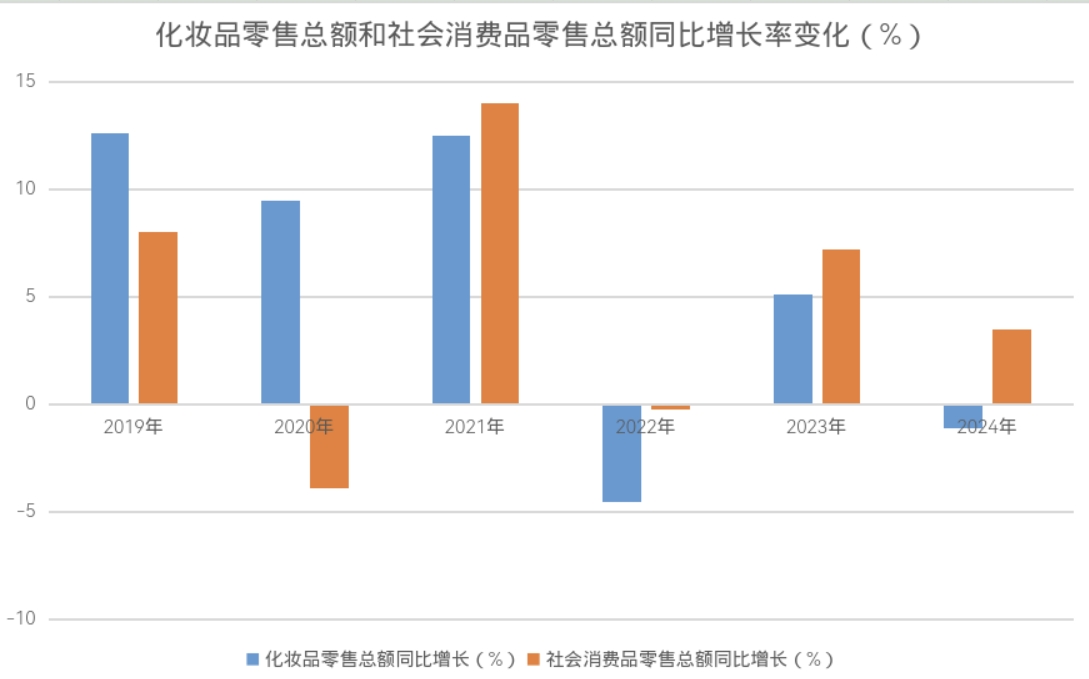
实际上,2024年,国内化妆品零售总额4357亿元,同比收窄1.1%,而同期社会消费品零售总额同比增长3.5%。自2021年以来,化妆品零售总额的增长率便再未跑赢过大盘。

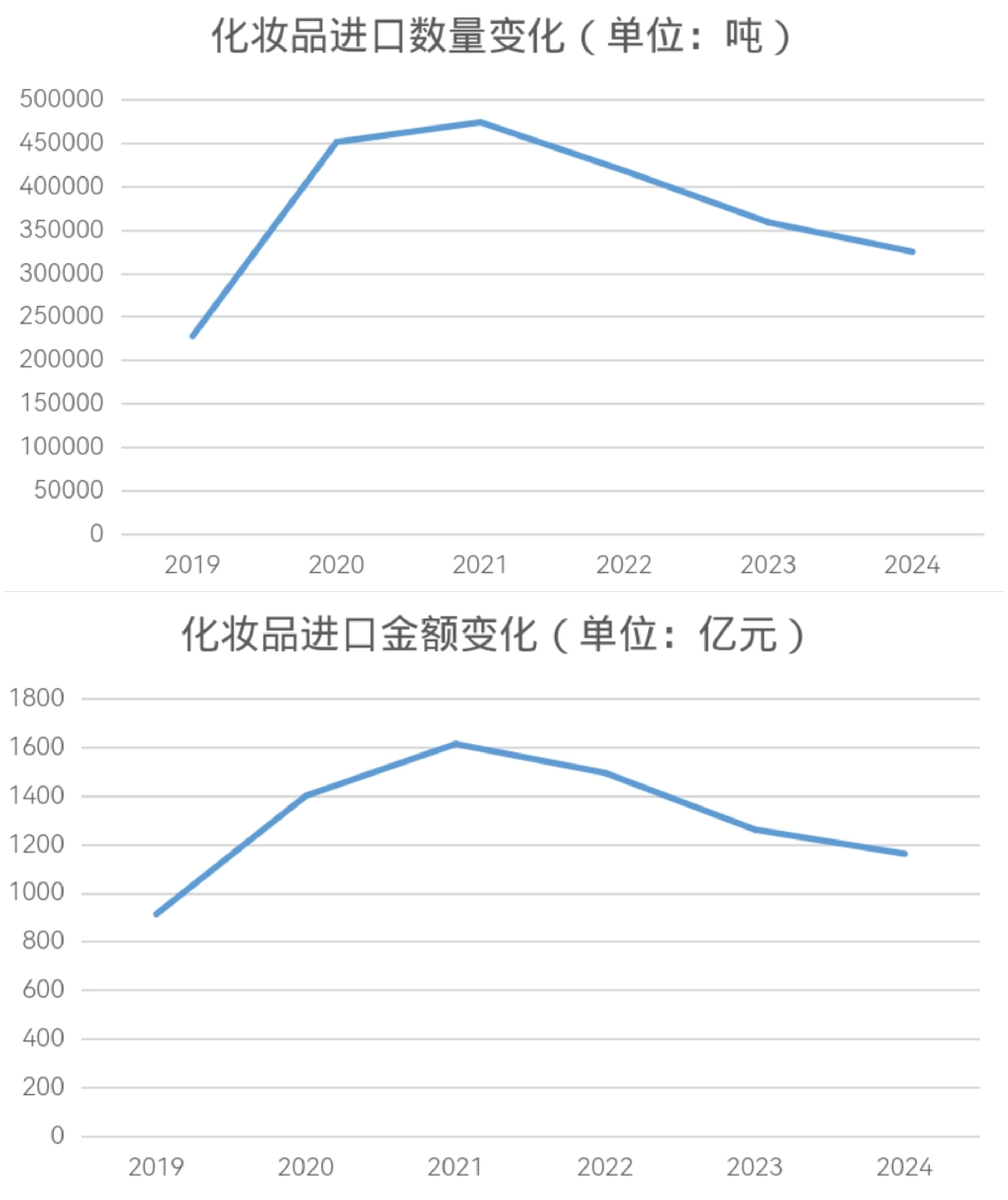
同时,1至2月化妆品的进口也有所回暖。海关总署数据显示,2025年1至2月,美容化妆品及洗护用品进口49,936.4吨,同比增长14.1%;进口金额173.1亿元,同比增长3.3%。自2021年起,化妆品进口数量和进口金额便开始双双下降,一直持续至2024年。

亿邦持续追踪报道该情报,如想了解更多与本文相关信息,请扫码关注作者微信。

文章来源:亿邦动力

广告
微信
朋友圈

FAQ回顾

2025年1-2月中国化妆品零售总额是多少?

2025年1-2月中国化妆品类零售总额为720亿元,同比增长4.4%,首次突破700亿元大关,同期社会消费品零售总额增长4%。

2025年1-2月化妆品进口情况如何?

2025年1-2月美容化妆品及洗护用品进口49,936.4吨,同比增长14.1%;进口金额173.1亿元,同比增长3.3%,结束自2021年以来的下降趋势。

2024年化妆品零售表现怎样?

2024年国内化妆品零售总额4357亿元,同比收窄1.1%,而社会消费品零售总额增长3.5%,这是化妆品零售增速连续四年未跑赢大盘。

这么好看,分享一下?

朋友圈 分享

APP内打开

赞 +1
+1
微信好友 朋友圈 新浪微博 QQ空间
关闭
收藏成功
发送
/140 0