广告
加载中

盒马开店提速:同天在上海杭州等五地新开五家门店

亿邦动力 2024-06-28 15:24
亿邦动力 2024/06/28 15:24

邦小白快读

EN
全文速览

盒马加速开店,同天在上海、杭州、重庆、南通、嘉兴桐乡开设五家新店,全国门店总数突破400家,覆盖30多个城市。

1. 上海新店位于嘉定江桥万达广场,面积超7000平米,商品种类达6000多种,包括烘焙、水产等全品类,并有30多家联营商入驻。

2. 杭州新店为临平区首家盒马店,面积一千多平米;嘉兴桐乡首店与万象汇合作,针对年轻消费群体。

3. 南通海门店根据当地消费习惯提供海鲜、烘焙和半成品菜;重庆新店是第十五家门店,设有38个试吃点,满足“逛吃”需求。

4. 今年以来盒马高速扩张,6月新开12家店,旨在提升用户体验和增加门店密度。

盒马通过开店和合作强化品牌营销和渠道建设,针对消费趋势定制产品。

1. 品牌渠道建设体现在与万象汇合作开设桐乡首店,吸引周边年轻消费人群,扩大市场覆盖。

2. 产品研发方面,针对南通海门区消费习惯推出海鲜、烘焙和半成品菜,满足一日三餐需求,反映本地化策略。

3. 消费趋势观察显示,重庆店设置试吃点迎合“逛吃”需求,上海店商品丰富度提升用户体验,捕捉用户行为变化。

4. 联营商入驻上海店,展示品牌合作模式,增强渠道多样性。

盒马扩张提供增长市场和机会,可学习其应对策略和商业模式。

1. 增长市场体现在进入新城如杭州临平、嘉兴桐乡和南通海门,首店策略开拓新消费群体。

2. 消费需求变化机会:针对当地习惯定制产品(如南通的海鲜),重庆试吃点提升体验,应对需求变化。

3. 可学习点包括门店密度增加提升线上线下体验,联营商模式促进合作,加速开店应对市场扩张。

4. 正面影响:高速拓店(6月新开12家)展示增长势头,风险提示需注意本地化适应。

盒马开店推动产品生产和设计需求,提供商业机会和电商启示。

1. 产品生产需求:针对南通海门消费习惯提供海鲜、烘焙和半成品菜,反映定制化生产方向。

2. 商业机会:联营商入驻上海店,展示合作模式;首店策略(如桐乡与万象汇)启示新市场进入。

3. 推进数字化和电商启示:增加门店密度提升线上线下体验,试吃点设置增强用户互动,推动零售数字化。

4. 商品种类丰富(6000多种)启示生产多样化,满足一日三餐需求。

盒马高速拓店反映行业发展趋势,提供解决客户痛点的方案。

1. 行业发展趋势:同天开五店、全国400家门店覆盖30多城,展示零售扩张势头。

2. 客户痛点解决方案:重庆店38个试吃点解决“逛吃”需求,提升体验;针对当地习惯(如南通海鲜)定制产品,解决本地化痛点。

3. 新技术启示:线上线下结合提升体验,门店密度增加优化服务,无新科技但体现数字化整合。

4. 机会点:联营商模式展示合作解决方案,首店策略(如临平)启示新市场开发。

盒马平台策略包括开店密度增加和合作方式,优化运营管理。

1. 平台最新做法:同天开五店提升全国覆盖,门店总数突破400家,增加密度以提升用户体验。

2. 平台招商:上海店30多家联营商入驻,展示合作招商模式;与万象汇合作开设桐乡首店,强化平台合作。

3. 运营管理:针对消费习惯(如南通产品)优化本地运营,试吃点设置管理用户互动。

4. 风向规避:高速拓店(6月新开12家)需注意本地适应风险,但无具体问题提及。

盒马加速开店展示产业新动向和商业模式,启示政策与问题。

1. 产业新动向:同天开五店、进入新城(如临平、桐乡),门店超400家,反映零售扩张趋势。

2. 新问题:进入新城市需本地化适应(如南通定制产品),首店策略挑战市场渗透。

3. 商业模式:线上线下结合提升体验,联营商合作模式,加速开店增加密度。

4. 政策启示:高速拓店旨在服务普及,但无法规建议;可学习点如试吃点优化用户互动。

返回默认
声明:快读内容全程由AI生成,请注意甄别信息。如您发现问题,请发送邮件至 run@ebrun.com 。

我是 品牌商 卖家 工厂 服务商 平台商 研究者 帮我再读一遍。

Quick Summary

Hema accelerates its store expansion, opening five new stores simultaneously in Shanghai, Hangzhou, Chongqing, Nantong, and Tongxiang (Jiaxing), bringing its total number of stores nationwide to over 400 across more than 30 cities.

1. The new Shanghai store, located in Jiading's Wanda Plaza, spans over 7,000 square meters and offers more than 6,000 product varieties, including bakery and aquatic products, with over 30 partner merchants.

2. The Hangzhou store is the first Hema outlet in Linping District, covering over 1,000 square meters; the Tongxiang store, a collaboration with MixC, targets younger consumers.

3. The Nantong store tailors its offerings to local preferences, featuring seafood, bakery items, and semi-prepared meals; the Chongqing store, the 15th in the city, includes 38 tasting stations to cater to the 'shop-and-eat' trend.

4. Hema has been expanding rapidly this year, opening 12 new stores in June alone to enhance user experience and increase store density.

Hema strengthens its brand marketing and channel development through store openings and partnerships, customizing products based on consumer trends.

1. Channel development is evident in collaborations like the Tongxiang flagship store with MixC, attracting younger demographics and expanding market reach.

2. Product R&D focuses on localizing offerings, such as seafood and bakery items in Nantong, aligning with daily meal needs.

3. Consumer trend adaptation includes tasting stations in Chongqing to cater to experiential shopping and diverse product assortments in Shanghai to enhance user engagement.

4. Partner merchant integrations in Shanghai stores demonstrate collaborative business models, enriching channel diversity.

Hema's expansion presents growth opportunities and insights into adaptive strategies and business models.

1. Growth markets include entry into new areas like Hangzhou's Linping, Jiaxing's Tongxiang, and Nantong's Haimen, using flagship stores to tap new consumer bases.

2. Adapting to demand shifts: Localized products (e.g., seafood in Nantong) and tasting stations in Chongqing address evolving consumer preferences.

3. Key learnings: Increased store density improves omnichannel experience, partner models foster collaboration, and rapid openings respond to market growth.

4. Positive momentum: Accelerated expansion (12 new stores in June) signals strong growth, though localization risks require attention.

Hema's store openings drive demand for customized production and offer e-commerce insights.

1. Production needs: Tailored offerings like seafood and semi-prepared meals in Nantong reflect demand for localized manufacturing.

2. Business opportunities: Partner merchant models in Shanghai and flagship store strategies (e.g., Tongxiang with MixC) reveal entry tactics for new markets.

3. Digital and e-commerce implications: Higher store density enhances omnichannel integration, while tasting stations boost engagement, advancing retail digitization.

4. Product diversity (6,000+ items) underscores the need for varied production to meet daily consumer needs.

Hema's rapid expansion reflects industry trends and solutions for client pain points.

1. Industry trend: Five stores opened in one day, with 400+ stores nationwide, signaling robust retail growth.

2. Client solutions: Tasting stations in Chongqing address experiential demands; localized products (e.g., Nantong's seafood) tackle regional adaptation challenges.

3. Tech insights: Omnichannel integration improves service efficiency, though no new technologies are highlighted—focus remains on digital optimization.

4. Opportunities: Partner models and flagship store strategies (e.g., Linping) offer blueprints for market entry and collaboration.

Hema's platform strategy emphasizes store density and partnerships to optimize operations.

1. Latest moves: Five stores launched in one day boost national coverage, with 400+ total stores enhancing user accessibility.

2. Merchant recruitment: Over 30 partners in Shanghai exemplify collaborative招商; the Tongxiang store with MixC strengthens platform alliances.

3. Operational management: Localized assortments (e.g., Nantong) and tasting stations refine customer interaction and regional adaptability.

4. Risk note: Rapid expansion (12 stores in June) requires careful localization, though no specific issues are cited.

Hema's accelerated expansion reveals industry shifts and business models, with policy implications.

1. Industry trend: Simultaneous openings in new markets (e.g., Linping, Tongxiang) and 400+ stores reflect retail scaling.

2. Emerging challenges: Localization demands (e.g., tailored products in Nantong) and flagship store strategies test market penetration.

3. Business models: Omnichannel integration elevates体验, partner collaborations diversify revenue, and density growth drives efficiency.

4. Policy insights: Expansion aims to broaden service access, but no regulatory recommendations are noted; takeaways include optimizing engagement via tasting stations.

Disclaimer: The "Quick Summary" content is entirely generated by AI. Please exercise discretion when interpreting the information. For issues or corrections, please email run@ebrun.com .

I am a Brand Seller Factory Service Provider Marketplace Seller Researcher Read it again.

【亿邦原创】亿邦获悉,6月28日,盒马分别在上海、杭州、重庆、南通、嘉兴桐乡等城市同天开出5家新店。截至目前,盒马全国门店总数突破400家,遍布30多个城市。

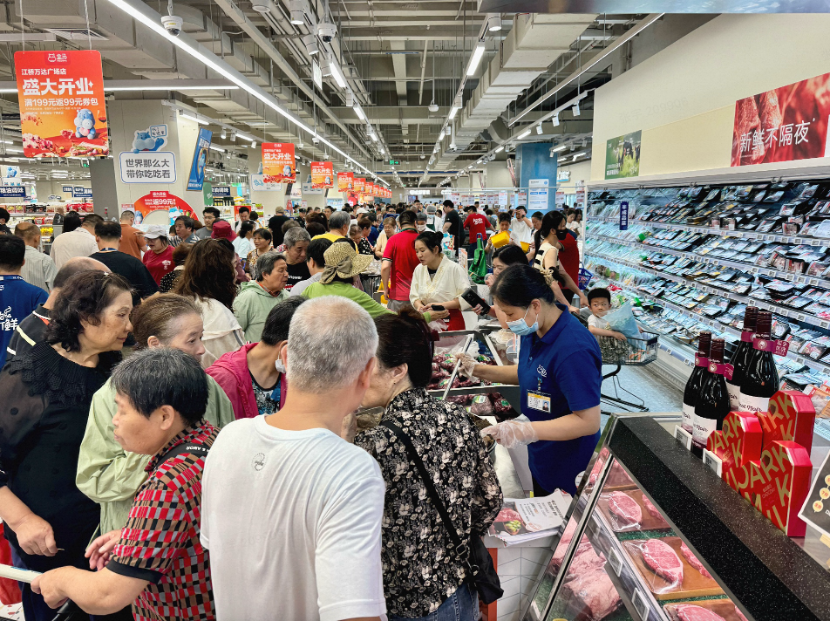
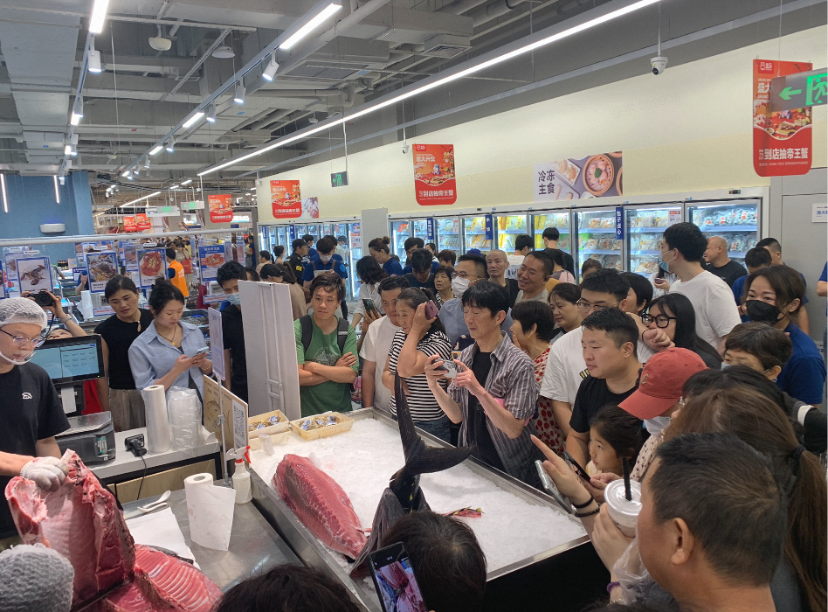
上海的新店位于嘉定区江桥万达广场,目前,嘉定区的盒马鲜生已经增至6家。据了解,江桥万达店面积超7000平米,比上海大多数盒马门店大了一倍,店内涵盖了烘焙、水产、冷藏冷冻、熟食、休闲、鲜切肉铺、西食岛等全部品类,共有6000多种商品,还有30多家联营商入驻。

杭州新店盒马mini银泰inPARK店则位于临平区,为辖区内首家盒马店,门店面积为一千多平米。除了杭州临平,浙江嘉兴桐乡市的盒马新店也是该地区首店。据悉,这也是继常州、常熟之后,盒马今年进驻的第三座新城。

值得一提的是,盒马鲜生桐乡首店与万象汇合作,后者是桐乡最大城市综合体,周边聚集了大量年轻消费人群。

此前在南通取得不错的市场反馈后,盒马也把门店进入一步开到了南通海门区。针对当地消费习惯,盒马打造了诸多海鲜产品,搭配网红的烘焙、半成品菜等,“满足周边消费者的一日三餐”。

在西部唯一的直辖市重庆,盒马开出了第十五家门店,店内还设置了38个试吃点,满足市民一站式“逛吃”需求。

今年以来,盒马保持了高速拓店势头,仅6月就在全国新开了12家新店,门店总数也突破了400家。盒马全国开发选址负责人梅翔表示,盒马加速开店,一方面为了让更多人体验到盒马的商品和服务,一方面增加原有的门店密度,提升用户线上线下体验。


文章来源:亿邦动力

广告
微信
朋友圈

FAQ回顾

盒马2024年6月28日新开门店分布在哪些城市?

盒马于2024年6月28日在上海、杭州、重庆、南通、嘉兴桐乡五个城市同时新开了5家门店,其中杭州临平店和嘉兴桐乡店为当地首店。

盒马全国门店总数目前有多少家?

截至2024年6月28日,盒马全国门店总数已突破400家,覆盖超过30个城市,仅6月份就在全国新开了12家门店。

盒马加速开店的主要目的是什么?

盒马加速开店旨在让更多消费者体验其商品和服务,同时通过增加门店密度来提升用户线上线下的购物体验。

这么好看,分享一下?

朋友圈 分享

APP内打开

+1
+1
微信好友 朋友圈 新浪微博 QQ空间
关闭
收藏成功
发送
/140 0